Cave Run Lake Fishing Guide and Best Spots
There's nothing quite like the excitement of planning a fishing trip to a new spot, but let's be honest, trying to figure out where to go and what to expect can be incredibly overwhelming. You hear whispers of a fantastic lake, but then you're hit with a wall of generic advice or outdated information. If you're tired of guessing games and want a truly in-depth look at fishing one of Kentucky's most celebrated waters, this guide is your go-to resource for mastering Cave Run Lake.
Discovering the Unique Allure of Cave Run Lake
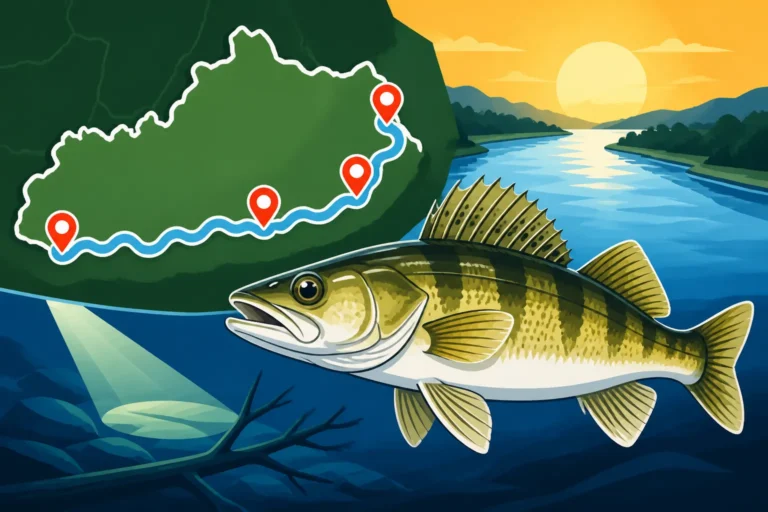
Alright, let's talk about Cave Run Lake. Nestled in the stunning embrace of the Daniel Boone National Forest in Eastern Kentucky, this place isn't just another body of water; it's an experience. For many, the name Cave Run immediately conjures images of one legendary fish: the mighty Muskie. And for good reason – it's often hailed as the "Muskie Capital of the South." But to limit Cave Run to just muskie fishing would be a huge disservice. This lake offers so much more, presenting diverse challenges and rewards for anglers of all stripes. It's a place where the scenery alone is worth the trip, but the fishing is what truly hooks you.
What Makes Cave Run Lake Stand Out
So, what exactly sets Cave Run Lake apart from other fantastic Kentucky fishing spots? First and foremost, it's its sheer size and the variety of habitats it offers. Spanning over 8,270 acres with nearly 200 miles of shoreline, it’s a big lake, which can be both a blessing and a curse. You have vast open waters, submerged timber, rocky points, deep channels, and plenty of shallow coves, all contributing to a rich ecosystem. The consistent stocking programs, particularly for muskie and bass, also ensure that the fishery remains robust and exciting year after year. It's not just a place to catch fish; it's a place to hunt them, especially those elusive muskie that demand respect and patience.
Another unique aspect is its location. Being within the national forest means you're surrounded by natural beauty, minimizing the commercial development you might see on some other popular lakes. This contributes to a more serene and wild fishing experience. You’re not just battling fish; you’re immersed in nature, which, for many of us, is a huge part of why we love to fish in the first place. Plus, the deep, clear waters in some areas provide distinct challenges compared to the shallower, more turbid rivers in other parts of the state.
Common Frustrations and How to Tackle Them
Now, let's be real – even the best fishing spots come with their share of headaches. One of the biggest frustrations anglers face on Cave Run Lake is the sheer size, leading to the "where do I even start?" dilemma. It’s so vast that newcomers often feel lost, unsure of where the fish might be holding. This is especially true for muskie, which are notoriously difficult to locate and entice. You could spend hours casting without a single follow, which can be incredibly disheartening.
Another common frustration, particularly during peak seasons or weekends, can be boat traffic. While not as heavily trafficked as some lakes, on a beautiful Saturday, you'll find plenty of fellow anglers, pleasure boaters, and even kayakers out enjoying the water. This can make finding quiet spots challenging and can sometimes spook the fish you're trying to target. Additionally, the ever-changing weather patterns in Eastern Kentucky can drastically impact fishing conditions, from sudden cold fronts to heavy rains that muddy the water, forcing anglers to constantly adapt their strategies. We've all been there, packing for one type of weather only to have Mother Nature throw a curveball.
To combat these issues, preparation is key. Having a good map, a reliable fish finder with GPS capabilities, and a flexible mindset will go a long way. Don't be afraid to try different areas and techniques if your initial plan isn't panning out.
Key Fish Species and Their Peak Seasons on Cave Run Lake
Cave Run Lake is a veritable smorgasbord for anglers, boasting a fantastic variety of species beyond its famous muskellunge. Understanding what's biting when and where is crucial for maximizing your time on the water. Each species has its own seasonal patterns and preferred habitats, making year-round fishing exciting and dynamic. If you're looking for a comprehensive overview of what the Commonwealth has to offer, you might want to check out our guide to Kentucky Fish Species Guide: 265 Types You Can Catch.
The Legendary Muskie: Timing Your Trophy Hunt
Let's start with the undisputed king of Cave Run Lake: the muskie. This lake is truly a world-class muskie fishery, and anglers travel from all over to test their luck against these toothy predators. While you can catch muskie year-round, there are definitely peak seasons when your chances of landing a trophy improve dramatically.
The absolute best times for muskie fishing are generally in the fall (September through November) and spring (March through May). In the fall, muskie are bulking up for winter, feeding aggressively on baitfish. They'll often be found near deeper points, creek channels, and areas with good baitfish concentrations. As water temperatures drop, they become more lethargic but are still catchable, often holding tight to cover or deep structure. Spring sees them moving shallower for spawning, then post-spawn they become very active, feeding heavily again. This is when they're often found around flats, weed lines, and newly vegetated areas. For specific hotspots, our guide on Cave Run Lake's Best Muskie Fishing Spots dives even deeper.
Summers can be tough for muskie, as they often retreat to deeper, cooler water, though early mornings and late evenings can still produce bites. Winter muskie fishing, especially through the ice in colder years (though ice fishing isn't common on Cave Run due to varying temperatures), can be surprisingly productive for those willing to brave the cold, as the fish are concentrated and less pressured.
Bass Bonanza: Largemouth, Smallmouth, and Spotted
While muskie get the headlines, Cave Run Lake offers incredible bass fishing for largemouth, smallmouth, and spotted bass. These species are abundant and provide consistent action throughout much of the year, often frustrating anglers by being right next to those elusive muskies.
Largemouth Bass are plentiful, especially in the lake's shallower coves, around fallen timber, and in areas with vegetation. Their peak season mirrors many other Kentucky lakes, with the spring spawn (April and May) being prime time. During this period, they'll be in shallow bays and coves, guarding nests. After the spawn, they move to deeper cover but remain active. Fall sees another strong bite as they feed aggressively. For a general overview of this fantastic season, check out Kentucky Bass Fishing: The April-May Peak Season.
Smallmouth Bass are less common but are present, particularly in the clearer, rockier areas and along bluff walls, especially in the lower lake. They prefer cooler water and rocky habitat. Spotted Bass are abundant throughout the lake, often found in similar habitats to largemouth but can tolerate deeper, clearer water and are often caught deeper than largemouth, especially in summer. Both smallmouth and spotted bass are excellent fighters, offering a thrilling challenge.
Crappie and Catfish: Dependable Eaters
If you're looking for consistent action and some tasty fillets, crappie and catfish are your go-to species on Cave Run Lake. They provide fantastic fishing opportunities, especially for families or those just looking to bend a rod.
Crappie, both black and white varieties, are popular targets. The spring spawn is legendary, typically occurring from late March through May when water temperatures hit the mid-50s to low 60s. During this time, crappie move into shallow coves, around brush piles, and submerged timber. They're relatively easy to catch with minnows, jigs, or small crankbaits. Our Kentucky Crappie Fishing: Spring Spawn Run Guide can offer more detailed techniques. After the spawn, they disperse and move to deeper brush piles and structure. Many anglers will head to Where to Catch Crappie on Cave Run Lake for some proven strategies.
Catfish – channel, blue, and flathead – are abundant in Cave Run Lake and offer excellent fishing, especially in the warmer months. Catfish are often found in deeper channels, around timber, and near creek mouths. Night fishing for catfish during the summer is a popular and very productive strategy. They’ll readily take cut bait, stink bait, live bait like minnows or shad, and even chicken livers. While Cave Run isn't the Ohio River, many of the techniques described in Kentucky Catfish Fishing: Ohio River and Kentucky Lake Guide can be adapted here. If you're curious about the best spots to find these whiskered warriors on Cave Run, you'll want to read Where to Catch Catfish on Cave Run Lake.
Prime Fishing Locations and Access Points
Navigating a large lake like Cave Run can feel like a daunting task, especially for first-timers. Knowing where the best fishing spots are and how to access them is half the battle. This lake offers a variety of terrain and access points, catering to both boat anglers and those who prefer to fish from the bank. Getting a local guide through platforms like FishingBooker can often shortcut the learning curve, putting you on fish faster.
Top Muskie Hotspots and Strategies
For muskie anglers, Cave Run Lake is legendary, and certain areas consistently produce better results. These fish are known for their preference for specific types of structure and cover.
One of the most popular and productive areas for muskie fishing is the North Fork of the Licking River arm. This section of the lake features extensive submerged timber, creek channels, and secondary points where muskie ambush baitfish. The old river channel here is particularly important, often holding deep water and structure that muskie utilize throughout the year. Anglers often troll large crankbaits or cast big bucktails, jerkbaits, and soft plastics along the timber lines and over submerged humps. Precision casting is often required to get your lure into the strike zone without getting hung up.
Another fantastic area is near the dam and spillway, particularly during cooler months. The deeper water and constant current near the dam create excellent ambush points. Muskie will often suspend in these deeper areas, following baitfish schools. Targeting rocky points and bluff walls in this lower lake section can also be highly effective. The key here is patience and persistence; muskie fishing is not for the faint of heart. Remember that muskie often follow a lure right to the boat, so always be prepared to do a figure-eight at the end of your retrieve – that’s often when they strike! If you're looking for even more specific intel, Cave Run Lake's Best Muskie Fishing Spots provides a deep dive into these locations.
Best Coves and Structures for Bass and Crappie
For bass and crappie anglers, Cave Run Lake offers a plethora of options, with coves and submerged structures being key.
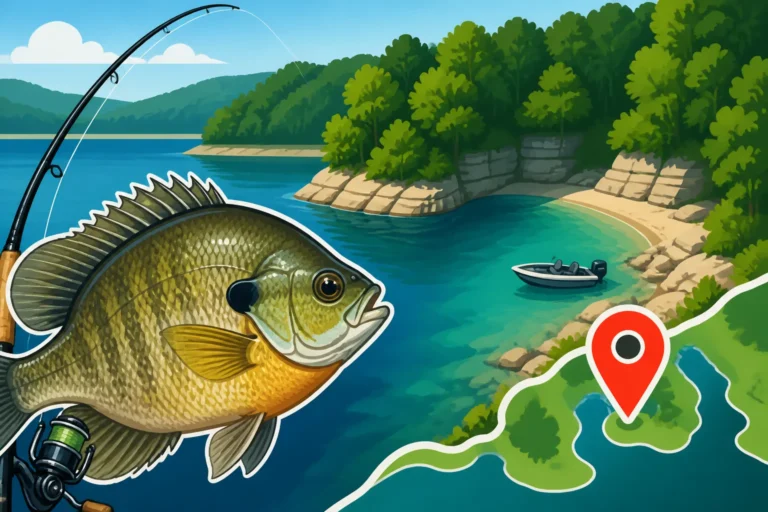
For bass, especially largemouth, the numerous coves and bays in the middle and upper sections of the lake are prime. Look for areas with a good mix of fallen timber, brush piles, and submerged vegetation. Coves like Minor Creek, Scott Creek, and areas around the Zilpo Recreation Area are consistent producers. During the spring spawn, focus on the very backs of these coves where the water warms first. As summer progresses, bass will move out to deeper points, humps, and creek channel edges. Early mornings and late evenings will see them push shallower to feed. Jerkbaits, crankbaits, jigs, and Texas-rigged worms are all effective here. Our article Cave Run Lake's Best Bass Coves Near the Dam offers more localized tips for this popular species.
Crappie also love structure. Target submerged brush piles, standing timber, and creek channel drops. Areas around Clay Lick and Leatherwood are known for good crappie populations. Many anglers use their fish finders to locate submerged trees or man-made crappie attractors, then vertical jig with minnows or small jigs. During the spring, focus on shallow brush in coves; as the water warms, they move deeper. Spider rigging, where multiple rods are spread out to cover a wider area, is a popular and effective technique for crappie on Cave Run.
Convenient Boat Ramps and Shore Access
Access to Cave Run Lake is relatively straightforward, with several public boat ramps and numerous spots for bank fishing. Knowing your launch points can save you valuable time.
The lake features several well-maintained boat ramps. Popular options include Cave Run Lake Marina (which offers a full-service marina), Scott Creek Boat Ramp, Clay Lick Boat Ramp, and Alfrey Boat Ramp. These ramps are typically paved and provide ample parking, making them suitable for most boat types, from small jon boats to larger bass boats and even pontoons. It’s always a good idea to check ramp conditions, especially after heavy rains, as water levels can fluctuate. For a full breakdown of your options, check out Best Boat Ramps on Cave Run Lake, Kentucky.
For those who prefer bank fishing, opportunities abound, especially around the recreation areas. The Zilpo Recreation Area offers excellent shore access with piers and designated fishing areas, perfect for families or anglers without a boat. The Twin Knobs Recreation Area also provides good bank access. Many smaller pull-offs and trails along the shoreline within the Daniel Boone National Forest also provide secluded spots for bank anglers, though these might require a bit of hiking. Remember to be mindful of private property signs when seeking out new bank fishing spots. To help you find the perfect casting spot from shore, our guide on Best Shore Fishing Access on Cave Run Lake has some great tips.
Essential Techniques and Gear for Cave Run Lake
Fishing Cave Run Lake isn't just about showing up; it's about showing up prepared with the right techniques and gear. Given the diversity of fish and the varying conditions, having a versatile tackle box and a willingness to adapt is crucial. You don't want to be caught off guard when that trophy muskie finally decides to strike or when the crappie bite shifts.
Muskie Mastery: Lures and Retrieve Styles
Muskie fishing on Cave Run Lake is a commitment, demanding specialized gear and a methodical approach. These are big, powerful fish, and your tackle needs to match the challenge.
When it comes to lures, go big or go home. Large bucktails (like the popular Cowgirl or Mepps Musky Killer), jerkbaits (e.g., Phantom Lures, Salmo Slider), large crankbaits (such as those from Musky Mania or Bagley), and big soft plastics (like Bondy Baits or Bull Dawgs) are staples. Lure size typically ranges from 6 to 12 inches, sometimes even larger. Color choices can vary, but natural baitfish patterns, chartreuse, and bright colors often work well, depending on water clarity and light conditions.
Retrieve styles are critical. For bucktails, a fast, steady retrieve with occasional pauses is often effective. For jerkbaits, a twitch-pause retrieve that makes the lure dart erratically mimics an injured baitfish. Crankbaits are best retrieved to bang off submerged structure or trolled along contour lines. Always, and I mean always, end your retrieve with a figure-eight or an L-turn beside the boat. Many muskie will follow a lure for a long distance, and the sudden change in direction at the boat is often what triggers a strike. A solid 8-9 foot heavy action rod, a reel with a good drag system, and at least 80-pound braided line with a heavy fluorocarbon or wire leader are non-negotiable.
Bass and Crappie Tactics for Consistent Bites
For bass and crappie, a more varied approach is usually warranted, but consistency in presentation is still key.
For bass, the time of year and water temperature will dictate your best strategy. In spring, when bass are shallow, consider spinnerbaits, chatterbaits, and shallow-diving crankbaits around cover. As they move to spawn, soft plastics like creature baits or Texas-rigged worms fished slowly around beds are effective. In summer, focus on deeper structure with Carolina rigs, deep-diving crankbaits, or shaky head jigs. Topwater lures can be explosive during low-light conditions. In fall, bass become aggressive again, making crankbaits, jerkbaits, and bladed jigs excellent choices. Vary your retrieve until you find what the fish want.
Crappie can be caught using jigs and minnows, either vertically jigged or cast and retrieved. Small (1/16 to 1/8 ounce) tube jigs, curly tail grubs, or hair jigs in white, chartreuse, or black-and-chartreuse are very effective. For minnows, a simple slip bobber rig allows you to present them at the desired depth around brush piles or submerged trees. In spring, target shallow brush, laydowns, and docks. During summer, crappie often suspend over deeper channels or relate to deep brush piles, making electronic fish finders invaluable. Many anglers opt for multiple poles, a technique often called "spider rigging," to cover different depths and presentations simultaneously.
| Species | Peak Season | Preferred Lures/Bait | Typical Habitat | Essential Gear |
|---|---|---|---|---|
| Muskie | Spring, Fall | Large Bucktails, Jerkbaits, Crankbaits | Submerged timber, rock points, creek channels | Heavy action rod, baitcaster, 80lb braid, wire leader |
| Largemouth Bass | Spring, Fall | Spinnerbaits, Jigs, Worms, Crankbaits | Shallow coves, timber, vegetation, points | Medium-heavy casting/spinning rod, 12-20lb fluorocarbon |
| Spotted Bass | Spring, Fall, Summer | Jigs, Drop Shot, Crankbaits | Deeper points, rocky banks, creek channels | Medium-light spinning rod, 8-12lb fluorocarbon |
| Crappie | Spring, Fall | Small Jigs, Minnows, Curly Tails | Brush piles, standing timber, docks, coves | Ultralight spinning rod, 4-6lb monofilament |
| Catfish | Summer, Fall | Cut Bait, Stink Bait, Live Bait, Worms | Deep channels, timber, creek mouths, ledges | Medium-heavy casting rod, heavy mono/braid, circle hooks |
Essential Gear Beyond Rods and Reels
Beyond your rod and reel setup, there are several pieces of gear that can significantly improve your experience and success on Cave Run Lake.
A high-quality fish finder with GPS and mapping capabilities is almost a necessity, especially on a large, complex lake like Cave Run. It allows you to identify submerged structure, locate baitfish schools, and mark productive spots for future trips. Brands like Garmin, Lowrance, and Humminbird offer excellent options. Knowing the contours and depths can make all the difference, particularly when targeting deep-water species or navigating timber.
Safety gear is paramount. Always have enough Coast Guard-approved life jackets for everyone on board. A first-aid kit, whistle, paddle, and fire extinguisher are also crucial. Since many anglers fish into the low-light hours or at night, reliable navigation lights are a must. Staying safe on the water means you get to come back and fish another day! You can find more details on general safety in our Kentucky Boating Safety Gear Checklist.
Lastly, don't underestimate the importance of comfort and convenience. Sunscreen, polarized sunglasses (they help tremendously with spotting fish and structure), a good hat, rain gear, and plenty of water and snacks will make your long days on the water much more enjoyable. A cooler with ice for your catch is also vital.
Navigating Regulations and Seasonal Considerations
Understanding the local fishing regulations for Cave Run Lake is just as important as knowing where to cast your line. Kentucky has statewide regulations, but specific lakes often have unique rules designed to manage their particular fisheries. Ignorance of the law is never an excuse, and game wardens do patrol the waters. For a broad overview, you'll want to review our Kentucky Fishing Regulations Explained.
Understanding Specific Lake Regulations
While the general Kentucky Fishing License Guide covers the basics, Cave Run Lake often has specific regulations, particularly concerning its prized muskie population. For example, there's a strict minimum size limit for muskie (often 36 or 40 inches, sometimes even higher, so always double-check the current Kentucky Department of Fish and Wildlife Resources [KDFWR] regulations booklet before your trip). The goal of these size limits is to protect the larger, spawning fish and ensure the longevity of the trophy fishery. There's also typically a very low daily creel limit for muskie, usually one or two fish. These regulations are in place because muskie are slow-growing, highly prized fish. Catch and release is a common practice among muskie anglers, even for legal-sized fish, to conserve the population.
Beyond muskie, there might be site-specific length or daily limits for other species like bass or crappie. For instance, some lakes might have slot limits for bass (e.g., you can keep fish under a certain size and over another, but not in between) or different daily limits for crappie than the statewide rule. Always consult the most current KDFWR fishing guide, available online or at most tackle shops, to ensure you're compliant. Don’t rely on old information from last year’s trip!
Seasonal Influences on Fish Behavior
The changing seasons profoundly affect fish behavior on Cave Run Lake, dictating everything from where fish hold to what lures they'll strike. Being aware of these patterns can significantly boost your success.
Spring is a time of renewed activity. As water temperatures rise, fish move shallower to spawn and feed aggressively. This is peak time for crappie and bass in shallow coves. Muskie also become very active post-spawn. However, spring can also bring unpredictable weather, including cold fronts that can push fish deeper and make them less active. Heavy rains can also cause water levels to rise and clarity to decrease, requiring a change in tactics (e.g., using louder lures or darker colors).
Summer fishing on Cave Run often means targeting fish in deeper water during the day, as they seek cooler temperatures. Early mornings and late evenings offer opportunities for shallower bites, particularly for bass and muskie. Catfish, however, thrive in the warm summer nights, making nighttime fishing a popular and productive option. Oxygen levels can also play a role, with fish sometimes concentrating around areas with fresh inflows or deeper thermoclines.
Fall brings another surge in activity as fish begin their pre-winter feeding frenzy. Muskie fishing is often at its best, as these predators aggressively chase down large baitfish. Bass and crappie also feed heavily. The cooler water temperatures make fish more active throughout the day. This is a favorite time for many anglers due to the beautiful foliage and the increased likelihood of encountering a trophy fish.
Winter fishing can be challenging but rewarding. Fish become lethargic and often concentrate in deep, stable areas like creek channels and bluff walls. Vertical jigging or slow-trolling deep-diving baits can be effective for muskie, walleye (or saugeye), and even crappie. Ice fishing is generally not a consistent option on Cave Run due to fluctuating winter temperatures, but cold-weather boat fishing can produce some giants for those willing to brave the elements.
The Role of Water Levels and Clarity
Water levels and clarity are critical factors that often frustrate anglers who aren't paying attention. Cave Run Lake's water levels can fluctuate, especially during periods of heavy rainfall or drought, as it's a flood control reservoir.
High water can spread fish out, making them harder to locate. It also floods new cover, like terrestrial vegetation, which can draw in baitfish and then predators. In these conditions, fishing flooded timber or shallow edges with spinnerbaits or jigs can be effective. Low water concentrates fish into smaller areas but can also expose structure, making navigation tricky, especially for boaters. It often pushes fish to deeper channel edges. Always be mindful of your boat's draft and watch for submerged hazards.
Water clarity directly impacts lure choice and presentation. In clear water, fish rely more on sight, so natural colors and subtle presentations are often best. Fluorocarbon leaders become more important. In stained or muddy water, fish rely more on lateral lines, so louder lures (like crankbaits with rattles or spinnerbaits with thumping blades) and brighter colors (chartreuse, orange) can be more effective. Checking local reports or even just looking at the water when you arrive can give you a huge advantage. If you're planning a trip, considering a guide via FishingBooker can provide real-time insights into these conditions.
Planning Your Unforgettable Cave Run Lake Adventure
Embarking on a fishing trip to Cave Run Lake requires more than just showing up; it needs a bit of planning to ensure it’s an unforgettable experience for all the right reasons. From preparing your boat to understanding what facilities are available, a little foresight goes a long way. This is especially true when dealing with a large, diverse fishery nestled within a national forest.
Pre-Trip Checklist: Boats, Gear, and Licenses
Before you even think about putting a line in the water, a thorough pre-trip checklist is essential. This helps avoid those frustrating moments on the water when you realize you've forgotten something crucial.
First and foremost, your fishing license and any necessary permits. Everyone over the age of 15 needs a valid Kentucky fishing license. If you plan on targeting trout anywhere in Kentucky, you'll need a trout permit as well, even if you don't expect to catch them on Cave Run (though it's primarily a warm-water fishery, it's good to be aware for other trips). You can usually purchase these online through the KDFWR website or at authorized vendors throughout the state. Don’t wait until you get to the lake!
Next, your boat and trailer. Ensure your boat registration is current and all safety equipment is on board and in good working order. This includes life jackets for every person (and children under 12 must wear one while the boat is underway), a fire extinguisher, distress signals, and navigation lights. Check your trailer tires, lights, and bearings, especially if you're traveling a long distance. Nothing ruins a fishing trip faster than a roadside breakdown. You can review the Kentucky Boat Registration Requirements Explained to make sure you're squared away.
Finally, your fishing gear. Double-check your lines, hooks, and reels. Spool fresh line if it’s old or frayed. Organize your tackle box for the species you intend to target, ensuring you have a variety of lures and baits that match current conditions. Pack extra rods, reels, and leaders. It’s always better to overpack on gear than to be caught short when the bite is on!
Lodging, Dining, and Other Amenities
While Cave Run Lake is surrounded by the Daniel Boone National Forest, there are still plenty of options for lodging, dining, and other amenities to make your stay comfortable.
For lodging, you have several choices. The Comfort Inn & Suites and Hampton Inn in Morehead, Kentucky (the closest major town) offer comfortable hotel stays with easy access to the lake. If you prefer a more rustic experience, the Twin Knobs Recreation Area and Zilpo Recreation Area within the national forest offer excellent campgrounds with various amenities, from primitive sites to those with electric hookups. There are also private cabin rentals and Airbnb options around the lake for those seeking more privacy or a home-away-from-home feel.
When it comes to dining, Morehead provides a range of restaurants, from fast food to local diners and family-style establishments. You’ll find classic American fare and some regional specialties. On the lake itself, Cave Run Lake Marina often has a grill or snack bar during peak season where you can grab a quick bite. For groceries and supplies, Morehead has several supermarkets and convenience stores where you can stock up for your trip.
Other amenities include bait and tackle shops in Morehead and near the lake, where you can pick up live bait, local lure recommendations, and last-minute gear. Some marinas also offer boat rentals if you're traveling without your own vessel. For those interested in exploring beyond fishing, the Daniel Boone National Forest offers hiking trails, scenic overlooks, and wildlife viewing opportunities. Sometimes, a well-deserved break from the fishing action to enjoy the scenery is just what the doctor ordered!
Connecting with Local Guides and Fishing Experts
For anglers new to Cave Run Lake or those looking to improve their chances of catching a specific species, connecting with local guides and fishing experts can be an invaluable asset. There’s simply no substitute for local knowledge.
Local fishing guides spend hundreds of hours on the water each year, tracking fish movements, understanding seasonal patterns, and knowing exactly what baits are working. This is particularly true for muskie fishing, where the learning curve is steep. A guide can teach you proper techniques, put you on productive spots quickly, and even provide specialized gear that you might not own. Many guides offer half-day or full-day trips, and it’s an excellent investment, especially if you’re hoping to land that trophy muskie or learn the ropes of a new fishery. Websites like FishingBooker are excellent resources for finding reputable, licensed guides who specialize in Cave Run Lake. They allow you to read reviews, compare prices, and book trips conveniently, ensuring you find a guide that fits your needs.
Beyond guides, don't be shy about striking up conversations at local bait and tackle shops. The folks working there are often avid anglers themselves and can provide up-to-the-minute reports on what's biting, where, and on what. They often know about recent stockings, water conditions, and other factors that can influence your success. Online fishing forums and social media groups dedicated to Kentucky fishing or Cave Run Lake can also be good sources of information, though always take online advice with a grain of salt and cross-reference with official KDFWR resources. Remember, the fishing community is generally very welcoming, and most anglers are happy to share some tips to help you have a great day on the water!
Disclaimer
Please remember that fishing regulations and conditions can change. Always consult the most current Kentucky Department of Fish and Wildlife Resources (KDFWR) regulations before heading out on the water. This guide is for informational purposes only and should not be considered legal advice. Stay safe and fish responsibly!