Bank Fishing Techniques for Beginners
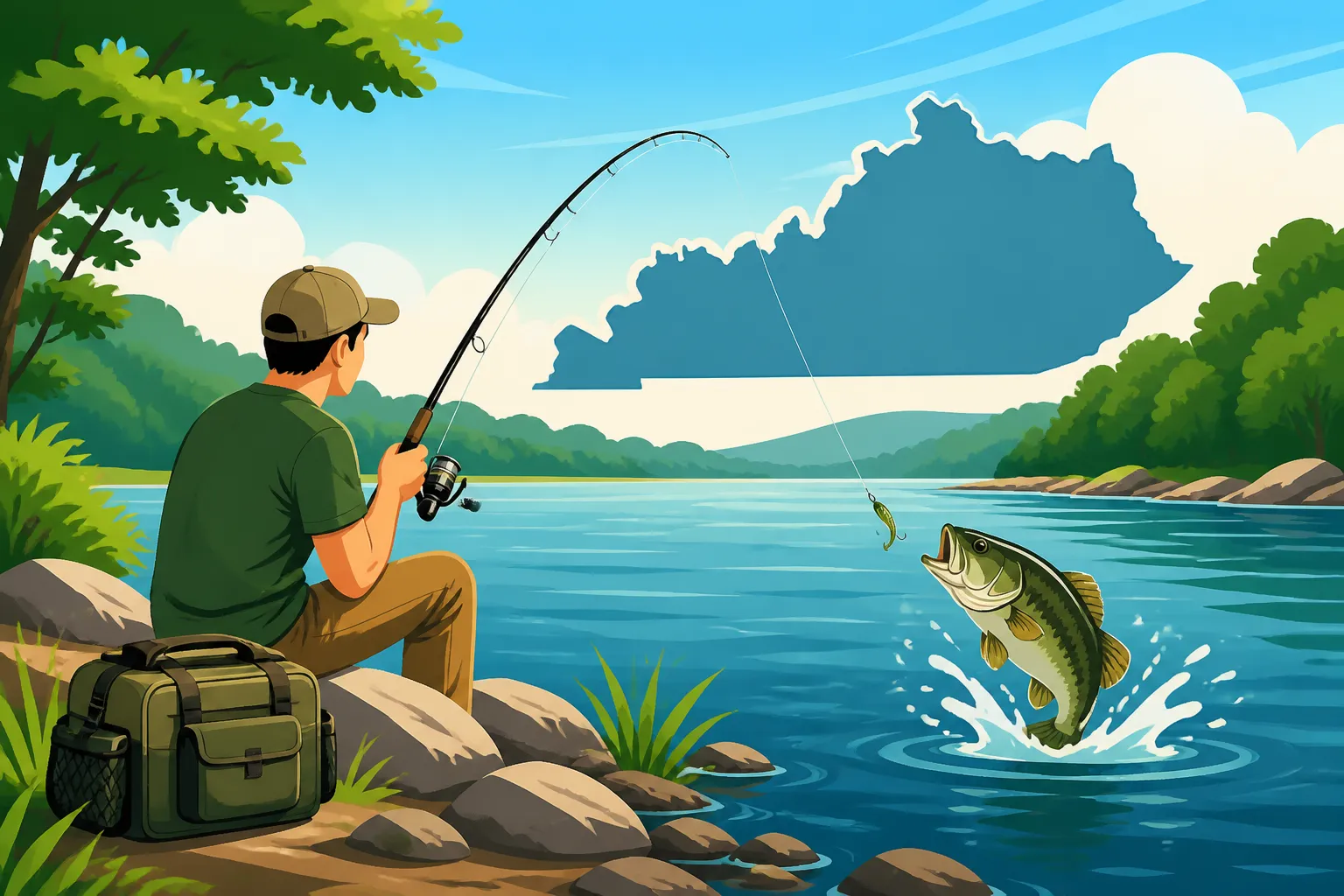
Stepping into the world of fishing can feel incredibly overwhelming, especially when you're just starting out and eyeing all those fancy boats and high-tech gear. It's easy to get discouraged before you even cast a line, wondering if you need a huge investment or years of experience to enjoy the water. But trust me, you absolutely don't! This comprehensive guide is here to strip away the intimidation, focusing on the accessible, budget-friendly, and incredibly rewarding world of bank fishing right here in Kentucky, helping you confidently make your first casts.
Why Bank Fishing is Perfect for Beginners in Kentucky
Let's be real, the thought of buying a boat, navigating complex waterways, and understanding sonar can be a huge barrier to entry for many aspiring anglers. That's why bank fishing is such a fantastic starting point, especially in a state as rich with public access as Kentucky. It simplifies the entire experience, allowing you to focus on the pure joy of the sport without the added complexities and costs.
Accessibility and Cost-Effectiveness
One of the biggest hurdles for anyone new to a hobby is the initial financial outlay. Fishing, with its endless array of gear and technology, can seem prohibitively expensive. This is where bank fishing truly shines. You don't need a hefty loan for a bass boat or a big truck to tow it. All you really need is a rod, reel, some basic tackle, and a little curiosity. Most of Kentucky's beautiful lakes, rivers, and ponds offer plenty of public access from the shore, meaning you can often drive right up, park, and start fishing. This makes impromptu trips easy and affordable, allowing you to get out there more often and gain experience without breaking the bank. Think about it: a decent beginner rod and reel combo, a few hooks, sinkers, and some bait can often be found for less than the cost of a single tank of gas. It's an investment that pays dividends in relaxation and enjoyment.
Simplicity and Learning Curve
When you're first learning to fish, you want to minimize distractions and complications. Bank fishing provides that perfect learning environment. Instead of worrying about boat navigation, engine trouble, or expensive electronics, you can focus entirely on the fundamentals of casting, bait presentation, and feeling a bite. There's a certain elegance in its simplicity. You're observing the immediate environment, looking for structure near the bank, and understanding how currents affect your line. This direct connection to the water and the fish allows you to pick up essential skills much faster. It's a hands-on classroom where every cast is a lesson and every nibble is feedback. Plus, without the pressure of a boat full of gear, you're free to experiment with different baits and techniques at your own pace, building confidence with each successful outing.
Connecting with Nature
Beyond the act of catching fish, bank fishing offers a unique opportunity to simply be in nature. There's a therapeutic quality to sitting by the water, listening to the birds, feeling the breeze, and watching the ripples. In our fast-paced world, these moments of quiet reflection are precious. You'll notice the wildlife, the changing light, and the subtle shifts in the environment that you might miss while zipping across a lake in a boat. For many, fishing isn't just about the catch; it's about the entire experience—the fresh air, the peaceful solitude, and the chance to unwind. Kentucky's diverse landscapes, from the rolling hills around Lake Cumberland to the serene banks of the Ohio River, provide countless scenic backdrops for your fishing adventures, making every trip a chance to reconnect and recharge.
Essential Gear for Your First Kentucky Bank Fishing Trip
When you're just starting, it's easy to get lost in the sea of fishing gear available. Manufacturers churn out new rods, reels, lures, and gadgets constantly, and it can feel like you need it all. But for bank fishing, especially as a beginner, the key is to keep it simple, functional, and affordable. You can always upgrade later once you understand what you truly need and enjoy.
Rod, Reel, and Line Basics
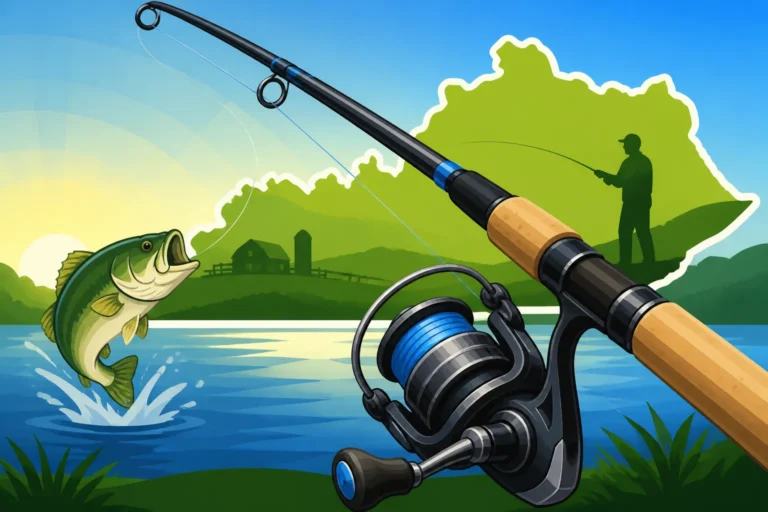
For a beginner bank angler in Kentucky, a spinning rod and reel combo is almost always the way to go. They are incredibly user-friendly, forgiving of casting errors, and versatile enough to handle a wide range of fish sizes and types you'll encounter from the bank. Look for a medium-light or medium power rod, typically between 6 to 7 feet long. This length provides good casting distance without being unwieldy, and the medium action offers enough backbone for larger fish while still being sensitive enough to feel smaller bites. Many excellent entry-level combos are available at sporting goods stores or easily found on online platforms like Amazon.
When it comes to line, a good all-around choice is 6 to 10-pound monofilament or fluorocarbon. Monofilament is more affordable and has some stretch, which can be forgiving for beginners, while fluorocarbon is less visible underwater and more sensitive. You don't need anything too heavy or complex to start. The right line allows you to cast smoothly and provides a good balance between strength and stealth. For a deeper dive into selecting your initial setup, check out our guide on the Best Rod and Reel Combo for Beginners.
Terminal Tackle Essentials
Terminal tackle refers to all the bits and pieces you tie onto the end of your fishing line—hooks, sinkers, swivels, and bobbers. This is where a small, organized tackle box becomes your best friend.
- Hooks: Start with a variety pack of basic J-hooks, sizes 6, 4, and 2. These are versatile for live bait like worms or minnows. If you plan on using artificial plastics, consider a few weedless worm hooks (EWG or offset shank) in sizes 1/0 and 2/0.
- Sinkers: A selection of split shot sinkers (small, easy to attach weights) and a few bullet or egg sinkers (1/8 oz to 1/4 oz) will cover most bank fishing scenarios. They help you cast further and get your bait to the desired depth.
- Bobbers/Floats: Crucial for presenting bait at a specific depth and indicating bites. A few slip bobbers and clip-on bobbers will give you options. The slip bobber is great for deeper water as it slides up your line.
- Swivels: Small barrel swivels (size 10 or 12) help prevent line twist, especially when using spinning lures. A few snap swivels are handy for quickly changing lures.
Remember, you don't need a huge collection of everything. Focus on the basics, learn how to use them, and then expand as your skills grow.
Comfort and Safety Gear
While the fishing gear itself is important, don't overlook what makes your trip enjoyable and safe. A comfortable trip means you'll stay out longer and enjoy it more.
- Pliers/Forceps: Essential for safely removing hooks from fish. Long-nosed pliers are a must-have.
- Small First-Aid Kit: Accidents happen. A few bandages, antiseptic wipes, and pain relievers can save a trip.
- Sun Protection: Kentucky summers can be brutal. A wide-brimmed hat, sunglasses, and sunscreen are non-negotiable.
- Water and Snacks: Stay hydrated, especially on warmer days. A small cooler with drinks and snacks can make a big difference.
- Small Backpack or Tackle Bag: To comfortably carry your gear, snacks, and water to your chosen spot. Look for one with good pockets and easy access.
- Bug Spray: Especially when fishing at dawn, dusk, or in vegetated areas, mosquitoes and other biting insects can quickly ruin an otherwise pleasant outing. Keep a bottle of insect repellent handy.
Having these comfort and safety items ensures that your focus remains on the fishing and enjoying the beautiful Kentucky outdoors.
Understanding Kentucky Waters from the Bank
One of the biggest advantages of bank fishing is the intimate knowledge you gain of specific spots. While boat anglers might cover miles of water, you're learning to dissect a smaller area, understanding its nuances. This focused approach can lead to surprisingly consistent catches.
Identifying Prime Bank Fishing Spots
Not all banks are created equal when it comes to fishing. As a beginner, you want to look for features that naturally attract fish and offer easy access. Structure is your friend: anything that provides cover, shade, or a break in the current.
- Overhanging Trees and Bushes: These offer shade and drop insects into the water, attracting baitfish and, subsequently, predatory fish like bass and crappie.
- Docks, Piers, and Bridges: These man-made structures provide cover, shade, and often deeper water or current breaks. Fish love to hide around the pilings. Many Kentucky State Parks offer excellent fishing piers that are perfect for beginners.
- Rock Piles, Ledges, and Drop-offs: These natural formations offer hiding spots and ambush points for fish. Look for areas where the bank slopes steeply into the water, suggesting a quick drop-off.
- Inlets and Outlets: Where smaller creeks or drains flow into a larger body of water, they often bring food and create current, concentrating fish.
- Points and Coves: Points that extend into the water can be great for intercepting cruising fish, while quiet coves offer calm, warmer water that fish often seek out.
Consider visiting some of the Best Bank Fishing Spots for Beginners to get a head start on finding productive areas.
Reading the Water for Fish Location
Learning to "read the water" is a skill that develops over time, but even beginners can start by looking for some obvious signs. Fish aren't just randomly swimming; they're looking for food, cover, and comfortable water temperatures.
- Surface Activity: Look for ripples, splashes, or boils on the water's surface. These could be baitfish jumping to escape a predator, or larger fish actively feeding. Early morning and late evening often provide the best surface action.
- Water Clarity and Color: Clear water requires more stealth and smaller baits, while stained or murky water might call for larger, brighter baits or those that create more vibration.
- Current and Eddies: In rivers and larger streams, fish will often hold in slack water areas (eddies) behind obstacles, conserving energy while waiting for food to drift by. Pay attention to how the current moves your line and bait.
- Vegetation: Submerged weeds, lily pads, and grass beds provide excellent cover and foraging grounds for many fish species. Cast around the edges or into open pockets within the vegetation.
Even if you don't see direct signs, choosing an area with varied bottom contours or different types of cover will increase your chances of finding fish.
Understanding Different Water Types (Lakes, Rivers, Ponds)
Kentucky offers an incredible variety of fishing environments, and understanding the basic differences will help you tailor your approach.
- Lakes and Reservoirs: These are typically larger, more stable bodies of water. Fish often relate to structure like submerged humps, points, and channel swings. From the bank, focus on accessible points, coves, and areas near boat ramps or parks. Lakes like Kentucky Lake, Lake Barkley, and Lake Cumberland offer vast opportunities.
- Rivers and Streams: Here, current is the dominant factor. Fish will position themselves to conserve energy and ambush prey. Look for current breaks, deeper holes, eddies, and fallen trees. The Ohio River, for example, is a prime location for catfish, while smaller streams might hold bass and panfish.
- Ponds: Often overlooked, local ponds can be fantastic for bank fishing, especially for beginners. They're typically smaller, easier to navigate, and often heavily stocked with bluegill, bass, and catfish. Ponds are an excellent place to practice your casting and fish-fighting skills without the vastness of a larger lake. They can also be fantastic for a quick, after-work fishing trip. Many county parks across Kentucky have public fishing ponds.
Each water type presents unique challenges and rewards, but with a basic understanding, you can adjust your techniques for better success.
Go-To Baits and Lures for Kentucky Bank Anglers
Choosing the right bait can often feel like a puzzle, but for bank fishing beginners in Kentucky, simplicity and effectiveness are key. You want options that are easy to use, readily available, and proven to catch a variety of common species.
Live Bait for Easy Success
There's an old saying for a reason: "The best bait is live bait." This is especially true for beginners, as live bait often appeals to a wide range of fish species and requires less technical skill in presentation.
- Worms: The undisputed champion of beginner baits. Earthworms (nightcrawlers, red wigglers) are incredibly effective for panfish, bass, and catfish. They're cheap, easy to find (you can even dig your own!), and fish simply can't resist their natural scent and movement. Hook them once or twice through the body, letting the ends wriggle, and cast them with a small split shot and a bobber. For bluegill, a small piece of worm on a tiny hook is often irresistible. If you're looking for Best Bait for Bluegill in Kentucky Ponds, worms are always a top answer.
- Minnows: Live minnows are a fantastic choice for targeting crappie, white bass, and smaller largemouth bass. You can buy them at most bait shops. Hook them lightly through the lips or back, and fish them under a bobber or with a small split shot. Their natural swimming action is a huge draw for predatory fish.
- Cut Bait: For catfish, especially the larger ones, cut bait is often king. Pieces of shad, sunfish, or even hot dogs soaked in a pungent scent can be incredibly effective. Fish these directly on the bottom with an egg sinker and a leader. Catfish are primarily scent feeders, and cut bait provides a strong aroma trail.
The beauty of live bait is that it does most of the work for you, making it ideal for learning the rhythm of fishing.
Versatile Artificial Lures for Bank Fishing
Once you're comfortable with live bait, or if you prefer a more active style of fishing, artificial lures open up a world of possibilities. For bank fishing, you want lures that cast well, are easy to retrieve, and are versatile enough for different conditions.
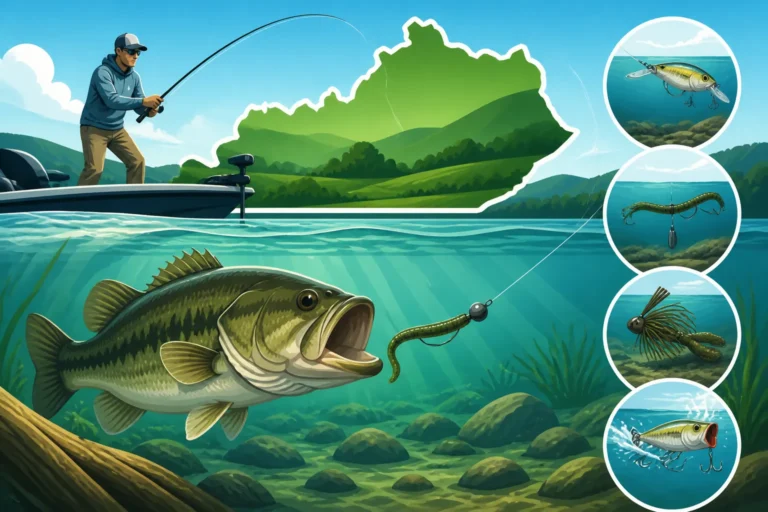
- Spinnerbaits: These lures feature a wire frame with one or more spinning blades and a skirted hook. They create flash and vibration, attracting bass and sometimes pike or muskie. They're relatively weedless and can be retrieved at various speeds, making them excellent for covering water.
- Soft Plastic Worms and Jigs: These mimic natural prey and are incredibly effective for bass and crappie. Texas-rigged worms (where the hook is hidden in the plastic) are great for fishing around cover without snagging. Small jigs with plastic bodies (grubs, tubes, or minnow imitations) are deadly for crappie and panfish. You can buy a variety of sizes and colors on Amazon to experiment with.
- Crankbaits: These hard-bodied lures dive to different depths depending on their lip size and retrieve speed. They're great for covering water and eliciting aggressive strikes from bass. Start with medium-diving crankbaits in natural colors for clear water and brighter colors for stained water.
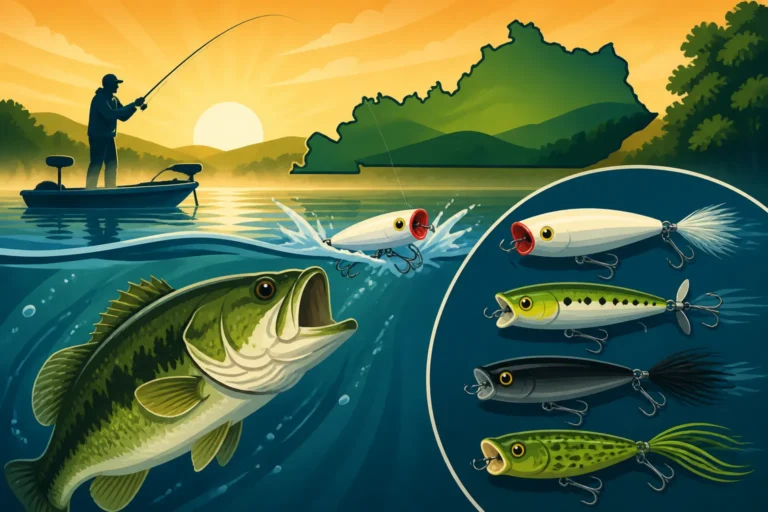
- Topwater Lures: Think poppers, walk-the-dog lures, or prop baits. These are fished on the surface, creating commotion that draws spectacular, explosive strikes, especially from bass during low-light conditions. There's nothing quite like a bass blowing up on a topwater lure!
Experiment with a few different types, focusing on learning how each one performs and what fish it attracts.
Matching Bait to Common Kentucky Species
Understanding what common Kentucky fish species prefer to eat will dramatically increase your success rate.
- Bluegill/Panfish: These small, feisty fish are perfect for beginners. They love small pieces of worms, crickets, or even corn fished under a bobber with a tiny hook. They're almost always willing to bite, making for a fun, action-packed outing.
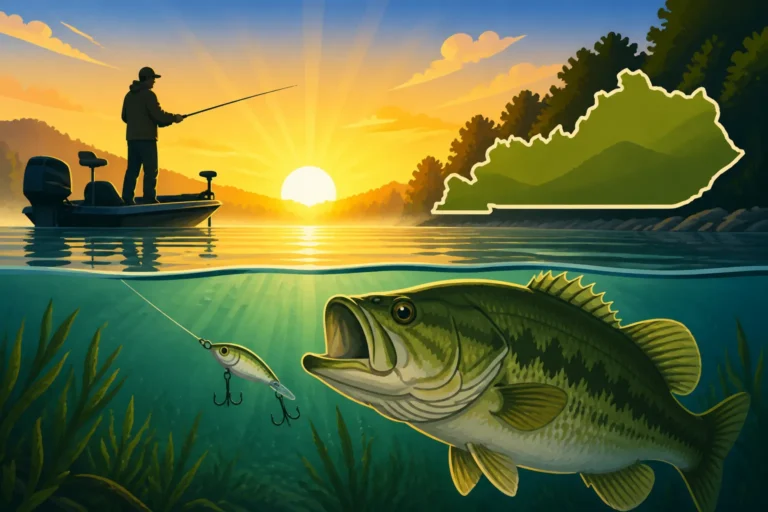
- Largemouth Bass: The king of Kentucky's freshwater sportfish. They'll hit live minnows, soft plastic worms, spinnerbaits, crankbaits, and topwater lures. Focus on fishing around cover.
- Catfish (Channel, Blue, Flathead): From the bank, these whiskered beauties are often targeted with cut bait, stink baits, chicken livers, or nightcrawlers fished on the bottom. They're most active in low light or at night.
By matching your bait choice to your target species and the specific conditions, you'll greatly improve your chances of a successful catch.
Fundamental Bank Fishing Techniques to Master
Fishing from the bank allows you to hone essential techniques without the distractions of a boat. Mastering these basics will not only lead to more catches but also lay a solid foundation for any future angling adventures you might embark on.
Casting and Presentation for Beginners
A good cast isn't just about distance; it's about accuracy and presenting your bait naturally. As a beginner, focus on consistent, controlled casts rather than trying to hurl your lure a mile.
- Overhead Cast: This is the most common and versatile cast. Hold the rod with your dominant hand, reel facing down. Have about 6-12 inches of line hanging from your rod tip. Look at your target, bring the rod back to about 1 o'clock (imagining a clock face), pause briefly, then smoothly bring it forward to 10 o'clock, releasing the line with your index finger as the rod comes forward. The key is a smooth, fluid motion, not a jerky whip. Practice in an open area without hooks first.
- Sidearm Cast: Useful for casting under overhanging branches or when space is limited. It's essentially an overhead cast turned on its side.
- Pitching and Flipping: More advanced but incredibly effective for getting lures into tight cover near the bank. These involve a shorter, more controlled underhand delivery, allowing you to quietly drop a lure into small pockets without spooking fish.
- Bait Presentation: Once your bait is in the water, how you present it is crucial. For live bait under a bobber, let it sit and drift naturally. For lures, experiment with different retrieve speeds (slow, steady, stop-and-go) and actions (jigging, twitching) to see what the fish respond to. Remember, a natural presentation is almost always more effective than an unnatural one.
Consistent practice is the only way to improve your casting and presentation. The more you cast, the more instinctive it becomes.
Setting the Hook and Fighting Fish
Feeling a bite is exciting, but knowing how to react is what turns a nibble into a fish on the line.
- Setting the Hook: When you feel a distinct tug, resistance, or your bobber goes down, you need to "set the hook." This typically involves a quick, firm, upward or sideways sweep of your rod tip. The goal is to drive the hook point into the fish's mouth. Don't yank violently, as this can pull the hook out. The exact motion depends on your lure and the type of bite, but generally, a swift, firm sweep will do the trick. A good resource for beginners is our How to Set the Hook Properly When Fishing guide.
- Fighting the Fish: Once the hook is set, you're in a battle. The key is to keep constant tension on the line, letting the reel's drag do its job. The drag is a mechanism that allows the line to pull out under pressure, preventing the line from breaking while the fish makes powerful runs.
- Keep the Rod Tip Up: This acts as a shock absorber, protecting your line and helping to tire the fish.
- Pump and Reel: When the fish pulls line, let it go. When it pauses, pump the rod up, then reel down to gain line. Repeat this motion.
- Adjust Drag: If the fish is pulling too much line, tighten the drag slightly. If it's not pulling any and you're worried about breaking off, loosen it a touch. It's a fine balance.
- Stay Calm: Panicked reeling or yanking can lead to lost fish. Stay calm, maintain pressure, and enjoy the fight.
Landing a fish you've fought well is one of the most satisfying parts of fishing.
The Art of Patience and Observation
Fishing, perhaps more than any other outdoor activity, teaches patience. It's not always about constant action; sometimes it's about waiting, watching, and learning.
- Patience: There will be slow days, days where you don't catch anything, and days where you wonder if there are even fish in the water. That's perfectly normal. Use these times to observe your surroundings, enjoy the peace, and refine your casting. Don't get discouraged. Every minute spent on the water is experience gained.
- Observation: Pay attention to what's happening around you. Are baitfish jumping? Are birds diving? What direction is the wind blowing? How does the sun hit the water? These small details can provide clues about where fish might be or what they might be doing. Notice where other anglers are catching fish, and what techniques they're using.
- Experimentation: If one spot isn't producing, try another. If fish aren't biting a worm, try a minnow or a small jig. Vary your retrieve speed. Change the depth of your bait. Don't be afraid to try different things. Fishing is as much about solving a puzzle as it is about casting a line.
Embrace the learning process. Even experienced anglers have days when they learn something new. The journey of continuous learning is what makes fishing such an enduring passion.
Targeting Common Kentucky Fish Species from Shore
Kentucky's waters are home to a diverse array of fish, many of which can be readily caught from the bank. As a beginner, focusing on a few common and eager-to-bite species will build your confidence and provide plenty of action.
Bluegill and Other Panfish Strategies
If you want consistent action and a great introduction to fishing, panfish are your best friends. This group includes bluegill, redear sunfish, and crappie, all of which are abundant in Kentucky and willing to bite.
- Bluegill: These colorful, feisty fish are found in almost every pond, lake, and slow-moving river in Kentucky. They gather in large schools, especially around structure like submerged brush, docks, and lily pads, or near the banks during their spawning season (late spring/early summer).
- Technique: The classic setup is a small hook (size 8 or 10) tipped with a small piece of worm, a cricket, or a mealworm, suspended a foot or two under a bobber. Cast near cover and wait for the bobber to dip. You can also fish directly on the bottom with a tiny split shot.
- Gear: An ultralight or light action rod is perfect. For more tips, check out our Bluegill Fishing Tips for Beginners.
- Crappie: Both black and white crappie are popular targets in Kentucky. They love brush piles, submerged timber, and bridge pilings.
- Technique: Small jigs (1/32 to 1/16 oz) with plastic bodies (like a tiny tube or grub) or live minnows are excellent. Fish them under a bobber at various depths until you find where the fish are holding. Crappie bites can be subtle, so watch your bobber closely.
- Regulations: Remember to check the Kentucky Crappie Daily Limit Rules before you head out, as limits can vary.
Panfish offer a fantastic entry point, providing plenty of bites and teaching you the rhythms of fishing.
Bank Fishing for Bass
Largemouth bass are arguably Kentucky's most sought-after game fish, and while they can be challenging, they are definitely catchable from the bank, especially in smaller lakes and ponds.
- Location: Bass love cover and ambush points. Focus on casting near fallen trees, weed lines, docks, lily pads, rock piles, and any abrupt changes in depth along the bank. These are places they can hide and wait for unsuspecting prey.
- Baits:
- Soft Plastics: A Texas-rigged plastic worm (like a 7-inch lizard or worm in green pumpkin or black/blue) is a go-to. Cast it near cover, let it sink, and slowly "drag" or "hop" it along the bottom.
- Spinnerbaits: Great for covering water. Retrieve them steadily along weed edges or parallel to the bank.
- Topwater Lures: During dawn, dusk, or overcast days, try a topwater popper or a frog imitation over lily pads for explosive strikes.
- Live Bait: A large shiner or golden roach under a bobber can also be very effective for bass.
- Technique: Be patient. Bass often take a moment to strike. When you feel a bite on a plastic worm, let the fish take it for a second before setting the hook. Always be mindful of the Kentucky Statewide Bass Size and Daily Limit Rules for the waters you're fishing.
Catching your first bass from the bank is an incredibly rewarding experience that will hook you on the sport for good.
Catfish: The Night and Day Bank Bite
Kentucky's catfish population is robust, with channel, blue, and flathead catfish providing excellent angling opportunities from the bank. They're often most active in low light or at night, making for an exciting nocturnal fishing adventure.
- Location: Catfish prefer deeper holes, channels, and areas with current, especially in rivers. In lakes and ponds, look for deep banks, creek channels, and the mouths of feeder creeks. They'll also hang around submerged timber and rock piles.
- Baits: Catfish are primarily scent feeders, so stinky baits are often the most effective.
- Cut Bait: Chunks of shad, skipjack herring, or sunfish are fantastic.
- Prepared Baits: Commercial stink baits, chicken livers, and even hot dogs or shrimp can work wonders.
- Worms: A big wad of nightcrawlers can also entice channel catfish.
- Technique: Catfish are often found on the bottom. Use a slip sinker rig (egg sinker above a swivel, with a leader and hook) to present your bait directly on the bottom. Cast out, let it sink, and reel in the slack until your line is taut. Then, wait for the tell-tale pull. Catfish bites can be slow and steady or a sudden hard thump.
- Best Time: While you can catch catfish during the day, their activity often peaks from late evening through the night. This provides a whole new dimension to your bank fishing experience.
- Regulations: Be aware of the Kentucky Catfish Daily Limit and Trophy Fish Rule, especially if you're targeting larger specimens.
Catfish are strong fighters and make for excellent table fare, making them a fantastic target for bank anglers.
Essential Kentucky Regulations for Bank Anglers
Navigating fishing regulations can seem daunting at first, but it's absolutely crucial for responsible and legal angling. As a beginner in Kentucky, understanding the basic rules will keep you out of trouble and help conserve our precious fish populations.
Understanding Fishing License Requirements
The very first thing any angler, especially a beginner, needs to know is whether a fishing license is required. In Kentucky, generally, if you're 16 years of age or older and fishing in public waters, you must possess a valid Kentucky fishing license.
- Who Needs One: Almost everyone 16 and older. There are exceptions for private ponds (where you are the owner or have permission) and during specific free fishing weekends.
- Types of Licenses: Kentucky offers various licenses, including annual resident, non-resident, and short-term options (like a 1-day or 7-day nonresident license). For residents, the annual license is often the most cost-effective if you plan to fish more than a few times a year. For all the details, consult the Kentucky Fishing License Guide or How to Get a Fishing License in Kentucky.
- How to Get One: You can purchase a license online through the Kentucky Department of Fish and Wildlife Resources (KDFWR) website, at most county clerks' offices, or at authorized vendors like Walmart or bait shops. It's usually a quick and straightforward process. You'll need some basic personal information.
- Kids and Licenses: Don't forget to check the Kentucky Fishing License Requirements for Kids. Generally, kids under 16 don't need a license, making it a fantastic, low-cost activity for families.
Always carry your license with you when fishing, either a physical copy or a digital one on your phone, as game wardens can check at any time.
Bag Limits and Size Restrictions
Once you have your license, the next critical piece of information is understanding bag limits and size restrictions. These rules are in place to ensure sustainable fish populations for future generations.
- Bag Limits: This refers to the maximum number of a specific fish species you can keep in a single day. For example, the Kentucky Crappie Daily Limit Rules usually state a certain number of crappie per person per day.
- Size Restrictions: For some species, fish must be a minimum (or sometimes within a slot) length to be legally kept. For instance, Kentucky Statewide Bass Size and Daily Limit Rules dictate minimum lengths for bass.
- Species-Specific Rules: These limits can vary not only by species but also by specific lakes or rivers. A lake might have a special regulation that differs from the statewide rule. Always double-check the KDFWR fishing guide for the specific body of water you're fishing. It's often available online or in print at license vendors.
- Culling: If you catch a fish you want to keep, but then catch a larger one of the same species and are at your bag limit, you can "cull" by releasing the smaller fish and keeping the larger one, as long as you don't exceed your daily limit at any given time.
Ignorance of the law is not an excuse, so make it a habit to check the current Kentucky Fishing Regulations Explained before each fishing trip, especially if you're trying a new body of water or targeting a different species.
Respecting Private Property and Public Access
Bank fishing often means fishing close to homes, businesses, or designated public areas. Understanding land ownership and access rules is paramount for a respectful and enjoyable experience.
- Public vs. Private Land: Most state parks, wildlife management areas, and designated public fishing access points are clearly marked. However, many beautiful stretches of river or lake bank are privately owned. Always assume land is private unless clearly marked as public access.
- "No Trespassing" Signs: These are non-negotiable. Do not cross private property to access the water unless you have explicit permission from the landowner.
- Being a Good Neighbor: Even on public land, be mindful of residents. Don't block driveways, leave trash, or make excessive noise. Park legally and respectfully.
- Leave No Trace: Always pack out everything you pack in. Dispose of fishing line, bait containers, and other trash properly. Leaving your spot cleaner than you found it is a golden rule of ethical angling.
- Designated Access Points: Utilize boat ramps (even if not launching a boat, many have bank access), fishing piers, and shoreline trails provided by state and local governments. These spots are designed for public enjoyment.
By adhering to these rules and being a considerate angler, you contribute to a positive public image for fishing and help ensure continued access to Kentucky's fantastic waterways for everyone.
Seasonal Considerations for Kentucky Bank Fishing
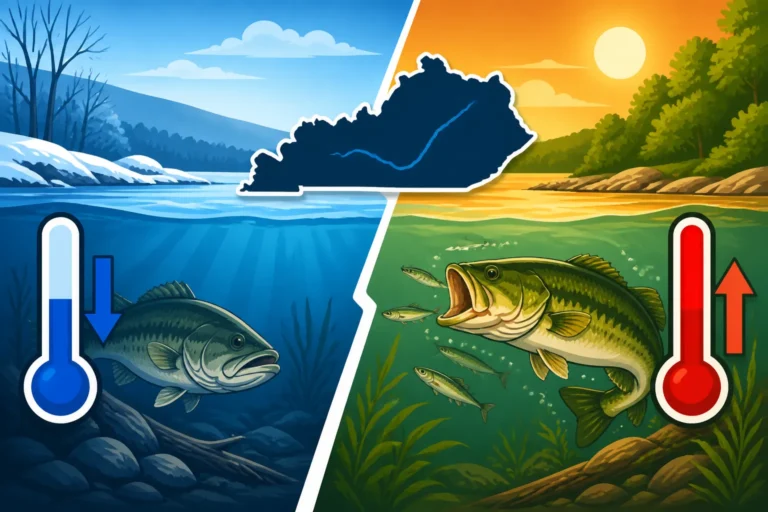
Kentucky experiences distinct four seasons, and each one brings unique opportunities and challenges for bank anglers. Understanding how fish behavior changes with the weather and water temperature is key to consistent success.
Spring: The Best Time to Hit the Banks
For many bank anglers, spring is arguably the most exciting time of year. As the water warms, fish become incredibly active, moving shallow to feed and spawn.
- Pre-Spawn Buzz: In early spring, once ice is gone and water temperatures begin to rise (usually in the high 40s to low 50s Fahrenheit), fish like bass and crappie move from deeper wintering holes to shallower "staging" areas. They're feeding aggressively to build energy for the upcoming spawn. This is a fantastic time for bank anglers as fish are often within casting distance. Look for northern banks that receive more direct sunlight, warming the water faster.
- The Spawn: As water temperatures stabilize (mid-50s for crappie, high 50s-low 60s for bass), fish move onto beds to spawn. They become very protective of their nests. For bluegill, this can mean massive congregations in shallow, sheltered coves. For bass, you might spot them on visible beds. While they can be caught, remember ethical angling practices during this sensitive time. A quick photo and release are often preferred.
- Post-Spawn Recovery: After spawning, fish are often a bit lethargic but will soon resume feeding heavily to regain strength. They might move slightly deeper but often remain relatively close to the areas they spawned in.
- Techniques: Focus on small jigs and minnows for crappie, worms and crickets for bluegill, and soft plastics or spinnerbaits for bass. Spring is also a great time for white bass runs in many Kentucky rivers.
Spring offers the highest probability of consistent bank fishing success, making it an ideal time for beginners to gain confidence.
Summer: Early Morning and Late Evening Bites
Summer in Kentucky brings warmth, long days, and often hot water temperatures. This can push fish into deeper, cooler water or make them more active during specific times of the day.
- Low-Light Magic: The best bank fishing in summer often occurs during the cooler parts of the day: early morning (dawn to a couple of hours after sunrise) and late evening (a couple of hours before sunset into the night). During these times, fish move shallower to feed.
- Deep Water Access: From the bank, finding deeper water can be challenging. Look for steep drop-offs, shaded areas created by bridges or cliffs, or areas where cooler water might enter the main body (like a creek mouth).
- Species Focus: Catfish truly shine in the summer, especially at night. Their scent-feeding nature means they'll often bite well even in warm water. Bass and panfish can be caught early and late in the day.
- Techniques: For bass, topwater lures are excellent in low light. Soft plastics and crankbaits can work in deeper, shadier areas. For catfish, shift to larger cut baits or stink baits fished on the bottom. Bluegill will still bite small baits under bobbers, especially in shaded areas.
- Patience and Hydration: Summer fishing requires extra patience during the mid-day heat. Stay hydrated, wear sun protection, and consider using a cooler to keep your bait (and yourself!) cool.
Embrace the slower pace of summer fishing and enjoy the tranquility of the long evenings by the water.
Fall and Winter: Adapting Your Approach
While many anglers pack it up as the temperatures drop, fall and winter offer unique, and often less crowded, bank fishing opportunities in Kentucky. You just need to adjust your expectations and techniques.
- Fall Feeding Frenzy: As water temperatures begin to cool in fall, many fish species enter a "feeding frenzy" phase, fattening up for winter. This can be an incredibly productive time for bass and crappie, especially from the bank.
- Techniques: Fish will often follow baitfish into shallower coves and creek arms. Spinnerbaits, crankbaits, and soft plastics can be very effective for bass. For crappie, small jigs and minnows are still king, often found suspending at various depths.
- Winter Slowdown: When water temperatures drop significantly (below 45-50 degrees Fahrenheit), fish metabolism slows down, and they become less active. They typically move to deeper, more stable water, often congregating in large schools.
- Challenges for Bank Anglers: Accessing these deeper wintering holes from the bank can be difficult. However, some deep-water public access points, like fishing piers that extend into deep channels or areas below dams, can be surprisingly productive.
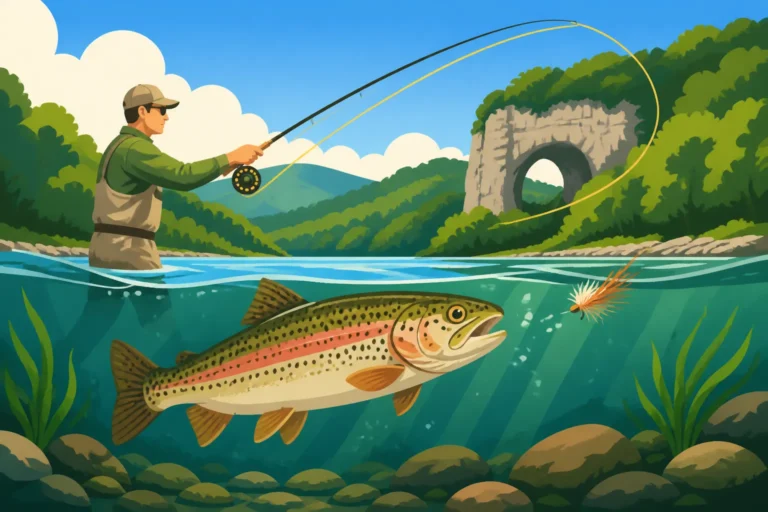
- Techniques: Your retrieve needs to be much slower. Vertical jigging (small jigs fished straight down) or slowly dragging soft plastics or live bait on the bottom are often the most effective methods. Trout fishing, particularly at Lake Cumberland, can be excellent in winter, often requiring a Kentucky Trout Permit on top of your fishing license.
- Dress Warm: Layering clothing is essential for comfortable fall and winter fishing. Gloves, a warm hat, and waterproof outerwear will make a big difference.
While the bites might be fewer in winter, the fish you do catch are often larger and in prime condition, making the effort well worth it.
Disclaimer
Fishing inherently involves risks, including but not limited to injuries from hooks, slippery surfaces, and wildlife encounters. Always prioritize safety and exercise caution while on or near the water. Adhere to all local, state, and federal regulations regarding fishing licenses, bag limits, and boating safety. The information provided in this guide is for general informational purposes only and should not be considered legal advice. Regulations can change, so always consult the latest official Kentucky Department of Fish and Wildlife Resources guidelines before heading out on the water.