Best Bait for Blue Catfish Fishing
Trying to land those monster blue catfish can feel like a game of hide-and-seek where the fish are always winning, especially when you're not sure which bait will actually tempt them. It's frustrating to spend hours on the water only to come up empty-handed. This guide is here to cut through the confusion and arm you with the best bait strategies for blue catfish fishing in Kentucky, helping you understand what these giants truly crave.
Understanding Blue Catfish Feeding Habits in Kentucky Waters
Before we even talk about specific baits, it's crucial to understand what makes a blue catfish tick. These aren't your average bottom feeders nibbling on worms; blue cats are opportunistic predators, and in Kentucky, they grow to absolutely massive sizes in places like the Ohio River and Kentucky Lake. They primarily eat other fish, and they often prefer fresh or cut bait over anything else. Unlike channel catfish, which are more scavengers and will go for a wider variety of stinky, prepared baits, blue catfish are much more focused on a protein-rich diet.
Imagine a large blue cat patrolling the deeper channels of the Ohio River. It's not looking for a piece of old hot dog; it's looking for a meal that replicates the natural forage in its environment. This means baitfish like shad, skipjack herring, or even smaller drum are high on their menu. They have an incredible sense of smell and lateral line system, allowing them to detect distress or the scent of blood from a good distance, even in murky water or strong currents. Their diet shifts seasonally, but the core preference remains consistently focused on fish. Understanding this predatory nature is the first step to choosing the right bait for success.
Why Fresh is Best for Blue Cats
When targeting trophy blue catfish, "fresh" isn't just a suggestion; it's practically a commandment. Blue cats are highly sensitive to the freshness of their food. While they will eat something less than pristine if they're hungry enough, truly fresh baitfish will always outperform stale or frozen-then-thawed options when you're serious about landing a big one. Think about it from the fish's perspective: a recently cut piece of shad or a lively skipjack struggling on a hook emits strong, natural scents and vibrations that mimic a real meal.
This preference for freshness extends beyond just smell. Fresh bait holds together better on the hook, resists being picked apart by smaller fish for longer, and, if live, provides crucial movement. If you're using cut bait, the fresher the cut, the more blood and oils it releases into the water, creating an irresistible scent trail that draws in distant blue cats. Many experienced anglers will catch their baitfish right on the same waters they plan to fish, ensuring peak freshness and matching the local forage. This local approach often makes all the difference, as blue cats are accustomed to the specific species of baitfish in their immediate environment.
Blue Catfish Habitat and Bait Presentation
Knowing where blue catfish hang out is just as important as knowing what they eat. These fish often congregate in deeper holes, channels, and along river bends where current brings food to them. On large reservoirs like Kentucky Lake, they'll often be found near old creek channels, river ledges, or deep humps, especially where current is present from generation or wind. Therefore, your bait presentation needs to get down to them and stay there.
Heavy lead weights are often necessary to keep your bait anchored in strong currents, preventing it from washing downstream away from the strike zone. On calmer lake environments, lighter weights might be used to allow the bait to drift more naturally. For information on common habitats, you might find our guide to Best Catfish Fishing Spots on Kentucky's Ohio River helpful. The key is to present your bait at the level where the fish are actively feeding or holding. Sometimes they are right on the bottom, other times they might be suspended a few feet off it. A good fish finder can be invaluable here for locating both the catfish and the baitfish they are feeding on.
Top Live and Fresh Cut Baits for Blue Catfish
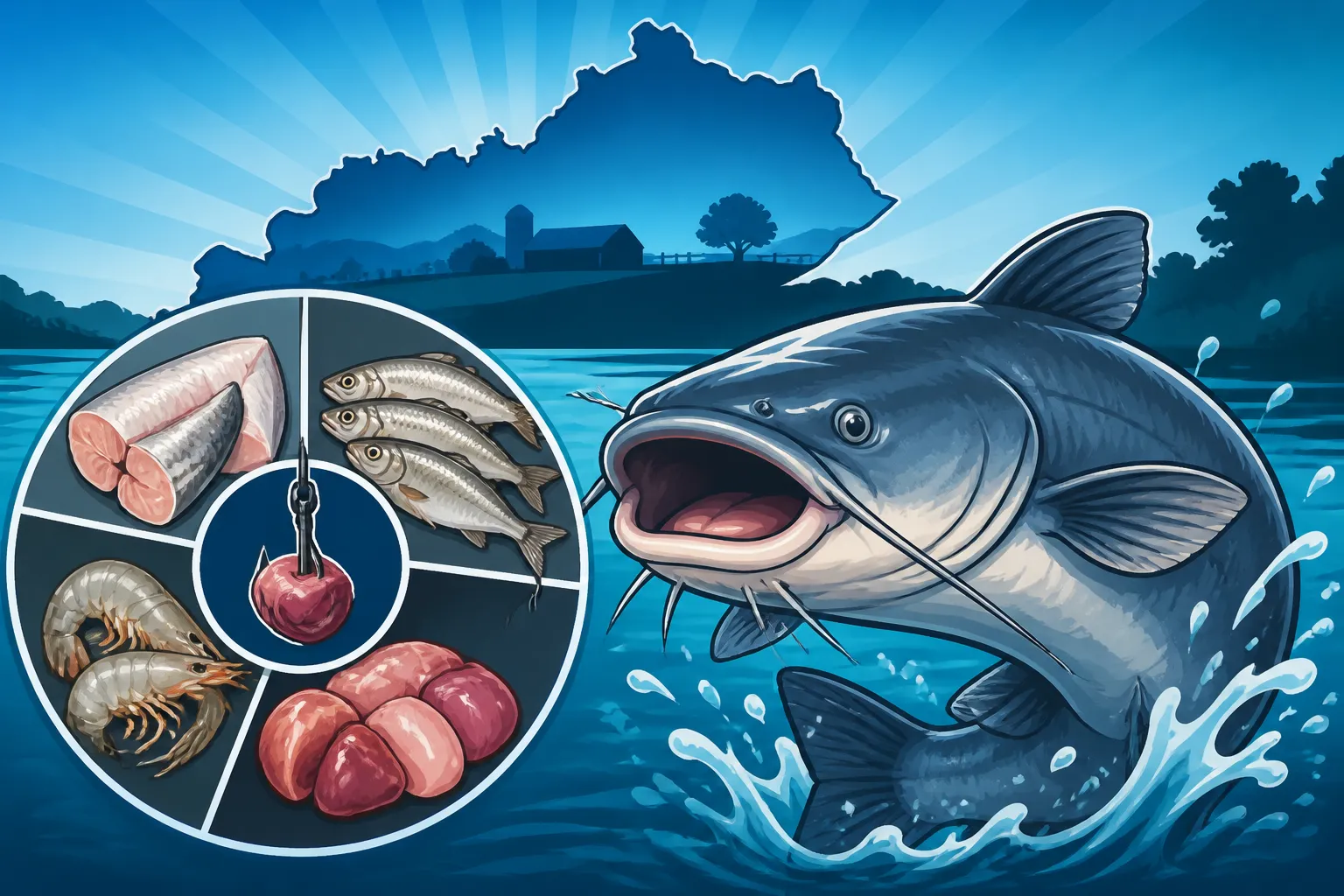
When it comes to landing big blue catfish, nothing beats the power of natural, fresh offerings. These are the baits that consistently produce the best results because they perfectly mimic the blue cat's natural diet. Forget the fancy artificials or heavily processed stuff when targeting true giants – these species demand the real deal.
Shad
Without a doubt, shad are one of the most effective baits for blue catfish across Kentucky. Whether you're talking about gizzard shad or threadfin shad, these oily, silver-sided fish are a staple in the blue cat diet in virtually all major Kentucky waterways. The key is using them fresh. If you can catch your own shad using a cast net right before you fish, you're already ahead of the game.
When using shad, you have a couple of excellent options:
- Live Shad: A lively shad hooked through the back or lips will swim erratically, sending out distress signals that blue cats can't ignore. This is particularly effective in areas with less current or when targeting actively hunting fish. Ensure your hooks are sharp and strong enough to handle a big fish, and consider a circle hook to minimize gut-hooking.
- Cut Shad: This is perhaps the most popular and versatile way to present shad. Freshly cut shad releases a potent oil and blood trail that scent-feeding blue cats can detect from a remarkable distance. For larger blue cats, you'll want substantial chunks. Often, the head section (with its ample blood and cartilage) or thick body sections are preferred. For smaller blue cats or when bites are slow, you might cut the shad into strips. Make sure your cut bait stays on the hook through strong casts and current; often, a tough piece of skin helps secure it. Remember, the fresher the cut, the better! For more specific information, check out our piece on Best Bait for Channel Catfish Fishing as some crossover baits are effective.
Skipjack Herring
If you're fishing on the Ohio River or the lower Cumberland River, skipjack herring are like blue catfish candy. These highly migratory, fast-swimming baitfish are incredibly oily and have a distinct, strong scent that drives blue cats wild. Catching skipjack can be a sport in itself, usually requiring light tackle and small jigs in areas with strong current below dams. However, the effort is well worth it.
Just like shad, skipjack can be used both live and cut.
- Live Skipjack: A live skipjack, especially a medium-sized one, is arguably one of the best baits for monster blue cats in the Ohio River. They put out a ton of vibration and scent, and a big blue cat will often engulf them whole. They're tougher than shad and stay lively longer on the hook.
- Cut Skipjack: When live skipjack aren't available or practical, fresh cut skipjack is the next best thing. The amount of oil and blood these fish release is astounding, creating a massive scent slick. Use large chunks, especially the head, tail, or thick body sections. Many anglers swear by a "skipjack steak," which is a cross-section of the fish, as it holds well on the hook and leaks scent profusely. These are baits you can even find pre-packaged and frozen from specialty bait shops, though fresh is always king. If you're looking for where to find these elusive baitfish, you'll want to target areas below dams along the river.
Other Local Baitfish (Drum, Carp, Perch)
While shad and skipjack are often the kings of blue catfish bait, don't overlook other readily available local baitfish, especially if you're struggling to find the primary targets. Many large blue cats also prey on freshwater drum, smaller carp species, and various perch or sunfish.
- Freshwater Drum (Sheephead): Drum are common in many Kentucky waters, including the Ohio River. They are a robust baitfish, and their flesh is quite firm, making them excellent cut bait. A piece of fresh drum meat will stay on the hook well and has a distinct scent that blue cats recognize as a natural food source.
- Common Carp / Asian Carp: Smaller common carp or juvenile Asian carp (silver, bighead, grass carp) can also make fantastic cut bait. Asian carp, in particular, are prolific in many Kentucky waterways and can be easily netted or bow-fished, providing an abundant and free bait source. Their oily flesh is attractive to blue cats, and using them helps control invasive populations. Just ensure you're aware of any local regulations regarding their use as bait.
- Sunfish / Perch: Small bluegill, green sunfish, or yellow perch, if legal to use as bait in your area, can also be effective live or cut bait, especially for medium-sized blue cats. Check current regulations as some game fish may not be legal for use as bait. Hooking a live sunfish through the dorsal fin or lips can make for an irresistible offering.
Remember to always verify Kentucky's specific fishing regulations regarding the use of game fish as bait to ensure you're in compliance.
Prepared and Processed Baits: When and How to Use Them
While fresh natural baits are usually superior for trophy blue catfish, there are definitely situations where prepared or processed baits come into their own. They offer convenience, a longer shelf life, and can be quite effective, especially for average-sized blue cats or when live bait is simply not an option. Don't discount them entirely, but understand their limitations.
Punch Baits and Dip Baits
These are classic channel catfish baits, but they can occasionally entice blue catfish, especially smaller ones or when they're in a scavenging mood.
- Punch Baits: Named for how you use them (punching your hook into a smelly, cheesy dough), these baits are designed to be extremely sticky and pungent. They're typically made from various cheese, blood, and fiber combinations. The fibers help the bait adhere to the hook, allowing you to cast without it flying off. While not a first choice for monster blues, if you're on a family trip and just want to catch some fish, these can get the job done. You can find several brands of punch bait on
Amazonand at local bait shops. - Dip Baits: Similar to punch baits in their potent scent, dip baits are usually softer and require a special "worm" or plastic lure with grooves to hold the bait. You dip the worm into the jar of stinky bait, and the powerful smell slowly disperses in the water. These are incredibly messy but undeniably effective for attracting catfish. Again, mostly for channel cats, but a hungry blue cat might investigate.
The biggest advantage of these baits is their ease of use and long shelf life. They don't require refrigeration and can be stored in your tackle box for extended periods. This makes them excellent for impromptu fishing trips or when you don't have access to fresh bait.
Commercially Prepared Cut Baits
You'll find various commercially prepared cut baits available, often made from shad, skipjack, or other baitfish, sometimes infused with additional scents or preservatives.
- Frozen Cut Bait: Many bait shops, particularly near major rivers, will sell frozen cut shad or skipjack. While not as effective as freshly caught bait, a good quality frozen bait is a perfectly acceptable alternative, especially if you can't cast net your own. Thaw it slowly and keep it chilled until use to maintain its integrity. You might even find some pre-packaged options for sale on
Amazonor at larger sporting goods stores. - Pre-Scented or Treated Baits: Some manufacturers offer cut baits that have been treated with a strong attractant or preservative. These can be useful, but always read the labels. Natural is almost always better for blue catfish, but in a pinch, these can sometimes produce. The goal is to provide a long-lasting scent trail.
Always remember that the effectiveness of these prepared baits for blue catfish generally decreases as they get further from their natural, fresh state. They are a fallback, not a primary weapon, when targeting serious blue cats.
Table: Blue Catfish Bait Comparison
Here's a quick comparison of the common bait types for Kentucky blue catfish:
| Bait Type | Pros | Cons | Best Use Case |
|---|---|---|---|
| Live Shad/Skipjack | Highly effective, strong natural scent & movement | Harder to obtain, requires special handling, may die quickly | Targeting trophy blue cats, strong current areas |
| Fresh Cut Shad/Skipjack | Highly effective, strong scent trail, versatile | Requires cutting, can be messy, must be kept very fresh | All blue cat sizes, especially when fish are scent-feeding |
| Fresh Cut Drum/Carp | Readily available, firm flesh, good scent, economical | Less preferred than shad/skipjack by some, can be bony | All blue cat sizes, alternative to primary baitfish |
| Punch Baits | Easy to use, long shelf life, less mess | Less effective for large blue cats, mostly for channel cats | Convenience, targeting smaller cats, recreational fishing |
| Dip Baits | Extremely potent scent, long-lasting dispersal | Messy, requires special worm/holder, mostly for channel cats | Attracting fish from a distance, targeting smaller cats |
| Frozen Cut Baits | Convenient, readily available, longer storage | Not as fresh as live/fresh cut, can lose integrity when thawed | Good alternative when fresh bait isn't available |
Rigging Your Baits for Blue Catfish Success
Having the best bait is only half the battle; knowing how to present it effectively is crucial. Blue catfish rigs are designed to be robust, get the bait to the bottom (or suspended at depth), and withstand the powerful runs of a large fish. When you're ready to hit the water, be sure to review our Kentucky Catfish Fishing: Ohio River and Kentucky Lake Guide for more overall strategies.
The Santee Cooper Rig
This is a hugely popular and effective rig for blue catfish, especially in reservoirs and rivers with moderate current. Its design allows the bait to float just off the bottom, making it more visible and easier for catfish to find.
- Components: You'll need a heavy main line, a strong swivel, a lead sinker (often a flat no-roll sinker or a bell sinker, usually 2-8 ounces depending on current), a bead, a leader (fluorocarbon or heavy mono, 2-4 feet long), and a float. The float is typically a small, cigar-shaped foam float that fits between your hook and the swivel on the leader.
- Assembly: Tie your main line to one end of the swivel. On the other end of the swivel, tie your leader. Thread your sinker onto the main line above the swivel. Add a bead between the sinker and the swivel to protect the knot. On the leader, slide your float up about 6-12 inches from the hook, then tie on a stout circle hook (often 7/0 to 10/0, depending on bait size and target fish).
- Why it Works: The float lifts your cut bait off the bottom, preventing it from getting lost in silt or debris, and presenting it enticingly in the catfish's strike zone. This rig is particularly effective when fish are slightly suspended or when the bottom is muddy.
The Carolina Rig (Slip Sinker Rig)
The Carolina rig is a staple in many forms of fishing, and it's equally effective for blue catfish. It's simpler than the Santee Cooper but still highly productive.
- Components: Main line, barrel swivel, egg sinker (or no-roll sinker), bead, leader, and a strong circle hook.
- Assembly: Thread your sinker onto your main line, followed by a bead. Tie the main line to one end of the barrel swivel. To the other end of the swivel, tie your leader (1-3 feet of heavy fluorocarbon or mono). Finally, tie your circle hook to the end of the leader.
- Why it Works: The slip sinker allows the line to run freely through it, meaning a fish can pick up the bait and move off without immediately feeling the weight of the sinker. This provides a more natural presentation and can lead to more solid hooksets. This rig is versatile and works well in both still and moving water. If you're using this rig, our guide on Best Catfish Rigs for Fishing in Current might provide additional insights.
Tackle Considerations for Blue Catfish
When rigging for blue catfish, especially those monsters that roam Kentucky's larger rivers and lakes, your tackle choice is paramount. You need gear that can handle the power and size of these fish.
- Rods: Look for heavy-action or medium-heavy rods that are 7 to 10 feet long. These provide the leverage needed to cast heavy baits and sinkers and to control a powerful fish. Brands like Ugly Stik or other heavy-duty conventional rods are popular. You can often find suitable options for various budgets on
Amazon. - Reels: A robust baitcasting reel (like an Abu Garcia Ambassadeur or comparable model) or a large, heavy-duty spinning reel capable of holding a lot of line is essential. Your reel needs a smooth, powerful drag system. For more information on reels, consider our Best Reels for Catfish Fishing article.
- Line: Don't skimp on line strength. 30-80 lb test monofilament or braided line is common. Braided line offers superior sensitivity and strength for its diameter, but mono is more forgiving with stretch. A heavy leader (50-100 lb fluorocarbon or monofilament) is often used to prevent abrasion from sharp gill plates or rocks.
- Hooks: Stick with sharp, strong circle hooks. Sizes 7/0 to 10/0 are standard for larger blue cats and big baits. Circle hooks are designed to hook fish in the corner of the mouth, which is better for the fish's health and increases your landing ratio. This helps you adhere to limits like Kentucky Catfish Limit: 15 Fish, Only 1 Over 25 Inches.
Remember, when using circle hooks, resist the urge to "set" the hook like you would with a J-hook. Instead, let the fish take the bait, let the rod load up, and then slowly reel into the fish. The hook will do the work.
Advanced Blue Catfish Bait Strategies
Once you've mastered the basics, there are always ways to refine your approach and increase your chances of landing that fish of a lifetime. Blue catfishing can be incredibly rewarding, especially when you start dialing in the details. For those serious about going after the biggest blues, knowing How Big Do Blue Catfish Get in Kentucky? can add to the excitement.
Bait Placement and Scent Trails
The "smell factor" for blue catfish cannot be overstated. These fish are primarily scent feeders, especially in deep or turbid water. When you deploy your bait, you're not just putting a piece of food out there; you're creating a scent trail.
- Fan Casting/Spreading Baits: Instead of dropping all your lines in one spot, try fan-casting multiple baits at different distances and directions from your boat or bank position. This creates a wider scent field, increasing the chances that a passing blue cat will intersect your offerings.
- Current Awareness: Understand how current moves your scent trail. If you're anchored upstream of a good hole, your scent will naturally drift down into it. Position your baits to maximize the downstream dispersal of blood and oils.
- Re-baiting Regularly: Over time, the scent from your cut bait will dissipate, and smaller fish might pick at it. Re-baiting every 30-60 minutes, or after any suspicious taps that don't result in a hook-up, ensures your bait is always fresh and potent. Don't be afraid to take a look at your bait after some time, as it might just be a cleaned bone on your hook!
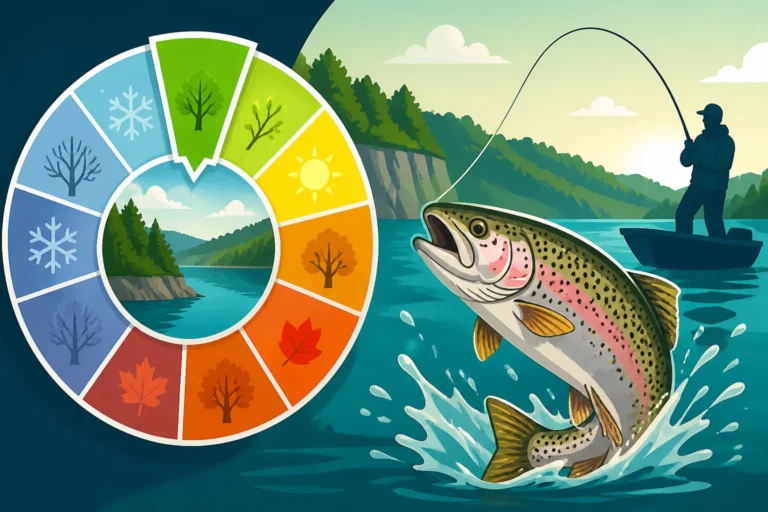
Seasonal Bait Adjustments
Blue catfish, like most fish, change their behavior and feeding patterns with the seasons. Adjusting your bait choice and presentation can significantly improve your success. This is especially true if you are planning a trip around specific times of year. Our guide on Best Time of Year to Catch Catfish on the Ohio River offers more seasonal detail.
- Spring: As water temperatures rise, blue cats become more active and begin to feed heavily. This is an excellent time for fresh cut baits, especially shad and skipjack. They'll often be found moving shallower, sometimes following baitfish migrations.
- Summer: During the heat of summer, blue cats may move to deeper, cooler water. Night fishing can be particularly effective, as blue cats become more active in cooler temperatures. Fresh cut bait remains king, but don't hesitate to deploy live bait on the bottom in deep channels or holes.
- Fall: As water temperatures cool, blue cats again go on a feeding frenzy, bulking up for winter. This is prime time for trophy fish. Fresh cut bait, particularly larger pieces of oily baitfish, can be incredibly productive. They might be found shallower again, following schools of shad.
- Winter: Winter catfishing can be challenging, but it can also produce some of the largest fish as they often congregate in deep, slow-moving holes. Baits like fresh cut shad, presented slowly and patiently, can tempt these sluggish giants. Bites will be subtle, so pay close attention.
Keeping Your Bait Fresh on the Water
Even if you start with the freshest bait, how you store and handle it on the water will impact its effectiveness.
- Coolers with Ice: This is non-negotiable for cut bait. Keep your bait on ice in a dedicated cooler. This slows down decomposition and keeps the bait firm and fresh. You can find quality coolers of all sizes on
Amazon. - Aerated Livewells: If you're using live bait, an aerated livewell or bait bucket with a good aerator is essential. Keep water temperatures stable and change the water periodically if it becomes fouled.
- Sun Protection: Never leave bait exposed to direct sunlight. It will spoil quickly. Keep it covered, in the shade, and on ice.
By paying attention to these details, you'll ensure that every cast offers the most attractive presentation possible to those wary Kentucky blue catfish. Finding Where to Catch Trophy Catfish on the Ohio River will be much more successful with fresh, well-presented bait.
Disclaimer
This article is for general informational purposes only and does not constitute professional advice. Laws, prices and regulations vary by location and change over time. Consult a qualified professional for guidance on your specific situation.