Kentucky Catfish Fishing: Ohio River and Kentucky Lake Guide
Finding those elusive, hard-fighting catfish in Kentucky's sprawling waters can feel like a lifelong quest, especially when you're staring out at the vastness of the Ohio River or the immense expanse of Kentucky Lake. It’s a common frustration for anglers, feeling like you’re dropping a line into a needle in a haystack. This comprehensive guide is here to cut through the guesswork, offering practical advice and specific locations to help you consistently hook into some of the Bluegrass State's most formidable freshwater giants.
Understanding Kentucky's Catfish Species
Kentucky is home to several distinct species of catfish, and knowing which one you’re targeting is the first step to a successful outing. Each species has its own preferred habitats, diets, and fighting styles, requiring different approaches to lure them to your hook. Getting to know their characteristics will significantly improve your chances and make your time on the water more rewarding.
Channel Catfish: The Widespread Fighter
Channel catfish are arguably the most common and widely distributed catfish species across Kentucky, inhabiting everything from small ponds and creeks to large rivers and reservoirs. They’re recognizable by their deeply forked tail, spotted bodies (though spots can fade with age), and sleek, muscular build. While not typically as large as their blue or flathead cousins, they put up a spirited fight that many anglers cherish.
You’ll find channel cats thriving in areas with moderate current, often near submerged cover like logs, brush piles, or rock formations. They’re opportunistic feeders, which makes them quite responsive to a variety of baits. Think about fishing around transition zones where a creek channel meets a main lake basin, or along the edges of weed lines in warmer months. They're excellent table fare, and their abundance means you can often catch enough for a good fish fry.
Blue Catfish: The River Giants
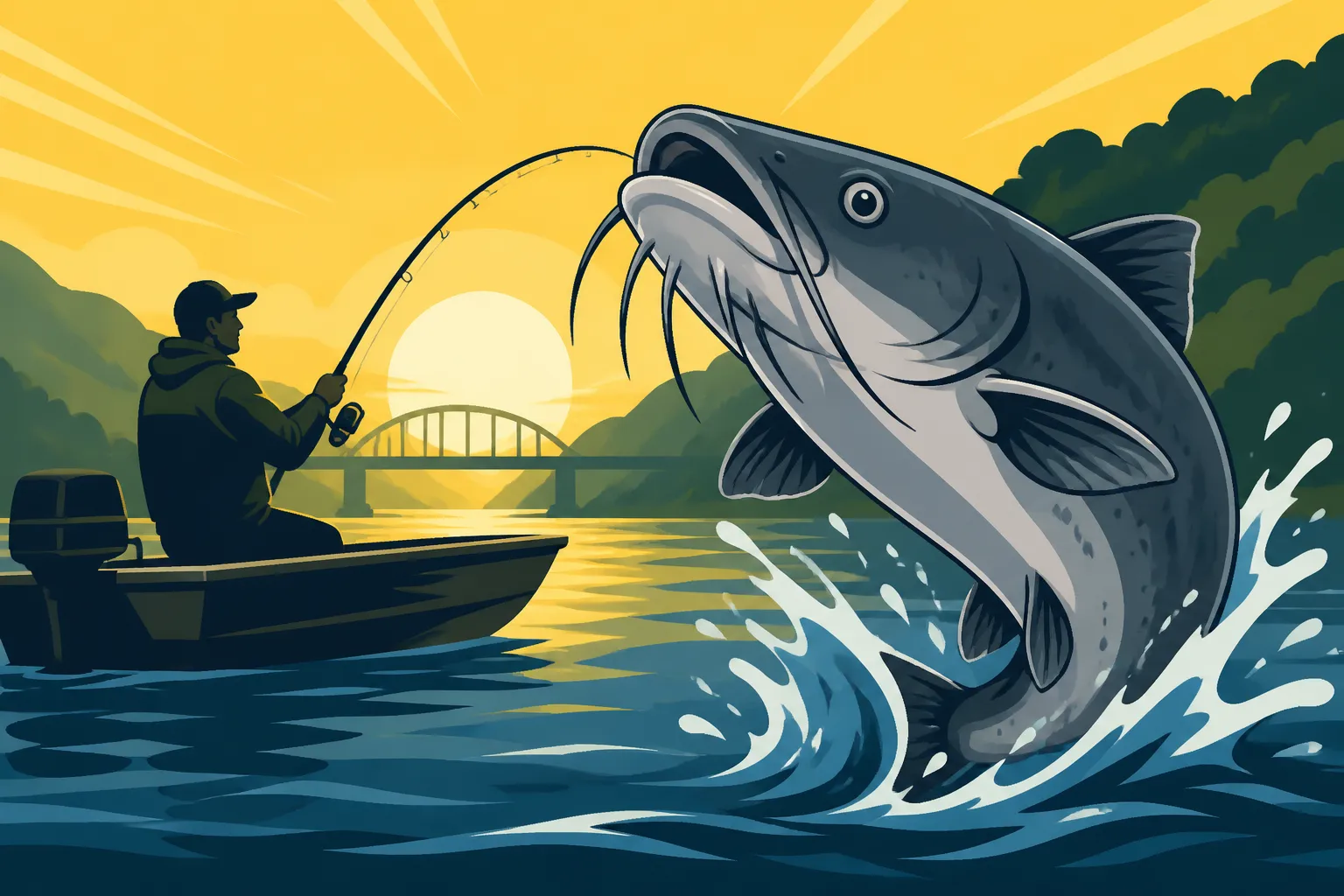
When anglers talk about "trophy" catfish in Kentucky, they're often referring to the magnificent blue catfish. These true leviathans of the deep prefer large, flowing rivers and vast reservoirs, making the Ohio River and Kentucky Lake prime destinations for anyone hoping to land a true monster. Blue cats have a distinctly blue-gray coloration, a forked tail (less deeply forked than a channel cat), and a more humped back profile than other species. They are known for their immense size, with Kentucky's record blue catfish weighing an astounding 106 pounds 14 ounces.
Blue catfish are primarily piscivorous, meaning they prefer to eat other fish. This makes fresh cut bait, particularly oily species like shad or skipjack herring, irresistible to them. You'll find them congregating in deeper holes, river bends, and along ledges where current brings food to them. On the Ohio River, targeting them below dams or at the mouths of major tributaries can be incredibly productive. These fish don't just pull hard; they are capable of incredibly long, sustained runs that will test your tackle and your patience.
Flathead Catfish: The Ambush Predator
The flathead catfish is a unique beast among its brethren, easily distinguished by its flattened head, lower jaw that protrudes past the upper, and a rounded (not forked) tail. Their coloration is usually mottled brown and yellow, offering excellent camouflage against the muddy bottoms and woody debris they often call home. Unlike channel and blue cats, flatheads are almost exclusively piscivorous, preferring live bait over cut bait or stink baits. They are ambush predators, often hiding in heavy cover like log jams, submerged trees, and undercut banks, waiting for unsuspecting prey to swim by.
You’ll find flatheads in both the Ohio River and Kentucky Lake, especially in areas with abundant cover and slower currents. Fishing for flatheads requires a bit more patience and a commitment to using fresh, lively bait like sunfish or suckers. Placing your bait directly into or on the edges of heavy cover is key. They don’t fight with the same long runs as a blue cat, but their powerful, bulldog-like tug-of-war in tight quarters can be truly exhilarating. Just remember, these fish are experts at wrapping your line around any available structure, so heavy gear is a must.
Prime Catfish Hotspots: Ohio River
The Ohio River is a veritable highway for catfish, renowned for its colossal blue and flathead populations. Its vastness can be intimidating, but understanding its unique characteristics and knowing where to focus your efforts can lead to incredible success.
Identifying Prime River Sections
The Ohio River is a series of pools created by a system of locks and dams, stretching along Kentucky's northern border. Each pool offers distinct fishing opportunities, but the general principle is to look for structure, current breaks, and deeper water. River bends, particularly on the outside curve where the water is deeper and the current carves out holes, are excellent starting points. Pay close attention to current seams – areas where fast-moving water meets slower water. Catfish, especially blues, will stage along these seams, waiting for food to be swept past them.
These strategic locations can be found all along the river, from the Louisville area downstream past Owensboro and all the way to Paducah. Specific river mile markers or well-known deeper holes often hold fish consistently year after year. Look for changes in bottom contour on your fish finder, such as ledges, humps, or old river channels, as these often concentrate catfish. Fishing around bridges and industrial discharges can also be productive, as these areas often attract baitfish, which in turn attract hungry catfish.
Fishing Below Dams and Locks
The areas immediately downstream from the Ohio River's locks and dams are absolute catfish magnets, especially for blue and channel cats. The turbulent water created by the dam outflows is incredibly oxygenated and churns up a constant buffet of disoriented baitfish, making it an irresistible feeding ground. Dams like the Markland Dam near Warsaw, the McAlpine Dam at Louisville, the Cannelton Dam near Hawesville, and the Smithland Dam down near Paducah are legendary for their catfish action.
Anglers often anchor upstream of the turbulent waters and drift baits down into the boils, or position their boats slightly out of the main current flow, casting into the eddies and slack water created by the dam's structure. Be mindful of safety zones and navigation rules around these structures, as the currents can be incredibly powerful and dangerous. Using heavy sinkers is crucial to hold your bait on the bottom in the strong current. This is a phenomenal place to practice your Bottom Fishing Techniques for Channel Catfish or target those trophy blues.
Tributary Mouths and Confluences
Where smaller rivers and creeks merge with the mighty Ohio, you'll often find fantastic catfish action. These confluences act as natural funnels, concentrating baitfish and nutrients into the main river channel, creating ideal feeding zones. The Green River, Kentucky River, and Cumberland River (via Barkley Lake) are just a few examples of significant tributaries that feed into the Ohio along Kentucky's stretch.
Catfish will often hold in the slightly slower, often deeper water at the mouth of these tributaries, especially after a rain event when the incoming water carries extra food and turbidity. These areas offer a change in water temperature, clarity, and current, all factors that can attract and hold various species of catfish. Targeting these spots with a spread of baits, varying your depth and distance from the bank, can lead to hooking into a mixed bag of channel, blue, and flathead catfish.
Prime Catfish Hotspots: Kentucky Lake
Kentucky Lake, one of the largest man-made lakes in the eastern United States, offers a different, yet equally impressive, catfish experience compared to the Ohio River. While the Ohio is known for its current and dam-related structure, Kentucky Lake's vastness and flooded timber provide unique challenges and opportunities.
Main Lake Channels and Ledges
Kentucky Lake was formed by impounding the Tennessee River, meaning its backbone is a massive, submerged river channel. This old river channel, along with its numerous ledges and drop-offs, is prime real estate for blue catfish, especially during warmer months. These fish will use these deep, cooler water highways to travel and feed. Look for sharp breaks, contour lines, and humps along the main channel, particularly where it makes a bend or constricts.
Anglers often employ drift fishing techniques over these main lake channels, covering large areas with multiple lines trailing cut bait. A good fish finder is invaluable here to pinpoint schools of baitfish and the larger arcs of catfish lurking below. Concentrating your efforts around significant points or where the channel swings close to a major landmass can be very productive. Remember to check out Kentucky Lake: The State's Top Bass Fishing Destination for general lake insights, as catfish often share prime feeding grounds with other popular species.
Creek Arms and Major Bays
While the main lake channel is excellent for blues, the extensive creek arms and major bays of Kentucky Lake are fantastic for channel catfish and offer great opportunities for flatheads, particularly in areas with significant woody cover. Bays like Big Sandy, Blood River, and Jonathan Creek are classic examples. These areas often have extensive shallow flats that transition into deeper creek channels, providing a diverse habitat.
During the spring and early summer, channel catfish will move into these shallower bays and creek arms for spawning, making them easier to target. Flatheads will also be found in the timbered areas of these bays, often tucked away in log jams or around stumps. Look for areas with a good mix of depth and cover, especially where points or humps create current breaks or concentrate baitfish. Fishing around the mouths of these bays where they meet the main lake can also be productive as catfish transition between shallow and deep water.
Structure Fishing in Submerged Timber and Brush Piles
Kentucky Lake is famous for its vast amounts of submerged timber and artificial brush piles, legacy from when the Tennessee River valley was flooded. This dense cover is a flathead catfish paradise and provides excellent habitat for channel catfish as well. These fish use the timber for ambush points, shelter, and sometimes even for spawning.
Locating these submerged structures requires good electronics, but once found, they can be incredibly productive. Anglers will often drop live baits or heavy cut bait rigs directly into or adjacent to these brush piles. Be prepared for snags – it’s part of the game when fishing heavy cover for flatheads. Using a sturdy, heavy-action rod and strong braided line is essential to muscle these fish out of the timber before they can wrap you up. Patience is also key, as these ambush predators might take their time to strike.
Best Times to Fish for Catfish in Kentucky
Timing is everything in fishing, and catfish are no exception. Understanding their seasonal patterns, daily habits, and how weather influences them will dramatically improve your catch rates, allowing you to intercept them when they are most active and feeding.
Seasonal Overview
Kentucky's catfish bite can be excellent year-round, but specific seasons offer different opportunities and require adjusted strategies.
- Spring (March-May): As water temperatures rise into the 50s and 60s Fahrenheit, catfish become very active. Channel cats move into shallower areas to feed heavily before spawning, often near creek mouths and flats. Blue cats will follow baitfish into these warmer waters as well. Flatheads become more active as water warms, moving out of their wintering holes. This is often the period when anglers can find some of the biggest fish of the year as they bulk up.
- Summer (June-August): This is prime time for all catfish species. With warmer water, their metabolism is high, and they feed aggressively. Channel cats will be active in bays and creek channels. Blue cats will often retreat to deeper, cooler main lake channels or river holes during the day, moving shallower to feed at night. Flatheads remain in their preferred cover, ready to ambush prey. Night fishing becomes particularly effective during the heat of summer.
- Fall (September-November): As water temperatures cool, catfish go on a major feeding binge to put on weight for winter. This "fall turnover" can make finding fish challenging initially, but once they settle, they become extremely active. Blue cats will gorge on baitfish in main lake channels, and channel cats will concentrate in deeper areas of bays. Flatheads can offer some incredible action as they feed heavily before dormancy.
- Winter (December-February): Don't count out winter catfish! While less active, they congregate in large schools in deep holes and channels, particularly in the Ohio River and Kentucky Lake. The bite might be slower, but if you can locate these wintering holes, you can often catch multiple large fish. Vertical jigging or slowly dragging baits on the bottom can be effective. This is an excellent time to target trophy blue catfish, as they often school up in predictable deep-water locations.
Knowing what Month Do Kentucky Catfish Bite Best can significantly help in planning your trips.
Best Time of Day
While catfish can be caught at any time, certain periods tend to be more productive. Generally, catfish are more active during low-light conditions.
- Dawn and Dusk: The hours around sunrise and sunset are universally great for catfish. As the light changes, many baitfish become more active, and catfish take advantage of this increased prey movement. Channel cats, in particular, will often move into shallower areas during these times to feed before retreating to deeper water during bright daylight.
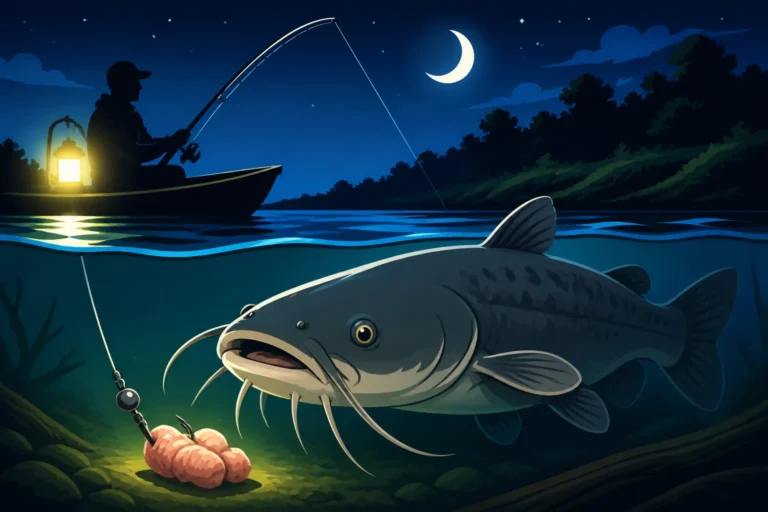
- Night Fishing: For trophy blue and flathead catfish, night fishing can be exceptionally rewarding, especially during the hot summer months. The cooler temperatures and reduced boat traffic make for a more comfortable experience, and the biggest cats often come out to feed under the cover of darkness. Many anglers prefer to set up jug lines or trotlines at dusk and check them through the night, or actively fish with rod and reel using powerful headlamps.
- Daytime: While generally slower, daytime fishing can still be very productive, especially for blue cats in deep water or below dams on the Ohio River. During bright conditions, catfish will typically hold tighter to cover or in the deepest available water. Heavy current areas also tend to produce well during the day, as the continuous flow keeps baitfish disoriented and accessible.
Weather and Water Considerations
Catfish are less affected by minor weather changes than some other game fish, but significant shifts can certainly influence their behavior.
- Rain and Runoff: A good rain can often trigger an excellent catfish bite, especially in rivers. The runoff washes food and nutrients into the main channel, and the increased turbidity (murky water) makes catfish feel more secure. Fishing the mouths of feeder creeks after a rain can be incredibly productive.
- Cloudy Days: Overcast conditions provide natural low-light, often extending the prime feeding window beyond just dawn and dusk. Catfish tend to be more active throughout cloudy days, as the reduced light penetration allows them to roam more freely.
- Stable Weather: Generally, stable weather patterns with consistent temperatures and pressure are ideal. Sudden cold fronts can slow the bite for a day or two, but catfish typically recover faster than other species. Don't be afraid to fish after a front, just be prepared for a slightly slower pace and potentially deeper fish.
- Water Temperature: This is perhaps the most critical factor. Catfish metabolism is directly tied to water temperature. Optimal feeding ranges vary by species but generally fall between 65-85 degrees Fahrenheit for active feeding. Knowing the water temperature can help you predict where fish will be and how aggressively they might feed.
Essential Gear and Tackle for Catfish
To successfully battle Kentucky's catfish, especially the giants of the Ohio River and Kentucky Lake, you need robust gear that can withstand brutal fights and heavy currents. Skimping on tackle is a common mistake that leads to lost fish and frustration.
Rods, Reels, and Line
Choosing the right combination of rod, reel, and line is paramount for catfish fishing.
- Rods: For general catfish fishing, a medium-heavy to heavy action rod, typically 7 to 10 feet long, is ideal. Shorter rods (7-8 ft) are good for bank fishing or when casting from a boat, while longer rods (8-10 ft) excel at casting heavy baits, keeping multiple lines spread out, and handling powerful runs in open water. Look for rods with a strong backbone for setting hooks and muscling fish out of cover, but a forgiving tip to detect subtle bites. Brands like Ugly Stik offer durable, affordable options available on Amazon that are popular among catfishermen.
- Reels: Depending on your preference, you can go with either a heavy-duty spinning reel or a baitcasting reel. Spinning reels are often easier for beginners and excel at casting lighter baits or when casting distance is key. Look for models with a strong drag system and a large line capacity (e.g., 6000-8000 series). Baitcasting reels, particularly conventional round reels, are preferred by many experienced catfishermen for their brute strength, cranking power, and precise control when fighting large fish. A good quality baitcaster should have a smooth, powerful drag and a high line capacity.
- Line: For main line, braided line is the clear winner for catfish. Its low stretch provides excellent sensitivity for detecting bites and powerful hooksets, while its high breaking strength (50-100 lb test) is essential for handling big fish and abrasive structure. Monofilament line can be used for leaders, especially in clearer water, or as a main line in lighter applications (20-40 lb test) for channel cats in less snaggy areas. For those truly monstrous blue cats on the Ohio River, going up to 80-100 lb braid is not overkill.
Baits: Fresh, Lively, and Smelly
Catfish are primarily olfactory feeders, meaning smell plays a huge role in attracting them. However, flatheads are the exception, preferring live, wiggling prey.
- Cut Bait: This is king for blue and channel catfish. Fresh is always best. Oily fish like shad, skipjack herring, carp, or even small drum cut into chunks or strips are irresistible. The oil and blood trail through the water, drawing in catfish from a distance. The Ohio River is a fantastic source for fresh shad and skipjack, which are often caught via cast nets. For Kentucky Lake, gizzard shad are readily available. You can even find frozen skipjack on Amazon from specialty bait shops if local options are scarce.
- Live Bait: Essential for flathead catfish. Small to medium-sized sunfish (bluegill, green sunfish), shad, or suckers work wonderfully. The key is to keep them lively on the hook to attract the flathead's attention. Hook them through the back (above the lateral line) or through the lips to allow maximum movement.
- Stink Baits and Prepared Baits: While not as effective for trophy blues or flatheads, a variety of prepared "stink baits" (dough baits, dip baits, punch baits) are incredibly effective for channel catfish, especially smaller to medium-sized ones. Brands like Berkley PowerBait or Catfish Charlie offer popular options that are easy to use and can be very productive in ponds, smaller rivers, or for casual fishing. These often come in convenient jars and can be found at most sporting goods stores or on Amazon.
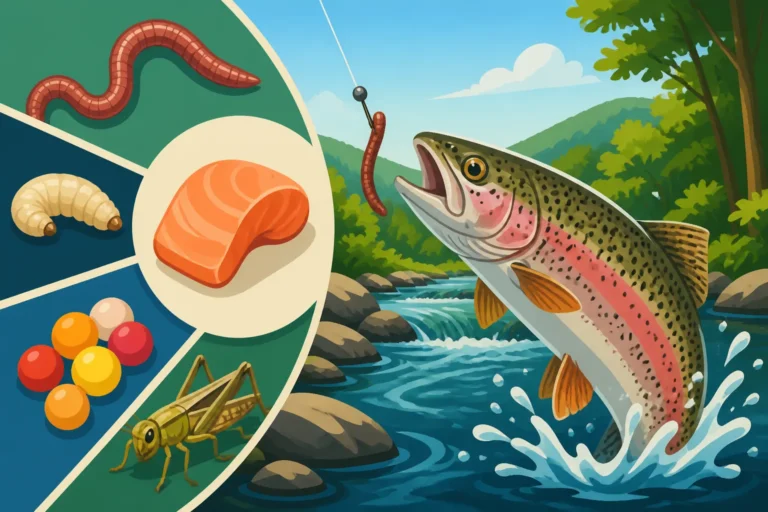
- Other Baits: Worms (nightcrawlers, red wigglers) are universal baits that can catch any species of catfish, particularly smaller channel cats. Chicken livers are another classic, very smelly bait, though they can be messy and tend to fall off the hook easily. Marinating them in garlic powder or Jell-O can help them stay on longer and enhance their scent.
Terminal Tackle Essentials
Having the right terminal tackle makes all the difference in presenting your bait effectively and landing your catch.
- Hooks: Circle hooks are highly recommended for catfish for several reasons. They significantly reduce gut-hooking, leading to healthier catch-and-release, and they are incredibly effective at hooking fish in the corner of the mouth when the fish pulls away, requiring no aggressive hookset from the angler. Sizes range from 5/0 to 10/0, depending on bait size and target species. Large J-hooks (e.g., 8/0 to 12/0) are sometimes preferred for flatheads with large live baits.
- Sinkers: To hold your bait on the bottom in current, you'll need heavy lead or tungsten weights. Egg sinkers (1-8 oz), no-roll sinkers (1-8 oz), or pyramid sinkers (especially in strong river currents) are common choices. Use a swivel above the sinker to prevent line twist. For extreme currents below dams, you might need up to 12-16 oz.
- Swivels: Heavy-duty barrel or ball-bearing swivels (100 lb test or more) are crucial for connecting your main line to your leader and preventing line twist, especially when drifting or using spinning baits.
- Leaders: Fluorocarbon or heavy monofilament leaders (50-100 lb test, 12-24 inches long) are generally used to prevent break-offs from abrasive fish mouths, sharp rocks, or submerged timber. They also provide a bit of shock absorption.
- Gloves and Pliers: Catfish have sharp pectoral and dorsal fins (spines) that can deliver a painful poke. A good pair of gripping gloves can protect your hands. Long-nosed pliers or a hook remover are indispensable for safely extracting hooks, especially from large, toothy fish.
Effective Catfish Fishing Techniques
There's more to catfish fishing than simply casting a line and waiting. Employing specific techniques tailored to the environment and the target species will drastically increase your success.
Bottom Fishing Techniques
Bottom fishing is perhaps the most fundamental and widely used method for catfish, whether from a boat or the bank. It involves placing your bait directly on the bottom where catfish typically feed.
- Slip Sinker Rig (Carolina Rig): This is a go-to rig for many catfishermen. It consists of a lead sinker (egg, no-roll, or flat sinker) threaded onto your main line, followed by a bead (to protect the knot), and then tied to a swivel. A leader (12-24 inches) is then tied to the other end of the swivel, with your hook at the very end. This setup allows the fish to pick up the bait and run with it without feeling the weight of the sinker, giving you a better chance for a solid hookset, especially with circle hooks. It’s effective in both calm and moderately flowing water, allowing the bait to sit naturally. You can find all the components for this classic rig on Amazon.
- Three-Way Swivel Rig (Dropper Rig): Particularly useful in stronger currents like the Ohio River or when fishing structure. A three-way swivel is tied to the main line. One eye gets a short leader (6-12 inches) with a sinker, the second eye gets a longer leader (12-36 inches) with the bait, and the third eye goes to your main line. This keeps your bait suspended just off the bottom or allows it to tumble slightly in the current, preventing it from getting buried in muck or snags.
- Targeting Depth and Structure: When bottom fishing, use your fish finder to identify deeper holes, ledges, and submerged cover. Cast your baits precisely to these locations. In rivers, look for current breaks behind snags or rock formations. In lakes, target creek channels, old roadbeds, and brush piles. Remember that for flatheads, placing your live bait right in the heavy cover is often necessary.
Jug Fishing for Catfish
Jug fishing is a popular and effective technique, especially for blue and channel catfish, that allows anglers to cover a larger area and deploy multiple lines without constant attendance. It's particularly popular on large bodies of water like Kentucky Lake and the Ohio River.
- Setup: A jug rig consists of a floating device (usually a plastic bottle, foam noodle, or purpose-built jug) with a line attached. The line often has a lead weight at the bottom and one or more hooks (typically circle hooks) at various depths above the weight. The length of the line and the depth of the hooks are adjusted based on water depth and where fish are holding. Each jug is a self-contained fishing unit.
- Deployment and Monitoring: Jugs are typically baited and then strategically deployed in open water, often drifting along currents or wind. The number of jugs allowed is regulated by Kentucky fishing laws, so always check the current rules. Anglers then follow the jugs, watching for any movement or tipping that indicates a bite. When a jug starts dancing, it's time to retrieve it and fight the fish. This technique is often used at night, with reflective tape or glow sticks attached to the jugs for visibility. For those interested in this method, a quick search for "Jug Fishing for Catfish: A Beginner's Guide" can offer more in-depth instruction.
- Advantages: Jug fishing allows for efficient coverage of large areas and can be highly productive when catfish are scattered or actively feeding throughout the water column. It's a classic Kentucky method that's both fun and effective, especially for putting a lot of fish in the cooler.
Trotlining and Limb Lining
These are passive fishing techniques that involve setting multiple baited hooks on a single line, left to fish unattended for a period. They are highly effective for catching large numbers of catfish, particularly channel and blue cats, and are especially popular in river systems.
- Trotlines: A trotline is a long main line (often heavy braided nylon or tarred bank line) stretched across a river or lake, anchored at both ends, with numerous shorter dropper lines (snoods) attached at intervals. Each snood has a baited hook. Trotlines are usually set on the bottom or suspended in the water column at a specific depth, targeting catfish feeding patterns. The Ohio River is a common place for trotline enthusiasts, allowing them to target deep channels and current seams.
- Limb Lines: A limb line is a single baited hook attached to a sturdy, flexible tree limb overhanging the water, or to a strong bank-side stake. The flexibility of the limb acts as a shock absorber, helping to prevent fish from tearing off. Limb lines are often set overnight in areas with heavy cover, making them ideal for targeting flatheads with live bait or channel cats in secluded spots.
- Regulations and Ethics: Both trotlining and limb lining are subject to strict regulations in Kentucky regarding the number of hooks, identification requirements, and specific locations where they can be used. It's crucial to consult the official Kentucky Fishing Regulations Explained before deploying these methods. Ethical practice also dictates checking lines frequently to prevent unnecessary suffering of caught fish and to retrieve any lost lines. These methods can be extremely productive but require careful adherence to rules and responsible angling.
Regulations and Limits for Catfish in Kentucky
Fishing in Kentucky, especially for popular species like catfish, comes with specific rules and regulations designed to ensure sustainable fish populations for future generations. It’s absolutely essential to be familiar with these guidelines before you ever cast a line. Ignorance of the law is not an excuse, and game wardens in Kentucky are thorough when conducting license checks while fishing.
Statewide Bag and Size Limits
Kentucky has a general statewide daily creel limit for most catfish species, but it also includes specific provisions for trophy-sized fish, particularly for blue and channel cats.
- Channel Catfish: The statewide daily limit for channel catfish is 15 fish. There is no minimum size limit, meaning you can keep any legal-sized channel cat within your creel limit. This generous limit allows anglers to target them for table fare without undue restriction, reflecting their widespread abundance.
- Blue Catfish: The statewide daily limit for blue catfish is also 15 fish. However, there's a crucial "trophy fish" rule: only one blue catfish in your daily creel can be 25 inches or longer. This regulation is designed to protect the breeding stock of larger blue catfish while still allowing anglers to harvest a good number of smaller, pan-sized fish. If you're out chasing that once-in-a-lifetime monster, remember this specific rule. This Kentucky Catfish Daily Limit and Trophy Fish Rule is an important one to commit to memory.
- Flathead Catfish: For flathead catfish, the daily limit is 5 fish, with no minimum size limit. Given their often solitary nature and slower growth compared to blue cats, this more conservative limit helps maintain healthy populations of these unique predators.
It’s always a good practice to measure any borderline fish immediately and release it if it doesn't meet the legal requirements or if you've already filled your "over" slot for blue catfish. Carrying a measuring board or tape is a standard piece of gear for any responsible angler.
Site-Specific Exceptions and Border Waters
While statewide limits are your baseline, it's absolutely critical to understand that certain lakes, rivers, or specific sections of water bodies in Kentucky might have site-specific regulations that supersede the general rules. These exceptions are often implemented to address unique population dynamics or management goals for particular fisheries.
- Examples of Exceptions: While the general catfish limits are broad, other species like bass or crappie often have highly localized rules. For instance, you might find a lake with a slot limit for blue catfish (e.g., all fish between 18-28 inches must be released) or a reduced daily limit compared to the statewide rule. These exceptions are typically posted at boat ramps and access points, but the most reliable source is always the current Kentucky Department of Fish and Wildlife Resources (KDFWR) fishing guide or website.
- Ohio River Border Waters: Fishing the Ohio River presents a unique situation as it forms a border with Ohio, Indiana, and Illinois. While Kentucky's regulations generally apply to the entire width of the river along its border, it's important to be aware of any reciprocal agreements or specific rules that might apply to anglers holding licenses from neighboring states, especially if you venture across the invisible state line. In most cases, if you launch from the Kentucky side, you'll need a Kentucky Fishing License Guide, and Kentucky's rules will apply throughout the river. However, double-checking for specific areas is always prudent.
- Importance of Checking: Never assume that the statewide rules apply everywhere. Before heading to a new body of water, always take a few minutes to check the KDFWR's latest regulations. A quick search on their website can save you a hefty fine and ensure you're fishing legally and responsibly. This is especially true if you plan to fish a smaller lake or a specific section of a large reservoir that might have experimental regulations in place.
Fishing License Requirements
No matter where you plan to fish in Kentucky – be it the mighty Ohio River or the expansive Kentucky Lake – a valid fishing license is almost always required for anyone 16 years of age or older.
- Who Needs a License: All residents and non-residents aged 16 and older must possess a valid Kentucky fishing license to fish in public waters. This includes fishing from a boat, from the bank, or using methods like jugging, trotlining, or limb lining. There are a few exceptions, such as Kentucky Free Fishing Weekend, but these are rare and temporary.
- Types of Licenses: Kentucky offers a variety of licenses to suit different needs: annual resident and non-resident licenses, 1-day or 7-day non-resident options, and discounted licenses for seniors and those with certain disabilities. If you're a Kentucky resident, the annual license is often the most cost-effective if you plan to fish more than a few days a year. Nonresidents, especially those on a short trip, might find the 1-day or 7-day options more suitable. All these licenses can be purchased online through the KDFWR website, at most county clerk offices, or at many bait and tackle shops.
- Consequences of Fishing Without a License: Getting caught fishing without a valid license can result in significant fines and penalties. Game wardens are frequently patrolling Kentucky's waterways, and they have the authority to check your license at any time. It’s simply not worth the risk. Make sure your Kentucky Fishing License Guide is always current and easily accessible, whether digitally on your phone or a printed copy.
Seasonal Catfish Strategies: From Spring to Winter
Catfish behavior changes throughout the year in response to water temperature, spawning cycles, and baitfish movements. Adapting your strategy to the season is key to consistent success.
Spring: Pre-Spawn Feast
As winter fades and water temperatures begin their steady climb into the 50s and 60s Fahrenheit (typically March through May), catfish become increasingly active, staging for their annual spawn. This is a fantastic time for aggressive feeding.
- Location: In early spring, channel catfish will move into shallower, warmer creek arms, bays, and flats, often congregating around any available cover like submerged brush or docks. Blue catfish will follow schools of baitfish into these same areas as they seek warmer water. Flatheads will begin to emerge from their deeper wintering holes and move towards areas with significant woody cover in preparation for nesting.
- Techniques: For channel and blue cats, focus on the upper ends of major creeks and bays, as well as main lake points where baitfish gather. Drifting cut bait or fresh shad across these flats and ledges can be incredibly productive. For flatheads, position live baits near log jams, submerged trees, and undercut banks in creek channels. During this period, catfish are often hungry after a slower winter, making them more willing to chase a bait.
- Bait: Fresh cut bait (shad, skipjack) for blues and channels is hard to beat. Live bait (sunfish, suckers) is crucial for flatheads. Worms and stink baits can also be effective for channel cats in these warming waters.
Summer: Deep Water and Nighttime Action
Kentucky's summer heat (June through August) drives water temperatures into their highest range, affecting catfish behavior in both rivers and lakes. While daytime fishing can be slower in some areas, summer nights offer incredible opportunities.
- Location: In large reservoirs like Kentucky Lake, blue and channel catfish often retreat to deeper, cooler main lake channels, river bends, and ledges during the brightest parts of the day. Flatheads will remain tightly bound to their heavy cover, typically in slightly shallower but well-shaded areas. On the Ohio River, blue cats will concentrate in deep holes and below dams where cooler, oxygenated water is plentiful.
- Techniques: Daytime fishing for blue cats often means targeting those deep channels and ledges with drift fishing or anchoring in deep holes on the Ohio River. Use heavy weights to get your bait down quickly. However, summer is prime time for night fishing. Jug fishing for catfish becomes incredibly effective as jugs can drift over expansive areas while you relax under the stars. Trotlines and limb lines set overnight can also yield impressive results. During the day, seek out shade, current, or depth.
- Bait: Fresh cut bait is still king for blue and channel cats. Live bait for flatheads continues to be the most reliable offering. During summer, baitfish activity can be high, so ensure your cut bait is fresh and lively, or consider using larger, more aggressive live baits for flatheads.
Fall: The Pre-Winter Feeding Frenzy
As the days shorten and water temperatures begin to drop into the 60s and 50s Fahrenheit (September through November), catfish enter a period of intense feeding, stocking up for the lean winter months. This can be one of the most productive times of the year.
- Location: Catfish often move from their deep summer haunts into more moderate depths, often following schools of baitfish that are also moving. In Kentucky Lake, look for blue and channel cats on main lake ledges, secondary points, and creek channels, especially where baitfish are abundant. On the Ohio River, they’ll be found in deep holes, river bends, and below dams, actively feeding on shad and skipjack. Flatheads will continue to hold in heavy cover but might be more willing to move and strike during this feeding binge.
- Techniques: Drift fishing over ledges and creek channels with cut bait is highly effective for blue and channel cats. Anchoring in productive holes on the Ohio River, particularly those with good current flow, can also lead to great catches. Pay close attention to your fish finder to locate bait schools; where there's bait, there are usually catfish. The fall bite can be aggressive, so be prepared for strong runs.
- Bait: This is the time for big, fresh cut bait. The catfish are trying to consume as many calories as possible. Large chunks of shad, skipjack, or carp are excellent choices. Live bait remains crucial for flatheads. This is truly one of the best times to catch the biggest fish of the year, as they are at their peak weight before winter.
Winter: Deep Water Concentration
While many anglers pack away their gear for the winter (December through February), dedicated catfishermen know that cold water can offer some of the most consistent catches of large fish, provided you can find their wintering holes.
- Location: Catfish, especially blue and channel cats, will congregate in large schools in the deepest, most stable water available. On the Ohio River, this means the deepest pools, major river bends, and below the dams, where the current is still strong enough to deliver oxygen and occasional food. In Kentucky Lake, look for the deepest sections of the main river channel and the mouths of major creek channels. Flatheads will often tuck themselves into dense log jams in deeper sections of creeks or the main river, becoming largely dormant but occasionally feeding on very slow-moving prey.
- Techniques: The bite in winter is often subtle and slow, so patience is key. Vertical jigging or slowly dragging heavy cut bait rigs along the bottom of deep holes and channels is effective. Use your fish finder extensively to locate these tight schools of fish. Once you find them, you can often catch multiple fish from a single spot. Consider using a buoy marker if you find a productive area to repeatedly drift or position yourself over the school. For more specific guidance, looking up "What Fish Are Biting in Kentucky in February" might reveal other winter species to target alongside catfish.
- Bait: Fresh cut bait, particularly large chunks of shad or skipjack, is still the top choice for blue and channel cats. Present it slowly and keep it in the strike zone for extended periods. Live bait for flatheads in winter is a much slower game, as they are less active.
Kentucky offers world-class catfish opportunities on both the vast Ohio River and the sprawling Kentucky Lake. By understanding the species, knowing the hotspots, timing your trips with the seasons, and equipping yourself with the right gear and techniques, you'll be well on your way to reeling in some truly memorable catches. Always remember to check the latest regulations, fish responsibly, and prioritize safety, especially on large bodies of water.
Catfish Species and Preferred Bait Summary
Understanding which bait to use for each catfish species is critical for success. This table provides a quick overview to help you decide what to rig up.
| Catfish Species | Preferred Habitat | Best Baits (Primary) | Best Baits (Secondary) | Typical Size Range (Kentucky) |
|---|---|---|---|---|
| Channel Catfish | Ponds, creeks, rivers, reservoirs; moderate current, cover | Cut Bait (shad, skipjack), Stink Bait, Chicken Liver | Worms, Prepared Baits | 1-10 lbs (up to 30+ lbs) |
| Blue Catfish | Large rivers, reservoirs; deep channels, strong current, dam outflows | Fresh Cut Bait (shad, skipjack, carp) | Whole small fish (dead), Large worms | 10-50 lbs (up to 100+ lbs) |
| Flathead Catfish | Rivers, reservoirs; heavy woody cover, slower current, deep holes | Live Bait (bluegill, sunfish, suckers) | Large whole dead fish (fresh) | 5-40 lbs (up to 70+ lbs) |
Disclaimer
Fishing conditions, regulations, and fish behavior can change rapidly. Always consult the official Kentucky Department of Fish and Wildlife Resources (KDFWR) website or current printed regulations for the most up-to-date information on licenses, bag limits, and site-specific rules before your trip. Safety should always be your top priority on the water.