Cut Bait vs Live Bait for Catfish Fishing
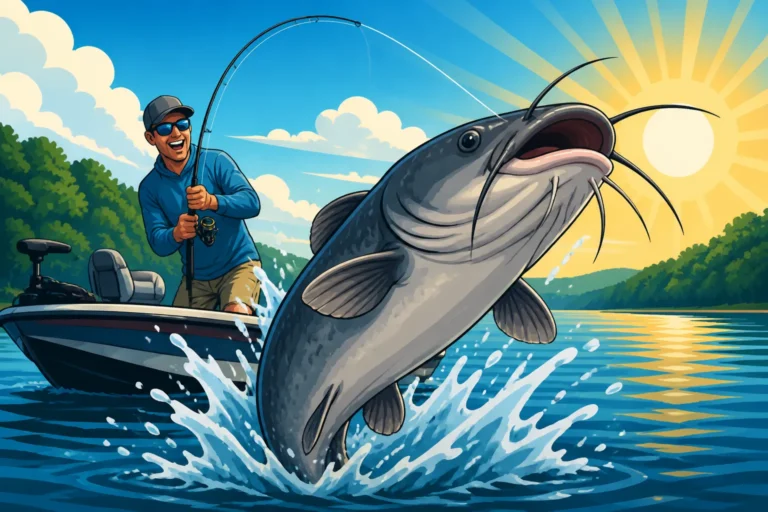
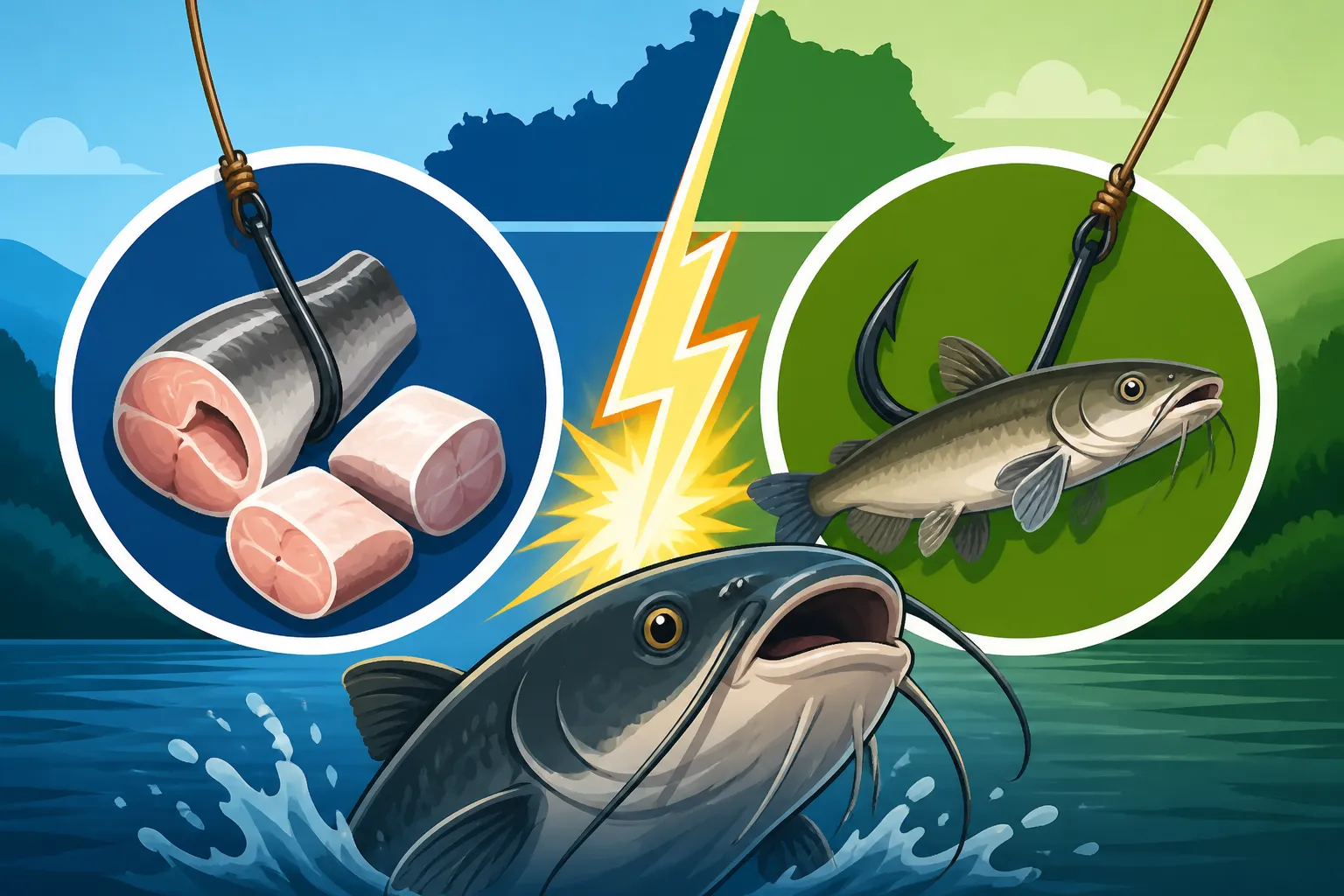
For many Kentucky anglers, the age-old question of what bait reigns supreme for catfish often comes down to a classic showdown: cut bait versus live bait. It's a debate as old as fishing itself, and honestly, there's no single "right" answer for every situation or every species of catfish. This guide will dive deep into the nuances of both, helping you understand when and why each might be your secret weapon on the water, whether you're targeting a giant flathead on the Ohio River or a feisty channel cat in a local pond.
The Allure of Live Bait for Catfish
There’s something undeniably exciting about fishing with live bait. It feels primal, a direct connection to the food chain, and for certain catfish species, it’s absolutely irresistible.
What Makes Live Bait So Effective?
The primary appeal of live bait lies in its natural presentation. A struggling bluegill or a lively shad sends out vibrations, flashes, and a scent trail that mimics a wounded or vulnerable prey item. This is particularly effective for predatory catfish, especially the stealthy and ambush-oriented flathead catfish. Imagine a plump bluegill, swimming frantically near a submerged log or rock pile. To a hungry flathead, that's not just food; it's an easy meal struggling right in its wheelhouse. The natural movement and distress signals are incredibly potent, triggering an aggressive strike that still-fishing with cut bait might not always provoke.
For anglers looking to target bigger, more aggressive catfish, especially those elusive flatheads, live bait is often considered the gold standard. They are less likely to scavenge and prefer to hunt down a meal. This is where live bait truly shines, offering an action-packed presentation that is hard for a predator to ignore.
Popular Live Baits for Kentucky Catfishing
Kentucky anglers have a fantastic array of live bait options, many of which can be caught right in the waters you plan to fish, which is a huge advantage.
- Bluegill and Sunfish: These panfish are staples for live bait fishing in Kentucky. They're hardy, readily available in most lakes and ponds, and just the right size for a trophy catfish. Always check local regulations, as some areas have size limits or restrictions on using game fish as bait. They are particularly effective when targeting large flatheads.
- Shad: Both gizzard shad and threadfin shad are excellent live baits. They're naturally present in many of Kentucky's larger reservoirs and rivers, making them a common food source for catfish. They have a high oil content, which creates a strong scent trail in the water, further drawing in hungry cats. Cast netting is the most common way to acquire shad, and it's always a good idea to keep them lively in a well-aerated baitwell.
- Skipjack Herring: If you're fishing the mighty Ohio River or its major tributaries, skipjack herring are considered by many to be the ultimate live bait for monster blue catfish and flatheads. These silver-sided powerhouses are full of life and oil, making them a potent attractant. They can be challenging to catch, often requiring specific techniques like small spoons or sabiki rigs fished in current, but the effort can be well worth it.
- Eels: Less common but highly effective, especially in some river systems. Eels are incredibly tough and will stay alive for a long time, making them a good option for overnight sets.
- Worms and Nightcrawlers: While not generally used for targeting trophy-sized catfish with live bait rigs, a wriggling worm can be incredibly effective for smaller channel catfish, especially for bank fishing or when fishing with kids. They provide plenty of natural movement and scent.
Remember, when using live bait, presentation is key. You want the bait to appear as natural and lively as possible to entice a strike.
Pros and Cons of Using Live Bait
Like any fishing strategy, using live bait comes with its own set of advantages and challenges.
Pros:
- Natural Appeal: Nothing beats the real thing. The natural movement, vibrations, and scent of live bait are incredibly effective, especially for wary, larger, or more predatory fish.
- Targeting Large Fish: Live bait is often the preferred choice when trying to land that true trophy catfish, particularly flatheads. These fish are often less interested in scavenged meals and actively hunt their food.
- Increased Selectivity: While not foolproof, live bait, especially larger live bait, can help you weed out smaller "nuisance" fish, increasing your chances of hooking into a substantial catfish.
- Durability: Some live baits, like bluegill or eels, can stay alive on the hook for extended periods, reducing the need for constant re-baiting.
Cons:
- Sourcing and Keeping Alive: Catching or buying live bait can be time-consuming, and keeping it lively requires proper equipment like aerated bait buckets or livewells. This adds to the cost and complexity of your fishing trip. If you're on a long drive or fishing for an extended period, keeping bait healthy can be a struggle.
- Legality and Restrictions: You absolutely need to be aware of Kentucky's fishing regulations regarding the use and transport of live bait, especially regarding species you can use and if they must originate from the water body you are fishing. Using an illegal bait can lead to fines.
- Cost: If you're buying live bait from a tackle shop, it can quickly add up, especially if you go through a lot.
- Less Scent Dispersion: While live bait has natural scent, it doesn't "bleed" as much scent into the water as cut bait, which can be a factor in stained or murky water.
- Active vs. Passive: Live bait requires more active monitoring to ensure it stays lively and presents well, as opposed to setting and forgetting a cut bait rig.
The Power and Practicality of Cut Bait for Catfish
While live bait has its charm, cut bait is the workhorse for many catfish anglers, especially those targeting blue and channel catfish. It's often more accessible, easier to manage, and incredibly effective at drawing in fish from a distance.
Why Cut Bait is a Catfish Magnet
Cut bait operates on a different, yet equally powerful, principle: scent. Catfish, particularly blue and channel catfish, have an incredibly developed sense of smell, acting like underwater bloodhounds. When you cut a baitfish into pieces, you expose its flesh, blood, and oils, creating a potent plume of scent that drifts downstream or across a flat. This scent trail is a powerful attractant, drawing in catfish from considerable distances, especially in murky or stained water where visibility is low.
The beauty of cut bait is its versatility. You can use large chunks for big blues or flatheads, strips for channel cats, or even small pieces for a mixed bag. It allows you to tailor your presentation to the size of fish you're targeting and the current conditions. The stronger the scent, the more attention it grabs, making it ideal for targeting actively feeding fish or simply getting their attention in areas where they might be spread out.
Common Cut Baits and How to Prepare Them
The world of cut bait is vast, but some options stand out as perennial favorites for Kentucky catfish anglers.
- Shad (Gizzard and Threadfin): Arguably the most popular cut bait in Kentucky, especially for blue and channel catfish. Shad are oily, bloody, and readily available in most major water bodies.
- Preparation: For larger fish, cut shad into 1-2 inch chunks, leaving some scales and skin attached for texture and scent. For smaller channel cats, strips of meat work well. You can also butterfly a whole small shad to create a larger scent profile.
- Skipjack Herring: Just like with live bait, skipjack herring is king for cut bait on the Ohio River and other large river systems. Its high oil content and strong scent make it irresistible.
- Preparation: Cut skipjack into chunks or strips. The internal organs are especially potent, so often, anglers will leave them attached or use them as part of the bait.
- Carp and Buffalo: These larger rough fish, when legal to use as bait (always check regulations!), provide a lot of meat and a good amount of oil. They're a budget-friendly option if you can catch them yourself.
- Preparation: Cut into steaks or chunks, removing larger bones. The belly meat can be particularly fatty and appealing.
- Chicken Livers: A classic for a reason! Chicken livers are incredibly potent scent bombs, readily available at any grocery store, and very inexpensive. They're fantastic for channel catfish.
- Preparation: They are soft, so often, anglers will net them in small pieces of pantyhose or use a small treble hook to keep them on. Some anglers let them "toughen up" in the sun for a bit to make them more durable.
- Other Options: Some anglers experiment with beef heart, shrimp, or even specially prepared stink baits. The key is finding what works best in your local waters and what the catfish are accustomed to eating.
When preparing cut bait, the goal is often to maximize the exposed surface area to release as much scent as possible. This means sharp knives are your best friend!
Advantages and Disadvantages of Cut Bait
Cut bait, with its strong scent and ease of use, has become a go-to for many catfish enthusiasts.
Pros:
- Maximum Scent Dispersion: This is where cut bait truly excels. The exposed flesh, blood, and oils create an irresistible scent trail that draws in catfish from a wide area, especially effective in stained or murky water.
- Ease of Storage and Transport: Unlike live bait, cut bait can be kept on ice in a cooler for extended periods, and it doesn't require aeration. This makes it much more convenient for longer trips or when traveling to remote spots.
- Versatility: You can cut bait into various sizes and shapes to suit different species and fishing situations, from small strips for channel cats to large chunks for trophy blue catfish.
- Cost-Effective: If you catch your own baitfish like shad or carp, or use readily available items like chicken livers, cut bait can be very inexpensive.
- Effective for Scavengers: Blue and channel catfish are opportunistic feeders and readily consume dead bait, making cut bait incredibly effective for these species.
Cons:
- Less Selective: The strong scent can attract all sorts of fish, including smaller "bait stealers" and non-target species. You might find yourself re-baiting more often.
- Durability on the Hook: Depending on the bait and how it's cut, it can be softer than live bait and more easily picked off the hook by smaller fish or washed away in strong current.
- Odor: Let's be honest, cut bait can be stinky! While that's great for attracting fish, it's not always pleasant for the angler or your boat/vehicle.
- Doesn't Mimic Live Prey: It lacks the natural movement and vibrations of live bait, which can be a disadvantage when targeting purely predatory fish like flatheads, who prefer to hunt.
Matching Bait to Catfish Species and Conditions in Kentucky
The decision between cut and live bait often boils down to two main factors: which species of catfish you're after and the specific conditions of the water you're fishing.
Flathead Catfish: The Live Bait Specialist
Flathead catfish are unique among Kentucky's catfish species. They are primarily piscivorous predators, meaning they prefer to eat other fish, and they overwhelmingly prefer their meals alive and kicking. They are ambush predators, often lurking near structure like submerged logs, rock piles, or bridge pilings, waiting for an unsuspecting fish to swim by. This is why live bait is almost universally recommended for targeting these elusive giants.
When fishing for flatheads, you want a lively baitfish like a bluegill or shad that will struggle and move, drawing attention to itself. Rigging methods are crucial to keep the bait alive and presenting naturally. A simple Carolina rig with a heavy sinker and a strong, sharp hook is popular. You might also consider a three-way swivel rig to keep the bait suspended just off the bottom. Remember to cast near known flathead cover, and be patient; a flathead strike is often deliberate and powerful. If you're looking for more tips, explore "Flathead Catfish Fishing Tips for Kentucky Anglers".
Blue and Channel Catfish: Scent-Driven Feeders
Blue catfish and channel catfish, on the other hand, are much more opportunistic feeders. While they will certainly eat live fish, they are incredibly adept at finding food through their powerful sense of smell. This makes cut bait a phenomenal choice for these species. Whether it's a decaying fish, a mussel, or a crawfish, if it smells like food, a blue or channel cat will investigate.
For blue catfish, particularly the big ones found in the Ohio River or Kentucky Lake, large chunks of oily shad or skipjack herring are hard to beat. The scent trail they put out can attract blues from a long way off. For channel catfish, which are often found in smaller rivers, ponds, and reservoirs, a wide variety of cut baits work well, including smaller pieces of shad, chicken livers, or even shrimp. You can learn more about how to distinguish these species in our guide on "Channel Catfish Vs Blue Catfish: How to Tell Them Apart".
Common rigs for these species include a basic bottom rig with a slip sinker that allows the fish to take the bait without feeling resistance. You can also explore "Bottom Fishing Techniques for Channel Catfish" for more detailed strategies.
When to Choose One Over the Other
The best approach often depends on the scenario:
- Target Species: If you're specifically targeting flatheads, lean heavily towards live bait. For blue and channel cats, cut bait is often more efficient and equally productive.
- Water Clarity: In clear water, live bait can be more effective as catfish can visually track the struggling prey. In murky or muddy water, the strong scent of cut bait becomes a huge advantage, as visual cues are limited.
- Current: In strong currents, live bait might struggle to stay in a natural position, and soft cut bait can be easily washed off the hook. Here, a tougher cut bait or a very lively, hardy baitfish might be better.
- Water Temperature: Catfish metabolism slows in colder water, making them less likely to chase. A strong, lingering scent from cut bait can still entice a lethargic fish. In warmer water, active fish might prefer a lively meal.
- Fishing Pressure: In highly pressured areas, fish can become warier. A natural-looking live bait might fool them, or conversely, a unique cut bait scent might pique their curiosity.
- Convenience: If you're short on time or don't have a livewell, cut bait is undeniably more convenient to prepare and manage.
Many experienced anglers use a combination of both. They might run a live bait on one rod for flatheads and a cut bait on another for blues or channels, maximizing their chances for a diverse catch. This strategy can be particularly effective on large bodies of water like Kentucky Lake, renowned for its diverse catfish population.
| Feature | Live Bait | Cut Bait |
|---|---|---|
| Primary Appeal | Natural movement, vibrations, realistic prey | Strong, widespread scent trail |
| Best For Species | Flathead Catfish (predatory) | Blue Catfish, Channel Catfish (scavengers/opportunists) |
| Sourcing | Catching baitfish (e.g., shad, bluegill), bait shops | Catching baitfish, grocery store (chicken liver) |
| Preparation | Keep alive, proper hooking | Cutting into chunks/strips, exposing flesh |
| Ease of Storage | Requires aerated livewell/bucket, tricky | On ice in cooler, much easier |
| Durability on Hook | Varies by species, generally good | Can be soft, may wash off in current |
| Selectivity | More selective for larger, predatory fish | Less selective, attracts various fish |
| Effectiveness in Murky Water | Moderate (less visual appeal) | High (scent travels far) |
| Cost | Can be expensive if purchased, effort to catch | Often inexpensive, especially if DIY |
| Fishing Style | More active monitoring for lively presentation | Can be more "set and forget" |
Practical Considerations for Kentucky Catfish Anglers
Beyond the bait itself, there are several practical aspects to consider when preparing for your Kentucky catfishing adventure.
Sourcing and Legality of Bait
Before you even cast a line, it's critical to understand the regulations surrounding bait in Kentucky. The Kentucky Department of Fish and Wildlife Resources (KDFWR) has specific rules about what can be used as bait, how it can be harvested, and where. For instance, using game fish like bass or crappie as live bait might be restricted in certain areas or require them to meet specific size limits. Similarly, transporting live bait from one water body to another can be illegal to prevent the spread of aquatic invasive species.
- Catching Your Own Bait: Many anglers prefer to catch their own bait, such as shad using a cast net, or bluegill with a small hook and worm. This is often the freshest and most cost-effective method. Always ensure you are legally able to harvest these baitfish and that they meet any length or creel limits. You might find our "Kentucky Fishing Regulations Explained" guide helpful for a full overview.
- Buying Bait: Local bait shops are a great resource for live minnows, worms, and sometimes even shad or skipjack. Support your local shops, and they can often give you up-to-date information on what's biting and what baits are working well in the area. Brands like Amazon also offer a variety of prepared catfish baits, chum, and even scent enhancers that can complement your natural bait choices.
Always, always double-check the KDFWR regulations before heading out. Ignorance of the law is not an excuse.
Rigging Techniques for Both Bait Types
The right rig can make all the difference in presenting your bait effectively and ensuring a solid hook-up.
- For Live Bait:
- Carolina Rig: A classic for a reason. Thread your main line through an egg sinker, tie on a swivel, and then add a leader (18-36 inches) with your hook. This allows the fish to swim naturally while keeping your weight on the bottom. It's excellent for presenting live bluegill or shad near structure.
- Three-Way Swivel Rig: If you want to keep your bait elevated slightly off the bottom, this rig is fantastic. Tie your main line to one eye of a three-way swivel, a short leader with a sinker to another, and a longer leader with your live bait to the third. This is particularly useful for flatheads that might be suspended.
- For Cut Bait:
- Slip Sinker Rig (similar to Carolina): This is the most common and versatile rig for cut bait. The slip sinker allows the line to run freely, letting the catfish pick up the bait and move away without feeling immediate resistance from the weight. This often results in deeper, more confident takes.
- Santee Cooper Rig: A variation of the slip sinker rig that incorporates a float on the leader, keeping your cut bait suspended a few inches to a foot off the bottom. This is great for keeping your bait out of snags and presenting it in the strike zone above vegetation or bottom debris.
- Trotlines and Jug Lines: For those who prefer passive fishing techniques, cut bait is the overwhelming choice for trotlines and jug lines. The scent plume spreads widely, attracting catfish to your hooks. You can learn more about these methods in our guides on "How to Rig a Trotline for Catfish" and "Jug Fishing for Catfish: A Beginner's Guide." Remember to check local regulations on the use of these passive methods.
Hooks are paramount. For big catfish, choose strong, sharp circle hooks. Circle hooks are fantastic because they usually hook the fish in the corner of the mouth, making for easier release if you're practicing catch and release, and they are less likely to gut-hook a fish. The size of the hook should match your bait and target fish size; typically, 6/0 to 10/0 are good starting points.
Storage and Handling On and Off the Water
Proper bait care is crucial for success, whether you're using live or cut bait.
- Live Bait:
- Aeration is Key: A good aerated bait bucket or livewell is essential to keep your baitfish alive. Oxygenating the water prevents them from becoming sluggish or dying, which defeats the purpose of live bait. Portable aerators can be found easily on Amazon.
- Temperature Control: Keep the water temperature in your bait container stable and as close to the ambient water temperature of your fishing spot as possible. Drastic temperature changes can shock and kill bait.
- Water Quality: Change the water in your bait bucket periodically, especially if it gets cloudy or if many fish are packed in. Adding a small amount of non-iodized salt can also help reduce stress on baitfish.
- Cut Bait:
- Keep it Cold: The fresher the cut bait, the better. Store it on ice in a dedicated cooler. This not only keeps it from spoiling but also helps firm up softer baits like chicken livers, making them easier to keep on the hook.
- Seal it Up: Use resealable bags or containers to prevent odors from permeating everything else in your cooler. This is especially important for strong-smelling baits like shad.
- Pre-cut vs. On-site: Some anglers prefer to pre-cut bait at home for convenience, while others swear by cutting it fresh on the water to maximize scent dispersion right before casting. Experiment to see what works for you. You can find excellent bait knives and cutting boards on Amazon for easy preparation.
Always remember that fishing without a valid Kentucky fishing license can lead to penalties. Be sure to have yours handy, along with any necessary permits, like a trout permit if you're also fishing for those beauties.
Ultimately, the choice between cut bait and live bait isn't about one being inherently "better" than the other. It's about understanding the preferences of the fish you're targeting and adapting your strategy to the conditions at hand. Kentucky's waters are teeming with catfish, and with the right bait and technique, you're sure to have a successful and enjoyable fishing experience.
Disclaimer
This article is for general informational purposes only and does not constitute professional advice. Laws, prices and regulations vary by location and change over time. Consult a qualified professional for guidance on your specific situation.