How Early Does Bass Fishing Start in Kentucky
The eagerness to hit the water after the long, quiet months of winter is a feeling every Kentucky angler knows all too well. We've all been there, peering out at a gray, chilly landscape, wondering exactly when that glorious bass fishing season truly kicks into gear and we can finally feel that satisfying tug on the line. It's a common frustration, this anticipation, because pinning down a single "start date" for bass fishing in Kentucky isn't as straightforward as we might wish. This comprehensive guide is going to cut through the guesswork, walking you through precisely when you can realistically expect to start catching bass in the Bluegrass State, detailing the critical environmental factors that influence the bite, and how you can best prepare for those exciting, often challenging, early-season adventures.
Understanding Kentucky's Bass Fishing Calendar
When you're talking about bass fishing, especially the beginning of the season, it's easy to fall into the trap of thinking there's a hard and fast rule, like a calendar date when all the bass suddenly decide to get hungry. But Kentucky's diverse waterways and sometimes unpredictable weather patterns mean that fishing isn't quite so neat and tidy. The reality is far more dynamic, influenced by a complex interplay of environmental factors that dictate when bass shake off their winter lethargy and truly start moving and feeding with purpose.
The Myth of a Single "Start Date"
Let's bust this myth right out of the gate: there isn't one universal "start date" for bass fishing across all of Kentucky. You might hear folks talking about March as the kickoff, or maybe even late February, but that really depends on where you are in the state and what kind of winter we've had. A mild winter means warmer water earlier, and a prolonged, frigid stretch will delay things. The larger reservoirs like Kentucky Lake and Lake Barkley often warm up differently than smaller, shallower ponds or the flowing waters of the Ohio River, creating a mosaic of conditions across the state.
Think about it: the sun’s angle, ambient air temperatures, recent rainfall, and even the clarity of the water all play a role in how quickly a specific body of water sheds its winter chill. This variability means that while one lake might see active bass in mid-March, another just a few miles away could still have sluggish fish holding deep. It's not about the calendar flipping to a new month; it's about Mother Nature setting the stage, and we as anglers need to be attuned to her cues rather than just a date on the wall.
Water Temperature as the True Indicator
If you take one thing away from this guide, let it be this: water temperature is the absolute king when it comes to predicting bass activity. Bass, being cold-blooded creatures, have their metabolism directly tied to the temperature of the water around them. In colder water, their bodily functions slow down; they need less food, move less, and are generally harder to entice. As the water warms, their metabolism speeds up, making them more active and, crucially for us, hungrier.
The magic threshold for most largemouth and smallmouth bass in Kentucky is generally when water temperatures consistently climb above the 45-degree Fahrenheit mark. Below this, bass are often lethargic, hunkered down in deeper, stable water, and require very slow, precise presentations to trigger a strike. As the water pushes into the low to mid-50s, you'll notice a significant increase in activity, marking the true beginning of the pre-spawn period where bass start to feed aggressively in preparation for their annual spawn. Keeping an eye on a reliable water thermometer – a crucial piece of gear that many anglers often overlook – will give you far more actionable intelligence than any calendar ever could.
Early Season Bass Fishing: The Pre-Spawn Period
The pre-spawn period is arguably one of the most exciting times to target bass in Kentucky. This is when the fish are staging, fattening up, and getting ready for the arduous process of spawning. Understanding their behavior during these transitional months is key to finding success when the water is still on the cooler side.
January and February: Winter Bass Habits
Let's be realistic: January and February are generally the toughest months for bass fishing in Kentucky. The water temperatures are at their coldest, often dipping into the upper 30s and low 40s. During this time, bass are typically holding in their deepest winter haunts, congregating in large schools near major changes in depth, vertical structure like standing timber, or steep channel swings. Their metabolism is incredibly slow, meaning they don't need to eat often, and when they do, they're not going to chase a fast-moving bait.
However, "tough" doesn't mean "impossible." On warmer, sunny days, especially those rare periods of stable weather, some bass might temporarily move up to shallower, sun-warmed dark bottoms or rock piles for short feeding windows. Success during these months hinges on extreme patience, precise boat control (if you're on a boat), and extremely slow presentations. Think subtle movements with jigs, jigging spoons, or suspending jerkbaits fished almost painfully slow. It's not for the faint of heart, but catching a big bass in the dead of winter is a rewarding accomplishment, showing you've truly mastered the cold-water bite.
March: The Transition Month
March is when things truly begin to shift in Kentucky, signaling the real start of the pre-spawn migration for many bass. As air temperatures slowly climb and we see more sunny days, the shallow, dark-bottomed coves and northern-facing banks (which receive more direct sunlight) start to warm up noticeably faster than the main lake. This warming trend is the green light for bass, particularly the larger females, to begin their move from deep wintering holes towards shallower staging areas.
You’ll start finding bass relating to the first available cover on these migration routes – stump fields, rock piles, channel swings near flats, or even submerged roadbeds. They won't be in their full shallow-water spawning sites yet, but they'll be close, actively feeding to build up energy. This is a fantastic time for anglers who pay close attention to the subtle cues. Keep an eye on the water temperature in different areas of the lake; a two or three-degree difference can concentrate fish significantly. Knowing what to expect this month can drastically improve your chances, as detailed in our guide on Kentucky Fishing Seasons: What to Catch Each Month.
April: When Things Really Start Heating Up
For many anglers, April truly marks the widely anticipated "start" of prime bass fishing in Kentucky. By this month, water temperatures are generally climbing consistently into the mid-50s and even into the low 60s in shallower areas. This is the peak of the pre-spawn period, characterized by incredibly aggressive feeding as bass gorge themselves before the spawn. Both male and female bass are actively cruising the shallows, looking for easy meals.
You'll find bass in predictable staging areas: secondary points leading into spawning coves, submerged vegetation lines, brush piles, and shallow flats adjacent to deep water access. They're more willing to chase baits now, making for some exciting and productive days on the water. This is when you can really start hitting those prime windows, targeting bigger fish that are putting on the feedbag. It's a key period that leads directly into the actual spawning activity, which is thoroughly covered in our detailed article, Kentucky Bass Fishing: The April-May Peak Season.
Essential Gear and Techniques for Early Season Bass
Having the right mindset and understanding bass behavior is crucial, but equally important is equipping yourself with the right gear and employing appropriate techniques for the challenging, yet rewarding, early season. Fishing in colder water demands a different approach than the fast-paced action of summer.
Lure Selection for Cold Water
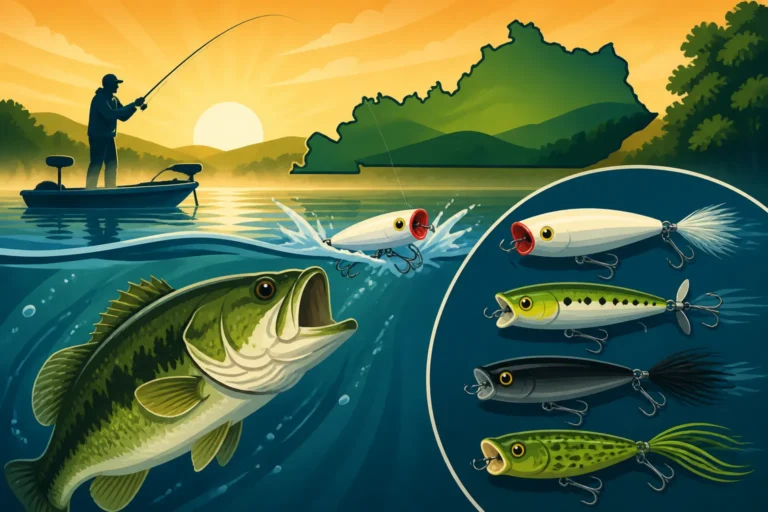
When the water is chilly, bass are not usually in the mood to chase down fast-moving prey. Your lure selection should reflect this. Jerkbaits are absolute kings in cold water; their erratic, suspending action perfectly mimics a dying baitfish, and the long pauses you can build into your retrieve are often what triggers a strike. Brands like Rapala and Lucky Craft offer excellent jerkbaits that are incredibly effective. Lipless crankbaits, like a trusty Rat-L-Trap, retrieved with a "yo-yo" motion near the bottom, or even a slow-rolled spinnerbait, can also be deadly.
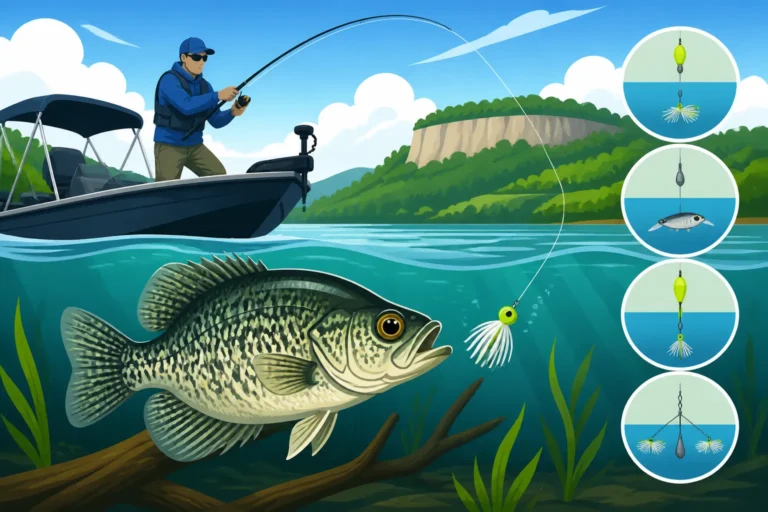
Blade baits and small jigs with soft plastic trailers are also excellent choices for vertical presentations when bass are holding deeper. Consider natural baitfish colors like shad, bluegill, or crawfish patterns, but don't shy away from some chartreuse or red accents, especially in stained water. You can often find great deals on these proven cold-water baits on Amazon, and having a diverse selection is key to adapting to changing conditions. Remember, you're trying to tempt a sluggish fish, not provoke a chase. If you’re unsure which lures to stock up on, our guide on Best Lures for Early Spring Fishing offers more specific recommendations.
Effective Techniques for Pre-Spawn Bass
The keyword for early season techniques is slow. Forget burning crankbaits or rapidly ripping jigs. Instead, think deliberate, methodical presentations. When using a jerkbait, experiment with long pauses – sometimes as long as 10-15 seconds – between twitches. Let the bait sit there, mimicking a struggling baitfish, and often the strike will come on the pause. For jigs, a slow drag-and-hop along the bottom is far more effective than an aggressive retrieve.
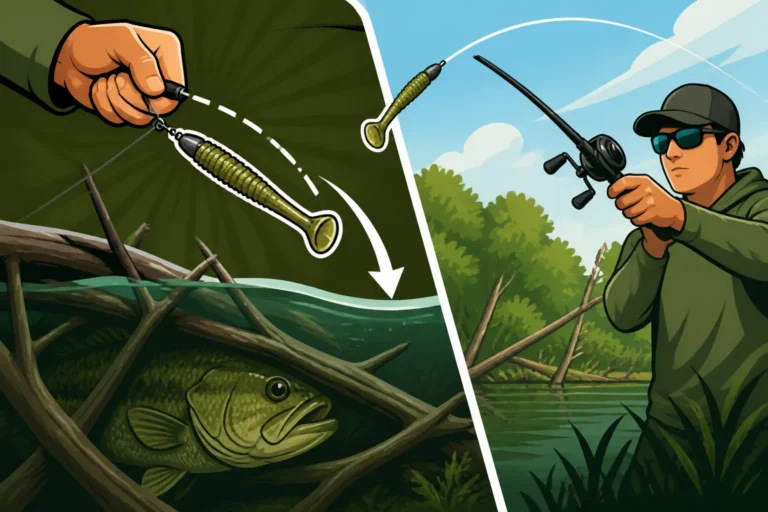
Targeting specific cover is also paramount. Bass aren't spread out randomly in cold water; they're concentrated around structure. Flipping and pitching jigs or Texas-rigged soft plastics slowly into brush piles, laydowns, or rock crevices can pay off big time. Bottom contact is often crucial, so make sure your bait is working on or just above the bottom where bass are likely to be holding. Learning How to Fish a Jig for Bass in Cold Water will undoubtedly give you a significant advantage during these crucial months.
Reading the Water: Key Locations to Target
Finding the warmest water possible is often the holy grail in early spring. Look for north-facing banks (in the Northern Hemisphere, these get the most direct sunlight), shallow coves with dark bottoms that absorb heat, and protected areas out of the main wind. These spots will often be a few degrees warmer than the rest of the lake, and those few degrees can make all the difference in bass activity. Bass will gravitate towards these warmer zones, especially after a few consecutive sunny days.
Focus on transition areas where deep water meets shallow water, such as main lake points, channel swings, and the mouths of spawning coves. These are the highways bass use to move from their wintering areas to their pre-spawn staging grounds. Submerged cover like old roadbeds, rock piles, or isolated timber in these transition zones will hold fish. Paying attention to these subtle changes in the environment is much more important than just blindly casting. For instance, investing in a good quality low-stretch fluorocarbon line, easily found on Amazon, can make a significant difference in feeling those subtle cold-water bites. And remember, a reliable pair of polarized sunglasses, available from countless brands on Amazon, is invaluable for spotting submerged structure or cruising bass in clear, early spring waters.
Regional Variations Across Kentucky
Kentucky is a state of diverse waterways, from massive reservoirs to winding rivers, and what works in one part of the state might not hold true just a few hours away. Understanding these regional differences is crucial for pinpointing when and where the bass bite will truly kick off. Even if you're well-equipped with the Best Rod and Reel Combo for Beginners, knowing where to cast is half the battle.
Southern Kentucky Lakes vs. Northern Rivers
Generally speaking, the large impoundments in Southern Kentucky, like the famed Kentucky Lake, Lake Barkley, and Lake Cumberland, tend to see an earlier start to their bass fishing season compared to bodies of water further north. Their more southerly latitude means they receive more intense sunlight earlier in the year, causing water temperatures to rise faster. This often translates into bass becoming active and moving towards staging areas a week or two, sometimes even more, ahead of their northern counterparts. Many anglers find themselves drawn to incredible fisheries like Kentucky Lake: The State's Top Bass Fishing Destination or Lake Barkley Fishing Guide for Kentucky Anglers precisely because they tend to offer earlier opportunities for consistent bass action.
Conversely, northern rivers, such as sections of the Ohio River, can remain colder for longer due to geographical location and the constant flow of water. While river systems offer incredible fishing, their water temperatures are more susceptible to cold fronts and melting snow runoff from upstream, which can delay the early season bite. It’s not uncommon for the pre-spawn on the Ohio River to lag behind that of the southern lakes, requiring anglers to adjust their timing and techniques accordingly.
Reservoir vs. River Systems
The type of water body also plays a significant role in how early bass fishing starts. Large reservoirs, like Lake Cumberland: Kentucky's Best All-Around Fishing Lake or Herrington Lake, tend to be more stable in their warming patterns. They have vast areas of protected coves and shallow flats that can absorb sunlight and heat up more quickly, providing those critical staging grounds for pre-spawn bass. These lakes often stratify, meaning layers of water with different temperatures form, and bass will seek out the optimal temperature zones.
River systems, however, are constantly influenced by current, fluctuating water levels, and incoming tributaries. This means water temperatures can change more rapidly and less predictably. Bass in rivers will often relate more to current breaks, eddies, and slack-water areas where they can expend less energy while still being near feeding lanes. The warming process can be more intermittent, but once it starts, river bass can become incredibly aggressive. Anglers need to pay close attention to recent rainfall and river gauge readings, as high, muddy water can quickly shut down an early season bite, regardless of air temperature. For any serious angler, having the Best Tackle for Big Lake Bass Fishing is essential for these varied conditions.
Early Season Bass Fishing Conditions Overview
To help you visualize the progression, here’s a quick glance at what to generally expect from the early bass season in Kentucky:
| Month | Typical Water Temperature Range | Bass Behavior | Recommended Lures/Techniques |
|---|---|---|---|
| January | 35-45°F | Deep, lethargic, occasional feeding bursts | Jigging spoons, vertical jigs, slow plastics |
| February | 38-48°F | Still deep, starting to relate to structure, slightly more active | Jerkbaits (long pauses), slow roll spinnerbaits, jigs |
| March | 45-55°F | Moving to staging areas, pre-spawn feeding starts | Lipless crankbaits, spinnerbaits, jigs, slow crankbaits |
| April | 55-65°F | Aggressive pre-spawn feeding, moving shallow, spawn imminent | Spinnerbaits, swim jigs, bladed jigs, Texas rigs, ChatterBaits |
This table provides a general guideline, but always remember to check local conditions, weather forecasts, and most importantly, the actual water temperature of the specific body of water you plan to fish. Understanding the information in this guide will certainly help you anticipate When Does Kentucky Bass Fishing Peak, allowing you to plan your trips for maximum success. And before you even consider heading out, make sure you have your Kentucky Fishing License Guide sorted and that you're up to date on all Kentucky Fishing Regulations Explained.
Disclaimer
The information provided in this article is for general guidance and informational purposes only. Fishing conditions and regulations in Kentucky can change rapidly due to weather, environmental factors, and updates from the Kentucky Department of Fish and Wildlife Resources. Always consult the official KDFWR website and local regulations before planning any fishing trip to ensure compliance and safety.