How to Fish a Trout Stream in Spring
Spring trout fishing in Kentucky streams offers some of the most rewarding, yet sometimes challenging, experiences for anglers. The shifting conditions, from icy snowmelt to warming flows, can make finding and hooking these elusive fish a real puzzle. This comprehensive guide is designed to cut through the guesswork, providing you with actionable strategies, gear recommendations, and local insights to make your spring trout stream adventures successful and enjoyable.
Understanding Spring Trout Behavior in Kentucky Streams
When spring awakens in the Bluegrass State, so does the potential for fantastic trout fishing, but it's a fickle beast. The trout, whether wild browns or stocked rainbows, are very much influenced by the thawing landscape and the resulting changes in their aquatic homes. Knowing how they react to these shifts is your first step toward a full creel.
The Impact of Snowmelt and Rain on Water Conditions
Early spring often brings a mix of lingering snowmelt from higher elevations and frequent rain showers. This influx of cold water can dramatically affect stream conditions, creating both opportunities and obstacles for anglers. Initially, snowmelt keeps water temperatures low and often raises water levels, increasing current speeds. This can make trout less active and push them into slower, more sheltered areas. However, as the snowmelt subsides and flows stabilize, the slightly cooler, oxygen-rich water can invigorate trout.
Heavy spring rains, on the other hand, can quickly turn a clear stream into a muddy torrent. While murky water can be tough to fish, it also washes insects and other food sources into the stream, often triggering a feeding frenzy once the water begins to clear. The key here is timing; fishing just as the water starts to drop and clear after a rain event can be incredibly productive. Trout will be looking for easy meals, and the slightly discolored water provides them with a sense of security from predators, including you!
Where Trout Hold in Spring Currents
Unlike their summer patterns, spring trout often seek out specific types of cover and current seams. When water levels are high and currents strong, they won't fight the flow unnecessarily. Instead, look for them in classic trout lies that offer a break from the main current while still providing access to drifting food. This means focusing on the slower water found behind large rocks, fallen logs, or undercut banks. These "shelter pockets" allow trout to conserve energy while food washes past them.
As water temperatures rise and flows become more moderate, trout might move into faster riffles and runs, especially if insect hatches are occurring. However, even then, they'll often position themselves on the edges of these faster currents, darting out to grab food before retreating to the calmer water. Understanding these holding patterns is crucial. A good rule of thumb: if the water looks too fast or turbulent for you to comfortably stand in, it's probably too much for the trout to hold in directly for long periods either.
Trout Feeding Habits as Water Warms
Spring is a season of transition for trout diets. Early in the spring, when water temperatures are still quite chilly, trout are often lethargic and prefer larger, easier-to-catch prey. Think nymphs, sculpins, or even small baitfish if available. As the water warms, insect hatches become more prevalent, and trout will key into emerging mayflies, caddisflies, and midges. This is when fly anglers really start to shine, "matching the hatch" with delicate presentations.
However, even when bugs are popping, trout still won't pass up a juicy worm or a brightly colored spinner. The key is to observe what's happening on and in the water. Are you seeing insects flying around? Are there any signs of fish rising to the surface? Pay attention to the water's surface for insect activity and the streambed for dislodged nymphs. This real-time observation will help you decide between a natural bait, a nymph pattern, or a small spinner or spoon. Remember that trout in different parts of a stream might be feeding on different things depending on temperature and current, so don't be afraid to experiment with your offerings.
Essential Gear for Spring Stream Trout Fishing
Having the right equipment can make all the difference between a frustrating day and a memorable one on Kentucky's trout streams. The unpredictable nature of spring weather and water conditions demands versatility and durability from your gear. You won't regret investing in quality, but there are also plenty of budget-friendly options available to get you started.
Rod, Reel, and Line Selection
For stream trout fishing, especially in Kentucky's smaller, colder waters, a lighter setup is generally preferred. A fast-action ultralight or light spinning rod, typically in the 5'6" to 6'6" range, is ideal. This length provides excellent control for accurate casting in tight quarters common on streams, while the lighter action allows you to feel the subtle takes of a trout in cold water. You can find many great options for an ultralight spinning gear for trout fishing on platforms like Amazon.
Pair this with a small spinning reel (size 1000 or 2000) spooled with 4 to 6-pound monofilament or fluorocarbon line. Monofilament offers a good balance of stretch and knot strength, while fluorocarbon is virtually invisible underwater and offers excellent sensitivity. If you're using a heavier mainline, consider a fluorocarbon leader of a lighter test to increase your chances. For those interested in how to fly fish for stocked trout, a 3 to 5-weight fly rod is a perfect choice, often paired with a floating line and a tapered leader. Don't forget to check out our guide on "Ultralight Spinning Gear for Trout Fishing" for more in-depth recommendations.
Bait and Lure Choices for Spring Trout
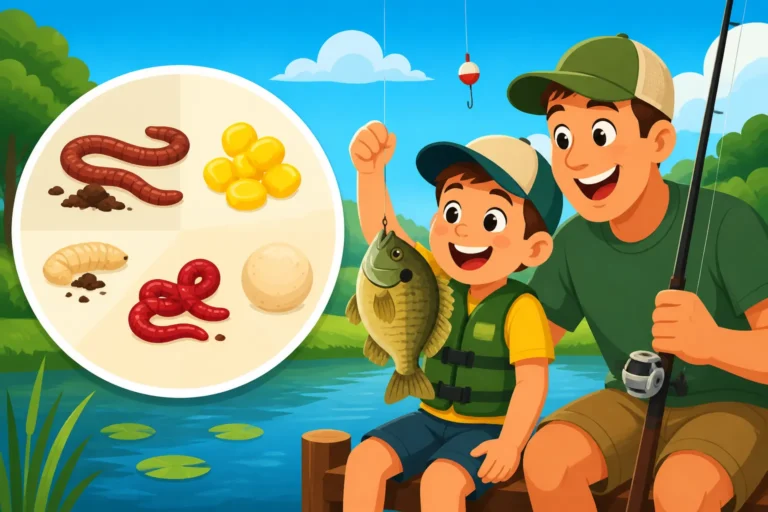
Spring trout are opportunistic feeders, so a variety of baits and lures should be in your tackle box. For natural bait, live worms (red wigglers or nightcrawlers) are perennial favorites and are often irresistible to hungry trout. Small, bright-colored artificial eggs or PowerBait nuggets can also be incredibly effective, especially in stocked streams. If you're using bait, a light wire hook (size 8 or 10) and a few split shot weights are all you need.
When it comes to artificial lures, small inline spinners like a Rooster Tail or Panther Martin in silver, gold, or bright fluorescent colors work wonders in varying water clarity. Micro jigs tipped with a small plastic grub or even just a natural bait can also be deadly, especially when fished in slower pools or behind structure. For fly anglers, early spring calls for larger nymph patterns like Prince Nymphs, Hare's Ears, and Stoneflies, as well as attractor patterns like a Woolly Bugger. As hatches pick up, smaller dry flies and emergers will become more effective. Consult our list of "Best Bait for Trout on Cold-Water Mountain Streams" for more targeted suggestions.
Waders and Footwear for Cold Water
Spring stream fishing almost always means getting wet, and staying warm and dry is paramount for comfort and safety. Neoprene waders are an excellent choice for early spring due to their insulating properties against cold water. As the weather warms, breathable waders become more comfortable. Make sure your waders fit well, allowing for layering underneath without restricting movement.
Complement your waders with sturdy wading boots that provide good ankle support and excellent traction. Felt soles are traditional for their grip on slick rocks, but rubber soles with studs are also popular, especially where felt might be restricted. Don't forget a good pair of wool or synthetic wading socks to prevent blisters and add an extra layer of warmth. For safety, a wading belt is essential; it not only helps prevent water from filling your waders if you take a spill but also allows you to carry essential tools. You can find quality options for wading boots and "Best Waders for Kentucky Stream Fishing" online.
Proven Techniques for Spring Trout Streams
Alright, you've got your gear, you understand the trout's mindset in spring. Now it's time to talk about putting it all together on the water. Fishing a trout stream isn't just about casting and reeling; it's a delicate dance of observation, strategy, and execution.
Reading the Water for Prime Lies
The ability to "read the water" is perhaps the most critical skill for a stream angler. It's about identifying those hidden pockets where trout are likely to be holding, feeding, and feeling safe. Look for changes in current speed, depth, and bottom structure.
- Pocket Water: These are small, calmer areas behind boulders, logs, or other obstructions. Trout sit here, out of the main current, waiting for food to drift by. They are prime targets in faster flows.
- Seams and Eddies: Where fast water meets slow water, a "seam" is created. These are conveyor belts of food. Eddies are swirling areas of slack water, often just downstream of an obstruction, that collect insects and provide a resting spot.
- Undercut Banks: These are gold mines. The bank erodes underneath, creating a hidden overhang that offers trout shade, cover from predators, and a break from the current. Fish these carefully and quietly.
- Riffles and Runs: Shallower, faster sections of stream that are oxygen-rich and often hold insects. Trout will feed actively in these areas as water temperatures warm up. Target the edges, or the deeper troughs within the riffle.
- Pools: Deeper, slower areas, often at the bend of a river or below a riffle. While pools can hold larger fish, spring trout might be spread out within them, rather than concentrated. Fish the head (where the water enters), the tail (where it exits), and any structure within.
Remember, trout usually face upstream, so approach from downstream whenever possible to avoid spooking them. Move slowly and deliberately.
Presentation is Key: Drifting and Casting Strategies
Once you've identified a promising lie, your presentation is everything. Trout are notoriously wary, especially in clear spring waters.
- Upstream Casts: Casting upstream and allowing your bait or lure to drift naturally downstream is often the most effective method. This mimics the movement of natural food. For bait or jigs, use just enough weight to get your offering down to the trout's level without snagging constantly. For fly anglers, a dead drift with nymphs is paramount.
- Cross-Stream Casting: This can be effective for covering wider sections or reaching specific pockets. Cast across the current, allowing your offering to swing downstream. Be mindful of line drag, which can make your bait or lure look unnatural.
- Downstream Presentation (Less Common): While generally avoided as it can spook fish, sometimes a downstream cast with a spinner or a fly can be effective when trying to "swim" a lure past an obstruction or when fish are actively chasing.
- Controlling Your Line: Slack line is your enemy. Too much slack prevents you from feeling subtle bites and making effective hooksets. Too little slack can create unnatural drag. Develop a feel for managing your line, keeping just enough tension to stay connected to your bait while allowing it to drift freely. This is especially true when spin fishing for trout, where precise control can make all the difference.
Managing Your Drift in Varying Currents
One of the biggest challenges in stream fishing is managing your drift. Rivers and streams have varying current speeds across their width and depth, which can cause your line to bow or your bait to move unnaturally. This is called "drag."
- Mending Your Line: This technique involves quickly flicking your rod tip to reposition your line upstream of your bait or lure. It creates a longer, more natural drift by preventing the faster surface current from pulling your line and accelerating your offering. Think of it as adjusting the speed of your float.
- High-Sticking: In faster, shallower water, or when fishing pocket water, you can hold your rod tip high, keeping most of your line off the water. This minimizes drag and allows for a more direct connection to your bait or lure. It's particularly useful when using short, controlled drifts.
- Varying Weight: Don't be afraid to adjust your split shot or jig weight based on the current and depth. Too much weight will snag, too little will prevent your bait from getting to the strike zone. Sometimes, adding a tiny amount of weight just above your bait can make all the difference in achieving a perfect drift.
Successful spring trout fishing in streams often comes down to presenting your bait or lure naturally in the right place. Practice these techniques, and you'll find yourself connecting with more fish. For those looking to ensure they have the right permits, remember to check out "Kentucky Trout Permit Guide" and understand "Kentucky Trout Permit Cost and Requirements" before you head out.
Safety and Etiquette on Kentucky Trout Streams
A day on the trout stream should be enjoyable and safe for everyone. Being mindful of your surroundings, the unpredictable spring elements, and other anglers ensures a positive experience for all.
Navigating Slippery Banks and Cold Water
Spring streams can be beautiful, but they also present unique hazards. The banks can be muddy and slick from spring rains, and submerged rocks can be covered in algae, making them incredibly treacherous. Always move slowly and deliberately, using a wading staff for balance, especially when crossing currents or navigating unfamiliar territory.
More importantly, spring water temperatures are often dangerously cold. Hypothermia is a real risk. Always wear appropriate waders and layers, and never wade alone if possible. If you do take a spill and your waders fill with water, try to stay calm. The wading belt you should always be wearing will help prevent excessive water from entering, and you should immediately head for the nearest bank to empty your waders and warm up. An extra set of clothes stored in a dry bag back at your vehicle is always a good idea. Consider checking "Best Waders for Kentucky Stream Fishing" for gear that will keep you safe and comfortable.
Respecting Other Anglers and the Environment
Kentucky's trout streams are shared resources, and respecting fellow anglers and the environment is paramount.
- Give Space: If you see another angler fishing, give them ample space. Don't crowd them or jump into a hole they were clearly heading for. A polite wave or greeting is always appreciated, and often they'll signal if they're moving on or if there's room to fish nearby.
- Leave No Trace: Pack out everything you pack in. This includes fishing line, bait containers, and any other trash. Leaving a clean stream for the next person is part of being a responsible angler.
- Handle Fish Carefully: If you're practicing catch and release, handle fish gently and minimize their time out of the water. Wet your hands before touching them to protect their protective slime coat. If you're keeping fish, ensure you are familiar with and adhere to "Kentucky Fishing Regulations Explained", including size and creel limits.
- Know the Regulations: Always, always know the local fishing regulations for the specific stream you're on. Some streams have special tackle restrictions, slot limits, or catch-and-release-only sections. This includes making sure you have a valid "Kentucky Fishing License Guide" and a "Kentucky Trout Permit Guide". Ignoring these rules can lead to fines and harm fish populations. The Kentucky Department of Fish and Wildlife Resources website is your best friend for up-to-date information.
| Spring Trout Stream Condition | Typical Trout Behavior | Recommended Gear/Approach |
|---|---|---|
| Cold, High Water | Less active, hugging bottom, seeking slack water behind structure. | Heavy nymphs (e.g., stoneflies, Prince Nymphs), live worms, PowerBait. Focus on slower eddies, deep pools. |
| Clearing After Rain | Opportunistic, looking for dislodged food. Can be aggressive. | Worms, small spinners (bright colors), larger nymphs. Fish just as water starts to clear and drop. |
| Moderate Flow, Warming | More active, spreading out to riffles and runs. Insect hatches possible. | Variety of nymphs, small emergers, dry flies (if rising), small spinners, micro jigs. Focus on current seams and riffle edges. |
| Clear, Low Water | Very wary, easily spooked. | Smaller, natural-colored nymphs and dry flies, light line/leader, stealthy approach. Precise casting. |
Remember, every spring day on a Kentucky trout stream is a gift. Embrace the challenge, learn from each outing, and always prioritize safety and respect for the environment. Happy fishing!
Disclaimer
This article is for general informational purposes only and does not constitute professional advice. Laws, prices and regulations vary by location and change over time. Consult a qualified professional for guidance on your specific situation.