Best Techniques for Fishing in the Rain
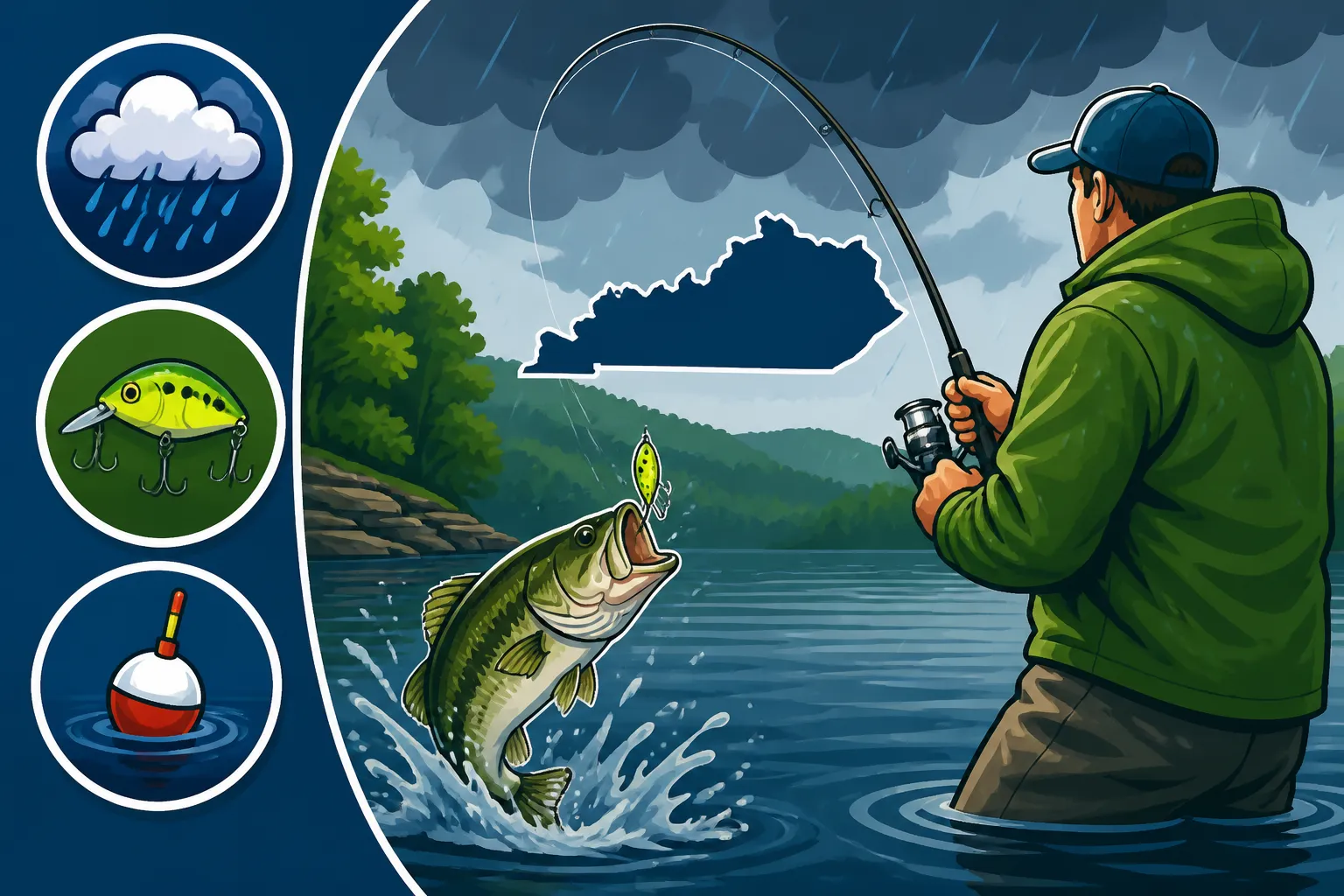
There's nothing quite like waking up with a fishing trip planned, only to look out the window and see rain pouring down. Many anglers instantly feel that familiar slump, convinced their day on the water is ruined. But here's a little secret from us seasoned Kentucky fishing enthusiasts: some of the best fishing days happen when the sky opens up. This guide isn't about giving up; it's about embracing the wet weather and using it to your advantage with specific techniques that can make a rainy day trip incredibly productive.
Why Rain Can Be Your Best Friend on the Water
It might seem counterintuitive, but a good rain can actually invigorate a fishery. Instead of viewing rain as an obstacle, think of it as a natural catalyst that changes the underwater environment in ways that often benefit fish and, by extension, anglers. Understanding these changes is the first step to turning a dreary day into a delightful one.
Increased Oxygen and Reduced Light Penetration
When rain hits the surface of a lake or river, it doesn't just make ripples; it churns the water, effectively adding oxygen. This is especially true for warm summer days where oxygen levels can sometimes deplete in stagnant areas. A fresh infusion of oxygen can make sluggish fish more active and willing to feed. Imagine how you feel after a breath of fresh air; fish feel something similar. This newfound energy often translates into a better bite.
Furthermore, rain clouds and the disturbed surface water significantly reduce light penetration into the water column. For many game fish, especially the predatory ones like bass and crappie, bright sunlight can make them shy and send them deep or into heavy cover. They become more cautious, preferring to ambush prey from the shadows. Cloudy, rainy conditions mimic prime low-light feeding times, like dawn and dusk, stretching those opportunistic feeding windows throughout the day. This reduction in light can draw fish out of their deep-water sanctuaries or dense cover, making them more accessible and aggressive closer to the surface or along the edges where they might not venture on a sunny afternoon.
Washing in Food and Creating Cover
Rainfall, particularly after a dry spell, washes all sorts of terrestrial goodies into the water from the banks. Worms, insects, and other small critters that live in the soil get dislodged and swept into the lake or river. This influx of readily available food is like ringing a dinner bell for fish. They know this is a temporary feast, and they'll often move closer to the banks and shallow areas to capitalize on it. Targeting these inflow areas, like feeder creeks, culverts, or even just muddy run-offs, can be incredibly productive.
Beyond providing a buffet, the churning, often muddy water also creates a natural "cover" for fish. Just as reduced light penetration offers security, turbid water makes it harder for prey to spot predators, and equally, harder for predators to be seen by larger threats. This sense of security can make fish bolder and less wary, encouraging them to move into areas they might avoid in clear water. For an angler, this means you can often get closer to fish without spooking them, and they might be less hesitant to strike at your bait or lure. It effectively levels the playing field, making a cautious fish more prone to a reactive bite.
Essential Gear for Fishing in the Rain
Before you even think about casting a line in the rain, you need to make sure you're properly equipped. A miserable, soaked angler is not a patient or effective angler. Investing in the right gear isn't just about comfort; it's about extending your time on the water and making the experience enjoyable, rather than a test of endurance. A little preparation goes a long way.
Waterproof Outerwear and Footwear
This might seem like a no-brainer, but it's astonishing how many anglers show up with a flimsy raincoat and expect to stay dry during a genuine Kentucky downpour. You need a truly waterproof jacket and pants. Look for materials that boast strong water resistance and breathable membranes, like Gore-Tex or similar technologies, which prevent you from getting soaked from the inside out with sweat. Don't skimp on this. A good set of rain gear can be found from reputable brands on Amazon and will last you for years, making every rainy day fishing trip infinitely better.
Beyond your core attire, waterproof footwear is absolutely critical. Muck boots or high-quality waterproof hiking boots are a must, especially if you plan on doing any Bank Fishing Techniques for Beginners. Wet feet lead to cold feet, which leads to a miserable experience. If you're boat fishing, consider deck boots with good grip to prevent slips. Layering is also key under your rain gear. Wear moisture-wicking base layers, not cotton, which holds moisture and makes you cold. Even if it's warm rain, layers give you options as conditions change.
Protecting Your Electronics and Tackle
In today's world, many of us rely on smartphones for navigation, weather updates, or even to snap a photo of that trophy catch. Keep your phone in a truly waterproof case or a dry bag. Don't trust a "water-resistant" phone in a heavy rain. The same goes for any other delicate electronics you might have, such as portable fish finders or GPS units. A dedicated waterproof box or bag for these items is a wise investment. You'll find a wide selection of these protective cases and bags available on Amazon, designed specifically for outdoor use.
Your tackle also needs protection. While most modern tackle boxes are fairly weather-resistant, a consistent soaking can still lead to rust on hooks, lures, and other metal components. Consider adding desiccant packets to your tackle boxes or using sealed containers for your most prized lures and soft plastics. When you get home, always open up your tackle boxes and let everything air dry thoroughly before closing them again. This simple step can prevent a lot of headaches and keep your gear in top shape. Don't forget a small, absorbent towel for wiping down your hands and gear, too.
Tactical Adjustments for Rainy Day Fishing
Now that you're geared up, let's talk strategy. Fishing in the rain isn't just about enduring the weather; it's about actively adapting your approach to capitalize on the unique conditions. Fish behavior changes when it rains, and so should your techniques.
Lure Choices and Presentation in Murky Water
One of the most significant impacts of rain is increased water turbidity. Clear water often gives way to stained or muddy conditions, especially in shallow areas or near inflows. This means fish rely less on sight and more on their lateral line (which detects vibrations) and sense of smell. So, what does this mean for your lure selection?
- Vibration and Noise: Opt for lures that displace a lot of water and create strong vibrations. Spinnerbaits, chatterbaits, and crankbaits with wide wobbles are fantastic choices. For example, during the Kentucky Bass Fishing: The April-May Peak Season, if it's raining, I'll often tie on a larger bladed spinnerbait that really thumps through the water. The fish can feel these from a distance, even if they can't see them clearly.
- Color Contrast: Forget the subtle, natural colors you might use in clear water. In muddy conditions, fish need lures that stand out. Bright, high-contrast colors like chartreuse, orange, and white are excellent. Black and blue combinations also work surprisingly well, creating a strong silhouette against the dim, turbid background. Don't be afraid to experiment with combinations like a chartreuse spinnerbait skirt with a white trailer.
- Scent: While not always necessary, adding scent to your soft plastics or even some hard baits can give fish an extra reason to bite. In highly turbid water, their sense of smell becomes even more crucial in locating prey.
- Slow Down: Despite the increased activity, sometimes slowing your retrieve can be beneficial. Fish might be more active, but if visibility is low, they need more time to locate and strike your lure. A slower, more deliberate retrieve allows the fish to home in on the vibrations and scent.
Targeting Rain-Triggered Feeding Zones
Rainfall creates distinct feeding opportunities, and knowing where to focus your efforts is paramount. Fish will often gravitate to areas where the most action is happening, which, during a rain event, typically means inflows and current seams.
- Inflow Areas: Think feeder creeks, drainage ditches, culverts, and any area where runoff water is entering the main body of water. As discussed earlier, these spots wash in food, attract baitfish, and often bring warmer, oxygenated water. Bass, crappie, and even catfish will stack up in these areas, waiting for an easy meal. Cast parallel to the bank where the runoff enters, or directly into the current seam created by the inflow.
- Shallow Water and Edges: The low light and increased cover provided by turbid water will draw fish into shallower areas and closer to cover along the banks. Don't be afraid to target weed lines, submerged brush piles, and fallen trees in surprisingly shallow water. These spots offer ambush points and are often overlooked by fair-weather anglers. For those interested in Kentucky Crappie Fishing: Spring Spawn Run Guide, a rainy day during the spawn can bring crappie even closer to flooded bushes and structure.
- Points and Humps: Submerged points and humps become even more productive during rainy conditions. Fish will use these structures as highways to move up from deeper water into shallower feeding grounds. The current created by runoff can also create eddies and current breaks around these features, concentrating baitfish and predators.
Bank Fishing vs. Boat Fishing in the Rain
Your approach to rainy day fishing will differ significantly depending on whether you're casting from the shore or a boat. Both have their advantages and disadvantages when the heavens open up.
- Bank Fishing Advantages: For the bank angler, rain often brings the fish closer to you. The runoff attracts them to the shoreline, making them more accessible. You can often find excellent opportunities near culverts, road ditches, or even flooded grassy areas. Plus, you don't have to worry about the complexities of boat navigation in rough weather. Just remember to pack your Best Tackle and Gear for Bank Fishing and find a spot with good overhead cover if possible, like under a bridge or dense tree canopy, to stay a bit drier.
- Bank Fishing Disadvantages: Visibility can be tough, and getting muddy and wet is almost a guarantee. Safety is also a concern if there's lightning or flash flooding. Always prioritize a safe, stable footing.
- Boat Fishing Advantages: With a boat, you have the flexibility to chase the fish. You can move quickly between different inflow areas, fish larger expanses of shoreline, and target offshore structures that are out of reach for bank anglers. A good trolling motor and fish finder (check out models on Amazon) become invaluable for navigating and locating fish in low visibility. Plus, if your boat has a good bimini top or enclosed console, you can stay considerably drier and more comfortable. For those with a Best Boats for Kentucky Lake and Lake Barkley Fishing rig, rainy days offer a chance to have the water almost to yourself.
- Boat Fishing Disadvantages: Boat fishing in the rain comes with increased safety risks. Reduced visibility, slippery decks, and the danger of lightning strikes are major concerns. Ensure all your safety gear, including life jackets, is easily accessible, as detailed in our Kentucky Boating Safety Gear Checklist. Be extra cautious when running your boat, especially in crowded areas or near navigation hazards.
| Tactic/Condition | Sunny Day Fishing | Rainy Day Fishing |
|---|---|---|
| Fish Location | Deeper water, heavy cover, shaded areas | Shallower water, near inflows, along banks |
| Lure Choice | Natural colors, subtle presentations, finesse | Vibrating lures, bright/contrasting colors, scent |
| Retrieve Speed | Often slower, deliberate | Can be varied, sometimes slower, sometimes reactive |
| Water Clarity | Clear to slightly stained | Stained to muddy |
| Best Times | Early morning, late evening, cloudy periods | All day, especially during active rain |
| Safety Concerns | Sunburn, dehydration | Lightning, slippery surfaces, reduced visibility |
Staying Safe and Comfortable While Rainy Day Fishing
Fishing in the rain can be incredibly rewarding, but it's essential to prioritize your safety and comfort. Getting soaked or caught in a dangerous situation isn't worth a few extra fish. A little common sense and preparation will ensure your rainy day adventure is a positive one.
Lightning Safety and Storm Tracking
This is non-negotiable. If there is lightning in the area, GET OFF THE WATER IMMEDIATELY. No fish is worth risking your life. Small boats, kayaks, and even being on the bank near tall trees make you a prime target. Use a weather app on your phone (secured in its waterproof case, of course!) to track storms. Many apps offer real-time radar and lightning strike data. Pay attention to the sky. If you hear thunder, lightning is close enough to be a threat.
Do not try to "wait out" a lightning storm in a boat or under a lone tree on the bank. Head for solid shelter, like your vehicle, a public building, or a substantial structure. Remember that lightning can strike miles away from the center of a storm. When in doubt, err on the side of caution. Even if the rain isn't heavy, if there's lightning, your fishing trip needs to be paused or ended.
Maintaining Visibility and Grip
Rain drastically reduces visibility, both for you and for others on the water. If you're boating, make sure your navigation lights are on, even during the day. Go slower than usual, especially in areas with potential hazards or other boat traffic. If the rain is so heavy that you can't see clearly, it's time to pull over or head back to the ramp. Many fishing kayaks, like those you might find recommendations for in Best Fishing Kayaks for Kentucky Lakes and Rivers, are inherently low to the water, making visibility a greater concern for other boaters. Consider adding a visible flag or light pole to your kayak.
Slippery surfaces are another major hazard. Boat decks, docks, and even muddy banks become treacherous when wet. Wear appropriate footwear with excellent grip, and move slowly and deliberately. If you have non-skid surfaces on your boat, make sure they are clean and well-maintained. Keep your hands free when moving around the boat, and use railings or gunwales for support. A simple slip and fall can ruin your day, or worse. Ensure you have a good set of Life Jacket Rules for Boats in Kentucky knowledge and that all occupants are wearing their personal flotation devices, especially in adverse conditions.
Conclusion: Embrace the Rain
Fishing in the rain can truly be a magical experience, offering solitude, active fish, and the chance to challenge yourself with different techniques. It strips away the fair-weather crowds and often rewards those willing to brave the elements. By understanding how rain affects the water and fish, equipping yourself with the right gear, and making smart tactical and safety adjustments, you can transform a seemingly "bad" fishing day into one of your most memorable and productive outings in Kentucky. So, don't let a little rain deter you; grab your waterproofs, check the forecast for lightning, and head out to see what the rainy day bite has in store!
Disclaimer
This article is for general informational purposes only and does not constitute professional advice. Laws, prices and regulations vary by location and change over time. Consult a qualified professional for guidance on your specific situation.