Best Bait for Trout on Cold-Water Mountain Streams
There’s nothing quite like the crisp air and serene beauty of a Kentucky mountain stream, but when those waters are cold, trout can get incredibly finicky. It can be truly frustrating to hit a prime spot, cast your usual go-to bait, and just get nothing but icy silence from the fish. This guide is all about cutting through that frustration, helping you understand why trout behave differently in chilly currents, and equipping you with the best bait choices and techniques to entice those elusive bites, ensuring your next cold-water fishing adventure in Kentucky is a successful one.
Understanding Cold-Water Trout Behavior
Before we even get to the tackle box, it’s crucial to wrap our heads around how trout react when the water temperature drops. These aren't your aggressive summer bass, chasing anything that moves. Cold water fundamentally changes a trout's metabolism and, by extension, its feeding habits. If you've ever felt sluggish on a cold day, you can relate!
Slowed Metabolism and Reduced Activity
Think of cold water as a natural slowdown button for fish. Their metabolic rate plummets, meaning they don't need as much energy to survive, and they certainly don't expend as much chasing down a meal. This isn't just a minor adjustment; it's a fundamental shift. A trout in 40-degree water isn't going to dart across a run to snatch a fast-moving lure like it would in 60-degree water. They become less active, often holding tight to cover or congregating in deeper, slower pools where they can conserve energy. This means your bait needs to practically drift right in front of their nose and stay there long enough for them to make a decision. The frustration of watching your perfect cast go by without a sniff is often because the trout just didn't want to move for it.
Focus on High-Calorie, Accessible Food Sources
With their energy conservation mode fully engaged, trout in cold water become very selective about what they'll eat. They're looking for high-calorie, easily digestible meals that require minimal effort to acquire. This often means natural food items that are readily available and not fleeing for their lives. Think about what's naturally washing downstream or lurking in the rocks during colder months – worms, aquatic insect larvae, or even dislodged eggs. Anything that offers a good nutritional payoff for the energy spent is on their radar. This is where your bait choice really shines, mirroring what they expect to find and what gives them the most bang for their buck. It's about presenting a tempting, easy target.
Natural Baits: The Tried and True Trout Magnets
When it comes to cold-water trout, sometimes the simplest, most natural options are the absolute best. These baits appeal to a trout's primal instinct for readily available food sources, especially when they're not in the mood for a high-speed chase.
Worms and Nightcrawlers
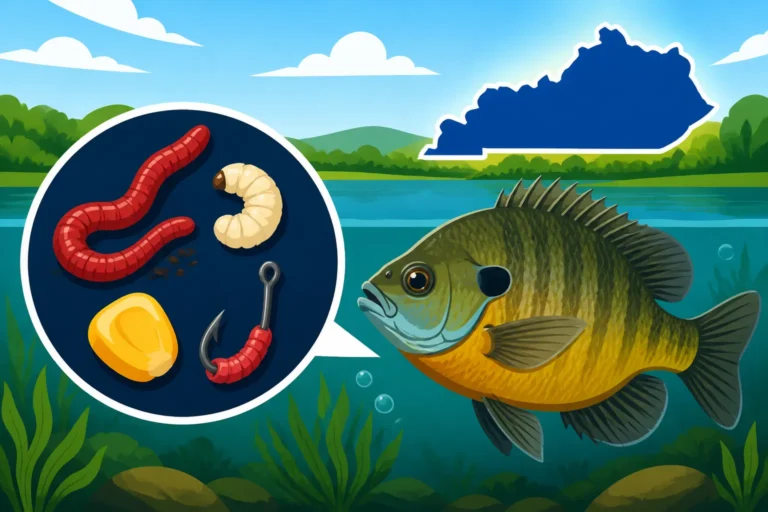
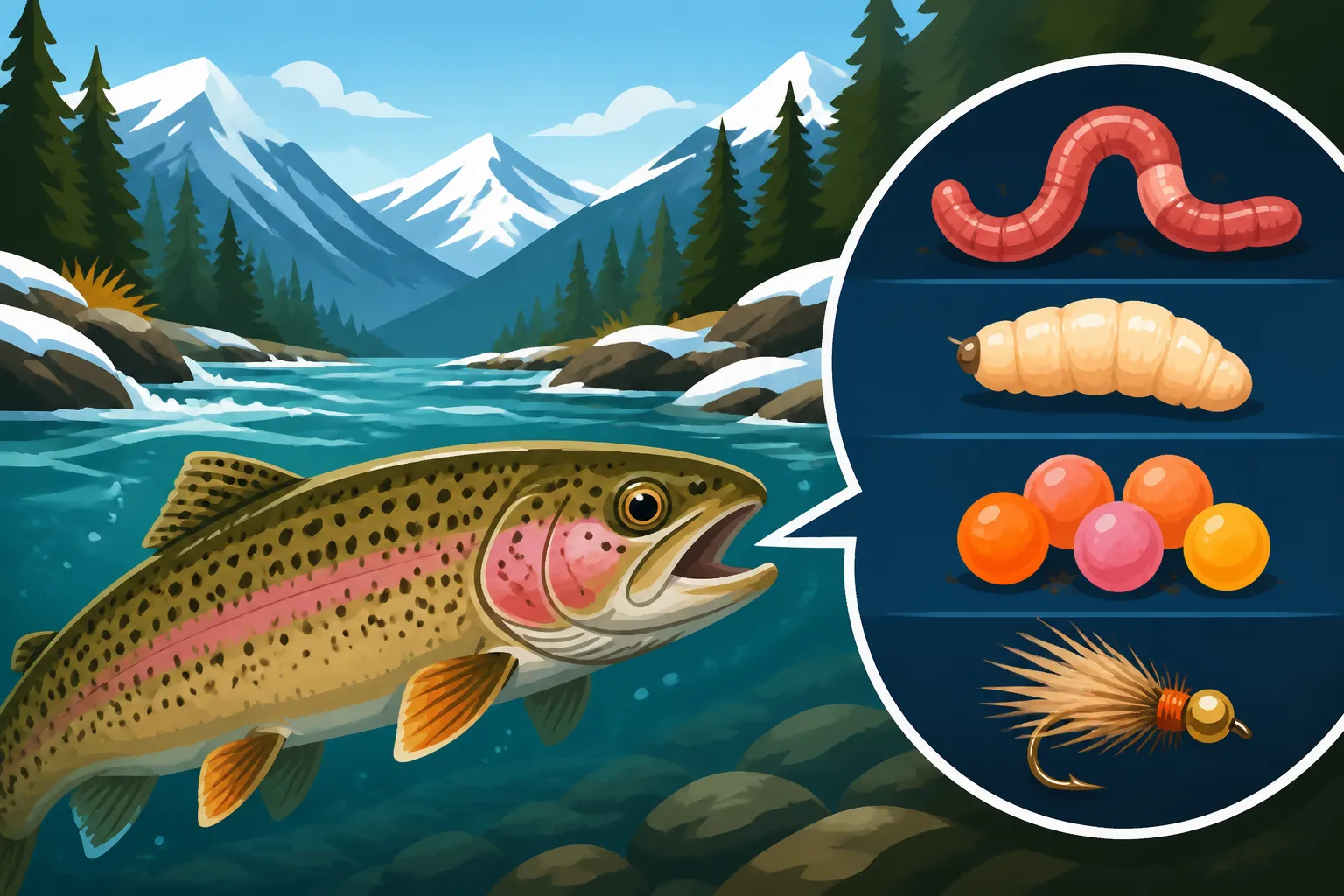
Ah, the humble worm! It's an oldie but a goodie, and for very good reason, especially in cold mountain streams. When rain or snowmelt swells the creeks, worms are often washed into the water, becoming an easy, protein-packed meal for trout. In cold water, trout rely heavily on scent, and a wriggling, earthy-smelling worm provides an irresistible aroma trail.
For rigging, resist the urge to use a whole giant nightcrawler unless you're targeting truly monster trout. Smaller pieces, often just an inch or two, hooked once or twice to allow maximum natural movement, are usually far more effective. A small Aberdeen hook (size 8 or 10) is perfect, keeping the presentation subtle. You might need a split shot or two, placed a foot or so above the hook, to get your bait down into the feeding zone without snagging too much. The key is to let it tumble and drift naturally along the bottom, mimicking a dislodged meal. This slow, tempting drift is often what finally coaxes a lethargic trout to bite.
Salmon Eggs and Trout Dough
These are powerhouses for stocked trout and often work wonders on wild trout in colder conditions too, especially if the fish have seen them before. Salmon eggs, whether real or synthetic like PowerBait, are designed to look and smell like a high-energy food source. Their bright colors can also be a visual trigger in cloudy, cold water. Trout dough, like Berkley PowerBait, offers an intense scent and comes in a myriad of colors and shapes. It's especially good for holding bottom in current.
When using salmon eggs, a single egg on a small, sharp hook (size 10-14) is often all it takes. For trout dough, mold a small, pea-sized ball around your hook, ensuring the hook point is covered but still exposed enough to set. The best presentation is often a drift, allowing the bait to slowly bounce along the bottom. Many anglers use a small marshmallow or a bit of cotton to help float the dough or egg off the bottom, presenting it just above snags and making it more visible. You can often find pre-rigged PowerBait eggs in various colors, or even specialized trout dough baits, easily on Amazon before your next trip. This convenience can save you time and ensure you have a variety of options ready to go.
Corn and Marshmallows
While perhaps less conventional than worms or salmon eggs for some, corn and marshmallows have a surprisingly strong following, especially for heavily pressured or recently stocked trout in cold streams. The bright yellow of corn or the white of a marshmallow can be highly visible in clear water, and the subtle sweetness or neutral flavor can be surprisingly appealing. They don't have a strong natural scent like worms, so they often rely more on visual appeal and their neutral taste.
For corn, a few kernels threaded onto a small hook (size 10-14) works well. The goal is to make it look like something natural that might have fallen into the water. Marshmallows, often mini ones, can be hooked the same way. A popular trick is to combine them with a small PowerBait egg or a tiny piece of worm. The marshmallow or corn provides buoyancy, lifting the scented bait just off the bottom and making it easier for a trout to spot and consume without expending much energy. This is particularly effective in slower pools where fish are lethargic and won't move much for a meal.
Artificial Lures and Flies for Cold-Water Success
Sometimes, the flash and vibration of an artificial lure, or the delicate presentation of a fly, is what it takes to trigger a strike, even in cold water. The key here is often slower retrieves and smaller profiles.
Small Spinners and Spoons
Don't count out artificials entirely when the water's cold, but think "small and slow." Little inline spinners, like those from Panther Martin or Mepps, or tiny spoons, such as a Thomas Buoyant or a Kastmaster, can still be deadly. The flash and subtle vibration can irritate or attract a cold-water trout, making them strike out of curiosity or aggression, even if they're not actively feeding.
The crucial difference in cold water is your retrieve. Forget fast reeling; you want a slow, almost painfully slow, retrieve that just barely keeps the blade spinning or the spoon wobbling. Cast upstream and let the current carry your lure down, reeling just enough to maintain tension and action. Brighter colors like silver, gold, chartreuse, or even a fire-tiger pattern can be effective, especially if the water has a bit of stain. For those venturing into artificials, a quick search on Amazon will show you a vast array of small inline spinners and spoons that are perfect for mountain streams. They also make excellent options for covering a lot of water quickly.
Tiny Jigs and Soft Plastics
When trout are really shut down and hugging the bottom, small jigs and soft plastics can be absolute game-changers. Think micro-jigs, 1/32 or 1/64 ounce, dressed with marabou, chenille, or tiny plastic bodies. Colors like white, black, olive, or even bright pink and chartreuse can be surprisingly effective. These imitate small aquatic insects, nymphs, or even tiny baitfish that might be struggling in the cold.
The presentation for these is all about subtlety. Often, it's a slow, vertical jigging motion right in the deepest pools, or a dead drift with occasional slight twitches. You want that jig to dance ever so slightly, mimicking a struggling insect. Pairing a tiny soft plastic grub (think 1-inch to 1.5-inch) on a small jig head can also be incredibly effective. The soft plastic provides a natural feel and often some added scent. Don't forget to grab some good quality fluorocarbon leader material on Amazon too; it makes a huge difference in getting those subtle bites when using lighter jigs and keeping your line invisible.
Flies: Nymphs and Streamers
For the fly-fishing purists, cold-water trout streams are prime territory for nymphs and streamers. Trout feed primarily subsurface during colder months, as insect hatches are minimal. Nymphs, especially heavily weighted ones, are designed to imitate the larval stage of aquatic insects, which are a staple food source year-round. Patterns like Prince Nymphs, Hare's Ears, Pheasant Tails, and Stonefly Nymphs are classics for a reason.
Streamers, mimicking small baitfish, crayfish, or leeches, can also entice larger, more aggressive trout. Patterns like Woolly Buggers (black, olive, or brown) are incredibly versatile. The key with both is presentation: a dead drift for nymphs, allowing them to tumble naturally along the bottom with little to no indication of leader, and a slow, short strip-and-pause retrieve for streamers. Getting your flies deep, often with added split shot or heavier leaders, is paramount. Best Fishing Spots for Fly Fishing on Kentucky's Trout Streams can give you an idea of where to target these methods. Also, remember to check How to Fly Fish for Stocked Trout for more specific techniques on presenting flies.
Matching the Hatch (or What Seems Like It)
In cold-water environments, "matching the hatch" isn't always about visible insects flying around. It's more about understanding the general food availability and choosing baits that either mimic or strongly suggest a high-value meal.
When to Prioritize Scent Over Visuals
In murky or stained cold water, or during times when trout are particularly lethargic, scent becomes king. Their lateral lines and olfactory senses are highly developed, and they can pick up on subtle scent trails even when their vision is limited. This is when baits like worms, PowerBait, or even small jigs tipped with a scented soft plastic or a dab of fish attractant really shine. The goal is to lay down an irresistible odor in the water column that draws the trout in, rather than relying solely on them spotting your bait visually. Sometimes, a slow-moving, heavily scented bait that just sits in their strike zone is the most effective approach.
When Visuals and Subtle Movement Matter Most
Conversely, in clear, cold mountain streams, especially on bright days, visual appeal and subtle, natural movement can be the deciding factor. This is where small, natural baits presented perfectly, or tiny, lifelike artificials, come into their own. A small piece of worm drifting without any unnatural drag, a single salmon egg tumbling along, or a precisely presented nymph will often outperform something overly flashy or overtly scented.
In these conditions, trout can see extremely well, and anything that looks unnatural – thick line, awkward movement, or too much flash – will often send them darting for cover. Think finesse. It’s about convincing them your bait is a natural, easy meal that just happens to be passing by. This is also where your Ultralight Spinning Gear for Trout Fishing can really make a difference, allowing for lighter lines and more natural presentations.
A Quick Comparison of Cold-Water Trout Baits
To help you decide what to tie on, here’s a quick overview of some top cold-water trout baits:
| Bait Type | Pros | Cons | Ideal Conditions |
|---|---|---|---|
| Worms | Natural scent, universally appealing, durable | Can be messy, require live storage | Any cold water, especially after rain/snowmelt |
| Salmon Eggs | High visibility, strong scent, easy to store | Can be picked off easily, mainly for stocked trout | Clear to slightly stained water, slower currents |
| Trout Dough | Strong scent, floatable, variety of colors | Can be less appealing to wild trout, messy | Slower pools, targeting stocked trout, bottom fishing |
| Small Spinners | Flash and vibration attract curiosity, cover water | Too fast a retrieve spooks fish, requires current | Moderate current, slightly aggressive trout |
| Tiny Jigs | Mimic insects, good for deep pools | Light lines needed, subtle bite detection | Deep pools, slow current, lethargic trout |
| Nymphs | Mimic natural food, effective year-round | Requires fly-fishing gear and technique | All cold streams, precise presentation |
| Streamers | Target larger fish, imitate baitfish | Less effective for smaller trout, more active retrieve | Ambush points, deeper runs, aggressive trout |
Kentucky's cold-water mountain streams, like those you find in the Daniel Boone National Forest or even some of the smaller creeks feeding into larger bodies of water, can hold some truly beautiful trout. Knowing which bait to present and how to present it is half the battle. Remember, patience is key, and experimenting with different options from this list will undoubtedly lead to more successful days on the water. You might even find that a good basic tackle kit, readily available on Amazon, gives you a great starting point for trying out different rigs and baits. Don't forget, before you head out, to make sure you have your Kentucky Trout Permit Guide in order. If you need one, check out Kentucky Trout Permit Cost and Requirements and learn How to Add a Trout Permit to Your Kentucky Fishing License. Knowing the Kentucky Trout Stocking Schedule Explained can also give you an edge in finding those fish!
Disclaimer
This article is for general informational purposes only and does not constitute professional advice. Laws, prices and regulations vary by location and change over time. Consult a qualified professional for guidance on your specific situation.