When Does Kentucky Bass Fishing Peak
You know that feeling, right? You've loaded up the boat, geared up with your favorite lures, and hit the water with high hopes, only to spend hours without a single solid bite. It's frustrating when you're targeting Kentucky bass and the bite just isn't on. The truth is, knowing when to hit the water can make all the difference between a slow day and an epic one. This comprehensive guide is here to unravel the mystery of when Kentucky bass fishing truly peaks, helping you maximize your chances for an unforgettable catch.
The Unbeatable Spring Bass Rush
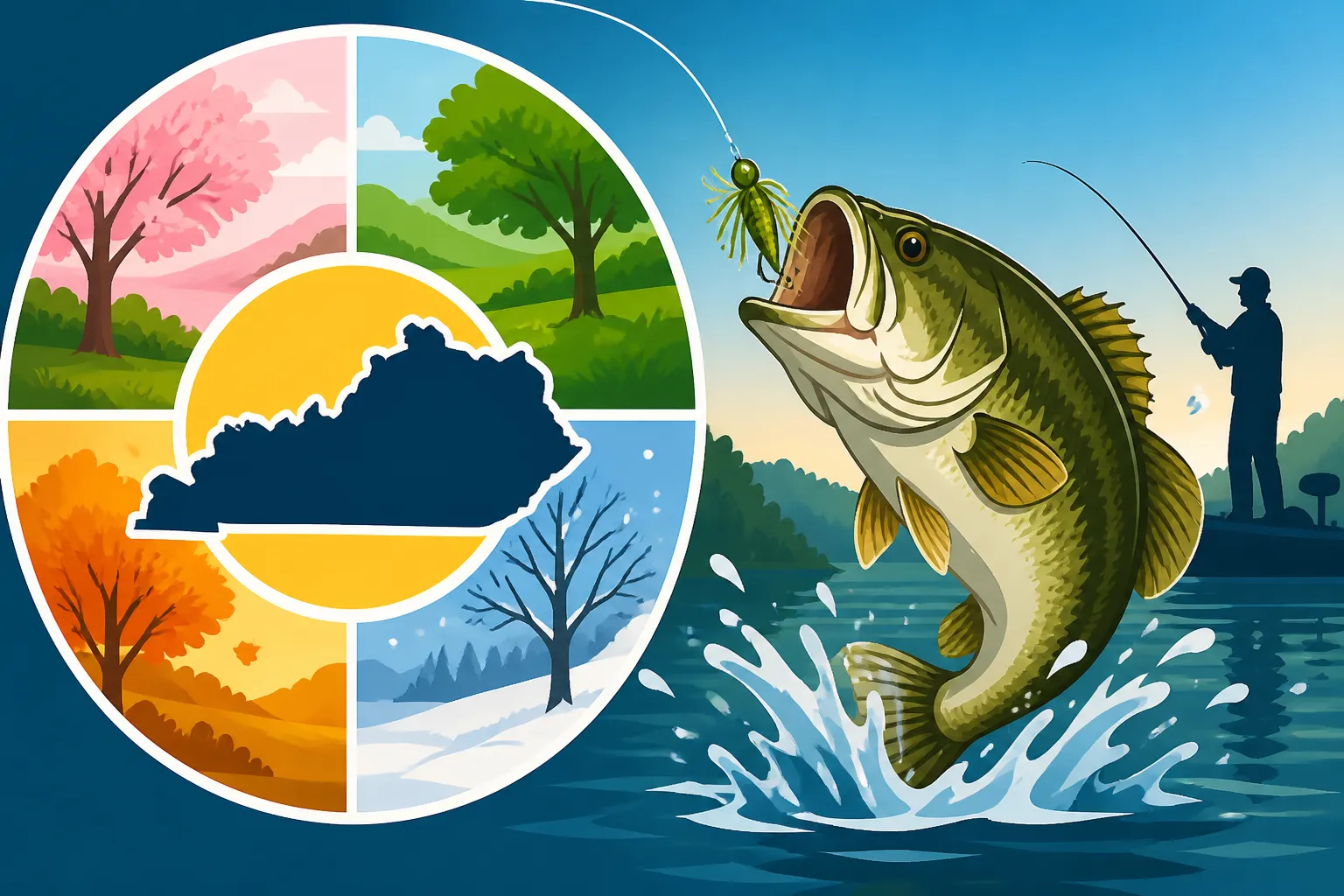
Okay, let's just cut to the chase: if you're asking "When does Kentucky bass fishing peak?", the answer, overwhelmingly, is spring. Specifically, we're talking about the months of April and May. This isn't just hearsay; it's a phenomenon driven by biology, water temperatures, and the inherent drive of bass to reproduce and feed aggressively. It's that magical window when the fish are active, hungry, and often predictable, making it a prime time for anglers across the Bluegrass State. While you can certainly catch bass year-round in Kentucky, this spring period is when the consistent action and trophy potential truly hit their stride, offering unparalleled opportunities for both numbers and size.
Pre-Spawn Frenzy: Loading Up for the Big Event
Before the main event of spawning begins, bass enter what we call the "pre-spawn" phase, typically starting as water temperatures climb into the high 40s and low 50s. Think of it like a bodybuilder preparing for a competition – they're eating everything they can get their hands on to bulk up. Bass are doing the exact same thing. They're moving from their deeper winter haunts into shallower staging areas, often congregating near points, humps, and channel swings adjacent to eventual spawning flats. Their metabolism is kicking into high gear, and they're aggressively feeding to build up energy reserves for the strenuous spawning process.
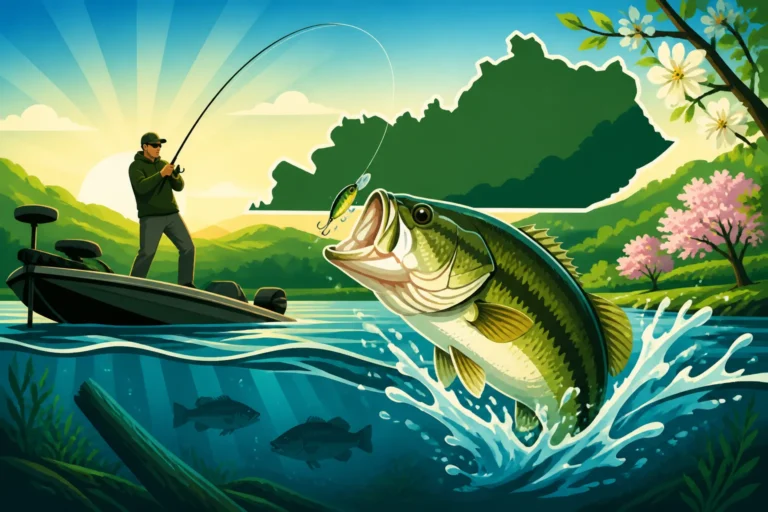
This is a phenomenal time for anglers because bass are actively chasing down larger baits. Big crankbaits, spinnerbaits, and even swimbaits become incredibly effective as bass look for substantial meals. They're not super picky, just hungry. Imagine tossing a lipless crankbait into a warming cove on Lake Barkley in early April; the chances of a hard strike from a chunky pre-spawn largemouth are significantly higher. This period usually runs from mid-March through early April, depending on the specific lake and how quickly the water warms up. If you're looking to catch some real hogs, this is often your best bet, as they're at their heaviest before expending all that energy on the spawn. This is precisely why the period of Kentucky Bass Fishing: The April-May Peak Season is so highly anticipated by anglers.
One day I was fishing Barren River Lake during this pre-spawn stage, and the fish were just stacked on a gravel point leading into a major creek arm. Every other cast with a red craw-colored lipless crankbait seemed to draw a strike. It wasn't about finesse; it was about covering water and triggering those aggressive reaction bites from bass that were absolutely ravenous. Knowing How Early Does Bass Fishing Start in Kentucky can give you a significant advantage, allowing you to be on the water when these hungry fish are at their most vulnerable.
The Spawning Sweet Spot: When Bass Are on the Beds
Ah, the spawn. This is what many anglers consider the absolute peak of the Kentucky bass fishing season. Once water temperatures consistently hit the mid-50s to low 60s, typically from mid-April through late May, bass move onto shallow flats and protected coves to create nests and reproduce. This is when sight fishing becomes a huge factor, as you can often spot male bass guarding their beds. While some anglers debate the ethics of targeting bedding fish, there's no denying they become incredibly accessible and territorial.
During the actual spawning period, bass aren't necessarily feeding out of hunger; they're biting out of aggression and protection. Anything that comes too close to their nest – a jig, a plastic lizard, even a wacky-rigged worm – is seen as a threat and will be attacked. The action can be incredibly intense. I remember a day on Lake Cumberland where the water was just clear enough to see individual bass on beds. By carefully presenting a soft plastic creature bait, I managed to coax strikes from several impressive fish. It's a precise game, often requiring patience and stealth, but the rewards are well worth it. You can learn more about specific regulations like the Kentucky Statewide Bass Size and Daily Limit Rules to ensure you're fishing legally and responsibly.
It's important to remember that the spawn doesn't happen all at once across an entire lake. It's a rolling process, starting in the shallowest, warmest coves and gradually moving to deeper areas as the season progresses. So, if you miss the initial wave in one spot, you can often find later waves in other areas. This staggered approach means the "peak" of the spawn can last for several weeks, offering multiple opportunities for success. For more specific location insights, check out guides like Best Bass Fishing Spots on Kentucky Lake or Best Bass Fishing Coves on Lake Cumberland, Kentucky.
Post-Spawn Recovery: Still Biting, Just Differently
After the intensity of the spawn, bass enter a recovery phase, often called the "post-spawn." This usually kicks off in late May and continues into June as water temperatures continue to climb into the mid-60s and 70s. For anglers, this can sometimes be a trickier period, but don't count it out entirely. While the fish are no longer as territorial or aggressively feeding for the spawn, they're still hungry after their rigorous reproductive duties.
During the post-spawn, female bass, especially, are worn out and often move to slightly deeper water to recuperate. They're still looking for food, but they might be less inclined to chase a fast-moving bait. Males will often hang around the spawning areas a bit longer, guarding fry. This period is characterized by bass becoming a bit more dispersed. They'll often relate to cover like submerged grass beds, brush piles, or isolated stumps where they can ambush prey without expending too much energy. Topwater baits can be deadly during early mornings or late evenings when bass are feeling more active and willing to look up.
One memorable trip to Kentucky Lake during the post-spawn saw us focusing on main lake points with submerged timber. We were slowly working jigs and Texas-rigged worms through the cover, and while the bites weren't as furious as pre-spawn, the quality of the fish was excellent. We were catching solid 3-4 pound largemouth bass that were clearly rebuilding their strength. Don't underestimate this period; the fish are still catchable, you just need to adjust your approach and understand their immediate needs – recovery and efficient feeding. Sometimes, finding the right post-spawn lures means browsing a wide selection, and online retailers like Amazon can be a great resource for this, allowing you to stock up before your next trip.
Navigating Kentucky's Varied Waters for Peak Performance
Kentucky is a diverse state when it comes to fishing environments. From the massive reservoirs like Kentucky Lake and Lake Cumberland to smaller, more intimate lakes and extensive river systems, the timing of the "peak" bass bite can vary. It’s never a one-size-fits-all situation, and being able to read the water, understand local conditions, and adapt your tactics is key to consistent success.
Southern Lakes vs. Northern Waters: Temperature is Key
One of the biggest factors influencing the timing of the bass peak is water temperature, which varies significantly across Kentucky's geography. Our southern lakes, like Lake Barkley or Barren River Lake, tend to warm up earlier in the spring than lakes further north or at higher elevations, such as Cave Run Lake or Grayson Lake. This means the pre-spawn and spawn can kick off a week or even two earlier in the southern part of the state.
For example, I've seen the crappie spawn (which often precedes the bass spawn by a bit) begin in late March on Lake Barkley, while anglers up near Lexington might still be waiting for stable water temperatures in early April. If you're planning a trip, it's crucial to check local fishing reports and water temperature readings for your specific body of water. A difference of just a few degrees can mean the difference between a hot bite and a slow grind. This also ties into when you might want to consider going for a Kentucky Resident 1-Day Fishing License Price versus an annual one, depending on the timing of your visit.
Think about it: if the water in Lake Cumberland, a deeper, cooler lake, is still hovering in the low 50s in mid-April, the bass there might still be in a deeper pre-spawn pattern. Meanwhile, on a shallower, warmer lake down south, they could already be on beds. Being aware of these regional differences and how they affect the overall spring fishing calendar will greatly improve your timing and ultimately, your catch rate.
River Systems: Current and Flow Dictate the Bite
Fishing river systems for bass, such as sections of the Ohio River or the Cumberland River, presents a unique set of challenges and opportunities compared to still-water lakes. While temperature still plays a role, current and water flow become paramount in dictating bass behavior and when their activity peaks. Bass in rivers will often relate to current breaks, eddies, and structure that provides a respite from strong flows, using these areas as ambush points.
The spring peak for river bass can be slightly different. While they still follow similar pre-spawn and spawning cues, heavy rains and subsequent high, muddy water can temporarily shut down the bite or push fish into backwaters and calmer feeder creeks. Conversely, stable, falling water levels after a high-water event can lead to incredible fishing, as bass move out of flooded cover and concentrate on main channel structure. Knowing how to read water for fish location is a skill that truly shines in river environments.
My buddy and I once targeted smallmouth bass on a smaller Kentucky river system after a few days of stable weather following a spring rain. The river was dropping and clearing, and the smallmouth were absolutely crushing spinnerbaits and tubes thrown near current seams and submerged logs. It wasn't exactly April or May, but more like early June. The key wasn't just the calendar date; it was the conditions. Always check stream gauges and flow rates if you're hitting the rivers – they're often as important as the thermometer.
Weather Wildcards: Adapting to Mother Nature's Mood Swings
We all know Mother Nature has a mind of her own, especially here in Kentucky. A sudden cold front in April can send water temperatures plummeting, effectively putting a temporary halt to the peak spring bite. Conversely, an unseasonably warm spell in March can jumpstart the pre-spawn activity earlier than expected. This is where adaptation becomes crucial for any successful angler.
When a cold front hits during the peak season, bass often become lethargic and move deeper or bury themselves in heavy cover. Trying to fish fast-moving baits might be fruitless. Instead, slowing down your presentation with jigs, shaky heads, or creature baits can coax a bite. They're still there; they're just not as aggressive. Conversely, during a prolonged stable, warm period, bass can be incredibly active throughout the day, making it a great time for everything from topwater to deep-diving crankbaits. Understanding How Weather Fronts Affect Fishing Times is invaluable for planning your fishing outings.
It's why I always recommend checking the extended forecast before a big fishing trip, especially in spring. Don't just look at the air temperature; consider cloud cover, wind direction, and any expected precipitation. A breezy, cloudy day with stable temperatures can be fantastic for bass fishing, allowing them to cruise the shallows without fear. Meanwhile, a bright, calm, bluebird sky day after a cold front might mean tough fishing until later in the afternoon. Having a versatile tackle box, perhaps stocked with items you've picked up from Amazon, allows you to be ready for whatever conditions Kentucky throws at you.
Beyond the Peak: Finding Bass Year-Round
While spring is undoubtedly the peak for Kentucky bass fishing, it certainly doesn't mean you should put your rods away for the rest of the year! Kentucky's bass fisheries offer fantastic opportunities in every season, but you'll need to adjust your techniques and expectations. Each season presents its own unique challenges and rewards, and understanding these patterns can lead to success even when the calendar doesn't say "April" or "May." Knowing What Month Is Best for Bass Fishing in Kentucky is great, but knowing how to fish year-round is even better!
Summer Strategies: Deep Water and Early Mornings
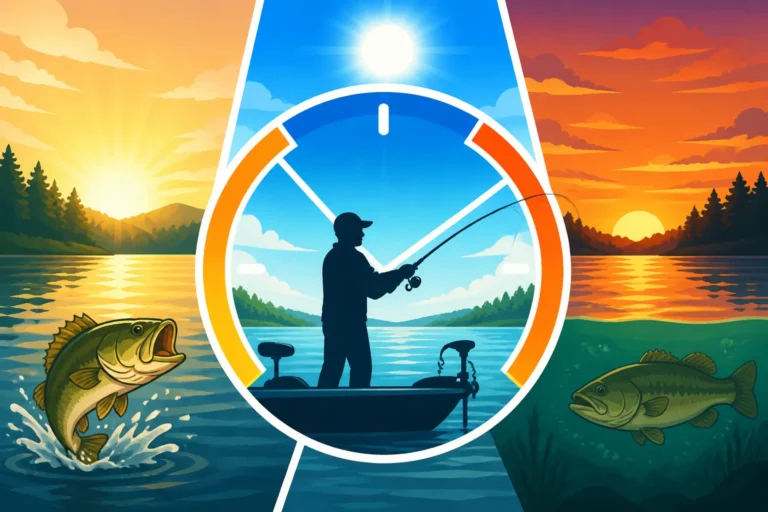
As the blazing Kentucky summer sun takes hold and water temperatures soar into the 80s, bass move from the shallow spawning grounds to deeper, cooler, and more oxygenated waters. This doesn't mean they stop feeding; it just means they become less active during the heat of the day. The summer bass bite often shifts to two primary windows: early mornings and late evenings.
During those golden hours, bass will push up into shallower water or suspend over deep structure to ambush baitfish. Topwater baits like poppers, walking baits, and buzzbaits can be incredibly exciting at dawn. As the sun climbs, you'll need to transition to deeper presentations. Think about fishing ledges, humps, deep points, and submerged timber. Large Carolina rigs, deep-diving crankbaits, football jigs, and heavy Texas rigs are excellent choices for targeting these deeper fish. I've had some incredible days on Lake Barkley in July, dragging a Carolina rig along main lake ledges, catching bass that had moved out from the shallows to escape the heat. You can explore more about When Do Kentucky Bass Move to Deeper Water in Summer.
Another excellent summer strategy, particularly on lakes like Kentucky Lake: The State's Top Bass Fishing Destination or Lake Cumberland, is night fishing. Bass, especially larger ones, become much more active and willing to chase baits under the cover of darkness. Spinnerbaits, large worms, and even certain topwater lures can be highly effective when fished slowly along familiar deep-water structure or around lights on docks. The key is to remember that bass are still feeding, but they're doing it on their terms, usually when the water is coolest or light levels are lowest. Looking for specialized night fishing gear? Amazon has a fantastic selection of glow-in-the-dark lures and blacklights.
Fall Turnover and Feeding Sprees
Fall in Kentucky brings relief from the summer heat, and often, some of the most consistent bass fishing of the year. As air temperatures drop, surface water cools and eventually becomes denser than the warmer water below, causing the "fall turnover" where the lake layers mix. This process can temporarily make fishing tough, but once it settles, bass enter another aggressive feeding period.
This fall feeding spree is driven by the bass's instinct to fatten up before the long winter. Baitfish, like shad, often school up in large aggregations, and bass follow them relentlessly. This means covering water and looking for active schools of bait is paramount. Crankbaits, jerkbaits, and Alabama rigs can be incredibly effective during this time, allowing you to imitate those schooling baitfish. You might find bass concentrated on main lake points, creek channel swings, and deeper flats.
I've had days on Herrington Lake in October where the bass were absolutely stacked on points where shad were schooling. Every cast with a shad-patterned crankbait would get hammered. The fish were fat, healthy, and incredibly aggressive. It's a fantastic time to be on the water, with cooler temperatures and beautiful foliage. The challenge here is less about finding active fish and more about finding where those baitfish schools are concentrated. Keep an eye on your fish finder for bait balls – where there's bait, there are often bass. For guidance on appropriate gear, consider exploring Best Rods and Reels for Kentucky Fishing.
Winter Persistence: Slow and Steady Wins the Bass
Many anglers pack up their gear when the mercury drops, but that's a mistake in Kentucky. Winter fishing for bass can be incredibly rewarding, though it often requires a different mindset: patience and finesse. As water temperatures fall into the 30s and 40s, bass metabolism slows down significantly. They don't need to eat as often, and they're less willing to chase baits.
During winter, bass tend to congregate in deep, stable areas. Think main lake channels, steep bluff walls, deep creek bends, and especially brush piles or standing timber in deeper water. They're looking for thermal refuge and a consistent food source that doesn't require much effort to catch. Techniques that involve slow, deliberate presentations are key. Vertical jigging spoons, dropping small jigs, shaky heads, or suspending jerkbaits can be deadly. It's not about quantity of bites, but often about quality. The fish you catch in winter tend to be larger, as the smaller, less resilient fish are often less active.
One chilly December day on Dale Hollow Lake (partially in Kentucky), I managed to pull a gorgeous smallmouth from 30 feet of water using a small jigging spoon. It was a single bite in two hours, but it was a memorable one. You have to be persistent, trust your electronics to find those deeper fish and structure, and be prepared for subtle bites. The reward for enduring the cold can be a true winter lunker. For those interested in year-round fishing, learning about Kentucky Fishing Seasons: What to Catch Each Month provides an even broader perspective, detailing what fish species are active each month.
Here's a quick overview of what to expect and how to adapt throughout the year for Kentucky bass fishing:
| Season | Approximate Months (Kentucky) | Water Temp Range | Bass Behavior | Recommended Techniques & Baits |
|---|---|---|---|---|
| Spring | March – Early June | 45-70°F | Pre-spawn feeding, spawning, post-spawn recovery | Crankbaits, spinnerbaits, jigs, plastic worms (Texas/Carolina rigs, shaky heads), lipless cranks, topwater (late spring) |
| Summer | Mid-June – August | 70-85°F+ | Deep-water congregation, nocturnal/crepuscular feeding | Deep-diving crankbaits, Carolina rigs, football jigs, large worms, topwater (early/late), night fishing baits, drop shots |
| Fall | September – November | 50-70°F | Aggressive feeding (fattening up for winter), baitfish chasing | Crankbaits (shad patterns), jerkbaits, Alabama rigs, spinnerbaits, swimbaits, lipless cranks (vertical jigging) |
| Winter | December – February | 35-50°F | Slow metabolism, deep-water concentration, subtle feeding | Jigging spoons, small jigs, shaky heads, suspending jerkbaits, slow-rolled spinnerbaits, blade baits |
Ultimately, while the true "peak" of Kentucky bass fishing falls squarely in the spring months of April and May, a savvy angler can find success year-round by understanding the seasonal changes in bass behavior and adjusting their tactics accordingly. Get out there, adapt, and enjoy the incredible bass fishing opportunities Kentucky has to offer! Don't forget to review your Kentucky Fishing Regulations Explained before heading out, and consider picking up some new Best Bass Lures for Spring Fishing to ensure you're ready for that peak season.
Disclaimer
The information provided in this guide is for general informational purposes only. Fishing conditions and regulations in Kentucky can change, and it is always the angler's responsibility to consult the most current Kentucky Department of Fish and Wildlife Resources regulations before heading out. Always prioritize safety on the water.