Best Catfish Holes on Kentucky Lake
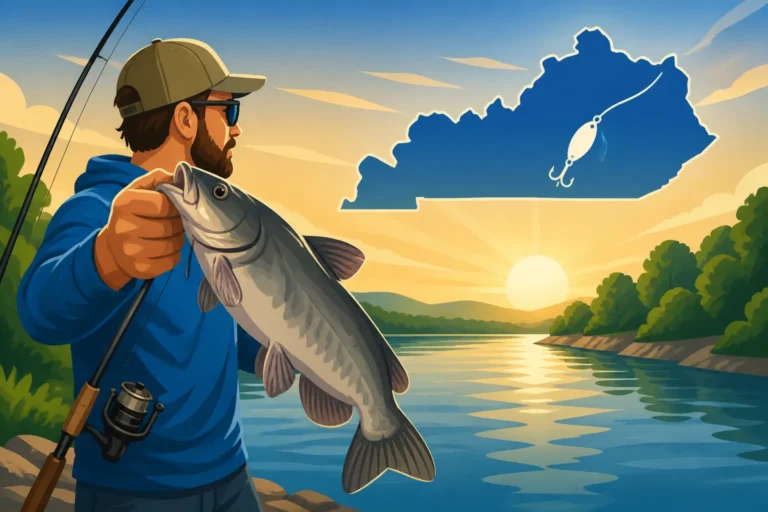
Finding those trophy catfish in a massive body of water like Kentucky Lake can feel like searching for a needle in a haystack. It's easy to get overwhelmed by the sheer size of it all, wondering where to even begin your quest for a big blue, channel, or flathead. This comprehensive guide is designed to cut through that confusion, helping you pinpoint the best catfish holes and equip you with the knowledge to consistently land fantastic fish on Kentucky Lake.
Understanding Kentucky Lake's Catfish Dynamics
Kentucky Lake isn't just a lake; it's a huge impoundment of the Tennessee River, stretching over 160,000 acres and boasting more than 2,000 miles of shoreline. This vastness, combined with its riverine characteristics, creates an incredibly rich and diverse habitat for various catfish species. But it also means you can’t just throw a line in anywhere and expect results. Understanding the unique dynamics of this lake, from its size to its water flow and the specific species it holds, is crucial for successful catfishing.
The Vastness and Variability of Kentucky Lake
Imagine a lake so large that it spans two states, though we're focusing on the Kentucky side here, which is plenty big on its own. The sheer scale of Kentucky Lake means that conditions can vary dramatically from one section to another. The northern end, closer to the dam at Gilbertsville, tends to be deeper with more current, resembling a river more than a traditional lake. As you move south, the lake widens into vast open expanses with numerous bays, coves, and creek arms. This variability means that what works in one spot might not work in another, making local knowledge incredibly valuable. You’ll find everything from expansive flats to sharp drop-offs, submerged timber, rock piles, and old roadbeds – all prime real estate for different types of catfish. The constant flow of the Tennessee River also plays a huge role, influencing oxygen levels, bait movement, and where catfish choose to feed and rest.
Primary Catfish Species: Blues, Channels, and Flatheads
Kentucky Lake is home to a fantastic population of all three major catfish species, each with its own preferences and characteristics. Blue catfish are often the giants of the lake, known for their immense size and powerful fights. They prefer the deeper, main lake channels and open water, often congregating in large schools. Channel catfish are perhaps the most common, found in a wider range of habitats, from shallow coves to deeper breaks, and are known for their strong scent-driven feeding habits. Flathead catfish are ambush predators, often found lurking near heavy cover like submerged timber or rock piles, and they almost exclusively prefer live bait. Understanding these distinctions is key to targeting your desired species and choosing the right gear and presentation. Learning about the characteristics of each species will significantly improve your chances; for instance, understanding how to identify a Blue Catfish Vs a Channel Catfish is a great first step.
Prime Catfish Habitat on Kentucky Lake
Successfully locating catfish on Kentucky Lake boils down to understanding their preferred habitats. These fish aren't just swimming aimlessly; they're relating to specific structures and environments that offer food, cover, and comfortable water conditions. The key is to think like a catfish and look for these tell-tale signs.
River Channels and Deep Bends
Given that Kentucky Lake is an impoundment of the Tennessee River, the old river channel remains a magnet for catfish, especially blue cats and larger channel cats. These channels often feature distinct drops, ledges, and deep bends where current is concentrated. Catfish will hold along these breaks, using the current to their advantage as baitfish are swept past. Look for areas where the channel narrows, or where there are sharp turns, as these create natural ambush points and current seams. Using your electronics to identify the exact depth of the channel and any irregularities along its edges can be incredibly productive. These deep areas often provide stable temperatures and oxygen levels, which become particularly important during the warmer summer months. Many anglers focus their efforts on these riverine features for Kentucky Catfish Fishing: Ohio River and Kentucky Lake Guide strategies.
Submerged Timber and Brush Piles
Flathead catfish, in particular, are absolute magnets for heavy cover. Submerged timber, old stump fields, and intentionally sunken brush piles offer them perfect ambush points where they can hide and wait for unsuspecting prey. While blues and channels will also use this cover, flatheads are rarely found far from it. Locating these underwater jungles can be challenging, but side-imaging sonar is invaluable here. Once you find a promising area, fishing directly into or very close to the cover is essential, though be prepared for snags. These spots are often found along creek channels, points, or the edges of old roadbeds. The thicker the cover, the more likely a big flathead is calling it home.
Creek Mouths and Inflow Areas
Creek mouths and areas where smaller rivers or streams flow into Kentucky Lake are consistently productive catfish spots. These inflows bring in fresh water, nutrients, and often, a steady supply of baitfish. The change in water temperature, clarity, and current can attract catfish, especially channel cats, who are often looking for an easy meal. During periods of rain, the increased flow can really turn these areas on, as worms and other terrestrial insects are washed into the lake. Look for the transition zones where the creek channel meets the main lake, as well as any deeper holes or submerged structures within these embayments. These areas can be particularly hot in the spring and after heavy rainfalls.
Top Catfish Hotspots on Kentucky Lake
While catfish can be found throughout Kentucky Lake, certain areas consistently produce more and bigger fish due to their unique geological features and forage availability. These hotspots are well-known among local anglers and are excellent starting points for your next catfishing adventure.
The New Johnsonville Area Near the Dam
The northern end of Kentucky Lake, particularly around the New Johnsonville Steam Plant and further north towards the Kentucky Dam, is legendary for its blue catfish fishery. The deeper waters here, combined with significant current flow from the Tennessee River and the dam releases, create ideal conditions for large blue cats. Many anglers specifically target the deep holes, humps, and ledges in the main river channel in this section. The warm water discharge from the power plant can also create localized hotspots, attracting baitfish and, consequently, catfish, especially during cooler months. This area is known for producing some truly massive fish, so bring your heavy tackle! It's also an area where understanding the local fishing regulations becomes even more critical due to the current.
Big Sandy River Embayment
Moving south, the Big Sandy River embayment, which enters Kentucky Lake on the eastern side, is a vast and incredibly diverse area for catfishing. This large bay offers a mix of deep channels, extensive flats, submerged timber, and numerous smaller creeks and coves. It's an excellent area for all three species of catfish. The main Big Sandy channel provides deeper water for blues, while the shallow flats and timbered areas are perfect for flatheads. Channel cats can be found throughout, especially in the creek mouths and along the edges of the flats. The sheer size of this embayment means there are countless spots to explore, from the mouth where it meets the main lake all the way up into the river system. It’s also one of the prime spots for catching crappie and bass, making it a truly versatile fishing destination.
Blood River and Jonathan Creek Areas
On the western side of the lake, closer to the central portion, the Blood River and Jonathan Creek areas are two more fantastic embayments renowned for their catfishing. These areas are characterized by their winding creek channels, numerous shallow flats, points, and abundant submerged cover. Blood River, in particular, is known for its incredible flathead population, with anglers frequently pulling big ones out of the timber-filled pockets and along the channel edges. Jonathan Creek offers similar diverse habitats, with good populations of all three catfish species. Both areas are popular with anglers seeking a break from the main lake's current and boat traffic, offering a more sheltered and intimate fishing experience. They are great examples of how even within the same lake, different sections can offer slightly different opportunities and specialties for specific fish species.
Seasonal Strategies for Kentucky Lake Catfish
Catfish behavior on Kentucky Lake isn't static; it shifts dramatically with the seasons, driven primarily by water temperature and spawning cycles. Adapting your strategy to the time of year is paramount for consistent success.
Spring: Pre-Spawn and Spawning Patterns
As the water temperatures begin to rise in early spring, usually around March and April, catfish start to become more active. This pre-spawn period is a fantastic time for aggressive feeding as they prepare for the rigors of spawning. Blue and channel cats will often move shallower, congregating around creek mouths, points, and flats adjacent to deeper water. They're looking for warmer water and abundant food. Cut bait, especially shad, can be incredibly effective during this time. As temperatures continue to climb into the mid-70s, usually May and June, catfish enter their spawning phase. During this time, they become more focused on reproduction and less on active feeding. They’ll seek out secluded, protected areas like hollow logs, rock crevices, or undercut banks to lay their eggs. Fishing directly on these spawning beds can be challenging and, for some, less ethical, but pre-spawn and post-spawn bites can be phenomenal. Early spring is also a great time to review your Kentucky Fishing License Guide to ensure you're ready for the season.
Summer: Deep Water and Night Fishing
When the scorching Kentucky summer arrives, typically from July through early September, the shallow waters of Kentucky Lake can become quite warm, pushing catfish into deeper, cooler, and more oxygenated areas. This is when the main river channel and its associated deep bends, ledges, and humps become prime territory, especially for large blue catfish. Look for fish suspended over these deep structures or holding tight to the bottom in 30-60 feet of water. Live or cut bait presented on bottom rigs are highly effective. Night fishing becomes a favorite tactic during the summer months because catfish are more active and feed more aggressively under the cover of darkness, escaping the bright sun and boat traffic. They’ll often move shallower at night to hunt. If you're planning a trip, consider the Best Time of Year to Catch Catfish on the Ohio River for comparative insights on summer patterns in big river systems.
Fall and Winter: Transition and Cooler Bites
As fall approaches, water temperatures begin to cool, and catfish once again become highly active, often mimicking their spring feeding patterns. This is a transition period where fish might be found in a wider range of depths. They'll start to move out of the deepest summer haunts and spread out across creek channels, flats, and points, gorging themselves in preparation for winter. Live and cut bait remain top choices. As winter sets in, from late November through February, catfish activity slows down significantly, but they don't stop feeding entirely. They tend to congregate in large schools in deep holes, usually in the main river channel or the deepest sections of major creek arms. The bite can be subtle, but when you find them, you can often catch many. Fishing slowly with fresh cut bait or even small live baits becomes the most productive strategy.
Essential Gear and Techniques for Kentucky Lake Catfishing
Having the right gear and knowing how to present your baits effectively are critical for consistently catching catfish on a lake as dynamic as Kentucky Lake. It’s not just about having a rod and reel; it’s about having the right rod and reel for the job.
Rods, Reels, and Line Choices
For tackling the potential monsters of Kentucky Lake, you’ll want robust tackle. Medium-heavy to heavy action rods, typically 7 to 10 feet long, are ideal for casting heavy weights and fighting big fish in current or heavy cover. Look for rods with a strong backbone but a sensitive tip to detect subtle bites. For reels, durable baitcasting reels are often preferred for their power and line capacity. Brands like Abu Garcia and Penn make excellent catfish-specific reels. When it comes to line, you generally want something strong and abrasion-resistant. Braided line, in the 50-80 lb test range, is a popular choice for its incredible strength, sensitivity, and small diameter. However, some anglers prefer stout monofilament (25-40 lb test) for its stretch, which can act as a shock absorber. A fluorocarbon leader can be a good idea in clearer water. For more details, consider checking out Best Reels for Catfish Fishing.
Best Baits for Each Catfish Species
Choosing the right bait can make or break your day on Kentucky Lake.
- Blue Catfish: These big boys are primarily piscivorous (fish-eaters). Fresh cut bait is king here. Skipjack herring, shad (gizzard or threadfin), and even chunks of carp or drum are highly effective. Freshness is key! You can also use live shad or sunfish.
- Channel Catfish: While they'll hit cut bait, channel cats are notorious scavengers and have an incredible sense of smell. Stink baits (like Sonny's or various homemade concoctions), chicken livers, nightcrawlers, and shrimp are all fantastic options. These baits are particularly effective when targeting fish in shallower, calmer waters.
- Flathead Catfish: This is where the rules change. Flatheads almost exclusively prefer live bait. Live bluegill, sunfish, or small carp are your best bet. The livelier the bait, the better. Presenting a struggling live bait near heavy cover is a flathead's weakness. Understanding the nuances of Best Bait for Flathead Catfish on the Ohio River can provide even more specialized insights.
Effective Rigging and Presentation Methods
The way you present your bait is just as important as the bait itself.
- Carolina Rig: This is a versatile and popular rig for all catfish species. It consists of an egg sinker (or no-roll sinker) sliding on the main line, followed by a bead, a swivel, and then a leader (12-36 inches) tied to a hook. This allows the bait to move naturally while the weight holds bottom.
- Slip Bobber Rig: Ideal for suspending bait at a specific depth, especially when targeting channel cats or drifting for blues in open water. A stopper knot allows you to adjust the depth easily.
- Three-Way Rig (Santee Cooper Rig): Excellent for fishing in current. A three-way swivel connects your main line, a sinker leader (shorter, say 6-12 inches), and your hook leader (longer, 18-36 inches) with a small float or cork on it. The float keeps your bait just off the bottom, making it more visible and preventing snags.
- Drifting: Often effective for blue catfish in the main lake. Use a Carolina rig or a Santee Cooper rig and slowly drift with the wind or current, covering large areas until you locate active fish.
- Anchoring: For specific spots like river bends, humps, or timber fields, anchoring upwind or upcurrent of your target area and fanning out multiple baits is a common and productive strategy. For more advanced techniques, a guide on How to Rig a Trotline for Catfish or Jug Fishing for Catfish: A Beginner's Guide might offer alternative approaches for passive fishing.
Navigating Kentucky Lake and Finding Your Spots
Kentucky Lake is a vast and complex waterway. Successfully navigating it and finding those productive catfish holes requires a combination of modern technology, local knowledge, and good old-fashioned angling intuition.
Utilizing Sonar and GPS Effectively
Modern marine electronics are indispensable tools for catfishing on Kentucky Lake. A good fish finder with side-imaging and down-imaging capabilities can literally show you the structure and fish below and to the sides of your boat. Look for deep river channels, submerged timber, roadbeds, and schools of baitfish. Waypoints on your GPS are crucial for marking productive spots, especially those hidden underwater features that are hard to find again. Don’t just look for fish; look for the habitat that holds fish. Pay attention to contour lines on your mapping software; sharp changes in depth often indicate prime holding areas. When you get a bite, mark that spot immediately. Catfish often congregate, and where there's one, there are likely more. Learning how to interpret your sonar readings can turn a hit-or-miss day into a consistent catching spree.
Public Access Points and Boat Ramps
Kentucky Lake offers numerous public access points and boat ramps, making it relatively easy to launch your vessel and get out on the water. On the Kentucky side, popular ramps include those near Kentucky Dam, in the Big Sandy and Blood River embayments, and various state park and marina access points. The Kentucky Department of Fish and Wildlife Resources website is an excellent resource for finding current ramp conditions and locations. Choosing a ramp that's conveniently located near your intended fishing area can save you valuable time on the water. If you’re planning on bringing a larger boat, make sure to check the ramp’s suitability for your vessel size. Always be mindful of other boaters and be courteous at the ramp, especially during peak season. You can often find detailed information on specific access points, like the Kentucky Lake Boat Ramps and Public Access Points, which can simplify your trip planning.
Hiring a Local Guide for an Edge
Sometimes, the best way to cut through the learning curve on a big lake like Kentucky Lake is to hire a professional fishing guide. Local guides spend hundreds of days on the water each year and possess an intimate knowledge of the lake's contours, seasonal patterns, and, most importantly, where the fish are biting right now. A guided trip can provide invaluable insights into bait choices, rigging techniques, and specific hotspots that would take you years to discover on your own. It’s an investment in your fishing education and can lead to immediate success, especially if you're targeting a specific species or trying to learn a new area. Websites like FishingBooker are excellent resources for finding experienced and reputable guides in the Kentucky Lake area, allowing you to read reviews and book with confidence. They can show you the ropes and provide the specialized expertise needed to target trophy catfish effectively, whether you're after How Big Do Blue Catfish Get in Kentucky? or just want to fill a cooler with channel cats.
Catfish Species Comparison on Kentucky Lake
Let's quickly lay out the key differences between the three main catfish species you'll encounter on Kentucky Lake to help you tailor your approach.
| Feature | Blue Catfish | Channel Catfish | Flathead Catfish |
|---|---|---|---|
| Typical Size | Large, often 20-50 lbs, can exceed 100+ lbs | Medium, typically 2-10 lbs, can reach 20+ lbs | Large, often 10-40 lbs, can exceed 80+ lbs |
| Body Shape | Forked tail, sloped head, hump on back | Forked tail, slender body, many small dark spots | Square/paddle-shaped tail, wide, flattened head |
| Mouth | Upper jaw protrudes slightly past lower jaw | Upper jaw protrudes slightly past lower jaw | Lower jaw protrudes significantly past upper jaw |
| Preferred Diet | Primarily fish (cut bait, live bait) | Omnivorous (stink bait, worms, cut bait, bugs) | Exclusively live fish (bluegill, shad) |
| Habitat | Deep main channels, open water, current | Diverse: shallow coves, deeper breaks, creek mouths | Heavy cover: submerged timber, rock piles, logs |
| Best Baits | Fresh cut shad, skipjack, carp | Chicken liver, stink bait, nightcrawlers, shrimp | Live bluegill, shad, sunfish |
| Fight Style | Powerful, sustained runs in open water | Energetic, strong pull, often erratic | Stubborn, heavy headshakes, pulls into cover |
Navigating Regulations and Responsible Angling
Before you even think about casting a line, it's absolutely essential to be familiar with the current fishing regulations for Kentucky Lake. These rules are put in place by the Kentucky Department of Fish and Wildlife Resources (KDFWR) to ensure the health and sustainability of the fishery. Ignoring them can lead to hefty fines and a ruined fishing trip.
First and foremost, you'll need a valid Kentucky fishing license. Whether you're a resident or non-resident, annual, or just visiting for a day, there's a license that fits your needs. You can easily purchase one online, at bait shops, or through various vendors across the state. Remember, licenses typically run from March 1st to the end of February the following year, so always check the Kentucky Fishing License Year and Renewal Dates to ensure yours is up to date.
Beyond the general license, it's crucial to understand the statewide bag and size limits for catfish species. While there might be general rules, specific lakes can sometimes have their own unique regulations. Always consult the KDFWR fishing guide for the most up-to-date information. For instance, while there might be a statewide daily limit of 15 catfish (blue, channel, and flathead combined), there could be a rule about how many of those can be over a certain size. For example, the statewide limit allows anglers to keep a combined total of 15 catfish (blue, channel, and flathead) per day, but only one of those can be over 25 inches in length. This is an important detail, especially if you're targeting trophy fish. Understanding these nuances is part of responsible angling and helps maintain a thriving fishery for future generations. Knowing Kentucky Fishing Regulations Explained in detail is always a good idea.
Catch and release is also a valuable practice, especially for larger breeding-size fish. While keeping a few for the dinner table is certainly part of the experience, selectively releasing bigger fish can contribute to the long-term health of the population. Always handle fish with wet hands and release them quickly and carefully to maximize their chances of survival.
Disclaimer
Please be aware that fishing conditions, regulations, and fish behavior can change. Always consult the latest official regulations from the Kentucky Department of Fish and Wildlife Resources before your trip. This guide is for informational purposes only and does not replace official legal requirements.