How to Spider Rig for Crappie
Oh, the elusive crappie! We've all been there, spending hours casting from the bank or slowly drifting, only to feel like the fish are just laughing at us from the murky depths. It can be incredibly frustrating when you know those slabs are down there, but you just can't seem to tempt them. This comprehensive guide is here to walk you through one of the most effective and time-tested methods for consistently putting crappie in the boat: spider rigging. We'll break down everything from the gear you need to the techniques that will have you reeling in those papermouths like a seasoned pro.
What Exactly is Spider Rigging for Crappie?
If you've ever seen a boat out on Kentucky Lake or Lake Barkley bristling with fishing rods sticking out in every direction, like some kind of metal arachnid, then you've witnessed spider rigging in action. It might look a little intimidating at first glance, but at its heart, it's a wonderfully efficient way to cover a lot of water and present multiple baits to crappie that might be scattered or holding in specific depths. It's about maximizing your chances, plain and simple.
Understanding the Basic Concept
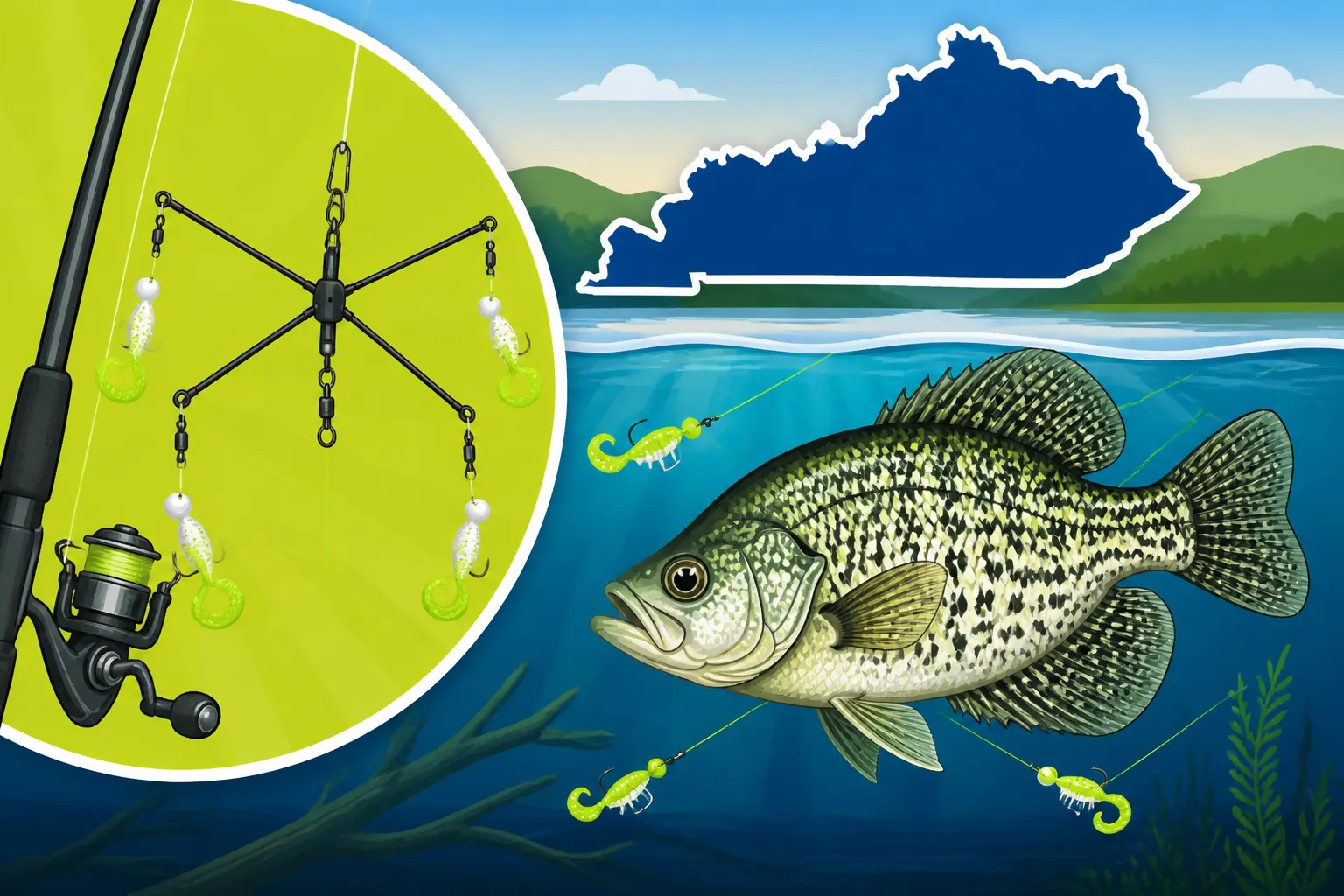
At its core, spider rigging involves using multiple long rods, typically anywhere from 8 to 16 feet, mounted in specialized rod holders around the front or sides of your boat. Each rod is rigged with its own line, weight, and jig or minnow presentation. You then slowly troll or drift, letting these multiple lines fan out, covering a wide swath of water at various depths. Think of it as a moving wall of baits, increasing the odds that a passing crappie will encounter one of your offerings. It allows you to fish many depths and cover different types of structure simultaneously, which is key when crappie are being finicky or their location is unknown.
The beauty of this method lies in its ability to present baits to fish that might not be actively chasing. Often, crappie are suspended or hugging structure, and they're not going to swim far for a meal. By having so many baits in the water, you're essentially bringing the meal directly to them, increasing the probability of a bite. It’s less about actively casting and retrieving, and more about methodical presentation and covering ground.
Why Anglers Swear by It for Crappie
Seasoned crappie anglers, especially here in Kentucky, will tell you that spider rigging isn't just a technique; it's a way of life when you're serious about catching limits. One of the biggest advantages is the sheer number of presentations. While state regulations dictate how many rods a person can actively fish, a two-person team can put a significant number of lines out, allowing for experimentation with different baits, jig colors, and depths until you find what the crappie prefer on that particular day. It takes the guesswork out of finding the "sweet spot" because you're covering so many potential sweet spots at once.
Furthermore, the long rods keep your lines spread out, minimizing tangles and maximizing your spread. This wide net effect is incredibly productive, particularly when crappie are spread out over a flat or suspended over a creek channel. It also lets you target a range of depths without constantly re-tying, as you can adjust the amount of line out on each rod. This versatility is what makes it such a potent tool in any crappie angler's arsenal, especially during those tough transitional periods when fish behavior is unpredictable.
When and Where Spider Rigging Shines in Kentucky
Spider rigging truly comes into its own during certain times of the year and on specific types of waters. While you can technically do it year-round, it's exceptionally effective during the pre-spawn and post-spawn periods when crappie are migrating to or from their spawning grounds. They're often suspended in open water or cruising creek and river channels, making them perfect targets for a slow-trolled spider rig. Large reservoirs like Kentucky Lake, Lake Barkley, and Lake Cumberland are prime locations for this technique due to their expansive open waters and numerous submerged structures.
Think about those vast flats on Kentucky Lake, for instance, where crappie might be scattered across a wide area at a consistent depth. A single rod would be a needle in a haystack, but a spider rig allows you to systematically sweep the area. Similarly, when the crappie pull off the banks after the spawn and suspend over deeper water, perhaps over brush piles or old timber, spider rigging lets you present baits precisely at their level. It's also fantastic for fishing major river systems like the Ohio River, where crappie might hold in current breaks or along ledges. Learning about the best crappie fishing lakes in Kentucky can really help you pinpoint where to deploy this method most effectively.
Essential Gear for Your Kentucky Spider Rig Setup
You might be thinking, "Wow, that sounds like a lot of gear!" And yes, to do it right, there's a specific setup involved. But don't let that deter you. Many anglers build their spider rigging setups incrementally, adding rods and equipment as they go. The key is investing in the right tools that will make your time on the water more productive and enjoyable. You can often find great deals on components like rod holders and specialized crappie rods on platforms like Amazon.
Rods, Reels, and Line Choices
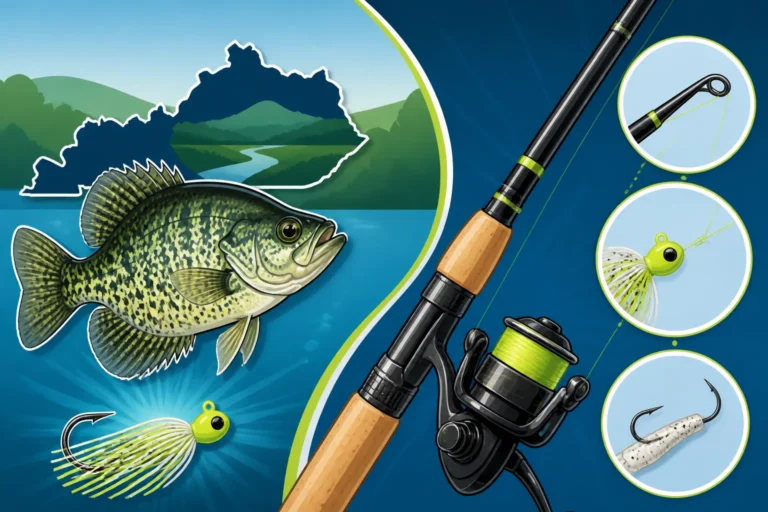
For rods, you're looking for specialized crappie rods that are long, limber, and have a sensitive tip. Lengths typically range from 8 to 16 feet, with 10-12 feet being a popular all-around choice. These long rods allow you to spread your baits far from the boat, covering more water and preventing fish from being spooked by your boat's shadow or presence. The sensitivity is crucial for detecting those subtle crappie bites, which can sometimes feel like nothing more than a slight tap. Brands like BnM Poles and Ozark Rods are very popular among crappie spider riggers, offering excellent sensitivity and durability.
When it comes to reels, simple spinning reels in a 1000 or 2000 size are more than adequate. You don't need heavy-duty drag or high-speed retrieve for crappie; reliable function is key. Pair these with a light monofilament line, typically 6-8 pound test. Monofilament offers a bit of stretch, which acts as a shock absorber for aggressive bites and helps keep those papermouths from tearing off the hook. Plus, it's less prone to wind knots than braid when you're dealing with multiple lines. If you're curious about specific gear, check out our guide on Best Rods and Reels for Kentucky Crappie Fishing for more tailored advice.
Terminal Tackle: Jigs, Weights, and Hooks
The business end of your spider rig is where the magic happens. Your terminal tackle will consist of weights, swivels, and jigs or hooks. For weights, bell sinkers or pencil weights are common, typically ranging from 1/2 ounce to 2 ounces, depending on the depth you're fishing and the current. The goal is to get your bait down quickly and keep it at the desired depth. A good rule of thumb is to use enough weight to keep your line almost vertical as you troll.
For the actual presentation, small jigs are king for crappie. Think 1/32 to 1/8 ounce jig heads, often tipped with soft plastic bodies in various colors. Chartreuse, pink, and white are perennial favorites, but having a variety of colors on hand for different water clarity and light conditions is smart. You can also fish live minnows, either alone on a small hook (size 4 or 6 Aberdeen hook) or in tandem with a jig. Many anglers use a "double minnow rig" or a "jig and minnow" combo on each line. A quality swivel above your weight can help prevent line twist, which is a common nuisance with multiple lines.
The Importance of a Good Boat and Rod Holders
While you can spider rig from almost any boat, having a stable platform that allows for slow, controlled movement is a huge advantage. Pontoon boats are incredibly popular for spider rigging due to their spacious decks, stability, and ease of mounting multiple rod holders. Jon boats or even smaller bass boats can also be rigged for spider fishing. The key is having enough open space in the bow or along the gunwales to arrange your rods without them constantly bumping into each other or getting in your way.
Dedicated crappie rod holders are non-negotiable for serious spider rigging. These aren't your basic single-rod holders. They typically come in sets, allowing you to mount 2, 3, or even 4 rods in a fanned-out pattern from a single base. Look for sturdy, adjustable holders that can withstand the vibrations of trolling and the strong tug of a hooked fish. Brands like Driftmaster and Hi-Tek are well-regarded for their durability and versatility. You'll mount these around the perimeter of your bow or along the sides, creating that distinctive "spider" look. This setup not only keeps your rods organized but also frees up your hands for boat control, netting fish, or re-baiting.
Step-by-Step Guide to Setting Up and Fishing a Spider Rig
Alright, let's get down to the nitty-gritty of actually getting out there and catching some crappie with your spider rig. It's a methodical process, but once you get the hang of it, it becomes second nature. The key is consistency and attention to detail.
Rigging Your Rods for Maximum Coverage
Before you even leave the dock, you'll want to have your rods pre-rigged. For each rod, tie on your main line to a small swivel. Below the swivel, attach a section of fluorocarbon or monofilament leader, usually 12-18 inches long. At the end of the leader, you can either tie on your jig head directly or add another small swivel and then a short dropper line to your weight, followed by another leader to your hook/jig. This setup, sometimes called a Capps and Coleman rig, allows for multiple baits on one line or easily adjustable weights. Many anglers choose to run two jigs on each line, spaced about 18-24 inches apart, using a three-way swivel or a loop knot to achieve this.
The goal is to have multiple rods with slightly different presentations. For example, you might have one rod with a chartreuse jig, another with a pink minnow, and a third with a double-jig setup. Experiment with different jig sizes and plastic body types on each line. Remember, crappie can be incredibly picky from day to day, so having options already rigged up saves valuable fishing time. As you deploy your rods, fan them out from the bow of the boat, ensuring enough space between each line to prevent tangles while trolling.
Mastering Boat Control and Speed
This is perhaps the most critical aspect of successful spider rigging. You're not casting and retrieving; you're trolling. Your boat becomes the delivery system for your baits. You'll want to maintain a very slow, controlled speed, typically between 0.5 and 1.5 miles per hour. An electric trolling motor on the bow is almost essential for this, allowing for precise speed adjustments and steering. Many modern trolling motors, like those from Minn Kota or Motorguide, even have GPS capabilities that let you lock onto a specific heading or contour line, making boat control almost effortless.
As you troll, pay close attention to your speed relative to the current and wind. You want your baits to move naturally, not swing wildly or drag excessively. If the wind is strong, you might need to use a drift sock or two to slow your boat down. Experiment with subtle changes in speed; sometimes, a slight acceleration or deceleration is all it takes to trigger a reluctant crappie bite. The goal is to keep those baits in the strike zone, subtly enticing any crappie you pass.
Reading Your Electronics for Crappie Hotspots
Your fish finder is your best friend when spider rigging. Before you even deploy your rods, spend some time scouting an area, looking for baitfish schools, submerged timber, brush piles, creek channels, or any irregularities on the bottom. Crappie love structure and tend to congregate around it. Once you mark fish or structure, make a mental note or drop a waypoint on your GPS.
As you troll, continually monitor your fish finder. You'll be able to see your jigs as small dots on the screen, allowing you to confirm they are running at the desired depth. When you see crappie arches or schools of baitfish, adjust your trolling path to run your baits directly through them. Sometimes crappie will be suspended at a specific depth, say 10 feet over a 20-foot bottom, and your electronics will help you put your baits right in their faces. Understanding your fish finder is key to unlocking the secrets of the deep water crappie bite, and for deeper insights, consider exploring Fish Finders and Electronics for Kentucky Lake Fishing.
Adjusting to Conditions: Depth, Bait, and Presentation
Crappie can be incredibly sensitive to environmental factors, so being able to adapt your spider rig setup is crucial. On bright, sunny days, crappie often seek deeper, darker water, whereas on overcast days, they might suspend higher in the water column. Use your electronics to observe their depth and adjust your weights or line length accordingly. Remember that the Kentucky fishing regulations explained also include specific bag and size limits that might vary by lake, so always check local rules.
Water clarity also plays a huge role in bait selection. In stained or muddy water, brighter colors like chartreuse, orange, or even glow jigs can be more effective. In clear water, more natural colors like clear/sparkle, smoke, or black/blue might work better. Don't be afraid to experiment with different jig types, too. A hair jig might be the ticket one day, while a soft plastic grub is irresistible the next. The beauty of spider rigging is that you have so many lines out, allowing for constant experimentation. If one rod starts getting all the bites, quickly replicate that successful setup on your other rods.
Common Challenges and Troubleshooting Your Spider Rig
While spider rigging is incredibly effective, it's not without its quirks. There will be days when the crappie just aren't biting, or you're fighting constant tangles. Don't get discouraged! Many of these challenges can be overcome with a bit of patience and smart troubleshooting.
Dealing with Snags and Tangled Lines
One of the most common frustrations for spider riggers is snags. When you're trolling multiple lines through brush piles, timber, or over rocky bottoms, it's inevitable that you'll get hung up. The best defense is to avoid known snag areas if possible, or to adjust your depth to run your baits just above the structure. If you do get snagged, often the lightest rod will free itself by gently pulling. For more stubborn snags, slowly reverse your boat to try and pull the lure free from the opposite direction. Using lighter line for your jig or hook leader can also help, as it will break before your main line, allowing you to save your weight and sometimes even your jig.
Tangles between lines can also be a headache, especially when turning the boat or in windy conditions. The key here is proper spacing of your rods and maintaining a consistent, slow trolling speed. When making turns, make them wide and gradual. If you're consistently tangling, consider using slightly longer rods on the outside of your spread and shorter rods towards the center to create a wider arc for your baits. Sometimes, a slight change in weight size between adjacent rods can also help keep baits from running at the exact same angle and crossing paths.
When the Bite is Slow: What to Change
We've all been there: a beautiful day on the water, your spider rig is out, and… nothing. A slow bite can be frustrating, but it's an opportunity to troubleshoot and refine your technique. First, revisit your electronics. Are you still seeing fish? Have they moved to a different depth or area? Crappie are notorious for moving, sometimes just a few feet one way or the other can make all the difference.
If you're still marking fish but not getting bites, it's time to experiment.
- Change your speed: A fractional increase or decrease in trolling speed can often trigger a bite.
- Change your depth: Even a foot or two can be critical. Try running some baits slightly higher or lower.
- Change your baits: Switch up jig colors, sizes, or go from plastics to live minnows (or vice versa).
- Change your location: If you've exhausted your options in one area, move to another. Crappie can be schooling in specific spots, and a slight move can put you right on top of them. Our article on Kentucky Crappie Fishing: Spring Spawn Run Guide has more details on seasonal movements that can help.
Respecting Other Anglers and Regulations
Spider rigging involves a lot of rods and takes up a good amount of space, so it's essential to be mindful and respectful of other anglers on the water. When trolling, try to maintain a straight line and avoid sudden, sharp turns that could cut off other boats or tangle your lines with theirs. If you're approaching another boat that's actively fishing, give them a wide berth. Communication is key; a friendly wave or a quick "How's the bite?" can go a long way.
Always be sure you're adhering to all Kentucky fishing regulations, including daily creel limits, size restrictions, and the number of rods allowed per person. These rules are in place to help manage the fisheries and ensure everyone has a chance to catch fish for years to come. For instance, knowing the Kentucky Crappie Daily Limit Rules is paramount. Additionally, if you plan to add a trout permit to your Kentucky fishing license to target other species, ensure you understand those requirements as well. Always have your current Kentucky fishing license guide readily available, either physically or digitally, as game wardens do conduct checks on the water.
| Feature | Jig & Minnow Combo (Standard) | Double Jig Rig |
|---|---|---|
| Setup | Jig head (1/32 – 1/8 oz) with live minnow or plastic, weight above. | Two jigs (1/32 – 1/8 oz) spaced on line, weight below. |
| Versatility | Great for all conditions, minnow offers natural scent/action. | Excellent for covering two depths, allows color/style variations. |
| Bite Trigger | Natural movement and scent of minnow, jig adds flash. | Increased visual attraction, presents two "meals". |
| Snag Potential | Moderate, depends on jig choice and weight placement. | Slightly higher with two hooks, but manageable. |
| Target Depth | Easily adjusted by varying weight and line out. | Excellent for targeting a specific crappie band. |
| Cost | Requires regular minnow purchase, jigs are reusable. | Jigs are primary cost, highly reusable. |
Disclaimer
Please be aware that fishing regulations, license requirements, and local rules can change. Always consult the most current Kentucky Department of Fish and Wildlife Resources (KDFWR) regulations before heading out on the water. This guide is for informational purposes only and should not replace official KDFWR publications or professional advice.