Boat Trailer Maintenance Checklist
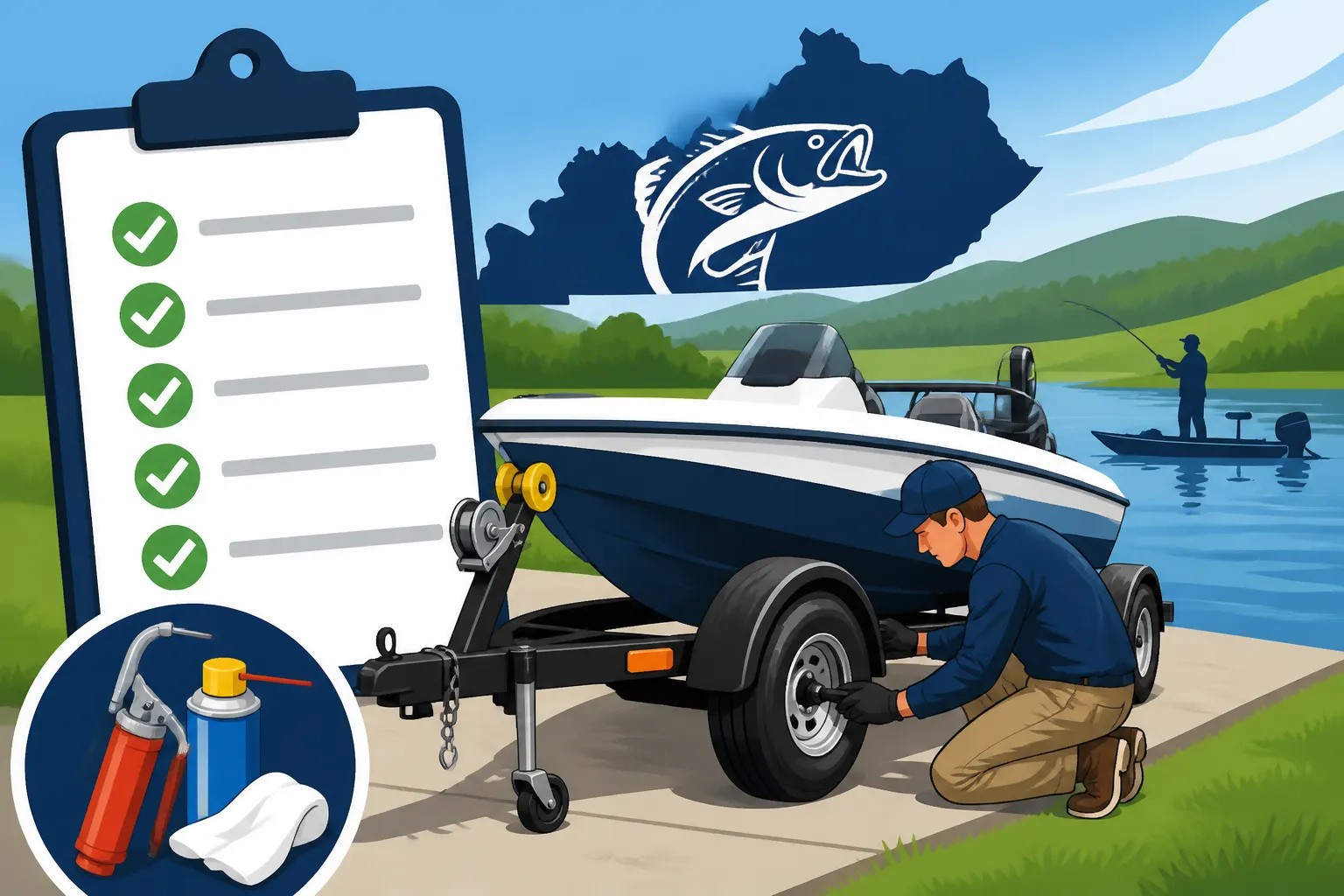
There's nothing quite like the excitement of loading up your boat, packing the cooler, and heading out for a glorious day of fishing on one of Kentucky's beautiful lakes or rivers. But that excitement can turn into a sinking feeling faster than a lure in a deep hole if your boat trailer decides to quit on you halfway to the ramp. Flat tires, seized bearings, busted lights – we've all seen them, or worse, experienced them. This guide is all about giving you a comprehensive, no-nonsense boat trailer maintenance checklist to keep you on the road and on the water, without the frustrating roadside detours.
Why Regular Boat Trailer Maintenance is Crucial
Think of your boat trailer as the unsung hero of your fishing adventures. It's the sturdy backbone that gets your pride and joy from your driveway to the pristine waters of Kentucky Lake, Lake Cumberland, or the Ohio River. Ignoring its needs isn't just an inconvenience waiting to happen; it's a direct threat to your safety, your time, and your wallet. A well-maintained trailer is a ticket to stress-free trips and prolonged enjoyment of your investment.
Avoiding Roadside Breakdowns and Frustration
Picture this: You're up before dawn, coffee in hand, boat hooked up, dreaming of that trophy bass on Kentucky Lake: The State's Top Bass Fishing Destination. You're miles from home, and suddenly, you see smoke billowing from a wheel, or a tire goes flat. Instant buzzkill, right? Not only is it frustrating, but it's also potentially dangerous, especially on busy Kentucky highways. A simple breakdown can eat up hours, cost a fortune in towing and repairs, and completely derail your plans. Regular checks can catch these issues long before they become catastrophic, saving you from that gut-wrenching feeling of being stranded.
We've all heard the stories, or worse, lived them. The dread of seeing your boat listing to one side because of a blown tire, or having to replace an entire hub assembly because a bearing went dry. It's not just about the repair cost; it's about the lost fishing time, the ruined weekend, and the stress of dealing with an unexpected roadside emergency. By taking a proactive approach, you're investing in peace of mind, ensuring that your journey to the water is as smooth as your cast.
Protecting Your Investment: The Boat Itself
Your boat trailer doesn't just transport your boat; it protects it. A trailer with worn suspension, improperly adjusted bunks, or a faulty winch can cause significant damage to your hull, transom, or even the boat's delicate electronics during transit. Potholes, sudden stops, and rough roads can inflict serious wear and tear if your trailer isn't absorbing the shock as it should. This kind of damage isn't always immediately visible, but over time, it can lead to costly repairs that far outweigh the effort of routine trailer maintenance.
Consider the stresses your boat undergoes every time you hitch it up. The frame endures twisting forces, the bunks support immense weight, and the winch strap holds everything secure. If any part of this system is compromised, your boat is at risk. Rusting fasteners could allow a bunk to shift, scratching your hull. A failing winch post could let your boat slide forward in an emergency stop. Taking the time to ensure your trailer is in top shape is an extension of caring for your boat itself, keeping it safe and secure, whether it's on the highway or parked in your driveway.
Key Areas to Inspect on Your Boat Trailer
Knowing what to check is half the battle. Boat trailers are deceptively simple machines, but each component plays a vital role. Let's break down the essential areas you should be focusing on during your routine inspections.
Wheels, Tires, and Bearings
These are arguably the most critical components of your trailer. Without them, you're not going anywhere. Start with your tires:
- Tire Pressure: Always check your tire pressure before each trip. Under-inflated tires generate excessive heat, leading to blowouts, and over-inflated tires can wear unevenly and reduce traction. Most trailer tires have higher PSI requirements than car tires, so don't guess.
- Tread and Sidewalls: Look for signs of wear, cracks, or dry rot. Trailer tires often sit for long periods, making them susceptible to dry rot, even if they have plenty of tread. Bulges or cuts mean it's time for a replacement. Don't forget to check your spare tire, too! Nothing worse than a flat only to find your spare is flat or rotten.
- Lug Nuts: Ensure all lug nuts are present and tightened to the manufacturer's specifications. They can loosen over time, especially after hitting bumps or after a tire change.
- Wheel Bearings: This is a big one. Boat trailer wheel bearings are submerged in water regularly, which makes them incredibly vulnerable to corrosion and failure. You should grease your bearings regularly, especially if you don't have bearing protectors that keep water out. If you hear grinding noises, feel excessive heat coming from the hub, or notice grease leaking, it’s time for a professional inspection or replacement. You can easily find marine-grade wheel bearing grease and a good grease gun at local retailers like Bass Pro Shops or online through Amazon. Keeping a Boat Trailer Maintenance Checklist handy will remind you of these critical items.
Lights and Electrical Wiring
Working lights are not just about convenience; they're a legal requirement and a crucial safety feature, especially when towing at dawn, dusk, or night on Kentucky roads.
- Test All Lights: Before every trip, connect your trailer to your tow vehicle and test all lights: brake lights, turn signals (left and right), running lights, and reverse lights (if applicable). Have a buddy stand behind you, or use a wall to reflect the lights.
- Wiring and Connections: Inspect the entire wiring harness for frayed wires, cracked insulation, and loose connections. Pay close attention to the plug that connects to your vehicle, and any points where wires might rub against the trailer frame. Corrosion is the enemy here, often appearing as green or white powdery residue on electrical contacts. A bit of dielectric grease on connections can go a long way in preventing future issues.
- Ground Wire: Many electrical issues stem from a poor ground connection. Make sure the ground wire is securely fastened to the trailer frame and is free of rust or corrosion. A solid ground is essential for reliable lighting.
Frame, Hitch, and Coupler
The structural integrity of your trailer is paramount. This includes the frame itself, the hitch, and the coupler that attaches to your tow vehicle.
- Frame Inspection: Look for any signs of rust, cracks, or damage to the steel frame. Rust, if left unchecked, can weaken the frame to a dangerous degree. If you spot surface rust, sand it down and treat it with a rust-inhibiting primer and paint. Pay special attention to weld points and areas that regularly flex.
- Hitch and Coupler: The coupler is what locks onto your hitch ball. Ensure it's not bent, cracked, or corroded. The latching mechanism should operate smoothly and securely. Test it to make sure it locks firmly onto the hitch ball. The safety chains should be robust and free of kinks or damage. These are your last line of defense if the coupler fails. Also, check the integrity of the bolts holding the coupler to the trailer tongue.
- Winch and Strap/Cable: The winch should operate smoothly, and the strap or cable should be in good condition, free from cuts, fraying, or excessive wear. A frayed strap can snap, sending your boat careening during loading or unloading. Inspect the winch hook for damage and ensure its safety latch works. A properly working winch is key for launching and retrieving at busy boat ramps, as discussed in Kentucky Boat Trailer and Ramp Guide for Kentucky Lakes.
Brakes and Suspension
For larger boats, or when towing in hilly terrain, trailer brakes are critical. The suspension ensures a smooth ride for your boat.
- Trailer Brakes: If your trailer has brakes (drum or disc), check them regularly. Inspect brake lines for leaks or damage, and ensure the brake fluid reservoir (if applicable) is at the correct level. For disc brakes, check pads for wear. For drum brakes, inspect shoes and drums. Test the brake actuator to ensure it engages properly when you apply your tow vehicle's brakes. A malfunctioning trailer brake can lead to dangerous jackknifing or extended stopping distances.
- Leaf Springs and Axles: Look at the leaf springs for cracks, rust, or flattened leaves, which can indicate a worn-out spring. The U-bolts holding the springs to the axle should be tight. Inspect the axle itself for any bends or damage. Excessive bounce or leaning of the trailer can be a sign of suspension problems.
- Rollers and Bunks: These are the contact points for your boat. Ensure rollers spin freely and aren't cracked or missing. Bunks should be securely fastened, and their carpeting or covering should be intact to prevent scratching your boat's hull. Lubricate rollers with a silicone spray if they stick. For more on protecting your boat during transit, remember to check Best Boats for Kentucky Lake and Lake Barkley Fishing.
Your Seasonal Boat Trailer Maintenance Checklist
Maintenance isn't a one-and-done task; it's an ongoing process. Different seasons and usage patterns call for varying levels of attention. Having a routine makes it less daunting.
Pre-Trip Inspection
This is your quick, essential check before every single time you hit the road. It takes just a few minutes but can prevent hours of headaches.
- Tires: Quickly check tire pressure with a gauge and visually inspect for obvious flats, bulges, or low tread. Kick them if you're old school, but a gauge is better!
- Lights: Turn on your tow vehicle's lights and hit the brakes while a buddy checks all trailer lights. Don't forget the turn signals.
- Coupler: Ensure the coupler is securely latched onto the hitch ball and the safety pin is in place. Cross your safety chains under the coupler.
- Winch: Check the winch strap/cable for fraying and ensure the boat is snug against the bow stop.
- Load: Verify your boat is properly loaded and secured on the bunks or rollers, and all tie-downs are tight. Remember, proper loading helps prevent swaying and makes for a safer tow.
- General Visual: Do a quick walk-around. Anything look out of place? Any loose items? Is your transom saver in place if you use one?
Post-Season Storage Prep
When the cooler weather rolls in and you're tucking your boat away for the colder months, a little extra effort here will save you big trouble in the spring.
- Clean Everything: Give the trailer a thorough wash, especially if you've been in brackish water or dirty ramps. This removes grime, salt, and mud that can cause corrosion. Rinse the wheel hubs and brakes thoroughly.
- Lubricate: Grease all wheel bearings, pivot points on the winch, and the coupler mechanism. Use marine-grade grease for bearings.
- Tire Care: Inflate tires to the maximum recommended PSI to help prevent flat spots during prolonged storage. If possible, consider putting the trailer on blocks to take weight off the tires, or move the trailer a few feet every month or so. Cover tires if storing outdoors to protect them from UV damage.
- Electrical Disconnect: Unplug the wiring harness from your tow vehicle and inspect the plug and receptacle for corrosion. Apply dielectric grease.
- Check for Rust: Address any new rust spots by sanding, priming, and painting. It’s much easier to do touch-ups now than to deal with widespread rust in the spring.
- Cover: If storing outdoors, consider a cover to protect the trailer from the elements.
Annual Deep Dive
Once a year, typically before the main fishing season kicks off (think late winter/early spring), dedicate a day to a thorough, comprehensive inspection and service.
- Bearings Service: This might involve repacking the bearings with fresh grease, or even replacing them if they're showing significant wear. It’s a messy job, but vital. You can find bearing kits and tools at Bass Pro Shops or online.
- Brake Inspection: If you have trailer brakes, this is the time to inspect brake pads/shoes, drums/rotors, and hydraulic lines. Check the brake fluid and bleed the system if needed.
- Suspension Check: Inspect leaf springs, shackles, and U-bolts more closely. Look for cracks, excessive rust, or worn bushings.
- Electrical Overhaul: Really scrutinize the entire wiring harness. Replace any worn or corroded wires. Check all light fixtures for moisture intrusion and replace bulbs as needed. This is a good time to ensure your trailer lights comply with current regulations, as discussed in Kentucky Fishing Regulations Explained.
- Structural Integrity: Tap along the frame with a hammer (lightly!) to listen for hollow spots that might indicate internal rust. Re-torque all fasteners, especially those holding the axles and coupler.
- Bunks/Rollers: Replace worn carpet on bunks or cracked rollers. Ensure everything is aligned properly.
- Winch & Jack: Inspect the trailer jack's functionality and lubricate its gears. Check the winch for smooth operation and any damage.
Here's a handy table to summarize your maintenance tasks:
| Component | Pre-Trip Check | Post-Season Prep | Annual Deep Dive |
|---|---|---|---|
| Tires | Pressure, visual wear | Max PSI, cover, reposition | Inspect closely, rotate (if applicable), replace if needed |
| Wheel Bearings | Hub temperature (by hand) | Grease thoroughly | Repack/replace |
| Lights/Wiring | Test all functions | Inspect connections, dielectric grease | Inspect harness, replace worn wires/bulbs |
| Coupler/Hitch | Latch secure, safety chains | Lubricate, inspect for rust | Inspect for cracks, wear, re-torque bolts |
| Frame | Visual check for damage | Wash, treat rust spots | Thorough inspection for cracks, rust, weak spots |
| Brakes | Visual check lines (if hydraulic) | Rinse, inspect fluid (if hydraulic) | Full inspection of pads/shoes, drums/rotors, lines |
| Suspension | Visual check for leaning | Rinse, inspect for obvious damage | Inspect springs, U-bolts, shackles, bushings |
| Winch/Strap | Check strap, function | Lubricate winch, inspect strap | Inspect gears, cable/strap, hook |
| Bunks/Rollers | Ensure boat secured | Clean, inspect for wear | Replace worn carpet/rollers, adjust alignment |
Tools and Supplies for DIY Trailer Maintenance
You don't need a professional mechanic's garage to keep your trailer in tip-top shape. A few essential tools and supplies will empower you to handle most routine maintenance tasks yourself.
Essential Tools for the Job
Having the right tools makes all the difference, turning a frustrating chore into a manageable task.
- Grease Gun: A pistol-grip grease gun is essential for lubricating your wheel bearings. Make sure you have plenty of marine-grade grease on hand, especially the waterproof kind, which is perfect for submerged bearings. You can usually find a good quality kit at Bass Pro Shops or other marine supply stores.
- Lug Wrench and Jack: A sturdy lug wrench matched to your trailer's lug nuts and a reliable jack are non-negotiable for tire changes. Ensure your jack has enough capacity for your trailer's loaded weight. A few jack stands are also a wise investment for safety when working under the trailer.
- Basic Hand Tools: A socket set, open-end wrenches, screwdrivers, and pliers will cover most bolt and connection checks. A rubber mallet can be surprisingly useful for persuasion.
- Multimeter/Test Light: These are invaluable for diagnosing electrical issues. A simple test light can quickly tell you if a wire has power or if a ground connection is good. For more complex diagnostics, a multimeter offers greater insight.
- Wire Brush and Sandpaper: Essential for cleaning rust and corrosion from electrical contacts and the trailer frame before applying rust-preventative coatings.
- Torque Wrench: For ensuring lug nuts and other critical fasteners are tightened to the correct specifications, preventing overtightening or undertightening.
Common Replacement Parts and Supplies
Having a small stash of these items means you won't be caught off guard when a minor issue arises.
- Spare Tire: Absolutely critical. Ensure it's in good condition and properly inflated.
- Replacement Light Bulbs or LED Kits: Modern LED trailer lights are more durable and brighter, but having spare conventional bulbs for older trailers is smart. Many anglers upgrade to sealed LED light kits, which are much more resistant to water intrusion. You can often find these as full kits on Amazon.
- Marine-Grade Grease: Keep a tube or two on hand for those bearing repacks and general lubrication.
- Dielectric Grease: A small tube of this grease protects electrical connections from corrosion and moisture.
- Electrical Tape/Wire Connectors: For quick repairs to frayed wiring.
- Rust-Inhibiting Primer and Paint: For touching up those inevitable rust spots before they spread. Consider a marine-grade option for extra protection.
- Cotter Pins and Bearing Buddies (if applicable): Small parts can get lost or damaged. Having spares for your bearing assemblies is always a good idea.
Keeping your boat trailer in peak condition means you can focus on the fishing, not the frustration. Whether you're chasing crappie at Barren River Lake Crappie Size Limit in Kentucky or aiming for a trophy catfish on the Ohio, a reliable trailer is your first step to a successful outing. By making these maintenance checks a regular part of your fishing routine, you'll extend the life of your trailer, protect your boat, and most importantly, ensure many more happy days on the water.
Disclaimer
This article is for general informational purposes only and does not constitute professional advice. Laws, prices and regulations vary by location and change over time. Consult a qualified professional for guidance on your specific situation.