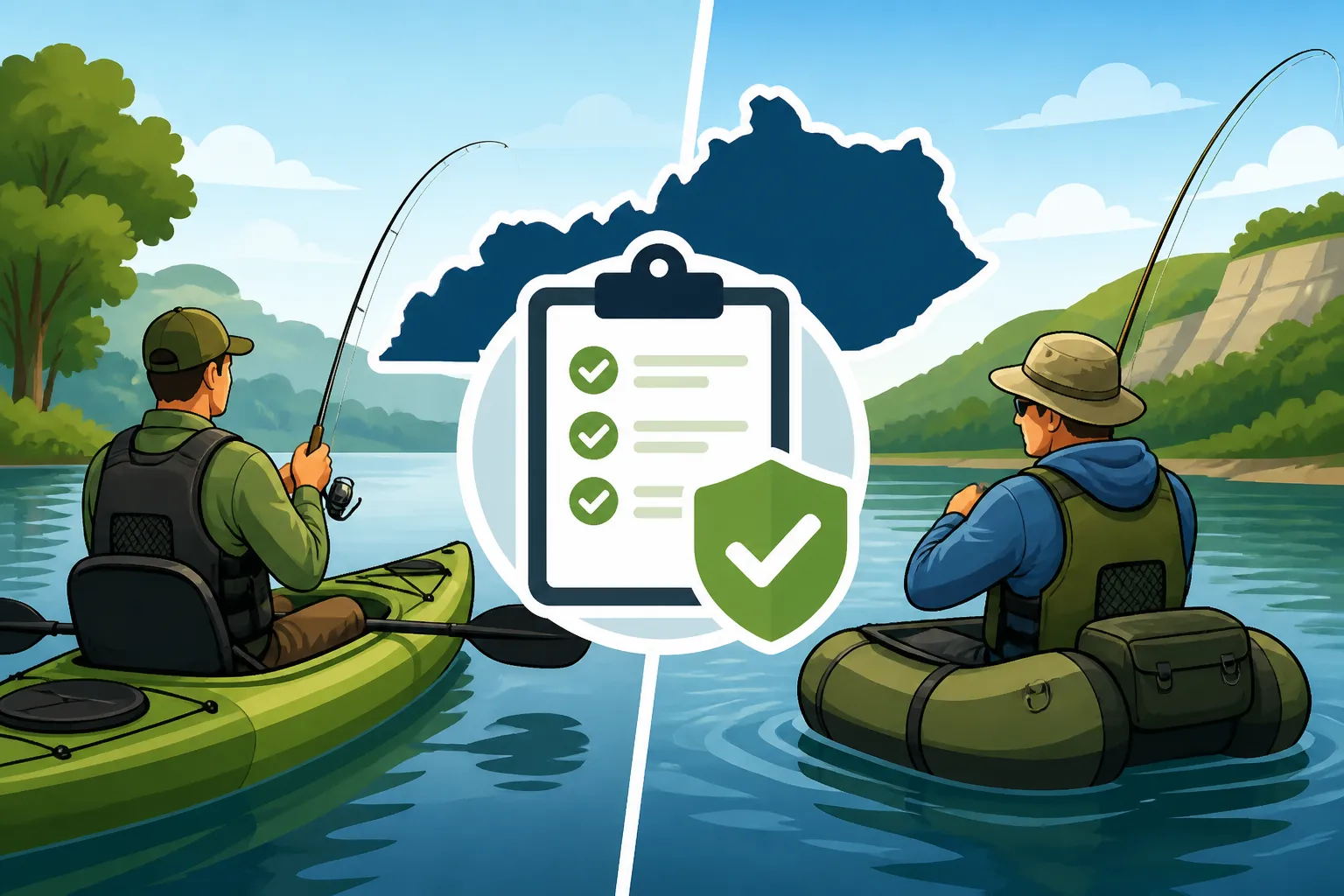
Fishing License Rules When Kayak Fishing or Float Fishing
There’s nothing quite like the peace and freedom of gliding across a Kentucky lake or drifting down a scenic river in a kayak or float tube, rod in hand. It’s a truly immersive way to fish, feeling closer to the water and the wildlife. But as blissful as it sounds, a common worry often bubbles up for many anglers: "Do I actually need a fishing license for this tiny craft, or are there special rules?" It can be incredibly confusing to navigate the Kentucky Department of Fish and Wildlife Resources (KDFWR) regulations when your fishing method feels so different from a traditional boat or bank setup. This comprehensive guide is designed to clear up all that uncertainty, ensuring you can enjoy your kayak or float fishing adventures across the Bluegrass State without a single worry about legalities.
Understanding Kentucky’s Core Fishing License Requirements
Let's get this straight right off the bat: the type of vessel you’re using—whether it's a sleek fishing kayak, a humble float tube, a big bass boat, or even just your two feet on the bank—generally doesn't change the fundamental need for a fishing license in Kentucky. This is a common misconception, especially among those new to kayak or float fishing, who might think their small, non-motorized craft flies under the radar. The truth is, the license applies to you, the angler, and your act of fishing in public waters, not the conveyance you choose to get there.
The KDFWR establishes clear guidelines regarding who needs a license. If you are 16 years of age or older and intend to fish in any public waters of the Commonwealth, you are required to possess a valid Kentucky fishing license. This rule is universal, applying whether you're casting from a fancy bass boat on Kentucky Lake, dunking worms from a pier, or quietly paddling your kayak into a secluded cove on Lake Cumberland. There are a few key exceptions, like fishing on private waters with owner permission, or during the annual Free Fishing Weekend, but otherwise, consider a license your essential ticket to fish.
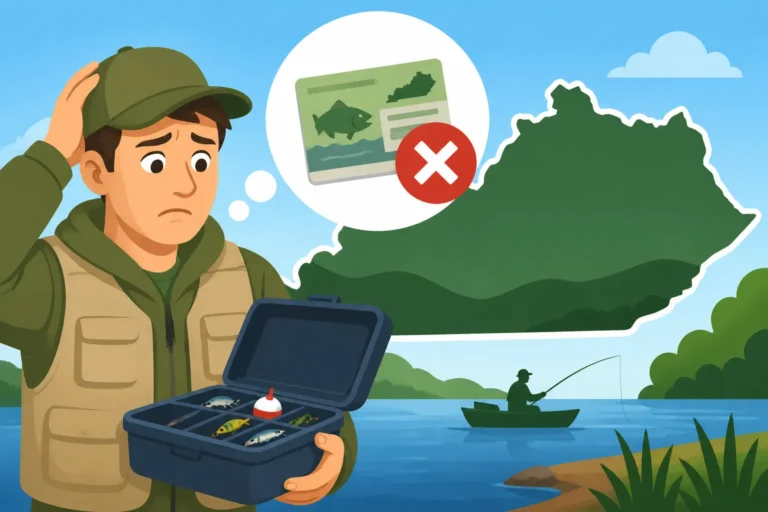
It's also crucial to understand that merely having a fishing rod or tackle box in your kayak while on public water can sometimes be enough for a conservation officer to ask for your license, even if you haven't actually dropped a line yet. The intent to fish is often interpreted as fishing itself. So, if you're planning on being on the water with your gear, it's always safest to be properly licensed. This proactive approach saves you from potential fines and the embarrassment of having your peaceful day interrupted by a compliance check.
Specifics for Kayak and Float Anglers
For those of us who love the intimacy of kayak or float tube fishing, it’s important to internalize that the fishing license requirement doesn't distinguish based on vessel size or propulsion. Your kayak, canoe, stand-up paddleboard, or float tube is treated the same as any larger craft when it comes to needing a license to fish in public waters. This often surprises people, who imagine smaller, personal watercraft might have an exemption, but that's simply not the case in Kentucky.
The core principle revolves around whether the water body is considered "public." If you're on a public lake, river, stream, or reservoir, and you're 16 or older, a fishing license is mandatory. The only real exception to this rule for anglers over 16 is if you are fishing on wholly private waters where you have permission from the landowner, and these waters do not connect to public waterways. So, that farm pond you've been invited to fish? Likely no license needed. But that meandering stream that flows into a public river? You'll need your license. This distinction is vital for avoiding any misunderstandings.
When considering which license to purchase, kayak and float anglers have the same options as any other angler. You can opt for a Kentucky Resident Annual Fishing License if you plan on multiple trips throughout the year. For a quick weekend trip, a Kentucky Resident 1-Day Fishing License might be more cost-effective. Non-residents, of course, have their own specific options, such as the Kentucky Nonresident Annual Fishing License or the Kentucky Nonresident 1-Day Fishing License. It all depends on your plans and how often you intend to hit the water. And if you're float fishing a designated trout stream, don't forget you'll also need a Kentucky Trout Permit on top of your regular fishing license.
Let's consider a scenario: you're planning a multi-day float trip down a beautiful section of the Green River. Each day, you'll be actively fishing from your kayak. In this case, you would need either an annual license or a series of 1-day licenses covering each day you'll be on the water. It’s always better to err on the side of caution and ensure your license covers the entire duration of your fishing activities. Don't let a lapse in coverage ruin an otherwise perfect trip.
Navigating Public Waters and Border Rivers
Kayak and float anglers frequently access smaller, less developed stretches of water, and understanding what constitutes "public" versus "private" access is paramount. Generally, if a waterbody is managed by the state or federal government, or if it is navigable by the public, it's considered public water. This includes major lakes like Lake Barkley, smaller state park lakes, and most rivers and streams. Even if you access the water from private land, if you then enter a public waterway and begin fishing, your license is required.
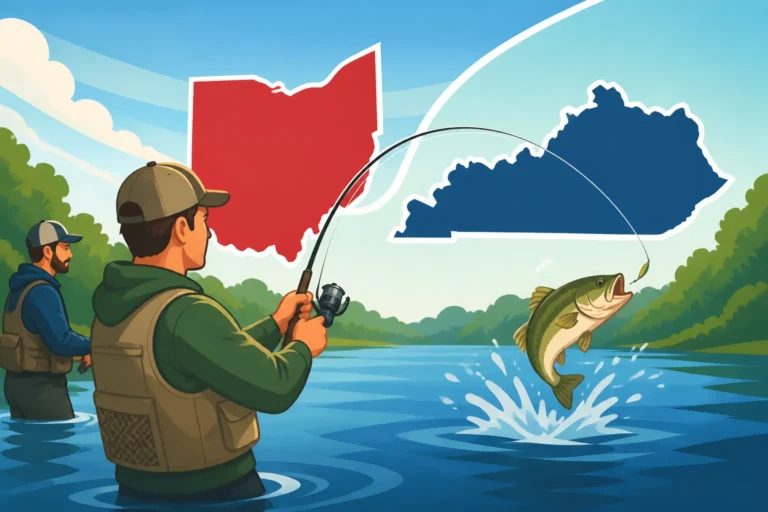
Border waters present another layer of complexity. Kentucky shares borders with several states, including Ohio, Indiana, Illinois, Missouri, Tennessee, Virginia, and West Virginia. When fishing border waters, especially large rivers like the Ohio River, rules can sometimes be confusing. For instance, there are specific agreements (or lack thereof) regarding reciprocity. As a general rule, if you are an Ohio angler fishing in Kentucky waters, you will need a Kentucky fishing license. Similarly, if you launch your kayak in Kentucky and fish the Ohio River, a Kentucky license is required, regardless of whether you drift close to the Ohio shoreline. It’s critical to remember that these reciprocal agreements are often specific and limited, so always assume you need the license for the state whose waters you are fishing in.
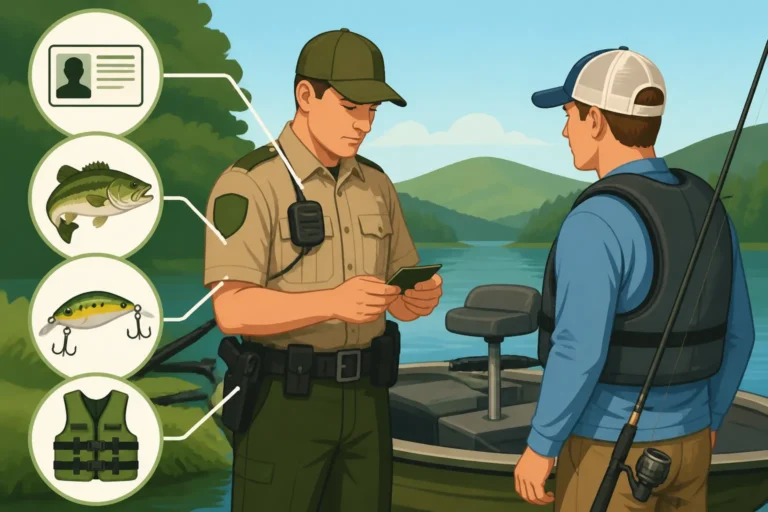
Conservation officers, or game wardens, often patrol these waters, and they are fully within their rights to conduct a license check. For kayak and float anglers, it's wise to have your license readily accessible and protected. Many anglers carry a digital copy on their phone, but technology can fail. A small, waterproof pouch that can attach to your PFD (personal flotation device) or kayak is an excellent place to keep a printed copy of your license, just in case your phone battery dies or gets wet. Ensuring you understand the Kentucky Fishing Regulations Explained before you head out can prevent unnecessary hassle.
Practical Tips for Kayak and Float Anglers
Being prepared for your kayak or float fishing trip goes beyond just having the right lures and bait. It includes practical considerations for your fishing license and adherence to regulations. First and foremost, always ensure you have a valid fishing license before you put your craft in the water. Waiting until you're on the water to realize your license is expired, or that you needed a special permit, is a situation you definitely want to avoid. You can easily purchase or renew your license online through the KDFWR website, often even just before you leave the house.
When it comes to carrying your license, a digital copy on your smartphone is usually accepted in Kentucky. However, as mentioned, electronics can be unreliable on the water. Many anglers find it reassuring to carry a laminated physical copy, tucked into a waterproof bag or wallet that’s secured to their person or kayak. You can find excellent waterproof cases for your license and phone on Amazon, ensuring they stay dry even if you take an unexpected dip. This dual approach provides peace of mind and covers you in case of a tech malfunction.
Beyond the general fishing license, remember to check for any site-specific regulations. Some lakes or sections of rivers may have unique rules regarding size limits, creel limits, or even specific gear restrictions. For example, some small lakes managed by KDFWR might be designated as "trophy bass" lakes with stricter size limits. These specific rules apply regardless of your fishing method. Always consult the KDFWR fishing guide or their website for the particular body of water you intend to fish. Understanding things like Statewide Bag and Size Limits by Fish Species, and then cross-referencing with specific lake rules, is part of responsible angling.
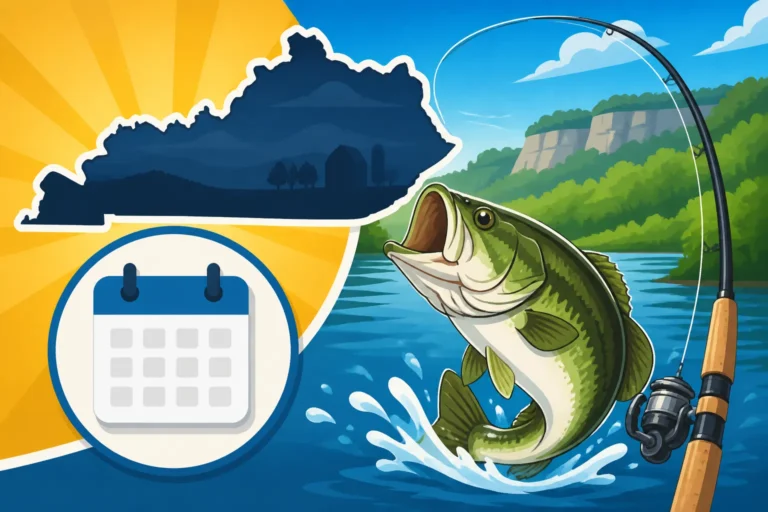
For those planning extended float trips, especially on rivers where you might be camping or spending multiple days on the water, ensure your license covers the entire duration. If you're on a multi-day journey that crosses the license year change (March 1st), you’ll need to purchase a new license for the new year. For example, if your trip spans from late February into early March, you'll need two separate licenses to cover both periods. Thinking ahead about the Kentucky Fishing License Year and Renewal Dates can save you from an awkward encounter with a game warden.
| License Type | Resident Cost (Approx.) | Non-Resident Cost (Approx.) | Duration | Best For |
|---|---|---|---|---|
| Annual Fishing License | $25 | $55 | March 1 – Feb 28 | Regular anglers, frequent trips |
| 1-Day Fishing License | $7 | $15 | 24 Hours | Short trips, testing the waters |
| Annual Sportsman's License | $95 | N/A | March 1 – Feb 28 | Combined fishing & hunting, good value |
| Trout Permit (Add-on) | $10 | $10 | Annual | Required for trout waters |
Note: Costs are approximate and subject to change. Always check the official KDFWR website for the most current pricing.
Finally, remember that the goal of these regulations and license fees is to help fund the conservation efforts that keep Kentucky's waters healthy and teeming with fish. By adhering to the rules and being a responsible angler, you're contributing to the future of fishing for everyone, whether they're in a kayak, a bass boat, or on the bank. If you ever have questions, don't hesitate to check the KDFWR website or even call their local offices. It's always better to ask than to find yourself facing penalties for Fishing Without a License in Kentucky.
Disclaimer
Please note that fishing regulations can change. While every effort has been made to provide accurate and up-to-date information, it is your responsibility to verify all current regulations with the Kentucky Department of Fish and Wildlife Resources (KDFWR) before engaging in any fishing activities. This guide is for informational purposes only and should not be considered legal advice.