Is Freshwater Drum Good to Eat?
Ah, the freshwater drum! I know this one sparks a lot of conversation among Kentucky anglers. For years, I've heard folks wonder if this often-overlooked fish, sometimes affectionately (or not-so-affectionately) called a "gaspergou," is actually worth taking home for dinner. There's a lot of old wives' tales and misconceptions floating around out there that can really muddy the waters, so to speak. If you've ever caught one and thought, "What do I do with this?" or "Is this even good to eat?", you're in the right place. We're going to dive deep into all things freshwater drum, from how to find them to how to turn them into a delicious meal that might just surprise you.
Understanding Freshwater Drum: The "Gaspergou" of Kentucky Waters
Let's clear the air right off the bat about the freshwater drum. This isn't some exotic, rarely seen creature; it's a common, native fish in many of Kentucky's larger waterways. It's often given a bad rap, but a little understanding goes a long way in appreciating this humble bottom-dweller.
What is a Freshwater Drum?
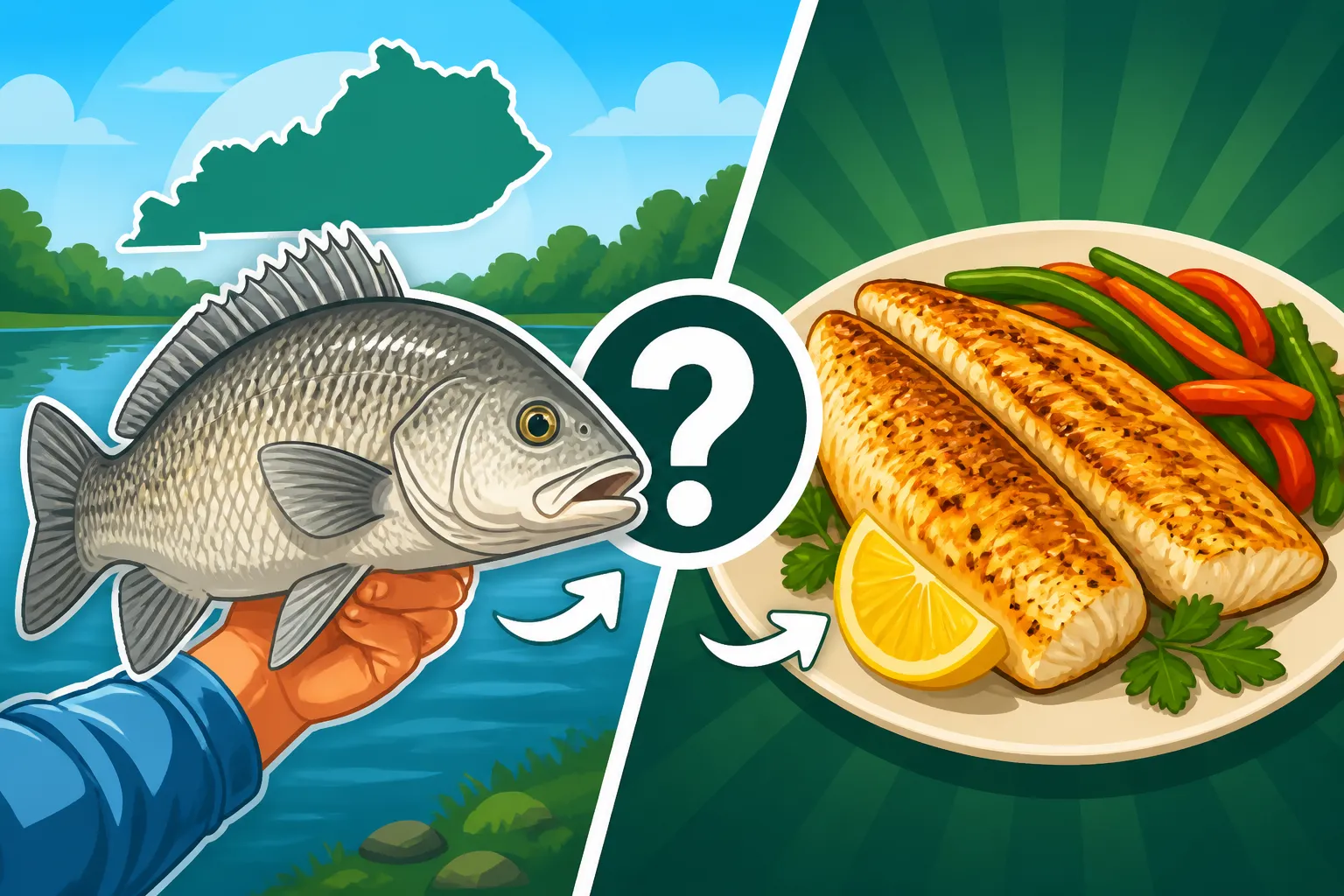
The freshwater drum, Aplodinotus grunniens, is a fascinating fish that's easily recognizable once you know what to look for. They typically have a somewhat humped back, a deep body, and large, silvery scales that can sometimes take on a bronze hue. Their mouths are distinctly downturned, perfect for rooting around on the bottom for food. One of their most unique characteristics is the "drumming" sound they can produce, especially during spawning, by vibrating muscles against their swim bladder. This sound is where they get their name, and if you're ever out on the water, you might just hear it! In Kentucky, you'll often hear them called "gaspergou" or "gou" for short, a term with French origins that refers to their grunting sound.
Many anglers initially confuse them with carp due to their bottom-feeding habits and somewhat similar shape, but they are distinctly different species. Drum are members of the Sciaenidae family, which includes saltwater croakers and red drum, giving them a surprising connection to some highly prized ocean table fare. While they might not be as flashy as a largemouth bass or as sought after as a crappie, they are a vital part of Kentucky's aquatic ecosystem, thriving in a variety of conditions.
Where to Find Them in Kentucky
Freshwater drum are quite widespread in Kentucky, especially in our larger river systems and impoundments. If you've spent any time fishing the mighty Ohio River, there's a good chance you've encountered them. They love those slow-moving, often turbid waters with soft bottoms, where they can browse for insects, crustaceans, and small mollusks. You'll find them congregating in deeper channels, near submerged structures, and around river bends where current isn't too strong. Freshwater Drum Fishing on the Ohio River in Kentucky is a great resource if you're looking to target them specifically on that iconic waterway.
Beyond the Ohio, significant populations can be found in our major reservoirs like Kentucky Lake, Lake Barkley, and even parts of Lake Cumberland, particularly in the lower, more fertile arms of the lake. Smaller rivers with suitable habitats, especially those with good bottom substrate, can also hold good numbers of drum. They're opportunistic feeders, which means they're not picky about their meals, making them a relatively common catch for those using bottom-fishing techniques, often when targeting other species like catfish. It's not uncommon to reel in a chunky drum when you're set up for channel cats or blue cats.
Why Some Anglers Overlook Them
It's true, the freshwater drum often gets the cold shoulder from many anglers. Part of this comes from a historical perception of them as a "rough fish" or "trash fish." This is a label often unfairly applied to species that aren't considered prime game fish like bass or trout, or aren't immediately recognizable as premium table fare like crappie or walleye. This reputation, I think, is largely underserved and is based more on tradition and lack of knowledge than on the actual quality of the fish.
Another reason for the oversight stems from old rumors about their taste. You'll often hear people say they taste "muddy" or are "too bony." While certain conditions can indeed affect the flavor of any fish, including drum, these issues are often exaggerated or can be mitigated with proper handling and preparation. We'll get into that soon, but suffice it to say, many anglers are missing out on a delicious opportunity because they haven't given the drum a fair shake. They're resilient, often plentiful, and can provide a fun fight on the line, making them an excellent choice for anglers looking to bring home a diverse catch.
The Truth About Eating Freshwater Drum: Flavor and Texture
So, is freshwater drum good to eat? Absolutely! But like any fish, it comes with a few caveats and best practices to ensure you get the best out of your catch. Let's bust some myths and talk about what you can really expect.
Dispelling the Myths
The biggest myth surrounding freshwater drum is that they have a universally muddy taste. This is simply not true for most fish caught in clean, flowing waters. The "muddy" taste typically comes from geosmin, an organic compound produced by certain bacteria and algae. Fish absorb this from their environment, and it can accumulate in their flesh, especially in stagnant or very warm, shallow waters with heavy algal blooms. However, a drum caught from a healthy river or a deep, clear reservoir will taste vastly different from one pulled from a silty, polluted backwater. Many game fish, if caught in similar poor conditions, would also exhibit off-flavors.
Another common complaint is that they're "too bony." While drum do have a rib cage like most fish, they don't have the extensive Y-bones found in some species like northern pike. A properly filleted drum yields large, firm, boneless fillets that are easy to work with. The key is knowing how to clean them, which we'll cover in detail. Don't let these outdated ideas deter you; with a little knowledge, you can easily overcome these perceived challenges and discover a truly enjoyable fish.
What it Tastes Like
When properly handled and cooked, freshwater drum offers a surprisingly mild, sweet, and flaky white meat. The texture is firm, almost steak-like, which makes it incredibly versatile for various cooking methods. I often tell folks it tastes somewhat like a cross between a red snapper and a crappie – not overly "fishy" at all. It doesn't have the strong, oily flavor you might find in some catfish species, nor the delicate flakiness of a trout. It stands on its own as a unique and pleasant-tasting fish.
Because of its mild flavor, drum readily takes on the seasonings and flavors you pair it with, making it a fantastic canvas for your culinary creations. Whether you're going for a simple lemon-butter preparation or something spicier, the drum's flesh will absorb those flavors beautifully without being overpowered. This makes it a great choice for those who might be hesitant about stronger-tasting fish or for introducing new flavors to your family.
Factors Affecting Flavor
Several key factors can influence the flavor and quality of a freshwater drum you bring home. Understanding these can help you consistently achieve the best-tasting fillets.
- Water Quality: This is paramount. As mentioned, fish from clean, cool, flowing water will almost always taste better than those from warm, stagnant, or polluted areas. If you're fishing a river after heavy rains, the water might be turbid, but if it's generally healthy, the fish will likely still taste good.
- Fish Size: Generally, smaller to medium-sized drum (say, 1 to 5 pounds) tend to have the best flavor and texture. Larger, older fish can sometimes develop a coarser texture and a slightly stronger flavor. This isn't always the case, but it's a good guideline if you have the option to choose.
- Diet: A drum's diet impacts its flavor. Those feeding primarily on aquatic insects and crustaceans in diverse environments will generally taste cleaner than those from areas with less varied food sources or higher concentrations of certain bottom-dwelling organisms.
- Immediate Care After Catching: This is critical for any fish you plan to eat. Get your drum on ice immediately after catching it. Don't let it sit on a stringer in warm water or in a livewell for hours. Rapid cooling helps prevent spoilage, firm up the flesh, and halts the development of any off-flavors. This quick chilling process is as important for drum as it is for a prized Largemouth Bass Fishing in Kentucky: The Complete Guide or a delicious crappie.
- Filleting and Cleaning: Improper cleaning, leaving scales, skin, or the "bloodline" attached, can also detract from the flavor. We'll delve into proper cleaning techniques shortly.
Here's a quick summary table of these factors:
| Factor | Ideal Conditions | Potential Flavor Impact |
|---|---|---|
| Water Quality | Clean, cool, flowing rivers & deeper lake sections | Milder, cleaner taste |
| Fish Size | 1-5 pounds | Firmer, sweeter, less "fishy" |
| Diet | Varied natural forage (insects, crustaceans) | Better, more consistent flavor |
| Post-Catch Care | Immediately on ice, kept cold | Fresher, firmer, no off-flavors |
| Cleaning | Thoroughly filleted, bloodline removed | Eliminates potential "gamey" taste |
Cleaning and Preparing Freshwater Drum for the Table
Alright, you've caught some drum, and you're ready to give them a try. The way you clean and prepare them is key to unlocking their delicious potential. Don't worry, it's not as daunting as some might make it out to be.
Proper Filleting Techniques
Filleting a freshwater drum is very similar to filleting other large panfish or smaller game fish. The main thing to note is that they can have relatively thick scales, so a sharp, flexible filleting knife is your best friend. Seriously, invest in a good knife! You can find excellent options on Amazon, like a sturdy Rapala or Bubba Blade fillet knife, which will make the job so much easier.
Start by laying the fish on its side. Make an incision behind the gill plate, down to the backbone. Then, turn your knife blade flat and run it along the backbone towards the tail, separating the fillet from the rib cage. You'll feel the ribs as you go; carefully cut over and around them. Once the fillet is off, you can then remove the skin by laying the fillet skin-side down, holding the tail end firmly, and running your knife between the flesh and the skin at a shallow angle. Repeat for the other side of the fish. You'll be left with two nice, thick, boneless fillets.
Removing the "Bloodline" and "Mud Vein"
This step is crucial for drum and can make a big difference in the final taste, particularly with larger fish. On the skin side of your fillet, once the skin is removed, you'll often see a darker, reddish strip of meat running down the center. This is sometimes referred to as the "bloodline" or "mud vein." This darker meat tends to have a stronger, sometimes "gamey" or even slightly muddy flavor, especially if the fish came from less-than-pristine waters.
To remove it, simply take your filleting knife and carefully cut a V-shape along both sides of this dark strip, excising it completely. You don't need to take a lot of meat, just the dark section. You'll be left with two cleaner, whiter strips of meat from each original fillet. This simple step can significantly improve the mildness and overall palatability of your drum, ensuring a clean, sweet flavor profile every time.
Simple Cooking Methods
Once you have those beautiful, clean fillets, the cooking possibilities are wide open. Because the flesh is firm and holds together well, drum is incredibly versatile.
- Pan-Frying: This is a classic for a reason. Lightly breaded or floured drum fillets, fried in a little oil or butter until golden brown and flaky, are absolutely delicious. A simple dredge in seasoned cornmeal or a mixture of flour and spices like Old Bay, garlic powder, and paprika works wonders.
- Baking: For a lighter option, baking is fantastic. Place fillets on a baking sheet, drizzle with olive oil, sprinkle with salt, pepper, and your favorite herbs (dill, parsley, or thyme work well), and a squeeze of lemon juice. Bake at 375-400°F (190-200°C) until cooked through and opaque, usually 10-15 minutes depending on thickness.
- Grilling: Drum holds up well on the grill too. Marinate the fillets for 30 minutes in a simple mixture of olive oil, lemon juice, garlic, and herbs. Grill over medium-high heat for a few minutes per side until flaky. If you're worried about sticking, place them on foil or use a grill basket.
The key with any cooking method is not to overcook the fish. Drum will be moist and tender when cooked just right, but can become dry and tough if left on the heat for too long.
Popular Freshwater Drum Recipes and Serving Suggestions
Now for the fun part: turning those freshly cleaned fillets into a meal! Drum's mild flavor and firm texture make it adaptable to many recipes you might typically use for snapper, cod, or even a good crappie.
Pan-Fried Drum Fillets
This is probably the most popular way to enjoy freshwater drum, and for good reason—it's quick, easy, and undeniably tasty.
After you've removed the bloodline, pat your drum fillets dry with paper towels. This helps the breading stick better. For a classic Kentucky feel, a simple cornmeal dredge is perfect. Mix fine cornmeal with salt, black pepper, and maybe a dash of cayenne pepper or garlic powder. Dip each fillet in an egg wash (or just milk for a lighter coating), then press it firmly into the cornmeal mixture, ensuring it's fully coated.
Heat about 1/2 inch of vegetable oil or canola oil in a cast-iron skillet (my personal favorite for frying fish!) over medium-high heat. Once the oil shimmers, carefully place your fillets in the hot oil, being careful not to overcrowd the pan. Fry for 3-5 minutes per side, or until golden brown and cooked through. They should flake easily with a fork. Serve immediately with a side of homemade tartar sauce, some coleslaw, and hushpuppies for a true Southern fish fry experience. This is a dish that can really make you appreciate the humble drum, proving that it's just as delicious as a well-prepared Is Crappie Good to Eat?.
Baked Drum with Herbs and Lemon
If you're looking for a lighter, healthier approach that still highlights the drum's delicate flavor, baking is the way to go. This method allows the natural sweetness of the fish to shine through, complemented by bright, fresh flavors.
Preheat your oven to 400°F (200°C). Place your cleaned drum fillets on a lightly oiled baking sheet. Drizzle each fillet generously with fresh lemon juice and a good quality olive oil. Sprinkle with sea salt, freshly ground black pepper, and your favorite fresh herbs. Chopped fresh parsley, dill, or chives are excellent choices, or a mix of all three. You can also add a few thin lemon slices on top of each fillet before baking.
Bake for about 12-18 minutes, depending on the thickness of your fillets, until the fish is opaque and flakes easily with a fork. Resist the urge to overcook! The firm flesh of the drum holds moisture beautifully when cooked correctly, resulting in tender, succulent bites. This baked preparation pairs wonderfully with roasted asparagus, a fresh green salad, or wild rice. It's a simple, elegant meal that truly showcases the drum's quality.
Drum Fish Tacos or Sandwiches
The firm, mild flesh of the freshwater drum makes it an ideal candidate for fish tacos or sandwiches, where it can hold its own against vibrant toppings and sauces.
For fish tacos, you can either pan-fry your drum fillets as described above (a crispier texture works great here) or grill them after a quick marinade. Once cooked, flake the fish into smaller, bite-sized pieces. Warm some soft corn or flour tortillas. Then, assemble your tacos with the flaked drum, a crunchy slaw (cabbage, cilantro, lime juice), a creamy sauce (like a spicy aioli or chipotle crema), and perhaps some diced avocado or pickled red onions. The mildness of the fish allows the toppings to really sing, creating a balanced and flavorful experience.
For sandwiches, pan-fried drum fillets are fantastic on a toasted bun with lettuce, tomato, and a generous dollop of tartar sauce or a zesty remoulade. It’s a great alternative to traditional fried fish sandwiches, offering a delightful texture and clean flavor profile. You might find that it stands up to bold flavors even better than some other popular fish, giving you a hearty and satisfying meal.
A Versatile and Delicious Catch
Hopefully, by now, you're convinced that the freshwater drum is far from a "trash fish." With a little knowledge about where to catch them, how to handle them quickly and cleanly, and how to prepare them, you'll find that these robust fish offer a delicious and versatile option for your dinner table. They're abundant in many Kentucky waters, provide a good fight on the line, and can be transformed into a fantastic meal that will surely surprise and delight your family and friends. So next time you hook into a "gou," don't automatically throw it back! Give it a chance, follow these tips, and you might just discover a new favorite. And remember, before you head out, always make sure you have your Kentucky Fishing License Guide in order!
Disclaimer
This article is for general informational purposes only and does not constitute professional advice. Laws, prices and regulations vary by location and change over time. Consult a qualified professional for guidance on your specific situation.