Freshwater Drum Fishing on the Ohio River in Kentucky
Many anglers hitting the vast, flowing waters of the Ohio River in Kentucky are laser-focused on reeling in a monster catfish or a hard-fighting bass. But in doing so, they often overlook a true powerhouse that swims right beneath their boats and from the banks: the freshwater drum. This guide is here to shed light on these often-underestimated fish, offering you all the insights you need to successfully target freshwater drum on the Ohio River, turn what some might call a "trash fish" into a trophy, and discover a new angling adventure.
Understanding the Freshwater Drum on the Ohio River
Let's be honest, the freshwater drum doesn't always get the respect it deserves. Sometimes called a "sheepshead" or even a "gaspergou" by folks in other regions, these fish are abundant, put up a fantastic fight, and can be a real blast to catch. Before you cast a line, it helps to know a little bit about what makes them tick, especially in a dynamic environment like the Ohio River.
What Makes Freshwater Drum Unique?
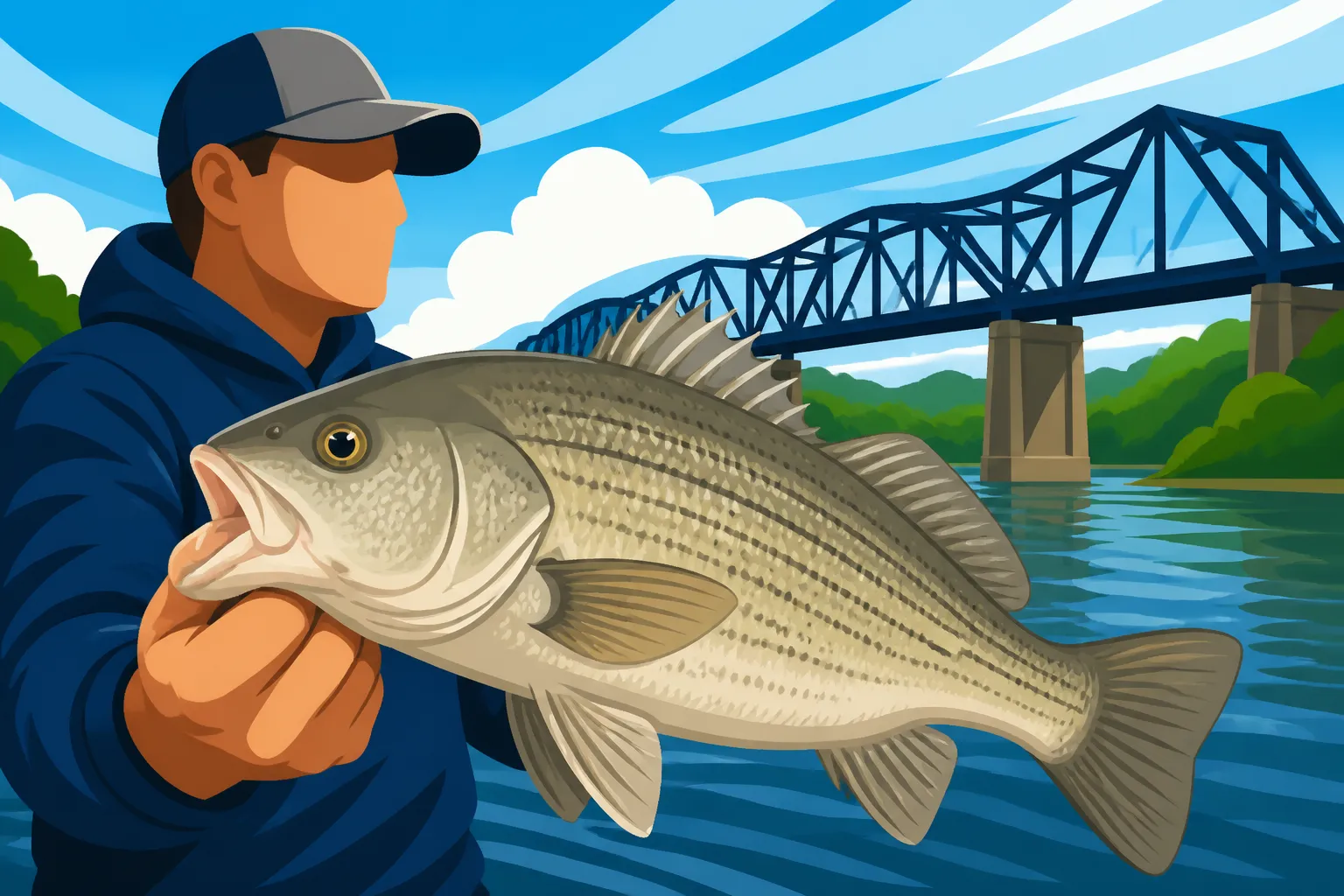
First off, drum are pretty distinctive. They have a high, arched back, a silvery-gray body that can sometimes have a brassy sheen, and a mouth that points slightly downwards, perfect for bottom feeding. But their most famous characteristic, and where they get their name, is the audible "drumming" sound they produce. This sound comes from specialized muscles vibrating against their swim bladder, and it's thought to be used for communication, especially during spawning. Imagine hearing that strange thrumming from the depths of the Ohio!
These fish aren't just unique in sound; they're unique in their fight. When you hook into a good-sized drum, especially in the strong currents of the Ohio, you'll know it. They don't jump like a bass, but they pull hard, make strong runs, and often stay deep, testing your tackle and your patience. Many anglers are surprised by the sheer power a drum can exert, leading to some memorable battles. It’s a completely different kind of challenge compared to some of the other species roaming these waters.
Another interesting fact is their diet. Freshwater drum are opportunistic bottom feeders, meaning they'll eat just about anything they can find down there. This includes insects, small fish, crawfish, and especially mollusks. Their strong, crushing pharyngeal teeth—located in their throat—are perfectly adapted for munching on clams and snails. This dietary preference gives us some big clues about where to find them and what baits they prefer.
Where Drum Live in the Ohio River
The Ohio River is a huge waterway, but drum have very specific preferences within it. You'll find them most commonly in deeper holes, especially those with slower currents or eddies directly downstream from faster-moving water. Think about areas where the river bottom changes significantly, creating places for them to rest out of the main flow while still having access to food washing by.
Structure is absolutely key when targeting drum. This includes natural features like submerged rock piles, log jams, and sharp drop-offs. Man-made structures are also huge attractors: bridge pilings, old submerged foundations, lock and dam structures, and even old barge tie-offs or sunken boats can hold large numbers of drum. These spots provide cover, ambush points for feeding, and a break from the constant current. When you're looking for Best Catfish Fishing Spots on Kentucky's Ohio River, often those same locations will be holding drum!
Seasonal movements play a role too. While drum are generally bottom dwellers, they might shift their locations slightly based on water temperature and spawning cycles. During warmer months, they can be found shallower at times, especially when baitfish are abundant. However, their affinity for deep, structured areas generally holds true year-round in the Ohio River. Targeting these specific zones will significantly increase your chances of success.
Essential Gear and Tackle for Ohio River Drum
Fishing for freshwater drum on the Ohio River isn't rocket science, but having the right gear can make a huge difference, turning frustration into a fantastic day on the water. You're dealing with current, potential snags, and fish that pull hard, so durability and strength are your friends.
Rods, Reels, and Line Choices
When it comes to rods, think medium-heavy to heavy action, typically in the 7 to 8-foot range. This length gives you good casting distance and leverage to fight fish in current, while the heavy action has the backbone to haul in a big drum and handle the heavy weights often required to hold bottom in the Ohio. A fast tip can help you detect subtle bites, which drum sometimes deliver, even though they can also hammer a bait.
For reels, both durable spinning reels and baitcasting reels work well. If you're using a spinning setup, a 4000 to 6000 series reel with a smooth drag system will be ideal. Baitcasters should be robust enough to handle heavy line and sinkers, offering good cranking power. Whichever you choose, make sure it has enough line capacity for longer runs and unexpected surprises. You don't want to get spooled by a powerful drum, especially if there's structure nearby.
Line choice is critical. You'll want something strong and abrasion-resistant. Twenty to thirty-pound test monofilament is a solid choice, offering good knot strength and some stretch to absorb powerful head shakes. Braided line in the thirty to fifty-pound range is also an excellent option, offering superior sensitivity to detect those lighter bites and incredible strength, which can be a lifesaver when fishing around sharp rocks or debris. If you go with braid, consider a fluorocarbon or heavy monofilament leader, around 15-25 pound test, to provide a bit of invisibility and some shock absorption. You can find a great selection of durable rods and reels on Amazon that are perfect for this kind of fishing, often with options for combo deals to get you started.
The Best Baits and Rigs for Drum
As opportunistic bottom feeders, drum aren't particularly picky, but some baits definitely outperform others. Nightcrawlers are a classic and highly effective choice. Threading several onto a hook to create a juicy, wiggling presentation is often irresistible. The scent trail they leave also helps attract drum from a distance.
Cut bait, especially fresh shad or skipjack herring found right in the Ohio River, is another top-tier option. Drum are attracted to the oils and scent these baits release. Cut the bait into strips or chunks about 1-2 inches long. Shrimp, either fresh or frozen, can also be surprisingly effective, particularly for their strong scent. Some anglers even swear by mussels or clams, which makes perfect sense given their natural diet of mollusks. Pre-tied bottom rigs are readily available, and you might even stumble upon some good deals on Amazon for bulk hooks and sinkers.
When it comes to rigs, you'll primarily be using bottom-fishing setups designed to keep your bait stationary in the current. A standard Carolina rig, consisting of an egg sinker (or flat sinker to prevent rolling) above a swivel, followed by an 18-36 inch leader and a hook, is very popular. The leader allows the bait to move more naturally. A three-way swivel rig, with a heavy sinker on a short dropper line and your bait on a longer leader, is also excellent for keeping your bait near the bottom in strong current while allowing it to drift slightly. Hook sizes typically range from 2/0 to 5/0, depending on the bait size, with strong, sharp circle hooks being a favorite to ensure good hooksets and minimize gut-hooking.
Top Techniques for Catching Drum on the Ohio River
Successfully targeting freshwater drum in the powerful Ohio River requires a blend of strategy and adaptability. It's not just about throwing a line in the water; it's about understanding the river itself and how the fish relate to it.
Anchoring and Targeting Structure
Finding the right spot is half the battle. As mentioned, drum love structure and current breaks. When you're on the Ohio River, start by looking for those key features using your boat's electronics or by observing the river from shore. Areas below dams are often phenomenal, as the turbulent water creates deep scour holes and current seams where drum congregate to feed on disoriented baitfish and other organisms washing downstream. Bridge pilings and bends in the river that create deep outside channels are also prime real estate. If you’re fishing from shore, look for public access points near these types of structures or areas with noticeable current changes.
Once you've identified a promising spot, anchoring correctly is crucial, especially in the Ohio's strong currents. Position your boat upstream of your intended fishing zone, allowing your bait to drift naturally into the strike zone. You might need a heavy anchor or even two to hold steady. Ensure your anchor rope is long enough to provide a good scope, preventing your boat from dragging. Drop your bait to the bottom and let it settle. It's a game of patience, waiting for the drum to come to your offering. Remember to adjust your sinker weight as needed to keep your bait firmly on the bottom without it rolling away. Sometimes, moving your bait just a few feet by slightly reeling in, then letting it settle again, can trigger a bite from a drum that's been eyeing it.
Consider fishing multiple rods with different baits and rigs until you discover what the drum are keying in on that day. Don't be afraid to experiment with how far you cast from the boat or bank, as the current can create different feeding lanes at various distances. Learning How to Anchor for Catfish on a River will provide you with valuable skills that directly apply to drum fishing, as many of the principles are the same when dealing with strong river currents.
Fishing During Different River Conditions
The Ohio River is a living, breathing entity, constantly changing with rainfall, dam operations, and seasonal shifts. Understanding how these conditions affect drum fishing is paramount.
High water levels often mean increased current and muddier water. In these conditions, drum may move closer to the banks or into calmer backwater eddies to escape the strongest currents. Their feeding will rely more on scent, so strong-smelling baits like cut bait or shrimp become even more effective. Heavier sinkers will be necessary to hold bottom, and bright, contrasting lure colors (if you're trying artificials, though bait is usually better for drum) might stand out better in stained water. Safety is also paramount during high water; conditions can change rapidly, and debris can become a hazard.
Conversely, during low water periods, drum might concentrate in the deepest channels and holes, as these are the last refuges. Clearer water might make them a bit more cautious, so lighter leaders could be beneficial. However, in low water, the fish are often more concentrated, which can lead to faster action if you find the right spot. Always check current river conditions and forecasts before heading out. How Rain Affects Fishing and What to Do About It is an excellent resource, as understanding water fluctuations is key to success on any major river system like the Ohio.
Turbidity, or water clarity, also plays a huge role. Drum are quite adaptable to murky water, often thriving in it. The Ohio River can be quite stained, and drum have excellent senses of smell and touch to compensate for poor visibility. This means relying on scent-based baits is almost always a good strategy. If the water is exceptionally clear, which is rare but can happen in certain stretches, then presenting your bait as naturally as possible, perhaps with a longer leader, might be more effective.
Best Times and Locations on the Ohio River for Drum
While drum can be caught year-round, certain seasons and times of day, coupled with specific locations, offer the best opportunities for success on the Ohio River. Knowing these patterns can significantly boost your catch rates.
Seasonal and Daily Patterns
Freshwater drum fishing on the Ohio River tends to be most productive from early spring through late fall. As water temperatures rise in spring, drum become more active and their metabolism picks up, driving them to feed aggressively. This continues through the summer and into the cooler temperatures of autumn. During the colder winter months, they become much less active, often retreating to the deepest, most stable holes, and feeding slows considerably. While not impossible, winter fishing for drum is generally more challenging.
Within these prime seasons, the best times of day often align with low light conditions. Dawn and dusk are excellent, as many fish species, including drum, are more active during these periods. Overcast or cloudy days can also extend these productive windows, making midday fishing more viable than on bright, sunny days when drum might retreat to deeper, shadier spots. Night fishing for drum can also be incredibly productive, especially during the warmer summer months. Much like catfish, drum use their keen senses of smell and touch to navigate and feed in the dark, and the river traffic often dies down, leading to a quieter, more peaceful fishing experience. If you're into Night Fishing Techniques for Catfish, many of those same principles apply to drum, as they share similar nocturnal feeding habits.
Tides and moon phases, while less pronounced than in coastal areas, can also subtly influence river currents and fish activity. Paying attention to these subtle changes over time can sometimes reveal patterns that help you fine-tune your fishing schedule.
Key Ohio River Hotspots in Kentucky
The Ohio River forms Kentucky's northern border, offering countless miles of prime drum habitat. While pinpointing every exact "secret spot" is impossible and somewhat counterproductive (part of the fun is finding your own!), there are general areas that consistently produce good numbers of drum.
Lock and dam structures along the Ohio River, such as McAlpine Dam near Louisville or Meldahl Dam further upstream, are absolute magnets for drum. The turbulent water below the dams creates oxygen-rich environments and concentrates baitfish, making it an ideal feeding ground. Deep scour holes, current seams, and eddy lines directly below these structures are almost always worth investigating. Just be mindful of safety regulations around dams and strong currents. These are also fantastic spots for Best Catfish Fishing Holes on the Ohio River in Kentucky, so if you're targeting one, you're likely to encounter the other.
Major river bends and confluences with significant tributaries are also prime locations. Where a smaller river or large creek flows into the Ohio, it often creates natural scour areas, brings in new food sources, and creates distinct current breaks. Look for areas with significant depth changes or submerged cover near these junctions. Along the urban stretches, like near Louisville's Best Nearby Fishing Spots in Kentucky, bridge pilings, old docks, and deeper channels can hold surprisingly large numbers of drum, offering accessible bank fishing opportunities. Further west, closer to Paducah, the deeper and wider stretches of the Ohio also hold immense populations, particularly where it meets the Mississippi. These areas often have extensive sand and gravel bars, interspersed with deeper channels and rock formations, all excellent drum habitat.
Common Challenges and Tips for Success
Fishing the Ohio River can be a fantastic experience, but it also presents unique challenges, especially when targeting bottom-dwelling species like the freshwater drum. Knowing how to anticipate and overcome these hurdles will lead to more enjoyable and successful trips.
Dealing with Ohio River Current and Debris
The Ohio River's most defining characteristic is its constant, often strong, current. This can make fishing challenging. The biggest issue is keeping your bait on the bottom and stationary. You'll frequently need to use heavier sinkers than you might for lake fishing, often ranging from 1 ounce up to 4 ounces or even more in particularly swift water. Flat, pyramid, or no-roll sinkers are often preferred over egg sinkers because they dig into the bottom better and are less prone to rolling with the current.
Another significant challenge is debris. The Ohio River carries everything from small twigs and leaves to entire trees, especially after heavy rains. This floating debris can foul your line, snag your bait, and even make boat navigation dangerous. When fishing from a boat, try to position yourself slightly out of the main current lines where debris is concentrated. From the bank, adjust your casting angle to avoid snagging on passing branches. Patience is key here; you'll likely have to re-bait and re-cast more frequently than in calmer waters. Sometimes, a slight shift in position or a change in sinker type can make a big difference in avoiding snags. A good pair of polarized sunglasses can also help you spot submerged hazards or changes in water clarity that might indicate slower currents or clearer water.
Handling and Releasing Drum (or Keeping Them)
Once you've hooked into a freshwater drum, you'll quickly realize they are stout fish that put up a determined fight. Handling them requires a bit of care. They have rough scales and can be slimy, so a good pair of fishing gloves can make handling easier and protect your hands. If you're using circle hooks, they'll typically be hooked in the corner of the mouth, making for easy and safe release. If you're planning to release them, minimize their time out of the water and handle them gently.
Now, about keeping them: freshwater drum often get a bad rap as a "trash fish" and are sometimes overlooked for the table. However, when properly prepared, especially the smaller to medium-sized ones (say, under 5 pounds), they can be surprisingly good to eat. Their flesh is firm, white, and mild, often compared to red snapper. The key is to clean them quickly and put them on ice immediately after catching. Many anglers fillet them and remove any red meat along the lateral line, which can contribute to a stronger flavor. A common preparation method is to pan-fry or bake the fillets. So, don't write them off without trying them! Kentucky's regulations on freshwater drum are typically very generous, often with no size or daily limit, but it's always wise to double-check the current Kentucky Fishing Regulations Explained to be sure.
For safe fish handling, a good pair of fishing gloves and a dehooker can be invaluable, and yes, Amazon has plenty of options to equip your tackle box. Always consider the fish first – if you're not going to eat it, practice careful catch and release to ensure the fish's survival.
Here's a quick comparison of popular drum baits:
| Bait Type | Description | Best Use | Pros | Cons |
|---|---|---|---|---|
| Nightcrawlers | Live earthworms, often bundled for larger presentation | All conditions, especially clear to slightly stained water | Readily available, natural scent, active presentation | Smaller fish can pick at them, sometimes hard to keep on hook |
| Cut Bait | Chunks or strips of oily fish (shad, skipjack) | Stained to muddy water, strong current, targeting larger drum | Strong scent trail, durable on hook, attracts various bottom feeders | Can be messy, requires fresh bait, might attract non-target species |
| Shrimp (Fresh) | Peeled or unpeeled whole shrimp | All conditions, effective for scent attraction | Strong scent, firm texture, good for larger drum | Can be expensive, may attract smaller panfish |
| Mussels/Clams | Freshly shucked mussel or clam meat | Areas with natural mollusk populations, very natural presentation | Mimics natural drum diet, highly effective | Can be difficult to acquire, messy to shuck |
Ultimately, freshwater drum are a powerful, fun-to-catch, and often underrated species that thrive in the Ohio River. With the right approach, you can have some truly memorable battles with these unique fish. So next time you're heading to the river, don't forget to pack some extra heavy weights and a good supply of nightcrawlers – you might just discover your new favorite fight!
Disclaimer
This article is for general informational purposes only and does not constitute professional advice. Laws, prices and regulations vary by location and change over time. Consult a qualified professional for guidance on your specific situation.