Kentucky Statewide Bass Limit: 12 Inches, 6 Fish a Day
We've all been there: you're out on a beautiful Kentucky lake, the sun is shining, and your line goes taut. You reel in a gorgeous bass, but then the questions start swirling. Is it big enough? Can I keep another one? The rules around bass fishing in Kentucky can sometimes feel like a tangled line, leaving many anglers scratching their heads. This comprehensive guide is here to untangle those knots, focusing specifically on Kentucky's statewide bass limit of 12 inches and six fish per day, helping you fish confidently and legally.
Understanding Kentucky's Statewide Bass Limits
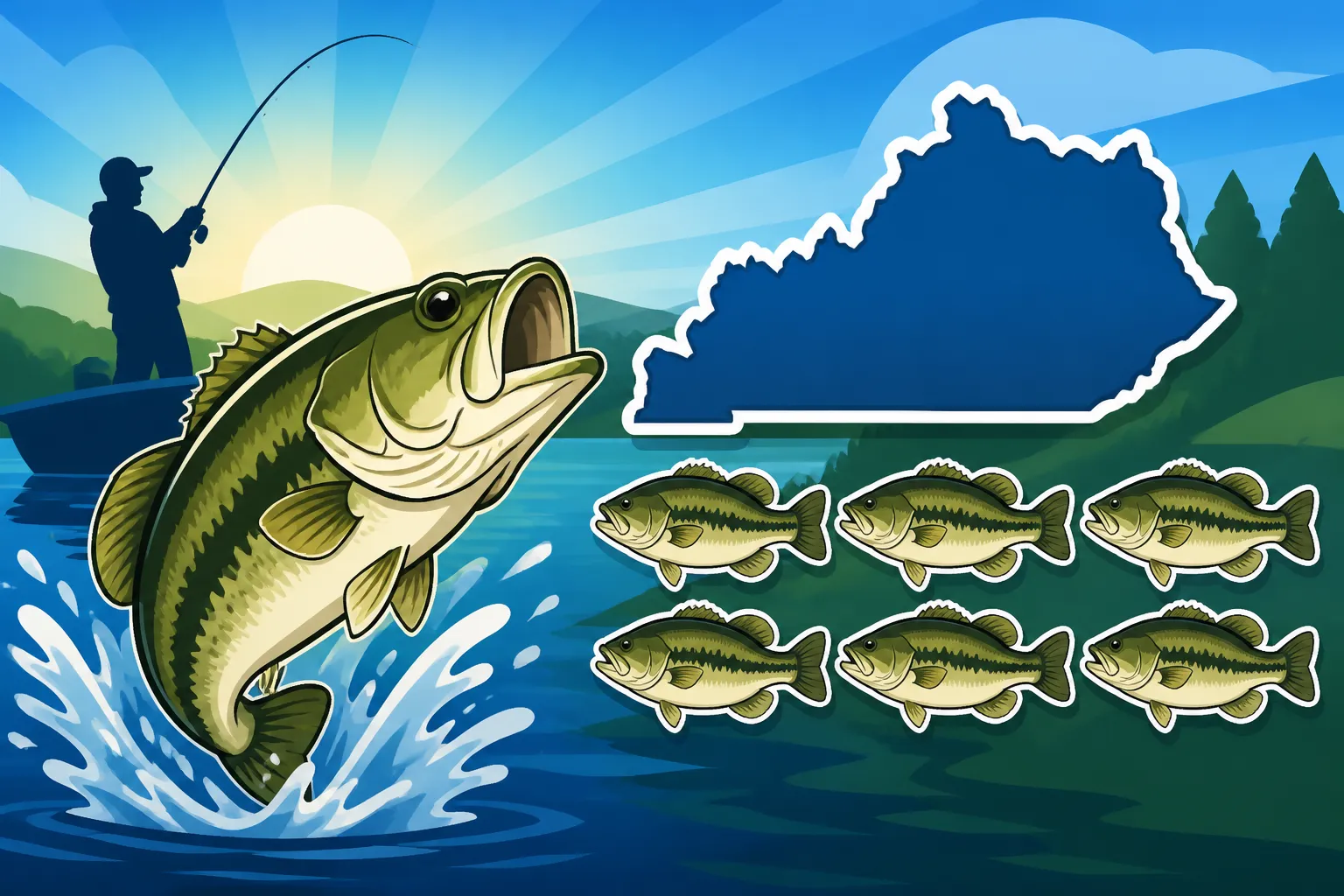
Navigating fishing regulations can feel like a chore, but it's essential for both legal compliance and ensuring our beautiful waters remain vibrant for future generations. When it comes to black bass – that includes largemouth, smallmouth, and spotted bass – Kentucky has a clear, overarching rule that applies to most public waters: a 12-inch minimum size limit and a daily creel limit of six fish. This foundational rule is your starting point before you even cast a line.
The 12-Inch Minimum Size Limit
Imagine the scenario: you've just landed a feisty bass, and it's a solid, healthy-looking fish. Your heart races with the possibility of a keeper. But before it goes into the livewell, it absolutely must meet the minimum size requirement. In Kentucky, for most waters, that means a bass needs to measure at least 12 inches from the tip of its snout to the tip of its tail (with the mouth closed and tail gently squeezed). It's a common frustration for many anglers to catch a beautiful fish that’s just shy of that mark, maybe 11 and ¾ inches, but those few millimeters make all the difference.
This 12-inch rule isn't arbitrary; it's a carefully considered conservation measure. It allows bass to reach a certain maturity, participate in spawning, and contribute to the population before they become part of an angler's dinner. Keeping an undersized fish, even accidentally, can lead to penalties from game wardens who patrol our lakes and rivers. So, always have a reliable measuring device on hand and use it diligently. You can find durable, easy-to-read measuring boards on Amazon that fit perfectly in most boat compartments or tackle boxes, making quick and accurate measurements a breeze.
The Daily Creel Limit of Six Bass
Beyond the size, there's also a limit to how many bass you can keep in a single day. Kentucky's statewide rule sets this daily creel limit at six black bass. This isn't six largemouth, plus six smallmouth, plus six spotted bass. Oh no, that would be a fish fry for the ages! Instead, it’s a combined total. So, if you catch three legal largemouth and three legal smallmouth, you've hit your daily limit of six bass. Any additional black bass you catch after that must be immediately released, regardless of their size.
This daily limit is another cornerstone of sustainable fishing. It prevents overharvesting and ensures that enough bass remain in the ecosystem to reproduce and maintain healthy populations. It means you might have to make some tough decisions during a hot bite, choosing which of your legal catches to keep for dinner and which to send back to grow bigger. Understanding this combined limit is paramount, especially when you're targeting different species of bass throughout the day. For a complete overview of all the rules, it's always a good idea to consult the Kentucky Fishing Regulations Explained guide.
Why These Limits Matter for Sustainable Fishing
These regulations aren't just bureaucratic hurdles; they are vital tools crafted by wildlife biologists and conservation experts. The Kentucky Department of Fish and Wildlife Resources (KDFWR) works tirelessly to study fish populations, habitat health, and angler pressure to set limits that foster long-term sustainability. Without these rules, our beloved fishing spots could quickly become barren, leading to a significant decline in what makes Kentucky such a fantastic place to fish.
Conservation and Population Health
The 12-inch minimum size limit plays a critical role in allowing bass to reach sexual maturity and spawn at least once, if not multiple times, before they're harvested. This ensures that each generation has a chance to reproduce, depositing eggs and contributing to the next wave of fish in the lake. Imagine if everyone kept every small bass they caught; the younger fish wouldn't have a chance to grow, and the gene pool would suffer, potentially leading to smaller, less robust fish over time.
Similarly, the daily limit of six fish prevents any single angler from taking an excessive number of fish, especially during peak biting seasons like the spring spawn. This spreads the catch among more anglers and protects the overall population. It's about balancing the joy of fishing with the responsibility of stewardship. These limits are especially crucial in high-pressure waters, where many anglers converge. When you adhere to these limits, you're directly contributing to the health and vitality of Kentucky's aquatic ecosystems, ensuring there's plenty of action for years to come.
The Impact of Exceptions to Statewide Rules
Now, here's where things can get a little tricky, and it's a common point of confusion for many anglers. While the 12-inch minimum and six-fish daily limit are the statewide baseline, it's absolutely crucial to understand that many specific lakes and rivers have site-specific exceptions. These exceptions are designed to manage particular fisheries based on unique ecological factors, population dynamics, or management goals for that body of water.
For instance, you might encounter lakes with slot limits, where you can keep fish below a certain size and above another, but fish within a "slot" (e.g., 14-18 inches) must be released. Or, a lake might have a higher or lower minimum size limit, or even a different daily creel limit for certain species. A prime example of this is the Lake Barkley Bass Size Limit Exception in Kentucky, where rules differ from the statewide standard to manage its unique bass population effectively. It's really easy to get caught off guard by these local variations, so always, always double-check the specific regulations for the body of water you're planning to fish. You can find detailed information on these variations by looking up Kentucky Fishing Rules by Lake and Water before your trip.
Practical Tips for Adhering to Bass Limits
Knowing the rules is one thing; putting them into practice on the water is another. Accurately measuring your catch and ensuring proper release techniques are just as important as understanding the numbers. These practical tips will help you stay compliant and do your part for conservation.
Measuring Your Catch Accurately
The difference between a legal fish and an undersized one can often be less than an inch, making accurate measurement essential. The standard method is to lay the fish on its side, mouth closed against a flat measuring board, and gently squeeze the tail lobes together to get the maximum length. That means no guessing! If you're using a flexible tape measure, make sure the fish is as straight as possible.
Many anglers find a sturdy, hard-plastic measuring board to be the most reliable tool for this job, especially for bass. They're quick, easy to read, and often have a lip at one end to butt the fish's mouth against. You can easily find various sizes and styles of these on Amazon, often with bright, contrasting markings that are easy to see even in low light. If there's any doubt about a fish's length, the safest bet is always to release it. An honest mistake can still lead to a fine, so take the extra second to be sure.
Safely Releasing Undersized or Excess Fish
Catching an undersized bass, or reaching your limit and still hooking fish, is a common occurrence. The key is to handle these fish with care to ensure their survival after release. Minimize the time the fish is out of the water. Handle the fish gently with wet hands or a wet towel to protect its slime coat, which is vital for preventing disease. Avoid grabbing bass by the eye sockets or gill plates, as this can cause severe damage.
Use tools like long-nose pliers or a de-hooker to remove the hook quickly and cleanly. If the fish is deeply hooked, especially in the gills or stomach, it might be best to cut the line as close to the hook as possible rather than tearing vital organs trying to retrieve it. Specialized de-hooking tools, readily available on Amazon, can make this process even faster and safer for the fish. Once de-hooked, gently place the fish back into the water, headfirst, and if necessary, hold it upright and move it back and forth gently to push water over its gills until it's strong enough to swim away on its own. This small act of care ensures that fish gets to grow bigger and fight another day.
Common Misconceptions and What to Do
Even experienced anglers can sometimes misunderstand certain aspects of fishing regulations. It's easy to get confused when you're passionate about fishing and just want to enjoy your time on the water. Let's clear up some common areas of confusion regarding bass limits in Kentucky.
What if I Catch More Than Six Bass?
This is a fantastic "problem" to have – it means you're having a great day on the water! The statewide daily creel limit of six bass refers to the fish you possess or keep. It does not limit the number of fish you can catch and immediately release. So, if you've already kept your six legal bass, and then you hook into another beautiful largemouth, you are absolutely welcome to land it, admire it, maybe snap a quick photo, and then release it unharmed back into the water. The key is that any fish caught beyond your legal limit must not be put into your livewell or stringer; they must go straight back.
However, there's a caveat. If you accidentally put an undersized fish into your livewell, or you exceed your possession limit, you could face penalties. It's always best to measure and count carefully before committing a fish to the keep pile. Game Wardens often conduct random checks, and they won't hesitate to issue a citation if regulations are not followed. To avoid any issues, review the information on Kentucky Game Warden Checks: What to Have on Hand so you're always prepared.
The Importance of Checking Local Regulations
We've touched on this before, but it bears repeating because it's arguably the most important takeaway: while this guide covers the statewide bass limits of 12 inches and six fish, these are truly just the starting point. Kentucky is home to an incredible diversity of lakes, rivers, and ponds, and many of them have specific regulations tailored to their unique fisheries. You could be fishing on Lake Barkley one day, where different bass size limits apply, and then move to a different lake the next day that adheres strictly to the statewide rule.
For example, while the general rule states you can't keep a bass under 12 inches, certain lakes might have a 15-inch minimum, or even special slot limits designed to grow trophy-sized fish. Not checking these local rules is one of the quickest ways to accidentally break the law. Before any trip, make it a habit to consult the latest KDFWR fishing guide or check their website for the specific waterbody you plan to visit. Understanding that "Kentucky Fishing License Requirements for Kids" or a Kentucky Trout Permit Guide might seem less relevant to bass, but the principle of verifying all regulations for your specific trip remains crucial. Always verify site-specific regulations every angler should check first to ensure a fun and legal fishing experience.
Statewide Bass Limits at a Glance
To make things a little easier to digest, here's a quick summary of Kentucky's general statewide black bass regulations compared to a common exception you might encounter. Remember, always check the specific lake or river regulations before you go!
| Regulation Type | Statewide Black Bass Limit (Most Waters) | Example Exception (e.g., Lake Barkley Bass) |
|---|---|---|
| Minimum Size | 12 inches | 15 inches |
| Daily Creel | 6 fish (combined largemouth, smallmouth, spotted bass) | 6 fish (combined largemouth, smallmouth, spotted bass) |
| Explanation | All kept bass must be 12 inches or longer. This allows fish to mature and spawn before harvest. | All kept bass must be 15 inches or longer. This stricter limit aims to protect and grow larger bass in specific trophy waters. |
This table clearly illustrates why it's so important to go beyond the statewide rules and check for any lake-specific variations. What's legal in one spot might not be in another, and ignorance of the law is never an excuse.
Beyond the Basics: Deeper Dive into Bass Management
Understanding the basic limits is fundamental, but there's a lot more to appreciate about how Kentucky manages its incredible bass fisheries. The statewide limits are just one piece of a much larger, carefully constructed puzzle designed to ensure the longevity of this popular sport.
How Regulations Influence Bass Populations
The regulations you follow directly impact the health and size structure of bass populations. Minimum size limits, for instance, are designed to allow a certain number of year classes to mature, ensuring that younger, smaller fish aren't removed before they can reproduce. This contributes to a strong spawning stock. When these rules are effective, you'll find a healthy mix of different sized fish, from feisty juveniles to impressive lunkers, which is a sign of a thriving ecosystem.
Moreover, the KDFWR actively monitors these populations. They conduct surveys, sample fish, and gather data to see if the current regulations are working as intended. If a particular lake's bass population is struggling, or perhaps becoming overpopulated with smaller fish, the department might adjust the limits. This dynamic approach means that while the statewide rule is fairly consistent, you might see changes on specific bodies of water over time. It's a continuous effort to provide the best fishing experience while safeguarding the resource. For more on the various fish you can encounter, check out the Kentucky Fish Species Guide: 265 Types You Can Catch.
Other Factors Affecting Bass Success
While regulations are paramount, they aren't the only factor influencing how many bass you catch. Water quality, habitat availability (like submerged timber, weed beds, and rocky points), forage abundance (what the bass eat), and even weather patterns all play significant roles. A lake with excellent habitat and a robust food chain will generally support a healthier and larger bass population, regardless of the regulations.
Anglers also contribute greatly through responsible practices. Beyond legal compliance, adopting catch-and-release practices for fish you don't intend to eat, minimizing stress on caught fish, and properly disposing of trash are all ways to support the fishery. When we all do our part, the regulations work even better. For those interested in improving their technique during prime fishing times, resources like Kentucky Bass Fishing: The April-May Peak Season can be incredibly helpful. And make sure you have the right gear, too, as explained in the guide on the Best Rods and Reels for Kentucky Fishing.
Disclaimer
The information provided in this guide is for general informational purposes only and is subject to change. While we strive to be accurate and up-to-date, fishing regulations can be complex and are regularly updated by the Kentucky Department of Fish and Wildlife Resources (KDFWR). It is always the angler's responsibility to consult the most current official KDFWR fishing guide or website before fishing any waters in Kentucky to ensure compliance with all applicable laws and regulations, including statewide and site-specific rules.