Lake Barkley’s Best Sauger Fishing Spots in Kentucky
Finding those elusive sauger on Lake Barkley can sometimes feel like trying to catch a ghost, especially when you're faced with such a vast and dynamic body of water. Anglers often struggle with where to even begin their search, what techniques truly work, and how the changing seasons affect these notoriously finicky fish. This comprehensive guide is designed to cut through that frustration, pinpointing the best sauger fishing spots on Lake Barkley, detailing effective techniques, and sharing crucial tips to help you consistently put these tasty fish in your livewell.
Understanding Lake Barkley's Sauger Fishery
Lake Barkley is a jewel in Kentucky’s crown, renowned for its diverse fishing opportunities. But for many, the real prize is the sauger – a close relative of the walleye, known for its delectable fillets and challenging fight. Understanding why Lake Barkley holds such a strong sauger population and how these fish behave is the first step to a successful outing.
Why Lake Barkley is a Sauger Hotspot
Lake Barkley, alongside its sister lake, Kentucky Lake, forms part of the Cumberland River chain. This creates a vast, interconnected system with deep river channels, expansive flats, and abundant forage, all of which contribute to an ideal sauger habitat. The constant flow of the Cumberland River, particularly below the Barkley Dam, creates oxygen-rich currents that sauger absolutely thrive in. These fish prefer deeper, cooler water, and the natural contours of the old riverbed within Lake Barkley provide exactly that. Additionally, the Kentucky Department of Fish and Wildlife Resources actively manages and stocks the sauger population, ensuring a healthy and robust fishery year after year. It's a testament to the lake's ecological health and dedicated conservation efforts that sauger continue to flourish here, making it a bucket-list destination for many anglers.
Seasonal Movements of Sauger in Lake Barkley
Sauger movements in Lake Barkley are heavily influenced by water temperature and flow, following predictable patterns throughout the year. In the colder months, from late fall through early spring, sauger congregate heavily in the deeper main lake channels and near the dam, often in large schools. This is when the bite can be incredibly hot, as they feed aggressively to prepare for the spawn. As spring approaches and water temperatures begin to rise, typically hitting the high 40s to low 50s Fahrenheit, sauger start their spawning migration. They push upstream, often concentrating in the Cumberland River portion above Lake Barkley, or in tributary creeks where they find suitable gravel and rock bottoms to lay their eggs. After the spawn, they disperse and can be found in a wider range of habitats, though they still prefer the cooler, deeper sections of the lake, often moving to submerged points, humps, and current breaks as summer progresses. Understanding these seasonal shifts is critical for knowing where to focus your efforts.
Sauger vs. Walleye: Identifying Your Catch
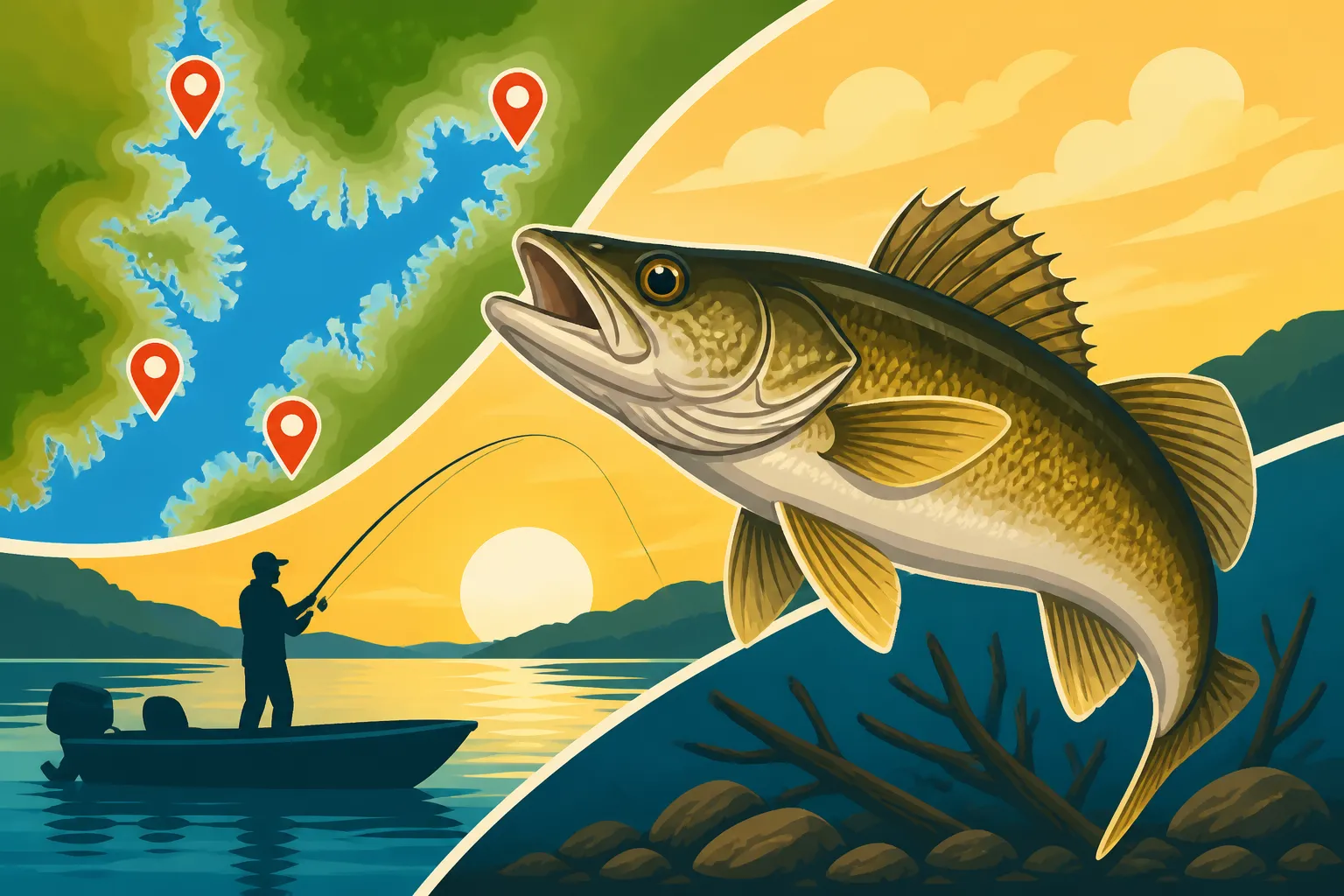
While sauger and walleye are both members of the perch family and look quite similar, there are a few key differences that can help you tell them apart, especially since regulations might vary. Sauger generally have distinct dark, blotchy saddles or spots along their sides, which walleye typically lack or have much fainter markings. Another tell-tale sign is the spiny dorsal fin: sauger have distinct dark spots or bars on their dorsal fin membranes, but no large, distinct black blotch at the rear base of the fin, which is a common characteristic of walleye. Furthermore, sauger tend to have a rougher skin texture compared to the smoother feel of a walleye. Both are delicious, but knowing which one you’ve caught ensures you're adhering to the correct regulations, which can differ slightly for each species, though often they share similar limits in Kentucky waters. Always double-check the current Kentucky Fishing Regulations Explained for the specific lake you're fishing.
Prime Sauger Fishing Locations on Lake Barkley
When you're chasing sauger on Lake Barkley, location is everything. These fish are creatures of habit and current, so knowing where they prefer to hold makes all the difference. While they can be found throughout the lake, certain areas consistently produce better results, especially during peak seasons.
Tailwaters Below Barkley Dam
Without a doubt, the tailwaters immediately below Barkley Dam are a legendary sauger hotspot. The constant flow of water through the dam creates a powerful current that sauger absolutely love. They stack up in these turbulent waters, feeding on baitfish stunned by the current or disoriented by the dam's outflow. This area is particularly productive during the colder months and early spring when sauger are migrating upstream to spawn or are simply congregating in the deeper scour holes and eddy lines formed by the powerful current. You'll find anglers here both from boats and from the bank, all eager to capitalize on the concentrated fish. It's a high-action area, but it also demands respect for the current and adherence to safety guidelines.
When fishing the tailwaters, focus your efforts on the seams where fast-moving water meets slower eddies. Sauger will often sit just outside the main current, waiting to ambush prey without expending too much energy. Look for deep holes, submerged rock piles, and any structure that offers a current break. Vertical jigging is incredibly effective here, allowing you to present your bait directly to fish holding tight to the bottom in strong currents. The sheer volume of water and fish in this area makes it one of the most reliable sauger spots on the entire lake, drawing anglers from across the state and beyond.
Main Lake Channels and River Bends
Beyond the immediate tailwaters, the main river channels of Lake Barkley, particularly the old Cumberland River channel that snakes through the lake, are prime sauger territory. These deep channels, often ranging from 20 to 50 feet or more, provide the consistent depth and cool temperatures sauger prefer year-round. Sauger will hold along the edges of these channels, especially where they intersect with submerged points, humps, or old creek beds. The bends in the river channel are particularly productive, as the current tends to scour deeper holes and deposit structure, creating ideal ambush points.
During late fall and winter, these main lake channels become highways for sauger, and they'll congregate in impressive numbers. Trolling deep-diving crankbaits or three-way rigs along the channel edges is a highly effective method here, allowing you to cover vast amounts of water and locate scattered schools. Pay close attention to your fish finder for schools of baitfish or distinct arcs marking individual sauger. Areas where the channel narrows or features a prominent drop-off will often concentrate fish. Look for these productive patterns when you're exploring the main lake, and you'll find sauger. For those planning a trip, exploring guides through platforms like FishingBooker can help pinpoint current hot spots within these channels.
Tributary Arms and Creek Mouths
While sauger are primarily riverine fish, the mouths of major tributary arms and larger creek entrances on Lake Barkley can also be excellent sauger spots, particularly during and immediately after the spring spawn. As water temperatures warm slightly in these shallower areas, sauger will move into them, often following schools of baitfish that are also seeking out warmer waters. These areas offer a different kind of habitat, with more gradual slopes, submerged timber, and varying bottom compositions.
Focus your attention on the transition zones where the creek channel meets the main lake channel. These often create distinct current breaks and depth changes that sauger utilize. In early spring, sauger might stage in these areas before moving further upstream to spawn. After the spawn, they will often linger in these tributary mouths for a period, feeding heavily before returning to the deeper main lake. Look for creek mouths with good depth, structure, and proximity to the main river channel. Jigging, casting hair jigs or small crankbaits, or even slow trolling can be effective in these areas, depending on the specific conditions.
Essential Techniques and Tackle for Lake Barkley Sauger
Sauger can be caught using a variety of techniques, but some are undoubtedly more effective than others, especially given Lake Barkley’s characteristics. Having the right approach and tackle in your arsenal will significantly increase your chances of success.
Vertical Jigging Strategies
Vertical jigging is arguably the most consistent and popular method for catching sauger on Lake Barkley, especially in the deeper main channels and tailwaters. This technique involves positioning your boat directly over a school of fish or a promising piece of structure and dropping a jig straight down to the bottom. The key is to maintain constant contact with the bottom, lifting and dropping the jig subtly to entice a bite. Sauger are often bottom-oriented, so keeping your lure in their strike zone is paramount.
When vertical jigging, consider using jigs weighing between 1/4 to 3/4 ounce, depending on current and depth. Tipping your jig with a live minnow or a soft plastic grub can significantly enhance its appeal. The goal is to imitate a stunned or injured baitfish. Pay close attention to your line for subtle taps or a feeling of added weight – sauger bites can be incredibly light. A sensitive medium-light to medium-action rod with braided line and a fluorocarbon leader is ideal for detecting these subtle strikes. This technique is especially potent when sauger are tightly schooled, allowing you to pick them off one by one, often resulting in a full livewell. For those new to this, checking out a guide on How to Jig for Sauger in Deep Water can provide excellent foundational knowledge.
Trolling for Sauger Success
Trolling is another highly effective technique for covering vast areas of Lake Barkley and locating scattered schools of sauger, particularly in the main lake channels and over flats adjacent to deeper water. This method allows you to present multiple baits at different depths and speeds, increasing your odds of finding active fish. Deep-diving crankbaits are a staple for trolling, designed to reach depths where sauger often hold. Match the color and size of your crankbait to the prevailing baitfish in the lake – shad and shiners are common forage.
When trolling, experiment with your speed, typically ranging from 1 to 2.5 miles per hour, until you find what triggers bites. Using a planer board or a three-way rig can help you present your baits away from the boat and at precise depths. Look for contour lines, channel bends, and submerged structure on your electronics, and troll parallel to these features. Pay close attention to current breaks and changes in bottom composition, as these are often sauger holding zones. Trolling is particularly productive in winter and early spring when sauger are distributed throughout the channels but still actively feeding. Consider reviewing Best Lures for Sauger Fishing Below Dams for specific bait recommendations.
Best Baits and Lures for Lake Barkley Sauger
The choice of bait and lures can make a significant difference in your sauger success on Lake Barkley. While sauger can be opportunistic, they often show a preference for certain presentations, especially those that mimic their natural prey.
- Jigs: Lead-head jigs, typically 1/4 to 3/4 ounce, are a sauger angler's best friend.
- Colors: Chartreuse, white, orange, and black are perennial favorites. Often, a combination of two colors (e.g., chartreuse and orange) can be very effective.
- Tipping: Tipping jigs with a live minnow is a classic and deadly combination. The scent and action of a live minnow are hard for sauger to resist.
- Soft Plastics: Small plastic grubs (like curly-tail grubs) or paddle-tail swimbaits rigged on a jig head can also be incredibly productive. These offer versatility and durability, especially when fish are aggressive.
- Crankbaits: Deep-diving crankbaits are essential for trolling and can also be effective when casting in certain situations.
- Models: Brands like Bandit, Rapala, and Berkley offer excellent deep-diving options. Look for models that can reach depths of 15-30 feet or more.
- Colors: Natural baitfish patterns (shad, silver, gold) are always a good starting point, but don't shy away from brighter colors like firetiger or chartreuse when water is stained.
- Live Bait Rigs: A simple three-way rig or a slip-sinker rig with a live minnow (shiners or fatheads) can be incredibly effective, especially when sauger are lethargic or suspended off the bottom. Presenting a live minnow directly to them is often the trigger for a strike.
Navigating Lake Barkley for Sauger Anglers
Lake Barkley is a large body of water, and navigating it effectively for sauger fishing requires both knowledge of its access points and the savvy use of modern electronics. Safety is also a paramount concern on such a expansive lake.
Key Boat Ramps and Access Points
Lake Barkley offers numerous public boat ramps and access points, making it relatively easy to get your boat on the water. For sauger fishing, you'll want to choose ramps that provide convenient access to the main river channels, the tailwaters, or the mouths of major creeks.
- Near Barkley Dam: Ramps closest to the dam, such as the Eddy Creek Marina or facilities within Lake Barkley State Resort Park, offer quick access to the famed tailwaters. Be aware that these ramps can be very busy, especially during peak fishing seasons.
- Central Lake Access: Ramps further south, like those around Cadiz or Canton, provide good central access to the broader main lake channels and various tributary arms, allowing you to explore different sauger holding areas.
- Northern Lake Access: Towards the northern end of the lake, access points near Grand Rivers are ideal for exploring the confluence areas with Kentucky Lake and the deeper river bends in that section.
Always check ramp conditions, especially during periods of high or low water. Many ramps are well-maintained by the state or local municipalities, often with ample parking. You can find detailed information on these at the Lake Barkley Boat Ramps and Marina Access in Kentucky guide.
Using Electronics to Locate Sauger
Modern fish finders and GPS units are indispensable tools for sauger anglers on Lake Barkley. Sauger are often schooled tightly or holding to specific pieces of structure, making them prime targets for electronic detection.
- Side Imaging/Down Imaging: These technologies are fantastic for scanning wide areas quickly and identifying subtle changes in bottom contour, submerged timber, or rock piles where sauger might be hiding. You can often see individual fish or schools of baitfish on these screens.
- 2D Sonar: Your traditional 2D sonar is excellent for identifying fish arches directly under the boat and determining the precise depth at which they are holding. Pay attention to "bottom huggers" – those fish arches that appear very close to the bottom line, as sauger frequently do.
- GPS Mapping: Utilize your GPS to mark waypoints for productive spots, follow contour lines, and navigate safely, especially in unfamiliar waters or during low light conditions. Many units come with detailed lake maps that show old river channels, humps, and drop-offs – invaluable information for sauger fishing.
Learning to interpret what your electronics are telling you will drastically improve your success rate. Don't just motor around; actively scan, look for structure, and mark fish. This technology is your eyes beneath the surface.
Safety Considerations on Lake Barkley
Fishing on a large reservoir like Lake Barkley, especially with its dynamic currents and potentially crowded waters, requires a strong emphasis on safety. Always prioritize the well-being of yourself and your passengers.
- Life Jackets: Ensure everyone on board has a properly fitting, Coast Guard-approved life jacket, and that children under 12 are wearing theirs at all times when the boat is underway, as per Kentucky law.
- Weather Monitoring: Lake Barkley can become rough quickly with changing weather. Always check the forecast before heading out and be prepared for sudden storms. High winds can create dangerous chop on the open water.
- Navigation Lights: If you're fishing at dawn, dusk, or night, make sure all your navigation lights are functioning correctly and are clearly visible.
- Know the Rules: Be familiar with Kentucky's boating regulations. This includes understanding right-of-way rules, speed limits in certain areas, and requirements for safety equipment like fire extinguishers and sound-producing devices. If you're new to boating or born after 1975, you might need a Kentucky Boat Safety Certificate Requirements.
- Currents Near the Dam: Exercise extreme caution when fishing the tailwaters below Barkley Dam. The current can be incredibly strong and unpredictable. Stay clear of restricted areas and be aware of dam generation schedules, which can significantly alter water flow.
A responsible angler is a safe angler. Don't take chances on the water.
Optimizing Your Sauger Trip: Timing and Conditions
Successful sauger fishing on Lake Barkley often boils down to being in the right place at the right time, under the right conditions. Understanding these environmental factors will help you plan your trips for maximum productivity.
Best Times of Day and Year
Sauger fishing on Lake Barkley can be productive year-round, but certain times of day and specific seasons truly stand out.
- Peak Season (Late Fall to Early Spring): This is undoubtedly the prime time for sauger. As water temperatures drop in late October and November, sauger begin to school heavily in the main lake channels and near the dam. This concentration continues through the winter months (December, January, February) and into early spring (March), leading up to their spawn. During these colder periods, the bite can be incredibly hot, and catching limits is a real possibility. Many anglers consider Cold-Water Sauger Fishing at Kentucky's Lake Barkley to be the most exciting challenge.
- Pre-Spawn and Spawn (Early Spring): In March and early April, depending on water temperatures, sauger begin their spawning runs. They'll move upstream into the Cumberland River system or into major tributaries. This can offer phenomenal fishing, though it requires precise timing.
- Post-Spawn to Early Summer: After spawning, sauger disperse and are generally harder to pinpoint. They'll move back into deeper main lake areas but might be more spread out. Fishing can still be good, but it often requires more effort to locate them.
- Time of Day: While sauger can be caught at any time, they often bite best during low-light conditions. Dawn and dusk are prime times, as is fishing on cloudy or overcast days. In winter, they might feed actively throughout the day, especially if conditions are stable.
Understanding Water Temperature and Flow
Water temperature and current flow are perhaps the two most critical environmental factors influencing sauger behavior on Lake Barkley.
- Water Temperature: Sauger prefer cooler water, typically thriving in temperatures between 40-60°F. During the peak cold-water season, they are most active. As water temperatures climb above 65°F in summer, sauger will seek out the deepest, coolest parts of the lake and become less active during the day. Monitoring lake temperatures with your electronics can help you pinpoint their preferred thermal zones. The spring spawn is directly triggered by rising water temperatures, usually in the low 50s.
- Current Flow: Sauger are river fish at heart, and they relate strongly to current. The more current, the better, within reason. The outflow from Barkley Dam is a major draw for sauger, creating feeding opportunities. In the main lake, subtle currents created by wind or hydro-generation schedules can position fish along channel edges and structure. Always consider how current is affecting baitfish and, consequently, sauger positioning. Strong current often means sauger will be holding tighter to cover or in eddy lines, expending minimal energy while waiting for food to drift by.
Weather Impacts on Sauger Fishing
Just like any other fish, sauger can be influenced by weather patterns. Understanding these impacts can help you adjust your strategy.
- Cold Fronts: A strong cold front can shut down the bite for a few days. After a front passes, the fish often become lethargic and less willing to chase baits. During these times, slowing down your presentation and offering live bait can be more effective.
- Stable Weather: Periods of stable, consistent weather, even if it's cold, tend to produce the most reliable sauger fishing. Fish establish feeding patterns and are less apt to be spooked by sudden changes.
- Cloudy Days: Overcast or cloudy days are often preferred by sauger, as it reduces light penetration into the water, making them more comfortable feeding in shallower depths or during daylight hours.
- Rain: Light rain can sometimes improve the bite, especially if it's a warm rain that adds fresh oxygen and stirs up forage. Heavy rains, however, can muddy the water and create strong currents, making fishing more challenging as visibility decreases.
- Wind: Moderate wind can be beneficial as it creates current, oxygenates the water, and can concentrate baitfish. However, strong winds can make boat control difficult and create dangerous conditions on Lake Barkley's open expanses.
Beyond the Catch: Regulations and Conservation
Fishing isn't just about catching fish; it's also about being a responsible steward of the resource. Understanding and adhering to regulations and practicing good conservation habits ensures that Lake Barkley's sauger fishery remains healthy for generations to come.
Kentucky Sauger Size and Creel Limits
Kentucky has specific regulations in place to manage its sauger population, ensuring sustainable fishing. These limits can change, so always consult the most current Kentucky Fishing and Boating Guide before you head out.
Currently, the statewide daily creel limit for sauger is 10 fish per angler, with a size limit of 14 inches. This means you can keep up to 10 sauger per day, but none of them can be shorter than 14 inches from the tip of the nose to the tip of the tail. These regulations are designed to protect younger fish and allow them to reach spawning maturity, contributing to the overall health of the fishery. Lake Barkley is part of this statewide regulation, but it's always wise to confirm if there are any specific site-specific regulations for Lake Barkley that might differ. Fishing without checking these rules is a common mistake that can lead to disappointment or even penalties.
Here's a quick reference table for Sauger limits (always confirm with current KDFWR guide):
| Species | Daily Creel Limit | Minimum Size Limit |
|---|---|---|
| Sauger | 10 fish | 14 inches |
Remember, knowing your fish identification, as discussed earlier, is crucial to comply with these regulations. Accidentally keeping an undersized walleye when you thought it was a sauger could land you in trouble, so be sure of your catch.
Practicing Responsible Catch and Release
Even if you plan to keep your limit, practicing responsible catch and release for fish you don't intend to keep is vital for conservation. Sauger are a valuable resource, and treating them well ensures they survive to bite another day.
- Minimize Handling: Try to handle fish as little as possible. If you can release a fish while it's still in the water, do so.
- Wet Hands: Always wet your hands before touching a fish. Dry hands can remove the protective slime coat, making the fish more susceptible to disease.
- Barbless Hooks: Consider using barbless hooks, or crimping down the barbs on your hooks. This makes hook removal much easier and less damaging to the fish.
- Proper Hook Removal: Use needle-nose pliers or a hook-remover tool to quickly and gently remove hooks. If a fish is deeply hooked, it's often better to cut the line as close to the hook as possible rather than attempting to rip it out.
- Revive the Fish: If a fish seems stressed or lethargic, hold it gently in the water, facing into the current, until it regains its strength and can swim away on its own. Don't just toss it back; give it a chance to recover.
By being mindful of how you handle your catch, you contribute directly to the long-term health of Lake Barkley's sauger population.
Getting Your Kentucky Fishing License
Before you even think about casting a line for sauger on Lake Barkley, you absolutely need a valid Kentucky fishing license. It's not just a formality; it's a legal requirement, and neglecting it can lead to fines and a ruined day on the water.
Kentucky offers various license types, including annual, one-day, and multi-day options, for both residents and non-residents. Make sure you choose the one that best fits your fishing plans. For instance, if you're only planning a quick weekend trip, a Kentucky Resident 1-Day Fishing License Price might be more economical than an annual license. You can purchase your license online through the Kentucky Department of Fish and Wildlife Resources website, which is often the quickest and easiest method. Just be ready to provide some basic personal information. You can also buy licenses in person at various sporting goods stores and county clerk offices throughout the state. It's quick, easy, and essential. Without it, you could face severe Penalties for Fishing Without a License in Kentucky. Always have your license with you, either a physical copy or a digital one on your phone, as game wardens do conduct checks on the water.
Disclaimer
The information provided in this guide is for general informational purposes only and is subject to change. Fishing regulations, season dates, and license requirements are set by the Kentucky Department of Fish and Wildlife Resources and can be updated at any time. Always consult the most current official Kentucky Fishing and Boating Guide or the KDFWR website before planning your trip to ensure compliance with all applicable laws and regulations. Fishing conditions, including water levels and fish behavior, are dynamic and can vary. Exercise caution and good judgment when on the water.