Best Bank Fishing Spots on Kentucky Lake
It's a common misconception that to truly experience the angling magic of Kentucky Lake, you absolutely need a boat, a fancy fish finder, and all the bells and whistles. Many folks feel left out if they don't have a big bass boat, assuming the best spots are out of reach. But let me tell you, that simply isn't true! This guide is here to bust that myth wide open, showing you the absolute best bank fishing spots on Kentucky Lake, how to access them, and what you'll need to make your next shore-side adventure a huge success.
Why Bank Fishing on Kentucky Lake is a Hidden Gem
Kentucky Lake, a massive impoundment of the Tennessee River, is renowned for its incredible fishing. While most of the buzz surrounds its expansive waters and competitive tournaments, there's a quieter, equally rewarding side to its angling scene: bank fishing. It's often overlooked, but for many, it's the most accessible and enjoyable way to connect with this legendary lake.
Accessibility and Convenience
One of the biggest hurdles for aspiring anglers can be the cost and logistics associated with boat ownership. You've got the boat itself, the trailer, storage, maintenance, gas, and then the whole process of launching and retrieving. It can be a real headache, not to mention a significant financial commitment. Bank fishing completely sidesteps all of that. All you need is your rod, reel, tackle box, and your Kentucky Fishing License Guide, and you're good to go. This makes it a fantastic option for families, beginners, or anyone looking for a spontaneous fishing trip without the fuss.
Think about it: waking up, grabbing your gear, and being on the water within minutes, without the hassle of hitching up a trailer or waiting at a busy boat ramp. It’s pure simplicity, letting you focus on the fishing itself. Plus, many of the best bank spots are either completely free to access or require a minimal fee for state park entry, making it an incredibly budget-friendly way to enjoy one of the state's premier fisheries.
Overcoming the Boat Barrier
For years, I heard people say you had to have a boat to catch anything decent on Kentucky Lake. And for a while, I believed it too! I felt like I was missing out on all the action just because I didn't own a fancy rig. But then I started exploring, talking to local old-timers, and just spending time on the banks, and realized how much incredible potential there was right there within casting distance of shore. The fish aren't always out in the middle of the lake; they're often tucked away in submerged cover, around docks, or cruising shallow flats that are perfectly accessible from land.
This realization transformed my approach. Instead of feeling limited, I started seeing the lake's vast shoreline as an opportunity. Bank fishing forces you to slow down, observe the water, and hone your techniques in a way that boat fishing sometimes doesn't. You become more attuned to the subtle signs of fish activity, the changes in currents, and the best presentations for confined spaces. It’s a wonderful way to learn the lake intimately, one cast at a time, and often leads to some surprisingly large catches.
Understanding Kentucky Lake's Unique Bank Fishing Challenges
While bank fishing on Kentucky Lake offers incredible rewards, it's not without its quirks. This massive reservoir, part of the Tennessee Valley Authority (TVA) system, has some specific characteristics that bank anglers need to be aware of to ensure a successful and safe outing. Knowing these challenges ahead of time can make all the difference between a frustrating day and a fantastic one.
Dealing with Fluctuating Water Levels
One of the most significant factors on Kentucky Lake is its dynamic water level. The TVA manages the lake's elevation, and it can change dramatically depending on the season and rainfall. During the winter drawdown, water levels can be significantly lower, exposing vast stretches of mudflats and making access to some areas difficult or even impossible. What was a prime fishing spot in the summer might be bone dry in February. Conversely, during the spring and early summer, high water can flood shorelines, creating new opportunities but also making familiar paths inaccessible.
This means you need to stay flexible. Always check the current lake levels before you head out. Websites like the TVA's own lake information page or local fishing reports are invaluable resources. A good strategy is to have a few backup spots in mind, some that fish well in high water and others that excel when the lake is drawn down. Don't get discouraged if your go-to spot looks different; just adapt and explore.
Navigating Private Property and Public Access
Kentucky Lake boasts thousands of miles of shoreline, but not all of it is publicly accessible. A significant portion is privately owned, with homes, docks, and businesses lining the banks. This can be a real source of frustration for bank anglers trying to find a good spot. You don't want to trespass, and it can be tricky to tell where public land ends and private property begins, especially in undeveloped areas.
Stick to designated public access points whenever possible. State parks, wildlife management areas, and public boat ramps often have shoreline access specifically for anglers. Always look for "No Trespassing" signs and respect private property boundaries. When in doubt, err on the side of caution. Utilizing resources like Best Shore Fishing Access Points on Kentucky Lake or mapping apps that show public land boundaries can save you a lot of grief and ensure you're fishing legally and respectfully.
Top-Tier Public Bank Fishing Spots on Kentucky Lake
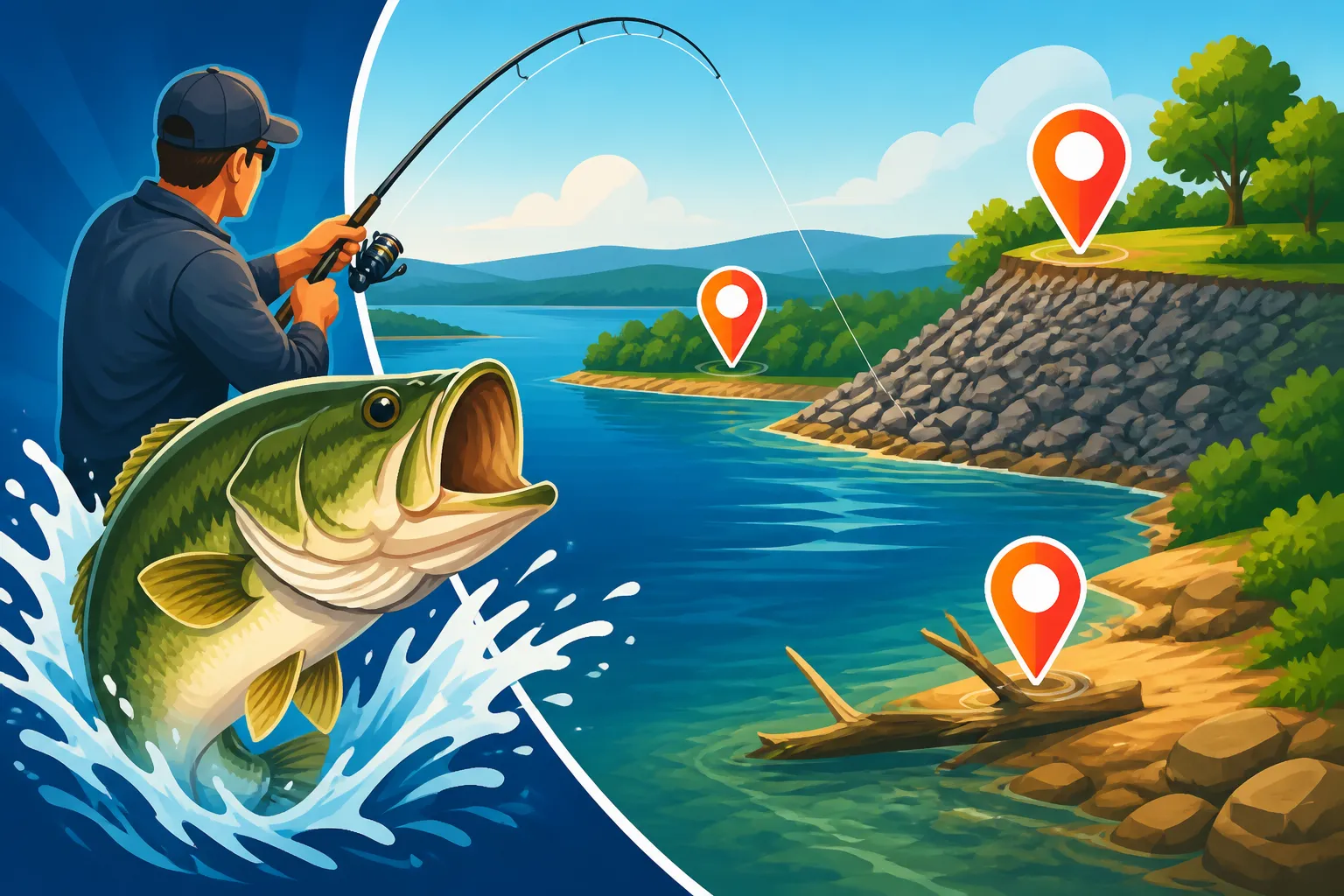
Now, let's talk about the good stuff: where you can actually wet a line from shore on Kentucky Lake. While the lake is huge, there are several standout areas that consistently produce for bank anglers, offering a mix of accessibility, diverse fishing opportunities, and stunning scenery.
Kentucky Lake State Park Fishing Access
If you're looking for a reliable, family-friendly, and well-maintained bank fishing experience, Kentucky Lake State Park Fishing Access should be at the top of your list. Located on the western shore of the lake, near Hardin, this park offers several excellent spots for shore anglers. You'll find designated fishing piers, lighted areas for night fishing, and plenty of bank access along the main lake and within protected coves.
The piers are particularly popular, giving you access to deeper water without needing a boat. These areas are often stocked with structure, attracting a variety of species. You can expect to catch bluegill, crappie, catfish, and various bass species here. The park also features amenities like restrooms, picnic areas, and even lodging, making it a fantastic destination for a full day or weekend trip. Even during busy times, there's usually enough room for everyone, and the park staff does a great job maintaining the areas, ensuring a pleasant experience.
Blood River and Big Sandy Creek Areas
Moving northward, the areas around Blood River and Big Sandy Creek offer some incredible bank fishing, though they might require a bit more exploration. These are major tributaries that flow into Kentucky Lake, creating a myriad of coves, channels, and shallower flats that are perfect for fish seeking cover and forage. While much of the shoreline here is privately owned, there are public access points, particularly around bridge crossings and small county parks.
The mouth of Blood River, for example, often has public access near roads and bridges. The current in these areas can be productive, especially during the spring and fall migrations. Big Sandy Creek, further north, has similar opportunities. Look for areas where creeks merge with the main lake, or where rock outcroppings and brush piles are visible from shore. These spots are prime for targeting Largemouth Bass Fishing in Kentucky: The Complete Guide, crappie, and especially catfish. Sometimes, a short walk along the bank from a public access point can open up a whole new world of fishing holes that other anglers might overlook.
Dams and Tailwaters Access
While the main Kentucky Dam at Gilbertsville often draws the most attention, primarily for boat anglers targeting sauger and striped bass, there are other dam areas and spillways that offer fantastic bank fishing opportunities, especially for catfish. The tailwaters below any dam are always a magnet for fish because of the turbulent, oxygen-rich water and the abundant forage flushed through the gates.
Specifically, look for public access points below smaller dams or spillways on tributaries feeding into Kentucky Lake. These can be less crowded than the main dam areas but just as productive. Catfish, in particular, thrive in these environments, and you can often hook into some really impressive blues and channels right from the bank. However, exercise extreme caution when fishing near dams and spillways due to strong currents and rapidly changing water levels. Always observe warning signs and stay well clear of restricted areas. It's an exhilarating spot to fish, but safety always comes first.
Gear and Techniques for Successful Bank Fishing
Getting the right gear and understanding the best techniques can significantly improve your bank fishing success on Kentucky Lake. You don't need a boatload of expensive equipment, but a smart selection tailored for shore-based angling will make your experience much more enjoyable and productive.
Essential Rod, Reel, and Line Setup
For general bank fishing on Kentucky Lake, versatility is key. You'll likely encounter a variety of species, from panfish to larger catfish and bass, so a medium-action spinning rod, about 6'6" to 7' long, is an excellent choice. This length provides good casting distance to reach productive water while still being manageable in tighter shore-side spots with overhead cover. Pair it with a 2500 or 3000 series spinning reel, spooled with 8-12 lb monofilament or fluorocarbon line. Monofilament is forgiving for beginners, while fluorocarbon offers better sensitivity and less stretch.
If you plan on targeting bigger catfish or want to cast heavier baits, consider stepping up to a medium-heavy action rod, perhaps 7' to 7'6" long, with a 4000 series reel and 15-20 lb monofilament or braided line. Braided line, in particular, offers superior strength and castability, which can be a huge advantage when you're trying to sling a heavy rig from shore or need to pull a big fish out of thick cover. This Best Rods and Reels for Kentucky Fishing guide can offer even more specific recommendations for different species.
Baits and Lures for Common Species
Your tackle box doesn't need to be huge, but it should be well-stocked with proven producers. For panfish like bluegill and crappie, small jigs (1/32 to 1/16 oz) in various colors, especially chartreuse, white, and black, are essential. Live bait like crickets and small minnows are also incredibly effective. For bass, carry an assortment of soft plastics (worms, creature baits), spinnerbaits, and a few shallow-diving crankbaits. Topwater lures can be deadly during low-light conditions.
When it comes to catfish, you'll want some heavier-duty offerings. Prepared stink baits, chicken livers, cut bait (shad or skipjack herring), and large nightcrawlers are all excellent choices. Having a variety ensures you're ready for whatever the fish are biting. Remember, different times of year and water conditions can dictate what the fish are most interested in, so a versatile selection, as outlined in Best Tackle and Gear for Bank Fishing, is always a good idea.
Rigging for Different Conditions
Understanding basic rigging will elevate your bank fishing game. For panfish, a simple slip bobber rig with a small jig or hook and a split shot weight is perfect for presenting bait at a specific depth. For bass, the classic Texas rig or a Carolina rig with a bullet weight and an offset worm hook is great for fishing soft plastics around cover.
For catfish, a Santee Cooper rig or a basic Carolina rig with a heavier egg sinker (1-3 oz, depending on current) and a sturdy circle hook (sizes 2/0 to 5/0) will serve you well. These rigs keep your bait on the bottom where catfish feed and allow the fish to take the bait without feeling immediate resistance. Always have a variety of sinker weights on hand to match the current and casting distance you need.
| Species Targeted | Recommended Rod/Reel | Preferred Baits/Lures | Key Rigging |
|---|---|---|---|
| Panfish (Bluegill, Crappie) | Light to Medium-Light Spinning (6-7 ft), 1000-2500 series reel, 4-6lb mono | Small jigs (1/32-1/16 oz), Crickets, Minnows, Worms | Slip bobber rig, small split shot |
| Bass (Largemouth, Smallmouth) | Medium Spinning (6'6"-7 ft), 2500-3000 series reel, 8-12lb mono/fluoro | Soft plastics (worms, jigs), Spinnerbaits, Shallow Crankbaits, Topwater | Texas rig, Carolina rig |
| Catfish (Channel, Blue, Flathead) | Medium-Heavy Spinning (7-7'6 ft), 4000 series reel, 15-20lb mono/braid | Stink bait, Chicken liver, Cut bait, Large nightcrawlers | Carolina rig, Santee Cooper rig |
Targeting Specific Species from the Bank
Kentucky Lake is a diverse fishery, teeming with various popular game fish. When you're fishing from the bank, it pays to have a game plan for the species you're hoping to catch. Understanding their habits and preferred habitats will greatly increase your chances of success.
Largemouth and Smallmouth Bass Strategies
For many anglers, bass are the main target, and Kentucky Lake offers incredible opportunities for both largemouth and smallmouth from shore. Largemouth bass love cover: think submerged brush, fallen trees, docks, and weed beds. From the bank, focus your casts around these visible structures. Work soft plastic worms or creature baits slowly along the bottom, or try a spinnerbait or crankbait to cover water. Early mornings and late evenings are prime times, especially during the warmer months, when bass move into shallower water to feed. This is when a topwater lure near cover can produce explosive strikes.
Smallmouth bass, while less common from the bank in some areas, can be found in rocky areas, around points, and where there's a bit more current. They prefer clearer water and harder bottoms. If you're near a rocky shoreline or riprap, try casting small crankbaits, jigs, or grubs. They can be finicky, so sometimes a subtle presentation with a Ned rig or a small jig can be incredibly effective. Regardless of species, targeting ambush points is key. For more in-depth strategies, check out Largemouth Bass Fishing in Kentucky: The Complete Guide.
Crappie and Panfish Tactics
Crappie and other panfish like bluegill and redear sunfish are perfect targets for bank anglers, especially if you're fishing with kids or just enjoy consistent action. These fish often congregate in large schools, making it possible to catch several once you find them. Look for crappie around submerged brush piles, standing timber, and boat docks, especially in the spring during their spawn. Small jigs, often tipped with a minnow, are deadly. A simple slip bobber rig allows you to present your bait at the exact depth the crappie are holding.
Bluegill and redear sunfish are often found closer to shore, especially in shallow, weedy areas or around bedding sites in late spring and early summer. Crickets, worms, and small beetle spins are irresistible to them. These are fantastic fish for beginners because they are abundant and readily bite. A lightweight rod and reel setup with light line makes even a small sunfish feel like a trophy. For the best times to target these, a look at Kentucky Crappie Fishing: Spring Spawn Run Guide or Best Time of Year to Catch Crappie on Kentucky Lake could prove very useful.
Catfish: The Bank Angler's Best Friend
If you're looking for a powerful fight and a delicious meal, catfish are undoubtedly the bank angler's best friend on Kentucky Lake. The lake is home to impressive populations of channel, blue, and flathead catfish, and they are incredibly accessible from shore. Catfish are bottom dwellers and often feed at night, but you can certainly catch them during the day, especially in deeper holes, around channel bends, or near significant structure like bridge pilings and riprap.
Fishing for catfish from the bank is often a waiting game, but a rewarding one. Use sturdy gear and cast out a weighted rig with your chosen bait – chicken livers, cut bait, or stink bait are perennial favorites. Having a rod holder can save your arms and prevent your rod from being pulled into the water by a surging blue cat. During the warmer months, the Kentucky Lake Summer Catfish Bite can be phenomenal, especially into the evening hours. If you're serious about targeting these whiskered giants, consider reading up on Catfish Species in Kentucky: Channel, Blue, Flathead and White to understand their habits better. A helpful tip: research local fishing guides on platforms like FishingBooker to understand what baits and spots they are having success with, even if you’re fishing from shore. Their insights can be invaluable!
Seasonal Considerations for Kentucky Lake Bank Anglers
Kentucky Lake is a year-round fishery, but fish behavior, and therefore your bank fishing strategy, changes dramatically with the seasons. Understanding these patterns is crucial for consistent success and helps you anticipate where the fish will be and what they'll be biting.
Spring's Shallow Water Opportunities
Spring is arguably the most exciting time for bank fishing on Kentucky Lake. As water temperatures rise, fish become incredibly active and move into shallower waters for spawning. This is prime time for crappie, bluegill, and especially bass. The warming trend brings baitfish closer to shore, and game fish follow suit. Look for areas with new weed growth, submerged brush, and rocky banks that warm up quickly.
During the spring spawn, you'll often find fish in surprisingly shallow water, making them very accessible to bank anglers. This is when a stealthy approach and accurate casting pay off. Try throwing small jigs for crappie, worms for bluegill, and spinnerbaits or soft plastics for bass near cover. Don't be afraid to explore new coves and sheltered pockets, as fish will be moving around constantly. It’s also a time when you might notice fish activity increase after booking local fishing experiences on FishingBooker, as their guides often have real-time reports on the best seasonal spots.
Summer's Early Morning and Late Evening Bites
As Kentucky Lake heats up in the summer, bank fishing can become more challenging during the middle of the day. The intense sun drives many fish into deeper, cooler waters or into dense cover. However, the early morning and late evening hours, right at dawn and dusk, can be incredibly productive. During these low-light periods, fish will move back into shallower areas to feed.
Focus on shaded areas, docks, and riprap during the day, and then shift to open flats or creek channels during the low-light bites. Topwater lures for bass, live bait for crappie, and heavier rigs with cut bait for catfish are excellent choices during these times. Night fishing for catfish, in particular, can be exceptional in the summer, as they are less pressured and more active after the sun goes down. Just remember your headlamp and bug spray!
Fall Transition and Winter Slowdown
Fall brings another fantastic bank fishing season to Kentucky Lake. As water temperatures begin to drop, baitfish school up, and predatory fish go on a feeding frenzy to prepare for winter. The cooler, more comfortable weather also makes for a pleasant fishing experience. Look for fish migrating towards creek channels, river bends, and areas with deeper water nearby. They'll often be actively chasing bait, so covering water with crankbaits or lipless crankbaits can be very effective for bass.
Winter, while challenging, isn't impossible for bank anglers. Fish will be much slower and will congregate in deeper holes, off channel edges, or near warm water discharges if available. Targeting these deep-water havens with slow presentations, like jigging spoons or deadsticking soft plastics, can still yield results. Catfish can still be caught in winter, often in deep holes in the main river channel. Even though the action slows, dedicated winter anglers can still find success by bundling up, slowing down, and carefully working prime areas. When the conditions are tough, sometimes checking out what local captains are reporting on FishingBooker can give you an edge, even for bank fishing, as their insights often apply to general fish location and behavior.
Disclaimer
Please be aware that fishing regulations, including license requirements, bag limits, and size restrictions, are subject to change. Always consult the most current Kentucky Department of Fish and Wildlife Resources regulations before heading out on your fishing trip. This guide is for informational purposes only and does not supersede official government regulations.