Taylorsville Lake Fishing Spots and Access Points
Heading out to a new lake can feel like an overwhelming puzzle. You've heard great things about Taylorsville Lake, maybe seen some photos of impressive catches, but where do you even start? This guide is here to untangle the complexities of fishing this beautiful Kentucky reservoir, revealing its top spots, access points, and insider tips so you can spend less time guessing and more time reeling in those memorable catches.
Understanding Taylorsville Lake: A Primer for Anglers
Taylorsville Lake, nestled in Spencer, Anderson, and Nelson counties, isn't just another body of water; it's a vibrant ecosystem that offers fantastic fishing opportunities. Created by the damming of the Salt River, this 3,050-acre lake boasts a diverse underwater landscape that keeps anglers coming back year after year. Knowing a bit about its profile and unique features can make all the difference in your fishing success.
Lake Profile and Key Fish Species
Taylorsville Lake is relatively shallow compared to some of Kentucky's deeper reservoirs, with an average depth of around 15 feet and a maximum depth of approximately 60 feet near the dam. This shallower nature means water temperatures can fluctuate more, influencing fish behavior significantly. The lake's irregular shoreline, punctuated by numerous coves, creek arms, and standing timber, provides ample cover and foraging areas for various species. The main channel of the Salt River winds through the lake, offering a distinct path for fish movement and deeper water during warmer months.
When it comes to the stars of the show, Taylorsville Lake shines for its robust populations of largemouth and smallmouth bass. Anglers consistently report good numbers and sizes, making it a popular destination for bass tournaments. Beyond the bass, crappie fishing is a huge draw, particularly in the spring, with both black and white crappie thriving in the lake's rich structure. Catfish are also abundant, offering steady action for those who prefer to target whiskered giants. Don't forget the panfish; bluegill and redear sunfish are plentiful and provide excellent opportunities for family-friendly outings, especially for newer anglers or kids.
Unique Habitats and Fish Holding Structures
What truly sets Taylorsville Lake apart are its diverse habitats. The lake was impounded in the early 1980s, and much of the original timber was left standing, creating extensive areas of submerged trees. These "timber stands" are absolute magnets for bass and crappie, providing crucial cover, shade, and ambush points. Learning to navigate and fish these areas effectively is key to unlocking some of the lake's best action. You'll often find fish relating to the vertical structure of the tree trunks, especially on their sunny or shady sides depending on the time of day and water temperature.
Beyond the visible timber, the lake also features a strong presence of aquatic vegetation, particularly hydrilla and coontail, which flourish in the shallower coves. These weed beds provide oxygen, food sources, and sanctuary for baitfish, which in turn attract predatory species. Rock piles, old roadbeds, and creek channels, remnants from before the lake was filled, also act as significant fish attractors. These subtle topographical changes, often only visible on a good fish finder, can hold impressive schools of fish. Understanding how to locate and effectively fish these diverse structures—from the dense timber to the sprawling weed beds and submerged creek bends—is a continuous learning process but one that yields great rewards.
Prime Spots for Largemouth and Smallmouth Bass
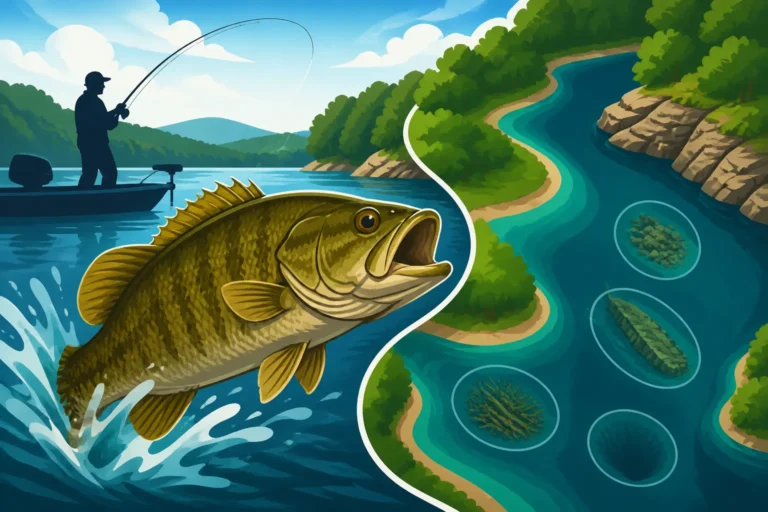
Taylorsville Lake is often lauded as one of Kentucky's premier bass fisheries. Both largemouth and smallmouth bass thrive here, offering exciting challenges and rewarding catches. Knowing where to focus your efforts for these popular game fish can dramatically improve your success rate, whether you're chasing trophy-sized hawgs or just looking for steady action.
Targeting the Spring and Fall Bass Bites
Spring at Taylorsville Lake is a fantastic time for bass fishing, as these fish move into shallower waters for their spawning rituals. As water temperatures climb into the 50s and 60s, you'll want to concentrate on the numerous shallow coves and creek arms. Places like Van Buren Branch, Possum Ridge, and the upper reaches of the Salt River arm become particularly active. Look for areas with a mix of submerged timber, laydowns, and emerging grass beds, as these provide ideal spawning cover. Casting crankbaits, spinnerbaits, or even a classic Texas-rigged plastic worm into these areas can be incredibly effective. Remember, a stealthy approach is often best, as these fish can be skittish during the spawn. For more general advice on when the bass bite peaks, check out our guide on Kentucky Bass Fishing: The April-May Peak Season.
Fall is another phenomenal season for bass on Taylorsville. As the water cools, baitfish start to congregate, and bass go on a feeding frenzy to bulk up for winter. This "fall turnover" often pushes baitfish towards the backs of coves and creek channels, making these areas prime targets. Focus on points, channel swings, and the abundant standing timber. Ripping lipless crankbaits through submerged grass, working jerkbaits along drop-offs, or tossing a jig around wood cover can be highly productive. The bass are often aggressive in the fall, making for some truly memorable fishing trips. Keep an eye on local fishing reports, as bass movements can vary slightly year to year based on water conditions and temperature drops.
Summer and Winter Bass Strategies
Summer bass fishing on Taylorsville Lake often means heading to deeper water or targeting early morning and late evening bites in shallower areas. During the heat of the day, largemouth bass will typically retreat to cooler, oxygen-rich depths, often relating to the main river channel, deeper timber stands, or significant drop-offs. Carolina rigs, deep-diving crankbaits, or slow-dragging a football jig along ledges can entice these deeper fish. Look for concentrations of baitfish on your fish finder, as bass will often be close by. Fishing topwater lures around dawn and dusk in shaded coves or along grass lines can also yield explosive strikes, providing an exciting alternative to deep-water tactics.
Winter fishing for bass at Taylorsville requires patience and a slower presentation. The bass will typically hold in deeper water, often in large schools near vertical cover or on main lake points and channel bends. Locations like the area near the dam, or the deeper sections of major creek arms, can be excellent. Vertical jigging spoons, slow-rolling spinnerbaits, or fishing a shaky head worm can coax strikes from cold, lethargic bass. The key is to fish slowly and methodically, allowing the fish plenty of time to react. While fewer in number, winter bass tend to be larger, making the effort worthwhile for dedicated anglers.
Crappie Hotspots and Seasonal Movements
Crappie are another beloved species at Taylorsville Lake, providing consistent action and delicious table fare. Both black and white crappie call this lake home, and understanding their seasonal movements and preferred habitats is crucial for consistent success. If you're looking for an excellent crappie bite, Taylorsville delivers, especially during the prolific spring spawn.
Finding Crappie During the Spawn
The crappie spawn at Taylorsville Lake is arguably the most anticipated time of year for many anglers. As water temperatures climb into the mid-50s to low 60s, typically from late March through May, crappie move into shallow coves and bays to lay their eggs. Excellent areas to target during this period include the backs of Possum Ridge Creek, Van Buren Branch, and the numerous smaller coves lining the main lake. Look for submerged brush, fallen trees, and shallow weed beds where crappie will stage and spawn. You'll often find them just a few feet deep, making them accessible to both boat and bank anglers.
Small jigs, tipped with minnows or soft plastic trailers in colors like chartreuse, white, or black-and-chartreuse, are incredibly effective during the spawn. Presenting these under a slip bobber or simply casting and slowly retrieving can draw strikes. Many anglers also find success spider rigging, presenting multiple baits at varying depths from the front of their boat. Remember that crappie are often schooling fish, so if you catch one, there are likely many more in the vicinity. For a more detailed look at this exciting season, consider our guide on Kentucky Crappie Fishing: Spring Spawn Run Guide.
Deep Water Crappie Tactics
While the spring spawn gets a lot of attention, Taylorsville Lake offers excellent deep-water crappie fishing throughout the rest of the year. During summer, crappie often retreat to cooler, deeper sections of the lake, congregating around submerged timber, brush piles, and the main river channel ledges. Key areas include the deeper creek channels in the lower lake, particularly near the dam and major creek mouths. These fish will hold anywhere from 10 to 25 feet deep, sometimes even deeper depending on oxygen levels and baitfish presence.
Vertical jigging with heavier jigs or live minnows is a go-to tactic for deep-water crappie. Using a fish finder to locate schools of crappie relating to structure is absolutely essential for this type of fishing. Once you pinpoint a school, position your boat directly over them and drop your bait. You might also find success slow trolling multiple jigs at different depths using a spider rigging setup, covering more water until you find the active depth. As temperatures drop in fall and winter, crappie will continue to use these deeper structures, often suspending over the old river channel or concentrating in dense timber stands, providing consistent action for those willing to brave the cooler weather.
Productive Catfish and Panfish Zones
Beyond bass and crappie, Taylorsville Lake is a fantastic destination for anglers seeking a rewarding fight with catfish or a relaxing day catching plentiful panfish. These species offer diverse fishing experiences, from the powerful tug of a large blue catfish to the consistent nibble of a feisty bluegill. Knowing where to find them and what baits they prefer will ensure a productive outing.
Setting Up for Channel and Flathead Catfish
Taylorsville Lake supports a healthy population of channel catfish, and if you're lucky, you might even tie into a beefy flathead. Channel catfish are abundant throughout the lake and are often found in deeper areas of creek channels, the main Salt River channel, and around submerged timber. They're opportunistic feeders, making them relatively easy to catch. During warmer months, you'll find them active in the evenings and at night, but they can be caught throughout the day, especially in stained water or on cloudy days.
For channel catfish, popular baits include cut bait (shad or skipjack), chicken livers, nightcrawlers, and various prepared "stink baits." A simple bottom rig with a 1/2 to 1-ounce sinker, a swivel, and an appropriately sized hook (like a 2/0 or 3/0 circle hook) is usually all you need. Focus your efforts in the main river channel, particularly near bends or deep holes, and around fallen trees. Flathead catfish, on the other hand, prefer live bait and often hide in heavy cover like log jams and deep holes. Targeting these requires a more patient approach with large live bluegill or shad. While not as renowned as the Ohio River for massive catfish, Taylorsville still offers plenty of opportunities for a great catfishing trip.
Bluegill and Redear Sunfish Beds
For a relaxed day of fishing that's perfect for families and beginners, targeting bluegill and redear sunfish at Taylorsville Lake is an excellent choice. These panfish are abundant and relatively easy to catch, providing consistent action that keeps spirits high. You'll find bluegill and redear primarily in the shallower, vegetated coves and protected bays throughout the lake. As spring progresses into early summer, look for their distinctive "beds" – circular depressions on the bottom in 1-5 feet of water, often near submerged logs or lily pads.
Small live baits like redworms, crickets, or mealworms fished under a bobber are incredibly effective for panfish. Tiny jigs or even small beetle spins can also entice a bite. The areas around Taylorsville Lake State Park and the Van Buren Boat Ramp offer excellent opportunities for bank anglers to find these eager biters. Redear sunfish, also known as shellcrackers, tend to prefer harder bottoms and are excellent at crushing small snails and mussels, so a small jig tipped with a piece of worm fished near the bottom in known shellcracker territory can be very productive. These fish, while small, offer a strong fight on ultralight tackle and are delicious fried up for a classic Kentucky meal.
Public Access Points: Ramps, Piers, and Bank Fishing
Getting onto and around Taylorsville Lake is relatively straightforward thanks to well-maintained public access points. Whether you're planning to launch a boat, cast from the shore, or fish from a designated pier, Taylorsville has options to suit various preferences. Knowing where these access points are and what facilities they offer can help you plan your fishing trip more efficiently.
Key Boat Ramps and Their Amenities
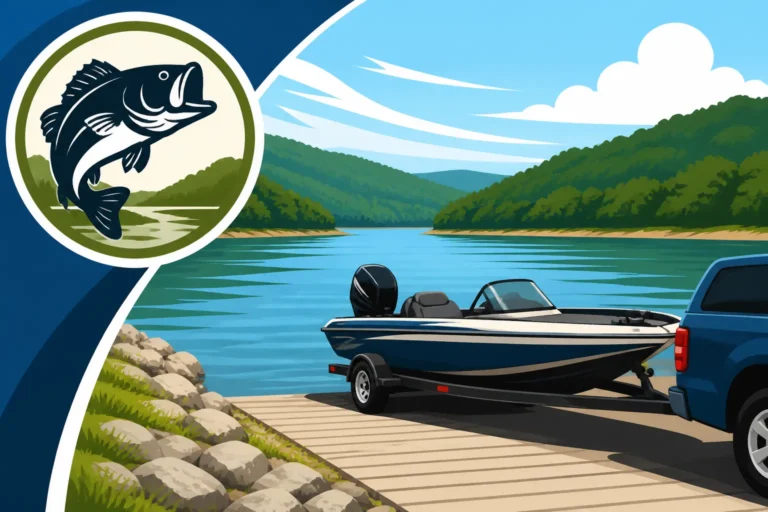
Taylorsville Lake features several excellent boat ramps that provide easy access for anglers with all sizes of boats. The most popular and well-equipped include the Taylorsville Lake State Park Ramp, Chowning Lane Ramp, and Van Buren Boat Ramp.
The Taylorsville Lake State Park Ramp is arguably the most comprehensive access point. Located within the state park, it boasts multiple launching lanes, ample paved parking, clean restroom facilities, and often has staff on-site during peak seasons. This ramp is ideal for larger bass boats, pontoon boats, and recreational craft. Its central location also provides good access to both the upper and lower sections of the lake, making it a favorite for tournaments and serious anglers. This ramp is almost always well-maintained and provides a smooth launch experience. You can find more details about general boat ramp usage in our guide to Boat Trailer Tips for Kentucky Boat Ramps.
The Chowning Lane Ramp is another excellent option, located on the northern side of the lake. It typically has good parking and multiple lanes, though it can get busy on weekends. This ramp often provides quicker access to the lake's middle and upper sections, which are popular for both bass and crappie fishing due to the extensive timber and coves. It’s a solid choice if you're looking to explore the Salt River arm more extensively.
The Van Buren Boat Ramp, situated further up the Salt River arm, is excellent for accessing the shallower, timber-filled waters of the upper lake. It's often favored by crappie anglers and those targeting bass in the riverine section. While perhaps not as grand as the State Park ramp, it offers crucial access to these productive areas. All these ramps are generally well-maintained by the Kentucky Department of Fish and Wildlife Resources or Taylorsville Lake State Park, ensuring a reliable launching experience.
Accessible Bank Fishing Areas
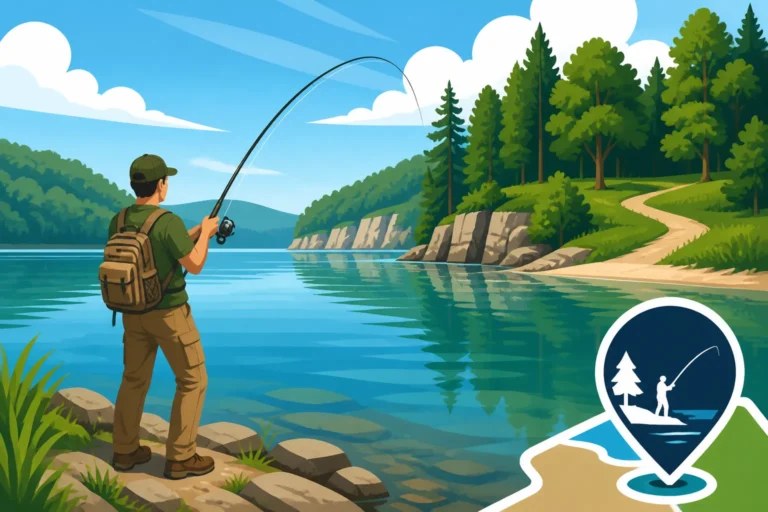
Not everyone has a boat, and thankfully, Taylorsville Lake offers some fantastic opportunities for bank fishing, making it accessible to a wider range of anglers. The most popular and well-developed bank fishing access is found within Taylorsville Lake State Park. The park features several designated fishing piers and ample shoreline access, particularly around the campground and day-use areas. These spots often have mowed grass and relatively easy walks to the water, making them ideal for families with children or anglers with mobility considerations. You can find more specific information on these kinds of spots by looking at Taylorsville Lake State Park Shore Fishing Access.
Another excellent area for bank fishing is near the Van Buren Boat Ramp. While primarily a boat launch, the surrounding shoreline and creek mouths offer good opportunities to cast from the bank, especially during the crappie and bass spawn when fish move shallow. You'll often find anglers wading or casting near the boat ramp itself, as fish tend to congregate around these structures. Additionally, scattered informal access points exist along roads that border the lake, though these may require a bit more exploration and attention to private property signage. Always be respectful of private land and follow posted regulations. For a successful bank fishing trip, remember to pack light, wear comfortable shoes, and bring a small tackle box with versatile baits like worms, crickets, or small jigs.
Navigating Taylorsville Lake Regulations and Best Practices
Fishing on any public water body in Kentucky, including Taylorsville Lake, comes with a set of rules and guidelines designed to protect the fishery and ensure a sustainable resource for everyone. Understanding these regulations, along with adopting best practices, is crucial for both legal compliance and a positive impact on the lake's health.
Understanding Statewide and Lake-Specific Limits
First and foremost, every angler 16 years and older needs a valid Kentucky fishing license. Whether you're a resident or non-resident, an annual or a 1-day license, make sure it's current. You can find all the details on how to get one in our Kentucky Fishing License Guide. Taylorsville Lake generally adheres to Kentucky's statewide fishing regulations for most species, but it's always wise to double-check the current Kentucky Department of Fish and Wildlife Resources (KDFWR) fishing guide, available online or at most license vendors, for any lake-specific exceptions.
For largemouth bass, the statewide regulation is typically a 12-inch minimum size limit with a daily creel limit of 6 fish. Smallmouth bass usually share this limit. Crappie often have a daily limit of 20 fish, with no minimum size limit statewide, but some lakes might have exceptions. Catfish limits vary by species, with channel and blue catfish often having a combined daily limit of 15 fish, with only one blue catfish over 25 inches. Flathead catfish often have a lower daily limit, sometimes just 5 fish, with no size limit. Panfish like bluegill and redear sunfish generally have no size or creel limits. However, regulations can and do change, so verifying the most current information before you head out is non-negotiable. Our article on Statewide Bag and Size Limits by Fish Species offers a great overview, but Taylorsville-specific rules should always be confirmed.
Essential Safety and Conservation Tips
Beyond the regulations, practicing good ethics and safety is paramount on the water. When boating, ensure you have all required safety equipment on board, including Coast Guard-approved life jackets for every occupant, a fire extinguisher if your boat has an enclosed engine, and sound-producing devices. Children under 12 must wear a life jacket while underway. These are not just rules; they're lifesavers. For a comprehensive list, consult our guide on Essential Safety Gear for Every Boat in Kentucky.
Conservation is also a responsibility we all share. Practice catch and release, especially for larger bass and any fish that fall outside the legal harvest limits, to help maintain healthy breeding populations. If you decide to keep fish, only take what you need and are allowed. Dispose of all trash properly – pack it in, pack it out. Never leave fishing line, lures, or bait containers on the shore or in the water. Consider using a reputable service like FishingBooker if you're looking to hire a guide who is knowledgeable about local regulations and conservation efforts, ensuring a responsible and ethical fishing experience. By following these guidelines, we contribute to keeping Taylorsville Lake a fantastic fishing destination for generations to come.
Planning Your Taylorsville Lake Fishing Trip: Local Insights and Resources
Successfully planning a fishing trip to Taylorsville Lake involves more than just knowing where the fish are; it also means understanding the nuances of the lake, leveraging local knowledge, and utilizing available resources. From bait shop chatter to online forecasts, every piece of information helps paint a clearer picture for your angling adventure.
Best Times to Fish and Local Advice
Timing can be everything when it comes to fishing, and Taylorsville Lake is no exception. While fish can be caught year-round, certain periods offer peak opportunities. As we discussed, spring during the bass and crappie spawns (late March through May) is prime time, with fish moving shallow and being highly active. Fall, particularly from September through October, is another fantastic period as fish feed aggressively before winter. Even summer can be productive, especially during early morning and late evening hours when temperatures are cooler. Winter fishing, though slower, can yield some of the largest fish for patient anglers willing to brave the cold.
Local bait shops are invaluable resources for up-to-the-minute information. Shops like Taylorsville Marine or local gas stations near the lake often carry fishing supplies and, more importantly, have owners and staff who are passionate anglers themselves. They can tell you what baits are currently working, what depths fish are being caught at, and even point you toward specific productive areas. Don't be shy about striking up a conversation! Online fishing forums and local Facebook groups dedicated to Taylorsville Lake fishing can also provide a wealth of real-time insights from fellow anglers.
Harnessing Technology and Local Guides
In today's age, technology plays a significant role in successful fishing, and Taylorsville Lake is no different. Utilizing weather apps for real-time wind conditions, temperature, and precipitation forecasts can help you prepare for your day. Fish finders, particularly those with side imaging or down imaging capabilities, are incredibly helpful for locating submerged timber, brush piles, and creek channels where fish congregate. Navionics or other mapping apps can provide detailed topographical maps of the lakebed, showing old roadbeds, contours, and potential hotspots before you even launch your boat.
If you're new to Taylorsville Lake or want to maximize your chances of success, consider hiring a local fishing guide. A guide knows the lake intimately, understands seasonal patterns, and can put you on fish quickly, saving you valuable time and effort. Services like FishingBooker can help you find experienced, licensed guides who specialize in Taylorsville Lake and specific target species, whether you're after bass, crappie, or catfish. They provide all the necessary gear and can teach you effective techniques specific to the lake. It's an investment that often pays off with both knowledge gained and fish caught.
Taylorsville Lake Fishing Hotspots and Access Overview
To give you a clearer picture of some of the best areas and access points on Taylorsville Lake, here's a quick overview. Remember, conditions can change, so always refer to the latest KDFWR regulations and local reports.
| Location / Access Point | Primary Species Targeted | Key Features / Habitat | Best For | Access Type |
|---|---|---|---|---|
| Taylorsville Lake State Park | Bass, Crappie, Panfish | Timber, coves, brush piles | Boaters, families, bank fishing, camping | Ramp & Bank |
| Chowning Lane Ramp | Bass, Crappie, Catfish | Main lake points, creek mouths | Boaters seeking mid-lake access | Ramp |
| Van Buren Boat Ramp | Crappie, Bass | Shallow timber, riverine section | Boaters targeting upper lake, some bank | Ramp & Bank |
| Possum Ridge Creek | Bass, Crappie | Extensive coves, standing timber | Spring/Fall spawn, cover fishing | Boat |
| Salt River Arm (Upper) | Crappie, Catfish, Bass | River channel, shallow timber | Current-oriented fish, shallow water tactics | Boat |
| Near the Dam (Lower Lake) | Bass, Catfish, Deeper Crappie | Deep water, channel swings, ledges | Summer/Winter fishing, larger fish | Boat |
This table provides a snapshot, but remember that the true joy of fishing Taylorsville Lake often comes from exploring and finding your own hidden gems!
Disclaimer
Fishing conditions and regulations in Kentucky are subject to change. Always consult the most current Kentucky Department of Fish and Wildlife Resources (KDFWR) regulations before your trip. This guide is for informational purposes only and should not replace official KDFWR publications. Practice safe boating and fishing, and always respect private property.