White Crappie Size Limits in Kentucky
It's incredibly frustrating when you're just trying to enjoy a peaceful day on the water, only to realize you're not entirely sure about the latest fishing regulations, especially when it comes to specific fish like white crappie. You want to do the right thing, avoid any trouble, and help preserve the fishery for the future, but the rules can sometimes feel like a moving target. This guide is here to clear up all the confusion around white crappie size limits in Kentucky, helping you understand the statewide rules and any crucial exceptions so you can fish with confidence and peace of mind.
Understanding Kentucky's Statewide Crappie Regulations
When you're out on the lakes and rivers of Kentucky, chasing after those delicious crappie, it's easy to assume there's a blanket rule for everything. However, fishing regulations are often more nuanced, designed to manage specific fish populations and water bodies effectively. For white crappie, in particular, Kentucky takes a slightly different approach than some other states or even other species within its own borders. It’s important to grasp these fundamentals before you even cast your first line.
The General Rule: No Statewide Size Minimum for Crappie
This might surprise a lot of anglers, especially those who fish for bass or other species where a minimum length is a common requirement. But for the vast majority of public waters in Kentucky, there is no statewide minimum size limit for white crappie (or black crappie, for that matter). This means that if you catch a crappie, regardless of whether it's 7 inches or 12 inches, you are generally legally allowed to keep it, provided you stay within the daily creel limit. This often makes crappie fishing feel a little more straightforward, but it doesn't mean you can just keep every single fish you catch.
This lack of a statewide size limit is a management decision based on the biology of crappie populations. Crappie are prolific spawners, and in many lakes, they can actually overpopulate, leading to stunted growth if too many small fish compete for limited food resources. By not imposing a minimum size, wildlife agencies can encourage anglers to harvest smaller fish, which helps to thin the population, reduce competition, and ideally, lead to faster growth rates for the remaining fish. It's a different strategy than protecting larger, slower-growing species like trophy bass, where larger fish are often vital for strong genetics and spawning success. You can learn more about general crappie rules in our Kentucky Crappie Daily Limit Rules guide.
So, when you're on popular spots like Kentucky Lake or Lake Barkley, you won't be fumbling with a measuring tape for every crappie. Your focus can be on hitting that daily limit and enjoying the bite. This can be a huge relief, especially for those family fishing trips where kids are just excited to catch anything, regardless of its size. It simplifies the process and allows for a more relaxed angling experience, which is part of what makes crappie fishing so popular across the Bluegrass State.
Daily Limits and How They Apply to White Crappie
While there might not be a statewide size limit for white crappie, there absolutely is a statewide daily creel limit, and it's something every angler needs to know and respect. In most Kentucky waters, the daily limit for crappie (which includes both white and black crappie combined) is 20 fish per person. This means that once you've landed twenty crappie, your crappie fishing for the day is done, even if you haven't filled up your cooler with the biggest slabs.
It’s crucial to understand that this 20-fish limit applies to the combined total of both white and black crappie. You can't keep 20 white crappie and then another 20 black crappie. It's a collective limit to ensure sustainable harvest across both species. This rule is in place to prevent overfishing and ensure that there are plenty of crappie left for future generations of anglers. Ignoring this limit isn't just unethical; it can lead to serious penalties, as discussed in our article Penalties for Fishing Without a License in Kentucky, which can also apply to violating other fishing regulations.
Imagine you're having an incredible day on a local pond, and the white crappie are practically jumping into your boat. It's easy to get caught up in the excitement and lose count. That's why many experienced anglers use a clicker counter or simply separate their catch into specific sections of their livewell or cooler to keep an accurate tally. Being mindful of that 20-fish mark throughout your day is just as important as knowing there's no size restriction. It's all part of being a responsible and conservation-minded angler in Kentucky.
The Notorious Exception: Barren River Lake's Crappie Size Limit
Just when you think you've got the crappie rules figured out, Kentucky throws a curveball. While the statewide rule is "no size limit," there is one significant exception that every crappie angler heading to south-central Kentucky needs to be aware of: Barren River Lake. This specific body of water has its own unique set of regulations, and if you're caught unaware, it could lead to an unfortunate interaction with a game warden.
Why Barren River Lake Stands Out: A Specific Management Strategy
Barren River Lake is a bit of an anomaly when it comes to crappie regulations in Kentucky, and for good reason. Unlike most other lakes where crappie populations are managed without a minimum length, Barren River Lake has a specific goal: to foster a population of larger, more desirable crappie. To achieve this, the Kentucky Department of Fish and Wildlife Resources (KDFWR) implemented a 10-inch minimum size limit for crappie on this lake. This means any crappie you catch that measures under 10 inches must be immediately released back into the water.
This regulation isn't arbitrary; it's a strategic move by fisheries biologists. They likely observed that crappie in Barren River Lake could benefit from being allowed to grow larger, perhaps due to factors like less competition, better forage, or a desire to create a "trophy" crappie fishery that attracts anglers looking for bigger fish. By protecting the smaller crappie, the hope is that more fish will survive to reach that coveted 10-inch mark and beyond, offering a more rewarding experience for anglers and a healthier overall population structure. It’s a great example of how Why Kentucky Fishing Limits Vary From Lake to Lake and how specific management plans work.
So, if you're planning a trip to Barren River Lake Fishing Guide for Kentucky Anglers, you absolutely need to etch that 10-inch minimum into your memory. It dramatically changes how you fish and what you can keep compared to a trip to, say, Green River Lake or Rough River Lake. This focus on growing larger fish makes Barren River Lake a unique and often productive destination for crappie enthusiasts willing to abide by the special rules.
Navigating the 10-Inch Minimum at Barren River
Fishing Barren River Lake for crappie requires a bit more diligence than other Kentucky waters. The 10-inch minimum means that every single crappie you bring into your boat needs to be measured before you decide whether to keep it. This isn't just a suggestion; it's law. If a game warden checks your cooler and finds crappie under 10 inches, you'll be facing a citation, even if you’re under the daily creel limit.
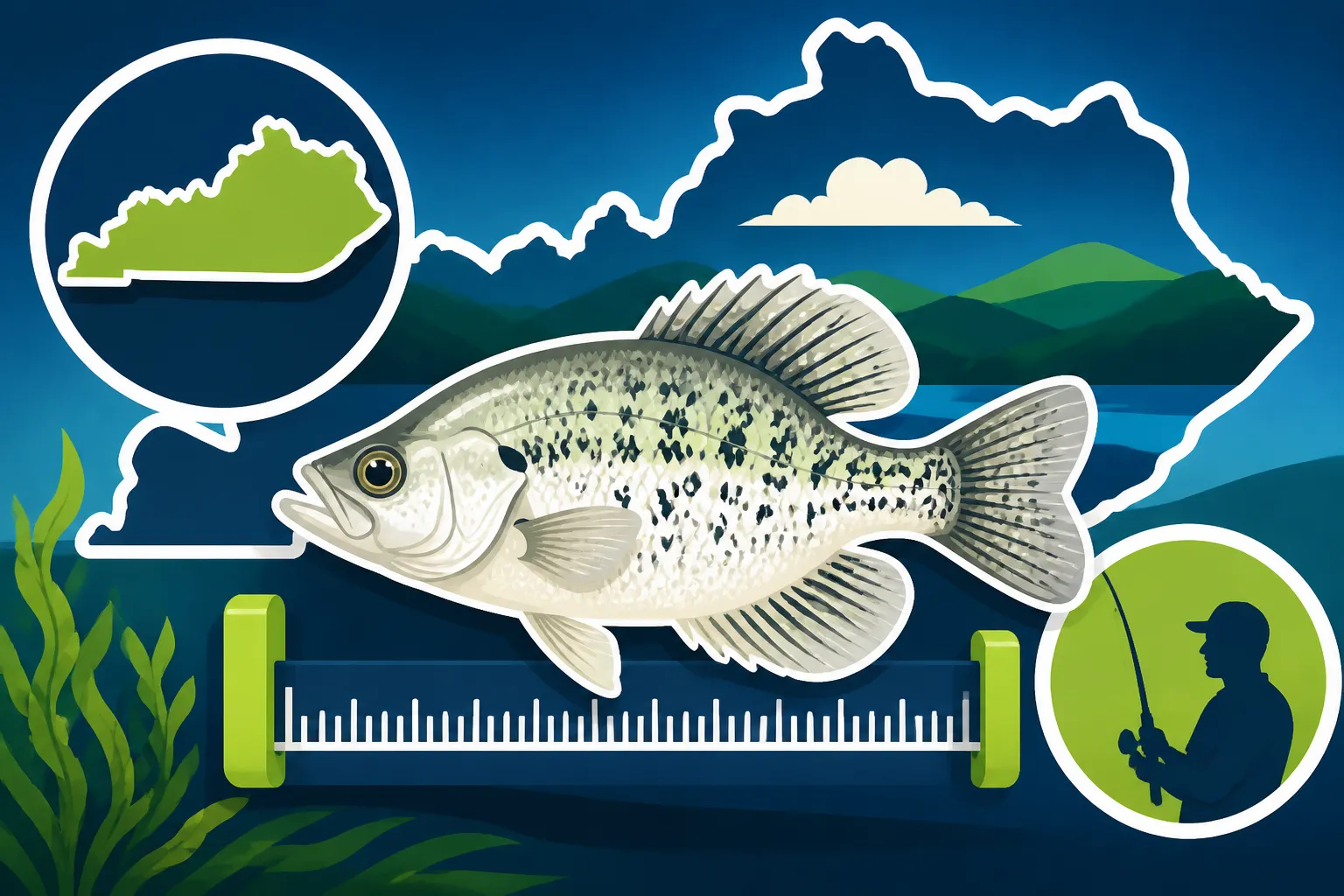
This is where having the right gear becomes essential. A reliable measuring board or a sturdy bump board is an absolute must-have for Barren River Lake. You can find excellent, easy-to-use measuring devices on sites like Amazon, often integrated into tackle boxes or available as stand-alone accessories. Make sure your measuring device is clearly marked and easy to read, especially if you're trying to measure a squirming fish while on the water. It’s always best to be prepared rather than guessing. Our guide on Barren River Lake Crappie Size Limit in Kentucky goes into even more detail about this specific regulation.
A common scenario might be a beautiful spring day on Barren River Lake. You're hitting a brush pile, and the crappie bite is on! You catch a 9-inch crappie. Your instinct might be to put it in the livewell, especially if you’re used to other lakes. But at Barren River, that fish goes right back in the water. Then you catch an 11-inch slab—that one’s a keeper! You need to have that discipline and mental checklist for every fish. It's about respecting the specific management goals of that lake and contributing to its success as a quality crappie fishery.
Practical Advice for Anglers: Staying Compliant and Fishing Smart
Understanding the rules is one thing, but actually implementing them on the water is another. It’s easy to get distracted by the thrill of the catch, the changing weather, or simply enjoying the company of friends. However, a little preparation and a few smart habits can make all the difference in ensuring you stay compliant with Kentucky's crappie regulations.
Essential Tools for Measuring Your Catch
Even with no statewide size limit, having a measuring device on hand is always a good idea, not just for Barren River Lake, but for general compliance. Why? Because you might occasionally venture to a lake with special regulations you weren't aware of, or perhaps you're targeting other species that do have size limits. A simple, floating measuring board or a peel-and-stick ruler on your cooler or boat deck can save you a lot of headaches. Plus, it's just good practice for documenting your catches!
When choosing a measuring device, consider durability and ease of use. A folding plastic board that floats, like many models you'll find on Amazon, is incredibly practical for kayak or bank fishing. For boaters, a permanent decal ruler on the gunnel or a dedicated bump board in the livewell works wonders. The key is to have something that provides an accurate measurement quickly, allowing you to release fish efficiently if they don't meet the criteria, minimizing stress on the fish. This simple piece of gear is a non-negotiable for any serious angler, particularly when navigating specific regulations.
Think about it: even if you’re primarily fishing a lake without a size limit, having that ruler means you can definitively say, "Yep, that crappie was 13 inches!" when you're bragging to your friends. More importantly, it ensures you’re ready for any situation, from a random check by a game warden to a spontaneous trip to a lake with stricter rules. It's a small investment for a lot of peace of mind.
How to Confirm Regulations for Any Waterbody
This is perhaps the single most important piece of advice for any angler in Kentucky: always check the current regulations for the specific body of water you plan to fish before you go. Regulations can change, and what was true last year might not be true today. Relying solely on word-of-mouth or outdated printouts is a recipe for trouble. The KDFWR website is your best friend here, offering a comprehensive and up-to-date guide to all statewide and site-specific regulations. You can find detailed information under their fishing and boating sections, including specific lake listings.
A smart move is to download or print out the relevant pages from the KDFWR website or their annual fishing guide for the specific lake you're visiting. Keep it in your tackle box, boat, or even saved on your smartphone. This way, if there's ever a question about a daily limit, size restriction, or even what fish species are allowed to be harvested, you have the authoritative answer right at your fingertips. Our general guide Kentucky Fishing Regulations Explained also offers a good overview of how to find and understand these rules.
Even popular fishing apps often pull their regulatory data directly from state agencies, making them another convenient option for quick checks on the water. However, always confirm the app is up-to-date. Taking a few minutes to verify regulations might seem tedious, but it's far better than facing a fine or, worse, inadvertently harming the fish population you love to pursue. Your diligence helps everyone enjoy Kentucky's fantastic fishing opportunities responsibly.
Beyond the Limits: Responsible Crappie Fishing in Kentucky
Fishing isn't just about what you can legally keep; it's also about ethics, conservation, and understanding the role you play in maintaining healthy fish populations. For crappie anglers in Kentucky, especially given the general lack of a statewide size limit, these considerations become even more prominent.
Catch and Release vs. Keeping Your Crappie
Since many lakes don't have a minimum size limit for crappie, anglers have a personal choice to make about what they keep and what they release. Just because you can keep a 7-inch crappie doesn't always mean you should. Many anglers choose to release smaller crappie, aiming to harvest only "slab" crappie, typically 9-10 inches and larger, for their dinner table. This practice, while not legally mandated, is a great way to contribute to a healthier fishery. By releasing smaller fish, you allow them more time to grow, potentially contributing to future generations of large crappie.
On the flip side, in lakes where crappie populations are known to be overpopulated and stunted, keeping smaller fish can actually be beneficial for the overall health of the fishery. In these scenarios, harvesting smaller crappie reduces competition for food and space, allowing the remaining fish to grow faster and larger. This is often the reasoning behind the "no size limit" rule in the first place. So, understanding the specific conditions of the lake you're fishing can help you make a more informed and responsible decision about your catch. You can find out more about Kentucky Crappie Fishing: Black and White Crappie Guide in our dedicated article.
Ultimately, the decision of whether to keep or release legal-sized crappie often comes down to personal preference and your understanding of the local fishery. Are you looking for a meal, or are you hoping to help grow the next generation of trophy crappie? Both are valid approaches within the legal framework, but taking a moment to consider the impact of your actions is a hallmark of a truly responsible angler. Remember, the daily limit of 20 fish still applies, so even if you're only keeping big ones, you still have a cap on your harvest.
Understanding Crappie Population Dynamics and Conservation
Crappie are fascinating fish, and their populations can fluctuate dramatically based on environmental factors like water levels, food availability, and spawning success. Fisheries managers continuously study these dynamics to set appropriate regulations. The reason Barren River Lake has a 10-inch minimum, while most other lakes don't, is a direct reflection of these complex dynamics and the specific management goals for each waterbody.
By adhering to regulations, whether it’s the 20-fish daily limit or a site-specific size restriction, you are directly participating in the conservation efforts that keep Kentucky's fisheries vibrant. It's a collective responsibility that ensures everyone, from seasoned veterans to kids on their first fishing trip, can enjoy the thrill of catching crappie for years to come. Thinking about the long-term health of the fishery is a crucial aspect of ethical angling.
White Crappie Regulation Summary Table
To help visualize the key differences, here's a quick summary of white crappie regulations in Kentucky:
| Regulation Type | Most Kentucky Waters (Statewide) | Barren River Lake (Exception) |
|---|---|---|
| Minimum Size Limit | None | 10 inches |
| Daily Creel Limit | 20 fish (combined crappie) | 20 fish (combined crappie) |
| Primary Goal | Manage population density, prevent stunting | Promote larger, quality fish |
| Angler Action | Count daily catch | Measure every fish, count daily catch |
This table clearly illustrates why it's so important to know your specific fishing destination. A little research upfront can prevent a lot of headaches later on. The next time you're planning a trip, be sure to check the Kentucky Fishing License Guide and the specific rules for your chosen lake.
Remember, every time you make an informed decision on the water, you're not just avoiding a fine; you're actively contributing to the health and sustainability of Kentucky's incredible crappie fisheries. Tight lines, and happy fishing!
Disclaimer
This article is for general informational purposes only and does not constitute professional advice. Laws, prices and regulations vary by location and change over time. Consult a qualified professional for guidance on your specific situation.