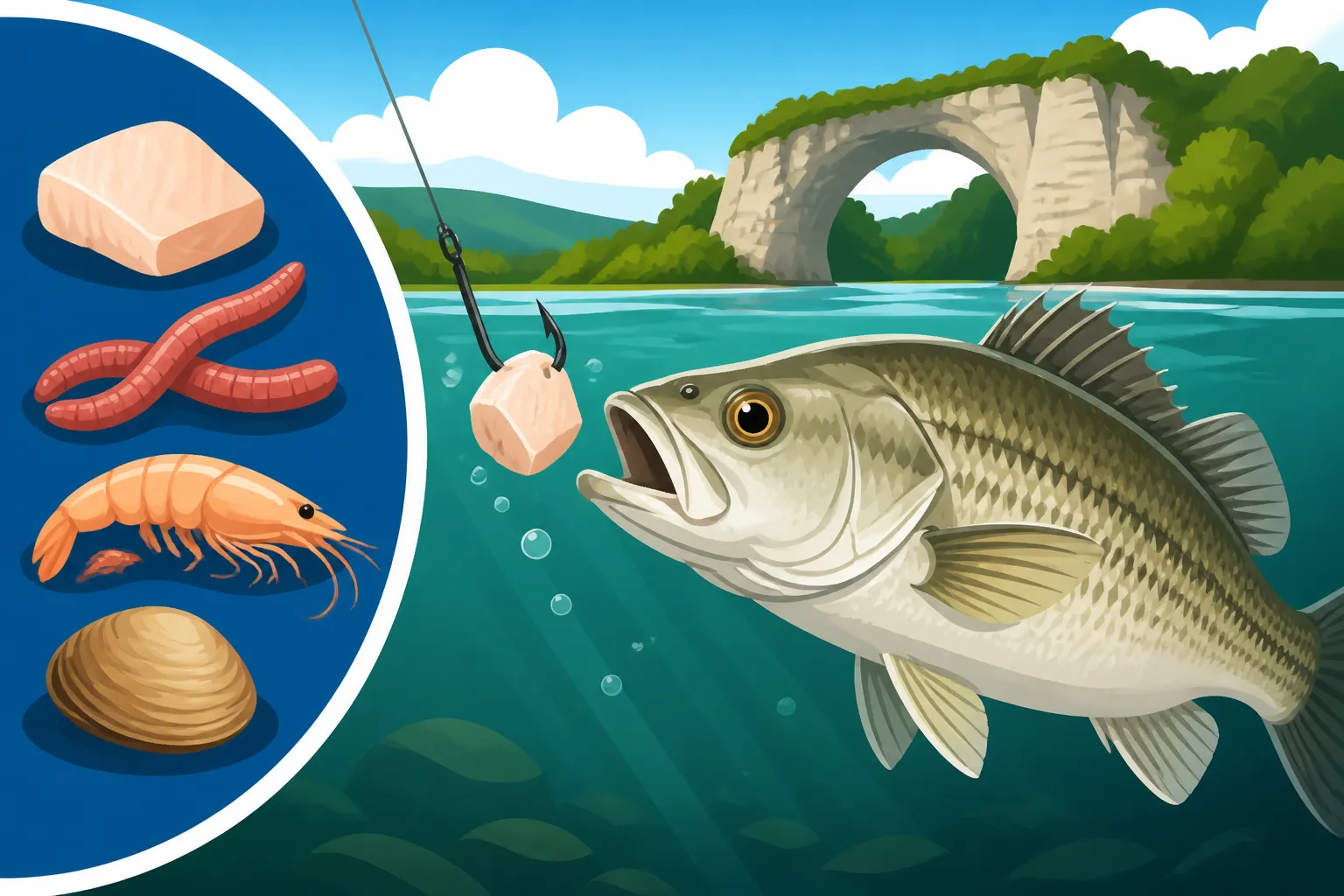
Best Bait for Freshwater Drum in Kentucky
Let's be honest, when you think about fishing in Kentucky, your mind probably jumps straight to those monster largemouth bass, hard-fighting smallmouths, or the massive catfish that lurk in our big rivers. But tucked away in those same waters, often overlooked and underestimated, is a true scrappy fighter: the freshwater drum. Many anglers struggle to consistently hook into them, wondering what bait truly cuts through the noise and gets these bottom dwellers to bite. This guide is all about revealing the best baits for freshwater drum in Kentucky, giving you the insider tips to turn a frustrating day into a rewarding one.
The Overlooked Fighter: What is a Freshwater Drum?
For many, the freshwater drum is a bit of a mystery, or worse, considered a "trash fish." But I'm here to tell you, that couldn't be further from the truth! These fish are feisty, fun to catch, and can grow to an impressive size. Understanding what makes them tick is the first step to successful drum fishing.
Demystifying Kentucky's Sheepshead
So, what exactly is a freshwater drum? Well, if you've ever seen one, you might have noticed its silvery-gray body, often with a slightly humped back, and a mouth that points downward, perfect for rooting around on the bottom. In some parts of the country, especially those with coastal fishing, they're affectionately (or not-so-affectionately) called "sheepshead" due to their somewhat blunt face and crushing teeth, though they're not related to the saltwater sheepshead at all. Here in Kentucky, they're often just "drum" or sometimes "gaspergou," and they're found in almost all of our larger rivers and lakes, from the Ohio River to Kentucky Lake and Lake Barkley. They're a truly widespread species that deserves more attention from anglers. They might not be as glamorous as a bass, but they pull hard and offer a thrilling fight, especially on lighter tackle.
They're not picky about water quality like some other species, and you'll find them thriving in both clear and turbid waters. This adaptability makes them a prime target in many of Kentucky's varied fisheries. While some folks are happy to throw them back, they are actually quite good to eat, especially the smaller ones, offering a mild, white flaky meat that can be delicious if prepared properly. Don't let their reputation fool you; they're an integral part of Kentucky's aquatic ecosystems and a blast to catch once you figure them out.
Understanding Their Bottom-Feeding Habits
The key to catching freshwater drum lies in understanding their natural diet and how they feed. These aren't ambush predators like a largemouth bass, nor are they strictly filter feeders. Drum are primarily benthic feeders, which is a fancy way of saying they spend their time grubbing around on the bottom. Their downward-pointing mouth is perfectly designed for this. What are they looking for down there? A smorgasbord of invertebrates! Think insect larvae, small crustaceans like crayfish, mussels, and snails. They're also not above munching on smaller fish if the opportunity arises.
Their unique pharyngeal teeth, which are located in their throat, are incredibly strong and allow them to crush the shells of mussels and snails with ease. This adaptation tells you a lot about what they prefer to eat and, consequently, what baits will be most effective. If your bait doesn't resemble something they'd naturally root out of the mud or gravel, or if it doesn't give off a compelling scent that mimics their usual meals, you're going to have a tougher time. They're like underwater vacuum cleaners, constantly sifting through the bottom for a tasty snack, making baits that stay on the bottom and offer a strong natural scent incredibly appealing.
Top Bait Choices for Kentucky Freshwater Drum
Now that we know what a freshwater drum is and how they eat, let's dive into the good stuff: the baits that consistently put these feisty fish on your line here in Kentucky. It's all about mimicking their natural forage and appealing to their powerful sense of smell.
The Unbeatable Live Bait Advantage
When it comes to freshwater drum, live bait is often king. Nothing quite beats the natural movement and scent of something alive to trigger a strike from these bottom-dwelling connoisseurs.
Nightcrawlers: The Universal Appealer
If there's one bait you absolutely must have in your arsenal for freshwater drum, it's the humble nightcrawler. These worms are universally appealing to almost every fish species, and drum are no exception. They offer both visual appeal (wiggling enticingly on the bottom) and a strong, natural scent trail that drum can't resist. When rigging, don't be shy; a whole nightcrawler or even two threaded onto a hook, leaving a good portion to squirm, is often best. You can thread them on a worm hook or a small circle hook. Many anglers find success by lightly hooking them through the head, allowing the rest of the worm to move freely. You can often find jumbo nightcrawlers at local bait shops or even order them in bulk from places like Amazon.
Minnows and Small Baitfish: A Protein Punch
While worms are fantastic, sometimes drum are keyed into a more substantial protein source, especially larger drum. Small live minnows (like shiners or fatheads) or even small creek chubs can be incredibly effective. The erratic swimming motion of a live minnow can attract attention from a distance, and the flash and scent are irresistible. Rig these through the lips or just behind the dorsal fin, being careful not to hit the spine, on a small, sharp hook. This allows the minnow to swim naturally and present a tempting target. This bait works especially well in areas where drum might be actively feeding on schooling baitfish, or when they're simply looking for a bigger meal.
Crayfish: A Natural Delicacy
Kentucky's waters are teeming with crayfish, and drum absolutely love them. These crustaceans are a natural and significant part of a drum's diet, making them an incredibly effective bait choice. If you can get your hands on some live crayfish, you're in for a treat. Small to medium-sized crayfish are ideal. You can rig them by hooking them through the tail, ensuring the hook is secure but doesn't impede their movement too much. Be mindful of local regulations regarding the use of live crayfish as bait, as some areas may have restrictions to prevent the spread of invasive species. However, when legal and available, a live crayfish presented on the bottom is often a fast track to a drum bite.
Scent-Driven Success with Cut Baits
Sometimes, live bait isn't practical or available, or the drum are simply in a mood for a strong scent trail. This is where cut bait shines. The beauty of cut bait is its ability to disperse a powerful odor into the water, drawing fish in from a distance, especially in murky conditions.
Shad and Skipjack: Oily Goodness
Our larger Kentucky rivers and reservoirs, like the Ohio River and Kentucky Lake, are home to abundant shad and skipjack herring. These are incredibly oily fish, and that oil translates into a potent scent that freshwater drum, along with their bigger catfish cousins, absolutely adore. Take a fresh shad or skipjack and cut it into small, thumb-sized chunks. You can leave the skin on for added durability and flash. The fresher the cut bait, the better, as the oils and blood will be at their peak. These oily baits are often the secret weapon for anglers targeting larger drum, as the scent is simply too much to ignore for a hungry bottom feeder. Remember, a fresh piece of cut bait every 15-20 minutes can make a huge difference in attracting bites.
Panfish Pieces: Readily Available and Effective
If you're out on the water and don't have access to shad or skipjack, don't fret! Small panfish like bluegill or sunfish, cut into strips or chunks, can also be very effective. Just make sure you're using legally caught fish as bait and adhering to any size or bag limits that apply to those panfish. The key is to use fresh, oily pieces that will leach plenty of scent. You can even cut off just the head or tail section of a small panfish; the bones and meat will still release a good scent into the water. This is a fantastic option when you're fishing smaller lakes or ponds where panfish are abundant and can be caught easily as bait. The scent of a distressed, cut fish is a powerful attractant for opportunistic drum.
Prepared and Artificial Baits: When to Use Them
While live and cut baits are generally the most reliable for freshwater drum, there are times when prepared or even artificial options can surprisingly produce results. These are usually secondary choices but worth considering.
Stink Baits and Dough Balls: The Alternative Angle
"Stink baits" – often used for catfish – can sometimes tempt a curious drum, especially when it's mixed with a bit of natural ingredients. Think about those pungent, processed baits you might find at any outdoor sporting goods store or even on Amazon. While not specifically formulated for drum, their strong scent can draw in any bottom feeder. Dough balls, made from cornmeal, flour, and sometimes flavored with things like garlic or anise, are more of a traditional panfish bait, but if drum are actively rooting in an area, they might pick one up. These aren't my first choice, but in a pinch, or if you're experimenting, they can sometimes surprise you. The key is to make them durable enough to stay on the hook in current but soft enough for the fish to mouth.
Soft Plastics and Jigs: A Niche Application
Typically, drum aren't chasing lures, but there are exceptions. Small soft plastics, especially those that mimic worms or crayfish, fished slowly along the bottom with a jig head, can sometimes trigger a reaction strike. The "thump" of a jig hitting the bottom might mimic a drum rooting around, drawing in others. Colors like brown, black, or natural green that imitate crayfish or mudworms are good starting points. This method requires more active fishing than simply letting bait sit, but it can be a fun challenge. Keep your jig heads relatively light, allowing for a slow, controlled fall and plenty of bottom contact.
Rigging and Strategy for Drum Domination
Knowing the best baits is only half the battle. Presenting them correctly and knowing where to cast your line are equally crucial for consistent freshwater drum catches in Kentucky.
Essential Rigs for Bottom Dwellers
Since freshwater drum are almost exclusively bottom feeders, your rigging needs to be designed to keep your bait right in their strike zone.
The Carolina Rig: Versatile and Effective
The Carolina rig is a staple for a reason, and it's absolutely fantastic for drum. It consists of a barrel swivel, a leader (usually 12-24 inches), a hook, and a sliding sinker above the swivel, separated by a bead. The bead protects your knot from the sinker, and the sliding sinker allows the fish to pick up the bait and move off with it without feeling the weight of the sinker. This is crucial for shy bites. It keeps your bait firmly on the bottom but allows for natural movement. For a comprehensive guide, check out Bottom Fishing Techniques for Channel Catfish, as the principles are very similar for drum. I've found that a 1/2 to 1-ounce egg sinker or bullet sinker works well in most Kentucky currents and depths.
The Slip Sinker Rig: Simpler, Yet Still Solid
A close cousin to the Carolina rig, the slip sinker rig (sometimes called an egg sinker rig or simply a bottom rig) is even simpler. You just thread an egg sinker onto your main line, then tie on a barrel swivel, followed by a leader and a hook. No bead needed if you're using a strong enough knot. This rig also allows the fish to pull line without immediately feeling the resistance of the weight. It's quick to tie, effective, and less prone to snags in some situations. Both the Carolina and slip sinker rigs are excellent choices for presenting live bait or cut bait right where the drum are feeding.
The Three-Way Swivel Rig: For Heavier Current or Multiple Baits
In areas with stronger currents, like some stretches of the Ohio River, a three-way swivel rig can be advantageous. One eye of the swivel ties to your main line, another to a short leader with a sinker, and the third to a longer leader with your bait. This keeps your bait suspended just off the bottom, or firmly on it, while preventing the current from sweeping it away. It also allows for running multiple baits if local regulations permit, increasing your chances.
Locating and Luring Drum
You can have the best bait and rig in the world, but if you're not fishing where the drum are, it won't matter.
Where to Find Them: Structure, Current Breaks, and Deep Holes
Freshwater drum love structure. Look for them around fallen trees (called "laydowns"), rock piles, bridge pilings, and submerged humps or ledges. These areas provide cover and also tend to hold the invertebrates and baitfish that drum feed on. They also congregate in current breaks – spots where the flow of water slows down, allowing them to conserve energy and ambush food. This might be behind a large rock, in the slack water downstream of a point, or along the inside bend of a river. Deep holes and channels in rivers and lakes are also prime drum territory, especially during colder months or in the heat of summer when they seek more stable temperatures. Identifying these spots can be a game-changer; often your Best Catfish Fishing Spots on Kentucky's Ohio River will be excellent drum spots too.
Reading the Water for Drum Signs
Sometimes, drum will give themselves away. In shallower areas, you might see subtle boils or rises as they root around on the bottom. On calm days, you might even hear their characteristic "drumming" sound, a low thumping noise produced by muscles vibrating against their swim bladder, used for communication. While this is rare, it's an exciting indicator! More commonly, pay attention to current lines, changes in bottom composition (often indicated on a fish finder), and areas where baitfish are schooling, as drum won't be far behind.
Patience and Observation: The Drum Angler's Virtues
Drum aren't always the most aggressive biters. Sometimes their take is a gentle tug, a slight slackening of the line, or just a slow pull. Patience is key. Let them take the bait, especially with a circle hook setup, and avoid setting the hook too hard. Instead, just slowly reel down until the line tightens and the rod bends. Sometimes, waiting a few extra seconds after the initial "tap" can mean the difference between a missed bite and a hooked fish. Observe your surroundings and adjust your depth or location if you're not getting any action.
Rods, Reels, and Line for the Fight
You don't need highly specialized gear for freshwater drum, but having the right setup will make the fight much more enjoyable and successful.
Rods: Medium Action with Good Backbone
For freshwater drum, I typically recommend a medium to medium-heavy action rod, around 6.5 to 7.5 feet long. You want enough backbone to handle a strong fighting fish that can grow up to 10-15 pounds (and sometimes larger in Kentucky!), but enough flexibility in the tip to detect those subtle bites. A rod like this will also give you the power to cast heavier sinkers needed to hold bottom in current. A good all-around spinning rod or a baitcasting rod designed for general freshwater fishing will do the trick.
Reels: Durable and Smooth
A good quality spinning reel in the 2500-4000 size range, or a baitcasting reel with a reliable drag system, is perfect. Smooth drag is crucial for drum, as they make powerful runs when hooked. You don't need anything ultra-expensive, but a reel that can handle some abuse and perform consistently will be your best friend. For options that cover your needs and budget, you can browse "spinning reels" or "baitcasting reels" on Amazon.
Line: Monofilament or Braided
For line, a good 10-15 pound test monofilament is a solid all-around choice. Its stretch acts as a shock absorber, and it's fairly abrasion-resistant. However, if you're fishing in heavy cover or strong current, or want more sensitivity to detect subtle bites, consider using 20-30 pound braided line with a fluorocarbon or monofilament leader. Braid has no stretch, offering excellent feel, but it's less abrasion-resistant and can be harder to knot for beginners. For a general overview, checking out Best Rod and Reel Combo for Catfish Fishing will give you ideas for similar robust setups.
Hooks and Sinkers: The Right Connection
When it comes to hooks, I'm a big fan of circle hooks for drum, especially with live or cut bait. Sizes 1/0 to 3/0 are usually appropriate. Circle hooks are designed to hook the fish in the corner of its mouth, leading to fewer gut hooks, which is better for the fish if you plan to release it, and often results in a more secure hookset. For sinkers, as mentioned with the rigs, egg sinkers or bullet sinkers in weights from 1/2 ounce up to 2 ounces are common, depending on the current and depth. Always match your sinker weight to the conditions to ensure your bait stays on the bottom.
Disclaimer
This article is for general informational purposes only and does not constitute professional advice. Laws, prices and regulations vary by location and change over time. Consult a qualified professional for guidance on your specific situation.