Lake Barkley Sauger Fishing in Kentucky
Finding sauger on a massive lake like Barkley can feel like searching for a needle in a haystack, especially when you're dreaming of those delicious fillets but aren't sure where to begin. It's easy to get overwhelmed by the sheer size of the water or the nuances of targeting this particular species. This comprehensive guide is designed to cut through the confusion, offering you clear, actionable strategies to boost your success in sauger fishing on Kentucky's beautiful Lake Barkley.
Understanding Lake Barkley's Sauger Fishery
Lake Barkley is a jewel in Kentucky's crown, known for its sprawling waters and abundant fish populations. While bass and crappie often steal the spotlight, the sauger fishery here is exceptional, offering a unique and rewarding challenge for anglers willing to learn its secrets. These aren't just any fish; sauger are known for their distinct appearance, scrappy fight, and superb table fare.
The Unique Appeal of Sauger in Kentucky
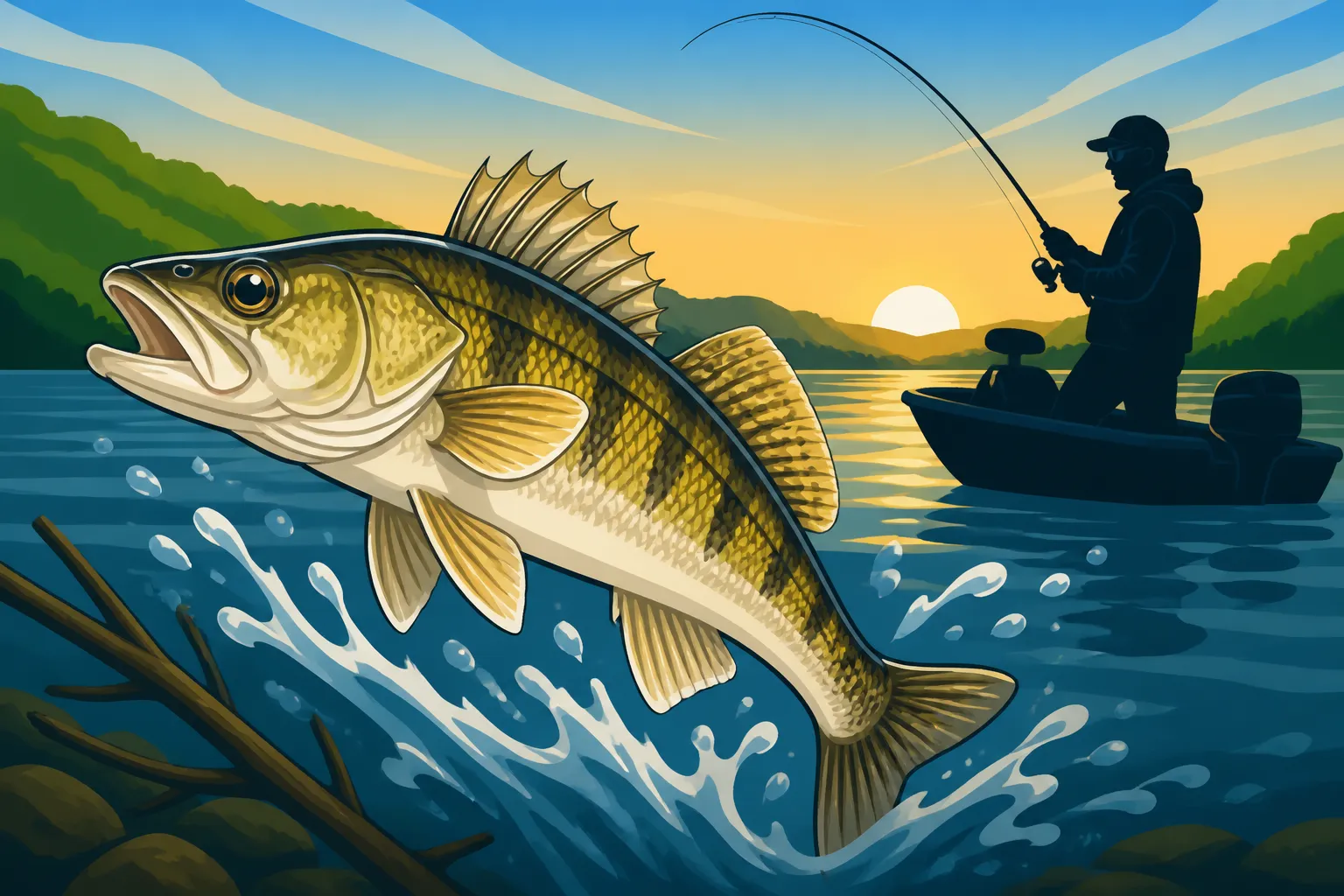
Sauger are often overshadowed by their larger walleye cousins, but for many Kentucky anglers, they hold a special place. They are distinct, elongated fish with dark blotches or spots on their sides, and their dorsal fins have noticeable rows of black spots, unlike the more uniform fins of walleye. What makes them so appealing? For one, they are often found in riverine environments or the river channels of large reservoirs like Lake Barkley, making them accessible even when other species are sluggish. They're also known for their consistent bite, particularly in colder months, offering fantastic fishing when other species might be less active. Beyond the thrill of the catch, sauger are prized for their firm, white, flaky meat, making them a culinary delight that many anglers specifically target. The challenge of locating them in the vastness of Lake Barkley adds to their allure, making each successful trip a true accomplishment.
Key Characteristics of Lake Barkley as a Sauger Habitat
Lake Barkley, a large reservoir on the Cumberland River, is an ideal home for sauger due to its specific characteristics. The lake is essentially a flooded river system, retaining much of the original river channel, complete with current, varying depths, and plenty of submerged structure. Sauger thrive in these conditions, preferring the deeper, cooler water of the main river channel, especially where current is present or where tributary creeks meet the main body of water. They appreciate distinct changes in depth, such as ledges, humps, and drop-offs, which provide ambush points and thermal refuge. The presence of abundant baitfish, like shad, moving through these channels is also critical, as sauger are opportunistic predators. These characteristics create a dynamic environment that, when understood, can lead you directly to where the sauger are holding.
Sauger vs. Walleye vs. Saugeye: What You're Really Chasing
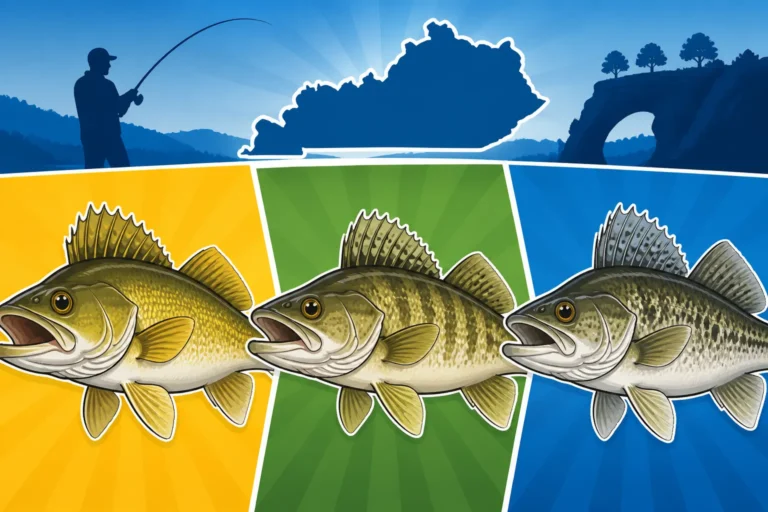
It's common for anglers to confuse sauger with walleye or saugeye, especially if they're new to targeting these species. While they are all members of the perch family and share some similarities, there are key differences that can help you identify your catch and understand their preferred habitats and behaviors. Walleye typically have a white tip on their tail fin and lack the distinct spots on their dorsal fin that sauger possess. They also generally prefer clearer, deeper water. Sauger, as mentioned, have those distinctive spots on their dorsal fin and often dark, mottled markings on their sides. They tend to favor murkier, current-filled waters.
Then there are saugeye, which are a hybrid cross between a female walleye and a male sauger. These fish often exhibit characteristics of both parents, making identification tricky. They might have some faint spots on their dorsal fin, but not as pronounced as a sauger, and they may or may not have the white tail tip of a walleye. Understanding these distinctions isn't just for bragging rights; it helps you know what techniques and locations are most likely to yield the fish you're targeting. For Walleye, Sauger and Saugeye Fishing in Kentucky, you'll find that each species has its own subtle preferences. On Lake Barkley, while you might encounter all three, sauger are generally the most prevalent of the three "eyes" in the river channels.
When to Target Sauger on Lake Barkley
Timing is everything when it comes to sauger fishing on Lake Barkley. These fish are highly sensitive to changes in water temperature and current, which dictate their movement, feeding patterns, and overall activity. Knowing the prime seasons and even the best times of day can dramatically increase your chances of a successful outing. Don't just cast a line and hope; strategize your trip around their natural rhythms.
Prime Seasons and Water Temperatures
Sauger truly shine in the colder months, making them a fantastic target when many other species become lethargic. Their season generally picks up in late fall, continues strong through winter, and often peaks in early spring, especially before and during their spawning run. As the water temperatures drop into the 40s and low 50s Fahrenheit, sauger become incredibly active, congregating in predictable patterns. This cold-water preference means that brave anglers who don't mind bundling up can experience some of the best fishing of the year. During the dead of winter, when surface temperatures might hover just above freezing, you can still find sauger biting aggressively in the deeper, more stable thermal zones of the river channel. When Is Sauger Season at Lake Barkley Kentucky is a common question, and generally, that late fall through early spring window is your best bet, with January to March often being peak time.
Daily Patterns and Best Bite Times
Just like many fish, sauger exhibit daily feeding patterns, though these can be influenced by factors like light penetration and current. Often, the best bite for sauger on Lake Barkley occurs during low light conditions, such as dawn and dusk. This is when they feel most comfortable moving from deeper holding areas into shallower feeding zones along ledges or humps. On overcast days, or when the water is stained or murky, these low-light conditions can extend throughout the day, providing an excellent sauger bite from morning until evening. Many seasoned anglers also find that the bite can be strong during the middle of the day, particularly if you're fishing deeper structure where light penetration is minimal. Additionally, strong current, often associated with dam generation upstream, can trigger feeding frenzies at any time of day, as baitfish are disoriented and easier targets. Knowing Best Time of Day to Catch Sauger can give you a significant advantage.
How Weather Influences the Bite
Weather plays a crucial role in sauger fishing success, and understanding its impact can help you plan your trips effectively. Cold, stable weather conditions are generally favorable. A prolonged period of cold, without drastic temperature swings, often means sauger are settled into their deeper haunts and actively feeding. Conversely, sudden cold fronts can sometimes shut down the bite temporarily, as fish become less active. Wind can also be a factor; a steady breeze can create current and move baitfish, sometimes enhancing the bite, particularly if it pushes warmer surface water or bait into specific areas. However, excessive wind can make boat control and presenting lures effectively a challenge, especially if you're trying to perform vertical jigging in the main channel. Rain, especially a gentle, steady rain that stains the water slightly, can often improve the bite by reducing light penetration and giving sauger more confidence to feed. Keep an eye on the forecast, but don't let a little cold or a cloudy day deter you – those are often prime sauger conditions! For more specific guidance on Cold-Water Sauger Fishing at Kentucky's Lake Barkley, understanding these weather dynamics is key.
Where to Find Sauger Hotspots on Lake Barkley
Lake Barkley is immense, stretching over 134 miles with countless coves, points, and stretches of water. Randomly casting will quickly lead to frustration. To consistently catch sauger, you need to understand their preferred habitat and focus your efforts on specific types of structure and depth contours. These fish are creatures of habit, and once you learn their patterns, finding them becomes much more manageable.
River Channels and Tailwaters
The most consistent sauger action on Lake Barkley often centers around the main Cumberland River channel. This is their highway, where they travel, feed, and hold. Look for areas where the channel makes a sharp bend, narrows, or features significant changes in depth. These structural elements disrupt the current, creating eddies and slack water areas where sauger can lie in wait for baitfish to be swept past. The tailwaters below Kentucky Dam, where Lake Barkley begins, can also be phenomenal, especially during periods of power generation. The churning water and concentrated baitfish make this a sauger magnet. However, fishing in tailwaters requires extreme caution due to strong currents and boat traffic. Always prioritize safety and be aware of your surroundings when fishing these dynamic zones. Remember, sauger are strongly associated with current, so areas where water is actively moving but also offers a break are prime targets.
Deep Creek Channels and Drop-offs
While the main river channel is key, don't overlook the deep creek channels that feed into Lake Barkley. These submerged channels, often remnants of old creek beds, act as secondary highways for sauger, especially as they move in and out of the main lake. Look for where these creek channels merge with the main river channel, or where they feature pronounced drop-offs and ledges. These depth transitions provide excellent ambush points. For example, if you're fishing a flat that abruptly drops into a 30-foot deep channel, the edge of that drop-off is a fantastic place to start. Sauger will often position themselves just off the bottom along these edges, facing into the current, ready to pounce. Your electronics, like a good fish finder you might find on Amazon, will be your best friend here, helping you identify these subtle but crucial depth changes and the fish holding tight to them.
Structure and Cover: Old Timber and Rock Piles
Beyond the contours of the bottom, sauger also relate heavily to specific types of structure and cover within these deep channels and drop-offs. Submerged timber, whether it's an old stump field, a brush pile, or even a single log, provides excellent cover for sauger to hide from the current and ambush prey. Similarly, rock piles, ledges, and rubble areas can hold large numbers of fish. These harder bottom compositions are often associated with current and provide a different kind of refuge. The key is to present your bait right in or along these structures. Sauger aren't usually suspended far above cover; they're typically hugging the bottom right next to it. Learning Best Sauger Fishing Spots on Lake Barkley means mastering the art of reading your electronics to pinpoint these underwater features. Think about how baitfish would move through these areas and where a predator would position itself for an easy meal.
Essential Gear and Techniques for Lake Barkley Sauger
Having the right equipment and knowing how to use it effectively is non-negotiable for successful sauger fishing on Lake Barkley. These fish often hold in deep, current-laden areas, demanding specific tackle and presentation methods to entice a bite. Skimping on your setup or using inefficient techniques will lead to missed opportunities and frustration.
Rods, Reels, and Line Choices
For sauger fishing, especially when vertical jigging in current, you'll want a sensitive yet powerful setup. A medium-light to medium power spinning or baitcasting rod, typically 6'6" to 7' in length, with a fast action tip is ideal. This combination allows for excellent feel, helping you detect those subtle sauger bites, while still providing the backbone needed to control a fish in current. Matched with a reliable spinning reel in the 2000-3000 size or a low-profile baitcaster, you'll have a balanced setup.
When it comes to line, a braided main line of 8-15 pound test is often preferred for its sensitivity and lack of stretch, which is crucial for feeling light bites in deep water. Pair this with a fluorocarbon leader of 6-10 pound test, attached with a strong knot like a double uni or FG knot. Fluorocarbon is nearly invisible underwater and offers excellent abrasion resistance against rocks and timber. You can find quality braided and fluorocarbon lines from brands like Berkley or P-Line on Amazon. Avoid heavy monofilament, as its stretch can make bite detection difficult in the depths sauger often inhabit.
Top Baits and Lures for Sauger
Sauger are aggressive feeders, and a variety of baits and lures can be highly effective, but some stand out as consistent producers. Live bait, particularly small minnows (like shiners or fatheads) or shad, are almost always a top choice, especially fished on a tight line or under a slip bobber in current. The natural movement and scent are irresistible to sauger.
When it comes to artificials, jigs are the undeniable king. Heavy lead head jigs, ranging from 1/2 to 1 ounce (or even heavier in strong current), tipped with soft plastic bodies, are incredibly effective. Popular soft plastic styles include paddle tails, curly tails, or grub bodies in natural colors like chartreuse, white, or various shades of green and brown. Blade baits, like those from Johnson or Reef Runner, are also excellent, especially for vertical jigging or slow trolling, as their vibration and flash can trigger powerful strikes. For those looking to cover water, small crankbaits that dive to the depths sauger are holding, particularly in shad or perch patterns, can also be productive. Consider stocking up on a variety of jigs and soft plastics, readily available on Amazon, to adapt to changing conditions.
Proven Fishing Techniques: Vertical Jigging and Trolling
Targeting sauger on Lake Barkley generally boils down to two highly effective techniques: vertical jigging and trolling.
Vertical Jigging: This is arguably the most popular and effective method, especially when sauger are concentrated in deep channels, around bridge pilings, or over submerged structure. The idea is to position your boat directly over the fish, using your electronics to pinpoint their location, and then drop your jig or live bait straight down. The technique involves a rhythmic lift-and-drop motion, keeping your bait just off the bottom (often within a foot or two). The goal is to make the bait "dance" without imparting too much upward motion, as sauger typically strike as the bait falls or pauses. Maintain a controlled drift or use your trolling motor to keep your line as vertical as possible, even in current. This allows for maximum sensitivity and precise bait presentation right in their strike zone. For a deeper dive, check out How to Jig for Sauger in Deep Water.
Trolling: When sauger are more scattered or when you want to cover larger areas of the channel, trolling can be highly productive. This typically involves using crankbaits or spinner rigs with live bait, like nightcrawlers or minnows, behind a bottom bouncer. You'll want to choose crankbaits that dive to the desired depth and maintain contact with the bottom intermittently. The key is to troll slowly, often just fast enough to get your lures to run correctly and impart action. Using multiple rods with different lures or depths can help you dial in the bite. Pay close attention to your rod tips; a sauger strike can sometimes feel like a slight "thump" or added weight, rather than a violent tug. Trolling allows you to methodically explore vast stretches of the river channel on Lake Barkley, increasing your chances of finding active schools of fish.
Navigating Regulations and Conservation for Sauger
Fishing is more than just catching fish; it's also about being a responsible steward of our natural resources. Understanding and adhering to Kentucky's fishing regulations, especially for a prized species like sauger, is crucial for ensuring healthy fish populations for generations to come. Ignorance of the rules is never an excuse, and game wardens do check licenses and limits.
Kentucky's Sauger Size and Creel Limits
Before you even launch your boat, you absolutely need to be familiar with the current sauger regulations for Lake Barkley. Like many game fish, sauger in Kentucky typically have specific size and creel (daily bag) limits, which can vary from statewide rules to lake-specific exceptions. These limits are set by the Kentucky Department of Fish and Wildlife Resources to manage fish populations and ensure sustainable harvesting. For instance, there might be a minimum length requirement, meaning any sauger shorter than that measurement must be immediately released unharmed. There will also be a limit on how many sauger you can keep in a single day. It’s essential to have a measuring device readily available and to count your fish carefully. Double-check the current Kentucky Fishing Regulations Explained before each trip, as these rules can occasionally be updated. Breaking these rules can result in significant fines and penalties, which nobody wants.
Fishing License Requirements on Lake Barkley
Let's be clear: almost everyone needs a fishing license to fish on Lake Barkley, whether you're a Kentucky resident or visiting from out of state. There are very few exceptions, such as during the annual Kentucky Free Fishing Weekend Guide, or for very young children. A standard Kentucky fishing license covers sauger, but you need to make sure it's current and valid. If you plan to fish across state lines, for example, on the shared waters of Kentucky and Tennessee, you'll need to understand reciprocity rules, or simply obtain licenses for both states.
Getting your license is super easy these days; you can usually purchase one online through the Kentucky Fish and Wildlife Resources website, or you can visit a local vendor like a bait shop or sporting goods store. Always carry proof of your license while fishing, whether it's a printed copy or a digital version on your phone. Getting caught without one will likely lead to a citation. To learn more about obtaining one, refer to the Kentucky Fishing License Guide.
Practicing Catch and Release and Sustainable Fishing
While sauger are excellent table fare, practicing responsible catch and release, especially for larger breeding-size fish, contributes significantly to the health of the fishery. If you're not planning to eat your limit, consider releasing fish promptly and carefully. Handle fish with wet hands to protect their slime coat, and use dehooking tools if the fish has swallowed the hook deeply.
Beyond individual efforts, supporting conservation initiatives and understanding the biology of sauger helps maintain the sport. This means respecting spawning areas, reporting any illegal fishing activities, and staying informed about the health of Lake Barkley's ecosystem. By being mindful of our impact, we ensure that sauger fishing remains a vibrant and rewarding activity on Lake Barkley for all anglers. It's about preserving that tradition and that delicious fish for everyone who enjoys it.
Catching sauger on Lake Barkley is a truly rewarding experience, offering both a fun challenge on the water and a fantastic meal afterward. It requires a bit of homework and patience, but the payoff is absolutely worth it. By focusing on the river channels, understanding their seasonal movements, and mastering techniques like vertical jigging, you'll be well on your way to filling your cooler. Don't forget your fishing license, check those regulations, and get out there to enjoy the amazing sauger fishery that Kentucky has to offer!
Disclaimer
This article is for general informational purposes only and does not constitute professional advice. Laws, prices and regulations vary by location and change over time. Consult a qualified professional for guidance on your specific situation.