Kentucky Lake Crappie Fishing: Best Time of Year
If you're anything like me, you've probably spent countless hours dreaming of that perfect day out on Kentucky Lake, pulling in slab after slab of crappie. But let's be honest, figuring out the absolute best time of year for crappie fishing on such a massive and dynamic body of water can feel like cracking a secret code. This guide is all about helping you decode that mystery, breaking down the seasonal patterns, and giving you the insider scoop so you can plan your trips for maximum crappie success.
The Crappie Calendar: Understanding Peak Seasons on Kentucky Lake
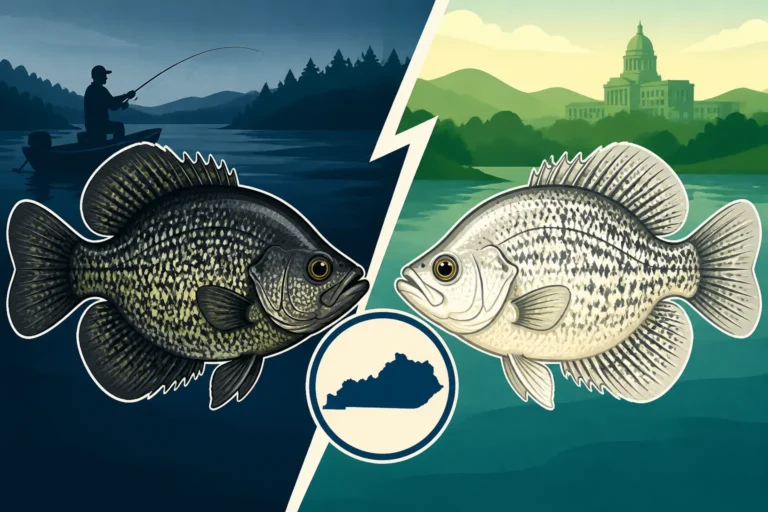
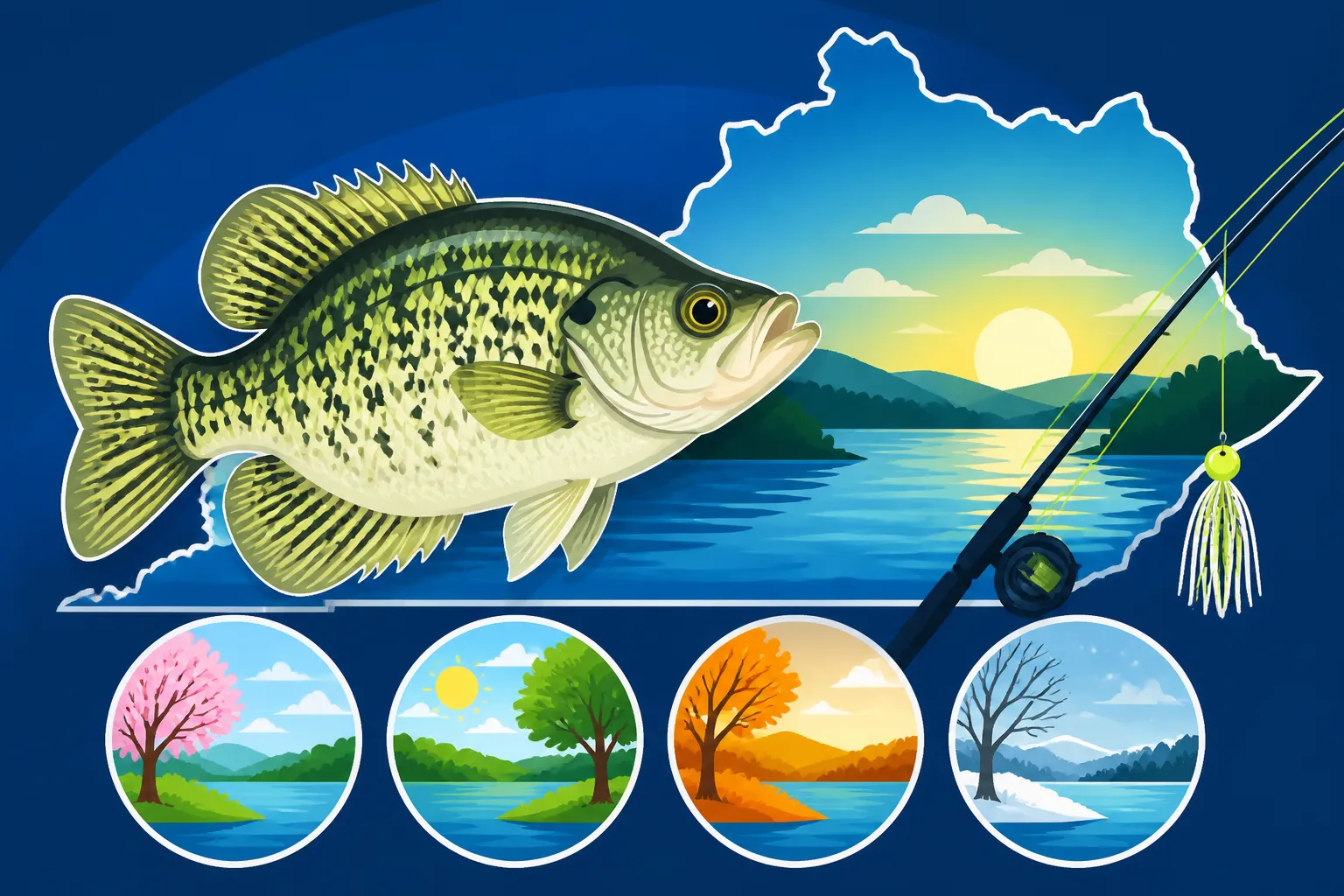
Crappie on Kentucky Lake, whether it's the black crappie or the white crappie, are highly susceptible to seasonal changes, particularly water temperature and food availability. This means their location and feeding habits shift throughout the year, making some times undeniably better than others for filling your livewell. While you can catch crappie year-round, there are certainly peak windows that every serious angler should know.
Spring: The Unbeatable Spawn Run (March-May)
Ah, spring! This is arguably the most anticipated time of year for crappie anglers on Kentucky Lake, and for very good reason. As the water begins to warm up from its winter chill, crappie start to move from deeper wintering holes into shallower areas to spawn. This pre-spawn and spawning period is a time of increased activity and aggression, making them more vulnerable to a well-placed jig or minnow.
Initially, you'll find them staging in slightly deeper water adjacent to their eventual spawning grounds, often around creek channels, submerged timber, or brush piles. As the water temperature climbs into the mid-50s, they really start to push shallow. When the water hits that magical 60-68 degree Fahrenheit range, it's game on for the full-blown spawn. They'll be right up in the buck brush, around shallow docks, and any available cover. Kentucky Crappie Fishing: Spring Spawn Run Guide dives deep into this exciting period. After the spawn, they'll gradually move back out to slightly deeper water, often holding on the first available cover just off the shallow flats. It's a fantastic time for sheer numbers, and even if they're not all giants, the action can be non-stop.
Summer: Deep Water and Night Fishing (June-August)
Once the spawn is over and the scorching Kentucky summer heat sets in, the crappie on Kentucky Lake make a significant move. They generally head to deeper, cooler waters where they can find stable temperatures and ample oxygen. This doesn't mean crappie fishing stops; it just means your tactics need to change. You'll typically find them suspending over deep creek channels, often associated with structure like old roadbeds, ledges, and deep timber. They also love brush piles placed by anglers in these deeper zones.
Night fishing becomes incredibly popular during the summer months. Anglers use submersible lights to attract plankton, which in turn attracts baitfish, and then, you guessed it, the crappie come to feed. This can be a highly effective way to beat the heat and find active fish. During the day, trolling with multiple lines at different depths can cover a lot of water and help you locate scattered schools. How to Fish for Crappie at Night can provide excellent strategies if you're looking to try something different when the sun goes down.
Fall: The Feeding Frenzy (September-November)
Just like many other fish species, crappie in Kentucky Lake sense the approaching winter and begin to put on weight during the fall. This means they are actively feeding and often school up, making them a prime target for anglers. As water temperatures start to cool down from their summer highs, crappie will begin to move from their deep summer haunts and follow baitfish into shallower and mid-depth ranges.
You'll often find them congregating around creek channel bends, submerged points, and brush piles from 8 to 20 feet deep. They're often chasing schools of shad, so looking for baitfish activity on your electronics or visual cues can be key. This can be a fantastic time for both numbers and quality, as the fish are aggressive and eager to bite. It's a bit of a transition period, so being adaptable to varying depths is crucial.
Winter: Patience and Precision (December-February)
Winter fishing for crappie on Kentucky Lake demands a different approach entirely. The water is cold, and the crappie's metabolism slows down significantly. They become less active and often stack up in very specific deep-water locations, seeking warmth and stability. You'll generally find them in the deepest parts of creek channels, sometimes as deep as 30-40 feet, often relating to the main river channel or significant brush piles.
The bite can be extremely subtle, requiring a sensitive rod and line, and often a vertical presentation right on top of the fish. Sonar and good electronics are absolutely invaluable during this time to pinpoint those tight schools. While the numbers might not be as high as during the spring spawn, the fish you do catch can often be large, healthy slabs that have been fattening up all year. It's a test of patience and skill, but the rewards can be incredible.
Factors Influencing the Kentucky Lake Crappie Bite
Knowing the general seasonal patterns is a great start, but crappie fishing is rarely that simple. Several other factors play a huge role in determining how good the bite will be on any given day on Kentucky Lake.
Water Temperature is King
We've touched on this already, but it bears repeating: water temperature is perhaps the single most important factor influencing crappie behavior. It dictates their spawning cycle, their metabolism, and their preferred depth. Monitoring the surface temperature and, if possible, subsurface temperatures, can give you a massive advantage.
For instance, understanding when the water warms enough to trigger the crappie to move shallow for the spawn is critical for success. If a sudden cold front hits during the spring, those fish might pull back to deeper water for a few days until conditions stabilize. Conversely, a warm spell in late winter can sometimes trigger an early pre-spawn movement. Pay close attention to this, as it's the ultimate guide. For more in-depth knowledge, check out Kentucky Crappie Spawn Timing by Water Temperature.
Weather Patterns and Their Impact
Beyond just temperature, overall weather patterns can make or break a crappie trip. Stable weather, even if it's hot or cold, often leads to more predictable and consistent fishing. However, sudden changes can throw a wrench into your plans.
- Cold Fronts: A strong cold front pushes fish deeper, makes them less active, and generally results in a tougher bite. You'll need to slow down your presentation and fish deeper.
- Warm Fronts: A warming trend can activate fish, especially in spring and fall, encouraging them to move shallower and feed more aggressively.
- Wind: Moderate wind can be your friend, creating a chop on the water that breaks up light penetration and positions baitfish. Too much wind, however, makes boat control difficult and can make fishing unpleasant.
- Rain: Light, steady rain can sometimes improve the bite, especially in warmer months, by cooling the surface water and adding current. Heavy thunderstorms, however, are best avoided for safety and because the subsequent runoff can muddy the water, scattering fish.
Water Levels and Current from Dam Operations
Kentucky Lake is a massive impoundment, and its water levels and current are heavily influenced by the Tennessee Valley Authority (TVA) operations at Kentucky Dam. Changes in water levels, whether rising or falling, can significantly impact crappie location. Rising water can pull fish into newly flooded cover, while falling water often pushes them out of shallow areas.
Current, particularly below the dam or in main river channels, can position crappie in specific ambush points. They'll often tuck behind structure or in eddies to conserve energy while waiting for baitfish to be swept by. Keeping an eye on TVA's water generation schedules and lake level forecasts can give you valuable insights into where the fish might be holding. Strong current might mean heavier jigs or different rigging to get down to them.
Essential Gear and Tactics for Each Season
Having the right gear and knowing how to adapt your tactics are crucial for success on Kentucky Lake, no matter the time of year. While a good crappie rod and reel combo will serve you generally, fine-tuning your approach makes all the difference. You can find a fantastic selection of crappie fishing essentials, from jigs to fishing line, on platforms like Amazon.
Spring: Jigs, Minnows, and Spider Rigging
During the spring, when crappie are focused on the spawn, simple yet effective presentations shine.
- Jigs: Small jigs (1/16 to 1/8 ounce) in bright colors like chartreuse, pink, or white, or more natural colors like smoke and clear, are incredibly effective. Tipping them with a small plastic grub or tube bait is common. You can get a good variety of these on Amazon.
- Live Minnows: A timeless classic. Fishing a small live minnow under a bobber in shallow cover is often deadly, especially during the peak spawn.
- Spider Rigging: This technique, involving multiple rods fanned out from the boat, allows you to present several baits at different depths and speeds, covering a wider area as you slowly troll or drift through spawning flats or staging areas. For excellent jig options, check out Best Crappie Jigs for Kentucky Waters.
Summer: Trolling and Deep-Water Tactics
Summer crappie fishing on Kentucky Lake often requires getting away from the banks and out into open water or deep structure.
- Long-lining/Trolling: This involves trolling small crankbaits or jigs behind the boat, often with multiple rods at varying distances and depths, to locate suspended schools over deep channels or ledges. Speed is critical; crappie often prefer a very slow presentation.
- Vertical Jigging: When you pinpoint schools stacked up on deep brush piles or structure, dropping a jig or minnow vertically right into the school can be very effective. This is where a good fish finder really pays off. For more details on finding those summer schools, look at How to Find Crappie in Deep Water in Summer.
- Night Fishing Gear: Submersible lights, glowing jigs, and a steady supply of live minnows are key for summer night fishing.
Fall: Mimicking Baitfish
In the fall, crappie are often chasing shad and other baitfish, so your lures should mimic these forage species.
- Jigs and Soft Plastics: Grubs, small swimbaits, and paddletail plastics in baitfish colors (silver, white, clear with flecks) are excellent. Vary your retrieve to imitate an injured baitfish.
- Small Crankbaits: Shallow-diving crankbaits that resemble shad can be very effective when crappie are actively chasing bait near the surface or just below.
- Trolling: Similar to summer, trolling can be effective as crappie school up and move to find food.
Winter: Vertical Presentation and Finesse
Winter crappie fishing is all about finesse and getting your bait directly in front of sluggish fish.
- Small Jigs: Tiny jigs (1/32 or 1/64 ounce) with micro plastics are often preferred. Light line (2-4 lb test) is essential for a natural presentation and detecting subtle bites.
- Live Minnows: A small minnow on a light jig head, fished vertically, is tough to beat.
- Electronics: Your fish finder becomes your best friend. Look for tight schools of fish near the bottom in deep channels and drop your bait right to them. The key is slow, almost imperceptible movements of your lure.
Here's a quick overview of crappie fishing tactics by season:
| Season | Typical Depth (Approximate) | Best Baits/Lures | Key Tactics |
|---|---|---|---|
| Spring | 1-10 feet | Small jigs, live minnows, tube baits | Casting to cover, spider rigging, bobber fishing |
| Summer | 15-30+ feet (suspended) | Small crankbaits, jigs, minnows, spoons | Trolling, vertical jigging, night fishing |
| Fall | 8-20 feet | Jigs, soft plastics, small crankbaits | Casting, slow trolling, searching structure |
| Winter | 20-40+ feet (bottom hugging) | Tiny jigs, live minnows | Vertical jigging, dead sticking, finesse |
Maximizing Your Crappie Success on Kentucky Lake
Beyond understanding the seasons and adapting your gear, there are a few other critical practices that will put more crappie in your boat on Kentucky Lake.
Checking Local Reports and Resources
One of the smartest things you can do before any fishing trip, especially to a large lake like Kentucky Lake, is to check local fishing reports. Local bait shops are goldmines of current information. They know what's biting, where, and on what. The Kentucky Department of Fish and Wildlife Resources (KDFWR) also often provides lake-specific reports and updates on stocking programs. Online fishing forums dedicated to Kentucky Lake can also offer real-time insights from fellow anglers. Never underestimate the power of local knowledge!
Understanding Lake-Specific Regulations
Kentucky Lake is a popular fishery, and like all public waters, it has specific regulations designed to protect the crappie population and ensure sustainable fishing for everyone. While there are statewide rules like the Kentucky Crappie Daily Limit Rules, some lakes can have special regulations. Always double-check the current KDFWR fishing guide for any site-specific rules regarding size limits or daily creel limits for Kentucky Lake. These can change, so what was true last year might be different this year. Being informed not only keeps you compliant but also contributes to the health of the fishery.
Patience and Persistence
Ultimately, fishing is fishing, and even on the best days, there will be lulls. Crappie fishing on Kentucky Lake can be incredibly rewarding, but it also requires a good dose of patience and persistence. Sometimes, the fish aren't where you expect them, or they're not biting aggressively. Don't be afraid to move, change baits, or adjust your depth and retrieve until you crack the code for that particular day. Every trip is a learning experience, and the more time you spend on the water, the more you'll understand the nuances of this incredible fishery. Don't forget, a good tackle box filled with a variety of jigs and plastics, easily sourced from Amazon, will help you adapt to changing conditions. The willingness to experiment and observe is what truly makes a successful crappie angler.
Disclaimer
This article is for general informational purposes only and does not constitute professional advice. Laws, prices and regulations vary by location and change over time. Consult a qualified professional for guidance on your specific situation.