Kentucky’s Three Ohio River State Fish Records Explained
Ah, the mighty Ohio River! It's a waterway that holds so much mystery and so many whispers of true giants beneath its surface. For many Kentucky anglers, the dream isn't just about catching a fish, it's about landing a legendary one – a fish so enormous it makes the scales groan and your heart pound. This guide will take a deep dive into the three incredible state fishing records held by fish pulled directly from the Kentucky waters of the Ohio River, explaining what makes these catches so special and how you might even chase your own piece of history.
The Lure of the Ohio River: A Record-Breaking Fishery
The Ohio River isn't just a border between states; it's a dynamic, productive ecosystem that harbors an incredible diversity of fish species. Flowing for over 981 miles, with significant portions forming Kentucky's northern boundary, this river is a powerhouse when it comes to trophy fish. Its complex bottom structure, deep channels, submerged timber, and varying currents create ideal habitats for some of the biggest freshwater fish found in North America. Dams along its length create massive pools and tailwater areas that concentrate baitfish and, in turn, attract predators. It's this unique combination of depth, flow, and abundant food sources that allows certain species to grow to truly colossal sizes, making it a prime location for record-setting catches.
Anglers from all walks of life, whether they’re setting trotlines, jug fishing, or casting from the bank or a boat, know the Ohio River offers unparalleled opportunities. It challenges even the most seasoned fishermen with its strong currents and vast expanses. The sheer volume of water and the long stretches of relatively undisturbed habitat contribute to the longevity and growth of fish, giving them the time and resources needed to reach those exceptional weights that end up in the record books. It's a place where patience and the right tackle can truly pay off, transforming a regular fishing trip into an unforgettable encounter with a freshwater giant. The river truly embodies the spirit of wild Kentucky fishing.
Why the Ohio River Breeds Giants
There are several factors that contribute to the Ohio River's reputation as a big fish factory. Firstly, its sheer size and depth provide ample room for fish to grow without feeling pressured. Unlike smaller lakes or ponds, the Ohio offers vast territories for fish to roam and find food. Secondly, the nutrient-rich waters support a robust forage base, from shad and minnows to various invertebrates, providing a consistent and abundant food supply for predatory species. This constant availability of high-calorie meals is crucial for rapid growth and reaching impressive sizes.
Furthermore, the Ohio River's diverse bottom contours and structures offer excellent hiding and ambush spots for big fish. Deep holes, rock piles, submerged logs, and bridge pilings all serve as sanctuaries and hunting grounds. These areas provide protection from currents and predators, allowing fish to conserve energy and focus on feeding. The locks and dams, while man-made, also create tailwaters that are exceptionally productive, stirring up food and concentrating fish, which often leads to anglers encountering larger specimens. It's a testament to the river's ecological health and its capacity to sustain a thriving population of large game fish.
Kentucky's Top Three Ohio River State Records
When we talk about state records from the Ohio River, we're really talking about some truly incredible catches that stand as testaments to the river's productive waters and the skill (and sometimes sheer luck!) of the anglers who landed them. These aren't just big fish; they're monumental specimens that have etched their names into Kentucky's angling history. It's truly inspiring to look at these records and imagine the battles fought and the stories created on the water.
Let's dive into the three species that hold the state record specifically because of giants pulled from the Ohio: the monstrous Blue Catfish, the ancient and massive Paddlefish, and the surprisingly substantial Freshwater Drum. Each of these records tells a unique story about the species and the angler.
The Massive Blue Catfish Record
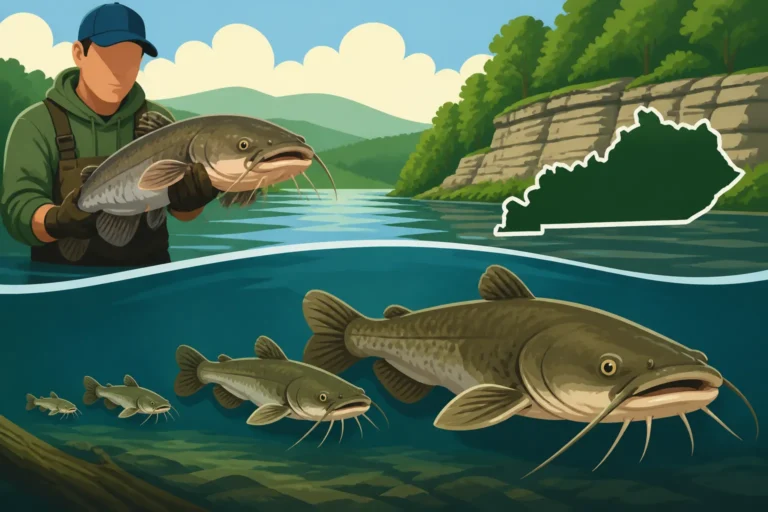
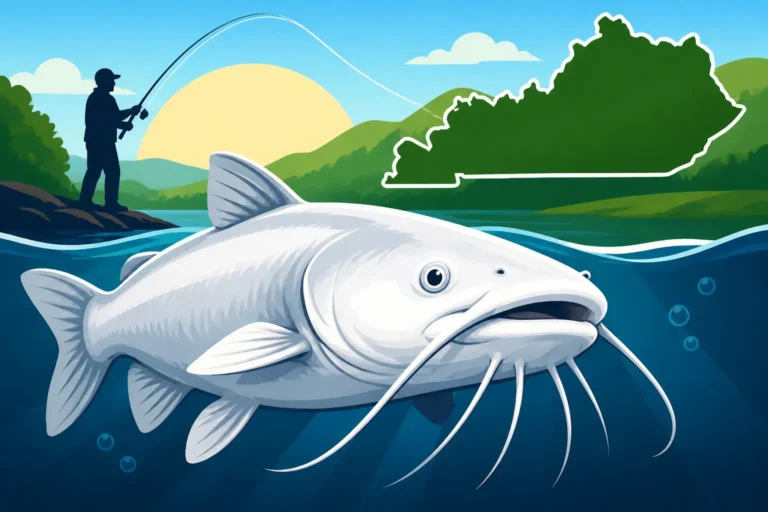
The Blue Catfish is a fish of truly epic proportions, and Kentucky's state record for this species is a jaw-dropping example of just how big they can get in the Ohio River. This record-breaker was a beast that tipped the scales at an astounding weight, a true testament to the Ohio's ability to grow giant bottom dwellers. Imagine the fight, the sheer power as this leviathan fought against the line – it's the stuff of legends. Anglers often spend years chasing a fish of this caliber, enduring countless hours on the water, battling currents, and perfecting their techniques. The Ohio River is renowned for its blue cat population, making it a prime destination for those looking to hook into a trophy. If you’re serious about chasing one of these behemoths, you'll need heavy-duty gear, often found on platforms like Amazon, from stout rods to lines strong enough to handle extreme pressure.
Catching a blue catfish of this magnitude requires specific strategies. These fish prefer deep holes, scour areas below dams, and channel edges where currents bring food directly to them. Live bait, like shad or skipjack herring, or large cut baits are often the most effective. The patience involved can be immense, waiting for that subtle bite that then erupts into a drag-screaming battle. Many anglers targeting trophy blues will use specialized electronics to locate these deep-water haunts and monitor fish activity. The story of landing such a record-setting fish is not just about the size, but the dedication and knowledge required to bring it to the boat, making it a truly celebrated achievement in the world of Kentucky fishing. You can read more about a specific record here: Kentucky's Record Blue Catfish Weighed 106 Pounds 14 Ounces.
The Ancient Paddlefish Record
The Paddlefish, often called "spoonbill" due to its distinctive long, paddle-like snout, is an ancient and unique species that also holds a remarkable state record from the Ohio River. These fish are not caught by traditional rod-and-reel methods using bait; instead, they are typically snagged. The Kentucky state record paddlefish was an absolutely colossal specimen, weighing over 100 pounds. Landing a fish of this size, particularly through snagging, is an incredible feat of strength and skill. The Ohio River's deep, turbulent waters, especially below dams, create ideal conditions for these plankton-feeding giants, as the currents concentrate their food source. Snagging for paddlefish is an active and physically demanding type of fishing, often done from a boat with heavy tackle designed to withstand immense pressure.
When pursuing paddlefish, anglers typically use very heavy rods, stout reels, and incredibly strong braided lines. Specialized snagging hooks, often weighted, are cast out and then retrieved with powerful sweeps to "snag" the fish as it swims. It's a technique that requires significant upper body strength and endurance, as well as a good understanding of where these fish congregate. The experience of reeling in a hundred-pound fish that isn't hooked in the mouth but anywhere on its massive body is exhilarating and exhausting. It's a truly unique aspect of Kentucky's fishing opportunities, and the Ohio River consistently produces the giants that make such records possible. Paddlefish Fishing on the Ohio River: A Complete Guide offers a deeper look into this fascinating pursuit. If you're looking for robust snagging hooks or high-test line, you'll find many options on Amazon that can stand up to these river monsters.
The Surprising Freshwater Drum Record
While Blue Catfish and Paddlefish often steal the spotlight for their sheer size, the Freshwater Drum holds a significant, and perhaps more surprising, state record from the Ohio River. This record-setting drum was an absolute brute, far exceeding what many anglers might expect from this species. Freshwater drum are common throughout Kentucky's larger rivers and lakes, but to find one that reaches state record proportions is truly special. They are known for their tough fight, often displaying powerful headshakes and deep runs, earning them the nickname "river white perch" or "sheepshead." Their size and strength on the line can often surprise anglers accustomed to catching smaller specimens.
The Ohio River provides an excellent environment for Freshwater Drum to thrive and grow to impressive sizes. They are bottom feeders, often found in deeper channels, around structures, and in areas with moderate current. They primarily feed on insects, small crustaceans, and mollusks, using their pharyngeal teeth to crush shells. Catching a record-sized drum typically involves fishing on the bottom with natural baits like nightcrawlers, shrimp, or cut bait. While not as flashy as a trophy bass or a giant catfish, a record drum represents a significant angling achievement, showcasing the often-overlooked potential of common species in productive waters like the Ohio River. Finding a durable, mid-weight rod and reel combo that can handle these strong fighters is key, and Amazon offers a wide selection perfect for this kind of bottom fishing. For further reading, check out Freshwater Drum Fishing on the Ohio River in Kentucky.
Understanding Record Keeping and Verification
Setting a state record isn't just about catching a huge fish; it's a meticulous process with strict rules to ensure fairness and accuracy. For any angler hoping to etch their name into the record books, understanding these guidelines is paramount. Kentucky, like most states, has a well-defined procedure for certifying record fish, which includes proper identification, accurate weighing, and often, photographic evidence. This rigorous process is in place to prevent false claims and maintain the integrity of the state's fishing records.
The journey from a monstrous catch to a certified state record involves several critical steps. It's not enough to simply pull a big fish from the water; you have to follow the protocol precisely. This commitment to proper verification ensures that every record truly represents the best of Kentucky's fisheries and the skill of its anglers.
The Verification Process for State Records
The first and most crucial step in verifying a potential state record is proper identification of the fish species. Misidentification is surprisingly common, especially with similar-looking species. Once identified, the fish must be weighed on a certified scale, usually at a grocery store, marina, or tackle shop that has regularly calibrated scales. The scales must be inspected and sealed by a Weights and Measures authority to ensure accuracy. This isn't a job for your bathroom scale! Multiple witnesses are often required to observe the weighing process, and the fish must be weighed fresh, usually on the same day it was caught, to prevent any loss of weight due to dehydration.
Measurements of length and girth are also typically required, and clear photographs of the fish, the angler, and the weighing process are essential documentation. The Kentucky Department of Fish and Wildlife Resources (KDFWR) will then review all submitted information, including a detailed account of the catch, the gear used, and the location. They may even examine biological samples from the fish if there's any doubt about its species or condition. This thorough investigation ensures that only legitimate, verifiable catches earn the coveted title of a state record. The details matter immensely when you're talking about making history.
The Importance of Certified Scales and Witnesses
Imagine catching the fish of a lifetime, only to have your record claim denied because of an uncertified scale or lack of witnesses. It's a heartbreaking scenario that every aspiring record-holder must avoid. Certified scales are scales that have been calibrated and sealed by state authorities, guaranteeing their accuracy. These are usually found in commercial establishments and are a non-negotiable part of the record-keeping process. Without a weight from a certified scale, your claim will simply not be considered.
Equally important are credible witnesses. Having multiple unbiased individuals present during the weighing and measuring process adds significant legitimacy to your claim. These witnesses can attest to the accuracy of the weight, the measurements, and the proper handling of the fish. They provide an objective third-party verification that bolsters your application to the KDFWR. It’s a bit like documenting a legal process, where every step needs to be above board and witnessed to be valid. So, if you ever think you've caught a potential record, your first move after ensuring the fish's well-being should be to seek out a certified scale and reliable witnesses.
Chasing Your Own Ohio River Trophy
Now that you know about some of the incredible fish holding records in the Ohio River, perhaps you're feeling a tug of inspiration yourself! Chasing a trophy fish, let alone a state record, is an exhilarating pursuit that combines skill, knowledge, patience, and a bit of good old-fashioned luck. The Ohio River offers truly world-class opportunities for anglers seeking that once-in-a-lifetime catch. But embarking on such an adventure requires preparation, understanding the target species, and respecting the regulations in place.
It's not just about hoping for the best; it's about strategizing, selecting the right gear, and knowing the best times and places to fish. Every cast holds the potential for greatness, and with the right approach, you might just find yourself battling a fish worthy of a new entry in the Kentucky record books.
Essential Gear and Techniques for Big River Fish
For targeting the giants of the Ohio River, your gear needs to be up to the task. Forget the ultralight setups; we're talking about heavy-duty equipment designed to handle massive fish and powerful currents. For species like Blue Catfish and Paddlefish, you'll want stout rods with plenty of backbone, capable of handling line weights from 50 to 100 pounds or more. Reels should have a strong drag system and ample line capacity, preferably spooled with braided line for its strength and sensitivity. You can find a vast selection of these specialized fishing rods, reels, and lines on Amazon, suitable for the demanding conditions of the Ohio River.
Beyond the basics, consider specialized tackle. For blue catfish, a variety of heavy-duty circle hooks, sinkers ranging from 3 to 10 ounces (or more in strong current), and large leader materials are essential. For paddlefish, heavy snagging hooks and specialized floats are critical. Knowing the specific baits or methods for your target species is also crucial – fresh cut bait for catfish, or understanding the "sweeping" motion for snagging paddlefish. Patience is your most important technique, as these trophy fish don't bite every minute. You may also want a large, robust net, easily found on Amazon, to safely land and manage your catch, especially if it's a potential record. Best Catfish and Paddlefish Gear for Kentucky's Ohio River can give you even more insights into what tackle to bring.
Ohio River Regulations and Safe Angling Practices
Before you even think about casting a line in pursuit of a record, it's absolutely critical to be well-versed in Kentucky's fishing regulations, especially as they pertain to the Ohio River. This includes understanding statewide bag and size limits for various species. While you're aiming for a record-breaking fish, these regulations are in place to ensure sustainable fishing practices for everyone. Always have your Kentucky Fishing License Guide in hand, whether it's a digital copy or a printed one. Specific rules might apply to certain stretches of the river or particular species, so always check the latest KDFWR regulations before your trip. For example, understanding Kentucky Catfish Limit: 15 Fish, Only 1 Over 25 Inches is vital, even when hoping for a record.
Safe angling practices are equally important. Fishing on a major river like the Ohio can be dangerous if you're not careful. Always wear a life jacket, especially if you're boating or wading in strong currents. Inform someone of your float plan or where you'll be fishing. Be aware of commercial barge traffic and other boaters. If you're fishing from the bank, be mindful of slippery banks and unstable footing. When handling potentially record-setting fish, prioritize their health and your safety. Knowing how to properly handle and release a large fish, if it’s not a record or you choose to let it go, is a sign of a responsible angler. Taking the time to be informed and prepared ensures a safer and more enjoyable experience for everyone on the water. For more on boat safety, check out Life Jacket Rules for Boats in Kentucky.
| Species | Kentucky Ohio River State Record Weight (lbs) | Length (inches) (approx) | Key Characteristics for Anglers |
|---|---|---|---|
| Blue Catfish | 106.88 | ~55-60 | Deep channels, heavy tackle, live/cut bait, powerful fight. |
| Paddlefish | 106 | ~65-70 | Deep pools below dams, snagging technique, strong currents, ancient appearance. |
| Freshwater Drum | 24.3 | ~30-32 | Bottom feeder, strong fight, common baits, found in channels and structures. |
Disclaimer
This article is for general informational purposes only and does not constitute professional advice. Laws, prices and regulations vary by location and change over time. Consult a qualified professional for guidance on your specific situation.