Best Flies for Rainbow Trout in Mountain Streams
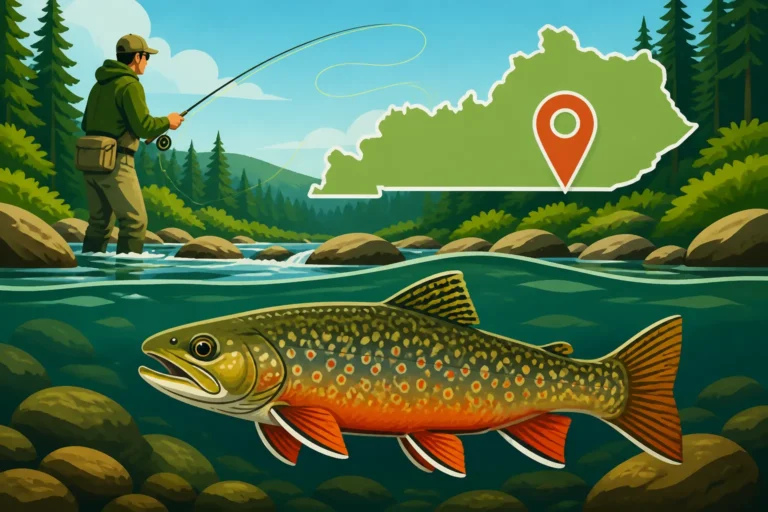
Trying to figure out which fly to tie on when you're standing knee-deep in a pristine Kentucky mountain stream, with those elusive rainbow trout darting through the currents, can feel like you're trying to solve a puzzle with a thousand pieces. It's frustrating to know the fish are there, but not have the confidence that your offering is the one they're looking for. This guide is going to strip away the guesswork, helping you understand the best fly patterns for tempting those beautiful Kentucky rainbow trout in their natural, cold-water mountain stream habitats.
Understanding Mountain Stream Rainbow Trout Behavior
Fishing for rainbow trout in Kentucky's mountain streams is a truly unique experience. These aren't your lake-dwelling, stocked-pond rainbows; these fish are wild, wily, and incredibly sensitive to their environment. To consistently catch them, you've got to think like a trout – or at least understand what makes them tick in these specific types of waters.
What Makes Mountain Streams Unique for Trout?
Kentucky's mountain streams, often found in the eastern part of the state, are characterized by their cold, highly oxygenated water. This is crucial for rainbow trout, as they thrive in these conditions. Think about the crisp, clear water tumbling over rocks, creating riffles and pools – that's prime trout habitat. The colder water holds more dissolved oxygen, which these fish absolutely need to survive and flourish. This environment also means that the food sources available to them are somewhat different from those in larger, warmer bodies of water.
The constant current brings a steady supply of food right to their doorstep, meaning trout often don't have to expend much energy to feed. They'll typically hold in seams, behind rocks, or in deeper pools, waiting for insects, small crustaceans, or tiny fish to drift by. The clarity of the water also plays a huge role; these fish have excellent eyesight and can be very particular about what they eat, especially if they're pressured. They're quick to spook if they see an unnatural presentation or an angler's shadow. For those interested in the broader picture, check out our Trout Fishing in Kentucky: Rainbow, Brook, Brown and Lake Trout guide.
Matching the Hatch and Opportunistic Feeding
"Matching the hatch" is a term every fly angler lives by, and it's especially important in mountain streams. This concept simply means presenting a fly that closely mimics the size, shape, and color of the natural insects that are currently hatching or prevalent in the water. Trout are experts at identifying their natural food, so a well-matched fly can be irresistible. Observing the water surface, turning over rocks, or simply watching for rising fish can give you clues about what insects are active.
However, even when no obvious "hatch" is occurring, trout are still opportunistic feeders. They'll consume a wide variety of things that drift past them, including aquatic insect larvae and pupae, small baitfish, and even terrestrial insects that fall into the water. This means that having a diverse fly box with patterns that represent different life stages and food sources is key. Don't solely rely on matching a hatch; sometimes, a well-presented attractor pattern can trigger a strike even when a trout isn't actively feeding on a specific insect. Understanding the Kentucky Trout Stocking Schedule Explained can also give you an idea of when and where newly introduced fish might be less picky.
Essential Dry Flies for Kentucky Rainbow Trout
Dry flies are exhilarating because you get to see the take right on the surface. There's nothing quite like watching a rainbow trout sip your fly off the water. For Kentucky's mountain streams, having a solid selection of dry flies that mimic common insects is non-negotiable.
Caddis Patterns: When and Why They Work
Caddisflies are incredibly abundant in many of Kentucky's colder streams, and trout absolutely love them. They go through a complete metamorphosis, with larvae, pupae, and adult stages, and trout feed on all of them. The adult caddis often skate or skitter across the surface when they emerge or lay eggs, which can drive trout into a feeding frenzy.
For dry fly fishing, patterns that imitate the adult caddis are fantastic, especially during evening hatches or on overcast days. The Elk Hair Caddis is a time-tested classic that floats well and has a buggy profile. It's available in various colors and sizes, typically from a size 12 down to a 18. Another excellent choice is the X-Caddis, which has a trailing shuck that makes it an effective emerger pattern – perfect for those fish that are just starting to look up. If you're looking to stock up, you can find multipacks of these essential patterns on Amazon, often saving you a trip to a specialized fly shop.
Mayfly Imitations for Surface Feeding
Mayflies are another cornerstone of a trout's diet, and their delicate profiles often trigger selective feeding. Unlike caddis, mayflies typically float upright on the water after emerging and before taking flight, or when they return to lay eggs. Trout can become very focused on these specific stages, making a precise imitation crucial.
Key mayfly patterns for Kentucky streams include the Parachute Adams, which is incredibly versatile. Its parachute hackle allows it to float low on the water, mimicking a wide range of mayfly species, and it's easy to see for the angler. Sizes 12-20 are usually in the sweet spot. Another excellent choice is the Blue-Winged Olive (BWO). BWOs are small, dark mayflies that often hatch on cloudy, cooler days, especially in spring and fall. Their hatches can be prolific, and having a good selection of BWO patterns in sizes 16-22 is critical for success. Having a few different sizes on hand for specific hatches is key. Our guide on How to Fish a Trout Stream in Spring offers more seasonal insights.
Terrestrial Treats: Hoppers, Ants, and Beetles
When the summer heat rolls in and aquatic insect hatches slow down, terrestrial insects become a major food source for trout. Grasshoppers, ants, and beetles often fall into the water from overhanging vegetation, providing a substantial meal for hungry trout. Fishing terrestrials can be incredibly exciting, as trout often hit them with aggressive, splashy takes.
For grasshoppers, larger Hopper patterns (sizes 8-12) like the Dave's Hopper or a Fat Albert are excellent choices, especially when fished along grassy banks or in areas with overhanging trees. On warmer days, if you see grasshoppers jumping near the water, it's a good sign to tie one on. Ant patterns (sizes 14-20) are universally effective. Black or cinnamon foam ants can be incredibly productive, as ants are a constant presence near water and can fall in at any time. Finally, Beetle patterns (sizes 12-16) such as the Madam X or a simple foam beetle can also produce strikes, especially during midday lulls when trout might be looking for a hearty, easy meal. These patterns are often best fished close to structure or under shaded banks.
Effective Nymphs and Wet Flies for Subsurface Success
Let's be real: trout spend the vast majority of their feeding time subsurface. This means that nymphs and wet flies are absolutely indispensable for consistent success in mountain streams, especially when fish aren't rising to dry flies. Often, if you're not catching anything on top, it's time to go under.
Mayfly Nymphs: The Year-Round Staples
Mayfly nymphs are probably the most important category of subsurface flies. They are present in the water year-round and make up a significant portion of a trout's diet. Trout are constantly grubbing along the bottom, picking off these immature insects. Fishing nymphs effectively means getting them down to where the fish are, often with the aid of split shot or weighted flies, and allowing them to drift naturally with the current.
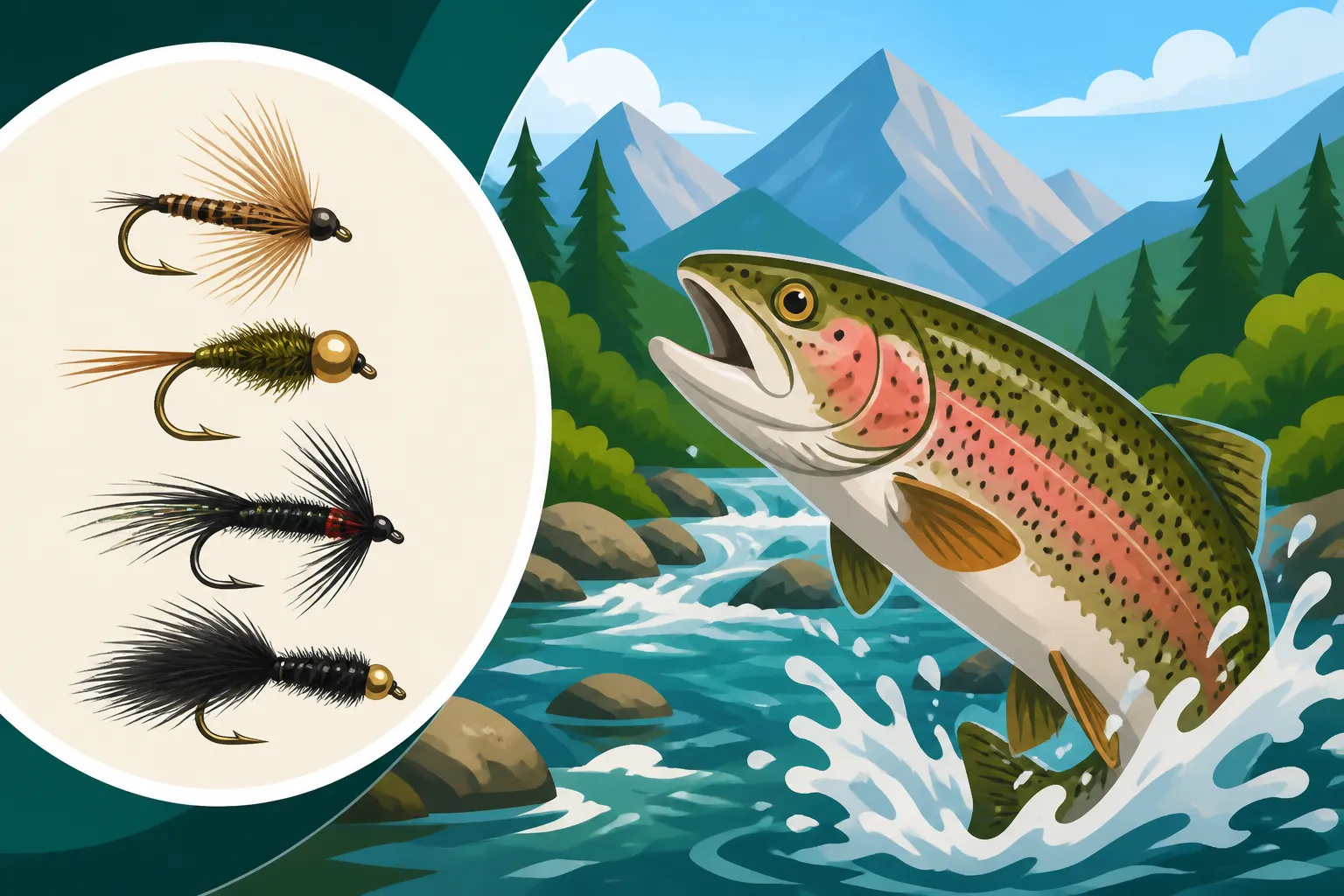
Two patterns stand out as all-time classics for mayfly nymphs: the Pheasant Tail Nymph and the Hare's Ear Nymph. The Pheasant Tail (sizes 12-22) is slender and buggy, mimicking a wide variety of mayfly species. It's incredibly versatile and often best fished in clear water. The Hare's Ear Nymph (sizes 10-18) has a shaggier, more robust profile, making it excellent for dirtier water or when trout are looking for a bulkier meal. Both patterns can be found in beadhead versions, which help them sink faster and give them an attractive "hot spot" that can trigger strikes. You can easily find variety packs of these essential nymphs on Amazon to ensure you're always prepared. For more advanced techniques, our How to Fly Fish for Stocked Trout article covers presentation in detail.
Caddis Larvae and Pupa Patterns
Just like their adult counterparts, caddisfly larvae and pupae are a huge part of a mountain stream trout's diet. Caddis larvae often build protective cases out of sand or pebbles, while the pupae are the transitional stage before they emerge as adults. When caddis pupae are actively rising to the surface to hatch, trout will often key in on them, making pupa patterns incredibly effective.
For caddis larvae, patterns like the Green Rock Worm (sizes 12-16) or a simple olive or brown caddis larva imitation are excellent. These flies are often fished near the bottom, mimicking the larvae as they cling to rocks. When caddis are actively emerging, patterns like LaFontaine's Sparkle Pupa or a simple Caddis Emerger (sizes 14-18) can be deadly. These flies often have some subtle flash or a shuck imitation to suggest the insect breaking free from its nymphal shuck, making them irresistible to trout looking for an easy meal on its way to the surface.
Attractor Nymphs and Emergers
Sometimes, trout aren't keying in on a specific insect. In these situations, or when the water is a bit off-color, attractor nymphs can be incredibly effective. These flies don't perfectly imitate any one insect but have characteristics—like bright colors, rubber legs, or extra flash—that grab a trout's attention and trigger an aggressive response.
The Prince Nymph (sizes 10-16) is a fantastic attractor with its distinctive white biot wings and peacock herl body. It's a great "searching" pattern, meaning you can fish it when you're not sure what the trout are eating. Another popular and sometimes controversial attractor is the Squirmy Wormy (sizes 12-18). Made of a soft, wiggly material, it imitates various aquatic worms and can be incredibly effective, especially in high or slightly off-color water. For tiny, subtle presentations, especially in very cold water or during winter, Zebra Midges (sizes 18-24) are essential. These simple, beadhead patterns imitate the incredibly common midge pupae and larvae and can tempt even the most finicky trout. This is particularly true in places where Brown Trout and Brook Trout in Kentucky's Cold-Water Streams are also present and can be equally selective.
Streamers and Other Opportunistic Flies
While many fly anglers think of dry flies and nymphs first for trout, streamers and other opportunistic patterns can be absolute game-changers, especially when you're targeting larger, more aggressive rainbow trout or fishing in specific conditions. Don't underestimate the appeal of a bigger meal!
Small Streamers for Aggressive Trout
Streamers imitate baitfish, leeches, or other larger prey items that trout actively hunt. They are typically fished with a stripping retrieve, making them dart and swim through the water, which can provoke aggressive strikes from territorial or hungry trout. While some streams might be too small or shallow for effective streamer fishing, many of Kentucky's larger mountain streams and their deeper pools offer perfect streamer habitat.
The Woolly Bugger is probably the most versatile and effective streamer ever created. Available in countless colors and sizes, black, olive, and brown (sizes 6-12) are excellent starting points for mountain stream rainbows. You can fish them deep, swing them, or strip them through pools. Small Sculpin imitations (sizes 8-12) are also fantastic, as sculpins are a common bottom-dwelling fish in cold streams and a preferred meal for larger trout. Streamers are especially effective after a rain, when the water might be slightly discolored, or during periods of low light. Again, Amazon is a great place to pick up various sizes and colors of Woolly Buggers to fill out your fly box. For those using spinning gear, our Best Lures for Rainbow Trout Fishing might offer some crossover ideas on baitfish patterns.
Egg Patterns and Glo-Bugs
While not always necessary, egg patterns can be incredibly effective, especially during or immediately after trout spawning seasons. When trout are spawning, their eggs become a readily available, high-protein food source for other trout, particularly those that aren't actively spawning themselves. Fishing an egg pattern can tap into this natural feeding behavior.
Patterns like the Glo-Bug or a simple Oregon Cheese Egg (sizes 10-16) in bright, visible colors like orange, pink, or chartreuse are popular choices. These are typically fished dead-drifted, often in tandem with a nymph, mimicking a loose egg tumbling downstream. They can be particularly effective in areas known for concentrated spawning activity, but always be mindful of disturbing spawning fish or beds. It's crucial to check local regulations regarding fishing during spawning seasons. Our Best Bait for Trout on Cold-Water Mountain Streams resource details more about these bait options.
Fly Type Comparison Table
To give you a quick overview, here's a table summarizing the types of flies we've discussed and their ideal uses in Kentucky's mountain streams:
| Fly Category | Primary Imitation | Best Conditions/When to Use | Key Patterns (Examples) |
|---|---|---|---|
| Dry Flies | Adult Caddis, Mayflies, Terrestrials | Active surface feeding, visible hatches, warmer weather | Elk Hair Caddis, Parachute Adams, Hopper |
| Mayfly Nymphs | Mayfly larvae & pupae | Year-round, subsurface feeding, general searching | Pheasant Tail Nymph, Hare's Ear Nymph |
| Caddis Nymphs/Pupae | Caddisfly larvae & pupae | Year-round, subsurface feeding, during caddis hatches | Green Rock Worm, Sparkle Pupa |
| Attractor Nymphs | General aquatic insects | When no clear hatch, off-color water, searching | Prince Nymph, Squirmy Wormy, Zebra Midge |
| Streamers | Baitfish, leeches, larger prey | Aggressive fish, high water, low light | Woolly Bugger, Sculpin Imitations |
| Egg Patterns | Trout eggs | During/after spawning season, high protein meal | Glo-Bug, Oregon Cheese Egg |
Ultimately, the best fly for any given day will depend on a combination of factors: time of year, water temperature, weather conditions, and what the trout are actively feeding on. Don't be afraid to experiment, and always pay attention to what the fish are telling you. Sometimes the most successful approach is simply trying something different when your go-to patterns aren't working. Remember that a Kentucky Trout Permit Guide is essential before you even cast your line in these special waters, and understanding the Kentucky Trout Permit Cost and Requirements is part of being prepared.
Disclaimer
This article is for general informational purposes only and does not constitute professional advice. Laws, prices and regulations vary by location and change over time. Consult a qualified professional for guidance on your specific situation.