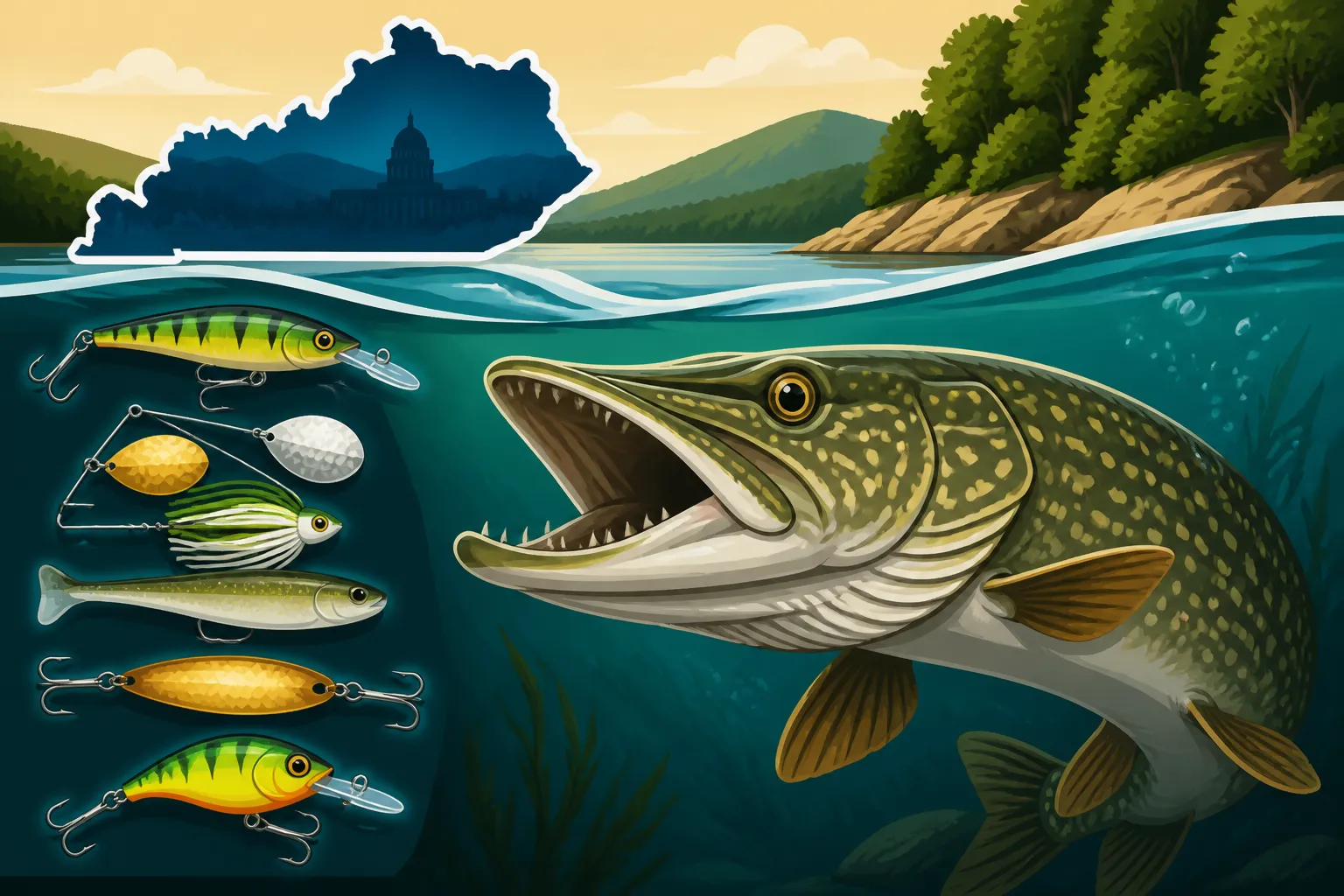
Best Lures for Northern Pike in Big Reservoirs
Chasing Northern Pike in big reservoirs can sometimes feel like trying to find a needle in a haystack, especially when you're faced with acres upon acres of water and don't know where to start with your tackle box. These toothy critters are elusive, but incredibly rewarding to catch. This guide is all about cutting through the guesswork and helping you pick the absolute best lures to entice those big pike, ensuring your next trip to a vast reservoir is met with exciting strikes, not just endless casting.
Understanding Northern Pike Behavior in Big Reservoirs
Before we even talk about specific lures, it’s crucial to understand a bit about Northern Pike themselves, especially how they behave in larger reservoir environments. These fish are ambush predators, pure and simple. They love cover, whether that’s submerged timber, weed lines, rock piles, or even abrupt changes in depth. In big reservoirs, this can mean they're spread out, but they'll often relate to structure that offers them a strategic advantage for lurking and striking.
Their diet is pretty varied, consisting of just about any smaller fish they can catch, along with frogs, ducklings, and even small mammals sometimes. This aggressive, opportunistic feeding habit is what makes them so much fun to target and gives us a wide array of lure options. Their territorial nature means they'll often strike at anything they perceive as a threat or an easy meal, which is why flash, vibration, and erratic movement are key characteristics of effective pike lures. Knowing this helps you choose not just what to throw, but how and where to present it for maximum impact.
How Big Reservoirs Influence Pike Movement
Unlike smaller lakes or rivers, big reservoirs offer pike vast expanses of water, often with diverse habitats ranging from shallow coves to deep main lake channels. This means pike in reservoirs might follow baitfish schools more actively, moving with them across open water, or they might stick to deeper structure during hotter months. During the spring, you might find them in shallower, warmer bays or near spawning flats, while in summer, they might retreat to cooler, deeper points or the thermocline if one exists.
Understanding these seasonal and structural preferences is vital. For example, a lure that works wonders in a shallow, weedy bay in spring might be completely ineffective when pike are holding deep on a main lake point in summer. The sheer size of reservoirs also means you might need to cover more water, making certain lure types that can be cast long distances or retrieved quickly more efficient for searching out active fish. Remember, while Kentucky might be more famous for its bass, understanding these general pike behaviors is key for targeting them wherever they thrive, even if that means venturing beyond our state borders to other large reservoir systems where they are more prevalent, or finding those specific spots in Kentucky where they do exist. You can learn more about Where to Find Northern Pike in Kentucky Lakes.
Pike's Aggressive Feeding Habits
Northern Pike are incredibly aggressive. They're built for speed and power, with a long, torpedo-shaped body and a mouth full of razor-sharp teeth. When they decide to strike, it's usually with vicious intent. This means lures that provoke a reaction strike are often highly effective. Bright colors, strong vibrations, and sudden, erratic movements can trigger their predatory instincts, even if they're not actively feeding.
This aggressive streak also means they can be tough on your tackle. Always use strong leaders and durable lures when targeting pike. Many anglers opt for steel or heavy fluorocarbon leaders to prevent bite-offs. It's not uncommon for a pike to completely engulf a lure, so being prepared with the right gear is part of the battle. Their eagerness to strike is what makes them such a sought-after game fish, providing thrilling fights and memorable catches.
Top Lure Categories for Big Reservoir Northern Pike
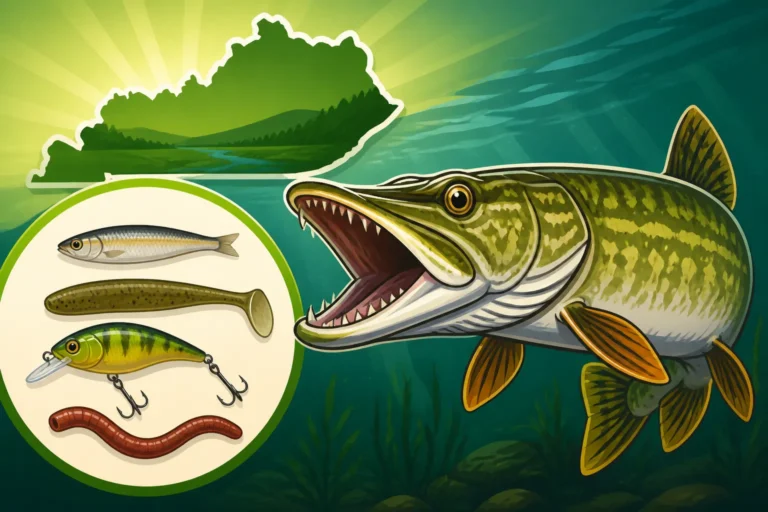
When it comes to outfitting your tackle box for Northern Pike in big reservoirs, you'll want a diverse selection. Pike aren't always looking for the same meal, and conditions change, so having options is your best bet. We're talking about lures that can mimic their natural prey, trigger their aggressive instincts, and withstand their powerful bites.
Spinnerbaits: The Versatile Workhorse
Spinnerbaits are absolute staples for pike fishing, and for good reason. They combine flash, vibration, and a realistic profile, making them incredibly attractive. The spinning blades create a lot of commotion and visual appeal, especially in stained or murky reservoir waters. Pike can feel the vibration from a distance, and the flash often draws them in for a closer look.
You can retrieve spinnerbaits at various speeds, making them versatile for different activity levels of pike. A slow roll along a weed line, a medium retrieve over submerged humps, or even a fast burn to elicit a reaction strike – spinnerbaits can do it all. Look for models with larger blades, like Colorado or willowleaf, in tandem or single configurations, as these create maximum vibration and flash. Chartreuse, white, and brightly colored skirts are often top performers, especially when paired with a contrasting blade color. If you're looking for a wide variety, you can often find great deals and selection on sites like Amazon.
Spoons: Flash and Wobble for Aggressive Strikes
Spoons are another classic pike lure that every angler should have. Their simple design belies their effectiveness. When retrieved, a spoon wobbles and flashes, imitating a wounded baitfish struggling through the water. This erratic, shimmering action is irresistible to hungry pike. They're particularly effective for covering water, as they cast incredibly well, even into the wind.
Heavy spoons can be worked effectively in deeper areas of the reservoir, jigged off points, or cast into open water and allowed to flutter down. Lighter spoons are excellent for shallower weed flats or over submerged vegetation. Silver, gold, and brass are traditional colors, but spoons painted with bright patterns or baitfish imitations can also be deadly. Size matters here; opt for larger spoons, often 3-5 inches or more, to tempt bigger pike.
Jerkbaits: Mimicking Wounded Prey
Jerkbaits excel at imitating wounded or disoriented baitfish, which is a prime target for a predatory pike. The key to jerkbait fishing is the retrieve: a series of "jerks" or "twitches" of the rod tip, followed by pauses. During these pauses, the lure suspends or slowly floats/sinks, making it look like an easy meal. This stop-and-go action is incredibly effective at triggering aggressive strikes.
In big reservoirs, jerkbaits are excellent for fishing along abrupt drop-offs, over submerged structure, or near weed edges. Choose models that suspend well in the water column at the depth you're targeting. Clear, natural baitfish patterns are often best in clear water, while brighter, more attention-grabbing colors might work in stained conditions. The violent strikes on a jerkbait are some of the most exciting experiences in pike fishing.
Swimbaits and Soft Plastics: Realistic Presentations
When pike are a bit more finicky, or when you need a highly realistic presentation, swimbaits and other large soft plastics can be incredibly effective. These lures mimic the natural swimming action of baitfish with remarkable accuracy. Whether it's a paddle-tail swimbait, a large fluke-style bait, or a soft plastic jerkbait, their subtle movements can convince even the most hesitant pike to strike.
Swimblades can be rigged on heavy jig heads to target deeper fish or on weighted swimbait hooks for shallower, weedier areas. The beauty of soft plastics is their versatility in rigging and presentation. You can slowly swim them, twitch them, or even drag them along the bottom. Natural colors that match the local forage are often best, but don't shy away from bright attractor colors, especially in low light or cloudy water. The durability of these lures, often enhanced by internal harnesses, makes them great for repeat use, and you can often find bulk packs of soft plastics on Amazon.
Topwater Lures: Explosive Surface Action
For sheer adrenaline, nothing beats a topwater strike from a Northern Pike. When conditions are right—typically warmer water, low light, or during active feeding periods—topwater lures can provide some of the most explosive fishing action imaginable. Poppers, walk-the-dog style baits, and prop baits all have their place in a pike angler's arsenal.
Poppers create splash and commotion, mimicking a struggling surface baitfish or a small animal falling into the water. Walk-the-dog baits, like Zara Spooks, glide side-to-side, creating an enticing visual that pike can't resist. Prop baits combine a chugging action with a propellor's flash and vibration. When pike hit a topwater lure, it's usually with an aggressive splash and surge that will make your heart pound. These lures are best worked over submerged weed beds, shallow flats, or near fallen timber in the reservoir, wherever pike might be ambushing prey from below.
Matching Lures to Conditions and Seasons
Choosing the right lure isn't just about knowing what's effective; it's about understanding when and where to use it. Big reservoirs are dynamic environments, and pike behavior shifts with water temperature, clarity, and time of year. Tailoring your approach to these conditions will dramatically increase your success rate.
Spring: Shallow Ambush Points
As the water warms in spring, Northern Pike will move into shallower areas of the reservoir, often near spawning grounds or in bays that warm up first. This is a prime time for active fish, and they'll be looking to feed aggressively after the colder months. Think about areas with emerging weeds, fallen trees, or shallow rock piles.
For spring, highly visible and noisy lures are often key. Spinnerbaits retrieved slowly over new weed growth, or spoons cast to ambush points near brush, can be deadly. Jerkbaits worked with a twitch-twitch-pause retrieve near channel edges leading into shallow flats are also very effective. Focus on natural baitfish colors, but don't hesitate to throw brighter chartreuse or orange if the water is stained from runoff. Consider carrying a selection of lures suitable for various water clarities. You might even want to check out Best Lures for Early Spring Fishing.
Summer: Deeper Structure and Thermoclines
When the summer sun beats down, water temperatures in big reservoirs rise. Pike, being cool-water fish, will often retreat to deeper, cooler water. This means focusing your efforts on main lake points, deep humps, submerged islands, and areas where there's a distinct thermocline (the layer where water temperature changes rapidly). They'll still relate to structure, but it will be deeper structure.
Heavy spoons can be jigged vertically or cast long distances to cover deep water. Large swimbaits rigged on heavy jig heads can be slow-rolled along the bottom of deep contours. If you find schools of baitfish in open water, trolling large crankbaits or swimbaits can be highly effective for covering vast areas. For those tough summer days, learning How to Find Crappie in Deep Water in Summer might also give you insights into how baitfish behave, which in turn influences where pike might be. Remember to use heavier tackle to handle deeper fish and the potential for larger pike.
Fall: Aggressive Feeding and Transition Areas
Fall can be one of the best times to target Northern Pike in big reservoirs. As water temperatures drop, pike become incredibly active, feeding heavily to bulk up for winter. They'll often move back into shallower to mid-depth areas, following schools of baitfish that are also moving. Look for transition zones where shallow flats meet deeper channels, or areas with abundant dying vegetation.
Spinnerbaits, especially those with larger blades, are fantastic for working along dying weed lines or over submerged timber. Large jerkbaits can be twitched aggressively along breaks and points. Big swimbaits, particularly those with a realistic profile, can be deadly when slowly retrieved through baitfish schools. Don't be afraid to experiment with brighter, more aggressive color patterns, as pike's metabolism is high, and they're looking for a substantial meal. Best Lures for Fall Bass Fishing might also provide crossover ideas, as many predatory fish exhibit similar fall feeding behaviors.
Winter: Slow and Deep Presentations
Winter fishing for Northern Pike in big reservoirs, if legal and safe for ice fishing, requires a different approach. Pike will be lethargic, holding tight to structure in deeper water. Your presentations need to be slow and subtle to coax a strike.
Jigging spoons or blade baits through the ice or from a boat in open water can be effective. Large soft plastics or dead baits (where legal) presented slowly near the bottom can also work. Look for steep drop-offs, deep points, and submerged humps where pike can ambush passing prey without expending too much energy. The bites will likely be more subtle, so pay close attention. Even in Kentucky, certain deep lakes might offer opportunities for winter pike if the conditions allow. For general winter fishing advice, Where Do Fish Go in Winter can offer insights into fish behavior during colder months.
Here’s a quick summary table of lure types and conditions:
| Lure Type | Best Season | Primary Conditions | Best Presentation | Key Characteristics |
|---|---|---|---|---|
| Spinnerbaits | Spring, Fall | Stained water, weed lines, cover | Slow roll, medium retrieve, fast burn | Flash, vibration, weedless |
| Spoons | All | Open water, deep structure, casting | Cast & retrieve, jigging, fluttering | Wobble, flash, long castability |
| Jerkbaits | Spring, Fall | Clear to stained water, drop-offs | Jerk-jerk-pause, erratic action | Mimics wounded baitfish, suspending |
| Swimblades/Soft Plastics | All | Finicky fish, realistic imitation, deep/shallow | Slow swim, jigging, twitching, bottom contact | Realistic profile, versatile rigging |
| Topwater Lures | Summer, Late Spring | Low light, calm water, shallow cover | Popping, walking-the-dog, chugging | Surface commotion, visual strike |
Tips for Presenting Your Lures Effectively
Having the right lures is only half the battle; knowing how to present them effectively is what truly sets successful pike anglers apart. It's about triggering that predatory instinct and making your lure irresistible.
Vary Your Retrieve Speed and Action
Pike are curious and aggressive, but they can also be finicky. Don't fall into the trap of using a monotonous retrieve. Experiment with different speeds – sometimes a fast retrieve triggers a reaction strike, while other times a slow, deliberate presentation is what they want. Incorporate pauses, twitches, and sudden bursts of speed to mimic erratic baitfish. For example, with a spinnerbait, try burning it for a few seconds, then letting it flutter down like a wounded fish. The unexpected change in rhythm can often be the trigger that prompts a strike. This kind of nuanced technique is what makes a good angler great.
Target Cover and Structure with Precision
As ambush predators, pike are almost always found near some form of cover or structure. Whether it's a dense weed bed, a submerged timber pile, a rock outcrop, or a sharp drop-off, these are their preferred hunting grounds. Cast your lures as close as possible to these features without getting snagged. Work the edges, cast over the top of submerged weeds, or parallel to fallen trees.
In big reservoirs, locating these prime spots can sometimes be a challenge, but modern electronics like fish finders can be a huge asset. Once you find a promising area, fan-cast to cover it thoroughly from different angles. Remember, pike often patrol specific territories, so if you catch one, there might be others in the vicinity. For more on maximizing your fishing spots, you might want to read Best Remote Coves on Kentucky Lake for Bass Fishing, as the principles of finding secluded, productive waters often cross over.
Use the Right Rod, Reel, and Line for the Job
Your tackle setup plays a crucial role in effective lure presentation and landing these powerful fish. For big reservoir Northern Pike, you'll want a medium-heavy to heavy power rod with a fast action, typically 6'6" to 7'6" in length. This provides the backbone needed to cast larger lures, drive hooks into their bony mouths, and control them during a fight.
Pair your rod with a sturdy baitcasting or spinning reel spooled with strong braided line, typically 30-65 lb test. Braided line offers excellent sensitivity, strength, and minimal stretch, which is vital for detecting subtle bites and making powerful hooksets. Crucially, always use a steel, fluorocarbon, or heavy mono leader (at least 6-10 inches) to prevent bite-offs from their sharp teeth. A simple snap swivel can make changing lures easier, but be sure it's a strong one. Best Rod Action and Power for Bass Fishing provides good foundational knowledge that applies to pike as well, given their similar aggressive fighting styles. You can find robust tackle on Amazon that is built to handle pike's power.
Pay Attention to Water Clarity and Color Choices
Water clarity in reservoirs can vary dramatically, from crystal clear to heavily stained or muddy. This greatly impacts your lure color choices. In clear water, natural baitfish patterns (silver, white, perch, shad imitations) are often best, as pike rely heavily on sight. Translucent colors can also be very effective, giving a subtle, natural presentation.
In stained or murky water, visibility is low, so pike rely more on sound and vibration. This is where bright, high-contrast colors like chartreuse, orange, firetiger, or white become highly effective. Lures with noisy rattles or large, thumping blades will also help pike locate your offering. Always have a range of colors in your tackle box to adapt to changing water conditions, even if you are just using Best Lures for Muddy Water options.
By keeping these tips in mind, you'll not only choose the right lures but also present them in a way that maximizes your chances of hooking into some fantastic Northern Pike on your next big reservoir adventure!
Disclaimer
This article is for general informational purposes only and does not constitute professional advice. Laws, prices and regulations vary by location and change over time. Consult a qualified professional for guidance on your specific situation.