Kentucky Trout Stocking Schedule Explained
For many of us who love chasing trout in Kentucky, there's a unique frustration that comes with trying to figure out where and when the next big stocking is happening. It feels like you're always just a step behind, or maybe you only hear about a great bite after everyone else has already reeled in their limit. This guide is here to unravel the mystery of the Kentucky trout stocking schedule, showing you exactly how to find this crucial information so you can plan your trips with confidence and hit the water when the fishing is at its prime.
The Basics of Kentucky's Trout Stocking Program
Kentucky might not be the first state that comes to mind for hardcore trout fishing, but our dedicated Department of Fish and Wildlife Resources (KDFWR) works hard to provide fantastic cold-water opportunities for anglers. They manage an extensive stocking program that brings thousands of trout to various lakes and streams across the Commonwealth each year, turning otherwise inaccessible fisheries into prime spots for these beautiful, finicky fish. It's a huge undertaking, designed to give everyone a chance to experience the thrill of catching a trout right here in Kentucky.
Why Stocking is Important for Anglers
The reality is, most of Kentucky's waters just don't get cold enough naturally to support self-sustaining populations of trout year-round. Our summers are simply too warm, and many of our streams lack the consistent, icy flow that trout truly thrive in. That's where the stocking program becomes absolutely vital. Without it, the vast majority of our trout fishing opportunities simply wouldn't exist. This means that if you're keen on catching rainbow, brown, or even brook trout in Kentucky, you're almost certainly going to be fishing in waters that have been recently stocked. Knowing when and where these stockings occur is the golden ticket to successful trout fishing, preventing countless wasted trips to empty waters. It transforms a hit-or-miss activity into a much more predictable and enjoyable pursuit for everyone, from seasoned fly fishers to families introducing their kids to angling.
The Goal of the Stocking Schedule
The primary goal of the Kentucky trout stocking schedule is quite simple: to distribute trout in a way that maximizes recreational fishing opportunities throughout the year. It's about providing a consistent supply of catchable trout in waters that can support them, even if only seasonally. This isn't just a random dump of fish; it's a carefully planned operation that takes into account water temperatures, angler access, and the overall health of the receiving waters. The KDFWR tries to spread out the stockings to ensure different regions get their turn and to keep the fishing pressure somewhat distributed. For us anglers, understanding this schedule isn't just about finding fish; it's about being a responsible part of the ecosystem by knowing when fish are fresh, and when a particular spot might need a break. It's also critical for planning. If you're hoping to introduce a friend to fishing, a recently stocked lake offers some of the best chances for success.
How to Access and Understand the Stocking Schedule
Finding the official trout stocking schedule is easier than you might think, but it does require knowing where to look and how to interpret the information. Gone are the days of having to call a regional office or hope to stumble upon a local notice. The KDFWR has made a significant effort to put this information directly into the hands of anglers, usually updated regularly online. This transparency is a game-changer for anyone serious about planning their trout trips in Kentucky. Ignoring this resource means you're leaving a lot of potential catches to pure chance.
Finding the Official Information Online
The absolute best place to find the most current Kentucky trout stocking schedule is directly on the Kentucky Department of Fish and Wildlife Resources (KDFWR) website. They typically have a dedicated section for fishing reports and stocking information. I can't give you a direct link, but a quick search for "Kentucky trout stocking schedule KDFWR" should lead you right to it. This isn't some third-party rumor mill; it's the official source, updated as frequently as possible. What you'll find there is usually a list or a map indicating which bodies of water have been or are slated to be stocked, often with details about the species and the general time frame. Many anglers bookmark this page and check it regularly, especially during the cooler months when stocking activity is at its peak. Remember, it's always a good idea to check the very latest update right before you head out, as plans can sometimes shift due to unforeseen circumstances like severe weather or water conditions. You'll also want to make sure you have the proper Kentucky Trout Permit Guide and your fishing license squared away before you hit the water.
Deciphering the Stocking Reports
Once you've found the stocking schedule, you'll see it's usually laid out pretty clearly. It will typically list the water body, the county it's in, the species of trout stocked (almost always rainbow trout), and a date or date range for when the stocking occurred or is planned. Sometimes they'll even indicate the number of fish, but that level of detail can vary.
Here’s a hypothetical example of what a portion of the schedule might look like:
| Water Body | County | Species | Last Stocking (Approx.) | Next Stocking (Approx.) | Notes |
|---|---|---|---|---|---|
| Green River Tailwater | Adair/Taylor | Rainbow Trout | Early Spring | Mid-Fall | Excellent flow, holdover potential |
| Boltz Lake | Grant | Rainbow Trout | Late Winter | Early Spring | Family-friendly access |
| Beaver Lake | Anderson | Rainbow Trout | Mid-Spring | Mid-Fall | Good for bank anglers |
| Lake Cumberland | Russell/Wayne | Rainbow Trout | Year-round | Year-round | Trophy potential, deeper sections |
| Barren River Tailwater | Barren | Rainbow Trout | Late Fall | Late Winter | Strong current, requires experience |
Please remember, this table uses hypothetical dates and details to illustrate the format. Always check the official KDFWR schedule for actual, up-to-date information.
When you see a report, pay close attention to the dates. Freshly stocked trout are generally more aggressive and easier to catch. As time goes on, they can become more wary or disperse throughout the water body. You'll also notice that some locations, particularly tailwaters like the Green River below the dam, or larger, deeper reservoirs like Kentucky's Lake Cumberland Trout Season Explained, are stocked more frequently or even year-round because they have colder, more stable water conditions that can sustain trout for longer periods. For most smaller lakes and ponds, stockings are a more seasonal affair, usually concentrated in cooler months.
Types of Trout and Where They Go
When we talk about trout fishing in Kentucky, it's usually one species that comes to mind first, but our waters actually host a few different varieties, especially in specific, colder habitats. Understanding which trout are stocked and where they prefer to live will greatly improve your chances of a successful outing. It's not just about finding a trout; it's about finding the right trout in the right place with the right approach.
Rainbow Trout: The Most Common Stocked Species
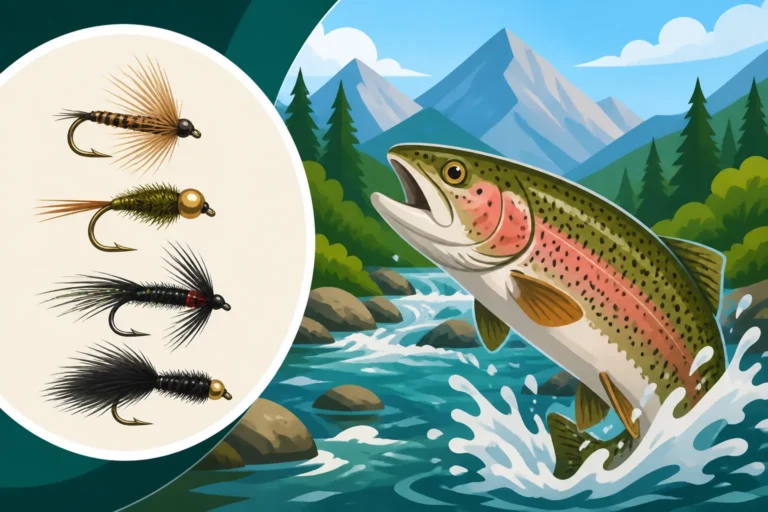
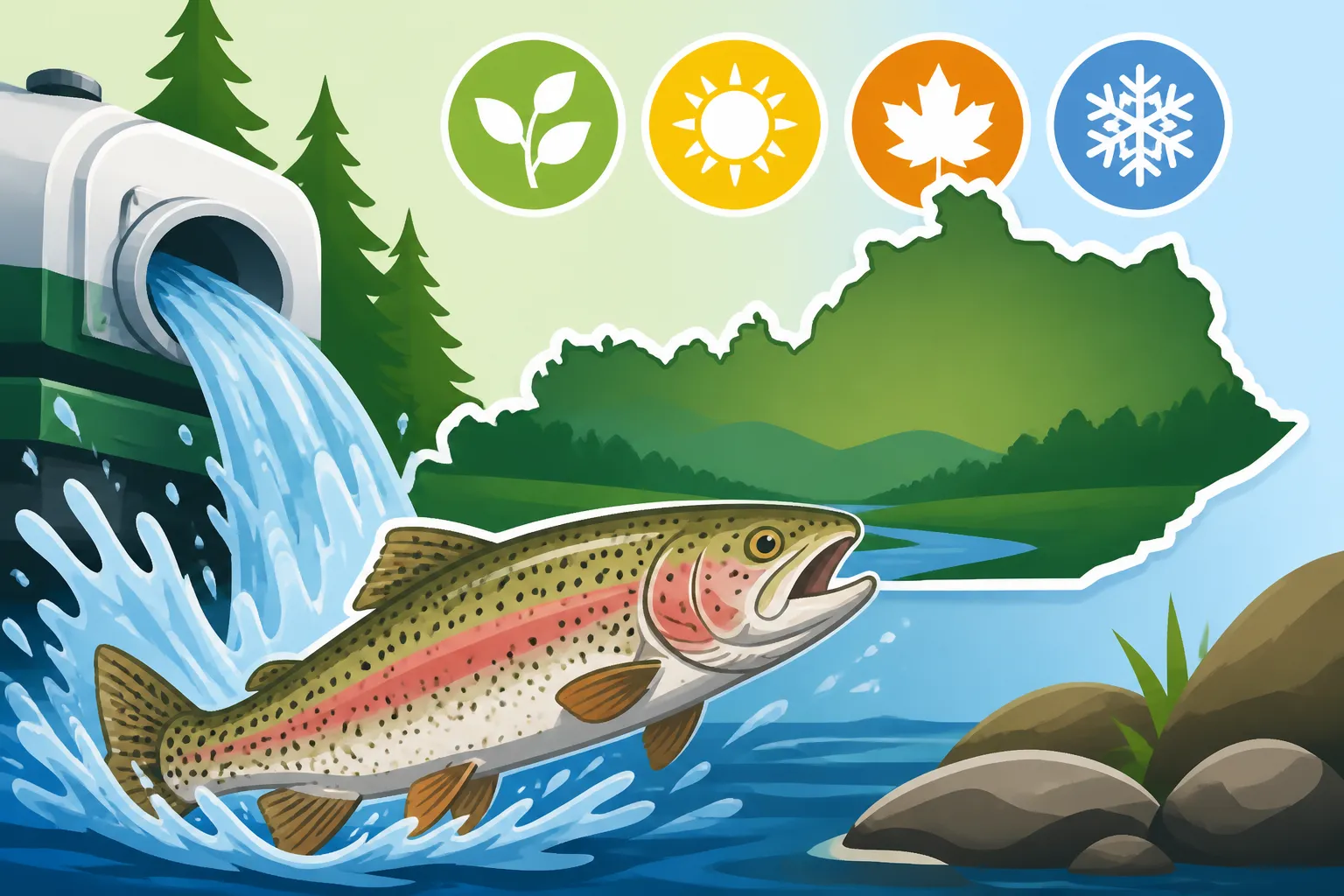
By far, the most frequently stocked trout species in Kentucky are rainbow trout. These beautiful fish, known for their iridescent stripe along their side, are popular with anglers for their willingness to bite and their spirited fight. The KDFWR raises thousands upon thousands of rainbow trout each year specifically for the put-and-take fishery. They're typically stocked in a catchable size, meaning you don't have to wait for them to grow before you can enjoy a fresh trout dinner. You'll find rainbows in a wide variety of waters, from small urban lakes and community ponds to larger reservoirs and tailwater fisheries. They're resilient and adapt well to many of Kentucky's diverse aquatic environments, making them the workhorse of our trout program. If you're planning on chasing these fish, make sure you know How to Add a Trout Permit to Your Kentucky Fishing License as it's required in addition to your general fishing license.
Other Trout Species You Might Encounter
While rainbow trout dominate the stocking reports, you might also find opportunities for other trout species in Kentucky, particularly if you venture into specific, colder habitats. Brown trout are occasionally stocked, especially in some of the colder tailwater fisheries or specific streams that offer a chance for them to grow into larger, more elusive trophies. These fish are known for being much warier than rainbows and can offer a greater challenge. Brook trout, our state's only native trout species, are much rarer and typically found only in the highest elevation, coldest, and most pristine mountain streams in Eastern Kentucky. These are usually wild, self-sustaining populations, not part of the regular stocking schedule, and often exist in very sensitive ecosystems that require careful angling practices. If you're looking for a specific challenge, targeting browns or brooks will require much more specialized knowledge of their habitat and behavior. For most anglers, however, the vast majority of your trout experiences will revolve around the abundance of stocked rainbows. It's always a good idea to check the specific regulations for any stream or lake you plan to fish, as limits and even tackle restrictions can vary, especially in sensitive trout waters.
Maximizing Your Chances After a Stocking
Knowing when and where the trout are going to be released is only half the battle. To truly make the most of the stocking schedule, you need a strategy for timing your trip and having the right gear. There's nothing worse than arriving at a freshly stocked lake only to realize you've brought the wrong bait or your gear isn't quite up to snuff. A little preparation goes a long way in turning those stocking reports into actual fish in the net. Don't forget, the Kentucky Trout Permit Cost and Requirements need to be met before you can legally keep any of these beauties!
Timing Your Trip for Freshly Stocked Waters
The window of opportunity after a stocking can be phenomenal. Trout, especially hatchery-raised rainbows, are often very eager to bite in the days immediately following their release. They're adjusting to a new environment and are usually quite opportunistic feeders. This means that if you can get out to the water within a day or two of a reported stocking, your chances of success are significantly higher. As the week progresses, the fish tend to spread out, become more accustomed to their surroundings, and get pressured by other anglers, making them a bit harder to entice.
Of course, timing isn't always perfect. If you can't make it right after a stocking, don't despair! Trout will still be present, but you might need to adjust your tactics. Look for deeper pockets, submerged structures, or areas with current where fish might congregate. Early mornings and late evenings are generally prime times, regardless of how long ago a stocking occurred, as trout tend to be more active during cooler periods. Also, consider the weather. A little cloud cover or light rain can sometimes make the fishing even better, as it might reduce pressure from other anglers and make the fish feel more secure. Keep an eye on local conditions, and always cross-reference with the official KDFWR stocking data to make an informed decision on when to go.
Essential Gear for Stocked Trout Fishing
You don't need a massive, specialized arsenal to catch stocked trout, but having the right basic gear makes a huge difference. For most Kentucky stocked trout waters, a light spinning rod and reel combo is perfect. Think ultra-light to medium-light action rods, paired with a small spinning reel spooled with 4-6 pound test line. This setup offers sensitivity for those subtle bites and enough backbone to handle a feisty rainbow. If you're looking to upgrade or just get started, you can find a ton of great options online, often bundled as combos, on sites like Amazon. For bait, classics like corn, PowerBait (in various colors and forms), small worms, or even tiny marshmallows are often irresistible to freshly stocked trout. Live minnows can also be very effective where legal.
Lure-wise, small inline spinners (like Panther Martins or Mepps), tiny spoons, or micro jigs under a bobber can also be incredibly productive. Color choice often matters; brighter colors like chartreuse or orange can work well in stained water, while more natural patterns might be better in clear conditions. Don't forget a small tackle box to organize your hooks, sinkers (small split-shot or pinch-on sinkers work great), and swivels. A pair of small pliers for hook removal, a stringer or cooler for your catch, and a valid Kentucky Trout Permit Guide are also absolutely essential. Having a comfortable pair of waterproof boots and a rain jacket, even if the forecast looks clear, can save your trip from an unexpected shower. Remember, the Trout Permit Price: Same $10.57 for Residents and Nonresidents is a small investment for the fun you'll have!
Disclaimer
This article is for general informational purposes only and does not constitute professional advice. Laws, prices and regulations vary by location and change over time. Consult a qualified professional for guidance on your specific situation.