Where to Find Redbreast Sunfish in Kentucky
If you're an angler in Kentucky, you know the thrill of chasing after a lunker bass or wrestling with a big catfish. But sometimes, it's the smaller, feisty panfish that truly make a day on the water memorable, and the redbreast sunfish is a prime example. These beautiful, hard-fighting little fish often get overlooked, but once you know where to look and what to use, you'll discover they offer some of the most enjoyable fishing experiences, especially for a relaxed day or introducing kids to the sport. This guide is all about helping you pinpoint those elusive redbreast sunfish in Kentucky's diverse waterways.
Understanding the Redbreast Sunfish's Preferred Haunts in Kentucky
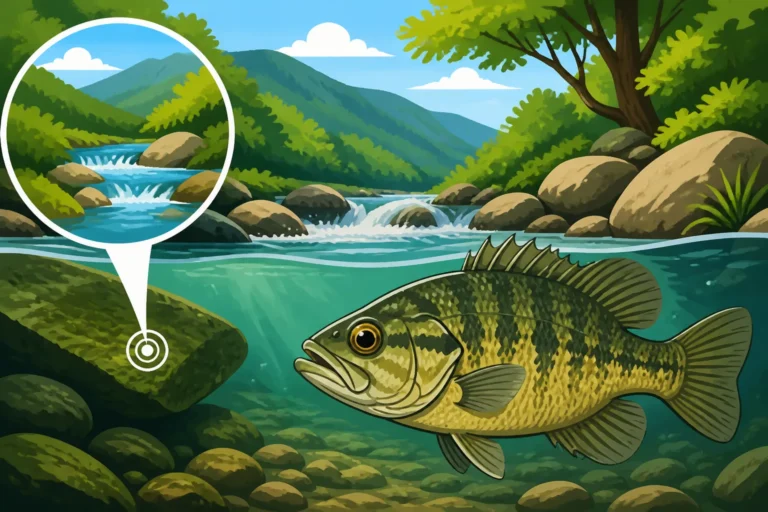
The key to finding any fish is understanding its preferred environment, and redbreast sunfish are no exception. Unlike their cousins, the bluegill, which thrive in a wide variety of still and slow-moving waters, redbreast sunfish have a distinct preference for flowing water. If you're looking for them in Kentucky, you'll want to shift your focus from large, open lakes to the state's incredible network of rivers, creeks, and riverine sections of reservoirs.
Ideal Water Conditions for Redbreast Sunfish
Redbreast sunfish are true connoisseurs of current. They love clear to moderately stained water that has a noticeable flow. Think of smaller to medium-sized rivers and larger creeks, rather than the deep, open expanses of Kentucky Lake or Lake Cumberland. These fish often position themselves just out of the main current, in eddies, behind rocks, or along current breaks where they can ambush passing insects and small prey without expending too much energy fighting the flow. This also means they appreciate good water quality, so highly polluted or silty streams might not be their top choice.
When you're scouting a spot, look for areas where the river or creek shows diversity in its flow and structure. A uniform, fast-moving channel isn't as appealing as a section with alternating riffles, runs, and pools. They need those calmer pockets to rest and feed. The presence of submerged vegetation, fallen trees, and rocky bottoms are also strong indicators of potential redbreast sunfish habitat.
Identifying Key River and Stream Features
Within these flowing environments, redbreast sunfish are particular about where they set up shop. They are often found near various types of cover and structure that offer protection from predators and a steady supply of food. This includes the edges of weed beds, submerged logs, brush piles, rock formations, and undercut banks. These features provide shade, hiding spots, and areas where insects and baitfish congregate.
One of their favorite spots is often around current seams – the line where faster-moving water meets slower water. Cast your bait or lure right into or along these seams, letting it drift naturally into the calmer water where the fish are waiting. Also, don't overlook bridge pilings, fallen trees that create eddies, and any natural choke points in a stream. These are all prime real estate for a redbreast sunfish looking for an easy meal.
Top Fishing Spots for Redbreast Sunfish: Where to Cast Your Line
Kentucky is blessed with an abundance of waters that fit the redbreast sunfish's picky preferences. While they might turn up in unexpected places, focusing your efforts on specific types of rivers and their tributaries will significantly increase your chances of success.
Rivers and Creeks Known for Redbreast Populations
When it comes to specific locations, think about Kentucky's smaller to medium-sized rivers and their numerous tributaries. The Green River, particularly its upper and middle sections, is a fantastic spot. Its diverse habitat, with stretches of rocky bottom, clear water, and plenty of submerged structure, makes it a prime location. Similarly, the Kentucky River and its feeder creeks, like the Elkhorn Creek, can hold good numbers of redbreast sunfish. These waterways offer the current, cover, and forage that these fish crave.
Other promising rivers include the Licking River, especially upstream from deeper pool sections, and parts of the Big Sandy River drainage. Many smaller, unnamed creeks that feed into larger rivers can also be goldmines, particularly if they maintain a healthy flow and good water quality. It often takes a bit of exploring to find those hidden gems, but the reward of a steady bite is well worth the effort. Always check local regulations, as rules can vary by specific water bodies. You can learn more about this by reading Kentucky Fishing Regulations Explained.
Public Access Points for Stream Fishing
Finding the right river or creek is only half the battle; you also need to find accessible spots to fish. Fortunately, Kentucky offers numerous public access points that are perfect for bank or wade fishing for redbreast sunfish. State parks and wildlife management areas (WMAs) along rivers are excellent places to start. Many of these locations have designated fishing access, walking trails, and boat ramps suitable for launching kayaks or small jon boats, which are ideal for navigating smaller rivers.
Consider locations along the Green River near Mammoth Cave National Park, where there are various public access points. On the Kentucky River, towns often have municipal parks with river access. For the smaller creeks, look for road bridges with safe pull-offs where you can access the banks. Always be mindful of private property boundaries and respect local landowners. A quick search on the Kentucky Department of Fish and Wildlife Resources (KDFWR) website can often provide maps and detailed information on public access points for specific waterways. When planning your trip, consider what gear you'll need for bank fishing by checking out Best Tackle and Gear for Bank Fishing.
Navigating the Waters: Shore, Wade, and Kayak Fishing
Because redbreast sunfish prefer rivers and creeks, your fishing method will often differ from large lake fishing. Bank fishing is a fantastic option, allowing you to walk stretches of river, casting into promising pockets and around cover. Look for stretches with clear, stable banks that offer easy casting opportunities and safe footing.
Wade fishing is perhaps one of the most productive ways to target redbreast sunfish. With a good pair of waders, you can get into the middle of the stream, access untouched pockets, and cast to structure that's out of reach from the bank. Always be careful of current strength and slippery rocks. A sturdy wading staff can be your best friend. For a more expansive approach, consider a kayak or a small canoe. These silent vessels allow you to drift down a river, quietly approaching prime habitats without spooking fish, giving you access to sections of the river that are difficult to reach otherwise. They also allow you to carry a modest amount of gear, including a small cooler for your catch.
Gear and Techniques for Landing Kentucky Redbreast Sunfish
Once you've found a promising spot, you'll need the right gear and techniques to coax these feisty fish onto your line. Redbreast sunfish, while not large, put up an impressive fight on light tackle, making them a joy to catch.
Recommended Gear for Redbreast Sunfish
For redbreast sunfish, the mantra is light tackle. An ultralight spinning rod and reel combo is absolutely perfect. A rod in the 5 to 6-foot range with a fast or moderate action will give you the sensitivity to feel the subtle bites and enough backbone to handle a spirited fight. Pair it with a small spinning reel spooled with 4 to 6-pound test monofilament or fluorocarbon line. This lighter line allows for longer casts with small baits and lures and is less visible in clear water, which is often crucial when targeting wary panfish.
You'll also want a selection of small hooks, typically sizes #8 to #12. Tiny split-shot weights are essential for getting your bait down in the current without making too much splash. A few small bobbers, especially slip bobbers for precise depth control, can also be incredibly useful. Don't forget a small pair of needle-nose pliers for hook removal, especially since these fish can swallow smaller hooks, and a small stringer or basket if you plan on keeping a few for the frying pan. Many of these items are easily found on Amazon or at your local tackle shop.
Top Baits and Lures That Work Wonders
Redbreast sunfish aren't overly picky, which is great news for anglers. Their diet primarily consists of insects, small crustaceans, and tiny fish, so natural baits often work best.
- Live Baits:
- Worms: Hands down, earthworms or red wigglers are perennial favorites. Thread a small piece onto your hook, leaving the ends wiggling for maximum appeal.
- Crickets/Grasshoppers: During warmer months, these insect baits are irresistible to redbreast sunfish, especially if you're fishing near grassy banks where they might naturally fall into the water.
- Minnows: Very small minnows can also tempt larger redbreast sunfish, though they tend to attract other species as well.
- Artificial Lures:
- Micro Jigs: Small feather jigs or plastic tube jigs in sizes 1/32 to 1/16 ounce, in natural colors like olive, brown, or black, can be deadly. Tip them with a tiny piece of worm for added scent and appeal.
- Spinners: Inline spinners like those from brands such as Rooster Tail or Panther Martin, in sizes #0 or #1, with gold or silver blades, are excellent for casting and retrieving in current. The flash and vibration mimic small baitfish or insects.
- Flies: For fly anglers, small poppers, wet flies (like a Prince Nymph or Hare's Ear), or dry flies (like an Adams or Royal Wulff) can be incredibly effective, especially during insect hatches. To learn more about this technique, read Best Flies for Rainbow Trout in Mountain Streams which offers insights transferable to panfish.
Effective Fishing Techniques
The technique for catching redbreast sunfish is often about presentation and subtlety.
- Drifting Natural Baits: The most common and often most effective method is to drift a small live bait under a tiny bobber or with just a split shot, letting the current carry it naturally into promising areas. Cast slightly upstream and let your bait drift down, watching your line or bobber for any hesitation or movement. This technique is especially effective when fishing around fallen trees or rock piles.
- Casting and Retrieving Lures: When using small spinners or micro jigs, cast them across or slightly upstream, and retrieve them slowly, just fast enough to get the spinner blade turning or the jig dancing. Vary your retrieve speed and add small twitches to entice strikes. Focus on retrieving through current seams and around cover.
- Fly Fishing: For fly anglers, presenting a dry fly near overhanging vegetation or a wet fly or nymph along the bottom of a run can be incredibly productive. A light fly rod (2-4 weight) is perfect for these smaller fish.
Remember to be quiet and move slowly, especially when wade fishing. These fish can be spooky in clear, shallow water. If you're not getting bites in one spot, move a little further upstream or downstream and try another piece of promising cover.
Making the Most of Your Redbreast Sunfish Adventure
Redbreast sunfish offer more than just a fun fight; they are a fantastic species for a relaxed day on the water, whether you're alone or with family.
The Fun of Catching Redbreast Sunfish
While they may not grow to trophy sizes like some other Kentucky fish, redbreast sunfish are champions of their weight class when it comes to fighting. Pound for pound, they pull hard, dart, and dive, providing surprising excitement on ultralight tackle. This makes them an ideal target for anglers looking for consistent action and a great fish to introduce children to the joys of fishing. There’s nothing quite like seeing a kid’s face light up after catching a brightly colored, feisty redbreast. They are also abundant in many suitable habitats, meaning you often won't have to wait long between bites. For more family-friendly fishing ideas, check out Kid-Friendly Fish to Catch in Kentucky.
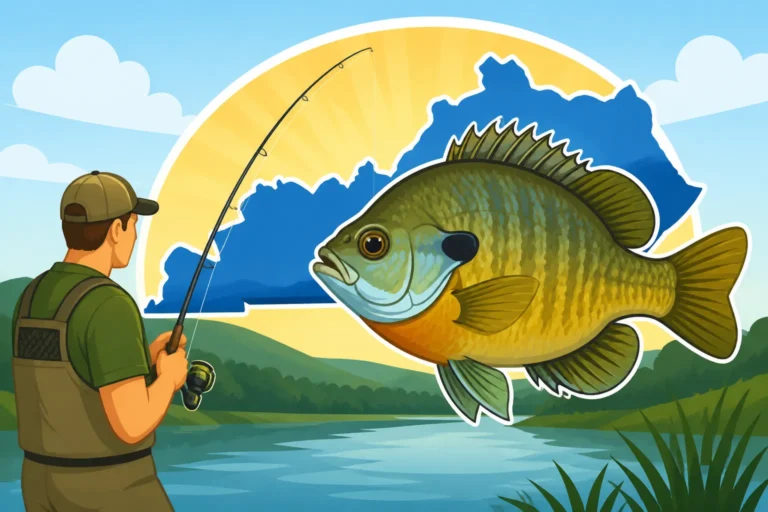
Their vibrant colors, ranging from olive green to brilliant orange and red on their belly, make them a visually appealing catch as well. Each fish is a little jewel from the river, adding to the aesthetic pleasure of the sport. It’s an opportunity to appreciate the smaller, intricate beauties of Kentucky’s aquatic ecosystems.
Ethical Fishing and Conservation Practices
Even when targeting smaller fish, practicing ethical angling is important. If you're planning to keep some redbreast sunfish for a meal (and they are quite delicious!), be sure to consult the current Kentucky fishing regulations for any specific bag or size limits on panfish. These limits are in place to ensure healthy fish populations for future generations of anglers.
When releasing fish, handle them gently with wet hands to protect their slime coat, and quickly return them to the water. If a fish has swallowed the hook deeply, it's often best to cut the line as close to the hook as possible rather than trying to rip it out, which can cause more harm. Consider using barbless hooks, especially if you're primarily fishing for sport and plan on releasing all your catches. Being a responsible angler ensures that Kentucky's rivers and creeks remain vibrant ecosystems for all its inhabitants, fish and human alike.
Preparing Your Redbreast Sunfish Catch
If you decide to keep a few redbreast sunfish, you're in for a treat! Like most panfish, they have delicious, flaky white meat that's excellent when pan-fried. Cleaning them is relatively straightforward: you can scale and gut them, or simply fillet them for boneless portions.
To pan-fry, simply dredge the cleaned fish or fillets in a seasoned cornmeal or flour mixture, then fry in hot oil until golden brown and cooked through. Serve with some hushpuppies, coleslaw, and a squeeze of fresh lemon, and you’ll have a classic Kentucky meal that’s hard to beat. Just make sure your cooler is well-stocked with ice to keep your catch fresh on the way home. A quality cooler, which you can find on Amazon, is a must-have for any fishing trip.
When you spend time fishing for redbreast sunfish, you’re not just catching fish; you're connecting with Kentucky's beautiful river systems and enjoying a simpler, yet deeply rewarding, form of angling.
Disclaimer
This article is for general informational purposes only and does not constitute professional advice. Laws, prices and regulations vary by location and change over time. Consult a qualified professional for guidance on your specific situation.