Longnose Gar Fishing on the Ohio River
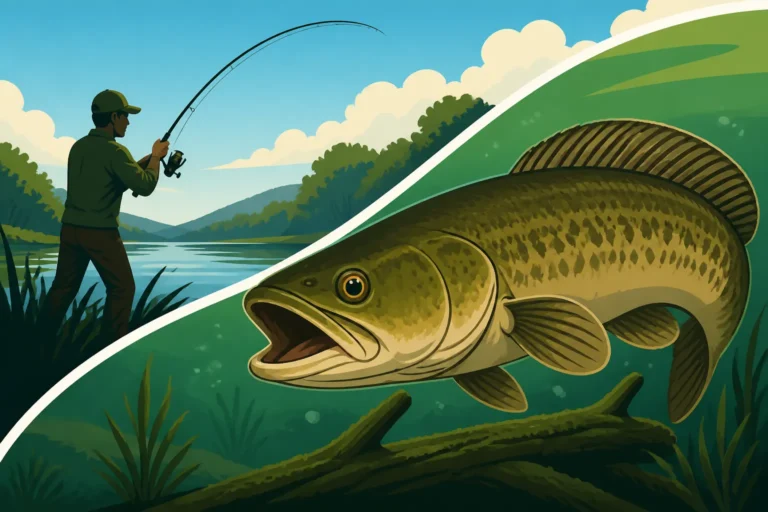
For many anglers on the Ohio River, the longnose gar often goes unseen or, worse, unappreciated. These ancient, toothy predators cruise the calmer backwaters and slow-moving currents, offering a truly unique and exhilarating fishing challenge that's far removed from your typical bass or crappie trip. This comprehensive guide will equip you with all the knowledge, gear, and techniques needed to confidently target and successfully land these incredible, hard-fighting fish right here in Kentucky.
Understanding the Longnose Gar
The longnose gar is a fascinating and often misunderstood fish species. With its distinctive, elongated snout and formidable teeth, it looks like a relic from prehistoric times, and in many ways, it is! These fish have been around for millions of years, adapting perfectly to their riverine environments. Understanding their biology and behavior is the first step toward successfully catching them.
Distinguishing Features and Biology
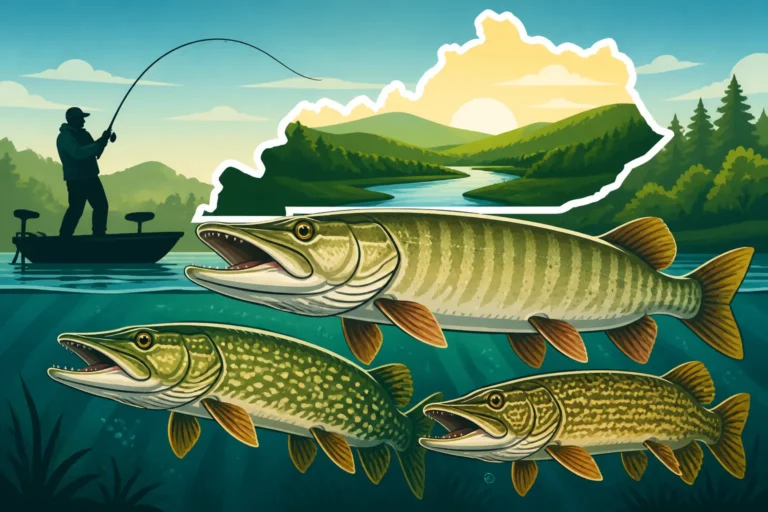
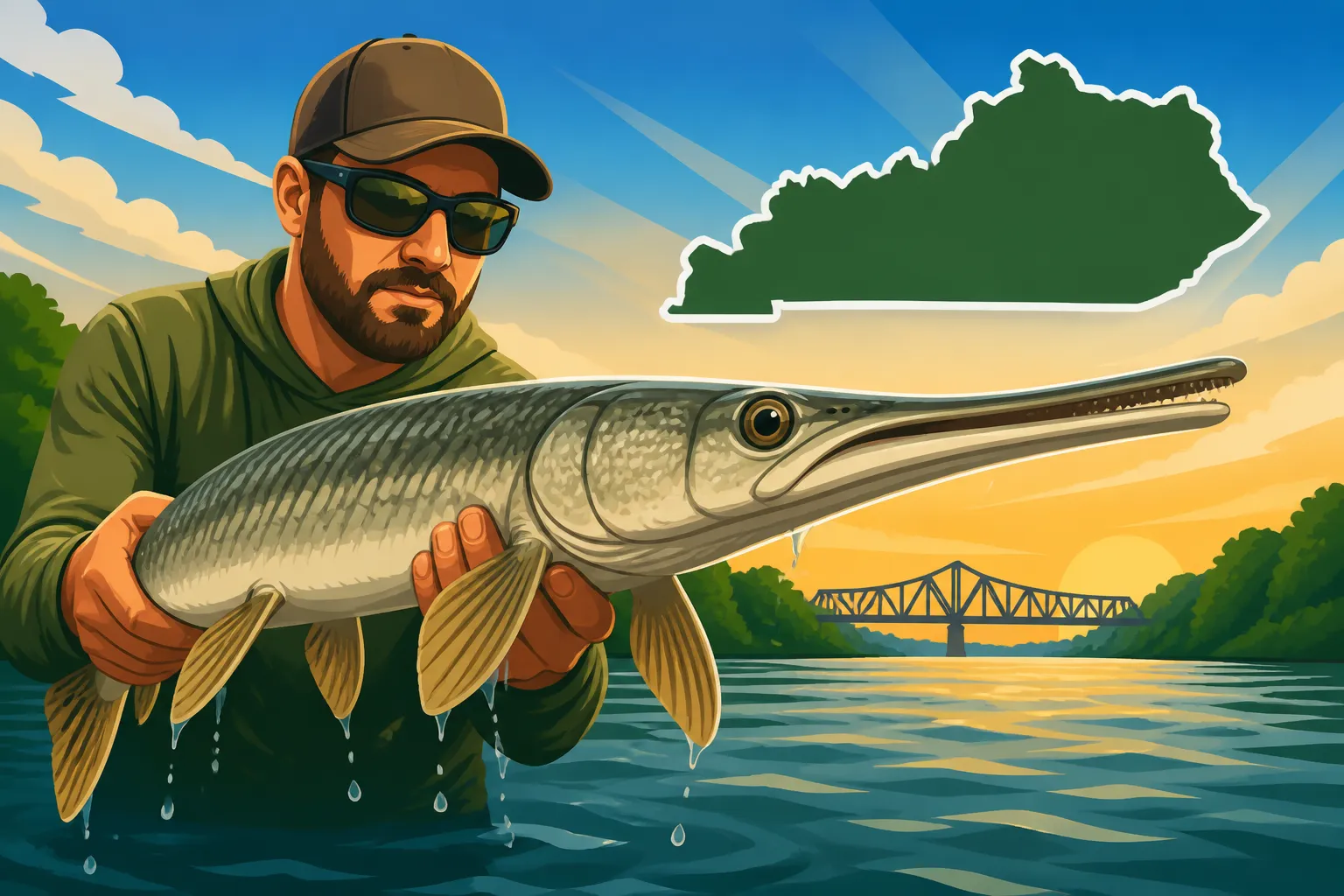
Longnose gar (Lepisosteus osseus) are easily identified by their long, slender bodies and, of course, their incredibly long, narrow jaws that are packed with sharp, conical teeth. They possess ganoid scales, which are thick, hard, and interlocking, acting like a suit of armor against predators. Unlike many fish, gar have a swim bladder that can function as a primitive lung, allowing them to gulp air from the surface when oxygen levels in the water are low. This adaptation makes them incredibly resilient and capable of surviving in conditions that would stress or kill other fish. Their coloration typically ranges from olive green to brown on top, fading to a lighter, silvery belly, often with dark spots along their sides and fins.
They can grow quite large, with specimens in the Ohio River regularly reaching lengths of 3 to 5 feet, and some even larger. Their maximum lifespan can exceed 20 years, contributing to their impressive size. Many anglers confuse them with other gar species, but the length of their snout relative to their head is a key identifying feature for the longnose.
Diet and Feeding Habits
Longnose gar are primarily piscivores, meaning they feed mostly on other fish. They are ambush predators, often lurking in submerged vegetation, log jams, or other cover, waiting for an unsuspecting baitfish to swim by. Their long, narrow snout isn't just for looks; it's perfectly designed for snatching prey with a swift, sideways swipe. They don't typically "bite" in the way a bass does; instead, they often grab their prey crosswise and then maneuver it to swallow headfirst.
Their diet on the Ohio River includes a variety of smaller fish like shad, minnows, small carp, and even sunfish. They are opportunistic feeders and will take advantage of whatever prey is most abundant. This opportunistic nature means they can be caught using a variety of baits and lures, which we'll delve into later. Knowing what they eat helps us understand what baits will be most effective.
Where They Live in Ohio River
The Ohio River, with its vast stretches of diverse habitat, is an excellent place to find longnose gar. They prefer slow-moving water, calmer backwaters, oxbows, and sloughs. Look for them in areas with plenty of submerged vegetation, fallen trees, brush piles, and shallow flats adjacent to deeper channels. They are often found near current breaks, where they can wait for food to drift by without expending too much energy fighting the main current.
Specifically, productive areas often include creek mouths where tributaries feed into the Ohio, protected coves, and the downstream side of islands or large structures that create slack water. Navigation hazards like wing dams or old bridge pilings that break the flow can also hold gar. While they can tolerate a wide range of water conditions, they tend to be more active in warmer water, often basking near the surface in sunny conditions. Observing the surface for their distinctive rolls or gulping air can give away their presence.
Why Fish for Longnose Gar on the Ohio River
Fishing for longnose gar isn't your average fishing trip. It’s a pursuit that offers unique challenges, rewards, and a different kind of thrill compared to targeting more conventional game fish. The Ohio River provides an ideal backdrop for this distinctive angling experience.
The Unique Challenge and Thrill
One of the biggest draws of longnose gar fishing is the sheer challenge. Their bony mouths make hook-sets incredibly difficult, leading to many missed strikes and frustrating moments. This isn't a fish you can simply reel in once it bites; it requires patience, specific techniques, and a solid understanding of their feeding habits. When you finally connect with a gar, prepare for a battle. They are incredibly strong, put up powerful runs, and often jump and thrash, making for a truly memorable fight.
There's a raw, primal satisfaction that comes with outsmarting a creature that has been perfecting its predatory skills for millions of years. It’s a testament to your angling skill and perseverance. For those who feel they've mastered other species, the longnose gar offers a fresh, exciting frontier. It's not about the table fare for most, but rather the pure joy of the chase and the fight.
Ecological Importance and Conservation
While not typically seen as a "glamour" fish, longnose gar play a crucial role in the Ohio River ecosystem. As top-level predators, they help control populations of baitfish and even some rough fish, contributing to the overall health and balance of the aquatic environment. They help keep smaller, abundant species in check, preventing overpopulation and promoting a healthier food web.
Fortunately, longnose gar populations in the Ohio River are generally robust, and they are not considered endangered. However, responsible angling practices are still essential. Catch and release, especially for larger fish, helps ensure healthy breeding populations for future generations. Understanding their role in the river reminds us of the interconnectedness of all species and the importance of preserving biodiversity, even for species that might seem less charismatic at first glance.
Accessibility for Kentucky Anglers
The Ohio River forms Kentucky’s northern border, making it incredibly accessible for a vast number of anglers across the state. From Paducah in the west to Ashland in the east, there are countless public access points, boat ramps, and riverside parks where you can launch a boat or fish from the bank. Whether you're in a city like Louisville or a smaller river town, chances are you're not far from a prime gar fishing spot.
Unlike some specialized fisheries that require extensive travel or unique permits, fishing for longnose gar on the Ohio River is generally straightforward. You'll need a valid Kentucky Fishing License Guide (and potentially a license for Ohio or Indiana if you venture into their waters, depending on reciprocity rules, which can be complex, so always check Tennessee-Kentucky Fishing License Reciprocity Rules and other state-specific regulations like Ohio Anglers Fishing in Kentucky Waters). The ease of access makes it an ideal target for a weekend warrior or someone looking for a spontaneous fishing adventure without too much planning. Remember to always consult Kentucky Fishing Regulations Explained before you head out.
Best Times and Locations for Gar on the Ohio River
Timing and location are crucial for any successful fishing trip, and targeting longnose gar on the Ohio River is no exception. Knowing when and where to find these elusive predators can significantly increase your chances of a hook-up.
Seasonal Patterns and Water Conditions
Longnose gar are generally more active and easier to catch during the warmer months, typically from late spring through early fall (May through September). As water temperatures rise into the 70s and 80s, their metabolism speeds up, and they become more actively engaged in feeding. You’ll often see them basking near the surface in sunny, calm conditions during these times, occasionally gulping air. This behavior makes them more visible and, thus, more targetable.
During cooler months, gar tend to retreat to deeper, more stable waters and become less active. While they can still be caught, the bite will be slower. High, muddy water conditions, often seen after heavy rains, can make gar fishing challenging as they disperse and visibility decreases. Ideal conditions involve stable or slightly rising warm water with good clarity.
Prime River Features and Structures
When fishing the Ohio River for longnose gar, focus on areas that offer calm, slack water and plenty of cover. Here’s a breakdown of prime spots:
- Backwaters and Oxbows: These stagnant or slow-moving areas are gar magnets. They often have abundant baitfish and submerged vegetation, providing perfect ambush points.
- Creek Mouths: Where smaller creeks or streams enter the Ohio, they often create eddies and bring in food, attracting gar.
- Shallow Flats Adjacent to Deep Water: Gar will move into shallow flats to feed, especially during low light, but prefer to have quick access to deeper water for safety.
- Log Jams, Brush Piles, and Fallen Trees: Any kind of woody cover provides excellent ambush points and protection.
- Docks, Piers, and Bridge Pilings: Man-made structures can also hold baitfish and provide cover for gar.
- Weed Beds: Submerged and emergent vegetation are key habitats, offering both cover and food for gar and their prey.
Consider areas around larger locks and dams, particularly below them where currents slow and back eddies form. These areas concentrate baitfish and create ideal gar habitat. For specific locations, many of the spots known for catfish might also hold gar, so checking guides like Best Catfish Fishing Spots on Kentucky's Ohio River or Best Catfish Fishing Holes on the Ohio River in Kentucky can give you a starting point.
Day vs. Night Fishing for Gar
While many anglers associate gar with daytime basking, they are also quite active at night, especially during the hottest summer months. During the day, they might be more visible near the surface, but can also be wary. At night, they often move into shallower areas to hunt.
- Day Fishing: Focus on visible gar near the surface in calm, sunny conditions. Use lures or baits that create a commotion or are highly visible to draw them out of cover.
- Night Fishing: Gar tend to rely more on their sense of smell and lateral line system at night. Dead bait or cut bait fished on the bottom or suspended under a bobber can be particularly effective. Areas with artificial light, such as lighted docks or bridge abutments, can attract baitfish, which in turn attract gar. Always remember to bring appropriate safety gear and lighting for night excursions.
Essential Gear for Longnose Gar Fishing
Gar fishing isn’t like panfishing; it requires robust gear that can stand up to their strength and their bony mouths. Investing in the right tackle will save you a lot of frustration and increase your landing ratio.
Heavy-Duty Rods and Reels
When it comes to rods, think power. A medium-heavy to heavy action rod, typically 7 to 8 feet in length, is ideal. This extra length helps with casting longer distances and provides better leverage when fighting a strong, thrashing gar. A stout backbone is crucial for driving hooks into their bony jaws, or for handling the unique "rope" method we'll discuss later. Bass rods, heavy catfish rods, or even muskie rods can often do the trick. Brands available on Amazon often offer great heavy-duty spinning or baitcasting options that fit the bill.
For reels, a sturdy baitcasting reel with a reliable drag system is often preferred for its power and control. However, a robust spinning reel in the 4000 to 6000 size range can also work, especially if you prefer that style. Ensure your reel can hold a good amount of heavy line. A smooth, consistent drag is paramount, as gar can make powerful runs. If you're looking for Best Rod and Reel Combo for Catfish Fishing, those setups are often quite suitable for gar as well due to the similar need for strength.
Line Choices and Leaders
Your choice of fishing line is critical. Monofilament line in the 20-30 lb test range is a good general choice because it offers some stretch, which can be forgiving when a gar shakes its head violently. However, many experienced gar anglers prefer braided line, typically 30-65 lb test. Braid offers superior strength, no stretch for better hook-sets (or rope method effectiveness), and excellent abrasion resistance against rough scales or submerged structure. It's also thin for its strength, allowing for more line capacity.
Here’s where things get truly specialized: leaders are essential. Gar have razor-sharp teeth that will easily slice through standard mono or fluorocarbon leaders. You have a few options:
- Wire Leaders: A 30-60 lb test steel leader (single strand or multi-strand) is highly effective and completely tooth-proof. These are readily available on Amazon.
- Heavy Monofilament/Fluorocarbon: Some anglers use very heavy (80-100 lb test) mono or fluorocarbon leaders. While not completely tooth-proof, their thickness makes them more resistant to cutting.
- No-Knot Braided Leader (for rope method): For the "rope" technique, you'll actually use a special type of leader made of unraveled nylon rope, which we’ll cover in the techniques section.
The goal is to prevent the gar's teeth from reaching your main line.
Specialized Lures and Baits
Gar are unique, and so are some of the most effective ways to catch them. Your Best Tackle Box Setup by Species for bass won't quite cut it for these toothy critters.
- "Rope" Lures: This is arguably the most famous and effective gar-specific tackle. It involves a frayed section of nylon rope (typically 6-8 inches long) tied directly to your line or a short leader. The gar's teeth get tangled in the fibers when it strikes, allowing you to reel it in without a hook! This method minimizes harm to the fish for catch and release. You can find pre-made rope lures or make your own.
- Live Bait: Live minnows, shad, or small sunfish are incredibly effective. Present them under a bobber or free-lined in current breaks or near cover. Use a sturdy circle hook (size 4/0 to 7/0) to hook the bait lightly through the back or lips. The circle hook is important because it often rotates into the corner of the gar's mouth, making it easier to remove and safer for the fish.
- Cut Bait/Dead Bait: Chunks of shad, skipjack, or even hot dogs can work well, especially for larger gar or during night fishing. Fish these on the bottom with a Carolina rig or under a bobber. Again, circle hooks are your friend here.
- Artificial Lures: While challenging, gar can be caught on artificials. Spoons, inline spinners, and large soft plastic swimbaits can entice a strike. The key is to retrieve them slowly through gar-holding areas. Many anglers remove the treble hooks and replace them with single, large, strong hooks, or even a rope leader, to increase hook-up ratios and reduce injury.
For bank fishing, a simple float rig with live or dead bait is often very effective. Ensure you have a good selection of terminal tackle, including heavy swivels, sinkers, and pliers for safe hook removal. Consider what might be in your Best Tackle and Gear for Bank Fishing setup.
Effective Techniques for Catching Longnose Gar
Longnose gar require a unique approach. Their bony jaws make traditional hook-setting difficult, but with the right techniques, you can turn frustration into success.
The "Rope" Method
This technique is a game-changer for gar fishing, especially if you prioritize catch-and-release. Instead of a hook, you use a short section (about 6-8 inches) of frayed nylon rope. The rope is tied directly to your main line or a short, heavy leader, with no hook attached.
When a gar strikes the rope, its sharp, needle-like teeth become incredibly entangled in the soft, fibrous strands of the rope. You don't "set the hook" in the traditional sense. Instead, when you feel a strike, keep steady pressure on the line. The gar will thrash and roll, further tangling itself in the rope. Slowly but firmly, reel the fish in. Once alongside the boat or on the bank, you can often disentangle the gar by carefully backing out the rope from its teeth, making for a safe and relatively easy release. This method dramatically reduces harm to the fish's mouth, as there's no hook to tear tissue. It's an incredibly humane and effective way to target gar.
Live and Dead Bait Fishing
For a more traditional approach, live and dead baits are highly effective for longnose gar, especially when they are less active or holding deeper.
- Live Bait Presentation: Use a sturdy circle hook (size 4/0 to 7/0) threaded lightly through the back or lips of a live minnow, shad, or small panfish. This keeps the bait lively and natural-looking. Fish it under a slip bobber set to suspend the bait just above any submerged cover or at the depth where you've seen gar. In areas with current, a simple free-lined presentation or a Carolina rig (with a small weight to keep the bait near the bottom but allowing it to move naturally) can also work. Allow the gar to fully take the bait and swim off before applying steady pressure. Circle hooks will often find the corner of their mouth without a hard hook set.
- Dead/Cut Bait Presentation: Chunks of oily fish like shad or skipjack, or even strips of tough meat, can be fished on the bottom using a Carolina rig, or under a bobber. The scent trail from the cut bait can attract gar from a distance, particularly effective in murkier water or during night fishing. Again, use circle hooks. Let the gar swallow the bait for a moment before applying pressure; this gives the circle hook time to rotate and catch. This is a common method for Kentucky Catfish Fishing: Ohio River and Kentucky Lake Guide, and many of the same principles apply.
Artificial Lures and Presentations
While more challenging, catching gar on artificial lures is incredibly rewarding. It requires precise casting and a good understanding of where gar are holding.
- Spoons and Inline Spinners: These lures create flash and vibration that can attract curious gar. Cast them parallel to submerged cover or along weed lines. The trick is often to use a very slow retrieve, mimicking a struggling baitfish. Gar will often follow these lures for a long time before striking.
- Soft Plastic Swimbaits: Larger paddle-tail swimbaits, especially those with natural baitfish patterns, can be effective. Rig them on a sturdy swimbait hook with a weight that allows for a slow, controlled retrieve.
- Topwater Lures: During warmer months, gar are often near the surface, and a well-presented topwater lure (like a popper or walking bait) can draw explosive strikes. The challenge, again, is the hook-set, so some anglers modify these with a rope trailer or larger, stronger single hooks.
When fishing with hooks, be prepared for many missed strikes. Gar have incredibly bony mouths, and hooks often glance off. Don't get discouraged! Persistence is key.
Handling and Releasing Longnose Gar
So, you've battled and landed a longnose gar! Congratulations! Now comes the crucial part: handling it safely and ensuring a successful release. Their unique anatomy requires a bit more care than your average fish.
Safety First: Handling Their Teeth
The most important thing to remember when handling a longnose gar is their mouth. It’s a formidable weapon packed with rows of sharp, needle-like teeth. A bite from a gar can cause a serious laceration.
- Gloves are Essential: Always wear heavy-duty gloves, such as those made for handling fish or even gardening gloves, to protect your hands.
- Control the Head: The safest way to handle a gar is to firmly grasp it by the snout. Get a secure grip with one hand just behind the "nose" of its long jaw. This prevents the gar from biting and thrashing its head.
- Avoid the Gills: Gar gills are delicate and vital. Never grasp a gar by its gills.
- Pliers are Your Friend: If you’re using hooks, long-nosed pliers or dehookers (like those often found on Amazon for saltwater fishing) are indispensable for removing hooks safely and quickly. Don't try to use your fingers.
- Keep it Calm: Try to keep the gar as calm as possible. If you’re fishing from a boat, a large landing net can help subdue it initially, but be aware their teeth can get tangled in fine mesh.
Careful Release Practices
Gar are tough fish, but proper release increases their chances of survival.
- Minimize Time Out of Water: Get a picture if you want, but quickly work to remove the hook or rope.
- Support the Body: When lifting the fish, support its body horizontally. Don't hang it vertically by its head or tail, as this can damage its spine and internal organs, especially for larger specimens.
- Remove Ropes Gently: If using the rope method, carefully untangle the rope from its teeth. This might take a few moments of patient wiggling.
- Use Circle Hooks: If you choose to fish with bait and hooks, circle hooks are highly recommended because they are far more likely to hook the gar in the corner of the mouth, avoiding deep gut hooks that are often fatal.
- Revive If Necessary: If the gar seems lethargic, hold it gently in the water, supporting its belly, and face it into a gentle current (if available) until it swims away under its own power. You’ll feel it start to kick and try to swim off.
Is Longnose Gar Good to Eat?
This is a common question, and the answer is yes, longnose gar are edible, despite often being considered a "rough fish" or "trash fish" by some. Their meat is firm, white, and flaky, similar in texture to chicken or alligator. However, preparing gar can be a bit of a challenge due to their incredibly tough, bony scales.
Many people find the effort worthwhile. Popular cooking methods include frying, grilling, or baking. The key is to fillet them properly, which usually involves a strong set of game shears or a saw to cut through their armored hide along the back, then peeling back the "shell" to get to the meat. Be aware that gar roe (eggs) are toxic to humans and other mammals, so always discard them if you encounter them during cleaning. If you're looking for something different to try, gar can be a surprising culinary treat, but most anglers pursue them for the fight, not the plate.
Disclaimer
This article is for general informational purposes only and does not constitute professional advice. Laws, prices and regulations vary by location and change over time. Consult a qualified professional for guidance on your specific situation.