Is Warmouth Good to Eat?
You've just reeled in a fish, and maybe it's got a mouth like a largemouth but a body like a sunfish, and you're scratching your head, wondering, "What is this thing, and more importantly, can I eat it?" It's a common dilemma for anglers, especially when you encounter some of Kentucky's lesser-known, but equally feisty, panfish. Today, we're diving deep into the world of the warmouth, a fish that often gets overshadowed but certainly holds its own, both on the end of a line and, potentially, on your dinner plate. This guide will clarify everything you need to know about the warmouth, from identifying it to understanding its culinary value.
What Exactly is a Warmouth?
When you’re out on a Kentucky lake or pond, sometimes you catch something that looks familiar but just a little different. That's often the case with the warmouth (Lepomis gulosus). Many anglers, especially those new to panfishing, might mistake it for a rock bass or even a small bass, and it's easy to see why. These little fighters are abundant in many of our waters, and they offer a surprising amount of sport for their size. Getting to know them better can unlock new fishing opportunities, and perhaps, a tasty meal.
Identifying the Warmouth
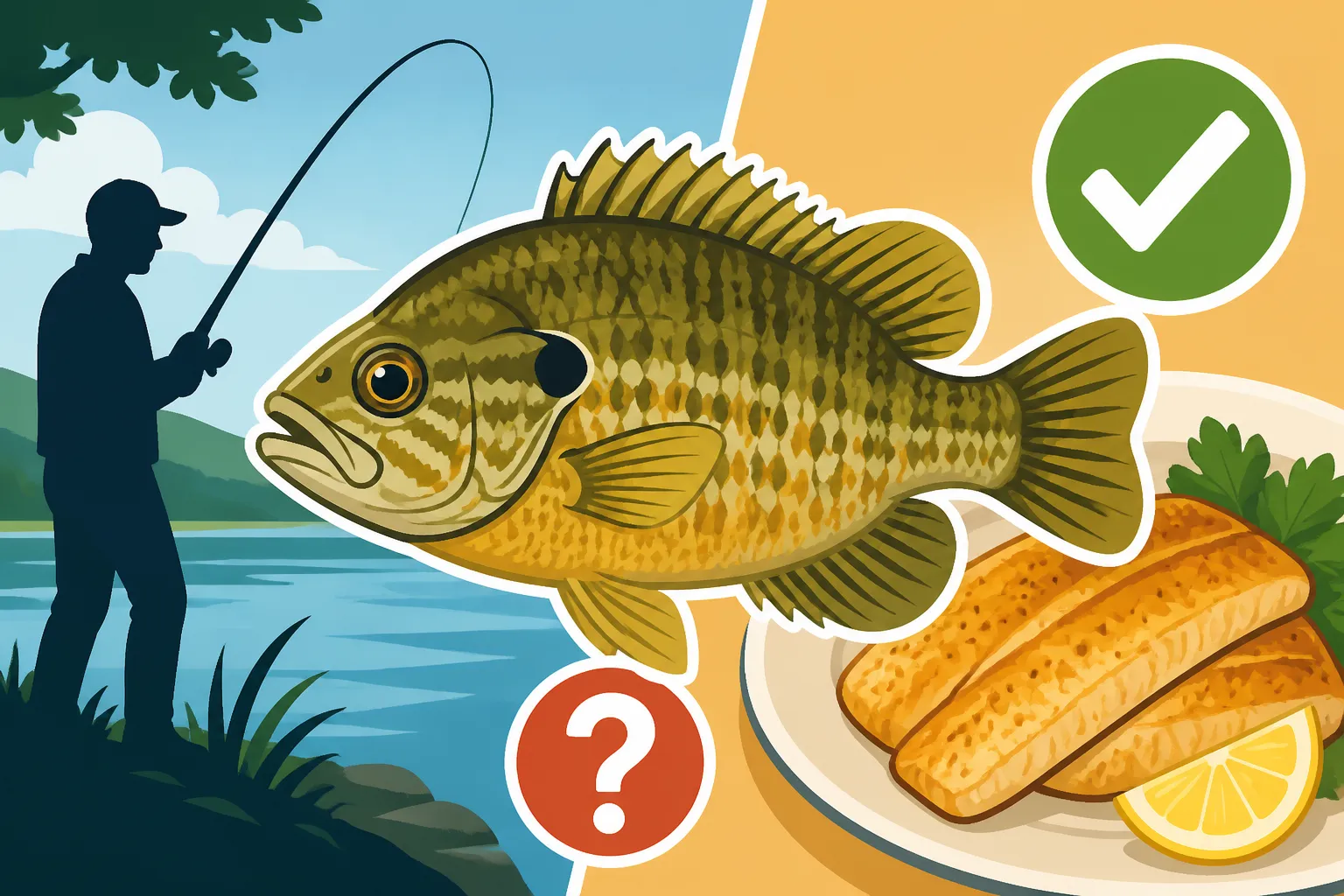
The warmouth has a distinctive look that sets it apart, once you know what to look for. Think of a chunky, almost bass-like sunfish. They typically have a stocky body, kind of compressed but still robust. Their most striking feature is usually their large mouth – hence the name "warmouth" – which extends back to at least the middle of the eye, often even further. This is a key differentiator from many other sunfish, which tend to have smaller, more upturned mouths. Their coloration can vary quite a bit depending on their habitat, ranging from mottled olive-green to brown on the back and sides, often with darker blotches or vertical bars. The belly is usually lighter, a creamy white or yellow.
Another tell-tale sign is the reddish-brown streaks that radiate backward from their eyes, sometimes described as "teardrop" marks. They also usually have three or four anal fin spines, compared to the rock bass's five to six. Their operculum (gill cover) has a small, dark flap, often edged in red or orange, but without the distinct stiff edge you see on a bluegill. Sometimes, you'll see faint spots on their dorsal and caudal fins, adding to their camouflaged appearance in murky waters. It’s definitely a fish that blends into its surroundings, but once you identify a few key features, you'll start spotting them easily. If you're looking to really nail down the differences between similar species, our guide on Rock Bass Vs Warmouth: Key Differences might be a useful read.
Habitat and Behavior
Warmouth are truly adaptable little fish, which is why you can find them in such a wide variety of Kentucky waters. They prefer slow-moving or stagnant waters with plenty of vegetation, submerged timber, or rocky cover. Think murky ponds, sluggish streams, backwater sloughs, and shallow areas of larger lakes. These are not typically open-water fish; they like to hide and ambush their prey. You'll often find them lurking in lily pads, under docks, or nestled among submerged brush piles. This preference for cover makes them a fun target for anglers who enjoy fishing structure. They're not particularly picky eaters either, feasting on insects, small crustaceans, and even smaller fish.
Their behavior is quite aggressive for their size. When you hook a warmouth, you'll know it! They put up a surprisingly strong fight, darting and pulling, which makes them a favorite for kids and seasoned anglers alike looking for some steady action. They're quite territorial, especially during spawning, which typically occurs from late spring into summer when water temperatures hit the mid-70s. During this time, the males will guard their nests aggressively, making them even easier to catch if you can locate their bedding areas. You might often find them in the same waters as other popular panfish, so if you’re fishing for bluegill, don’t be surprised if a warmouth crashes the party. For more general information about these kinds of fish, check out Panfish and Sunfish Species Found in Kentucky.
The Culinary Verdict: Is Warmouth Good to Eat?
Alright, let's get down to the most important question for many anglers: Once you've caught a warmouth, is it worth taking home for dinner? The short answer is a resounding "yes!" Warmouth are absolutely good to eat, and many anglers consider them among the best-tasting panfish. They might not be as widely celebrated as crappie or bluegill, but those who know, know. They offer a firm, flaky, white meat that holds up well to various cooking methods.
The fact that they aren't as popular as some other species can actually be a benefit; it often means less fishing pressure on them in certain areas, potentially leading to more consistent catches for those who target them. Plus, for a simpler fishing trip, they are often found in places that are easily accessible, like many of Kentucky's Best State Park Fishing Spots in Kentucky. There’s a lot to appreciate about these often-overlooked little dynamos when it comes to table fare.
Taste Profile and Texture
When you fry up a mess of warmouth, you're in for a treat. Their meat is white, firm, and flaky, with a mild, slightly sweet flavor. It’s often compared to crappie or bluegill, but with a bit more substance to it, perhaps due to their robust diet and active lifestyle. The firmness of the meat is a huge plus, as it doesn't get mushy when cooked, whether you're pan-frying, baking, or grilling. You won't find the strong, "fishy" taste that some species can have, making warmouth a great option even for those who are a little particular about seafood.
For me, there's nothing quite like fresh-caught panfish, and warmouth definitely delivers. They don't have a lot of excess fat, which contributes to their clean taste. This makes them incredibly versatile in the kitchen. Whether you're coating them in cornmeal and frying them up Southern style or trying a lighter lemon-herb bake, they're sure to impress. If you're looking for other easy-to-catch fish for the dinner table, especially for beginners or kids, many Kid-Friendly Fish to Catch in Kentucky are also excellent choices.
Cleaning and Preparation Tips
Cleaning warmouth is pretty straightforward, much like any other panfish. Due to their smaller size, the most common method is filleting, though some prefer to scale and gut them to cook whole, especially if they are on the larger side. For filleting, a sharp fillet knife is your best friend. Cut behind the gill plate, down to the backbone, then turn the knife parallel to the backbone and slice along it toward the tail. Repeat for the other side. You'll find that while they might be smaller, their firm flesh makes them surprisingly easy to fillet compared to some softer-fleshed fish.
When cooking, remember that their mild flavor means you don't need to overpower them with strong seasonings. A simple breading or seasoning mix often works best. Here's a basic recipe that's hard to beat:
Simple Pan-Fried Warmouth
| Ingredient | Quantity | Notes |
|---|---|---|
| Warmouth fillets | As many as you can eat! | Skin on or off, your preference. |
| All-purpose flour | 1/2 cup | For dredging. |
| Cornmeal (fine) | 1/2 cup | Gives a nice crisp. Look for it on Amazon. |
| Salt | 1 teaspoon (or to taste) | |
| Black Pepper | 1/2 teaspoon (or to taste) | |
| Garlic powder | 1/2 teaspoon (optional) | Adds a nice subtle flavor. |
| Paprika | 1/2 teaspoon (optional) | For color and mild spice. |
| Egg | 1 | For egg wash. |
| Milk | 1/4 cup | For egg wash. |
| Vegetable oil | Enough for shallow frying (1/2 inch) | Can also use peanut or canola oil. |
Instructions:
- Prepare the fillets: Pat the warmouth fillets dry with paper towels.
- Set up dredging stations: In one shallow dish, whisk the egg and milk for your egg wash. In another shallow dish, combine the flour, cornmeal, salt, pepper, and any optional spices. You can find excellent seasoning blends and cornmeal options easily on Amazon.
- Dredge the fish: Dip each fillet first into the egg wash, allowing excess to drip off, then transfer to the cornmeal mixture, pressing gently to ensure a good coating.
- Heat the oil: Heat the vegetable oil in a large skillet over medium-high heat. You want it hot enough to sizzle when a drop of water hits it, but not smoking.
- Fry the fish: Carefully place the coated fillets in the hot oil. Don't overcrowd the pan; cook in batches if necessary. Fry for about 3-4 minutes per side, or until golden brown and cooked through. The fish should flake easily with a fork.
- Drain and serve: Remove the cooked fillets and place them on a plate lined with paper towels to drain excess oil. Serve immediately with your favorite sides like hushpuppies, coleslaw, or fresh lemon wedges.
This simple preparation truly highlights the warmouth's natural flavors. If you're interested in refining your panfish catching skills to bring home more of these tasty fish, consider looking into Beginner Bream Fishing Tips or even Easy Bluegill Fishing Tips for Beginners, as many techniques overlap.
Beyond the Frying Pan: Other Considerations
While the primary focus for warmouth often lands on how delicious they are, there are a few other things to keep in mind when you're planning a trip specifically to target them for the dinner table. Their size, abundance, and the regulations surrounding them all play a role in making the most of your angling experience. It's always a good idea to be informed before you hit the water, ensuring a legal and enjoyable outing.
Warmouth as Table Fare vs. Sport Fish
Warmouth, like many panfish, occupies an interesting niche where they are appreciated both for their culinary value and their fighting spirit. For many, especially families with younger anglers, the warmouth is an excellent sport fish. They are relatively easy to catch, strike lures and baits aggressively, and put up a respectable fight on light tackle. This makes them perfect for introducing kids to fishing; the consistent action keeps them engaged, and the reward of catching a feisty fish is always a thrill. If you're heading out with the family, consider looking at Best Bait for Bream Fishing With Kids – many of those baits work wonderfully for warmouth too!
However, for those looking to fill a cooler, the warmouth excels as table fare. They are often abundant, and while individual fish might be small, catching a good number of them for a fish fry is definitely achievable. Unlike larger game fish that require specialized gear and techniques, warmouth can be caught with simple setups, making them accessible to almost everyone. So, whether you're seeking a fun fight or a delicious meal, the warmouth is ready to deliver.
Where to Find and Catch Warmouth for Eating
To maximize your chances of catching warmouth for a meal, focus on their preferred habitats. Look for areas with dense aquatic vegetation, submerged logs, brush piles, and rocky bottoms in shallow, often murky, water. Ponds, slow-moving creeks, oxbow lakes, and the backwaters of larger reservoirs are prime locations. They aren't usually found in fast-flowing rivers or deep, open water. Key areas where you might find them in Kentucky include smaller lakes within state parks and wildlife management areas, often places that are well-maintained for public access.
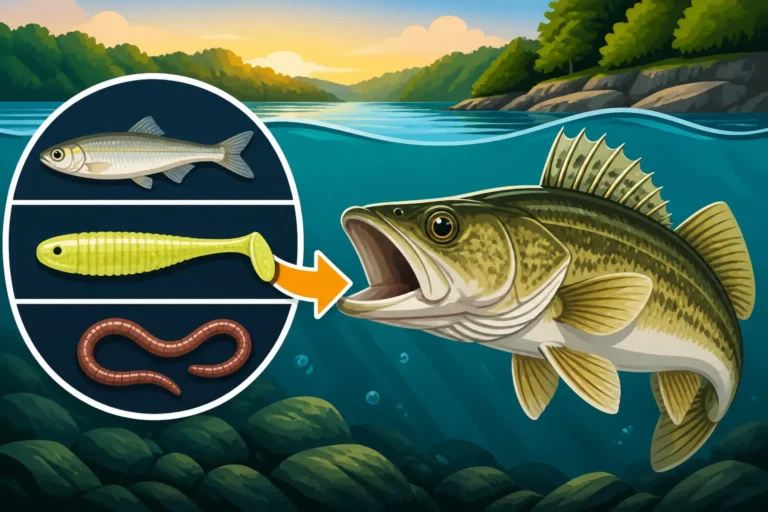
As for bait and lures, warmouth aren't picky. Small worms (like red wigglers or nightcrawlers), crickets, grasshoppers, or tiny pieces of cut bait are excellent choices. For lures, small jigs, spinners, or even tiny crankbaits can entice a strike. The key is to use light tackle – an ultralight spinning rod with 4-6 lb test line is ideal. This allows you to feel their subtle bites and really enjoy the fight. Fish these baits slowly and close to cover. Sometimes, just a simple bobber and a hook can do the trick! If you're planning a trip, be sure to consult Kentucky Fishing Regulations Explained and Statewide Bag and Size Limits by Fish Species to understand any applicable rules for panfish in your target area.
Are There Any Concerns About Eating Warmouth?
Generally, there are very few concerns about eating warmouth. Like any wild-caught fish, their taste and quality can be influenced by the water quality of their habitat. Fish from cleaner, cooler waters tend to taste better, while fish from stagnant or polluted ponds might have an off-flavor, though this is rare in regulated public waters. Kentucky's Fish Consumption Advisories are a good resource to check if you have concerns about specific bodies of water. You can usually find these advisories on the state's official wildlife and fisheries websites.
The biggest "concern" for some anglers might simply be their size. Warmouth typically don't grow to be very large, often topping out at around 6-8 inches, though some can reach up to 10 inches. This means you'll need to catch quite a few to make a substantial meal. However, their abundance and willingness to bite often make up for their smaller stature. Just be prepared for a bit more cleaning time if you're aiming for a big fish fry!
In summary, don't overlook the warmouth. They're a fantastic fish that offers both enjoyable fishing and delicious eating. So next time you're out on a Kentucky lake or pond and you hook one of these feisty, large-mouthed panfish, don't hesitate to take it home. You might just discover your new favorite table fish. You can even find great fillet knives or seasoning blends for your catch on Amazon to make your experience even better.
Disclaimer
This article is for general informational purposes only and does not constitute professional advice. Laws, prices and regulations vary by location and change over time. Consult a qualified professional for guidance on your specific situation.