Bowfin Fishing in Kentucky: What Anglers Should Know
Ever felt like you're missing out on some of Kentucky's most unique freshwater fishing experiences? Many anglers, myself included, often focus on the well-known species like bass or crappie, overlooking some of the truly ancient and formidable fish swimming in our waters. If you're looking for a powerful fight and a prehistoric encounter, then the bowfin, often called a "mudfish" or "grinnel," is a species you absolutely need to know. This guide is going to peel back the layers on this incredible fish, helping you understand where to find them, how to catch them, and what makes them such a captivating target right here in Kentucky.
Meet the Bowfin: Kentucky's Living Fossil
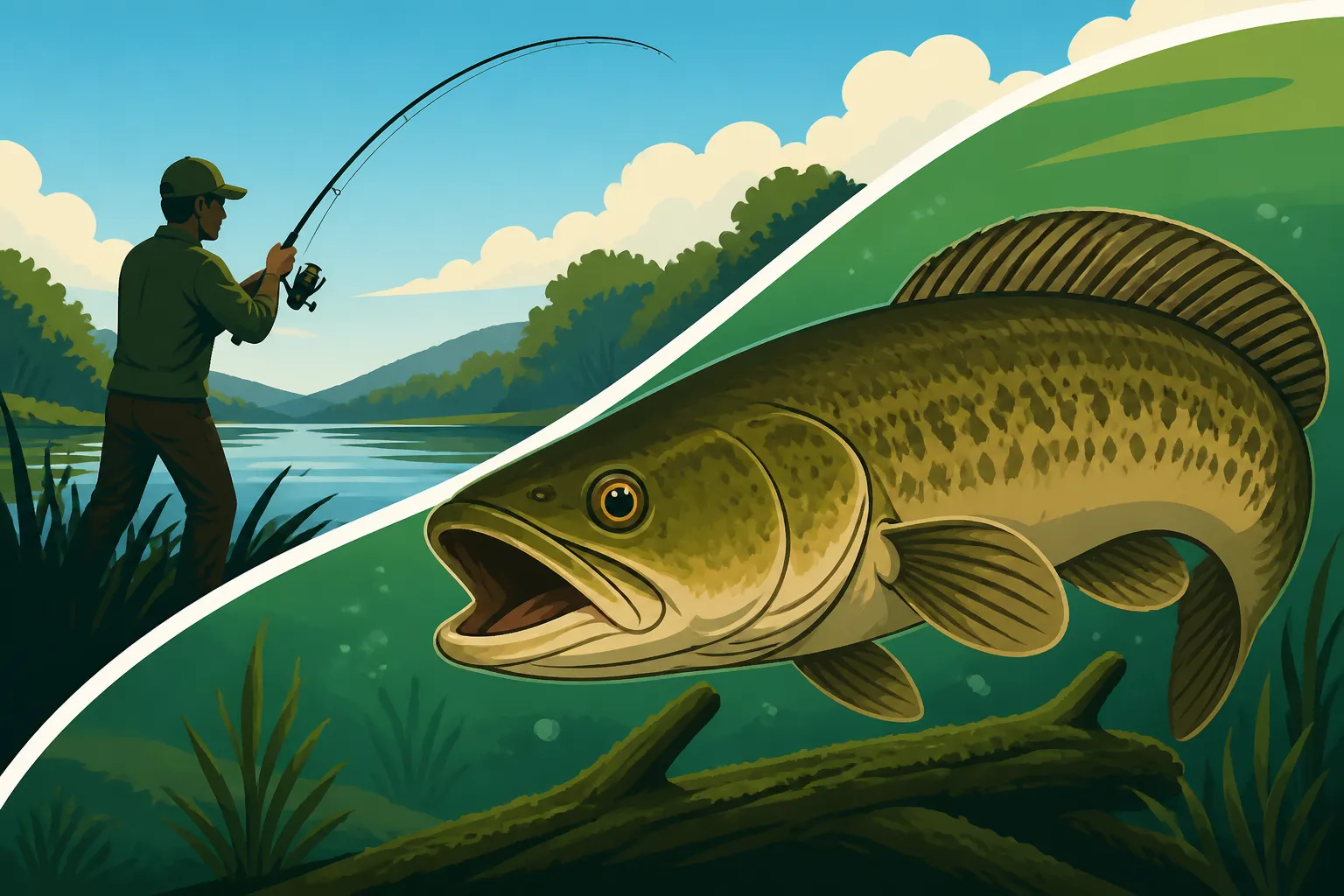
When you hook into a bowfin, you're not just catching another fish; you're reeling in a piece of living history. Bowfin are truly ancient, with a fossil record stretching back millions of years. They're like a freshwater shark with a powerful jaw and sharp teeth, making them a unique challenge and an exhilarating catch. Don't let their less-than-glamorous nicknames fool you; these fish are survivors, adapted to thrive in conditions that would send many other species packing. They possess a primitive swim bladder that functions much like a lung, allowing them to gulp air from the surface when oxygen levels in the water are low. This adaptation makes them incredibly resilient and capable of living in some pretty tough environments.
Identifying a Bowfin
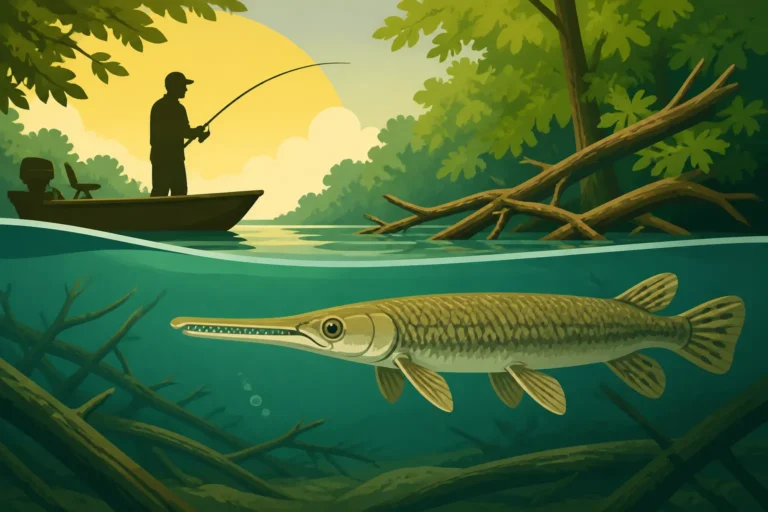
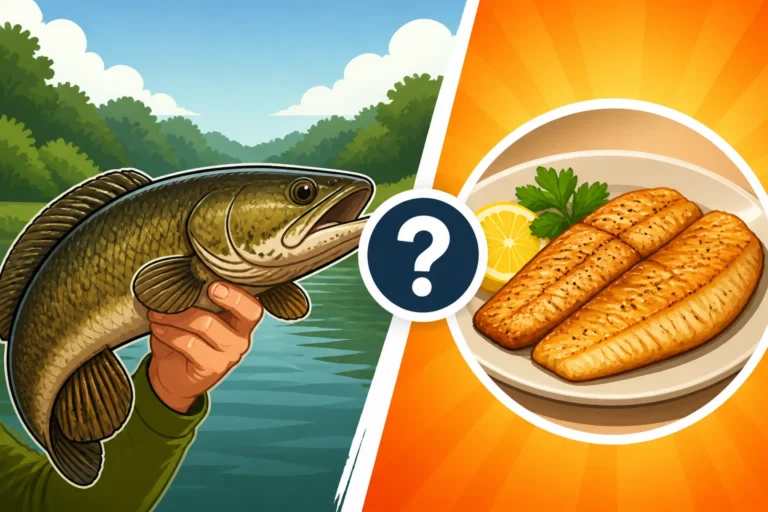
It's easy to mistake a bowfin for a snakehead or even a gar if you're not familiar with their specific characteristics, but once you know what to look for, they stand out. Bowfin typically have a long, cylindrical body with a distinctive, very long dorsal fin that runs almost two-thirds the length of their back. Their head is broad and bony, housing a mouth full of sharp, conical teeth. Coloration can vary, but they're often mottled olive-green or brown on top, fading to a lighter underside.
A key identifier, especially on males, is a prominent black spot or "eye spot" (ocellus) encircled by an orange or yellow halo on the upper part of their tail fin. Females sometimes have this spot as well, but it's usually less distinct. Their scales are tough and embedded, almost ganoid-like, which contributes to their prehistoric feel. When you've got one on the line, there's no mistaking the raw power they exert – it’s an experience all its own. For a broader look at the diversity in our waters, check out Kentucky Fish Species Guide: 265 Types You Can Catch.
Bowfin Behavior and Habitat Preferences
Bowfin are ambush predators, and their behavior is largely dictated by their preferred habitat: slow-moving, vegetated, and often muddy waters. They love to lurk in thick cover, waiting for an unsuspecting meal to swim by. Think stagnant backwaters, oxbow lakes, sloughs, swamps, and sluggish river sections. These areas provide plenty of weeds, submerged logs, and brush piles where they can hide and hunt.
You'll often find them in places where other game fish might struggle due to low oxygen levels or high temperatures. This is where their "lung" comes into play, allowing them to gulp air directly from the surface to supplement oxygen extracted from the water. This adaptability means they can be present in surprising numbers in areas that don't look like prime fishing spots at first glance. They're particularly active during dawn and dusk, but can be caught throughout the day, especially if you can get your bait right into their hiding spots. They're not picky eaters, preying on smaller fish, frogs, crawfish, and even insects.
Where to Pursue Bowfin in the Bluegrass State
Kentucky offers some fantastic opportunities to target bowfin, primarily in the western and central parts of the state where the landscape provides the slow-moving, marshy habitats they adore. Unlike trout which prefer cold, clear mountain streams, or smallmouth bass which like rocky rivers, bowfin are true warm-water specialists. Knowing their preferred haunts is half the battle when trying to track down these formidable fish.
Backwaters, Sloughs, and Oxbow Lakes
These quiet, often neglected areas are bowfin paradises. Think about the old river channels that have been cut off from the main flow of a river, creating still or very slow-moving pockets of water. These oxbows, sloughs, and backwater areas are often rich in aquatic vegetation, submerged timber, and decaying organic matter – perfect hiding spots for an ambush predator. The mud and silt bottoms don't deter them one bit.
Areas along the Ohio River, especially below dams and where old floodplains create cutoff lakes, are prime examples. The same goes for the vast networks of smaller creeks and ditches that connect to larger river systems like the Green River, Tennessee River, and Cumberland River. When exploring these spots, look for dense lily pads, cattails, hydrilla, and fallen trees. These are the "structures" that bowfin gravitate towards. Access can sometimes be challenging, requiring a small boat, canoe, or kayak to navigate through shallow, weedy stretches. A good fishing kayak with plenty of storage for your gear, available on Amazon, can be a real game-changer for accessing these remote bowfin havens.
Slower Sections of Major Rivers
While bowfin aren't generally found in fast-flowing rapids, they absolutely thrive in the calmer, deeper sections of major rivers, especially those with plenty of submerged cover and slower currents. The main channel of the Ohio River itself, particularly around eddies, log jams, and tributary mouths, can hold good numbers of bowfin. They'll often push into the shallower, warmer coves and flats off the main channel where baitfish congregate.
Rivers like the Kentucky River, particularly its lower reaches, and the Green River, with its extensive backwater systems, also provide excellent bowfin habitat. Don't overlook large reservoir arms or coves that have abundant standing timber or thick vegetation. These can mimic the conditions of a natural oxbow. When fishing these areas from a boat, trolling motors can be incredibly useful for slowly picking apart cover without spooking fish. For those venturing onto these larger waterways, understanding local boat regulations is essential, so consider reviewing Kentucky Boat Registration Requirements Explained.
Proven Strategies for Hooking Kentucky Bowfin
Bowfin are incredibly aggressive eaters, but their powerful jaws and tough mouths can make them a challenge to hook and land successfully. You need to present your bait or lure effectively and be prepared for a strong, often acrobatic fight. These fish don't give up easily!
Aggressive Presentations with Artificials
Bowfin respond incredibly well to lures that mimic their natural prey and provoke a reaction strike. Spinnerbaits, chatterbaits, and swim jigs are excellent choices, especially when fished slowly and deliberately through heavy cover. The flash and vibration of these lures can draw bowfin out of their hiding spots. Darker colors like black and blue, or natural shad patterns, often work best, but don't be afraid to experiment.
Topwater lures, such as frogs, poppers, and walking baits, can also be incredibly exciting to use, especially in early mornings or late evenings when bowfin are actively cruising the surface. The explosive strike of a bowfin on a topwater lure is something you won't soon forget! When casting, aim to land your lure right on the edge of vegetation or just past a submerged log, then retrieve it slowly, pausing occasionally. Bowfin are not known for chasing lures over long distances; they prefer to ambush. Make sure your lures are robust, as a bowfin's teeth can wreak havoc on lighter tackle. You can find a wide selection of durable lures, including those from reliable brands, on Amazon to withstand their powerful bites.
Fishing with Live and Cut Bait
While artificials can be a blast, live and cut bait are often the most effective ways to consistently catch bowfin, especially if you're targeting larger specimens. They have an incredible sense of smell and will home in on natural food sources.
Live Bait: Minnows, shad, small bluegill, and even frogs are all excellent live bait options. Present them under a bobber or on a bottom rig, allowing them to swim naturally near heavy cover. A robust hook is crucial here, as bowfin have bony mouths. Give the fish a moment to really take the bait before setting the hook; they often mouth it for a bit before swallowing. When fishing with live bait, remember that some areas might have specific bait regulations, so it's always wise to check Kentucky Fishing Regulations Explained.
Cut Bait: Chunks of shad, carp, or other oily fish can also be incredibly effective, especially when fished on the bottom in areas with current. The scent trail from cut bait can draw bowfin from a distance. Use a sturdy circle hook to prevent gut-hooking and ensure a solid hookset in their tough jaws. Many anglers swear by the effectiveness of cut bait for species like catfish, and bowfin aren't far behind in their appreciation for a good, smelly meal. You might even find some crossover in techniques discussed in Best Bait for Channel Catfish Fishing.
Gearing Up for a Bowfin Encounter
To successfully tackle a bowfin, you can't show up with ultralight trout gear. These fish are powerful, aggressive, and have a mouthful of sharp teeth. Your equipment needs to be up to the task of not only landing them but also withstanding their formidable fight. Investing in the right gear will save you frustration and lead to more landed fish.
Heavy-Duty Rod and Reel Combos
When it comes to rods, think power. A medium-heavy to heavy action spinning or baitcasting rod, typically 6'6" to 7'6" in length, is ideal. The stout backbone of these rods allows you to muscle a bowfin away from cover and handle its powerful surges. A fast tip can still provide the sensitivity needed to detect subtle bites, especially with live bait, but the real work will be done by the rod's strength.
Pair that with a sturdy spinning reel in the 3000-5000 size range, or a baitcasting reel with a good drag system and plenty of line capacity. You'll want a reel that can handle heavy braided line and has a smooth, reliable drag that won't give out under pressure. Brands like Penn, Shimano, and Daiwa offer excellent options that can stand up to the abuse. You might find a great deal on a heavy-duty spinning reel for bowfin on Amazon, perfect for tackling these strong fighters. If you’re also into targeting other hard-fighting species, this kind of setup is similar to what you’d use for Best Rods for Sauger Fishing on Kentucky's Lake Barkley if you size up slightly.
Terminal Tackle and Line Choices
Your line choice is critical for bowfin fishing. Braided line is almost a necessity, typically in the 30-50 lb test range. Its lack of stretch provides excellent sensitivity for detecting bites and its incredible strength helps you rip fish out of heavy cover. Plus, its abrasion resistance is superior to monofilament, which is a big advantage given bowfin's rough mouths and tendency to rub against structure.
For leaders, a section of heavy monofilament or fluorocarbon (30-50 lb test) about 12-18 inches long is a good idea to prevent fraying from their teeth, though some anglers go straight braid. A wire leader can be used if you're getting bitten off frequently, but it can sometimes deter strikes. Hooks should be strong and sharp; 2/0 to 5/0 sized extra-strong worm hooks for plastics or circle hooks for live/cut bait are good starting points. Snap swivels and sinkers (bullet weights, egg sinkers) should also be of good quality to prevent failures. Having a well-stocked tackle box, perhaps with some of the versatile items discussed in Kentucky Tackle Box Setup for Bass and Crappie, will definitely help.
Respecting Your Catch: Handling and Regulations
Catching a bowfin is an exciting experience, but their unique physiology and feisty nature mean you need to be prepared to handle them safely and responsibly. They have a reputation for being aggressive, and while they aren't inherently dangerous, their teeth and powerful jaws demand respect.
Safe Handling and Release Practices
Once you've landed a bowfin, the first thing you'll notice is their intense thrashing. They are incredibly strong and flexible, making them difficult to control. Never try to "lip" a bowfin like you might a bass; those teeth are no joke! The safest way to handle a bowfin is with a pair of fishing pliers or a fish gripper tool. Get a firm grip on the lower jaw with a gripper, which allows you to control the fish and easily remove the hook.
If you don't have a gripper, firmly grasp the fish behind the head and around the body, being careful to avoid its mouth. Use a pair of long-nosed pliers to quickly and carefully remove the hook. If the hook is deeply embedded, consider cutting the line as close to the hook as possible to minimize stress on the fish. While some anglers harvest bowfin for food, many choose to practice catch and release. If releasing, ensure the fish is revived by holding it in the water, facing into a gentle current, until it swims away strongly. For those interested in preserving these unique creatures, understanding responsible handling is key.
Kentucky Bowfin Regulations and Limits
Like all fish species in Kentucky, bowfin are subject to specific fishing regulations designed to manage their populations and ensure sustainable fishing opportunities. While bowfin aren't typically considered a primary game fish, they are still part of the ecosystem, and their harvesting is regulated. It's crucial to always check the most current Kentucky Department of Fish and Wildlife Resources (KDFWR) fishing guide before heading out, as regulations can change.
Generally, bowfin do not have a statewide size or daily creel limit, meaning you can typically keep as many as you'd like, and there isn't a minimum size. However, this could vary by specific water body, so a quick check of the regulations for the particular lake or river you're fishing is always a smart move. Always ensure you have a valid Kentucky fishing license when pursuing any fish in public waters. Neglecting this simple step can lead to penalties for fishing without a license. Additionally, remember that game wardens conduct routine checks, and knowing what they look for, as outlined in What Wardens Check When They Stop an Angler?, can make your day on the water stress-free.
When planning your trip, consider where you're fishing and always consult the official KDFWR website for the most up-to-date information on limits and specific lake rules. While the general rules for bowfin are quite liberal, being informed is part of being a responsible angler.
Why Bowfin Deserve Your Attention
So why dedicate a whole fishing trip to the often-overlooked bowfin? For many reasons! Firstly, the fight they put up is absolutely phenomenal. They are incredibly powerful, with headshakes, rolls, and surges that can test even seasoned anglers. If you're looking for a fish that will bend your rod and scream your drag, the bowfin delivers.
Secondly, they are incredibly accessible. You don't always need expensive boats or specialized electronics to find them. Often, a simple bank fishing setup or a kayak can get you into prime bowfin territory. They thrive in many of the same backwater areas where you might find Bowfin Fishing in Kentucky: What Anglers Should Know the often-overlooked Longnose Gar Fishing on the Ohio River or even large Flathead Catfish Fishing Tips for Kentucky Anglers.
Thirdly, there's a certain satisfaction in catching a fish that's been around for millions of years. It connects you to a primal aspect of fishing and the ancient history of our planet. They are truly unique in their appearance and adaptations, and landing one feels like an accomplishment. Plus, they can be a great target when other, more popular species are being finicky or when you're simply looking for something different. Don't let their "rough fish" reputation deter you; bowfin offer a thrilling and rewarding fishing experience that every Kentucky angler should try at least once.
Disclaimer
This article is for general informational purposes only and does not constitute professional advice. Laws, prices and regulations vary by location and change over time. Consult a qualified professional for guidance on your specific situation.