Beginner Bream Fishing Tips
Getting started with fishing can feel overwhelming, can't it? All the specialized gear, the jargon, the endless types of fish… it's enough to make a beginner feel like they're trying to learn a new language. But what if I told you there's a fantastic, forgiving, and incredibly fun way to dip your toes into the angling world, especially here in Kentucky? That's right, we're talking about bream fishing. This guide is all about equipping you with the simplest, most effective tips to start catching bream, making your first fishing experiences truly enjoyable and successful.
Understanding Bream in Kentucky Waters
Before we even talk about rods and reels, let's get acquainted with our finned friends. "Bream" is a bit of a catch-all term in Kentucky, often used to describe several species of panfish that are abundant, eager to bite, and just plain fun to catch. They're often found in nearly every public waterway, from tiny farm ponds to massive reservoirs.
What Exactly is a Bream?
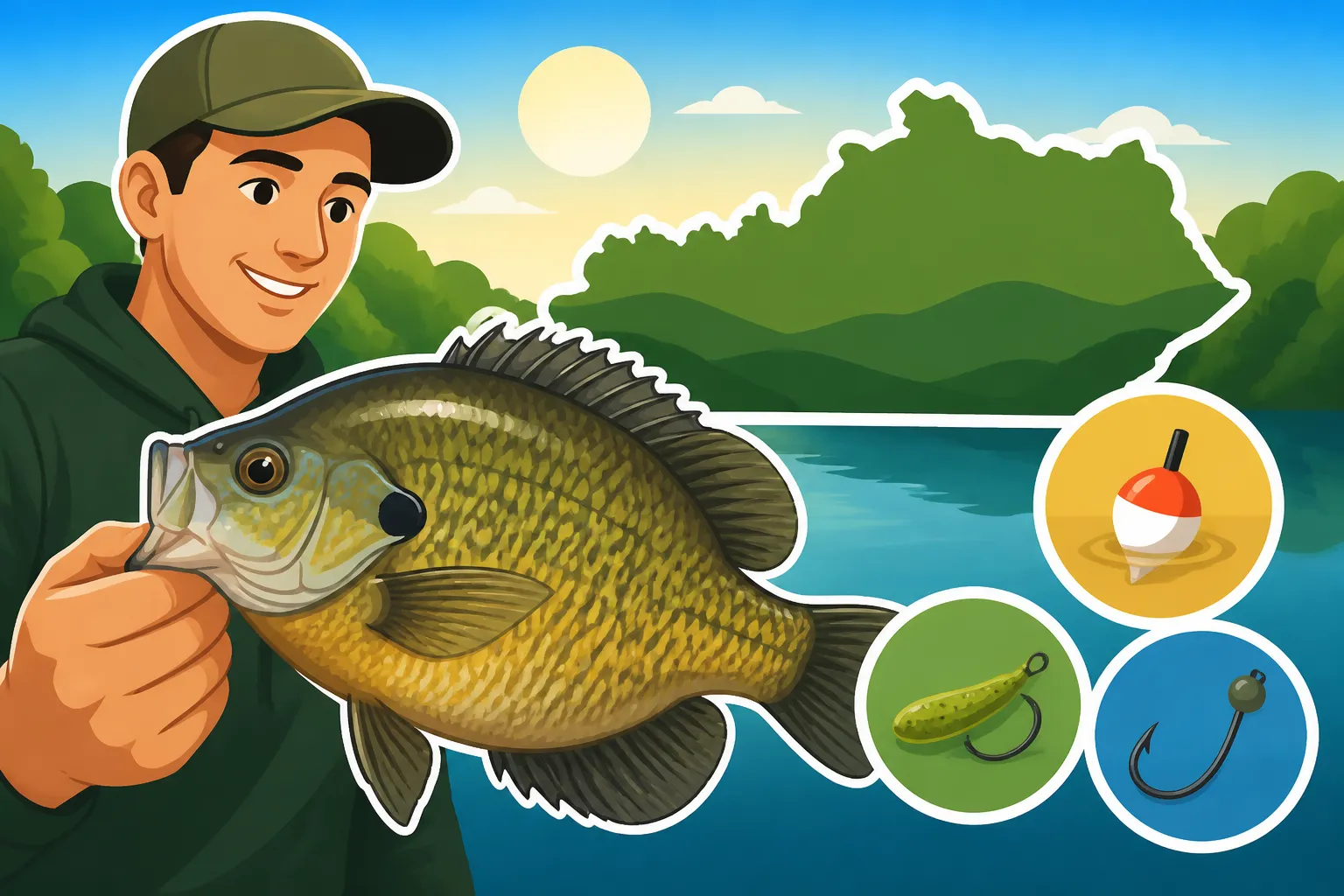
When Kentuckians talk about "bream," they're usually referring to a group of sunfish, primarily bluegill, redear sunfish, and sometimes green sunfish. These aren't fancy, elusive game fish; they're the everyday heroes of a beginner angler's day.
Bluegill are arguably the most popular and widespread. They're recognized by their distinctive dark spot on the gill cover and usually a dark spot at the base of the dorsal fin. Their bodies are often a beautiful mix of olive, blue, and orange. They're incredibly aggressive feeders and can be found almost everywhere there's freshwater. Many of us started our fishing journey with a bobber, a worm, and a bluegill on the other end of the line.
Redear sunfish, also known as "shellcrackers" for their ability to crush snails and other mollusks with specialized teeth, are another fantastic bream species. They tend to be a bit larger than bluegill and prefer clearer water with plenty of vegetation or shell beds. You can spot them by the red or orange margin on the edge of their gill flap. If you're looking for a slightly bigger fight, targeting redear can be really rewarding. For more on this specific species, check out this guide on Redear Sunfish: Why Anglers Call It a Shellcracker.
Green sunfish are often overlooked but are just as eager to bite. They have a more elongated body compared to bluegill and redear, with a larger mouth. Their colors are typically green or olive, often with iridescent blue or green spots on their sides. You'll often find them in slower-moving or even muddy waters, including small streams and creeks where other bream might not thrive. They might not get as big as a trophy bluegill, but they provide consistent action. If you're curious about identifying these subtle differences, there's a great resource on Green Sunfish Vs Longear Sunfish: How to Tell Them Apart.
Where to Find Them: Preferred Habitats
Bream are incredibly adaptable, which is part of what makes them such a great target for beginners. They don't require highly specialized environments. Generally, they love cover and structure. Think about places where they can hide from predators and ambush small insects, larvae, or tiny baitfish.
Look for areas with submerged vegetation like lily pads, cattails, or hydrilla beds. These offer both cover and a rich food source. Fallen trees, brush piles, docks, and rock beds are also prime real estate for bream. They'll often school up around these structures, especially during warmer months. In ponds, you'll find them cruising the shallower edges, particularly near any kind of woody debris or grass lines.
The beauty of bream fishing is that you don't need a fancy boat to reach them. Many excellent bream spots are accessible from the bank. Just find a promising-looking patch of weeds or a submerged log near shore, and you're likely in a good spot.
Bream Behavior and Feeding Patterns
Bream are generally active throughout the day, which is excellent news for casual anglers who might not want to wake up before dawn. They are sight feeders, relying on their vision to spot small prey. Their diet primarily consists of insects, worms, small crustaceans, and sometimes even tiny fish.
During the warmer months, especially in spring and early summer, bream will move into shallow waters to spawn. This is a fantastic time to target them, as they're congregated in large numbers and become even more aggressive protecting their nests. These "beds" look like small, circular depressions on the bottom and are often grouped together in colonies. Knowing How to Find Bluegill Beds in Spring can dramatically increase your catch rate.
Even outside the spawn, bream remain active. They'll often feed close to the surface in the morning and evening, darting at bugs, and then retreat to slightly deeper, cooler water or denser cover during the midday heat. However, a well-presented bait near cover can entice a bite at almost any time. Their opportunistic nature is what makes them such a reliable fish for beginners.
Essential Gear for Beginner Bream Anglers
One of the best things about bream fishing is that you don't need to break the bank to get started. In fact, some of the most effective setups are incredibly simple and affordable. Forget about complex electronics or expensive graphite rods for now; we're keeping it basic, effective, and fun.
Simple Rod and Reel Setups
For bream, simplicity is key. A lightweight spinning rod and reel combo is perfect. Look for something in the 5 to 6-foot range, with a light to ultralight action. This kind of setup will make even a small bream feel like a prize fighter, adding to the excitement, especially for kids. The rod should have enough flex to cast light baits but enough backbone to handle a feisty panfish.
A small spinning reel, typically a 1000 or 2000 series, spooled with 4 to 6-pound test monofilament line, is ideal. Monofilament is inexpensive, easy to tie knots with, and has enough stretch to forgive a beginner's enthusiastic hook set. You can find excellent beginner combos at local sporting goods stores or even on platforms like Amazon for a very reasonable price, often under $50. No need for anything high-tech; a simple push-button spincast reel can even work wonderfully for the youngest anglers. For a general overview, consider looking at options for the Best Rod and Reel Combo for Beginners.
Beyond modern gear, don't underestimate the classic cane pole! A simple bamboo cane pole, a length of line, a bobber, and a hook is how generations of Kentuckians learned to fish. It's hands-on, direct, and incredibly effective for bream. Plus, it's virtually unbreakable and requires no casting skill. You can learn more about this timeless method in a guide like How to Catch Bluegill With a Cane Pole.
Basic Tackle Box Essentials
Your tackle box doesn't need to be huge or filled with a hundred different lures. For bream, a few key items will cover almost all your bases.
First up: Hooks. Small, sharp hooks are crucial. Size 6 or 8 Aberdeen or baitholder hooks are perfect. The smaller size fits well in a bream's mouth, and the baitholder barbs help keep your live bait on.
Next, Bobbers. A small, clip-on bobber (the classic red and white kind) is essential. It signals bites clearly and helps suspend your bait at the desired depth. You don't need anything bigger than about an inch or so in diameter; a smaller bobber will detect lighter bites.
Then there's Split-shot weights. These tiny lead or non-lead weights clip onto your line a few inches above the hook. They help cast lighter baits and get them down to the fish faster. A small assortment of different sizes is good to have.
Finally, a few Swivels. These small metal connectors prevent your line from twisting, especially when using live bait that might spin. A small barrel swivel in size 10 or 12 is usually sufficient.
You can often find pre-packaged kits on Amazon or at Walmart that include all these basic items, which is a great starting point for a new angler. Don't forget a pair of small pliers or forceps for hook removal and a small tackle box to keep everything organized.
Live Baits and Artificial Lures that Work
Bream are not picky eaters, which is fantastic for beginners. Live bait is often the most effective and easiest choice.
Worms are king for bream fishing. Red wigglers, nightcrawlers (cut into smaller pieces), or even plain old garden worms are irresistible. They're cheap, easy to find, and stay on the hook well. You can often buy them at bait shops, gas stations, or even find them in your own backyard after a rain.
Crickets are another bream favorite, especially for bluegill and redear. They offer a unique natural scent and movement that bream can't resist. You can buy them by the dozen at most bait shops.
Beyond live bait, small artificial lures can also be very effective, especially once you get the hang of casting. Tiny jigs (1/32 to 1/16 ounce) tipped with a small plastic grub, tube, or even a piece of Gulp! synthetic bait can be deadly. Classic colors include white, chartreuse, black, and pink. Tiny spinnerbaits, like a Beetle Spin, are also excellent for bream, creating flash and vibration that attracts them. Experimentation can be fun, but starting with a few proven options is smart. If you're looking for recommendations, a good read is Best Bait for Bluegill in Kentucky Ponds.
Mastering the Basics of Bream Fishing Techniques
Now that you've got your gear, let's talk about putting it to good use. Bream fishing is all about simple, effective techniques that prioritize getting your bait in front of the fish and being ready for a bite. You don't need fancy maneuvers; consistency and observation are your best tools.
Setting Up Your Rig for Success
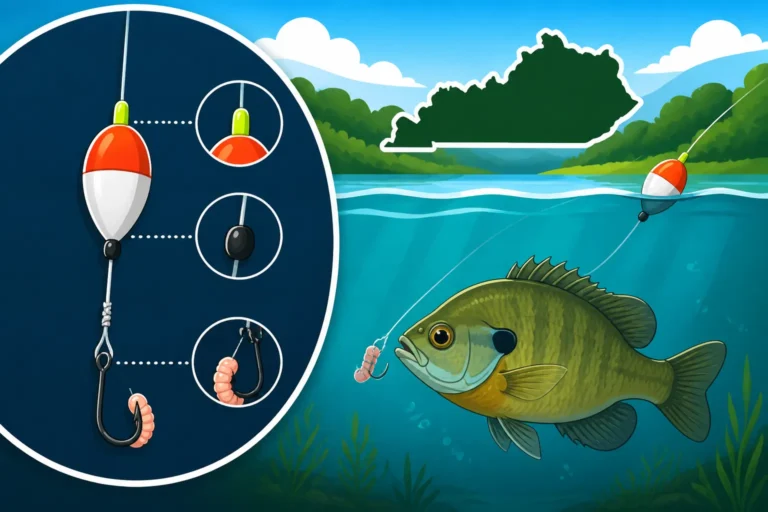
The classic bobber rig is your bread and butter for bream fishing. It's incredibly simple and effective, perfect for beginners.
Here's a quick step-by-step:
- Tie on your hook: Use a simple knot like an Improved Clinch Knot or Palomar knot to attach your size 6 or 8 hook to the end of your fishing line.
- Add split shot: About 6 to 12 inches above your hook, pinch one or two small split-shot weights onto your line. The goal is to have just enough weight to cast easily and sink your bait slowly, but not so much that it pulls your bobber under.
- Attach your bobber: Place your bobber about 1 to 3 feet above your split shot. The depth you choose will depend on how deep the water is and where you think the fish are holding. Start shallow, around 1-2 feet, especially if you're fishing near vegetation or shoreline cover. Adjust the depth as needed. If you're specifically interested in the bobber technique, there's a helpful guide on How to Rig a Bobber for Bluegill Fishing.
This setup allows your bait to suspend naturally in the water, making it easy for bream to spot and grab. The bobber acts as a visual indicator of a bite, which is incredibly satisfying for new anglers.
Casting and Presentation Tips
For spinning gear, casting is a fundamental skill. Hold the rod with your dominant hand, keeping the reel foot between your middle and ring fingers. Use your index finger to lightly grasp the line, then open the bail of the spinning reel. Bring the rod tip up behind you (around 10 o'clock position), then smoothly sweep it forward to about 2 o'clock, releasing the line with your index finger as the rod comes forward. Practice in an open area without a hook first to get a feel for the motion.
When you're actually fishing, aim for spots near cover – those brush piles, lily pads, or submerged logs we talked about. Try to cast gently, allowing your bait to land softly on the water. A noisy splash can sometimes spook wary fish, especially in shallow water.
Once your bait is in the water, resist the urge to constantly reel. Let your bait sit for a minute or two. Bream are curious, but they also like to examine their food before committing. If you don't get a bite, slowly reel in a few feet, pause, and repeat. This slow retrieve can mimic a struggling insect, making it more appealing.
How to Detect a Bite and Set the Hook
This is where the bobber truly shines! When a bream bites, you'll see your bobber start to dance, twitch, or even pull completely under the water. Sometimes it's a subtle dip, other times it's a full-on plunge.
The key is to wait for the bobber to fully submerge or move consistently before setting the hook. Beginners often get excited and try to set the hook at the first twitch, pulling the bait away from the fish. Count to "one Mississippi, two Mississippi" after the bobber goes under, then gently but firmly lift the rod tip straight up to set the hook. You don't need a huge, sweeping motion; a smooth, upward pull is usually enough to embed the small hook in a bream's mouth.
Once you feel the tug, keep the line taut and steadily reel the fish in. Bream, especially larger ones, can put up a surprisingly good fight for their size, bending those light rods and making the experience a thrill!
Finding the Best Bream Fishing Spots in Kentucky
Kentucky is absolutely brimming with incredible fishing opportunities, and bream are no exception. From bustling state parks to quiet, out-of-the-way ponds, there's a spot waiting for you to cast a line. The trick is knowing where to look and understanding the characteristics that make a location ideal for bream.
Public Ponds and Small Lakes
For beginners, especially those with children, public ponds and smaller lakes are often the best bet. They are typically stocked and managed by the Kentucky Department of Fish and Wildlife Resources (KDFWR), making them easily accessible and usually teeming with fish.
Many Kentucky State Parks offer fantastic fishing ponds. Barren River Lake State Resort Park, for instance, has great bank access and opportunities to catch bream and other panfish. Similarly, Lincoln State Park or Lake Malone State Park often have smaller ponds or designated fishing areas that are perfect for a relaxed day with the family. These areas are usually well-maintained, sometimes even featuring fishing piers or improved bank access. This is why these spots are often listed as Best Family-Friendly Fishing Spots on Barren River Lake, Kentucky.
These smaller bodies of water often warm up faster in the spring, making for an earlier and more consistent bite. They are also less intimidating than vast reservoirs and typically have calmer waters, which is great for learning to cast and managing your line. Before you head out, a quick check on the KDFWR website can provide details on specific fishing lakes and their facilities.
Larger Reservoirs and River Backwaters
While smaller waters are excellent, don't rule out Kentucky's larger lakes and river systems for bream. Reservoirs like Kentucky Lake, Lake Barkley, Lake Cumberland, or Taylorsville Lake all hold healthy populations of bream. In these larger waters, you'll want to focus on the shallower coves, embayments, and backwater areas that offer protection from wind and boat traffic.
Look for areas with significant stands of submerged or emergent vegetation. Bream will seek refuge and food in these dense aquatic gardens. Also, explore docks, marinas, and areas where old timber has fallen into the water. These provide the essential cover that bream crave. You might need a small boat, canoe, or kayak to access some of the best spots in these larger lakes, but there are usually plenty of bank-fishing opportunities as well, especially near boat ramps or public access points.
River backwaters, particularly along the Ohio River or its major tributaries, can also be productive. These are often calmer sections of water away from the main current, featuring slower flows and plenty of snags or slack water where bream congregate.
Bank Fishing vs. Boat Fishing for Bream
For beginners, bank fishing is king. It's the easiest and most accessible way to start. All you need is your gear and a good spot along the shore. You can walk around, scout different areas, and aren't limited by boat launch access or the need for boating safety knowledge. Many of the KDFWR-managed "Fishing in Neighborhoods" (FINS) lakes are specifically designed for bank access and often have paved paths or piers.
However, once you get more comfortable, boat fishing (or kayak/canoe fishing) can open up even more opportunities. A small jon boat, kayak, or canoe allows you to reach those untouched pockets of cover, weed lines, or submerged timber that bank anglers can't reach. It can also be a great way to explore larger lakes more thoroughly. Just remember to always prioritize safety when on the water, wear your life jacket, and be aware of any boating regulations.
Regardless of whether you fish from the bank or a boat, the principles remain the same: find cover, cast accurately, and be patient!
Tips for Fishing with Kids and Maximizing the Fun
Introducing children to fishing is one of the most rewarding experiences, and bream fishing is absolutely perfect for it. Their willingness to bite, the relatively simple gear, and the sheer abundance of them make for a high-success, high-fun outing that can hook a new generation of anglers.
Making it a Family-Friendly Experience
The goal here isn't to catch a record-breaking fish; it's to create lasting memories and foster a love for the outdoors. Keep it fun and light.
- Keep it short: Kids have short attention spans. Plan for a couple of hours, not a full day. You can always extend it if they're having a blast.
- Focus on the experience: Celebrate every nibble, every cast, every worm hooked. The actual fish caught is secondary to the joy of being outside together.
- Let them participate: Let them bait their own hook (if they're comfortable), hold the rod, reel in the fish (with help), and even help release it. Empowering them with tasks makes them feel invested.
- Bring snacks and drinks: A hungry or thirsty child is a grumpy child. Plenty of provisions can turn around a slow fishing day.
- Pack distractions: Sometimes the fish just aren't biting. Have a backup plan like a small ball, bubbles, or a nature scavenger hunt to keep them entertained.
Many of the FINS lakes and State Park ponds are ideal for family outings because they often have amenities like restrooms, picnic tables, and safe, easily accessible shorelines. These are the kinds of places where a guide on Kid-Friendly Fish to Catch in Kentucky often points you to.
Safety First: Essentials for Any Trip
Safety should always be your top priority, especially when fishing with children.
- Life Jackets: If you're near or on the water (especially in a boat or on a dock), ensure everyone, especially children, is wearing a properly fitted, Coast Guard-approved life jacket. Even if they know how to swim, accidents can happen quickly.
- Sun Protection: Kentucky summers can be intense. Pack sunscreen, hats, and sunglasses for everyone. Long-sleeved, light-colored clothing can also provide excellent sun protection.
- Hydration: Bring plenty of water. Dehydration can quickly ruin a fun day.
- First Aid Kit: A basic first aid kit with band-aids, antiseptic wipes, and pain relievers is always a good idea for minor scrapes or bug bites.
- Hook Safety: Teach kids about hook safety from the start. Emphasize looking before casting, keeping hooks away from faces, and being careful when handling fish. Pliers or a hook remover are great tools to minimize handling a squirming fish.
- Regulations: Always check Kentucky's fishing regulations before you go, especially concerning licenses and bag limits. Most importantly, remember that kids under 16 generally don't need a fishing license in Kentucky, but it's crucial to confirm this on the KDFWR website. More details can be found in a guide such as Kentucky Fishing License Requirements for Kids.
Catch and Release or Keeping Your Catch
Deciding whether to keep your fish or release it is an important part of the fishing experience. Bream are generally delicious pan-fried, offering a sweet, flaky white meat. If you plan to keep fish, be prepared.
- Cooler with Ice: Bring a cooler filled with ice to immediately put your kept fish in. This preserves their freshness and keeps them safe for consumption.
- Know the Limits: Always be aware of the daily creel limits (how many fish you can keep) for bream in Kentucky. These can vary by water body, so a quick check of the KDFWR regulations is essential. Generally, for most Kentucky waters, there are no statewide size or daily creel limits on bluegill or other sunfish, but site-specific regulations can apply.
- Ethical Release: If you're practicing catch and release, handle the fish as little as possible. Wet your hands before touching the fish to protect its slime coat, remove the hook quickly and gently, and release it back into the water right away. If the fish is bleeding or deeply hooked, it might be better to keep it if within legal limits.
Teaching responsible angling practices, whether it's proper catch and release or respecting bag limits, instills good conservation habits in young anglers.
Year-Round Bream Fishing: Seasons and Considerations
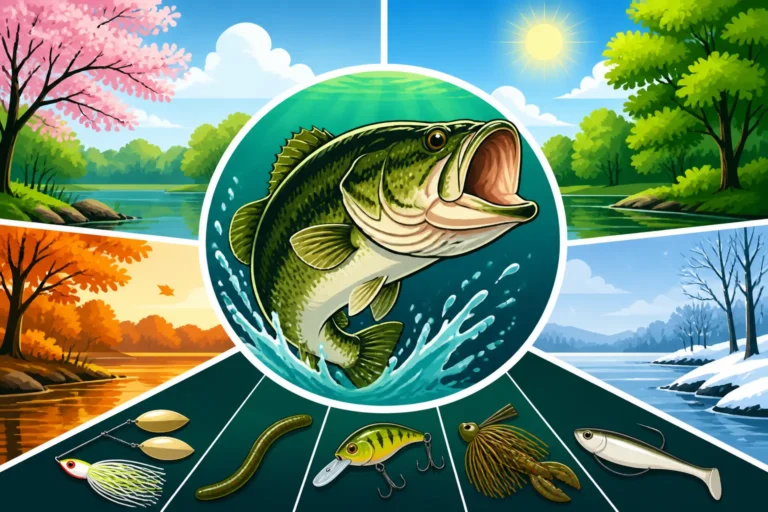
One of the greatest things about bream fishing in Kentucky is that it's a legitimate year-round activity. While some seasons are definitely more productive and comfortable than others, you can almost always find bream willing to bite if you know where to look and adjust your approach.
Spring Spawning Frenzy
Spring, particularly late April through June, is arguably the best time to target bream in Kentucky. As water temperatures rise into the mid-60s to low-70s Fahrenheit, bream move from deeper wintering holes into shallow, protected coves and flats to spawn.
During the spawn, male bream will fan out circular nests on the bottom, often in colonies. They become highly aggressive, fiercely guarding their eggs and fry from any perceived threat. This is when they are easiest to locate and catch. Look for these "beds" in 1 to 5 feet of water, often on hard bottoms like sand, gravel, or even clay. The fish will be concentrated, and a single productive bed can yield dozens of fish in short order. This intense activity is precisely why anglers want to know When Does Crappie Spawning Start in Kentucky (though bream are slightly different, the principles are similar for panfish).
Small jigs, live worms, or crickets presented on a bobber rig are almost irresistible to bedding bream. Cast your bait near the edge of a bed, let it settle, and be ready for an instant bite. The sheer volume of action during the spring spawn makes it an unforgettable experience for any angler, especially beginners.
Summer's Steady Bite
As spring transitions into summer, bream will still be very active, but their patterns might shift slightly. While some spawning might continue in waves, many fish will move to slightly deeper water or seek out denser cover to escape the midday heat and bright sun.
During summer, focus on fishing early mornings or late evenings when the water is cooler and bream are more likely to be cruising shallower areas. During the heat of the day, target shaded areas created by overhanging trees, docks, or deeper submerged structure. This is when a guide on What Time of Year Is Best for Night Catfishing on Kentucky Lake might be useful, though for bream, you're usually still in daylight.
You might also find them congregated around thermoclines in deeper lakes (where warmer surface water meets cooler deep water) or at the edges of deep weed lines. While they might not be as concentrated as during the spawn, a consistent summer bite is still very much on, providing plenty of action with the right approach. Live bait remains a top producer, but small artificials can also shine as bream become more accustomed to feeding on baitfish and larger insects.
Fall and Winter Challenges
Don't hang up your rod just because the temperatures drop! Fall can offer some fantastic bream fishing, especially in early fall as water temperatures begin to cool. Bream will often feed heavily to build up reserves for winter, making them aggressive. They'll generally follow similar patterns to late summer, holding near cover but potentially moving slightly deeper as the season progresses.
Winter fishing for bream in Kentucky is certainly more challenging, but not impossible. In ice-free waters, bream will retreat to deeper holes, brush piles, or channel edges where water temperatures are more stable. They become less active and their bites are much more subtle, requiring lighter lines and sensitive rod tips. Small jigs, tiny spoons, or micro-baits tipped with a grub or a wax worm are effective. Fishing slow and deep is key.
While less comfortable and often requiring more patience, catching bream in the dead of winter is a testament to an angler's dedication and a reminder that fishing truly is a year-round passion in Kentucky.
Disclaimer
Fishing conditions and regulations in Kentucky can change. While this guide provides general advice and information, it's crucial to always consult the most current Kentucky Department of Fish and Wildlife Resources (KDFWR) regulations before any fishing trip. These regulations are subject to change and may include site-specific rules for certain lakes or rivers. Your safety and adherence to local laws are your responsibility.