Best Boats for Kentucky Lake and Lake Barkley Fishing
Choosing the right fishing boat for the vast waters of Kentucky Lake and Lake Barkley can feel like an overwhelming task. These aren't your typical small ponds; they're massive reservoirs with diverse fishing opportunities and challenging conditions. This guide is here to cut through the confusion and help you navigate the options, ensuring you pick a vessel that's perfectly suited for chasing bass, crappie, catfish, and more across these iconic Kentucky fisheries.
Why Your Boat Choice is Crucial for Kentucky Lake and Lake Barkley
When you're out on Kentucky Lake or Lake Barkley, you're not just on any body of water. You're on two of the largest man-made lakes in the eastern United States, connected by the Barkley Canal. This means you need a boat that can handle serious conditions, cover a lot of ground, and provide the versatility needed for different fishing techniques. A small, lightweight jon boat might be perfect for a secluded creek, but it could quickly become a white-knuckle ride on a windy day out on the main lake.
Navigating Expansive Waters and Variable Conditions
These lakes are known for their impressive size, featuring miles upon miles of open water, countless coves, and extensive creek arms. A boat that can comfortably and safely cross these vast expanses is paramount. Think about those days when a beautiful calm morning turns into a choppy afternoon as the wind picks up. Your boat needs to be stable enough to handle wakes from other vessels, sudden gusts, and the general unpredictability of big water. Trying to fish a tournament or even just enjoy a leisurely day when you're constantly fighting the chop is simply not fun, and it can be downright dangerous.
Moreover, the fishing pressure on these popular lakes means that sometimes the best spots aren't right next to the boat ramp. You might need to run several miles to get to that prime submerged hump or that brush pile in a quiet backwater. A boat with a reliable, efficient engine that can get you there and back without chewing through your fuel budget is a significant advantage. It allows you to explore more, react to changing patterns, and spend less time worrying about your journey and more time concentrating on the fish.
Matching Your Boat to Diverse Fishing Styles
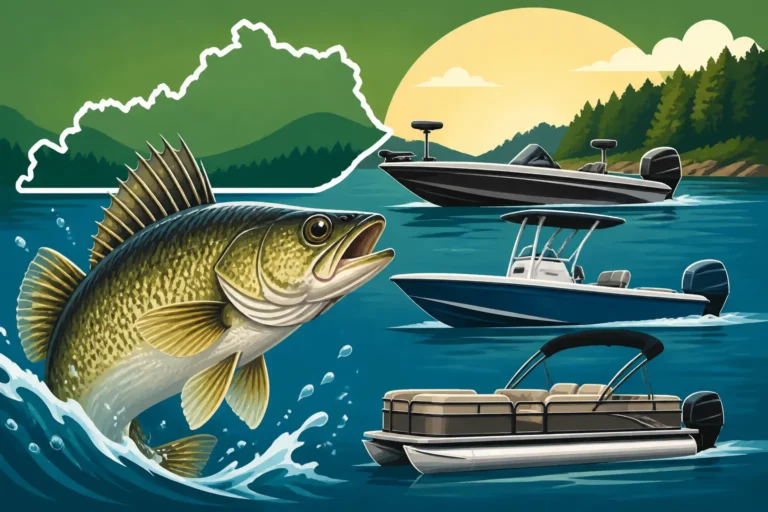
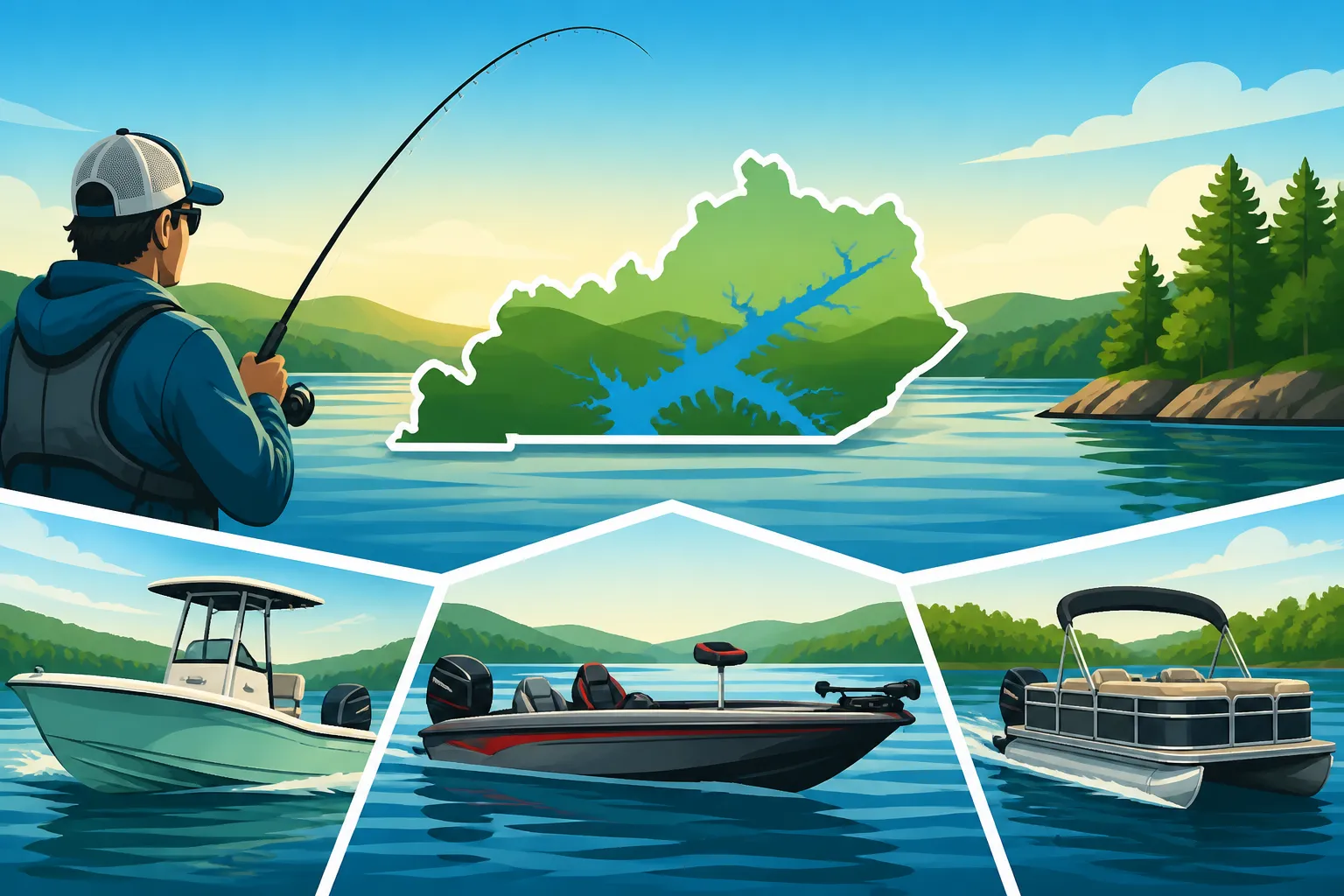
Kentucky Lake and Lake Barkley offer incredible diversity for anglers. You might be targeting largemouth bass flipping jigs into dense cover one minute, then trolling for crappie in open water the next, or perhaps setting out trotlines for monster catfish after dark. Each of these fishing styles, and the species they target, can benefit from different boat characteristics. A specialized bass boat, for instance, is designed for speed and casting platforms, ideal for tournament anglers. Meanwhile, a pontoon boat offers stability and space, perfect for family outings or multiple anglers spreading out their gear.
The sheer size and varied habitat of these lakes mean that you won't always be fishing the same way. You might be vertical jigging over deep structure one day and casting crankbaits along shallow grass beds the next. Having a boat that can adapt to these different approaches, or at least one that excels at your preferred method, is key to maximizing your success and enjoyment. This versatility might come from the boat itself, or through clever rigging and accessories that allow you to switch tactics with ease. It's about finding that sweet spot where your vessel empowers your fishing, rather than limiting it.
Key Considerations for Choosing a Fishing Boat
Before you even start looking at specific models, it’s really helpful to sit down and think about what you actually need and want from a boat. It’s not just about the biggest motor or the fanciest electronics; it’s about practicality, safety, and how you envision your time on the water. Taking the time to ponder these things upfront will save you a lot of headaches (and potentially money) down the road.
Understanding Your Primary Fishing Style and Species
What kind of angler are you, really? Are you a dedicated bass angler, living for those tournament days, or do you prefer a more relaxed approach, perhaps chasing crappie and bluegill with the grandkids? Maybe you're a big cat enthusiast, spending nights on the Ohio River and Kentucky Lake targeting trophy flatheads and blues. Your primary fishing style heavily dictates the ideal boat for you.
If you're all about bass, you'll want a boat with spacious casting decks, ample storage for rods and tackle, and the speed to get to your spots quickly. For crappie, stability for spider rigging or trolling is often a priority, along with space for multiple rod holders. Catfish anglers might lean towards durable, open boats that can handle heavy gear and potentially messy bait. Consider the species, the techniques you most enjoy, and how often you'll be doing each. If you're going to be mainly focused on bass, then a bass boat makes a lot of sense. If you're more of a "generalist" or fish with family often, then a more versatile multi-species or pontoon boat might be a better fit.
Assessing Your Budget: Purchase, Maintenance, and Running Costs
Let’s be honest, boats are a significant investment, and it’s not just the sticker price you have to consider. There's the initial purchase, of course, which can range from a few thousand for a used jon boat to well over a hundred thousand for a top-of-the-line bass rig. But beyond that, you need to factor in all the ongoing costs. Think about registration fees, insurance, regular maintenance (oil changes, winterization, tune-ups), and potential repairs. And don't forget fuel! Running a powerful outboard across Kentucky Lake all day can add up quickly.
It's wise to create a realistic budget that includes all these aspects. Don't stretch yourself too thin on the initial purchase only to find you can't afford to maintain or fuel the boat. Sometimes, a slightly smaller or less powerful boat that you can comfortably afford to run and care for will provide far more enjoyment in the long run than a dream boat that sits in the driveway because you're worried about the gas bill. Remember to consider all these elements, not just the upfront cost.
Hauling, Launching, and Storage Capabilities
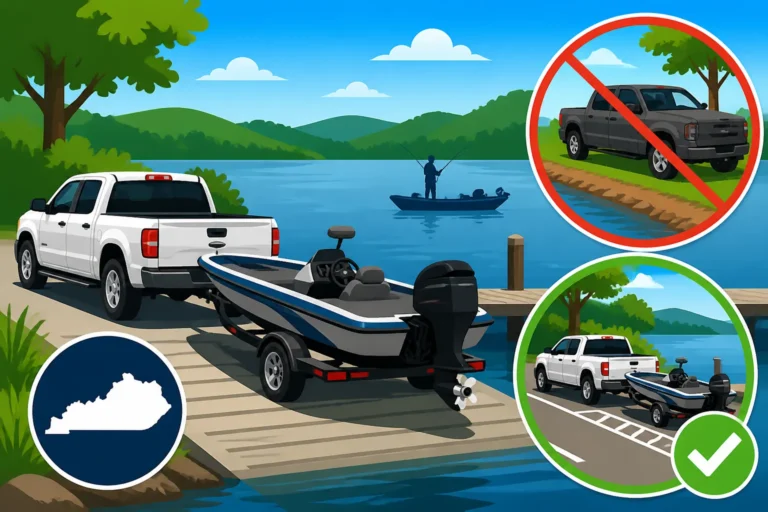
Where will you keep your boat? How will you get it to the lake? These are practical questions that often get overlooked in the excitement of boat shopping. Do you have a truck capable of safely towing the size and weight of the boat you're considering? A large bass boat or pontoon will require a substantial tow vehicle. And once you get to the lake, are the boat ramps you typically use suitable for launching a larger vessel, or will you be limited to smaller, less steep access points? Boat Trailer and Ramp Guide for Kentucky Lakes could be a great resource here.
Storage is another big one. Do you have space in your driveway, a dedicated boat garage, or will you need to pay for storage at a marina? Marinas often have slip fees, or you might need to rent a storage unit for off-season storage. Consider the overall length of the boat and trailer combined, as well as the beam (width), to ensure it fits where you intend to keep it. Thinking through these logistical challenges before you buy can prevent a lot of frustration later on.
Types of Boats Best Suited for Kentucky Lake and Lake Barkley
These immense bodies of water call for boats that can handle their size, their occasional choppiness, and the diverse fishing opportunities they offer. While a small canoe might work on a tiny pond, you'll want something more substantial for Kentucky Lake and Lake Barkley. Let's dive into the most popular and effective choices you'll find out there.
Bass Boats: Speed and Precision for Dedicated Anglers
Ah, the classic bass boat. If you’re serious about chasing largemouth and smallmouth bass, especially in a tournament setting, a bass boat is often the first thing that comes to mind. These boats are designed for speed, allowing you to quickly get from one hotspot to another across vast stretches of water. They typically feature powerful outboard motors, often topping out in the 200-300 horsepower range, which is perfect for covering ground on a lake the size of Kentucky Lake. Best Bass Boats for Kentucky Lake and Lake Barkley goes into more detail.
Beyond speed, bass boats are precision fishing machines. They boast large, flat casting decks both front and rear, providing ample room for anglers to move around and make accurate casts. Storage is abundant, with multiple rod lockers capable of holding a dozen or more rods, vast tackle compartments, and usually a well-appointed livewell system to keep your tournament catch healthy. Their low profile helps them glide through the water with minimal wind resistance, and the powerful trolling motors on the bow allow for precise boat positioning, letting you hold steady on a brush pile or creep along a submerged channel. While they can be a bit more challenging to handle in rough water due to their relatively shallow draft and wide beam, for pure bass fishing efficiency, they're hard to beat.
Multi-Species and Deep-V Boats: Versatility for Varied Fishing
If your fishing interests span beyond just bass, or if you regularly encounter rougher water conditions, a multi-species or deep-V boat might be your ideal companion. These boats are built to handle a wider range of conditions and offer more versatility for different types of fishing. While they might not be as fast as a dedicated bass boat, they generally provide a much smoother and drier ride in choppy waters, thanks to their deeper V-hull design. This extra depth allows them to cut through waves rather than slap over them, making your journey across a windy Lake Barkley much more comfortable.
Multi-species boats often combine features of both bass boats and traditional walleye/salmon boats. They'll have a comfortable cockpit area with higher gunwales for added safety, especially when fishing with kids, along with casting decks that are still functional, if not as expansive as a pure bass boat. They are fantastic for trolling for crappie, casting for bass, or even jigging for sauger and walleye. Many anglers find these boats a great compromise, offering enough speed and fishing features to satisfy most freshwater pursuits while providing a significantly more secure and comfortable experience on big, unpredictable lakes. Brands like Ranger, Lund, and Crestliner are well-known for their robust multi-species offerings.
Pontoon Boats: Comfort and Space for Family and Friends
For those who prioritize comfort, space, and family-friendly outings, a pontoon boat is an excellent choice for Kentucky Lake and Lake Barkley. While not traditionally thought of as "fishing boats," modern pontoons have come a long way and many models are now specifically designed with anglers in mind. They offer unmatched stability due to their twin (or sometimes triple) pontoons, making them incredibly safe and comfortable, even with multiple people moving around or when the water gets a little choppy.
The sheer amount of deck space on a pontoon is its biggest advantage. You can easily have several anglers spread out, each with their own setup, without feeling cramped. Many fishing-specific pontoons come equipped with livewells, rod holders, comfortable swivel fishing chairs, and even integrated fish finders. They're perfect for leisurely trolling for crappie or catfish, or simply anchoring up in a quiet cove to enjoy a day on the water with family and friends. While they won't win any races, and their maneuverability in tight spaces can be limited, the comfort, stability, and social aspect of a pontoon boat are hard to beat for a relaxed day of fishing and recreation on these big lakes.
Jon Boats: Practicality and Accessibility for Specific Situations
A jon boat might seem like an odd choice for such large bodies of water, and indeed, for open-water runs, they are generally not recommended due to their flat bottom and low freeboard. However, for certain specific situations on Kentucky Lake and Lake Barkley, a jon boat can still be a practical and accessible option, especially if you stick to protected coves, creek arms, or are fishing smaller, calmer sections of the lake. They are also much more affordable, both to purchase and to operate, which makes them an excellent entry point into boating.
The flat bottom of a jon boat allows it to get into extremely shallow water, making it ideal for sneaking into those skinny backwaters or fishing flooded timber where larger boats can't go. They are incredibly durable, easy to maintain, and simple to customize with seating, rod holders, or even a small trolling motor. While you wouldn't want to cross the main lake in one during a stiff breeze, for exploring the countless protected pockets and shallow fishing havens, a jon boat with a modest outboard can be surprisingly effective. Just be sure to always check the weather and stick to areas where you feel safe and confident in your vessel.
Fishing Kayaks: Stealth and Accessibility for the Solo Angler
For the ultimate in stealth, accessibility, and a truly immersive fishing experience on Kentucky Lake and Lake Barkley, a fishing kayak can be an incredible tool. These aren't your recreational kayaks; modern fishing kayaks are stable, rigged with features, and designed to carry gear and even mount electronics. They allow you to get into places that even a jon boat can't reach, silently navigating through cypress trees, tight creek channels, or shallow flats where trophy bass might be hiding.
Many fishing kayaks today come equipped with pedal drives, freeing up your hands for fishing, and offering impressive speeds for a human-powered vessel. They often feature multiple rod holders, secure storage for tackle, and flat areas for mounting fish finders and GPS units. Best Fishing Kayaks for Kentucky Lakes and Rivers highlights some excellent options. For the solo angler who values peace, quiet, and the ability to explore untouched waters, a fishing kayak offers an unparalleled connection to the environment. Just remember to always prioritize safety on these big waters, especially regarding visibility and carrying all required Life Jacket Rules for Boats in Kentucky and safety gear.
Specific Features to Look for in a Boat for Kentucky Lake and Lake Barkley
Once you've narrowed down the type of boat you're interested in, it's time to dig into the details. The right features can make a world of difference in your fishing experience, making your boat more functional, comfortable, and safe on these expansive Kentucky waters. Don't just settle for the basics; think about what will truly enhance your time on the water.
Powerful and Reliable Outboard Motor
On large lakes like Kentucky Lake and Lake Barkley, your outboard motor is your workhorse. You'll be covering significant distances, and you need an engine that can get you there efficiently and, most importantly, reliably. While a smaller motor might suffice for a local pond, anything less than a 90 HP motor on these big lakes will likely leave you feeling underpowered and frustrated, especially when battling current or a strong headwind. Many bass boats feature outboards upwards of 200 HP, providing exhilarating speed and the ability to outrun approaching storms.
Beyond horsepower, consider fuel efficiency. Modern four-stroke outboards are remarkably efficient compared to older two-stroke models, which can save you a lot of money on gas over time, especially with current fuel prices. Look for brands known for their reliability and widespread service networks, like Mercury, Yamaha, Honda, and Suzuki. A breakdown on a big lake is no fun, so investing in a well-maintained or new, dependable motor is crucial. Always factor in regular maintenance to keep it running smoothly; a happy motor means a happy angler.
Advanced Electronics: Fish Finders and GPS Navigation
In today's fishing world, electronics are not just a luxury; they're practically a necessity, especially on complex waters like Kentucky Lake and Lake Barkley. A good fish finder can literally show you where the fish are hiding, revealing submerged structure, baitfish schools, and even individual fish. Look for units with high-resolution screens, side-imaging, and down-imaging capabilities. These technologies allow you to scan wide areas, identify contours, and pinpoint brush piles or ledges that hold fish. Fish Finders and Electronics for Kentucky Lake Fishing is an excellent resource for deeper insights.
Integrated GPS navigation is equally important. These lakes have countless coves, channels, and islands, and it's easy to get disoriented, especially on foggy mornings or at night. A reliable GPS unit allows you to mark your hotspots, save safe routes, and navigate back to the ramp with confidence. Many modern units combine fish finding and GPS into a single, intuitive display. Consider brands like Garmin, Lowrance, and Humminbird, which offer a wide range of options suitable for various budgets and needs. You can often find great deals on these at retailers like Bass Pro Shops or through online vendors like Amazon.
Ample Storage and Well-Designed Livewell Systems
A messy boat is a frustrating boat, and on a long day of fishing, you'll accumulate a lot of gear. Ample, organized storage is a must. Look for boats with multiple rod lockers that can safely secure your expensive fishing rods, keeping them out of the way and protected. Tackle storage compartments should be easily accessible, watertight, and spacious enough to hold all your lures, tools, and extra line. Dry storage for personal items like phones, wallets, and extra clothing is also invaluable.
For anglers targeting game fish like bass and crappie, a high-quality livewell system is non-negotiable, especially if you plan to participate in tournaments or simply want to keep your catch fresh for dinner. A good livewell will feature aeration, recirculation, and often a pump-out system. Look for insulated wells that help maintain a stable water temperature, and ideally, a divider to separate different species or protect fish from stress. The size of the livewell should be proportional to the kind of fish you expect to catch and the regulations you need to adhere to, such as those found in the Kentucky Fishing Regulations Explained.
Comfortable Seating and Deck Space
Fishing can be a long day, and uncomfortable seating can really detract from the experience. Look for boats that offer comfortable, supportive seating, especially for the captain and any passengers who will be spending a lot of time sitting. Adjustable seats, back support, and cushioning are all important factors. For fishing, swivel seats are a huge plus, allowing you to turn and cast without constantly re-positioning your body.
Deck space is another critical feature. On a bass boat, large, unobstructed casting decks are paramount. On a pontoon or multi-species boat, you'll want enough open floor space for multiple anglers to move around without tripping over each other, and room for coolers, bait buckets, and other essentials. If you frequently fish with family or friends, ensure there's enough room for everyone to safely and comfortably enjoy their time on the water, whether they're fishing, sunbathing, or just along for the ride.
Maintaining Your Kentucky Lake and Lake Barkley Fishing Boat
Owning a boat is a fantastic privilege, but it comes with responsibilities. Proper maintenance isn't just about keeping your boat looking good; it's about ensuring its longevity, reliability, and safety, especially when you're out on big waters like Kentucky Lake and Lake Barkley. Neglecting maintenance can lead to costly repairs and even dangerous situations on the water.
Routine Engine Care and Winterization
Your outboard engine is the heart of your boat, and it demands regular attention. Routine engine care typically involves checking the oil, fuel, and cooling systems before each outing. After every few trips, or as recommended by the manufacturer, you'll want to perform more thorough checks, including changing the oil (for four-strokes), inspecting spark plugs, and checking the propeller for damage. Keeping your fuel system clean and using fresh, ethanol-free gasoline whenever possible can prevent a lot of common engine issues.
When the colder months arrive and you're done fishing for the season, proper winterization is absolutely essential in Kentucky. This process protects your engine from freezing temperatures and ensures it's ready to go when spring fishing rolls around. Winterization usually involves stabilizing the fuel, fogging the engine cylinders, changing the lower unit gear lube, and flushing the cooling system. While many boat owners can perform basic winterization themselves, having a certified mechanic handle it can provide peace of mind, especially for complex modern outboards. This small annual investment protects a much larger one.
Hull Cleaning and Damage Inspection
The hull of your boat takes a beating, constantly exposed to water, sun, and occasional bumps. Regular cleaning is crucial to prevent algae, grime, and environmental stains from building up. A good quality boat soap and a soft brush will do wonders. For those tough waterline stains, specialized hull cleaners can work magic, but always follow product instructions carefully to avoid damaging your boat's finish.
Beyond cleaning, routinely inspect your hull for any signs of damage. This includes cracks, gouges, or blisters, especially below the waterline. Even small dings can lead to bigger problems if left unaddressed. Pay close attention to the keel, which is often the first point of contact with submerged objects. Inspect the rub rail for tears or loose sections. If you find any significant damage, it's best to have it professionally repaired to maintain the structural integrity and watertightness of your boat. Don't forget to check your trailer as well; rust on the frame or worn tires can cause serious issues on the highway. Boat Trailer Tips for Launching on Lake Barkley offers more advice here.
Electrical System Checks and Battery Maintenance
Modern fishing boats are packed with electronics, from fish finders and GPS units to livewell pumps and lights. This means a robust and well-maintained electrical system is vital. Regularly check all wiring for corrosion, fraying, or loose connections. Ensure all your lights (navigation, anchor, interior) are working correctly, as these are critical safety features, especially when on the water after dark.
Battery maintenance is perhaps the most important part of your electrical system. Most fishing boats have at least two batteries: a starting battery for the engine and a deep-cycle battery (or batteries) for the trolling motor and accessories. Keep battery terminals clean and free of corrosion. Check water levels in lead-acid batteries regularly and top them off with distilled water if needed. Charge your batteries fully after each use and consider a trickle charger or battery tender during periods of non-use to prevent them from losing their charge. A dead battery on Kentucky Lake can quickly turn a fun day into a frustrating tow back to the ramp.
Budgeting for Your Kentucky Lake and Lake Barkley Fishing Boat
Let's face it, buying a boat isn't like buying a pack of hooks; it's a major financial decision. Many aspiring boat owners get caught up in the excitement of the purchase price and forget about the ongoing costs. Understanding the full financial picture is crucial for a stress-free boating experience on Kentucky Lake and Lake Barkley.
Initial Purchase Costs: New vs. Used, Brands, and Features
The upfront cost of a boat varies wildly depending on whether you opt for new or used, the brand, and the specific features you want. A brand-new, fully rigged bass boat from a top manufacturer like Ranger or Phoenix could easily set you back well over a hundred thousand dollars. These come with warranties, the latest technology, and that new-boat smell, but they also depreciate fastest. A new pontoon or multi-species boat will also be a significant investment, often in the tens of thousands.
Opting for a used boat can significantly reduce the initial purchase price. You can find excellent deals on well-maintained boats that are just a few years old. However, a used boat comes with the inherent risk of hidden issues, so a thorough inspection by a qualified marine mechanic is highly recommended before you buy. Websites like Bass Pro Shops often have used boat sections, and local dealers are good places to start looking. Remember that different brands and feature sets will always command different price points, so prioritizing what's truly essential will help you manage your budget.
Ongoing Expenses: Fuel, Insurance, Maintenance, and Storage
The initial purchase is often just the beginning. The ongoing costs of boat ownership can sometimes surprise first-time buyers. Fuel is a major factor, especially with larger outboards. Running a 200 HP engine at high speeds across Kentucky Lake for a full day can consume a substantial amount of gasoline, so factor this into your regular fishing budget.
Boat insurance is another non-negotiable expense. It protects your investment against damage, theft, and liability, which is crucial on busy waters. Premiums will vary based on the boat's value, your boating experience, and where you store it. Regular maintenance, as we discussed, is vital for reliability and longevity. This includes annual engine service, winterization, and replacing wear-and-tear items. Finally, storage costs can be significant if you don't have space at home. Marina slips, dry storage, or even a secure storage unit will add to your monthly or annual expenses. Always include Kentucky Boat Registration Requirements Explained in your calculations, as registration fees are also an annual cost.
Accessory and Upgrade Budget
Let's be honest, few boats come perfectly rigged from the factory for your specific needs. You'll almost certainly want to add accessories and upgrades over time. This could include additional rod holders, a more powerful trolling motor, upgraded batteries, extra anchors, or better safety gear. Many anglers like to customize their boats with specific seating arrangements or tackle storage solutions.
Even seemingly small purchases, like a new set of fenders or upgraded dock lines, can add up. Setting aside a separate budget for accessories and upgrades, even a modest amount each year, will allow you to gradually tailor your boat to your preferences without breaking the bank all at once. It also means you can take advantage of sales from retailers like Amazon for smaller items, or invest in larger, more specialized equipment from marine suppliers.
Essential Gear and Accessories for Your Kentucky Lake Boat
Having the right boat is only half the battle; rigging it out with the essential gear and accessories will complete your setup for successful and safe fishing on Kentucky Lake and Lake Barkley. Think of these items not just as add-ons, but as extensions of your fishing capability and safety net.
Safety Equipment: Life Jackets, Fire Extinguishers, and First Aid
Safety should always be your top priority on the water. The Coast Guard and Kentucky state regulations require certain safety equipment on board all vessels. This includes enough Coast Guard-approved life jackets for everyone on board. Pay special attention to Life Jacket Rules for Boats in Kentucky, particularly for children under 12, who often have specific wear requirements. You'll also need a fire extinguisher, especially if your boat has an enclosed engine compartment or fixed fuel tank. Visual distress signals (flares or a distress flag) are a good idea, as is an audible signaling device (horn or whistle).
Beyond the bare minimum, a well-stocked first aid kit is essential for dealing with minor injuries like hook punctures, cuts, or seasickness. A throwable flotation device, like a life ring or cushion, is also a smart addition for quick rescue situations. Consider carrying an emergency repair kit with basic tools, duct tape, and spare parts for minor breakdowns. A fully charged cell phone in a waterproof bag, or even a marine VHF radio, can be a lifesaver for communication in an emergency. Remember, preparation is key when you're miles from shore.
Anchors, Docking Gear, and Navigation Aids
You'll need more than just a motor to control your boat. A good anchor system is critical for holding your position over a fishing spot, especially in current or wind. For a large lake like Kentucky Lake, you'll likely want at least two anchors: a heavy fluked anchor for soft bottoms and a lighter, grapple-style anchor for quick stops or rocky areas. Ensure you have plenty of anchor rode (rope) – ideally 7:1 scope, meaning seven feet of rope for every one foot of water depth.
Docking gear includes sturdy dock lines and fenders (bumpers) to protect your boat when tying up at a marina, restaurant, or another boat. Navigation aids, beyond your electronic GPS, can include physical charts of Kentucky Lake and Lake Barkley. These provide detailed information about depths, channels, hazards, and navigation markers. A good pair of binoculars can also be incredibly useful for spotting distant markers, other boats, or even subtle changes in the shoreline that might indicate a fishing spot.
Trolling Motors, Batteries, and Charging Systems
For serious anglers, a bow-mounted electric trolling motor is indispensable for precise boat positioning, especially when fishing for bass or crappie. These allow you to silently maneuver your boat along shorelines, over brush piles, or through structure without spooking fish. Look for trolling motors with sufficient thrust for your boat's size and weight, and features like GPS-guided spot-lock technology, which can hold your boat in place automatically. Brands like Minn Kota and MotorGuide are industry leaders.
To power your trolling motor and all your other electronics, you'll need a robust battery system. Deep-cycle marine batteries are designed for sustained power draw. Many serious anglers run two or three deep-cycle batteries for their trolling motor alone, providing enough juice for a full day (or even two) of fishing. A high-quality onboard battery charger is then essential for recharging these batteries efficiently after each trip. Ensuring you have a reliable charging system means you'll always be ready for your next outing on Kentucky Lake: The State's Top Bass Fishing Destination or Lake Barkley Fishing Guide for Kentucky Anglers.
Making the Final Decision: What's Right for You
Choosing a boat is a very personal journey. What works perfectly for one angler might be completely wrong for another. There's no single "best" boat for Kentucky Lake and Lake Barkley because everyone's needs, budget, and fishing style are unique. The key is to be honest with yourself about what you truly need and what you can realistically afford.
Prioritizing Your Needs and Wants
Start by making a list of your absolute "must-haves." Do you need to go fast? Is maximum deck space for casting critical? Do you primarily fish alone or with a crowd? Is staying dry in choppy water a non-negotiable? Once you have your non-negotiables, then you can add your "nice-to-haves." Perhaps a fancy fish finder is a want, but a basic one is a need. A comfortable captain's chair might be a want, but a safe and stable ride is a need. This exercise helps you differentiate between essential features and luxurious extras.
Consider how much time you'll actually spend on the water. If you only fish a few times a year, a smaller, simpler, and more affordable boat might be perfect. If you're out every weekend, then investing in more features and a more robust vessel makes sense. Don't let marketing hype or what "everyone else" has dictate your decision. Your boat should fit your lifestyle and fishing habits.
Test Drives and Pre-Purchase Inspections
Just like buying a car, a boat should never be purchased without a test drive. This is your chance to feel how the boat handles, how it performs with the engine size, and how comfortable it is on the water. If you're buying a used boat, try to test it on a day with some chop, mirroring conditions you might encounter on Kentucky Lake or Lake Barkley. Pay attention to how it rides, how responsive the steering is, and whether all the systems (livewells, electronics, pumps) are functioning correctly.
For any used boat, a professional pre-purchase inspection by a certified marine mechanic is an absolute must. They can identify potential engine problems, hull damage, electrical issues, or other hidden flaws that might cost you thousands down the line. This inspection provides invaluable peace of mind and can even give you leverage for price negotiation if issues are found. It's a small investment that can save you from a very expensive mistake.
Finding a Reputable Dealer or Seller
Whether buying new or used, the seller matters. For new boats, choosing a reputable dealer is crucial. Look for dealers with a strong track record of customer service, good reviews, and a reliable service department. A good dealer will stand behind their products and be there to help with warranty issues, maintenance, and parts.
When buying a used boat from a private seller, trust your gut. Meet in a public place, ask lots of questions, and don't feel pressured. A legitimate seller will be happy to answer questions, provide maintenance records, and allow for a thorough inspection and test drive. Be wary of sellers who seem overly eager, refuse to meet in person, or won't provide documentation. Local fishing forums and communities can also be a good place to find trustworthy sellers or get recommendations for dealers. Remember, a good buying experience can set the stage for years of happy boating on Kentucky Lake.
Disclaimer
This article is for general informational purposes only and does not constitute professional advice. Laws, prices and regulations vary by location and change over time. Consult a qualified professional for guidance on your specific situation.