Boat Trailer Tips for Launching on Lake Barkley
Pulling your boat up to a bustling ramp on Lake Barkley, especially on a sunny Saturday, can be a moment of pure excitement mixed with a healthy dose of anxiety. You're eager to get out on the water, but the thought of fumbling with your trailer, holding up a line of impatient anglers, or worse, having a mishap, can quickly sour the mood. This comprehensive guide is here to strip away that stress, offering practical, real-world boat trailer tips specifically tailored for launching your vessel smoothly and safely on Lake Barkley's diverse ramps.
Understanding Lake Barkley's Boat Ramps and Your Trailer
Lake Barkley, with its sprawling waters and popular fishing, offers many access points, but not all ramps are created equal. Knowing what to expect and how your trailer interacts with these different conditions is the first step to a stress-free launch.
Common Challenges at Lake Barkley's Ramps
Imagine this: you've driven for hours, the sun is high, and you pull into the ramp parking lot, only to see a line of trucks and trailers waiting. This scene is common on Lake Barkley, particularly during peak fishing seasons or popular events. One of the immediate challenges you might face is congestion. Everyone wants to get on the water, and a slow, inexperienced, or unprepared angler can quickly become the target of silent (or not-so-silent) glares.
Beyond the crowds, the physical characteristics of the ramps themselves present hurdles. Some ramps are quite steep, which can be intimidating, especially for larger boats. A steep incline means your vehicle has to work harder, and it can affect how your boat slides off the trailer. Conversely, some ramps might be shallow, requiring you to back your trailer further into the water than you initially expected. This can reveal hidden drop-offs or slick patches of algae, making traction a real concern. Boat Ramp Guide for Kentucky Lake and Lake Barkley can offer more details on specific ramp conditions. The transition from the concrete ramp to the lake bed can also vary, sometimes being a smooth slope, other times having a sudden drop-off that can catch your trailer tires or even hang up your boat if you're not careful. These variations demand an awareness of your surroundings and a readiness to adapt your technique.
Matching Your Trailer to the Ramp Condition
The type of trailer you own plays a significant role in how easily you can launch and retrieve your boat, especially when encountering the varied conditions of Lake Barkley's ramps. Most anglers use either a bunk trailer or a roller trailer, and each has its own advantages and considerations.
Bunk trailers, which support the boat on carpeted wooden bunks, are generally preferred for larger, heavier boats. They provide excellent support and are fantastic for storing your boat over the long term. However, they require more submersion to float the boat off and on, meaning you might have to back further down a ramp, which can be tricky on shallow or uncertain ramps. Roller trailers, on the other hand, use a series of rollers to allow the boat to be pushed or winched on and off with less effort and less submersion. This can be a huge benefit on shallower ramps or when you're launching solo. However, roller trailers require more careful attention to strapping down your boat, as it's easier for the boat to shift or roll off if not properly secured.
It’s not just the trailer type, but its overall condition and setup. Proper trailer maintenance, from ensuring your winch works smoothly to greasing your bearings, is paramount for a seamless experience. If you frequently encounter shallow ramps, you might even consider a tongue extension kit, which allows you to back your trailer further into the water without getting your tow vehicle wet. This can save you a lot of headache and potential damage to your vehicle, while also making it easier to launch in tricky spots.
| Trailer Type | Best For | Advantages | Disadvantages | Lake Barkley Ramp Suitability |
|---|---|---|---|---|
| Bunk Trailer | Larger, heavier boats; long-term storage | Excellent boat support, lower initial cost, fewer moving parts | Requires more ramp submersion, can be harder to launch/retrieve solo, friction can be high | Good for steep, deep ramps. Challenging for shallow ramps or those with drop-offs. |
| Roller Trailer | Smaller to medium boats; frequent launching | Easier launch/retrieval with less submersion, good for shallow ramps | Requires careful strapping, more maintenance on rollers, higher initial cost | Versatile for most ramps, especially beneficial on shallower or busy ramps. |
Pre-Launch Preparations: The Key to a Smooth Experience
The difference between a frantic, fumbling launch and a calm, efficient one often boils down to preparation. Doing a few simple things before you even get close to the water can save you immense time, stress, and potential embarrassment.
The Pre-Ramp Checklist: Don't Forget a Thing
This is perhaps the most critical stage, and it happens away from the ramp itself. Think of it as your staging area – a designated spot in the parking lot where you can perform all necessary checks without holding up the line. The first, and arguably most important, item on your list is the drain plug. Forgetting to install it is a rookie mistake that can lead to a quickly sinking boat once you hit the water. It sounds obvious, but in the rush of excitement, it's easily overlooked. Many experienced anglers keep a spare plug in their tackle box, just in case.
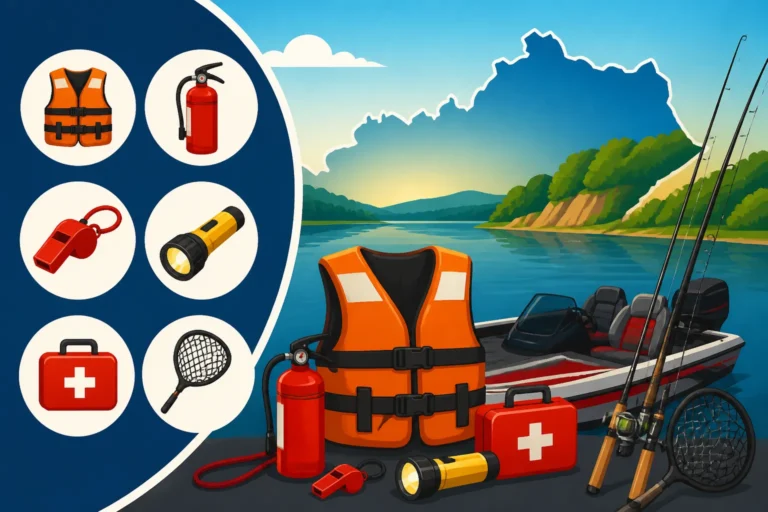
Next, you'll want to remove all tie-down straps and the transom saver, which supports your outboard motor during travel. These are essential for safe towing, but they'll prevent your boat from launching freely. Ensure your motor is tilted up just enough so that the prop won't hit the ground or the ramp as you back in, but not so high it interferes with the launch process. Make sure all your essential safety gear—like life jackets, throwable cushions, and paddles—are easily accessible. Having a quick visual check that your fishing rods are secured and tackle boxes are stowed will prevent them from sliding around during the launch. Getting these tasks done in the parking lot means that when it's your turn at the ramp, all you have to do is back down, unhook the bow strap, and launch. This efficiency is golden on busy days. Kentucky Boating Safety Gear Checklist can help you remember all the necessary items.
Essential Trailer Maintenance Before You Go
A well-maintained trailer is your best friend on the road and at the ramp. Neglecting it can turn a fun fishing trip into a roadside nightmare. Before you even leave home, take a few minutes to give your trailer a once-over. Start with the tires: check the pressure, look for any signs of wear or dry rot, and ensure your spare tire is properly inflated and accessible. Nothing ruins a trip faster than a flat tire 50 miles from home.
Next, inspect your trailer lights and wiring. Flick on your turn signals, brake lights, and running lights to ensure everything is working correctly. Corroded connections or faulty bulbs are common issues that can lead to a ticket or, more importantly, a safety hazard on the highway. If you're needing replacement lights or wiring kits, places like Bass Pro Shops or online retailers such as Amazon often have a good selection. Don't forget your wheel bearings. While you don't need to repack them before every trip, a quick check for excessive play or unusual noises is a good idea. Bearing failures are a frequent cause of roadside breakdowns, often resulting in expensive repairs and lost fishing time. Carrying a basic tool kit with a wrench, pliers, electrical tape, and a spare fuse can be a lifesaver for minor issues. Having the right boat trailer and tow vehicle setup for your particular boat makes a big difference. Boat Trailer Tips for Launching on Lake Barkley is an article you are already reading. I suggest checking out Boat Trailer Maintenance Checklist for a printable reminder before you hit the road.
Mastering the Launch and Retrieval Process
The moment of truth arrives when your truck is aligned with the ramp, and it's time to put your boat in the water or take it out. This is where confidence, practice, and a few key techniques really shine.
The Art of Backing Up: Tips and Tricks
Backing a boat trailer can feel like trying to pat your head and rub your stomach at the same time, especially for beginners. The trick is counter-intuitive: turn the steering wheel in the opposite direction you want the trailer to go. If you want the rear of your trailer to move left, turn your steering wheel to the left. If you want it to go right, turn your steering wheel to the right. It sounds simple, but it takes practice to get it to become second nature.
A common mistake is over-correcting. Small, subtle adjustments to the steering wheel are far more effective than big, sweeping turns. Keep your speed very slow, barely touching the gas, and use your mirrors frequently. Many seasoned anglers will even open their door and look directly at the trailer tires to gauge their position relative to the ramp edge. If you're really struggling, don't be afraid to pull forward and try again. It's better to take an extra minute to straighten up than to end up with your trailer in a ditch or blocking the ramp. Consider practicing in an empty parking lot with some cones to get a feel for how your truck and trailer combination moves. Having a spotter, especially when you're new to it, is invaluable. They can stand to the side (never behind the trailer!) and guide you with hand signals, warning you of obstacles or how far you need to back up.
Efficient Launching: From Truck to Water
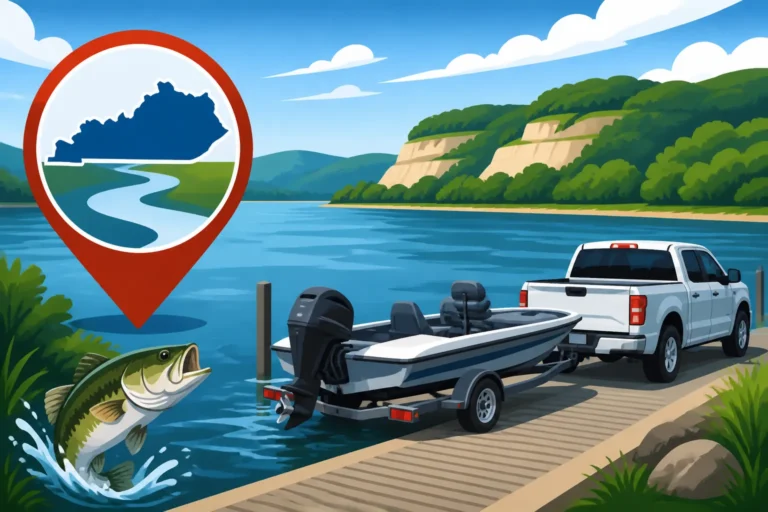
Once you've successfully backed down the ramp, the next step is getting your boat off the trailer and into the water. The ideal depth to stop backing in depends on your boat and trailer type, but generally, you want enough water for the boat to float freely without fully submerging your tow vehicle's rear wheels. For a bunk trailer, this might mean the bunks are just covered by water. For a roller trailer, it could be less.
Before you back too far, ensure you have a designated driver (if you're launching with a partner) or a plan to secure your boat if you're launching solo. Many ramps on Lake Barkley have courtesy docks for temporary tie-ups. Once at the correct depth, perform one final check: is the drain plug in? Are all straps removed except for the bow safety chain and winch strap? Then, unhook the bow safety chain and prepare to unlatch the winch. If you have a partner, they can often stand in the water and gently push the boat off the trailer. If you're alone, you might give the boat a firm push from the bow, or if it's a roller trailer, you can sometimes carefully back in a little further until the boat floats free, then quickly pull your vehicle forward as the boat drifts. The key is to be swift and efficient, moving your tow vehicle off the ramp and into a parking spot as quickly as possible, allowing the next angler to begin their launch.
Smooth Retrieval: Getting Your Boat Back On
Retrieving your boat can sometimes be more challenging than launching it, especially if there's wind or current. When it's your turn at the ramp, bring your boat to the courtesy dock if available, or carefully maneuver it close to the ramp. Align the bow of your boat with the center of your trailer. This is often easier said than done, particularly with crosswinds.
Slowly motor or winch your boat onto the trailer. For bunk trailers, you'll need to back your trailer in until the rear bunks are adequately submerged. For roller trailers, you might only need the very end of the rollers in the water. Guide the boat onto the trailer until the bow is firmly against the winch post. Engage the winch and secure the boat with the winch strap, then attach the bow safety chain. It’s crucial not to over-submerge your trailer, as this can make it harder to winch the boat up and can also put unnecessary strain on your tow vehicle's transmission. Once the boat is secure, slowly pull the trailer and boat out of the water and up the ramp. Find a safe spot in the parking lot away from the ramp to reattach all your transom straps, the transom saver, and do a final check of your lights before hitting the road. This process, when done correctly, ensures the boat is centered, secure, and ready for travel. Boat Trailer Tips for Launching on Lake Barkley is where you are now, so make sure to check out Boat Trailer Maintenance Checklist for more information on safe towing.
Staying Safe and Courteous at the Ramp
The boat ramp is a shared space, and a little thoughtfulness goes a long way in ensuring a pleasant experience for everyone. Safety and courtesy are paramount, not just for you but for all who use Lake Barkley's access points.
Ramp Etiquette: Keep Everyone Happy
Good ramp etiquette is about being prepared, efficient, and respectful of others. The number one rule is to do all your pre-launch and post-retrieval tasks away from the ramp. This means putting in your drain plug, removing tie-downs, loading all your gear, and performing light checks in the parking lot. When it's your turn at the ramp, you should be able to simply back in, launch, and move your vehicle. This keeps the line moving and prevents frustration from building.
When you're backing down, take your time, but be aware of how long you're taking. If you're new to it and struggling, a quick hand signal or verbal apology to those waiting can go a long way in diffusing tension. Always be mindful of your surroundings; keep your music volume down, avoid unnecessary shouting, and watch for children or pets that might be near the ramp. If you have a helper, make sure they understand their role and the hand signals you'll use. After launching, retrieve your vehicle and park it in a designated spot, not blocking other trailers or access roads. The same applies to retrieval: have your boat ready at the courtesy dock or nearby, so you can quickly get it on the trailer and move out of the way. Remembering that everyone is there to enjoy the water, and a little patience and politeness makes the experience better for all.
Safety First: Preventing Accidents
Boat ramps, by their very nature, can be hazardous places. They are often steep, wet, and can be covered in slippery algae, especially older ramps or those with less traffic. Always wear appropriate footwear with good grip when operating near the water's edge. Children should always wear a life jacket around ramps, and it's a good habit for adults as well, especially if you're getting in the water.
Be extremely cautious when backing your trailer. Always check for people, especially kids, who might be out of your line of sight. Distracted drivers or those rushing can easily cause accidents. If you're backing at night or in low light, use extra caution and consider having a spotter with a flashlight. Pay attention to the condition of the ramp itself; look for cracks, potholes, or sudden drop-offs that could damage your trailer or cause your vehicle to lose traction. Keep an eye out for submerged obstacles like logs or rocks that might interfere with your launch or retrieval. Kentucky Life Jacket Rules for Kids Under 12 are critical to follow for younger anglers. Finally, be aware of strong currents or wind conditions on Lake Barkley that could make maneuvering your boat more challenging during launch and retrieval. A bit of foresight and caution can prevent a minor incident from becoming a major problem.
Disclaimer
This article is for general informational purposes only and does not constitute professional advice. Laws, prices and regulations vary by location and change over time. Consult a qualified professional for guidance on your specific situation.