Best Bass Boats for Big Water Fishing on Kentucky Lake
Kentucky Lake is a vast, intimidating body of water, isn't it? It stretches for miles, with wide-open expanses that can turn choppy with little warning, making it a real challenge for anglers looking to chase down those lunker bass. You might be dreaming of tackling those big schools, but if you've ever been out there in a boat not quite up to the task, you know the frustration—getting soaked, feeling unsafe, or just not having the power to get to your spots quickly. This guide is all about helping you understand what makes a bass boat truly shine on big waters like Kentucky Lake, so you can fish with confidence, comfort, and, most importantly, success.
Why Big Water Demands Specific Bass Boats
Fishing on massive impoundments like Kentucky Lake isn't like casting in a calm farm pond or a small local reservoir. The sheer scale, unpredictable weather, and long distances you often need to cover to find those productive bass spots mean your vessel needs to be more than just a platform for fishing. It needs to be a workhorse, a safe haven, and a reliable machine, all rolled into one. Trying to navigate these waters in a boat not designed for them can quickly turn a fun day into a miserable, even dangerous, experience.
Hull Design and Stability
On a lake as expansive as Kentucky Lake, wind can whip up significant chop and waves almost out of nowhere. A boat with a shallow, flat hull designed for calmer waters will pound mercilessly, soaking you and your gear, and making it extremely uncomfortable, if not downright unsafe, to run at speed. That's where a well-designed deep-V hull comes into play. These hulls are crafted to slice through waves rather than slap over them, providing a much smoother, drier ride even when the conditions get rough. The deeper deadrise at the transom helps cushion the impact, minimizing jarring and fatigue, which is crucial when you're making long runs across miles of open water.
Beyond a smoother ride, stability is paramount. When you're standing on the casting deck, trying to land a hawg or make a precise flip into heavy cover, you need a stable platform. A wider beam and a lower center of gravity contribute significantly to this stability, especially when you're battling swells or dealing with boat wakes from other vessels. You don't want to feel like you're constantly fighting to keep your balance, which can seriously impact your casting accuracy and overall fishing enjoyment. Many of the bass boats you'd see at a major tournament on Kentucky Lake are built with these robust, stable platforms in mind, allowing anglers to focus on the fish, not the boat's wobble.
Engine Power and Range
Picture this: you've identified a hot bass bite fifty miles up the lake, and you need to get there quickly to maximize your fishing time, especially if you're competing in a tournament. This is where adequate engine power becomes non-negotiable. Big water demands a powerful outboard motor that can plane the boat quickly, maintain high speeds efficiently, and still have enough torque to handle a heavily loaded boat against wind and current. Underpowered boats will struggle to get on plane, burn more fuel trying to maintain speed, and simply take too long to reach distant fishing grounds, cutting into your valuable time on the water.
Moreover, the vastness of Kentucky Lake means you'll be covering significant distances. This directly impacts your fuel capacity needs. Running out of gas miles from the nearest marina is a headache nobody wants. A proper big-water bass boat will feature a substantial fuel tank, allowing for those long runs without constant worry about refueling. You'll want to calculate your typical range based on your cruising speed and fuel consumption, always leaving a generous buffer for unexpected detours or adverse conditions. Brands like Mercury and Yamaha are common choices for their reliability and power on these larger vessels, ensuring you have the horsepower to not only get there fast but also get back safely.
Key Features to Look for in a Big Water Bass Boat
When you're out on Kentucky Lake, it's not just about speed and stability; it's about having the right tools and amenities to make your fishing trip as productive and enjoyable as possible. A well-equipped bass boat for big water is a carefully considered package, designed to tackle the unique challenges of larger environments and keep you focused on the pursuit of bass.
Livewells and Storage
For any serious bass angler, especially those who participate in catch-and-release tournaments, the livewell system is critical. On big water, where runs between spots can be long and fish might be held for hours, a superior livewell is non-negotiable. Look for large, insulated livewells with advanced aeration systems that include multiple pumps (fill, recirculate, and pump-out). Oxygenation is key, and some systems even include additives or oxygen injectors to keep your prize catches healthy and lively. Dual livewells are often preferred, allowing you to separate fish if needed, or simply provide more space. A reliable livewell can mean the difference between a thriving catch and a stressed one, especially if you're holding a tournament limit of big Kentucky Lake bass for several hours.
Beyond livewells, smart and abundant storage is vital. You'll be carrying a lot of gear: multiple rods and reels, tackle boxes filled with lures for every imaginable scenario, rain gear, safety equipment, and more. Rod lockers should be long enough to accommodate your longest casting rods, and ideally lockable for security. Dry storage compartments are a must to protect sensitive electronics, extra clothes, and personal items from spray and rain. Many modern bass boats feature innovative storage solutions, like tackle management systems built into the boat, or large front compartments that can hold several oversized tackle bags. When you're heading out for a full day on a massive lake, every piece of gear needs its place, and you don't want it rolling around in rough water.
Electronics Integration
In the vastness of Kentucky Lake, finding fish isn't just about reading the water anymore; it's about leveraging technology. A dedicated big-water bass boat will offer seamless integration for advanced fish finders and GPS units. You'll want space and power for multiple large-screen displays, typically one at the console and another, or even two, at the bow. These aren't just for showing you depth; modern units provide detailed mapping, side imaging, down imaging, and even forward-facing sonar, which can be invaluable for locating bass holding on ledges, brush piles, or submerged structure. Fish Finders and Electronics for Kentucky Lake Fishing is a topic many anglers delve into deeply.
A reliable GPS is just as important, if not more so, for safe navigation and finding your way back, especially in unfamiliar waters or when fog rolls in. Marking waypoints for successful fishing spots, hazards, and safe channels is crucial. Beyond the main units, consider integration for a powerful trolling motor with GPS-anchoring capabilities. This allows you to hold your boat precisely over a structure or along a contour line, even in wind or current, freeing you up to focus on fishing. Minn Kota and Lowrance are common brands that offer excellent integrated systems that serious anglers rely on. You can often find deals on marine electronics and accessories on Amazon, allowing you to customize your setup.
Comfort and Safety Features
Spending hours on big water can be grueling, so comfort and safety are paramount. Comfortable, ergonomic seating with good back support is a blessing, especially during long runs in choppy conditions. Pedestal seats at the bow and stern allow for comfortable fishing while standing, reducing fatigue. Windshields are also critical for protection against spray and wind at high speeds, making the ride much more enjoyable.
Safety, however, is non-negotiable. Your boat should be equipped with all necessary safety gear, and frankly, a bit more than the bare minimum. This includes Coast Guard-approved life jackets for every person on board—and remember, Life Jacket Rules for Boats in Kentucky are specific, especially for kids. A marine-band radio is essential for communication, especially if cell service is spotty on parts of the lake. A powerful bilge pump (or even multiple pumps) to handle any water ingress, a fire extinguisher, navigation lights, and a horn are also standard requirements. Additionally, consider a throw cushion or ring buoy, a first-aid kit, and a basic tool kit for minor repairs. On such a vast body of water, being prepared for any eventuality is the mark of a truly smart angler. It's not just about compliance; it's about peace of mind.
Popular Boat Types and Considerations
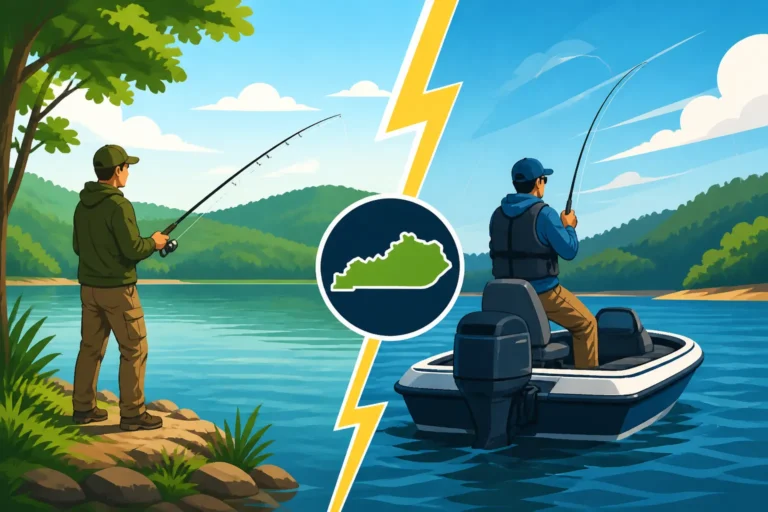
When you're trying to decide on the best bass boat for big water fishing on Kentucky Lake, you're primarily going to be looking at two main types: fiberglass and aluminum. Both have their dedicated fan bases and specific advantages and disadvantages that are worth considering, especially when the conditions on a large lake are at play. Understanding these differences can really help you make an informed decision that suits your fishing style and budget.
Fiberglass Bass Boats
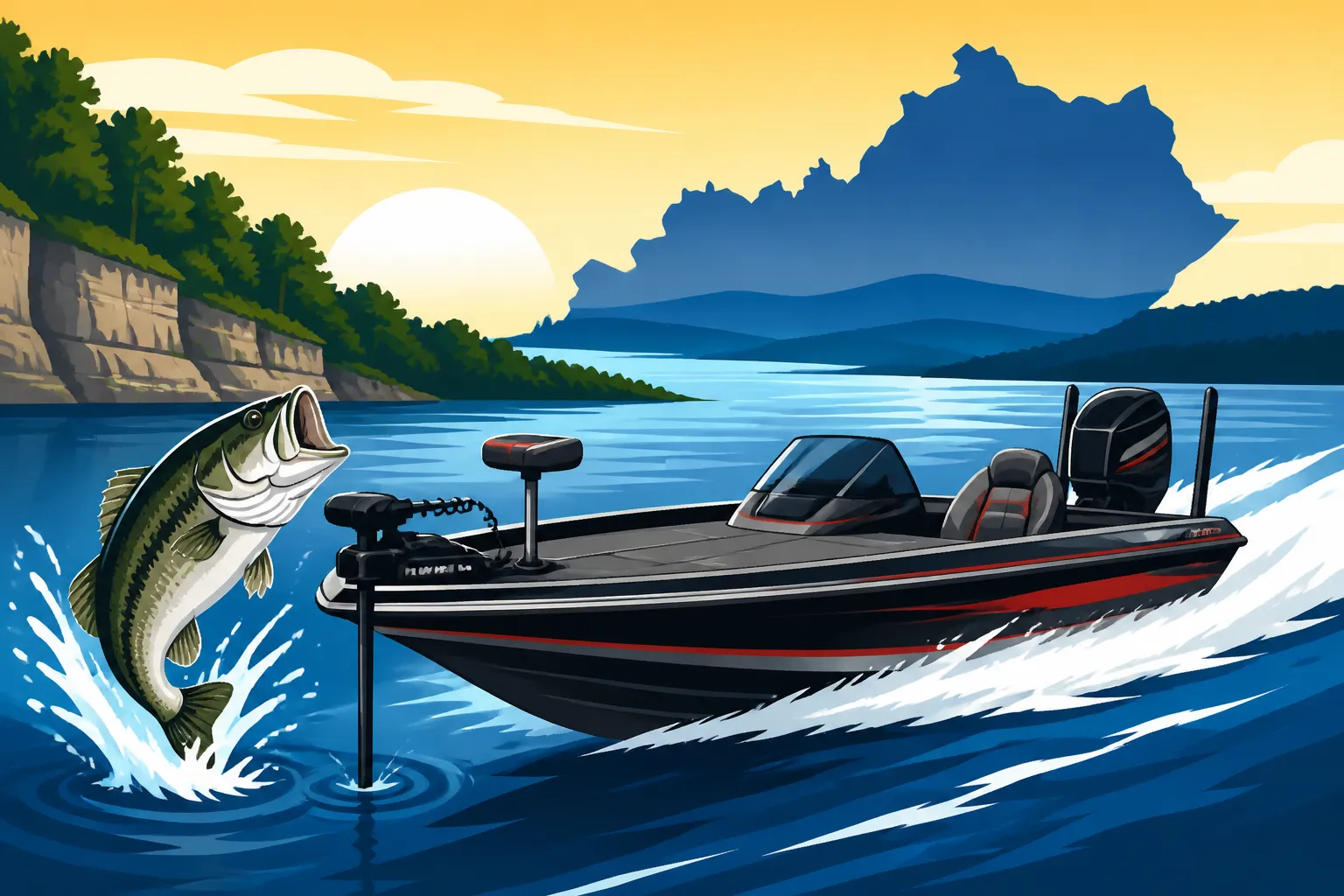
For many years, fiberglass has been the gold standard for serious tournament bass anglers on big lakes. These boats are known for their incredibly smooth, dry ride, thanks to their heavy construction and deep-V hull designs. When you're screaming across Kentucky Lake at 70 mph and hit a chop, a fiberglass boat tends to cut through it with minimal pounding, providing a level of comfort and confidence that's hard to beat. The weight of the fiberglass also contributes to stability in rough water, making it easier to maintain control and fish effectively even when the wind kicks up. Brands like Ranger, Phoenix, Skeeter, and Bass Cat are synonymous with high-performance fiberglass bass boats designed for these very conditions.
Fiberglass boats also offer a level of customization and aesthetics that many anglers appreciate. The molded hulls allow for complex designs, integrated storage, sleek lines, and a superior finish. They tend to have larger casting decks, more integrated livewell systems, and often more robust power options. However, this superior performance and finish come with a trade-off: weight and cost. Fiberglass boats are significantly heavier, which means you'll need a more powerful tow vehicle and they can be less fuel-efficient both on the road and on the water. They also tend to be more expensive upfront, and repairs, if needed, can be more complex and costly than with aluminum. Despite these factors, for serious anglers who demand the best ride and performance on big water, fiberglass often remains the top choice. You'll see a lot of these at the ramps around places like Lake Barkley as well.
Aluminum Bass Boats
In recent years, aluminum bass boats have come a very long way, challenging the long-held dominance of fiberglass, especially in the larger, more robust "tin rig" designs. Modern aluminum boats, particularly those with thicker gauge aluminum and riveted or welded hulls, can offer a surprisingly smooth and stable ride on big water. While they may not quite match the cushion of a heavy fiberglass boat in the nastiest chop, they are often much lighter, making them easier to tow, launch, and retrieve. This lighter weight also translates to better fuel economy, which can be a significant advantage when you're covering vast distances on Kentucky Lake.
Aluminum boats are generally more durable against impacts from stumps, rocks, and shallow encounters, which can be a concern in some areas of Kentucky Lake with fluctuating water levels. They are also typically more affordable to purchase, and repairs to the hull can often be done more easily and cost-effectively than with fiberglass. Brands like Crestliner, Xpress, and Tracker (which you can often find at Bass Pro Shops) offer models specifically designed for serious fishing with spacious decks, ample storage, and robust power options. If you're looking for a balance of performance, durability, and cost-effectiveness for big water, modern aluminum boats are definitely worth a serious look. They might not be the traditional choice for high-stakes tournaments, but they are increasingly capable and popular for everyday anglers and even some serious contenders.
Let's do a quick comparison to highlight the key differences for big water fishing:
| Feature | Fiberglass Bass Boats | Aluminum Bass Boats (Modern, Larger Rigs) |
|---|---|---|
| Ride Quality | Superior, smoother, drier ride in heavy chop | Good to very good, but may pound more in extreme conditions |
| Stability | Excellent, due to weight and hull design | Very good, especially wider, heavier gauge models |
| Durability | Resistant to surface scratches, but can crack on impact | More resistant to impact damage from stumps/rocks, can dent |
| Weight | Heavier, requires robust tow vehicle, less fuel-efficient | Lighter, easier to tow, better fuel economy |
| Cost (Upfront) | Generally higher | Generally lower |
| Maintenance | Gel coat repair can be complex and costly | Hull repairs often simpler and more affordable |
| Customization | High degree of integrated features and sleek designs | Good, but often more utilitarian in design |
| Top Speeds | Often capable of higher speeds | Capable of good speeds, but might be slightly slower overall |
| Best For | Tournament anglers, long runs, rough water comfort | Budget-conscious, slightly shallower water, ease of trailering |
Maintaining Your Big Water Bass Boat
Owning a bass boat, especially one designed for the rigors of big water like Kentucky Lake, is an investment. And like any investment, it requires consistent care and attention to ensure it performs reliably and safely for years to come. Neglecting maintenance can lead to costly repairs, unexpected breakdowns on the water, and even safety hazards. A proactive approach to boat care is not just about extending its lifespan; it's about preserving your peace of mind when you're miles from the ramp.
Pre-Trip Checks
Before every outing on Kentucky Lake, especially if you're making long runs, a thorough pre-trip inspection is non-negotiable. This isn't just a quick glance; it's a systematic check of critical components. Start with your trailer: ensure tires are properly inflated (don't forget the spare!), lug nuts are tight, and lights are working. On the boat itself, check your battery connections – loose terminals can cause all sorts of electrical headaches. Make sure your navigation lights are operational, your bilge pump works, and your livewell pumps are functioning correctly.
Beyond the electrical, visually inspect your engine. Check the oil level, trim and tilt fluid, and look for any leaks. Is your prop free from damage? Do you have enough fuel for your planned trip, plus a reserve? It's easy to get excited and rush to the water, but taking ten minutes to perform these checks can save you hours of frustration or, worse, a dangerous situation out on the lake. Having a pre-trip checklist, perhaps one you laminate and keep in your boat, can be incredibly helpful to ensure you don't miss anything.
Post-Trip Care
Once your fishing trip on Kentucky Lake is done, the work isn't over. Proper post-trip care is just as important as pre-trip checks for the longevity of your boat. The first step, especially after fishing in potentially muddy or stained water, is to thoroughly wash down your boat. This removes dirt, grime, and any algae or aquatic weeds that might have attached themselves, preventing the spread of invasive species and keeping your gel coat or aluminum finish clean. Use a good boat soap and soft brush, paying attention to the hull, deck, and especially the livewells. Run fresh water through your livewell system to flush out any fish waste or debris.
After washing, ensure everything is completely dry before storing, especially if covering the boat. Moisture can lead to mildew, corrosion, and other issues. Open all storage compartments and allow them to air out. If you fished in saltwater (which isn't a concern on Kentucky Lake, but good practice for other bodies of water), always flush your engine with fresh water. Finally, disconnect your batteries if the boat will be stored for a while, or put them on a trickle charger to maintain their charge. Regularly inspect your trailer bearings, brakes, and suspension. By consistently performing these post-trip routines, you'll ensure your big-water bass boat is ready and waiting for your next adventure on Kentucky Lake. Remember, you can find a lot of marine cleaning supplies and boat covers on Amazon.
Disclaimer
This article is for general informational purposes only and does not constitute professional advice. Laws, prices and regulations vary by location and change over time. Consult a qualified professional for guidance on your specific situation.