Kentucky Tackle Box Setup for Bass and Crappie
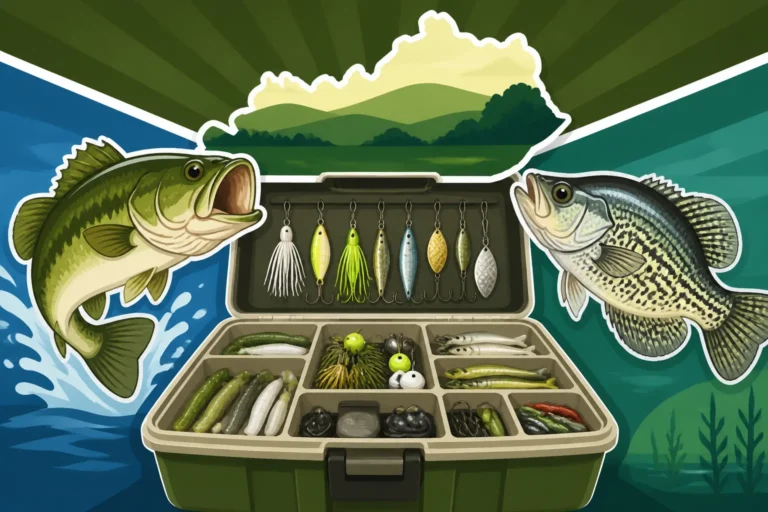
Oh, the age-old dilemma of the tackle box! If you've spent any time on the water in Kentucky, you know that feeling of staring into a disorganized mess of hooks, lures, and tangled lines, wondering if you have what you need for the day. It’s frustrating when you finally get to your favorite spot on Kentucky Lake or a quiet crappie hole, only to realize your tackle box isn’t quite up to snuff. This guide is all about helping you build and organize a tackle box specifically tailored for the diverse bass and crappie fishing opportunities we have right here in the Bluegrass State, ensuring you're always ready for that next big bite.
The Foundation: Why Your Tackle Box Matters in Kentucky
A tackle box isn't just a container; it's your portable fishing arsenal, a carefully curated collection of tools and temptations designed to outsmart the fish. In Kentucky, where our waters range from vast reservoirs like Lake Cumberland to winding rivers like the Green River, having the right gear at your fingertips can make or break your day. A well-prepared tackle box means less fumbling and more fishing, allowing you to adapt quickly to changing conditions or fish behavior.
More Than Just Storage: Organization for Efficiency
Think about it: you're out on the water, the bass are schooling, or the crappie bite is hot, and you need to switch lures now. If your tackle box is a chaotic jumble of rusty hooks, mystery weights, and ancient, tangled line, you're going to miss opportunities. An organized tackle box doesn't just look pretty; it's a strategic advantage. It allows for quick identification of the right lure, swift rigging, and efficient problem-solving when a fish inevitably snaps your line or gets deeply hooked. This efficiency translates directly into more casts, more bites, and ultimately, more fish in the net.
Consider a scenario where you're fishing for largemouth bass in heavy cover on Taylorsville Lake, and suddenly the topwater bite dies as the sun gets high. You know the fish are still there, just deeper. An organized tackle box means you can grab a Texas rig and a soft plastic creature bait in seconds, get it tied on, and be back in the game without wasting precious time untangling a mess of jigs from a spinnerbait. It's about being proactive and responsive, not reactive and frustrated. A tackle box with clear compartments, labeled sections, and easy access ensures that every piece of gear has its place and is ready for action.
Kentucky's Diverse Waters: Adapting Your Setup
Kentucky boasts an incredible variety of fishing environments, from the shallow, stump-filled bays of Lake Barkley, perfect for crappie and largemouth, to the deep, clear waters of Herrington Lake, known for its smallmouth bass. This diversity means a one-size-fits-all tackle box simply won't cut it. Your setup needs to be adaptable. While a core set of essentials will always be present, you'll find yourself tweaking and customizing your tackle box based on your target species and the specific body of water you're fishing.
For instance, if you're heading to Lake Cumberland for its renowned trout fishery, your tackle box will look very different than if you're planning to chase catfish on the Ohio River. Even within bass and crappie fishing, the techniques and therefore the tackle can vary greatly. A day targeting bass in the dense hydrilla of a shallow pond requires different lures and weights than chasing suspended smallmouth bass over deep rock piles in Dale Hollow Lake. Understanding these nuances and preparing your tackle box accordingly is a mark of a seasoned angler. It's about being prepared for whatever Kentucky's beautiful, diverse waters throw your way, ensuring you have the right tool for every potential situation you might encounter. Kentucky Fishing License Guide is a great resource to make sure you're properly licensed for all these diverse adventures.
Essential Bass Gear for Kentucky's Lakes and Rivers
Bass fishing in Kentucky is an obsession for many, and for good reason. Our lakes and rivers are teeming with both largemouth and smallmouth bass, offering thrilling action whether you're a seasoned pro or just starting out. Building a solid tackle box for bass means having a versatile array of lures, dependable terminal tackle, and essential tools that can handle powerful fish and diverse environments.
Lures and Baits for Kentucky Largemouth and Smallmouth
When it comes to bass fishing in Kentucky, variety is key. Largemouth bass often lurk in shallow, vegetated areas and around submerged timber, while smallmouth prefer clearer, rockier, and often deeper waters. Your tackle box should reflect this, offering options for various depths, cover, and water clarities.
For largemouth, you'll want to stock up on a good selection of soft plastics. Think creature baits, plastic worms, and stick baits like the popular Yamamoto Senko. These are incredibly versatile, allowing for Texas rigging in heavy cover, wacky rigging for a subtle fall, or Carolina rigging for deeper presentations. Colors like green pumpkin, junebug, and black/blue tend to be very effective in Kentucky's stained and clear waters. Pair these with appropriate worm hooks (EWG hooks are great for weedless presentations) and bullet weights.
Crankbaits and spinnerbaits are also non-negotiables. Medium-diving crankbaits in shad or crawfish patterns are fantastic for covering water and finding active fish, especially around points and submerged humps on lakes like Kentucky Lake. For example, if you're fishing the expansive flats of Kentucky Lake in the spring, a lipless crankbait can draw aggressive strikes as bass chase baitfish. Spinnerbaits, particularly those with willow leaf blades in chartreuse/white or pure white, are excellent for fishing around wood, grass, and docks. They throw off a lot of flash and vibration, calling fish out of cover, especially in dingy water or on cloudy days.
For smallmouth bass, especially in clearer waters like Lake Cumberland or the Cumberland River, consider adding jerkbaits and finesse baits. Jerkbaits in clear or translucent patterns can be deadly when retrieved with a twitch-twitch-pause action over rocky bottoms or suspended baitfish schools. Small swimbaits rigged on jig heads, drop shot rigs with small worms or minnow imitations, and Ned rigs are also highly effective for enticing wary smallmouth. These presentations are subtle but incredibly productive when the fish are less aggressive or facing heavy fishing pressure. Best Lures for Kentucky's April-May Bass Peak has even more specific recommendations for prime bass season.
Terminal Tackle Every Bass Angler Needs
Terminal tackle refers to all the bits and pieces at the "business end" of your fishing line, and having a well-stocked supply is critical. These items are often small but make a huge difference in how your lures perform and how many fish you successfully land.
First up are hooks. You'll need a variety for different applications. Offset worm hooks (like the Extra Wide Gap or EWG) are essential for Texas rigging soft plastics weedless. Straight shank worm hooks can be better for punching through heavy vegetation or for specific applications with creature baits. Treble hooks, for replacing dull ones on crankbaits or topwater lures, are also a must. Consider sizes from 1/0 to 5/0 for soft plastics, and sizes 4 to 8 for treble hook replacements, depending on the lure. Don't forget some sturdy circle hooks if you ever plan to do any live bait fishing for bass or other species.
Next, weights are crucial for getting your baits down to the strike zone and presenting them naturally. Bullet weights (lead or tungsten) in various sizes from 1/8 oz to 1 oz are indispensable for Texas rigging. Tungsten is denser and provides better feel, though it's often more expensive. You'll also want some slip sinkers for Carolina rigging and perhaps some drop shot weights for finesse presentations. Having a range allows you to adapt to depth, current, and wind conditions. Remember, lighter weights for shallow water or slow falls, heavier weights for deep water or punching through thick cover.
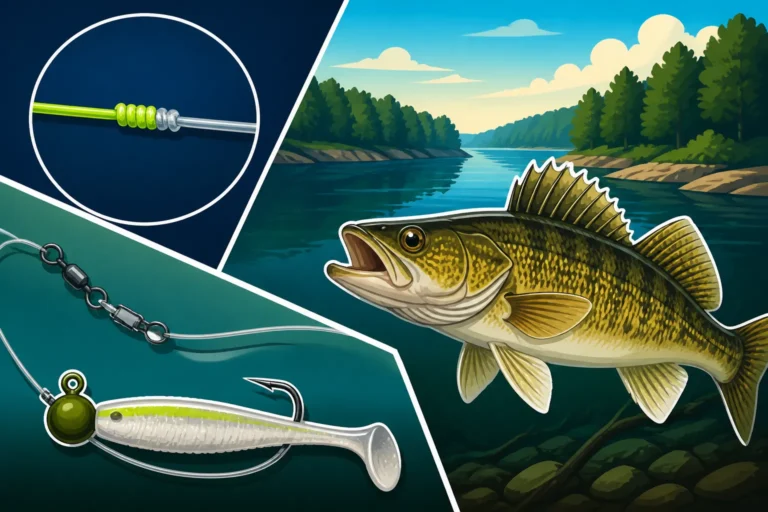
Finally, don't overlook swivels, snaps, and leader material. While bass anglers often tie directly to their lure for certain techniques, snaps can be convenient for quickly changing crankbaits or spinnerbaits without retying. Barrel swivels can help reduce line twist, especially with spinning gear or certain lure actions. Fluorocarbon leader material, in weights from 8-20 lb test, is excellent for its invisibility underwater and abrasion resistance, especially when fishing clear water or around sharp structure. Some anglers will also carry braid for their main line and tie on a fluorocarbon leader for stealth. How to Tie a Fishing Knot for Beginners is a great resource if you need to brush up on your knots for these connections.
Tools and Accessories for Bass Fishing Success
Beyond the lures and terminal tackle, a few key tools and accessories can make your bass fishing trips much smoother and more enjoyable. These items might not catch fish directly, but they enhance your ability to fish effectively and handle your catch safely.
A good pair of pliers or line cutters is absolutely essential. Whether it's cutting braided line, crimping split shots, or removing a deeply set hook, you'll reach for these constantly. Look for a pair with sturdy jaws, sharp cutters, and a comfortable grip. Many anglers opt for multi-tool pliers that include line cutters and maybe even a split ring opener. Having them easily accessible, perhaps clipped to your belt or the outside of your tackle bag, saves time and frustration.
A fish gripper or lip gripper is invaluable, especially when handling toothy fish or larger bass that can be difficult to get a secure grip on. It protects both you and the fish, allowing you to safely land, weigh, and release your catch without putting your fingers in harm's way. This is particularly useful for catch-and-release fishing, as it minimizes handling stress on the fish. For those focused on conservation, this tool is a must.
Don't forget the small but mighty accessories. A few extra spools of line, whether it's fluorocarbon, monofilament, or braid, ensure you're never caught off guard by a nasty backlash or line break. A small first aid kit is also a smart addition for any fishing trip, capable of handling minor cuts, scrapes, or hook pokes. A high-quality weigh scale and measuring tape are perfect for documenting your catches, whether for a tournament or just bragging rights among friends. And of course, a robust net can be the difference between landing a trophy bass and watching it swim away boat-side.
Crappie Essentials: Mastering the Panfish Bite in Kentucky
Crappie fishing holds a special place in the hearts of many Kentucky anglers. These schooling panfish offer fast action and delicious table fare, making them a popular target throughout the year, especially during the spring spawn. A well-prepared crappie tackle box focuses on finesse, presentation, and efficiency. Kentucky Crappie Fishing: Spring Spawn Run Guide provides excellent insights into when to target these fish.
Jigs and Baits That Crappie Can't Resist
Crappie, whether black or white, are primarily predatory fish that feed on small baitfish and insects. This means your lure selection should focus on small, subtle presentations that mimic their natural prey. The backbone of any crappie angler's tackle box will be jigs.
Marabou jigs and hair jigs are classics for a reason. Their natural pulsation in the water is incredibly enticing to crappie. Carry a variety of colors, from natural browns and grays to vibrant chartreuses and pinks. Sizes typically range from 1/32 oz to 1/8 oz, with lighter jigs for shallow water and still conditions, and heavier ones for deeper water or current. These are fantastic for vertical jigging around brush piles or under docks.
Soft plastic crappie jigs are perhaps the most popular choice today due to their versatility and wide range of shapes and colors. Grub tails, tube jigs, and minnow imitations are all deadly effective. Colors like chartreuse, white, black/chartreuse, and electric chicken are consistent producers in Kentucky waters. Many anglers will tip these plastics with a tiny piece of live bait, like a minnow or a wax worm, to add scent and extra appeal. When spider rigging or slow trolling, these soft plastics on jig heads are incredibly efficient for covering water and finding active schools.
Don't forget the power of live bait. Small minnows are arguably the best all-around crappie bait. Keep them lively in a portable aerated minnow bucket and rig them under a small bobber or on a crappie rig with a small hook. Wax worms, mealworms, and even small redworms can also be effective, especially when crappie are being finicky. Always have some live bait options on hand, as some days, artificials just won't cut it.
Rigging and Terminal Tackle for Finicky Crappie
Crappie have soft mouths and can be notoriously light biters, which means your terminal tackle needs to be appropriately delicate yet strong enough to handle multiple fish.
Your hooks should be small and sharp. Aberdeen hooks, with their long shank and fine wire, are popular for crappie, as they're less likely to tear out of a fish's mouth and are easier to remove if swallowed. Sizes 4 to 8 are typical. Small jig heads, ranging from 1/32 oz to 1/8 oz, are also crucial. Make sure you have a variety of colors, as jig head color can sometimes make a difference. Some anglers even prefer unpainted jig heads for a more natural presentation.
Bobbers are indispensable for crappie fishing, allowing you to suspend your bait at a precise depth. Slip bobbers are incredibly versatile, letting you adjust your depth quickly and fish deeper water than fixed bobbers. Pair them with bobber stops and small beads. Small fixed bobbers are great for shallower water or when fishing directly over cover.
Lastly, a selection of small split shot weights is vital for adding just enough weight to your line to get your bait down or to help cast lighter jigs. Have a dispenser with various sizes, so you can fine-tune your presentation. Tiny swivels can also be helpful to prevent line twist, especially when fishing with multiple lines or in current. When fishing for crappie, especially in lakes like Lake Barkley, using a light line and a good crappie rig can make a world of difference. Best Rods and Reels for Kentucky Crappie Fishing offers more specific advice on the appropriate gear.
Specialty Tools for Crappie Anglers
Crappie fishing often calls for a few specialized tools that enhance the experience and improve your catch rate. These items cater to the unique characteristics of crappie and the techniques used to catch them.
A crappie ruler or measuring tape is a simple but important tool, especially if you're fishing waters with minimum size limits, like Barren River Lake. It allows for quick measurement and ensures you're complying with regulations, helping to conserve the fishery. Many crappie tournaments also require precise measurements.
A fish basket or livewell is highly recommended if you plan on keeping your catch. Crappie are delicate, and a proper livewell or basket keeps them fresh and alive until you're ready to clean them. A simple stringer works, but a mesh basket allows them to stay in the water while you continue fishing, and a well-aerated livewell is even better, especially on warm days.
Finally, for those who frequent brush piles or heavy cover, a jig retriever or lure knocker can save you a lot of money in lost jigs. This simple device slides down your line, hooks onto the snagged lure, and allows you to pull it free. It’s an inexpensive tool that pays for itself quickly, especially when you’re fishing those prime, but snaggy, crappie haunts. These are great finds that can often be found at a local Bass Pro Shops, or even online retailers like Amazon.
All-Around Utility: Shared Essentials for Both Species
While bass and crappie fishing have their distinct tackle requirements, there's a significant overlap in essential gear that every Kentucky angler should have in their tackle box, regardless of their target species. These items ensure safety, comfort, and general preparedness on the water.
Line Choices: Matching Your Target and Conditions
Choosing the right fishing line is fundamental to success for any species. Your line is the direct link between you and the fish, and having the right type, weight, and condition is paramount.
Monofilament line is a classic choice, known for its stretch, ease of casting, and affordability. It's a great all-around line for both bass and crappie, especially for beginners. The stretch acts as a shock absorber, helping to prevent hooks from tearing out of a crappie's soft mouth or absorbing the initial surge of a fighting bass. For crappie, 4-8 lb test monofilament is ideal, while for bass, 10-17 lb test is common. Its buoyancy also makes it excellent for topwater presentations.
Fluorocarbon line is gaining popularity due to its low visibility underwater and its superior abrasion resistance. These properties make it fantastic for clear water conditions, where stealth is key, and around abrasive structures like rocks or shell beds. It has less stretch than monofilament, offering better sensitivity, which is a huge advantage when feeling those light crappie bites or subtle bass pickups. Many bass anglers use fluorocarbon as their main line or as a leader when fishing with braid. For crappie, 4-6 lb test fluoro can be deadly, while bass anglers might use 10-20 lb test for various techniques.
Braided line is incredibly strong for its diameter, has virtually no stretch, and offers exceptional sensitivity. It's fantastic for fishing heavy cover, punching through vegetation, or when you need maximum power to pull a big bass out of thick stuff. The lack of stretch provides excellent hook-setting power over long distances. However, it's highly visible, so most anglers will tie a fluorocarbon or monofilament leader to it. For bass, 20-50 lb test braid is common, while some crappie anglers are starting to experiment with lighter braids (5-10 lb test) for increased sensitivity, often with a fluoro leader. Having a selection of different lines allows you to spool up your reels appropriately or tie on leaders as needed for specific conditions.
Safety and Comfort Items for Any Kentucky Fishing Trip
Beyond the gear that catches fish, a truly well-prepared tackle box or fishing bag includes items that ensure your safety and comfort throughout the day. You never know when you might need them, and it's always better to be over-prepared than under-prepared.
A small, waterproof first aid kit is non-negotiable. Fishing involves hooks, sharp knives, and slippery surfaces, so minor cuts, scrapes, or punctures are always a possibility. Your kit should include antiseptic wipes, various band-aids, pain relievers, and perhaps some super glue for quick repairs to deep cuts (on yourself or gear!). Keeping it in a waterproof bag or container ensures its contents remain sterile and ready for use.
Sun protection is another critical element, especially during long days on the water. This includes high-SPF sunscreen, a wide-brimmed hat, and polarized sunglasses. Sunglasses not only protect your eyes from harmful UV rays but also cut glare, allowing you to see deeper into the water and spot fish or structure more easily. Dehydration can quickly set in, so packing an extra bottle of water or a rehydration solution is also a smart move.
Finally, think about personal comfort. Insect repellent is a must, especially during warmer months or when fishing marshy areas. A small towel for drying hands or wiping down gear, and perhaps a small headlamp or flashlight if there's any chance you'll be out at dawn, dusk, or night, are also great additions. These non-fishing essentials contribute just as much to an enjoyable and successful day on the water as your best lure. Remember, preparedness covers more than just catching fish; it covers your well-being too!
Building Your Tackle Box: Practical Tips and Strategies
As you start to gather your gear, it can feel a bit overwhelming. There's so much out there! But building a functional and effective tackle box for Kentucky's bass and crappie doesn't have to break the bank or feel like an impossible task. It's about smart choices, prioritization, and understanding your local waters.
Starting Smart: Budgeting and Prioritizing
When you're first setting up your tackle box, or even if you're just looking to refine it, it's easy to get carried away by all the shiny new lures. However, a smart approach involves budgeting and prioritizing the essentials. You don't need every lure on the market to catch fish. Start with a solid foundation of versatile baits and terminal tackle that have a proven track record in Kentucky.
Consider allocating your budget in a way that prioritizes quantity of essential terminal tackle over a vast collection of highly specialized, expensive lures. For example, having plenty of extra hooks, weights, and line is often more critical than owning twenty different custom-painted crankbaits. You'll lose terminal tackle regularly to snags or break-offs, so having a good supply ensures you can keep fishing without constantly running to the store. You can often find great value packs of hooks or weights, perfect for stocking up.
Focus on universal lures first. A few reliable soft plastic worms, some dependable spinnerbaits, and a couple of versatile crankbaits will catch a lot of bass. For crappie, a handful of different colored tube jigs and a pack of minnow-style soft plastics, paired with various jig heads, will get you started strong. Once you've established this core, you can gradually expand your collection, adding more specialized items as you gain experience and discover your preferred fishing styles and locations. Don't be afraid to ask experienced local anglers what they recommend; their insights into specific Kentucky waters can be invaluable.
Seasonal Adjustments and Fine-Tuning Your Kit
Kentucky's fishing changes dramatically with the seasons, and your tackle box should reflect that. What works wonders for bass in the spring may be largely ignored in the heat of summer or the chill of winter. Similarly, crappie patterns shift throughout the year, demanding different presentations.
Spring often means shallow-water action. For bass, this is when spinnerbaits, shallow-diving crankbaits, and soft plastic jerks are in their prime as fish move up to spawn. Crappie will be staging and spawning in similar shallow areas, making small jigs under bobbers or tight-lining with minnows incredibly effective. Your tackle box should be loaded with these shallower-presentation options.
As summer heats up, fish tend to move deeper to find cooler water and stable oxygen levels. This calls for heavier weights, deep-diving crankbaits, jigs, and drop shot rigs for bass. Crappie may suspend over deeper brush piles or along channel ledges. During this time, your tackle box should shift to accommodate these deeper presentations, perhaps with more tungsten weights for faster falls or larger spoons for vertical jigging.
Fall brings a renewed feeding frenzy as fish fatten up for winter. Bass chase schools of baitfish, making topwater baits, jerkbaits, and lipless crankbaits highly effective. Crappie can be found in a variety of depths, often moving back shallower as temperatures cool. This is a time for versatility, having options for both shallow and mid-depth presentations readily available.
Finally, winter can mean tough fishing, but also some of the biggest fish. For bass, slow, finesse presentations like jigging spoons, Ned rigs, or subtle shaky heads in deep water can be productive. Crappie will often be schooled up tightly in deep channels or around major structure. Your winter tackle box might feature smaller, colder-water baits and specialized electronics gear to pinpoint those schools. Regularly reviewing and adjusting your tackle box for the upcoming season will keep you one step ahead and increase your chances of success.
| Season | Primary Bass Lures/Techniques | Primary Crappie Lures/Techniques | Key Terminal Tackle Needs |
|---|---|---|---|
| Spring | Spinnerbaits, Shallow Crankbaits, Soft Plastics (worms, creature baits), Topwater | Small Jigs (tubes, grubs), Live Minnows, Bobbers, Hair Jigs | EWG hooks, bullet weights (light-medium), small jig heads (1/32-1/16 oz), Aberdeen hooks |
| Summer | Deep Crankbaits, Jigs (football, casting), Heavy Soft Plastics (Texas/Carolina rigs), Drop Shot | Deep Jigs, Live Minnows (suspended), Small Spoons, Spider Rigging | Heavier bullet/slip weights, drop shot weights, larger jig heads (1/8 oz), snelled crappie rigs |
| Fall | Jerkbaits, Lipless Crankbaits, Swimbaits, Topwater, Jigs | Small Jigs, Live Minnows, Bobby Garland-style baits, Vertical Jigging | Medium bullet weights, offset hooks, small jig heads (1/16 oz), slip bobbers |
| Winter | Finesse Jigs, Jigging Spoons, Ned Rigs, Blade Baits, A-rigs | Vertical Jigs (heavy), Live Minnows (deep), Small Spoons, Sonar Scouting | Heavier jig heads (1/4 oz+), finesse hooks, small split shots, micro swivels |
Maintaining Your Tackle: Keeping Your Gear Ready
You've put time and effort into building the perfect tackle box for bass and crappie fishing in Kentucky. Now, the next crucial step is to maintain that gear. Neglecting your tackle can lead to rusty hooks, brittle lines, and malfunctioning reels, all of which will inevitably cost you fish and enjoyment on the water. Proper maintenance ensures your investment lasts longer and performs optimally every time you cast.
Cleaning and Organizing After Each Trip
The moment you get home from a fishing trip, it's tempting to just toss your tackle box aside and relax. Resist that urge! Taking a few minutes to clean and reorganize your gear immediately after each outing will pay dividends. This is especially true if you've been fishing in the rain or any kind of damp conditions.
First, open up your tackle box and let everything air dry. Moisture is the enemy of hooks and other metal components, leading to rust. If any lures or terminal tackle got particularly wet or muddy, give them a quick rinse with fresh water and dry them thoroughly with a towel or cloth. Pay special attention to hooks – even stainless steel can rust over time, and a dull, rusty hook is a lost fish waiting to happen. Consider storing a small desiccant packet or two in your tackle box to absorb excess moisture, especially in humid Kentucky weather.
While everything is drying, take a moment to assess what you used, what worked, and what might be low. Restock any depleted items. Reorganize your compartments, putting everything back in its designated spot. Untangle any lines, check for frayed sections, and properly store any soft plastics that might have come loose. This post-trip ritual not only keeps your gear in top condition but also helps you remember what you used and what you might need for your next adventure. It's a small investment of time that prevents bigger headaches later. For those busy weeks, keeping a smaller, primary tackle box organized is key, while larger bulk items can be restocked from your Bass Pro Shops or Amazon order.
Pre-Season Checks and Replenishments
Beyond the routine post-trip maintenance, a more thorough check-up of your tackle box is essential before each new fishing season kicks off. The Kentucky fishing license year runs from March 1 to February 28, making late winter/early spring the perfect time for a complete overhaul. Kentucky Fishing License Year and Renewal Dates is a good read to understand the cycle.
Take everything out of your tackle box. Inspect every single item. Check all your hooks for rust or dullness. Replace any hooks that aren't razor-sharp; a hook sharpener can prolong their life, but some are beyond saving. Examine all your soft plastics for tears, dry rot, or stickiness. Discard anything that's compromised. Check your crankbaits and other hard lures for cracked bills, loose eyes, or damaged finishes. Make sure all your snaps and swivels are functioning smoothly.
This is also the ideal time to respool your reels with fresh line. Fishing line degrades over time due to UV exposure, abrasion, and stress. Starting the season with fresh line significantly reduces the chances of frustrating break-offs. If you fish different line types or weights for different techniques, ensure you have sufficient spools of each. Create a shopping list for any items that need replacing or replenishing. Think about what worked last year, what didn't, and what new techniques or species you might want to try. This annual ritual ensures your tackle box is not only organized but also fully stocked and ready to tackle whatever the new Kentucky fishing season brings.
Disclaimer
This article is for general informational purposes only and does not constitute professional advice. Laws, prices and regulations vary by location and change over time. Consult a qualified professional for guidance on your specific situation.