Best Boats for Big Water Bass Fishing on Lake Barkley
When you're dreaming of chasing those trophy bass on Lake Barkley, it's easy to get caught up in the excitement of new lures and secret fishing spots. But let's be real: tackling a body of water as vast and dynamic as Lake Barkley requires more than just a good rod and reel. The wrong boat can turn a fantastic fishing trip into a frustrating, even dangerous, experience. This guide will walk you through the essential considerations for choosing the best boat specifically designed to handle the challenges and maximize your success when big water bass fishing on Lake Barkley.
Understanding Lake Barkley's Big Water Challenge
Lake Barkley isn't your average pond or small reservoir. It's a massive body of water, over 134,000 acres, stretching for miles across Western Kentucky, known for its extensive shoreline, deep channels, and sometimes unforgiving conditions. Simply put, it's big water, and it demands a boat that's up to the task.
The Sheer Size and Open Water Runs
Imagine setting out from a ramp near Eddyville, aiming for a promising cove down near Canton, or even venturing further south towards the Tennessee border. That's a serious run, often across miles of open water where the main lake channel can feel more like a small ocean than an inland lake. You're not just making short hops; you're often covering significant distances, and that means being exposed to whatever the weather decides to throw your way. A smaller, less capable boat will quickly feel inadequate, forcing you to slow down drastically or even cut your trip short when the waves start to build. You need a vessel that can eat up those miles efficiently and safely, getting you to your spots and back without shaking you to pieces.
Weather Conditions and Navigation
One moment the surface can be glassy smooth, reflecting the Kentucky sky like a mirror, and the next, a gust of wind or a passing barge can whip up some serious chop. These conditions are a common reality on Lake Barkley, especially during spring and fall or on busy summer weekends. A boat with a shallow V-hull might be great on a calm pond, but on Lake Barkley, it'll pound you mercilessly in even moderate waves, making for an uncomfortable and potentially unsafe ride. Beyond the physical discomfort, it can be downright dangerous if you're not in a stable craft. Moreover, navigating such a large lake, especially with its countless coves, creeks, and standing timber, requires good visibility and often the ability to stay on plane in less-than-ideal conditions to avoid obstacles. Having a reliable boat that can handle these shifts is paramount for both safety and successful fishing. Don't forget, understanding the Life Jacket Rules for Boats in Kentucky is also crucial before you even launch.
Key Features of a Great Bass Boat for Lake Barkley
Choosing the right boat for Lake Barkley isn't just about picking the flashiest one at the dealership. It's about looking at specific features that contribute to safety, comfort, and, ultimately, your bass-catching success on such a large and diverse fishery.
Hull Design and Stability for Rough Water
When you're bouncing across Lake Barkley's main channel, you'll quickly appreciate a hull designed for rough water. This typically means a deeper V-hull design, particularly in fiberglass boats. A deeper V cuts through waves rather than pounding on top of them, providing a much smoother, drier ride. This isn't just about comfort; it reduces fatigue, prevents damage to your gear, and, most importantly, keeps everyone on board safer. Look for boats with a sharper entry angle at the bow that transitions into a flatter pad at the stern. This combination helps slice through waves while providing lift and speed. Stability at rest is also important, especially when you're standing on the casting deck, reeling in a lunker. A wider beam (width) generally contributes to greater stability. If you are ever curious about what types of boats others are using, you can often find them searching on platforms like Bass Pro Shops websites, or checking forums.
Engine Power and Fuel Efficiency
Long runs across Lake Barkley demand a powerful and reliable outboard engine. You'll want enough horsepower to get on plane quickly, maintain a good cruising speed even in choppy conditions, and outrun an approaching storm if necessary. For big water like Barkley, most serious bass anglers opt for engines in the 150-300 horsepower range, depending on boat size. However, power isn't the only consideration; fuel efficiency matters over those long distances. Modern four-stroke outboards offer an excellent balance of power, reliability, and fuel economy compared to older two-strokes. You don't want to run out of gas miles from the nearest marina. Ensure your boat has adequate fuel capacity for a full day of fishing, even with extensive running. Knowing your boat's capabilities and checking the fuel gauge regularly is just as important as knowing the Kentucky Fishing License Guide.
Deck Layout and Storage for Tournament Anglers
For serious bass fishing, especially tournament fishing, the deck layout is critical. You need ample, unobstructed casting decks both front and rear. Think about how many rods you typically bring: you'll want secure, easily accessible rod storage, often in dedicated lockers. Tackle storage needs to be abundant, organized, and weather-sealed. Many high-end bass boats feature integrated tackle organizers and dry storage compartments to keep your gear safe from spray and rain. Dual console designs are popular as they offer protection for both the driver and a passenger, which is a huge comfort on long, wet runs. Features like recessed foot pedals for the trolling motor and dedicated tool holders might seem small, but they make a huge difference in efficiency and comfort during a long day on the water. Even if you're not a tournament angler, these features make for a much more enjoyable and effective fishing experience.
Livewells and Electronics Integration
A good livewell system is non-negotiable for bass anglers on Lake Barkley, especially if you plan to keep your catch healthy for release or weigh-in. Look for spacious, insulated livewells with aeration and recirculation systems. Dual livewells are ideal, allowing you to separate fish or maintain different water conditions. The ability to easily drain and fill livewells is also a plus. Beyond that, modern bass fishing is highly dependent on electronics. You'll want plenty of dash space for large fish finders and GPS units. Many anglers run multiple units, one at the console and one on the bow. Look for boats with integrated wiring harnesses that can handle the demands of multiple high-tech devices, including powerful Best Trolling Motors for Kentucky Lake Bass Fishing and advanced Best Fish Finders for Kentucky Lake and Lake Barkley. Transducer placement, battery space for trolling motor batteries, and easy access to electrical components are all key considerations.
Types of Boats Suited for Lake Barkley Bass Fishing
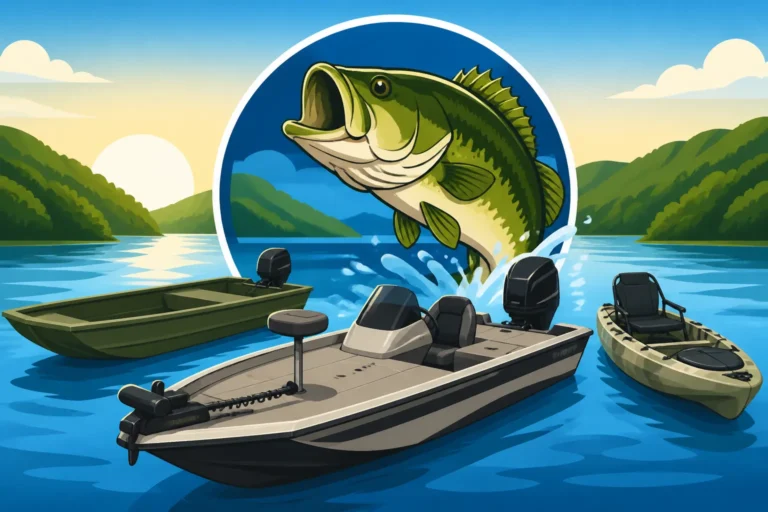
When it comes to picking a boat for Lake Barkley, you've got a few main categories that shine. Each has its strengths and weaknesses, so let's break down what might be the best fit for your fishing style and budget.
Traditional Fiberglass Bass Boats
For many serious bass anglers, a traditional fiberglass bass boat is the gold standard, especially on big water like Lake Barkley. These boats are typically built for speed, stability, and handling rough conditions, making them ideal for long runs and fishing in chop.
- Pros: Fiberglass boats generally offer the smoothest ride in rough water thanks to their deeper V-hulls and heavier construction. They tend to be faster, allowing you to cover more water efficiently. The interior layouts are almost always optimized for bass fishing, with vast casting decks, abundant rod lockers, and sophisticated livewell systems. The weight and design contribute to stability, even when a friend is excitedly fighting a big bass on the deck. Brands like Ranger, Skeeter, Phoenix, and Bass Cat are well-known for their fiberglass bass boats designed to handle large lakes. You might find a great selection of these on websites like Bass Pro Shops.
- Cons: The biggest drawback is usually the cost. Fiberglass boats are generally more expensive to purchase, both new and used. They also tend to be heavier, requiring a more substantial tow vehicle and potentially more fuel for towing. While durable, fiberglass can be more susceptible to gel coat damage from impacts compared to aluminum. Their deeper draft might limit access to very shallow backwater areas, though this is less of a concern on a deep lake like Barkley.
Aluminum Bass Boats: A Durable Alternative
Aluminum boats have come a long, long way from the flimsy jon boats of yesteryear. Today's high-performance aluminum bass boats are serious contenders, offering a compelling alternative, especially for anglers who value durability and a slightly lower price point.
- Pros: Aluminum boats are typically lighter, which means easier towing and often better fuel economy both on the water and on the road. They are incredibly durable and can withstand impacts with stumps or rocks that might damage a fiberglass hull, making them excellent for exploring areas with submerged timber, which Lake Barkley certainly has. The purchase price is generally lower than comparable fiberglass models. Modern aluminum boats like those from Tracker, Xpress, and Crestliner now feature impressive hull designs that provide a much smoother ride than older models, with spacious decks and well-designed storage. You can often find great deals on accessories and even boats from Amazon, particularly for models like Tracker, that may offer online options for purchase.
- Cons: While modern designs have improved, aluminum boats generally won't offer as smooth or dry a ride as a comparable fiberglass boat in truly rough conditions. They can also be a bit noisier on the water, especially when running at speed or hitting waves. Some anglers find the "tin can" feel less appealing than the solid feel of fiberglass. However, for many, the trade-offs are worth the benefits of durability and affordability. If you're looking for Best Boats for Kentucky Lake and Lake Barkley, you'll find both fiberglass and aluminum options discussed.
Multi-Species Boats for Versatility
While dedicated bass boats are fantastic, some anglers on Lake Barkley might want a boat that offers a bit more versatility, especially if they enjoy chasing other species or bringing the family along for water sports.
- Pros: Multi-species boats, as the name suggests, are designed to do a bit of everything. They often have higher gunwales (sides) for added safety, making them great for families with kids or for fishing in extremely rough water. Many come with comfortable seating, ample storage for various types of gear (not just bass tackle), and can accommodate different fishing styles, from bass to crappie to even catfish. Brands like Lund, Crestliner, and Alumacraft offer excellent multi-species options. Their deeper hulls provide a very stable and dry ride. If you're interested in Kentucky Crappie Fishing: Spring Spawn Run Guide, a multi-species boat might be an excellent choice as it's equally capable of handling crappie setups as it is bass.
- Cons: The main trade-off is often specialization. While good at many things, a multi-species boat might not be as optimized for tournament bass fishing as a dedicated bass boat. Casting decks might be smaller, and the overall layout might be less streamlined for quick rod changes or precise maneuvering. They can also be heavier and less agile than a performance bass boat. For a die-hard bass angler focused solely on tournaments, a multi-species boat might feel like a compromise, but for the angler who enjoys diverse fishing and family outings, they are a fantastic choice for Lake Barkley.
Here's a quick comparison of these boat types:
| Feature | Fiberglass Bass Boat | Aluminum Bass Boat | Multi-Species Boat |
|---|---|---|---|
| Ride in Rough Water | Excellent (Smoothest, Drier) | Good (Improved, but can be bumpy) | Excellent (Very stable, high gunwales) |
| Durability | Good (Gel coat prone to scratches) | Excellent (Resistant to dents/punctures) | Excellent (Often heavy-gauge aluminum) |
| Speed | Excellent (Often fastest) | Good (Very respectable speeds) | Good (Capable, but not always top speed) |
| Fuel Economy (Boat) | Moderate (Heavier) | Good (Lighter weight) | Moderate (Can be heavier) |
| Cost (New) | Highest | Moderate | Moderate to High |
| Specialization | Highly optimized for bass fishing | Optimized for bass, often versatile | Versatile for multiple species/activities |
| Draft | Deeper (Limited very shallow access) | Shallower (Better shallow access) | Deeper (Good for big water) |
| Deck Space | Very large casting decks | Good, often efficient layouts | Varies, often with more seating |
Essential Considerations Before Buying Your Lake Barkley Bass Boat
Beyond the type of boat, there are some practicalities that every angler needs to chew on before pulling the trigger on such a significant investment. This isn't just about what you want but what makes sense for your lifestyle and long-term fishing plans.
Budget and Long-Term Value
Let's face it, boats aren't cheap. Establishing a realistic budget is the first step. This isn't just the purchase price; it includes the cost of rigging (electronics, trolling motors, shallow water anchors), Kentucky Boat Registration Requirements Explained, insurance, maintenance, fuel, and storage. Fiberglass bass boats typically have a higher upfront cost but often hold their value well if maintained properly. Aluminum boats generally have a lower entry price, which can free up funds for top-tier electronics or a more powerful trolling motor, like those mentioned in Best Trolling Motors for Kentucky Lake Bass Fishing. Consider the long-term value: how well does the brand retain its resale value? Are parts and service readily available? Don't forget, when you register your boat, you'll need to know about Kentucky Boat Titling and Registration Rules too.
New vs. Used Boats
The debate between new and used boats is a classic one. A brand-new boat comes with a warranty, the latest technology, and that undeniable new-boat smell. However, the depreciation hit in the first few years can be significant.
- New Boat Advantages: Full warranty, customization options, latest technology, peace of mind. You know its history.
- New Boat Disadvantages: Higher upfront cost, rapid depreciation, more expensive insurance.
A used boat, especially one that's a few years old, can offer incredible value. You let the original owner take the biggest depreciation hit, and you can often get a well-maintained, fully rigged boat for a fraction of the new price. This is particularly true for popular models that are known for their durability. When looking at used boats, however, thorough inspection is key. A pre-purchase inspection by a qualified marine mechanic is highly recommended. Look for signs of neglect, engine hours, and the condition of the trailer. Many excellent used boats specifically geared for big water bass fishing can be found from private sellers or dealerships. If you're careful, a used boat can be the smartest way to get onto Lake Barkley's big water with a capable rig.
Maintenance and Trailering Needs
Owning a boat, especially one capable of tackling Lake Barkley, requires commitment to maintenance. Regular engine service, checking electrical systems, cleaning, and protecting your boat from the elements are all part of the deal. Consider how easily you can access components for routine checks and cleaning. A well-designed boat will make these tasks simpler.
Then there's trailering. Lake Barkley is accessible from numerous points, but getting your boat to and from the water needs to be safe and manageable.
- Vehicle: Do you have a tow vehicle capable of safely pulling your chosen boat? Remember, fiberglass boats are heavier.
- Trailer: Ensure the trailer is in good condition, with functioning lights, good tires, and reliable brakes. A quality trailer makes a world of difference when traveling long distances or navigating tricky ramps.
- Ramps: Familiarize yourself with the Boat Trailer Tips for Launching on Lake Barkley and specific ramps you plan to use. Some are steeper or have sharper turns than others.
Ultimately, choosing the best boat for big water bass fishing on Lake Barkley is a deeply personal decision, influenced by your budget, fishing style, and how much versatility you need. But by focusing on hull design, engine power, thoughtful layouts, and crucial electronics, you'll be well on your way to conquering Lake Barkley's waters and landing those incredible Kentucky bass.
Disclaimer
This article is for general informational purposes only and does not constitute professional advice. Laws, prices and regulations vary by location and change over time. Consult a qualified professional for guidance on your specific situation.