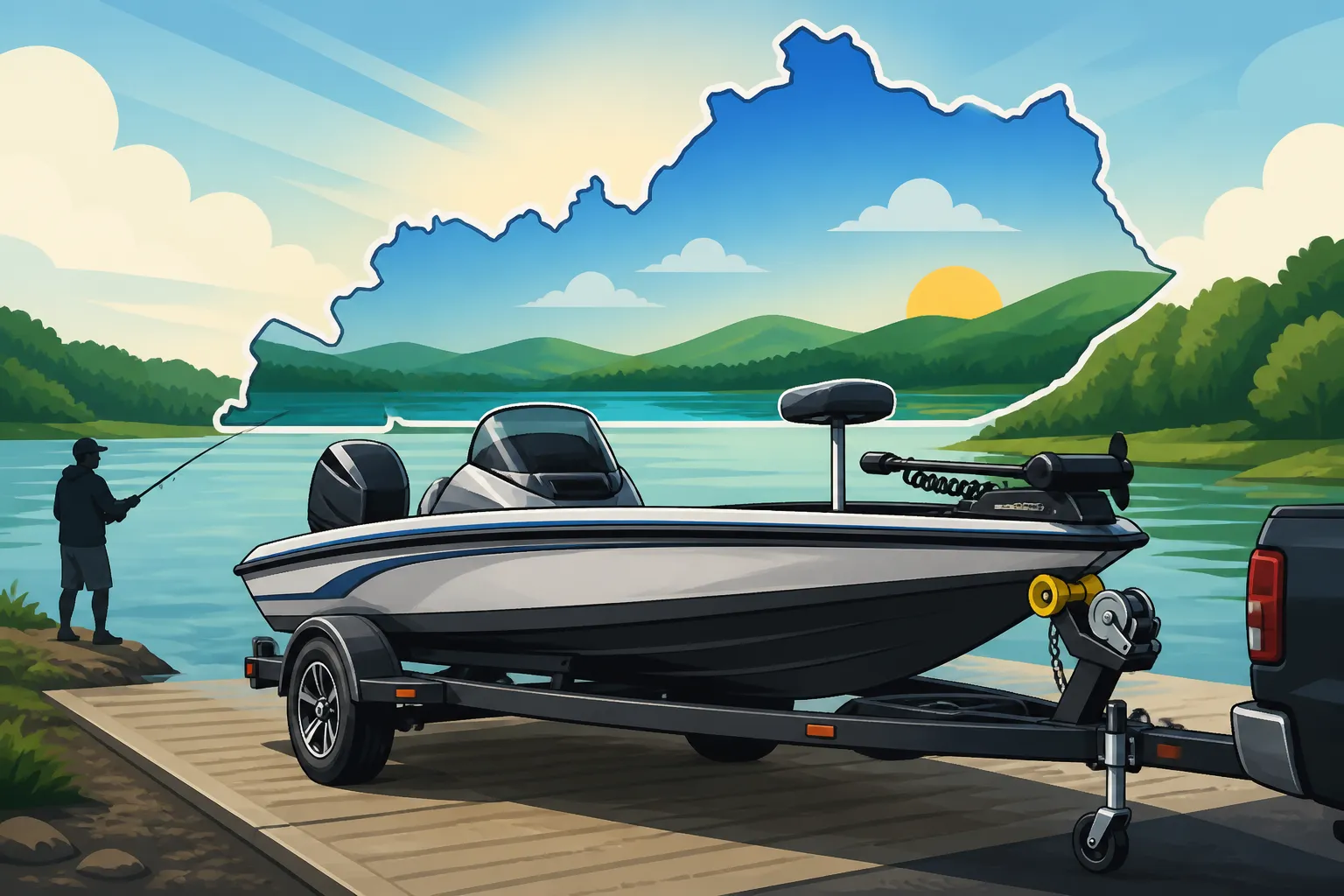
Best Boat Trailers for Kentucky Lakes
Trying to navigate the diverse waters of Kentucky, from the expansive Kentucky Lake to the winding rivers, often means trailering your boat. But finding the right boat trailer, one that truly fits your vessel and can handle Kentucky's roads and ramps, can feel like a daunting task, leaving many anglers frustrated with ill-fitting or unreliable equipment. This guide is here to break down everything you need to know about choosing the best boat trailers for Kentucky's beautiful lakes, ensuring your fishing adventures start and end smoothly.
Understanding Kentucky's Lakes and Your Boat
Before you even start looking at trailers, you need a solid understanding of where you'll be fishing and what kind of boat you have. Kentucky's waterways are incredibly diverse, and a trailer that works perfectly for a small jon boat on a local pond might be completely inadequate for a bass boat heading to Kentucky Lake.
Variety of Water Bodies
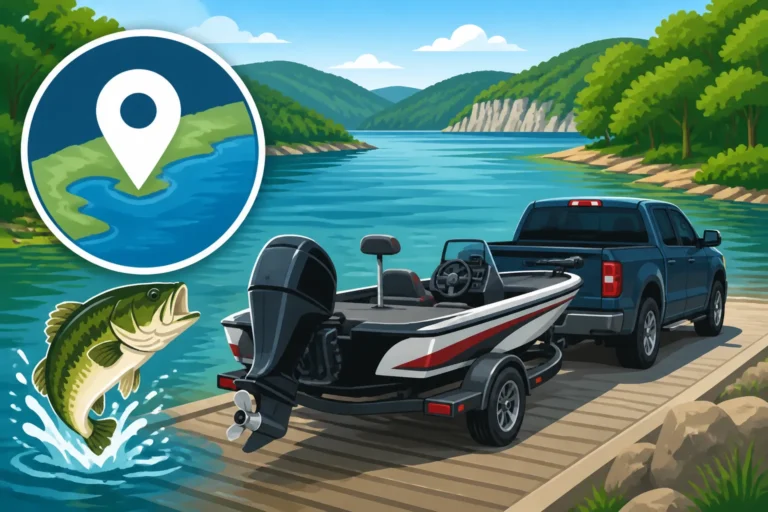
Kentucky boasts an impressive array of fishing destinations. You've got massive impoundments like Kentucky Lake and Lake Barkley, which are essentially inland seas. These lakes can have long hauls from the launch ramp to your fishing spot, and the ramps themselves can be steep or have uneven terrain. Then there are deeper, clearer lakes like Lake Cumberland, known for its trout, or the smaller, often steeper launches found at places like Herrington Lake. Each type of water body, and the associated boat ramps, can influence the kind of trailer features you'll appreciate most. Think about how often you'll be trailering long distances versus short hops to a nearby pond. If you're frequently launching into swift river currents, a well-built trailer with excellent guides is paramount. Consider the water depth at the end of the ramp and how far you'll need to back your trailer to launch and retrieve safely.
Matching Your Boat to the Trailer
The absolute first rule of trailer buying is that your trailer must be perfectly matched to your boat's size, shape, and weight. This isn't just about making sure it fits; it's about safety, proper weight distribution, and preventing damage to your hull. Under-trailering, meaning your trailer is too small or too weak for your boat, can lead to catastrophic failures on the highway, uneven tire wear, and serious safety hazards. Over-trailering, while safer, means you're paying for more than you need and potentially hauling unnecessary weight.
When you're looking at boats, always check the manufacturer's stated "hull weight" and then factor in the weight of your motor, fuel, gear, and any permanent accessories like a trolling motor or electronics. This combined figure is your "loaded boat weight." Your trailer's Gross Vehicle Weight Rating (GVWR) needs to exceed this loaded boat weight by a comfortable margin—aim for at least 15-20% extra capacity. This ensures your trailer isn't constantly operating at its maximum limit, which can wear it out faster and make it less stable. You also need to consider the boat's length and beam (width) to ensure proper bunk or roller support. A trailer that's too short won't support the transom adequately, and one that's too narrow or wide will cause issues with loading and unloading. For tips on launching, check out How to Back a Boat Trailer Down a Ramp.
Key Features to Look for in a Boat Trailer
Once you know your boat's specifications and where you plan to fish, it's time to dive into the nitty-gritty of trailer features. This is where quality, durability, and ease of use really come into play.
Material and Construction
The material your trailer is made from is a huge factor in its longevity, especially if you're frequently launching in and out of water.
- Galvanized Steel: This is a very common and popular choice, particularly for freshwater anglers. Galvanized steel trailers are coated with a layer of zinc, which provides excellent corrosion resistance. They are typically more affordable than aluminum and are incredibly strong. For freshwater lakes like Kentucky Lake or Lake Cumberland, a good galvanized steel trailer will provide years of reliable service with proper maintenance. However, if you ever plan on trailering to coastal areas and launching in saltwater, galvanized steel can eventually succumb to rust if not meticulously rinsed after every use.
- Aluminum: Aluminum trailers are generally lighter than steel trailers, which can be a real plus for fuel economy and for smaller tow vehicles. They offer superior corrosion resistance, making them an excellent choice for those who might occasionally venture into brackish water or just want ultimate peace of mind against rust. The trade-off is often a higher price point. Despite being lighter, modern aluminum trailers are incredibly strong and well-engineered to handle heavy loads. They tend to have a bit more flex than steel, which some people prefer, as it can make for a smoother ride over rough roads.
Regardless of the material, pay attention to the frame's construction. Welded frames are typically stronger and more rigid, while bolted frames can be easier to repair if a section is damaged. Look for heavy-duty crossmembers and robust tongue construction.
Axle Type and Suspension
The axle system on your trailer dictates how well it rides and how much weight it can safely carry.
- Single Axle vs. Tandem Axle: For smaller, lighter boats (typically under 20 feet and 2,500 lbs loaded), a single-axle trailer might suffice. They are less expensive, easier to maneuver, and have fewer tires and bearings to maintain. However, if you have a tire blowout, you're immediately stranded. For larger boats, especially those over 20 feet or heavier than 2,500 lbs, a tandem-axle trailer is almost always the better choice. Tandem axles distribute the weight more evenly, provide a smoother ride, and offer a crucial safety net: if one tire blows, you can often limp to a safe spot on the remaining three. They also tend to track better behind your tow vehicle, especially at highway speeds.
- Leaf Spring vs. Torsion Axle Suspension:
- Leaf Spring: This is the most common and traditional suspension type. It's robust, relatively inexpensive to manufacture, and parts are widely available. However, leaf springs can offer a stiffer ride, which might transmit more road shock to your boat. They also have more moving parts (springs, hangers, shackles) that can corrode and wear over time, requiring more frequent inspection and maintenance.
- Torsion Axle: Torsion axles are becoming increasingly popular for their smoother ride and reduced maintenance. Each wheel has its own independent suspension, which means less jarring for your boat over bumps. They typically consist of an outer tube with an inner bar surrounded by rubber cords. When the wheel hits a bump, the rubber cords compress and rebound, absorbing the shock. With fewer moving parts, they are also less prone to corrosion and require less routine maintenance than leaf springs. The downside is that they are generally more expensive to purchase and more costly to repair if they do fail. Consider how much you value a smoother ride for your boat and less maintenance for yourself.
Brakes and Lighting
Safety is paramount, and your trailer's brakes and lighting are critical components you cannot skimp on.
- Trailer Brakes: Kentucky law often requires brakes on trailers exceeding a certain weight threshold (check current regulations, as these can change). Even if your boat and trailer combo falls just under the legal requirement, having brakes is a massive safety upgrade. They significantly reduce your stopping distance, especially with a heavy load, and reduce wear and tear on your tow vehicle's brakes. Surge brakes (activated by the trailer pushing against the tow vehicle when braking) are common on boat trailers. Electric brakes are another option, offering more precise control from the cab of your tow vehicle, but they require a brake controller installed in your truck. Ensure the brake system is designed to handle being submerged if you'll be backing into the water frequently. Disc brakes generally offer better stopping power and heat dissipation than drum brakes.
- Lighting: Your trailer must have fully functional tail lights, brake lights, turn signals, and side marker lights, all compliant with DOT regulations. LED lights are a fantastic upgrade over traditional incandescent bulbs. They are brighter, draw less power, last significantly longer, and are far more resistant to vibration and water intrusion. Look for sealed, submersible LED lights, as these will stand up much better to repeated dunkings at the boat ramp than non-sealed options. Always double-check your lights before heading out, and carry a spare set of bulbs (if not LED) or a wiring repair kit, just in case.
Bunks, Rollers, and Guides
How your boat rests on and interacts with the trailer is crucial for hull protection and easy launching/retrieving.
- Bunks vs. Rollers:
- Bunk Trailers: These trailers support the boat's hull directly on carpeted wooden or composite bunks that run the length of the boat. Bunk trailers provide superior hull support, distributing the boat's weight evenly and preventing pressure points. They are generally less expensive, require less maintenance, and hold the boat more securely during transport. The trade-off is that they can be a bit harder to launch and retrieve, especially on shallow ramps, as you need more water depth to float the boat off and on.
- Roller Trailers: These trailers use a series of keel rollers and side rollers to support the boat. They make launching and retrieving incredibly easy, often allowing you to push or winch the boat off and on with minimal effort and in shallower water. However, the weight distribution isn't as even as with bunks, potentially creating pressure points on the hull over time, especially with fiberglass boats. They also have more moving parts (rollers, brackets) that can wear out or seize, requiring more maintenance. For aluminum boats, rollers can sometimes cause dents if not perfectly adjusted.
- Combination: Some trailers offer a combination of keel rollers and side bunks, aiming to get the best of both worlds – easier loading with good hull support.
- Side Guides: These are vertical posts with carpeted pads or PVC tubing that extend up the sides of your boat. They are invaluable, especially for beginners or when launching in windy conditions or strong currents. Side guides help align your boat perfectly onto the trailer, preventing you from missing the bunks or rollers and potentially damaging your hull. They make loading and unloading a much less stressful experience.
It’s worth noting that if you're buying a boat and trailer package, the dealer will often ensure the setup is correct. But if you're buying separately or upgrading, this alignment is something you'll want to adjust carefully yourself or have a professional do. You can often find adjustable side guides and bunk setups at retailers like Bass Pro Shops or online at Amazon.
Here's a quick comparison of trailer types:
| Feature | Galvanized Steel Trailer | Aluminum Trailer | Bunk Trailer | Roller Trailer |
|---|---|---|---|---|
| Weight | Heavier | Lighter | Varies by material | Varies by material |
| Corrosion | Good in freshwater, can rust in saltwater | Excellent (superior for saltwater) | Not applicable to support type | Not applicable to support type |
| Cost | Generally lower | Generally higher | Generally lower | Generally higher |
| Hull Support | Excellent | Excellent | Superior, even weight distribution | Good, easier loading, but potential pressure points |
| Launch/Retrieve | Moderate effort, needs more water depth | Moderate effort, needs more water depth | Moderate effort, needs more water depth | Easier, less water depth needed |
| Maintenance | More potential for rust on wear points | Less corrosion maintenance | Less maintenance | More maintenance for moving parts |
| Best For | Freshwater, budget-conscious | Saltwater, lighter tow vehicles, less maintenance | Fiberglass hulls, secure transport, long-term storage | Frequent launching, shallow ramps, ease of use |
Essential Trailer Accessories and Maintenance
Having the right trailer is only half the battle; keeping it in top shape and equipped with essential accessories is crucial for hassle-free fishing trips.
Spare Tires and Hubs
Imagine you're driving down I-65 on your way to Lake Cumberland for a weekend of fishing, and suddenly, you have a trailer tire blowout. Without a spare, your trip grinds to a halt. A spare tire, mounted on its own hub that matches your trailer's bolt pattern, is not just a convenience; it's a necessity. Trailer tires are under constant stress, especially on long hauls or rough roads, and blowouts happen. Ensure your spare is properly inflated and regularly checked.
Beyond the tire itself, carrying a spare hub with pre-packed bearings can be a lifesaver. Trailer bearings are immersed in water frequently, and despite bearing buddies or bearing protectors, they can fail. A failed bearing can seize a wheel, creating dangerous situations and costly roadside repairs. Knowing how to change a tire and swap out a hub can save you hours of downtime and potentially a tow bill. Consider a small toolkit with a lug wrench, jack, and appropriate tools for hub replacement. For more detailed tips on keeping your trailer in shape, see Boat Trailer Maintenance Checklist.
Tie-Downs and Locks
Securing your boat to the trailer isn't optional; it's a safety mandate.
- Transom Tie-Downs: These straps secure the stern (back) of your boat to the trailer frame. They prevent the boat from bouncing vertically and shifting side-to-side, especially over bumps or during sudden braking. Always use two transom tie-downs, one on each side, for maximum security. Ratchet straps are popular for their ease of tensioning.
- Bow Tie-Down: In addition to the winch strap at the front, a separate bow tie-down strap, usually a chain or heavy-duty strap with a turnbuckle or ratchet, secures the bow (front) of your boat to the trailer. This prevents the boat from lunging forward into your tow vehicle during hard braking. The winch itself is primarily for pulling the boat onto the trailer; the bow safety chain or strap provides the critical redundancy during travel.
- Coupler Lock: To protect your investment, a strong coupler lock is essential. This device fits over the trailer hitch coupler, preventing unauthorized people from simply hooking up your trailer and driving away.
- Wheel Chocks: While not for travel, wheel chocks are invaluable when parking your trailer on an incline or performing maintenance. They prevent your trailer from rolling unexpectedly.
Always double-check all tie-downs before every trip. It's easy to forget one in the excitement of heading out, but it can have serious consequences.
Regular Maintenance for Longevity
A boat trailer lives a tough life, constantly exposed to sun, rain, road grime, and water immersion. Regular maintenance isn't just about safety; it extends the life of your trailer and saves you money in the long run.
- Bearing Checks: This is probably the most critical item. Bearings need to be greased regularly. Some trailers have "Bearing Buddies" or similar systems that allow you to easily add grease with a grease gun. Others require disassembly. Always inspect for any signs of water intrusion or excessive play in the wheel. If you hear a grinding noise or feel heat coming from the hub, stop immediately and investigate.
- Tire Pressure and Condition: Check tire pressure before every trip, especially long ones. Under-inflated tires can lead to blowouts, poor handling, and reduced fuel efficiency. Inspect the tire treads for wear and sidewalls for cracks or bulges. Trailer tires can dry rot from sitting in the sun, even if they have plenty of tread, so check the date codes and replace them proactively.
- Lights and Wiring: Test all lights before each trip. Corroded connections are common, especially after repeated dunkings. Carry dielectric grease to protect electrical connections and a wiring repair kit for quick fixes.
- Brakes: Inspect brake lines for leaks or damage. Check brake fluid levels (for hydraulic brakes) and ensure the brake pads or shoes aren't excessively worn. If your trailer has surge brakes, ensure the actuator slides freely.
- Frame and Fasteners: Periodically inspect the entire trailer frame for cracks, bends, or severe rust. Check all nuts and bolts for tightness, especially after the first few trips with a new trailer. Pay close attention to the winch stand, axle mounts, and fender attachments.
- Winch Strap and Rollers/Bunks: Inspect your winch strap for fraying or cuts and replace it if damaged. Ensure all rollers spin freely, and bunks are securely fastened and carpeted (if applicable) to protect your hull.
Consistent maintenance might seem like a chore, but it's far less troublesome than being stranded on the side of the road with a broken trailer.
Navigating the Purchase and Legalities
Once you've zeroed in on the type of trailer you need, it's time to talk about where to buy and what legal requirements you'll face in Kentucky.
Where to Buy and What to Ask
You have several options when it comes to purchasing a boat trailer.
- Boat Dealers: Often, if you're buying a new boat, you'll purchase a matched trailer from the same dealer. This is usually the easiest route, as the dealer will ensure the trailer is correctly sized and often handles the initial paperwork. They can also offer expert advice and may have service departments for future maintenance.
- Specialized Trailer Dealers: If you're buying a standalone trailer (for an existing boat or a used one), a specialized trailer dealer can be an excellent resource. They often have a wider selection of brands and types, and their staff are experts solely focused on trailers. They can help you custom-fit a trailer to your specific boat and ensure all local regulations are met.
- Online Retailers/Marketplaces: For smaller trailers or specific parts and accessories, online retailers like Amazon or major outdoor stores like Bass Pro Shops can be convenient. You might find a wider range of options and competitive pricing. However, for a full-sized boat trailer, it's crucial to see it in person, measure it, and ensure it’s robust enough for your needs before committing. Used trailers can be found on marketplaces, but be extremely cautious. Always inspect a used trailer thoroughly for rust, bent frames, tire condition, and bearing issues. Bring a knowledgeable friend if you're not confident in your own assessment.
When buying, always ask about the warranty, available service, and any local delivery or setup options. Don't be afraid to compare prices and features across different brands.
Kentucky Boat Trailer Registration Basics
Just like your car, your boat trailer needs to be properly registered in Kentucky. This is a common area of confusion for new boaters, but it's relatively straightforward once you know the steps.
- County Clerk's Office: In Kentucky, boat trailers are registered and titled through your local County Clerk's office. This is the same place you'd register your car or other vehicles.
- Required Documents: You'll typically need proof of ownership (like a manufacturer's certificate of origin for a new trailer or a previous title for a used one), a bill of sale, and proof of identification. If the trailer has never been titled in Kentucky before, you might also need a VIN inspection, which can often be done by a local law enforcement officer.
- Fees: There are registration and titling fees, which vary based on factors like the trailer's weight and the current fee schedule. These fees are subject to change, so always check with your local County Clerk for the most up-to-date information.
- License Plate: Once registered, you'll be issued a license plate for your trailer, which must be displayed clearly.
- Renewal: Trailer registrations typically need to be renewed annually. Pay attention to the expiration date to avoid penalties.
Understanding these requirements is essential. You don't want to get pulled over on your first trip to Lake Barkley or Kentucky Lake only to find out your trailer isn't legally on the road. For more detailed information on boat and trailer registration, check out Kentucky Boat Registration Documents You Need at the County Clerk. Keep all your registration and insurance documents easily accessible in your tow vehicle.
Conclusion
Choosing the right boat trailer for Kentucky's diverse lakes is a significant investment in your angling adventures. By carefully considering your boat's specifications, understanding the different trailer materials and features, prioritizing safety with proper brakes and lighting, and committing to regular maintenance, you'll ensure your vessel gets to and from the water safely and efficiently. Happy trails and even happier fishing!
Disclaimer
This article is for general informational purposes only and does not constitute professional advice. Laws, prices and regulations vary by location and change over time. Consult a qualified professional for guidance on your specific situation.