Best Boat Covers for Kentucky Weather
Living in Kentucky, we know our boats are more than just vessels; they’re a ticket to unforgettable adventures on the water, whether it’s chasing bass on Kentucky Lake or cruising the scenic Ohio River. But anyone who owns a boat here quickly learns that our beautiful Bluegrass State weather, as charming as it often is, can be brutally unforgiving on marine investments. From scorching summer sun to icy winter winds, and those sudden, torrential downpours that pop up out of nowhere, your boat faces a constant barrage of elements. Finding the right boat cover isn't just about keeping things tidy; it's about safeguarding your boat from premature wear and tear, ensuring it's ready for every fishing trip or family outing. This guide will walk you through everything you need to know to pick and care for the best boat cover to brave Kentucky's diverse climate.
Why Kentucky's Weather is a Unique Challenge for Boat Owners
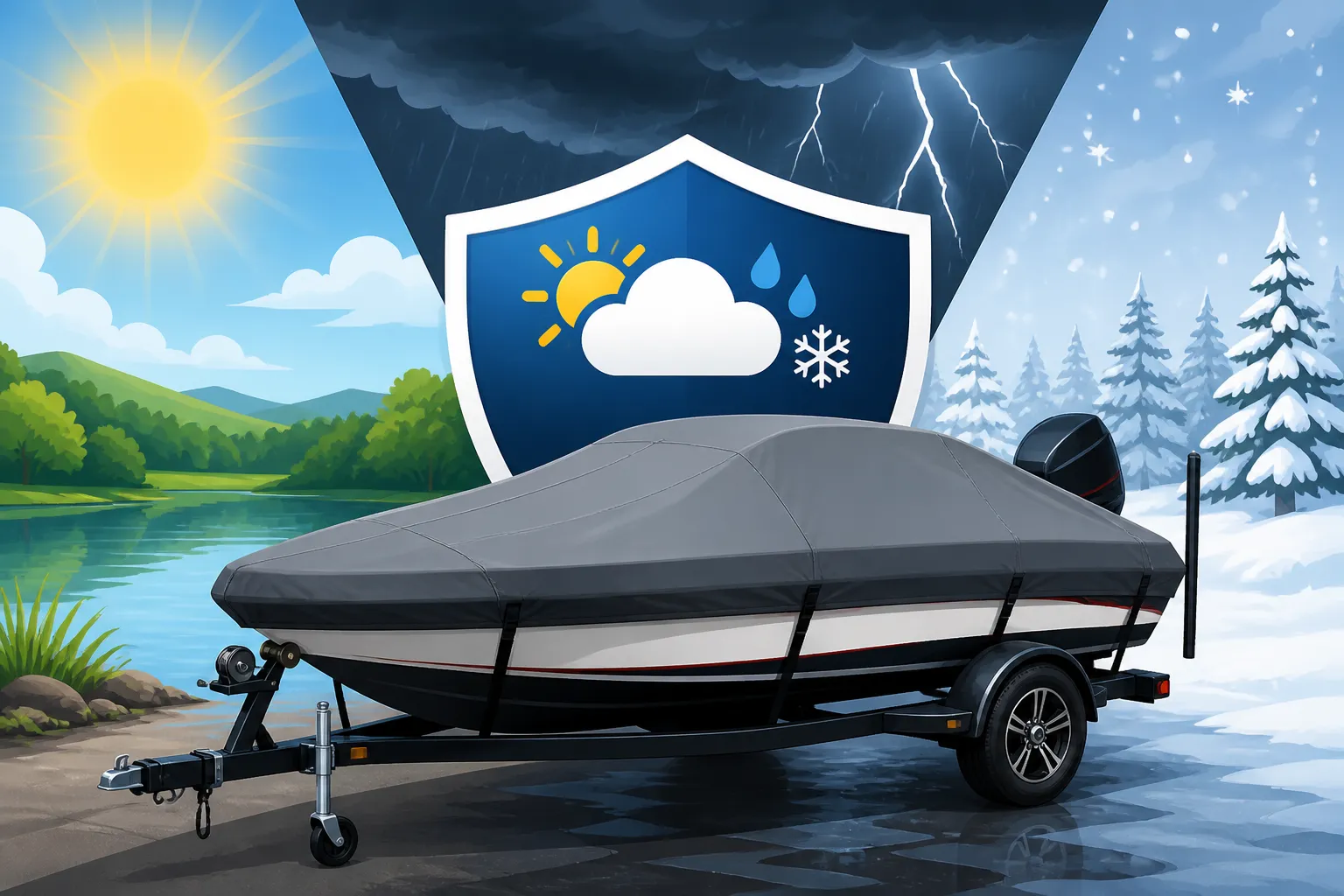
Kentucky isn't known for mild weather, and our boats often bear the brunt of it. Understanding the specific threats our climate poses is the first step in choosing a cover that truly protects. It's not just about keeping rain out; it's about year-round defense.
The Brutality of Summer Sun and Heat
Oh, those Kentucky summers! We love them for the long days on the water, but the sun, glorious as it is, is a relentless enemy of your boat's interior and exterior. UV rays don't just fade your upholstery and carpets; they can dry out and crack vinyl, gel coat, and even plastic components over time. Think about pulling back your cover after a week of intense sun to find your seats bleached and brittle – it's a gut-wrenching sight that happens all too often without adequate protection. The heat itself can also play a role, making plastics more pliable and susceptible to damage.
Beyond the visible damage, prolonged exposure to high temperatures can degrade wiring, electronics, and even the structural integrity of certain materials. Imagine your boat sitting out in the full sun at a marina on Lake Barkley or Lake Cumberland, absorbing heat for hours on end, day after day. A thin, ineffective cover might do little more than trap that heat, creating a greenhouse effect that accelerates wear. You need a cover designed not just to block UV but also to help mitigate heat buildup beneath it, keeping your boat cooler and happier.
Winter's Icy Grip and Freeze-Thaw Cycles
Just when you think you've escaped the summer heat, Kentucky winters bring their own set of challenges. While we might not have the sustained deep freezes of the far north, we certainly get our share of freezing rain, snow, and bone-chilling temperatures. What's truly insidious here are the frequent freeze-thaw cycles. Water can seep into tiny cracks in your boat's surfaces or accumulate in recessed areas. When temperatures drop below freezing, that water expands, turning into ice that can widen cracks, pop rivets, or even cause structural damage. This is especially true for boats left exposed or covered with covers that allow water to pool.
A cheap, ill-fitting cover might offer a false sense of security. It could collect snow and ice, creating a heavy burden on your boat's frame, or it might allow moisture to get underneath and freeze solid against your hull or deck. Plus, the constant expansion and contraction from fluctuating temperatures can put stress on all parts of your boat, from the engine to the hull. A robust, well-designed winter cover needs to be able to shed snow and ice effectively and remain flexible enough to withstand these temperature swings without tearing.
Sudden Storms and Relentless Rain
If there's one thing consistent about Kentucky weather, it's its unpredictability. One minute it's sunny, the next you're dodging hail and lightning as a severe thunderstorm rolls through. Our springs and falls are particularly prone to these sudden, intense downpours and high winds. A flimsy cover can easily tear in a gust, leaving your boat exposed to a deluge. And if water pools on top of your cover, the weight can cause it to sag, stretch, and eventually even rip, dumping gallons of water into your boat. This is a common frustration for boat owners, especially those who can't check on their boat every day.
Water intrusion can lead to mold and mildew inside your boat, create electrical issues, and even damage sensitive equipment. Beyond rain, falling debris from storms – branches, leaves, or other airborne items – can scratch or dent your boat if it's not adequately protected. Even persistent, moderate rain can be a problem if your cover isn't truly waterproof or if it allows water to trickle in around the edges. When you’re thinking about your investment, from a new trolling motor to fresh upholstery, reliable protection from rain is non-negotiable.
Essential Features to Look for in a Quality Boat Cover
Now that we know what we're up against, let's talk about what makes a boat cover truly effective in Kentucky. It's about more than just a piece of fabric; it's a tailored defense system.
Material Matters: Durability and UV Resistance
When it comes to boat covers, the material is king. You need something that can stand up to the sun's scorching UV rays, resist tearing from wind, and remain waterproof through heavy rain. Polyester fabrics are often a top choice, especially those with high denier counts, indicating a tighter weave and more durability. Materials like marine-grade woven polyester or acrylic are excellent because they offer a fantastic balance of strength, breathability, and UV resistance. Look for covers treated with UV inhibitors to prevent fading and material breakdown over time. This is critical for preventing your cover from becoming brittle and tearing prematurely after just a few seasons.
A good cover will also feature a waterproof coating or treatment. This isn't just a spray-on; it's often a lamination or a specific weave designed to prevent water penetration while still allowing some air circulation to prevent moisture buildup underneath. Cheap covers might just be water-resistant, meaning they'll eventually soak through, or the coating will fail, leading to leaks. Think about the heavy-duty canvas bags you see from companies like Bass Pro Shops or even durable outdoor gear you find on Amazon; they use materials that feel substantial and offer real protection, not just a thin layer. You want that same level of confidence for your boat cover.
Fit and Fasteners: Keeping Your Cover Secure
An ill-fitting cover is almost as bad as no cover at all. It will flap in the wind, chafing against your boat's finish and potentially tearing. It will also allow rain and debris to get underneath, defeating its purpose. The best covers are either custom-fit for your specific boat make and model, or semi-custom, designed for a range of boats with similar dimensions and styles. A snug fit is paramount; it keeps the cover from rubbing and ensures maximum protection.
Equally important are the fasteners. You want heavy-duty straps, buckles, or shock cords that can be cinched down securely. Plastic buckles might seem fine, but they can become brittle in cold weather and snap, leaving your cover flapping in the wind. Reinforced tie-down points are essential, especially for boats that will be trailered or stored outdoors in windy conditions. Some covers even feature elastic hems that hug the hull tightly, providing an extra layer of defense against wind and water intrusion. Don't skimp on these details; they are what hold your entire protective system together when Mother Nature throws a fit.
Ventilation and Mildew Prevention
Here's a feature many boat owners overlook until it's too late: ventilation. Trapped moisture under a cover is a breeding ground for mold and mildew, which can quickly ruin upholstery, carpeting, and even damage wooden components. That musty smell is not just unpleasant; it indicates a problem that can lead to costly repairs. A quality boat cover will incorporate vents, usually reinforced mesh panels, strategically placed to allow air circulation while still preventing water entry.
These vents are a game-changer, especially during those humid Kentucky summers or extended periods of storage. They help prevent condensation from building up inside your boat, keeping the air fresh and dry. Combined with proper support systems to create peaks that shed water, good ventilation ensures that while your boat is protected from the outside, it's not suffering from suffocating dampness on the inside. Nobody wants to uncover their boat for a day of fishing, only to be greeted by a fuzzy green surprise!
Types of Boat Covers: Matching Your Needs and Usage
Just like different boats serve different purposes, there are various types of boat covers designed for specific situations. Choosing the right one depends on how and where you store and transport your boat.
Custom, Semi-Custom, and Universal Covers
- Custom Covers: These are the gold standard. A custom cover is precisely tailored to your boat's make, model, and year, taking into account every curve, console, and accessory. They offer the tightest fit, best protection, and often the longest lifespan. The downside? They are generally the most expensive and might take longer to produce. However, for a high-value boat or long-term storage, the investment is usually worth it. Think of it as a perfectly fitted suit for your vessel; it just looks better and performs flawlessly.
- Semi-Custom Covers: A popular middle-ground, semi-custom covers are designed to fit a range of boats with similar styles and dimensions (e.g., "18-20 ft v-hull bass boat with outboard"). They offer a much better fit than universal covers, with specific patterns for common boat types. They are more affordable than custom options and readily available from marine retailers or online marketplaces like Amazon or Bass Pro Shops. They provide excellent protection for most boat owners in Kentucky, balancing cost and performance.
- Universal Covers: These are the most economical option, designed to fit a wide variety of boats within a certain length and beam range. While they are great for quick, temporary protection or for boats that are rarely exposed to harsh elements, their loose fit means they are prone to flapping, chafing, and pooling water. They offer minimal protection against wind and can easily allow debris and moisture underneath. For the unpredictable Kentucky weather, universal covers are generally not recommended for long-term storage or trailering. They simply don't offer the robust protection you need.
| Cover Type | Fit Level | Protection Level | Cost | Best Use Cases |
|---|---|---|---|---|
| Custom | Exact | Excellent | High | Long-term storage, high-value boats, perfect aesthetics |
| Semi-Custom | Very Good | Very Good | Moderate | General storage, trailering, good balance of cost/protection |
| Universal | Loose | Basic | Low | Temporary, emergencies, very short-term minimal exposure |
Mooring, Trailering, and Storage Covers
Believe it or not, a single cover might not be ideal for all situations. Different activities demand different features:
- Mooring Covers: These covers are designed for boats that stay in the water, docked at a marina or on a lift. They typically prioritize shedding water and breathability to prevent mildew. They often have shorter skirts or specific cut-outs for cleats and ropes. While they protect from rain and sun, they aren't usually designed for high-speed trailering and might not cover the entire hull down to the waterline, focusing primarily on the deck and cockpit.
- Trailering Covers: If you frequently haul your boat, especially on highways, a trailering cover is crucial. These covers are built with extra reinforcement, stronger tie-down straps, and a much snugger fit to withstand the tremendous wind forces generated at highway speeds. A regular cover will often rip or fly off during trailering, causing damage to both the cover and your boat. Investing in a dedicated trailering cover (or a semi-custom/custom cover rated for trailering) is essential for anyone who takes their boat on the road, whether it's to a different lake or just to the mechanic. Make sure your cover explicitly states it's trailerable if you plan to use it this way.
- Storage Covers: These are generally the most robust covers, designed for long-term protection, often through the winter months when your boat is out of the water. They prioritize full coverage, heavy-duty materials, and excellent water-shedding capabilities. They often extend well past the waterline to protect the entire hull. Ventilation is also key for storage covers to prevent mold and mildew during extended periods of inactivity. This is where you really need that thick, UV-resistant, waterproof material to guard against Kentucky's intense seasonal changes. A good storage cover is an investment in your boat's future, especially if you're keeping it on a trailer in your yard or driveway. Kentucky Fishing Seasons: What to Catch Each Month will help you know when your boat might be sitting for longer periods.
The Role of Support Systems and Accessories
A boat cover isn't a standalone item; it often needs a little help to do its job effectively. Support systems are paramount, especially in Kentucky where rain and snow can accumulate rapidly. These systems typically consist of poles or frames that create a "tent" effect, elevating the center of the cover to ensure water and snow run off instead of pooling. Without proper support, water will inevitably collect, stretching the fabric, degrading its waterproofing, and potentially collapsing the cover entirely, leaving your boat exposed and filled with water.
You can find telescopic poles, arch systems, or even inflatable supports. The key is to create enough slope for runoff. Additionally, things like tie-down straps, bungee cords, and sometimes even anti-chafing patches can be considered accessories. For example, if your boat has sharp corners or cleats that might rub against the cover, adding reinforcement or padding can significantly extend the cover's life. Think about how you protect your other boating essentials like the Best Trolling Motors for Kentucky Lake Bass Fishing or your Best Coolers for Boat Fishing Trips; your cover deserves the same thought and care. These seemingly small additions make a huge difference in the long-term effectiveness and durability of your boat cover in the face of How Weather Fronts Affect Fishing Times or other intense weather.
Caring for Your Boat Cover to Maximize Its Lifespan
Even the best boat cover won't last forever without a little TLC. Proper maintenance is key to getting the most out of your investment and ensuring it continues to protect your boat year after year.
Regular Cleaning and Inspections
Just like your boat needs a good wash, so does your cover! Dirt, grime, bird droppings, tree sap, and mildew can all accumulate on the cover's surface. Not only does this look unsightly, but these contaminants can degrade the fabric and its waterproof coating over time. Regularly cleaning your cover, at least a couple of times a season, will make a huge difference.
Most manufacturers recommend a mild soap (like dish soap) and a soft brush, followed by a thorough rinse. Avoid harsh chemicals or pressure washers, as these can strip away protective coatings and damage the fabric. After washing, ensure the cover is completely dry before reinstalling it or folding it for storage; putting away a damp cover is an open invitation for mildew. While you're cleaning, take the opportunity to inspect the cover closely. Look for any small tears, frayed seams, or areas where the waterproofing seems to be failing. Catching these issues early can prevent them from becoming much bigger problems down the line. It's a bit like checking your Essential Safety Gear for Every Boat in Kentucky before a trip; a quick inspection can save a lot of headaches.
Repairing Minor Damage Promptly
Those small tears, holes, or loose stitches might seem insignificant, but they are entry points for water, dirt, and eventually, larger rips. A small tear can quickly become a large gash in strong winds or when subjected to the weight of snow. Having a repair kit on hand – often included with higher-quality covers or available separately from marine supply stores like Bass Pro Shops – is a smart move. These kits usually include adhesive patches, thread, and instructions for mending small imperfections.
Don't procrastinate on repairs. A five-minute patch job can save you hundreds of dollars on a new cover later. For more significant damage, consider taking your cover to a canvas repair shop. They have the expertise and specialized equipment to make professional repairs that will often extend the life of your cover considerably. It's an investment in your investment, ensuring your cover continues to provide the robust protection your boat needs from Kentucky Boating Safety Gear Checklist elements.
Proper Installation for Longevity
It might sound obvious, but installing your boat cover correctly is crucial for its longevity and effectiveness. First, ensure your boat is clean and dry before covering it to prevent trapping moisture and mildew. Second, always use a support system to create a peak, allowing water to run off. Neglecting this step is one of the quickest ways to ruin a boat cover by allowing water to pool and stretch the fabric.
Third, ensure all straps and fasteners are securely tightened, but don't overtighten to the point of stressing seams or fabric. A snug fit is good, but extreme tension can cause damage. Make sure the cover is evenly distributed and any elastic hems are properly tucked under the rub rail. If you're trailering, double-check all tie-downs before you hit the road. Boat Trailer Tips for Launching on Lake Barkley also emphasize ensuring everything is secure before transport. A properly installed cover will endure the elements, protect your boat, and last much longer than one haphazardly thrown on. Remember, your boat is a big investment, from its Kentucky Boat Registration Requirements Explained to its engine, and a good cover is fundamental to preserving it.
Conclusion
Choosing the best boat cover for Kentucky weather isn't a one-size-fits-all decision. It requires understanding the specific challenges our climate throws at your boat, from the relentless summer sun to the icy grip of winter and those unpredictable, torrential storms. By focusing on durable, UV-resistant materials, ensuring a snug fit with robust fasteners, and prioritizing ventilation, you can find a cover that truly protects your valuable marine investment. Whether you opt for a custom-fit masterpiece or a quality semi-custom option readily available from online retailers or your local marine shop, taking the time to select and properly maintain your boat cover will pay dividends in the long run. Keep it clean, repair minor damage promptly, and always install it correctly with a good support system. Your boat will thank you for it with many more years of service and countless adventures on Kentucky's beautiful waters. After all, the better you protect it, the more time you can spend enjoying it!
Disclaimer
This article is for general informational purposes only and does not constitute professional advice. Laws, prices and regulations vary by location and change over time. Consult a qualified professional for guidance on your specific situation.