Kentucky Boating Safety Gear Checklist
Heading out onto Kentucky's beautiful lakes and rivers for a day of fishing or pleasure is a fantastic experience, but it's easy to get caught up in the excitement and overlook the critical aspect of boating safety. Many folks worry about missing a crucial piece of gear, not just for legal compliance, but for the actual peace of mind that comes with knowing you're prepared for whatever the water throws at you. This guide is designed to walk you through a comprehensive checklist of essential and highly recommended safety gear, ensuring your next trip on Kentucky's waters is as safe and enjoyable as possible.
Understanding Kentucky's Mandatory Boating Safety Equipment
When you hit the water in Kentucky, whether it's the vast expanse of Kentucky Lake, the deep channels of Lake Cumberland, or a smaller local reservoir, there are specific pieces of safety equipment that are legally required. These aren't just suggestions; they're the law, and game wardens do conduct checks. Failing to have these items can lead to citations, which nobody wants. It’s not about the fine, though, it’s about having the tools to protect yourself and your loved ones if an unexpected situation arises.
Personal Flotation Devices PFDs
Perhaps the most universally recognized piece of boating safety gear, Personal Flotation Devices (PFDs), or life jackets, are absolutely non-negotiable. It’s not enough to just have them on board; they need to be readily accessible and in good, serviceable condition. Imagine capsizing in cold water—fumbling for a life jacket that’s buried under a pile of gear is a nightmare scenario you never want to experience.
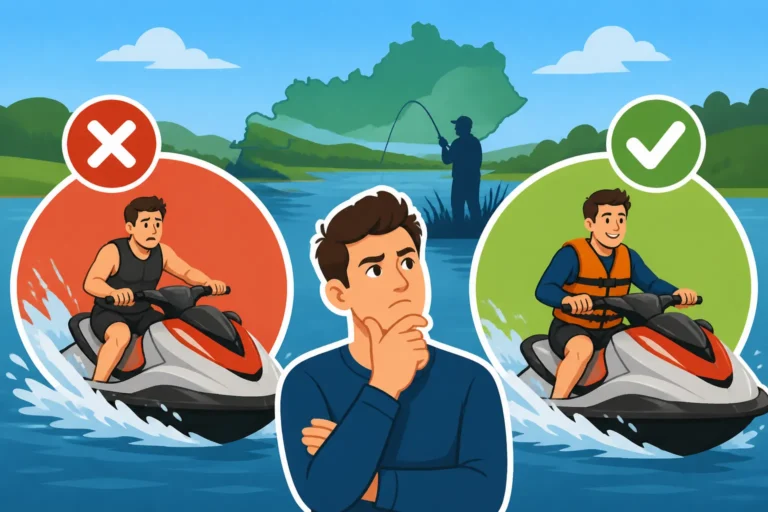
Each person on board your vessel must have a U.S. Coast Guard-approved PFD. For children under 12 years of age, the rules are even stricter: they must wear a PFD while the vessel is underway. This is a crucial distinction and one that often catches people off guard. It’s not just about having a child-sized life jacket available; they need to be wearing it at all times when the boat is moving. Make sure the PFDs fit correctly for each individual. A life jacket that’s too big can slip off, and one that’s too small won’t provide adequate flotation. You can find a wide variety of PFDs, including inflatable options for adults (though these require regular inspection and maintenance), at reputable marine suppliers like Bass Pro Shops or through online retailers like Amazon. Remember to check for the Coast Guard approval label on each one. Knowing the Life Jacket Rules for Boats in Kentucky and specifically the Kentucky Life Jacket Law for Kids Under 12 will keep you compliant and safe.
Visual and Audible Signaling Devices
Being seen and heard on the water can be just as important as staying afloat, especially in an emergency. Imagine being stranded after dark or in foggy conditions; how will other boaters or rescue personnel find you? That’s where signaling devices come in.
Every vessel needs some form of audible signaling device. For smaller boats, a simple whistle or a horn that can produce a two-second blast audible for at least half a mile will suffice. Larger vessels, generally those 39.4 feet (12 meters) or longer, have more extensive requirements, often needing a horn and a bell. However, even on a small fishing boat, a robust air horn can make a huge difference in alerting nearby vessels to your presence or signaling for help. For visual signals, particularly at night, navigation lights are mandatory. These lights ensure your boat is visible to others and indicates its position and direction of travel. Check your boat's specific requirements, but generally, this includes a masthead light, sidelights (red for port, green for starboard), and a stern light. Beyond these, consider flares or an emergency strobe light, especially if you venture out onto larger bodies of water where assistance might be further away.
Fire Extinguishers
Fire on a boat is one of the most terrifying scenarios imaginable. You’re often surrounded by flammable liquids (fuel), electrical systems, and limited escape routes. This is why fire extinguishers are a mandatory safety item for most recreational boats in Kentucky.
The requirement for a fire extinguisher depends on the type and size of your vessel, particularly if it has an enclosed engine compartment, permanent fuel tanks, or living spaces. Generally, if your boat has these features, you'll need at least one U.S. Coast Guard-approved B-I type fire extinguisher. Ensure it's easily accessible, fully charged, and inspected regularly. Don't just toss it in a storage locker where it might be hard to reach when seconds count. Think about where you keep it – near the helm, or by the engine compartment access, somewhere you can grab it instantly. Understanding the specific Fire Extinguisher Requirements for Kentucky Boats can prevent a lot of headaches, and potentially, a disaster.
Smart, But Not Always Mandatory, Safety Gear
While complying with the law is crucial, a truly prepared boater goes beyond the bare minimum. There’s a host of other equipment that, while not always legally required, can significantly enhance your safety and comfort on the water. These are the items that often turn a minor inconvenience into a manageable situation, or a serious emergency into a successful rescue.
Anchors and Rode
An anchor isn’t just for holding your position while fishing. It’s an invaluable safety device. Imagine your engine dies in windy conditions, drifting helplessly towards rocky shores or into a busy navigation channel. A functional anchor, with enough rode (rope and chain) for the depth you’re in, can be your lifeline.
Having an anchor appropriate for your boat size and the typical bottom conditions of the waters you frequent is key. A small, lightweight anchor might work for a calm pond, but on a large lake like Lake Barkley, you'll want something much more robust, capable of digging into a variety of substrates. Make sure you have at least 7:1 scope for your anchor rode in normal conditions (7 feet of rode for every 1 foot of depth), and even more in heavy weather. Learning how to properly set and retrieve your anchor is also a critical skill. Don't just drop it and hope for the best!
First-Aid Kit
Accidents happen, even on the calmest of days. A stray hook, a minor cut, a sunburn, or even a sudden allergic reaction – these can quickly spoil a trip or become serious if not addressed promptly. A well-stocked first-aid kit is like a floating medicine cabinet, ready for immediate use.
Your first-aid kit should be waterproof and easily accessible. Beyond the basics like band-aids, antiseptic wipes, and pain relievers, consider adding items specific to a boating environment: motion sickness medication, sunscreen, insect repellent, and any personal medications regularly used by passengers. Many boaters put together their own comprehensive first-aid kits, drawing on supplies from local pharmacies or online sources such as Amazon, tailoring them to their specific needs. You might find a premade "marine" first-aid kit at stores like Bass Pro Shops, but always check its contents and supplement as needed. Knowing how to use the items in your kit is just as important as having them. Look for guidance on Best First Aid Kits for Boaters.
Communication Devices
While your cell phone might seem like a reliable communication device, its range and reliability can be severely limited on the water, especially in remote areas or during bad weather. Having a dedicated marine communication device can be a literal lifesaver.
A VHF marine radio is the gold standard for boat-to-boat and boat-to-shore communication. It operates on specific marine frequencies, has a wider range than most cell phones on water, and connects you directly to the Coast Guard and other emergency services on Channel 16. It's also an excellent tool for getting weather updates. For recreational boaters, a handheld, waterproof VHF radio can be a smart investment. If you frequently venture far from shore, consider a satellite messenger or an Emergency Position Indicating Radio Beacon (EPIRB) or Personal Locator Beacon (PLB). These devices can transmit your precise location to rescue authorities, even without cell service.
Throwable Flotation Devices
In addition to the PFDs worn by occupants, it's wise to have at least one throwable flotation device on board. This could be a ring buoy, a throwable cushion, or a similar item. The key is "throwable"—something you can quickly toss to someone who has fallen overboard, giving them something to grab onto while you maneuver to retrieve them.
Having a throwable device easily accessible on deck means you can react instantly without having to dig through storage. It's a simple, inexpensive item that can make a huge difference in a man overboard situation, especially if the person in the water is injured or panicking and unable to swim effectively back to the boat.
Preparing for the Unexpected: Best Practices and Maintenance
Having the right gear is only half the battle; knowing how to use it, maintaining it, and adopting smart boating practices completes the safety picture. A checklist on paper is useless if the equipment isn't functional or if the boater isn't prepared mentally.
Regular Equipment Checks
Before every outing, especially for longer trips or if you haven’t been on the water in a while, perform a quick safety check. This is not just for the big stuff like engines, but for all your safety gear.
- PFDs: Are they all present? Are they in good condition, no tears or mildew? Do they fit everyone on board, especially the kids?
- Fire Extinguisher: Is it fully charged (needle in the green)? Is the pressure gauge good? Is the pin intact?
- Lights: Do all navigation lights work? Carry spare bulbs if possible.
- Sound Device: Does your whistle or horn work?
- Communication: Is your VHF radio charged and functioning? Does your cell phone have a charge and is it in a waterproof case?
Establishing a routine for these checks will ensure you’re never caught off guard by a piece of faulty equipment.
Filing a Float Plan
A float plan is essentially leaving your itinerary with a responsible person on shore. It's one of the simplest, yet most overlooked, safety measures. If you don't return as expected, that person knows where to start looking and can alert authorities.
Your float plan should include:
- Your vessel's description (type, color, name, registration number)
- The number of people on board
- Your planned departure time and return time
- Your intended route and destination
- Contact information for your vessel and emergency contacts
You can even find official float plan templates online, or simply write down the information and share it with a friend or family member. It takes just a few minutes, but it provides a critical safety net.
Checking Weather and Water Conditions
Kentucky’s weather can change quickly, especially on large bodies of water. A sunny morning can turn into a stormy afternoon in a flash. Always check the marine weather forecast before you head out, and continue to monitor conditions throughout your trip.
Pay attention to wind advisories, small craft warnings, and sudden temperature drops. If the forecast looks questionable, err on the side of caution. No fish is worth risking your life or the lives of your passengers. Be aware of changing water levels and currents, particularly on rivers or after heavy rainfall. Always remember that knowledge is a key component of safety.
Here’s a quick overview of essential and highly recommended boating safety gear:
| Category | Mandatory (Kentucky) | Highly Recommended (Smart Boating) | Notes |
|---|---|---|---|
| Flotation | U.S. Coast Guard-approved PFDs for all on board | Throwable flotation device (e.g., cushion, ring buoy) | Children under 12 must wear PFD while underway |
| Signaling | Audible signaling device (whistle, horn) | Visual Distress Signals (flares, strobe light) | Navigation lights (required sunset to sunrise) |
| Fire Safety | Fire extinguisher (if required by vessel type/size) | Engine cut-off switch lanyard (if applicable) | Check specific requirements; ensure accessibility & charge |
| Navigation | None specified beyond lights | Anchor and sufficient rode | GPS/chartplotter, compass, paper charts (backup) |
| Communication | None specified (cell phone implied but unreliable) | VHF Marine Radio (handheld or fixed) | Satellite messenger, EPIRB/PLB for remote areas |
| Emergency | None specified | Well-stocked, waterproof First-Aid Kit | Basic tool kit, spare parts, extra fuel, bailer/pump |
| Other | Current boat registration, Kentucky Boat Safety Certificate Requirements (for certain operators) | Sunscreen, insect repellent, warm clothing, water, snacks | Know What Safety Equipment Is Required on a Kentucky Boat? in detail |
Always remember that laws and specific requirements can vary based on the size of your vessel and the waters you're navigating. It's always a good idea to consult the Kentucky Department of Fish and Wildlife Resources official regulations or take a boater safety course. Knowing your Kentucky Motorboat Registration Requirements for New Owners and understanding the full Kentucky Boat Titling and Registration Rules are also essential parts of responsible boating. These precautions, combined with a good dose of common sense, will ensure your time on Kentucky's beautiful waterways is spent making memories, not dealing with avoidable emergencies.
Disclaimer
This article is for general informational purposes only and does not constitute professional advice. Laws, prices and regulations vary by location and change over time. Consult a qualified professional for guidance on your specific situation.