Best Trout Rods for Lake Cumberland
Heading out to Lake Cumberland, known for its deep, clear waters and fantastic trout fishing, can be an incredible experience. But if you're like many anglers, you might find yourself staring at a wall of fishing rods at the tackle shop, completely overwhelmed by the choices. Picking the perfect rod for those feisty Lake Cumberland trout – whether you're after rainbow, brown, or even a shot at a brook trout – isn't just about grabbing the prettiest one; it's about understanding what makes a rod sing in those specific conditions. This guide is here to cut through the confusion and help you select the ideal gear to bring in those beautiful fish.
Understanding Lake Cumberland's Trout Fishery
Lake Cumberland isn't just any lake; it's a true gem in Kentucky, especially when it comes to trout. Its sheer size, depth, and the consistent stocking program by the Kentucky Department of Fish and Wildlife Resources make it a prime destination. But this also means you're dealing with a dynamic environment that requires thoughtful gear choices. If you've ever felt under-gunned or over-gunned for a particular fish, you know the frustration. We're going to dive into what makes this fishery unique and how that translates to the rods you should be considering.
The Trout Species and Their Habits
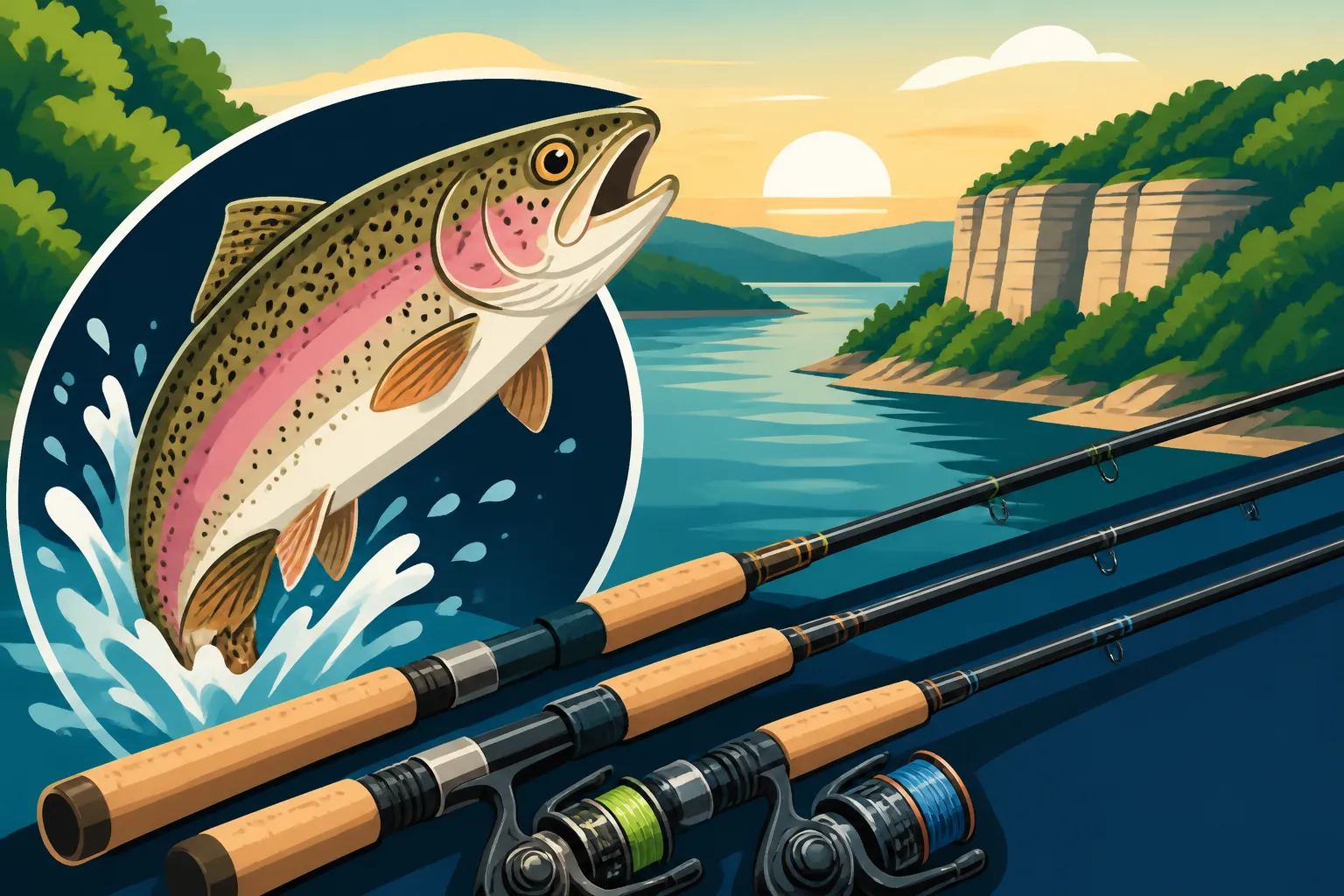
Primarily, you'll be targeting Rainbow Trout and Brown Trout in Lake Cumberland. Rainbows are typically stocked regularly, offering consistent action, and they tend to cruise the upper water columns and around points and submerged structures. They're often eager biters and can put up a spirited fight for their size, especially in the cold, oxygenated water. Brown trout, on the other hand, are often more elusive and tend to grow larger, lurking in deeper, cooler waters, often hugging the bottom or hiding in submerged timber and rock piles. They're known for their powerful runs and can be a real challenge to land.
Understanding these differences is crucial for rod selection. A rod that's perfect for feeling the subtle bite of a smaller rainbow on light line might be completely overwhelmed by a 20-inch brown trout making a powerful dive for a submerged log. You need sensitivity for the light biters but also enough backbone to manage a larger, more aggressive fish. This dual nature of the fishery means versatility or specialized rods become key. Don't forget, you'll also need a Kentucky Trout Permit Guide to ensure you're legally fishing for these beauties.
Common Fishing Methods on Lake Cumberland
The way you fish for trout on Lake Cumberland will heavily influence your rod choice. This isn't a one-size-fits-all kind of place. Many anglers find success with a variety of techniques, and each one has its own rod requirements.
Still Fishing with Bait: This is a popular and effective method, often done from a boat or from the shore using live bait like minnows, worms, or dough baits. You're typically casting out and letting your bait sit on the bottom or under a bobber. For this, you need a rod that can cast a decent distance and has enough sensitivity to detect light bites, but also a forgiving action to prevent trout from dropping the bait too quickly.
Casting Lures: Spinners, spoons, and small crankbaits are highly effective for active trout. This method requires a rod with good casting accuracy and the ability to work the lure effectively. You need a rod that can load and cast lightweight lures with ease and has enough power to set the hook on a fast-moving fish. Precision is often more important than brute strength here.
Trolling: For covering large areas and targeting deeper, suspended fish, trolling is a go-to technique on Lake Cumberland. This involves dragging lures or bait behind a boat, often using downriggers or planer boards to reach specific depths. Trolling rods are a different breed entirely, designed for holding a consistent bend, absorbing shock from boat movement and fish strikes, and managing heavier lines and weights. They need to be durable and often longer than casting rods.
Key Rod Characteristics for Lake Cumberland Trout
Choosing a trout rod isn't just about grabbing the first "trout rod" you see. It's about understanding the specific characteristics that make a rod effective for the unique challenges of Lake Cumberland. Let's break down the jargon and explore what really matters.
Rod Length and Its Impact
The length of your fishing rod plays a significant role in how it performs. There's no single "best" length for Lake Cumberland, as it depends entirely on your chosen fishing method and where you're fishing from.
-
Shorter Rods (5' to 6'6"): These are fantastic when you're fishing from a boat, kayak, or in tight quarters where long casts aren't necessary. A shorter rod offers superior control and accuracy, making it easier to place your lure precisely around submerged timber or along a rocky bank. They're also less fatiguing to use all day when you're actively casting. If you're drifting with a bobber near a submerged brush pile, for example, a 6-foot ultralight rod would give you surgical precision.
-
Medium Length Rods (6'6" to 7'6"): This range is often considered the sweet spot for general-purpose trout fishing on larger lakes like Cumberland. A 7-foot rod gives you excellent casting distance when fishing from the shore or a boat, allowing you to cover more water and reach those distant feeding lanes. It also provides a bit more leverage when fighting a larger fish, helping to absorb powerful runs. This length is a great compromise for those who want versatility without sacrificing too much control.
-
Longer Rods (7'6" and up): These rods excel in two main areas: extreme casting distance and trolling. If you're solely bank fishing and need to cast far out to reach a drop-off, a longer rod will give you that extra reach. For dedicated trolling, especially with planer boards or multiple lines, longer rods (often 8-10 feet or more) keep your lines spread out, prevent tangles, and provide a deeper bend to absorb the shock of a strike without pulling the lure from the fish's mouth. They're not ideal for active casting, but for their specific purpose, they are indispensable.
Rod Power and Action
These two terms are often confused, but they describe different aspects of a rod's flexibility and strength. Getting the right combination is critical for trout fishing.
-
Rod Power: This refers to the rod's lifting strength or resistance to bending. For Lake Cumberland trout, you'll primarily be looking at Ultralight, Light, and sometimes Medium-Light power.
- Ultralight (UL): These rods are incredibly sensitive, perfect for detecting the lightest bites from wary trout or smaller stocked rainbows. They shine when using tiny lures or light bait on delicate lines. The downside is that they can be easily overpowered by a larger brown trout.
- Light (L): A fantastic all-around choice. Light power rods offer a good balance of sensitivity for detecting bites and enough backbone to handle most of the trout you'll encounter in Lake Cumberland. They provide enough leverage to control a decent-sized fish without ripping the hook out.
- Medium-Light (ML): If you're specifically targeting larger brown trout or plan to use slightly heavier lures, a medium-light rod gives you more power. While less sensitive than a light or ultralight, it offers more control for bigger fish and can cast heavier weights.
-
Rod Action: This describes where the rod bends when pressure is applied.
- Fast Action: A fast-action rod bends mostly in the tip section. This provides maximum sensitivity for feeling subtle bites and allows for quick, powerful hooksets. It's excellent for working lures that require a lot of twitching and manipulation. However, the stiffer backbone can sometimes make it easier to pull the hook from a trout's soft mouth if you set too hard.
- Moderate-Fast Action: This is a popular choice for trout. The rod bends through the upper third to half of the blank. It offers a good balance of sensitivity and forgiveness, allowing for decent casting distance and a better "cushion" during the fight, reducing the chance of lost fish.
- Moderate Action: A moderate-action rod bends through the middle of the blank. This provides a very parabolic bend, excellent for casting lighter lures a long distance and absorbing the shock of strong fish runs. It's very forgiving and helps prevent line breakage on lighter lines. For trolling, moderate action is often preferred as it maintains a consistent bend.
Materials and Components
The stuff your rod is made of, and the quality of its bits and pieces, really does matter. It impacts everything from how a rod feels in your hand to how long it lasts.
-
Blank Material:
- Graphite (Carbon Fiber): Most modern trout rods are made from graphite. It's incredibly lightweight, sensitive, and stiff, allowing you to feel every bump and tick. Higher modulus graphite equals more sensitivity but can be more brittle. Great for feeling those light bites when Spin Fishing for Trout: Gear and Technique is key.
- Fiberglass: Older style rods, still popular for some applications. Fiberglass is much more durable and forgiving (moderate action is common), but heavier and less sensitive than graphite. It's excellent for trolling rods where durability and a parabolic bend are paramount.
- Composites: These blend graphite and fiberglass to get the best of both worlds – a good balance of sensitivity, durability, and a forgiving action.
-
Reel Seats: Look for a reel seat that securely holds your reel and feels comfortable in your hand. Graphite or composite reel seats with stainless steel hoods are common and generally reliable. Avoid flimsy plastic ones that can flex or break.
-
Guides: The small rings that your line runs through.
- Material: Guides with ceramic inserts (like aluminum oxide or silicon carbide) are excellent for reducing friction and protecting your line, especially if you're using braided line. Stainless steel guides are durable but can cause more line friction.
- Type: Micro guides are increasingly popular on ultralight rods for enhanced sensitivity, but they can be tricky with larger knots. Single-foot guides are lighter; double-foot guides offer more durability on heavier rods.
-
Handle Comfort: This is subjective but crucial for long days on the water.
- Cork: Natural cork is lightweight, warm to the touch, and provides excellent grip, even when wet. Higher-grade cork is more durable and visually appealing.
- EVA Foam: More durable and often more affordable than cork, EVA foam handles are comfortable and provide good grip. They're also easier to clean. Choose what feels best in your hand and ensures a secure grip when that trophy trout hits!
Top Rod Types for Different Lake Cumberland Scenarios
Now that we understand the technical aspects, let's look at specific rod types that will serve you well on Lake Cumberland, depending on your preferred style of fishing.
Ultralight Spinning Rods for Finesse Fishing
If you love the thrill of feeling every head shake, every subtle twitch, and want to maximize the fight of every fish, an ultralight spinning rod is an absolute blast for Lake Cumberland trout. These rods are designed for delicate presentations and can make even a modest rainbow trout feel like a monster.
An ideal ultralight setup for Lake Cumberland would be a rod in the 5' to 6'6" range with an ultralight power and a moderate-fast or fast action. This combination allows you to cast tiny lures like 1/32 oz jigs, micro spinners, or small powerbaits with surprising distance and accuracy. The extreme sensitivity means you'll detect the lightest bites that a heavier rod would completely miss. Picture yourself in a quiet cove, casting a tiny inline spinner near a submerged log – that ultralight rod will tell you exactly when a curious trout breathes on your lure. Many anglers find great options for Ultralight Spinning Gear for Trout Fishing at retailers like Bass Pro Shops or even through Amazon, with brands specializing in finesse tackle.
Light-Power Spinning Rods for All-Around Use
If you're looking for one rod that can do a little bit of everything on Lake Cumberland, a light-power spinning rod is your best bet. This is the workhorse of trout fishing, offering a fantastic balance of sensitivity, casting performance, and fish-fighting power.
A great choice here would be a 6'6" to 7' spinning rod with a light power and a moderate-fast action. This configuration provides excellent versatility. You can cast a wide range of lures, from small spoons and crankbaits to jigs and heavier bait rigs. It has enough backbone to handle larger brown trout, yet enough sensitivity to feel lighter takes from rainbow trout. This rod is comfortable for all-day casting and has enough reach for both boat and shore fishing. It’s the kind of rod you grab when you’re not sure exactly what the fish will be doing, or if you plan to try a few different techniques throughout the day. This type of rod is a must-have if you're planning a trip around the Best Time of Year to Catch Rainbow Trout on Kentucky's Lake Cumberland, as it adapts to many scenarios.
Trolling Rods for Deeper Water and Bigger Fish
When you want to cover vast expanses of Lake Cumberland and target those deeper, often larger, trout, a dedicated trolling rod is invaluable. These rods are built for a different kind of stress and interaction with fish.
Trolling rods typically range from 7' to 9' (and sometimes even longer for specialized setups) with a medium-light to medium power and a moderate or slow action. The longer length and softer action are critical for several reasons. First, they allow for a wide spread of lines off the back of the boat, reducing tangles. Second, the moderate action creates a smooth, consistent bend that absorbs the violent strike of a fish without ripping the hook from its mouth, even when trolling at speed. They are designed to absorb the constant drag of lures, weights, and downrigger lines, keeping the lure running true. Look for rods with durable guides and reel seats that can stand up to the constant pressure. This is where you might find Best Boats for Kentucky's Lake Cumberland Trout Fishery that are well-suited to handle multiple trolling rods. These rods might not offer the delicate feel of an ultralight, but they are engineered for endurance and consistent performance when targeting suspended fish offshore.
Choosing Your Rod and Complementary Gear
Selecting the perfect rod is a huge step, but it's only one piece of the puzzle. For a truly effective trout fishing setup on Lake Cumberland, you need to think about how all your gear works together.
Matching Rods with Reels and Line
Balance is absolutely paramount when putting together a rod and reel combo. A perfectly balanced setup feels lighter, casts more smoothly, and reduces fatigue, allowing you to focus on the fish, not on struggling with your gear.
- Reel Size: For ultralight and light spinning rods, pair them with a small, lightweight spinning reel, typically a 1000 or 2000 series (often labeled as UL or small sizes). These reels match the rod's delicate nature, provide a smooth drag for light lines, and hold enough line for trout. For trolling rods, you'll need a more robust reel, often a larger spinning reel (3000-4000 series) or even a small baitcasting reel, capable of holding heavier line and handling the consistent drag.
- Line Type and Weight:
- Monofilament: A classic choice for trout. Monofilament (mono) is forgiving, has stretch (which helps absorb head shakes), and is relatively inexpensive. For ultralight rods, 2-4 lb test mono is ideal. For light rods, 4-6 lb test works great.
- Fluorocarbon: Less stretch than mono, nearly invisible underwater, and more abrasion-resistant. Fluorocarbon is excellent for leaders in clear Lake Cumberland waters, or even as a main line in 4-6 lb test for increased sensitivity.
- Braided Line: Offers incredible sensitivity and no stretch, making it excellent for feeling subtle bites and long casts. However, its visibility and lack of stretch can be a disadvantage directly to the lure. Many anglers use 6-10 lb braided main line on their light setups and tie on a 2-4 lb fluorocarbon leader. Remember to learn How to Tie a Fishing Knot for Beginners for those critical line-to-leader connections.
Essential Accessories and Maintenance
Once you have your rod, reel, and line, a few other items will ensure your gear lasts and performs at its best, season after season. Taking care of your equipment is part of being a responsible angler.
- Rod Cases or Sleeves: Protect your rod from damage during transport and storage. A simple rod sleeve can prevent tangles and scratches, while a hard case offers maximum protection for valuable rods.
- Guide Cleaners: Keep your rod guides clean of dirt and grime, which can abrade your line. A cotton swab and some rubbing alcohol work wonders.
- Reel Oil and Grease: Regular maintenance of your reel is crucial. A drop of oil on bail arm pivots and handle knobs, and a thin layer of grease on gears, will keep it running smoothly.
- Line Clippers and Pliers: Always have these handy for tying knots and safely removing hooks from fish.
- Landing Net: A small, soft-mesh landing net is invaluable for safely landing trout, especially when using light lines, and reduces stress on the fish for release.
Where to Find Your Perfect Rod
Finding the right trout rod for Lake Cumberland involves a bit of research and, ideally, handling a few different options. You've got some great choices when it comes to retailers.
Large outdoor retailers like Bass Pro Shops are fantastic because they often have a huge selection of rods in various lengths, powers, and actions. You can physically hold the rods, feel their balance, and even ask knowledgeable staff for recommendations specific to trout fishing on local waters. Their selection of Best Rods and Reels for Kentucky Fishing is usually comprehensive. Online marketplaces like Amazon also offer an immense selection, often with competitive pricing and detailed customer reviews that can give you insights into real-world performance. Just be sure to read reviews carefully and understand return policies when buying online, as you can't physically examine the rod before purchase.
Don't overlook local tackle shops! Smaller, independent bait and tackle stores, especially those closer to Lake Cumberland, often have highly experienced staff who fish those very waters. They can offer personalized advice based on current conditions and what's been working recently. Supporting these local businesses also often means tapping into a wealth of hyper-local knowledge that you won't find anywhere else. Remember, the best rod for Lake Cumberland trout is one that feels right in your hands and instills confidence every time you cast.
Disclaimer
This article is for general informational purposes only and does not constitute professional advice. Laws, prices and regulations vary by location and change over time. Consult a qualified professional for guidance on your specific situation.