How Weather Fronts Affect Fishing Times
There’s nothing quite like the excitement of planning a Kentucky fishing trip – checking the forecast, gathering your gear, and dreaming of that perfect bite. But then, it happens: a sudden shift in the weather, a drastic temperature drop, or an unexpected storm front rolls in, leaving you wondering why the fish suddenly have lockjaw. It's incredibly frustrating when you've invested time and effort only to be met with an empty livewell. This guide will help you understand how different weather fronts impact fishing times and fish behavior in Kentucky, so you can adapt your strategy and increase your chances of success, no matter what Mother Nature throws your way.
Understanding Barometric Pressure: The Unseen Influence on Fish
Before we dive into specific weather fronts, it’s crucial to grasp the concept of barometric pressure – the weight of the air pressing down on the earth. While we might not feel it directly, fish certainly do. Their swim bladders, which they use to maintain buoyancy, are highly sensitive to these changes. Think of it like a diver adjusting to different depths; fish are constantly adjusting to atmospheric pressure. When the pressure changes rapidly, it can make them uncomfortable, causing them to move to different depths or simply shut down their feeding activity.
Rapid changes, especially drops, often signal an approaching storm or a cold front. During these periods, fish may feel a discomfort in their swim bladders, which can be likened to us feeling a headache before a major weather shift. They might go deeper to equalize pressure, or become lethargic and less inclined to chase a meal. On the flip side, stable or slowly rising pressure usually means comfortable fish and more predictable, often aggressive, feeding patterns. Learning to read these shifts in pressure, even with a simple handheld barometer or a good weather app, can give you a significant edge when planning your trip to places like Kentucky Lake or Lake Cumberland.
How Fish React to Pressure Changes
Fish, being cold-blooded creatures, are incredibly attuned to their environment, and barometric pressure is a huge part of that. When the pressure is high and stable, fish generally feel more secure and active. They might be more willing to roam open water or move to shallower feeding grounds, actively searching for food. This is often when you'll experience those fantastic bites. For instance, on a beautiful, clear day at Herrington Lake with consistent high pressure, you might find bass aggressively hitting topwater lures near cover in the morning.
Conversely, a sudden drop in pressure often signals an approaching front, and fish tend to get spooky and less active. Their delicate swim bladders are affected, making them uncomfortable. They might seek refuge in deeper water, tight to cover, or suspend in open water, conserving energy. Imagine trying to eat a big meal when you feel nauseous – that's somewhat analogous to how a fish might feel during a drastic pressure drop. They’re less likely to chase a bait and will prefer something slow, subtle, and right in front of their faces. This is a critical factor when considering how to adjust your fishing techniques after a cold front.
Tools for Tracking Barometric Pressure
You don't need a fancy scientific laboratory to track barometric pressure. Many modern weather apps provide localized barometric pressure readings and even trends (rising, falling, steady). Dedicated fishing apps sometimes integrate this data directly. For those who prefer a more analog approach, a simple, inexpensive handheld barometer can be a valuable tool. Keep it in your tackle box or boat, and note its readings before, during, and after your fishing sessions. Over time, you'll start to see patterns specific to your favorite Kentucky fishing spots.
Even if you’re just checking the general weather forecast, pay attention to terms like "front approaching," "high-pressure system moving in," or "low pressure developing." These are all clues that can help you anticipate fish behavior. While no tool is perfect, incorporating barometric pressure awareness into your fishing routine is a fundamental step toward mastering how weather fronts affect fishing times. You might even find some great, affordable options for portable weather stations or barometers on Amazon that fit right into your fishing gear.
Cold Fronts: The Angler's Challenge
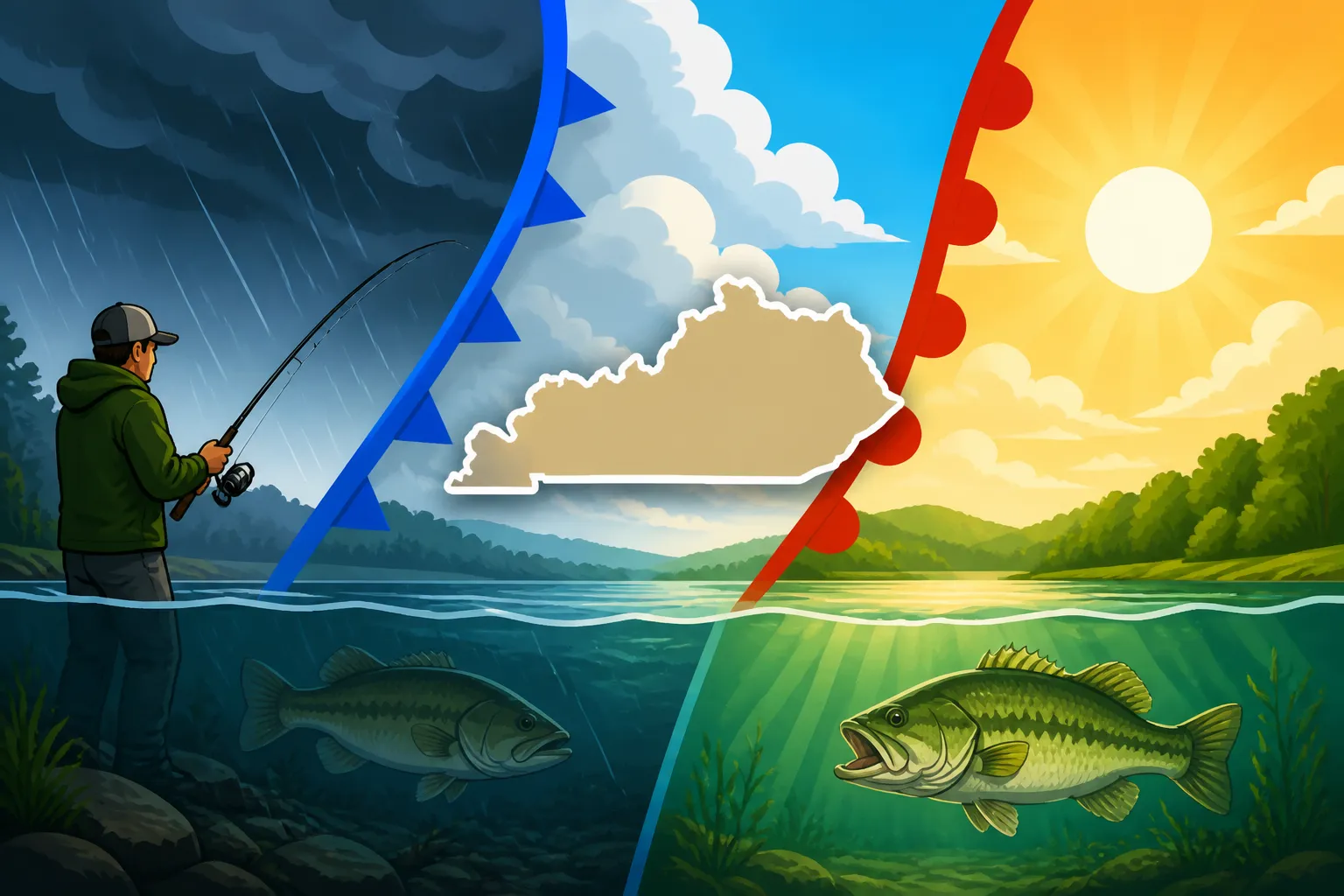
Cold fronts are often the bane of an angler's existence. They typically involve a sudden drop in temperature, accompanied by clear, bright skies and often high winds, following a period of stormy or unsettled weather. The key impact on fishing comes from the rapid drop in barometric pressure before the front, followed by a sharp increase after it passes. Fish, already agitated by the pre-front storm, then have to contend with rapidly rising, stable high pressure and plummeting water temperatures.
After a cold front, fish become notoriously finicky. They often move deeper, hugging tight to structure or cover, and their metabolism slows down. They're not actively feeding; they're conserving energy and trying to get comfortable. This is when patience becomes paramount. Your usual fast-paced retrieves or aggressive presentations will likely be ignored. Instead, you need to think slow, subtle, and precise.
Fishing Immediately After a Cold Front
The immediate aftermath of a cold front is arguably the toughest time to fish. The sky is often clear and bright, and the water temperature can drop several degrees in a short period. This combination sends fish into a state of shock, making them lethargic and unwilling to bite. During this period, fish typically move to deeper water, seeking stable temperatures and a comfortable pressure zone. For example, if you were catching bass shallow on Kentucky Lake before the front, they're likely now holding tight to submerged brush piles or channel ledges in 15-25 feet of water.
Your presentation needs to be extremely slow and methodical. Think about finesse techniques: small jigs, drop shots, or Carolina rigs presented with minimal movement. Colors should be natural and muted. Focus on structure where fish can find shelter and ambush prey with minimal effort, like deep points, rock piles, or steep drops. Don't expect aggressive strikes; often, it will feel like a slight "thump" or just added weight. You might consider checking out articles like "How to Fish After a Cold Front" for more in-depth strategies.
Adjusting Your Technique for Post-Front Conditions
Adapting your approach is non-negotiable when fishing after a cold front. First, slow down everything. Your retrieve speed, your jigging motion, even the way you work a soft plastic bait should be agonizingly slow. This is not the time for burning spinnerbaits or cranking aggressively. Second, downsize your baits. Smaller profiles are less intimidating to lethargic fish. A tiny jig or a finesse worm can often tempt a reluctant bite when larger lures fail.
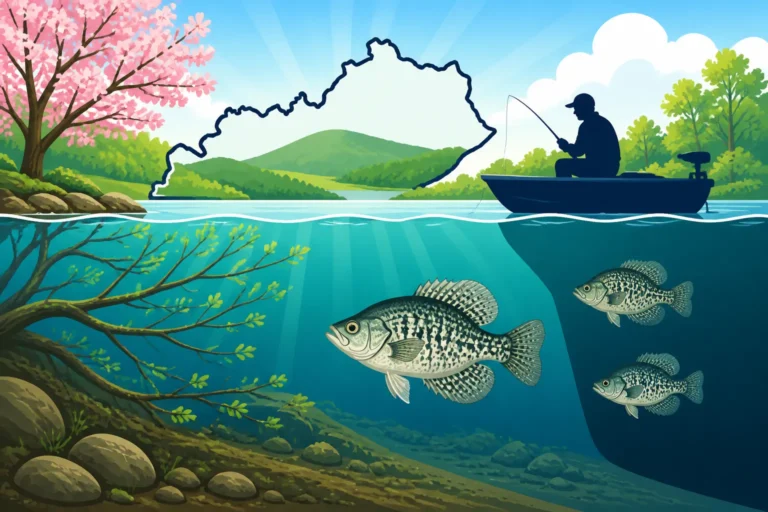
Third, focus on finding vertical cover or deep structure. Fish won't expend much energy chasing, so your bait needs to be practically handed to them. Look for brush piles, submerged timber, or rocky ledges where fish can hold tight. For crappie anglers on Lake Barkley, this might mean probing deep brush piles with tiny jigs or minnows. For bass anglers, target deep creek channels or main lake points. Sometimes, simply leaving your bait motionless for several seconds can be the key to getting a strike. On these tough days, having a variety of finesse baits, easily ordered from Amazon, can really save the day.
Warm Fronts: When the Fish Turn On
Unlike their cold counterparts, warm fronts are generally welcomed by anglers. They bring with them rising temperatures, often cloud cover, and sometimes light rain. More importantly, they are usually preceded by falling barometric pressure, followed by stable or slowly rising pressure, which tends to energize fish. As the front approaches and before it fully sets in, the falling pressure can trigger an aggressive feeding frenzy as fish sense the impending weather change and seize the opportunity to feed.
Once the warm front has passed and stable, warmer weather settles in, fish often remain active. Their metabolism speeds up, and they are more willing to chase and strike baits. This is when the fishing can be truly phenomenal, with fish moving shallower and becoming more predictable in their feeding patterns.
The Pre-Front Feeding Frenzy
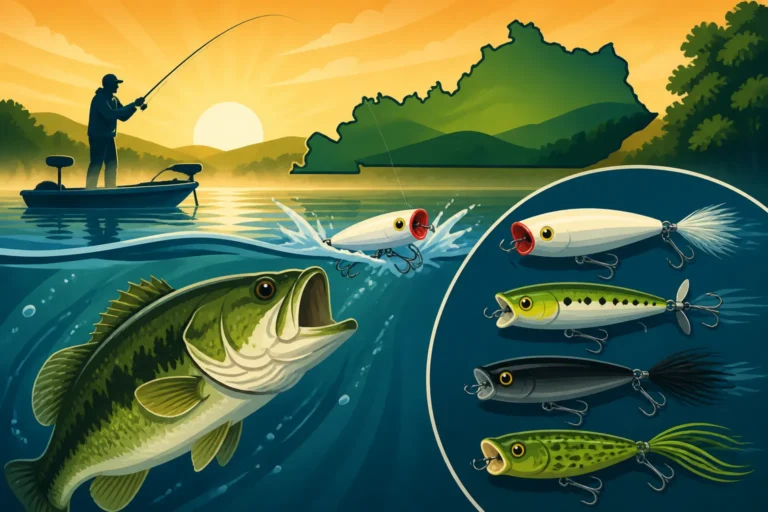
The period just before a warm front, when the barometric pressure is steadily dropping, is often one of the best times to be on the water. Fish detect this change and often go on a feeding binge, anticipating the stormy weather that frequently accompanies a warm front. They become more aggressive, moving into shallower water and actively foraging. This is when topwater lures, spinnerbaits, and crankbaits can be incredibly effective.
Think of it like this: the fish know bad weather is coming, so they want to get a good meal in before they have to hunker down. If you're targeting bass in Kentucky, this might be the perfect time for a fast retrieve with a square bill crankbait around shallow cover or a buzzbait over submerged grass beds. For crappie, they might move closer to the banks or suspend in upper parts of the water column, eagerly snatching minnows or jigs. Monitoring the forecast for an approaching warm front, especially one with a good pressure drop, is crucial for maximizing your time on the water.
Post-Front Stability and Active Fish
After a warm front has moved through, and stable, warmer conditions prevail, fishing often remains excellent, especially if the weather holds for a few days. The air and water temperatures will be on the rise, and the barometric pressure will either be stable or slowly climbing – both ideal conditions for active fish. Fish will typically stay shallower for longer periods, actively feeding and often easier to locate.
During these periods, you can often experiment with a wider range of lures and techniques. Bass might be found cruising shallow flats, crappie could be stacked around brush piles, and catfish might be more active in their feeding lanes. This stable, warm weather is also often when you find fish moving into their seasonal patterns, such as the crappie spawn or the peak bass fishing season in Kentucky. Don't be afraid to try different presentations until you dial into what the fish prefer on that particular day. Sometimes, simply covering more water with a steady retrieve is all it takes to find the active schools. You might even find that specific lures work wonders during these times, and you can easily stock up on a variety of options from Amazon.
Stable Weather: Predictability and Consistency
When the weather fronts aren't actively rolling through, and conditions remain stable for an extended period, anglers can often enjoy the most consistent fishing. Stable weather means stable barometric pressure, and generally, stable water temperatures. This allows fish to settle into predictable patterns, making them easier to locate and catch, whether the pressure is consistently high or consistently low.
The key here is consistency. Fish thrive on routine, and stable weather allows them to establish a routine for feeding, resting, and relating to structure. This is often when local knowledge of a particular lake or river really pays off, as fish will likely be in their usual haunts, doing their usual things.
Extended Periods of High Pressure
Days of blue skies and calm winds often signify an extended period of high barometric pressure. While a sudden jump to high pressure after a front can be tough, consistent high pressure is generally good for fishing. Fish become accustomed to the conditions and will resume their normal activities. They might still prefer slightly deeper water than during a low-pressure front, but they will be actively feeding and less skittish.
During these times, fish can often be found relating to specific types of structure or cover at consistent depths. For instance, on a sunny, calm day at Barren River Lake, you might find bluegill schooling around submerged timber at a specific depth, or bass moving along channel swings. This is a great time for precision fishing, working known fish-holding areas thoroughly. Pay attention to the Best Time of Day to Catch Bass in these conditions, as midday sun can push them deeper, making early mornings or late evenings more productive in shallower zones.
Consistent Low Pressure (No Active Front)
While sustained high pressure is generally preferred, consistent low pressure, without the dramatic swings of an active front, can also provide good fishing opportunities. In fact, some anglers swear by it for certain species, like catfish. During stable low pressure, fish may remain shallower than during high pressure, and they often feel less exposed under a blanket of cloud cover or light drizzle.
The key again is that the pressure isn't fluctuating wildly. It's just consistently lower than average. This allows fish to adjust and maintain their comfort zone. On a consistently cloudy, slightly drizzly day, you might find crappie more willing to bite in brush piles on Lake Barkley, or catfish on the Ohio River more aggressively taking cut bait in shallower holes. The important takeaway is that fish prefer consistency over rapid change, whether that consistency is at a high or low barometric reading.
Adapting Your Strategy: Gear and Techniques for Changing Weather
Successfully navigating the ever-changing Kentucky weather fronts requires flexibility in your fishing strategy. It's not just about what lures you use, but how you present them, where you target fish, and even the gear you bring along. Being prepared for these shifts means being able to switch gears quickly and effectively, turning a potentially slow day into a productive one.
Think of your tackle box as a toolbox: you wouldn't use a hammer for every job, and you shouldn't use the same lure or technique for every weather condition. Having a range of options, from finesse to power fishing setups, will make you a much more adaptable and successful angler.
Lure and Bait Selection
Your choice of lure or bait is critical when weather fronts are in play.
| Weather Condition | Barometric Pressure | Fish Behavior | Recommended Lure/Bait Strategy |
|---|---|---|---|
| Pre-Cold Front | Falling rapidly | Aggressive, feeding frenzy (brief) | Fast-moving baits: crankbaits, spinnerbaits, topwaters |
| Post-Cold Front | Rising/Stable High | Lethargic, deep, tight to cover | Finesse jigs, drop shots, slow-rolled soft plastics, natural colors |
| Pre-Warm Front | Falling steadily | Highly active, moving shallow | Reaction baits: lipless crankbaits, buzzbaits, chatterbaits |
| Post-Warm Front | Rising/Stable Low | Active, roaming, often shallower | Varied; jigs, worms, live bait, covering water quickly |
| Stable High Pressure | Stable High | Predictable, may be slightly deeper | Standard presentations, matching forage, moderate retrieves |
| Stable Low Pressure | Stable Low | Active, often shallower, less skittish | Jigs, worms, live bait, focusing on cover |
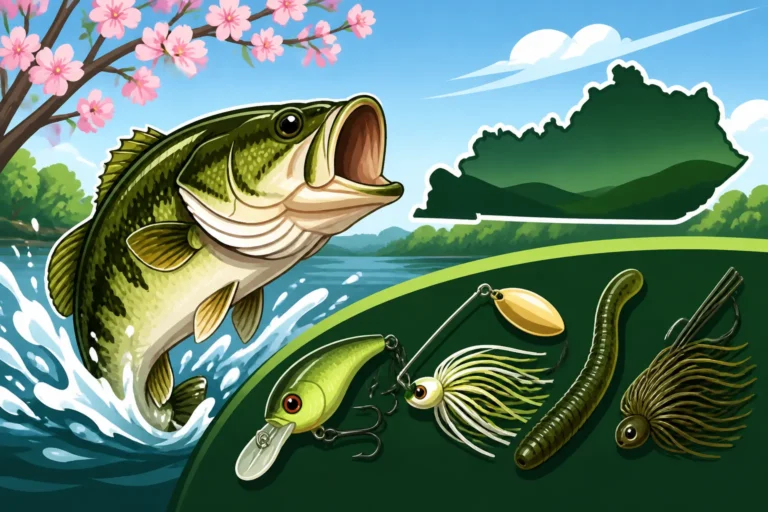
When a cold front hits, it's time to put away the flashy, fast-moving baits. Instead, opt for smaller, more subtle presentations. Think about finesse jigs, small creature baits on a shaky head, or a drop shot rig. Colors should be natural – greens, browns, and black often work well in clear post-front conditions. You want something that looks easy to eat and doesn't require the fish to chase much. Many anglers find reliable finesse gear, from hooks to soft plastics, available on Amazon.
Conversely, as a warm front approaches or during stable warm weather, fish are more likely to chase. This is when larger spinnerbaits, crankbaits, and even topwater lures can shine. Bright, bold colors can sometimes trigger a reaction strike, especially in stained water. The key is to match your bait's size and action to the current forage and the fish's activity level.
Fishing Location and Presentation
Where and how you present your bait are just as important as what bait you choose. After a cold front, fish will often move to deeper water, seeking refuge and thermal stability. Target deep channels, submerged roadbeds, steep drop-offs, and dense brush piles. Your presentation needs to be slow and deliberate, keeping the bait in the strike zone for as long as possible. A slow-drifting live minnow can be incredibly effective for crappie after a front, for instance.
Before a warm front, fish will likely be shallower and more aggressive. They'll be looking for easy meals near cover like fallen trees, weed lines, or rocky shorelines. This is the time to cover water, making numerous casts and retrieving your lure with a faster, more erratic action to trigger those reaction bites. For bass fishing in Kentucky, this could mean working the shallow banks of Taylorsville Lake with a spinnerbait or a squarebill crankbait. Don't forget to check the specific Kentucky fishing regulations explained for your target species, as limits can vary by lake.
Essential Gear for All Weather Conditions
Having the right gear makes adapting to weather fronts much easier.
- Rods and Reels: You'll want a versatile setup. A medium-light spinning combo is great for finesse techniques after a cold front, allowing for lighter lines and subtle presentations. A medium-heavy baitcasting setup is ideal for throwing larger reaction baits before a warm front. Having both on hand means you're ready for anything. You can find a good selection of Best Rods and Reels for Kentucky Fishing on Amazon, catering to different techniques.
- Layered Clothing: Kentucky weather can change quickly. Even if it starts warm, a cold front can drop temperatures drastically. Dressing in layers allows you to adjust your comfort level throughout the day.
- Rain Gear: Light rain often accompanies warm fronts and can even be a blessing for fishing. High-quality rain gear is essential to stay dry and comfortable.
- Sun Protection: Post-cold front skies can be crystal clear and bright. Sunscreen, hats, and polarized sunglasses are vital.
By understanding how weather fronts influence barometric pressure and fish behavior, and by being prepared to adjust your tactics and gear, you can turn challenging fishing days into rewarding experiences on Kentucky's beautiful waters. Remember, fish are always somewhere, and with the right approach, you can find them.
Disclaimer
This article is for general informational purposes only and does not constitute professional advice. Laws, prices and regulations vary by location and change over time. Consult a qualified professional for guidance on your specific situation.