Barren River Lake Crappie Size Limit in Kentucky
It can be incredibly frustrating to head out for a day of crappie fishing, knowing the statewide daily limit, only to get to your favorite spot and realize there's a different rule in play. The confusion around specific lake regulations, especially for popular waters like Barren River Lake, can really throw a wrench in your plans. This comprehensive guide is here to clear up all that uncertainty, detailing the precise crappie size limits for Barren River Lake and why understanding them is crucial for a successful and legal trip.
Understanding Kentucky's Statewide Crappie Regulations
Before we dive into the unique aspects of Barren River Lake, it's really important to grasp the baseline rules for crappie fishing across the Commonwealth. Most of the time, when you're casting your line in Kentucky waters, you'll be operating under a set of general guidelines that are pretty straightforward. Knowing these standard regulations helps to highlight why Barren River Lake stands out.
The General Rule for Crappie in Kentucky
For the vast majority of lakes, rivers, and ponds throughout Kentucky, the Kentucky Department of Fish and Wildlife Resources (KDFWR) has a very clear, consistent regulation when it comes to crappie. Anglers are generally allowed to keep a daily limit of 20 crappie. Now, here's the kicker for most waters: there is no statewide minimum size limit for crappie. This means that if you catch a crappie, no matter if it's a tiny 6-inch panfish or a hefty 14-incher, it counts towards your 20-fish daily bag limit, and you're legally able to keep it.
This straightforward approach makes crappie fishing quite accessible for many, from seasoned pros to kids just learning to cast. You don't have to worry about constantly pulling out a tape measure, which simplifies things immensely when you're trying to manage multiple excited anglers or a hot bite. For more details on the general rules, you can always check out the official guidance on Kentucky Crappie Daily Limit Rules and the broader Kentucky Fishing Regulations Explained. This simplicity is what most anglers expect, making the exceptions all the more vital to understand.
Why Specific Lake Regulations Exist
So, if the statewide rule is so simple, why do certain lakes, like Barren River, have different, often stricter, regulations? It all boils down to fisheries management and the health of the specific fish population in that particular body of water. Lakes are unique ecosystems, and what works for one might not work for another. The KDFWR biologists are constantly monitoring fish populations, looking at growth rates, spawning success, and overall health.
Sometimes, a lake might have an issue with "stunting," where crappie grow too slowly or don't reach a desirable size because there are simply too many of them competing for food. In other cases, a size limit might be implemented to protect a certain year class of fish, allowing them to grow larger and contribute more to future spawning seasons. These specific rules are not arbitrary; they are scientifically determined strategies designed to improve the quality of fishing for anglers and ensure a sustainable fishery for years to come. It’s a delicate balance, and these local adjustments are key to maintaining that equilibrium.
The Specifics of Barren River Lake's Crappie Size Limit
Now, let's get down to brass tacks regarding Barren River Lake. This beautiful body of water, known for its excellent fishing opportunities, plays by a slightly different set of rules when it comes to crappie, and it's essential for every angler to be aware of them to avoid any unwelcome surprises from a game warden.
The 10-Inch Minimum Size Limit Explained
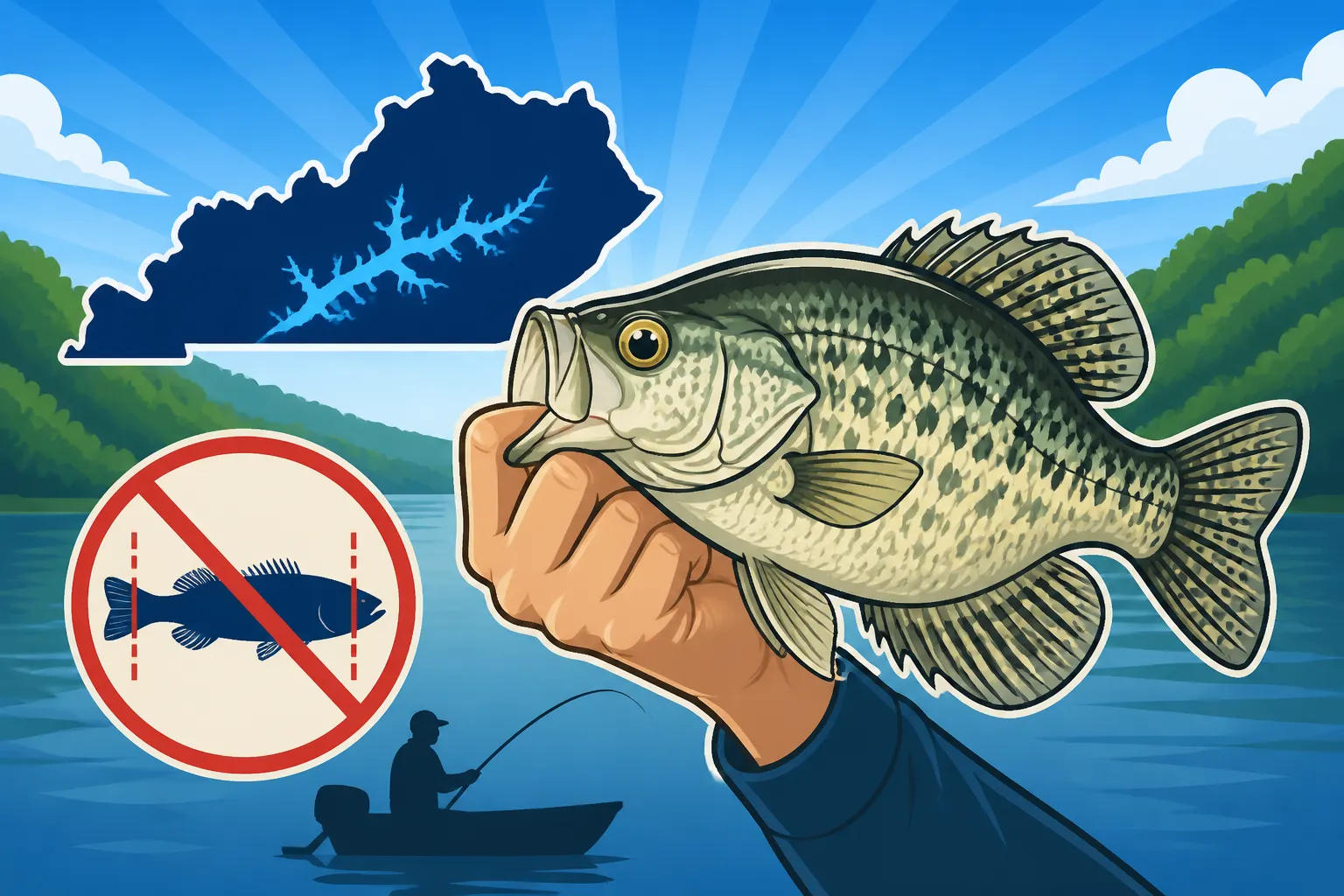
Unlike most other lakes in Kentucky where size doesn't matter for crappie, Barren River Lake has a very specific regulation: crappie caught here must be a minimum of 10 inches long to be legally harvested. If you catch a crappie that measures anything less than 10 inches, you are required to immediately and carefully release it back into the lake. This isn't just a suggestion; it's a binding regulation.
Measuring crappie correctly is also critical. You need to measure the fish from the tip of its snout (with the mouth closed) to the tip of its tail (with the tail compressed or squeezed together). Don't try to measure to the fork in the tail, or with the mouth open, as this could lead to an inaccurate measurement and potentially an undersized fish in your livewell. This 10-inch rule for Barren River Lake is designed to promote a healthier, larger crappie population over time, ensuring that the fish have a chance to grow to a more desirable size before they are kept. Anglers looking for more general lake information can consult the Barren River Lake Fishing Guide for Kentucky Anglers.
Daily Creel Limit for Barren River Lake
Even with the 10-inch minimum size limit, the daily creel limit for crappie on Barren River Lake remains consistent with the statewide general rule: 20 fish per angler per day. This means you can keep up to 20 crappie, but each and every one of those 20 fish must meet or exceed the 10-inch minimum length requirement. You can't just fill your cooler with 20 tiny crappie and a few big ones – every single one has to measure up.
This combination of a size limit and a daily creel limit requires anglers to be more diligent. It's not uncommon to catch many crappie in a day on Barren River Lake, especially during peak seasons like the spring spawn. However, a significant portion of those catches might be under the 10-inch mark, meaning they'll need to be released. This approach helps reduce pressure on smaller fish and allows them to mature, leading to more "keeper" sized fish for everyone in the long run. It's a key part of the KDFWR's strategy to enhance the quality of the crappie fishery in Barren River Lake.
Practical Implications for Anglers on Barren River Lake
Understanding the rules is one thing, but putting them into practice on the water is another. The unique crappie regulations on Barren River Lake definitely influence how you prepare for your trip and how you handle your catches once you're out there. Being prepared can save you a headache and ensure you have a fantastic, regulation-compliant day of fishing.
Measuring and Releasing Undersized Crappie
Since you'll likely be catching and releasing quite a few crappie on Barren River Lake that don't meet the 10-inch minimum, having the right tools and knowing proper handling techniques is paramount. First and foremost, you need a reliable measuring device. A good, rigid measuring board is ideal, as it allows for quick and accurate checks. Many tackle shops, or online retailers like Amazon, offer specialized fish measuring boards that are perfect for this task. Alternatively, a simple tape measure securely affixed to your boat or tackle box can work in a pinch. Just make sure it's clearly marked and easy to read.
When you catch an undersized crappie, the goal is to get it back into the water as quickly and safely as possible, minimizing stress. Handle the fish gently with wet hands, avoiding contact with its gills and eyes. Use a de-hooking tool if the hook is deep, rather than tearing at the fish's mouth. Support its body horizontally, measure it against your board, and if it's under 10 inches, promptly return it to the water, allowing it to swim away on its own power. Proper release techniques significantly increase the survival rate of those future trophy crappie.
Gear and Tactics for Targeting Keeper Crappie
The 10-inch size limit at Barren River Lake might also subtly influence your gear choices and fishing tactics. While you'll still catch crappie of all sizes, some anglers choose to use slightly larger baits or lures, or target deeper structures, with the hope of enticing bigger fish from the get-go. This isn't a foolproof method, but it can shift the odds. For example, instead of tiny jigs, some might opt for a larger 1/8 oz or even 1/4 oz jig tipped with a bigger soft plastic or a larger live minnow.
Focusing on prime crappie habitat where larger fish tend to congregate, such as deep brush piles, submerged timber, or ledges, can also increase your chances. Using sensitive rods and reels is always a good idea for crappie, allowing you to detect subtle bites. Many anglers find success with ultralight or light action spinning combos. You can find a wide range of suitable crappie rods, reels, and specialized lines for sale on platforms like Amazon, ensuring you have the right setup to detect those light bites and handle keeper-sized crappie. Remember, the goal isn't just to catch crappie, but to catch legal crappie, and sometimes a slight adjustment in your approach can make all the difference.
Why Barren River Lake is Different: The Biological Story
It's natural to wonder why Barren River Lake has a special crappie regulation when so many other lakes in Kentucky don't. This isn't an arbitrary decision made by the KDFWR; it's a carefully considered management strategy based on the unique biological characteristics and historical data of the lake's crappie population. Understanding the 'why' can deepen your appreciation for the science behind fisheries management.
Population Dynamics and Management Goals
For a period, Barren River Lake experienced what fisheries biologists call "crappie stunting." This means that the crappie population was incredibly dense, with a huge number of fish, but they weren't growing to a desirable size. There was so much competition for food and space that individual fish couldn't pack on the pounds and reach larger lengths. Imagine a crowded dinner table where everyone gets only a tiny bite – that's essentially what was happening with the crappie.
To combat this, the KDFWR implemented the 10-inch minimum size limit. The primary goal was to thin out the smaller, slower-growing fish by encouraging anglers to harvest the larger, healthier ones, while protecting the sub-legal fish to allow them to continue growing. By removing some of the smaller fish through natural mortality and selective angler harvest, the remaining fish have less competition and more resources, leading to faster growth rates and a higher proportion of larger, healthier crappie. This adaptive management strategy, based on ongoing research and surveys, has proven effective in improving the overall quality of the crappie fishery at Barren River Lake, making it a better destination for anglers seeking bigger slabs.
Comparing Barren River Lake to Other Kentucky Crappie Lakes
The specific 10-inch minimum for Barren River Lake really highlights the varied approaches to fisheries management across Kentucky. While Barren River focuses on promoting growth through a minimum size, other prominent crappie lakes have different strategies. For instance, while Kentucky Lake and Lake Barkley are renowned for their crappie fishing, they typically adhere to the statewide regulation of a 20-fish daily limit with no minimum size. This doesn't mean their fisheries are poorly managed; it simply means their crappie populations exhibit different dynamics that don't necessitate a size restriction at this time.
Here's a quick comparison of some popular Kentucky crappie lakes:
| Lake Name | Crappie Daily Limit | Crappie Size Limit | Primary Management Goal |
|---|---|---|---|
| Barren River Lake | 20 fish | 10-inch minimum | Enhance growth, produce larger crappie |
| Kentucky Lake | 20 fish | No minimum size | Utilize abundant population, high harvest |
| Lake Barkley | 20 fish | No minimum size | Utilize abundant population, high harvest |
| Lake Cumberland | 20 fish | No minimum size | General population health |
| Taylorsville Lake | 20 fish | No minimum size | General population health |
Note: Always check the current KDFWR fishing guide for the most up-to-date regulations before you go fishing, as rules can change.
Each lake is managed individually based on its specific ecosystem and the data collected by KDFWR biologists. A lake might have an abundant forage base that supports rapid crappie growth without needing a size limit, or it might face different pressures that require other types of regulations, such as slot limits for other species. This comprehensive approach ensures that each fishery is optimized for both ecological health and recreational opportunity. For a deeper dive into crappie hotspots, check out Best Crappie Fishing Lakes in Kentucky.
Avoiding Violations and Enjoying Your Trip
Nobody wants a fishing trip to end with a citation. Understanding and adhering to the regulations, especially the unique ones for Barren River Lake, is crucial for both respecting the resource and ensuring your outing is enjoyable and penalty-free. Game wardens are out there to protect the resource and enforce the rules, not to spoil your fun, so knowing the score is your best defense.
Game Warden Checks and Penalties
Kentucky Fish and Wildlife Resources Law Enforcement officers, often referred to as game wardens, regularly patrol lakes and rivers, including Barren River Lake. Their job is to ensure that anglers are following all state fishing regulations, including possessing a valid fishing license (you can learn more about securing yours in the Kentucky Fishing License Guide) and adhering to bag and size limits. If a game warden approaches you, it's essential to be courteous, cooperative, and have your license and any harvested fish readily available for inspection.
If you are found with crappie under the 10-inch minimum size limit, or if you've exceeded the 20-fish daily creel limit on Barren River Lake, you could face significant penalties. These typically include fines, which can range from minor to substantial depending on the severity and frequency of the offense, and potentially the confiscation of your catch and even your fishing gear. Repeat offenses can lead to more serious consequences, including suspension or revocation of your fishing privileges. It’s simply not worth the risk. For more on what happens during an encounter, see What Happens at a License Check on the Water? and the general consequences outlined in Penalties for Fishing Without a License in Kentucky.
Staying Up-to-Date with Regulations
The most critical piece of advice for any angler, especially when fishing a lake with specific regulations like Barren River Lake, is to always check the current year's fishing regulations before you head out. Fisheries management is dynamic; rules can and do change from year to year based on the health of fish populations, environmental factors, and ongoing scientific research. What was true last season might not be true this season.
The Kentucky Department of Fish and Wildlife Resources (KDFWR) publishes an annual fishing and boating guide that contains all the up-to-date regulations for the entire state, including any lake-specific rules. This guide is available for free online on the KDFWR website, and hard copies can often be picked up at bait shops, sporting goods stores, and county clerk offices. Make it a habit to review these regulations every year, and even consider having a digital copy on your phone or a printed copy in your tackle box. Being informed is your best tool for a successful and legal fishing adventure on Barren River Lake and any other body of water you choose to explore in Kentucky.
Disclaimer
Please note that while every effort has been made to provide accurate and up-to-date information, fishing regulations can change. It is always the angler's responsibility to consult the most current Kentucky Department of Fish and Wildlife Resources (KDFWR) fishing and boating guide or their official website before engaging in any fishing activities. This content is for informational purposes only and should not be considered legal advice.