Lake Barkley’s 15-Inch Bass Size Limit Explained
It's incredibly frustrating when you're geared up for a fantastic day on the water, only to realize the fishing rules at your chosen lake are completely different from what you expected. This guide will unravel the specific 15-inch bass size limit that applies to Lake Barkley, helping you understand why it's there and how to fish responsibly, so you can focus on the catch, not the confusion.
Understanding the Unique 15-Inch Bass Size Limit on Lake Barkley
When you head out to fish for bass on Lake Barkley, one of the first and most crucial things you need to etch into your mind is its specific size limit for largemouth and smallmouth bass. This isn't just a suggestion; it's a hard and fast rule designed to protect and enhance the fishery, and it's something that catches many anglers off guard if they're not used to site-specific regulations.
What the 15-Inch Rule Means for Anglers
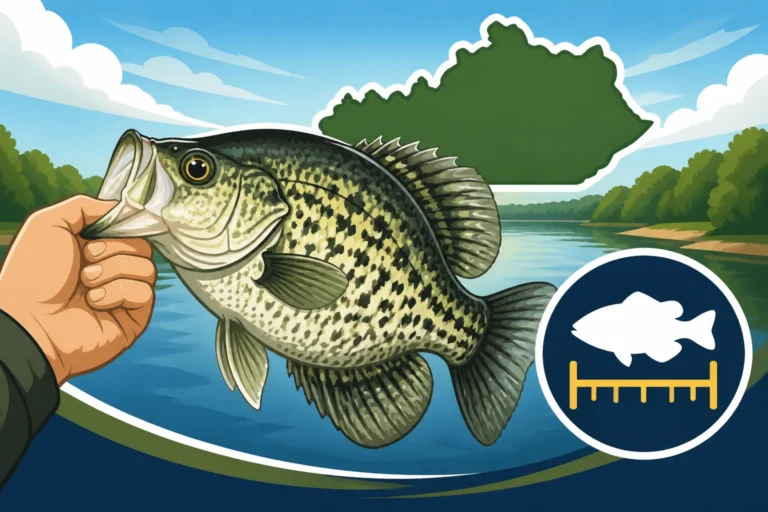
The 15-inch rule on Lake Barkley is pretty straightforward but demands diligence. It means that any largemouth or smallmouth bass you catch must be at least 15 inches long to be legally harvested and kept. If you reel in a bass that measures even 14.9 inches, it absolutely must be released back into the water immediately. This isn't one of those rules with a little wiggle room; game wardens take it very seriously, and for good reason. Imagine you've just landed what you think is a perfectly good keeper, only to measure it and find it's just shy of the mark. That can be a real moment of truth, testing your adherence to the regulations. You might feel a pang of disappointment, but making the right call and carefully releasing that fish is crucial for the health of the lake's bass population. It requires you to be prepared with a reliable measuring device and a clear head, even when the excitement of the catch is running high.
Why Lake Barkley Is Different from Other Kentucky Lakes
It's natural to wonder why Lake Barkley, a gem for anglers, has this particular 15-inch minimum size limit when so many other bodies of water in Kentucky operate under different rules. The answer lies in scientific fisheries management. Wildlife agencies, like the Kentucky Department of Fish and Wildlife Resources (KDFWR), don't just pull these numbers out of thin air. They conduct extensive studies on fish populations, looking at growth rates, spawning success, and overall health. For Lake Barkley, the 15-inch limit was likely implemented to help create a healthier, more balanced bass population. This kind of regulation can prevent overharvesting of juvenile bass, giving them a chance to grow larger and contribute to future spawning cycles. This focus on allowing fish to reach a certain size before being kept helps ensure that the lake can sustain a robust fishery for years to come. By having unique rules for specific lakes, managers can tailor their strategies to the precise ecological needs and fishing pressures of that particular body of water, leading to better fishing for everyone in the long run.
Comparing Lake Barkley's Limit to Kentucky's Statewide Bass Regulations
Navigating fishing regulations in Kentucky can sometimes feel like you need a law degree. Just when you think you've got the general rules down, you hit a lake with a completely different set of stipulations. Lake Barkley is a prime example of this, standing out from the statewide norm.
The Standard 12-Inch Statewide Bass Rule
For the vast majority of public waters across Kentucky, the standard minimum size limit for largemouth and smallmouth bass is 12 inches. This means that if you're fishing a typical lake or river elsewhere in the Commonwealth, you can keep any bass that measures 12 inches or longer. The daily creel limit for bass, which is the maximum number of fish you can keep in a single day, is generally 6 fish statewide, regardless of whether it's largemouth, smallmouth, or even spotted bass, as they often fall under a combined limit. This 12-inch rule is designed to offer a good balance, allowing anglers to harvest a reasonable number of fish while still protecting the younger, smaller bass. For a broader understanding, you might want to check out our guide on the Kentucky Statewide Bass Limit: 12 Inches, 6 Fish a Day, which delves into these general regulations in more detail. It's the go-to rule set for most anglers, but it’s critical to remember that certain popular lakes, like Barkley, have their own distinct exceptions.
Navigating Multiple Regulations Across the Commonwealth
It can feel like you need a law degree to keep up with all the different fishing rules, especially when you're hopping from lake to lake. One day you're on a lake with a 12-inch limit, and the next you're on Lake Barkley with its 15-inch rule, all while trying to remember that some waters even have slot limits where you can only keep fish between certain sizes. This variation is a testament to the KDFWR's nuanced approach to managing fisheries, but it undeniably places the burden of responsibility squarely on the angler's shoulders. Before every fishing trip, especially to a new body of water or one you haven't visited in a while, it is absolutely essential to consult the latest Kentucky Fishing and Boating Guide. This guide, available online or in print where licenses are sold, will have all the up-to-date, site-specific regulations. Skipping this step can lead to an honest mistake that could still result in a hefty fine. For a more comprehensive look at all the different rules you might encounter, our Kentucky Fishing Regulations Explained article covers a lot of ground, and for specific species breakdowns, you can refer to Statewide Bag and Size Limits by Fish Species.
To help put it into perspective, here's a quick comparison:
| Regulation Type | Most Kentucky Waters | Lake Barkley |
|---|---|---|
| Minimum Size Limit (Bass) | 12 inches | 15 inches |
| Daily Creel Limit (Bass) | 6 fish (combined) | 6 fish (combined) |
| Harvest of Sub-Legal Fish | Not permitted | Not permitted |
| Target Fish Growth | Balanced fishery | Enhanced larger fish population |
The Science Behind Lake Barkley's Bass Management Strategy
It might seem like an arbitrary number, but that 15-inch bass limit on Lake Barkley is far from it. It's a calculated move based on scientific research and a clear vision for the lake's future as a prime fishing destination. Understanding the "why" behind the rule can help anglers appreciate its importance and, frankly, make it easier to remember and follow.
Promoting a Healthier and More Robust Bass Population
The primary goal of the 15-inch size limit on Lake Barkley is to foster a healthier and more robust bass population. In fisheries management, these types of minimum size limits are implemented to allow bass to reach a certain age and size before they can be harvested. What this often means is that fish are given the opportunity to spawn at least once, or even multiple times, before they're removed from the population. This helps ensure that there are enough breeding fish to produce the next generation, strengthening the overall genetic health and population density of bass in the lake. By letting those 12- to 14-inch fish go, anglers are essentially investing in the future, allowing those quick-growing juveniles to become mature, larger fish that are not only more exciting to catch but also vital for natural reproduction. Over time, this strategy helps to shift the size structure of the bass population, leading to a greater abundance of bigger, more desirable fish for anglers. This is a common strategy, and if you're curious about how other water bodies are managed, you might find our article Why Some Lakes Have Stricter Bass Limits Than Others insightful, as it explores the various reasons behind these specialized regulations.
The Role of Anglers in Upholding These Regulations
Anglers are not just participants in the fishing ecosystem; they are active stewards. Upholding these regulations, like Lake Barkley's 15-inch bass limit, goes beyond simply avoiding a fine. It's about being a responsible member of the fishing community and contributing to the long-term health of the fishery that you love. Every time you carefully measure a bass and release one that's under the limit, you're directly supporting the KDFWR's conservation efforts. This responsibility also extends to proper handling of released fish. A bass that's under the legal size needs to be returned to the water with as little stress as possible to maximize its chances of survival. This means minimizing air exposure, handling the fish gently with wet hands, and using proper de-hooking tools. Investing in reliable gear, like a quality measuring board you can easily find on Amazon, along with a good pair of long-nose pliers or forceps, makes this process much smoother and safer for the fish. Your actions on the water have a direct impact, and being mindful of these rules is a critical part of sustainable fishing.
Practical Advice for Fishing Under Lake Barkley's 15-Inch Limit
Fishing on Lake Barkley with its unique bass size limit requires a bit of preparation and mindfulness. It's not just about what lure you're throwing, but how you're prepared to handle the fish once you've reeled them in.
Essential Gear for Measuring and Releasing Bass
To confidently fish Lake Barkley, you absolutely need to have the right tools on hand to ensure you're compliant with the 15-inch minimum. The most important piece of gear, beyond your rod and reel, is a reliable measuring board or bump board. You can find plenty of accurate and durable measuring boards on Amazon, ranging from simple foldable plastic models to more robust aluminum ones that attach to your boat. These boards typically have clear markings, often in half-inch increments, which makes quick and precise measurements much easier. I always recommend practicing with your measuring board at home, just to get a feel for it. Beyond measuring, proper release is key. A good pair of long-nosed pliers or a de-hooking tool is essential for quickly and safely removing hooks, especially if the fish has swallowed the bait. Remember to keep the fish in the water as much as possible, using wet hands to minimize damage to their protective slime coat. For more on optimizing your tackle and gear, consider exploring articles like Best Rods and Reels for Kentucky Fishing, which might help you pick equipment that also aids in efficient fish handling.
What Happens If You Accidentally Keep an Undersized Bass
Nobody wants that sinking feeling in their stomach when a game warden checks your cooler, and you realize you've inadvertently kept a fish that's under the legal limit. It happens to even the most seasoned anglers, usually due to a hasty measurement or simply forgetting a specific lake's rule. However, ignorance of the law is generally not a valid defense. If you're caught with an undersized bass on Lake Barkley, you'll likely receive a citation, which typically involves a significant fine. In some cases, depending on the severity and whether it's a repeat offense, you could even face more serious penalties, including the confiscation of your catch or even your fishing gear. The Kentucky Department of Fish and Wildlife Resources officers are usually very understanding if it's a genuine mistake and you're cooperative, but the penalty still stands as a deterrent. The best approach is always immediate and careful release if there's any doubt about a fish's legal size. Better safe than sorry, and it saves a lot of headaches (and money) in the long run. If you're curious about the general implications of not following regulations, our guide on Penalties for Fishing Without a License in Kentucky provides context on how seriously the KDFWR takes compliance, and Game Warden Enforcement and License Checks While Fishing gives you an idea of what to expect if you're approached on the water.
Beyond Bass: Other Species and Regulations on Lake Barkley
While bass often get the spotlight on Lake Barkley, it's a diverse fishery with opportunities to catch a variety of species. Understanding the rules for these other fish is just as important as knowing the bass limits.
Quick Overview of Other Popular Fish in Lake Barkley
Lake Barkley is a veritable smorgasbord for anglers, offering much more than just excellent bass fishing. It's renowned for its fantastic crappie fishing, particularly during the spring spawn, where anglers can often fill their limits with both black and white crappie. Catfish are another huge draw, with channel, blue, and flathead catfish growing to impressive sizes, especially in the deeper channels and along the main lake. And let's not forget the sauger! Lake Barkley is one of the premier destinations for sauger in Kentucky, particularly in the cooler months, offering a unique and exciting fishing challenge. Each of these species, like the bass, comes with its own set of bag and size limits, which can sometimes vary from statewide regulations or even across different parts of the lake system. For a more complete picture of what to target and how, our comprehensive Lake Barkley Fishing Guide for Kentucky Anglers is an excellent resource, detailing prime spots and seasonal patterns for various species.
Always Check Site-Specific Rules
I cannot stress this enough: always, always, always verify the current regulations for any specific body of water before you cast a line. The Kentucky Department of Fish and Wildlife Resources (KDFWR) is the definitive source for all fishing regulations. Their annual Fishing and Boating Guide is updated every year, typically going into effect on March 1st. It's available on their website, at county clerk's offices, and at most places that sell fishing licenses. These rules can change annually based on population surveys, environmental factors, and management goals, so relying on outdated information is a recipe for trouble. What was true last year, or even last month, might have been adjusted. A quick check online before you head out can save you from potential fines and ensures you're doing your part to protect Kentucky's incredible fishing resources. Remember, being a responsible angler means being informed, so check out Kentucky Fishing Rules by Lake and Water for more on how to stay compliant with local rules.
Disclaimer
The information provided in this guide is for general informational purposes only and is subject to change. While we strive to provide accurate and up-to-date content, fishing regulations, license requirements, and other rules can be modified by state and local authorities. Always consult the official Kentucky Department of Fish and Wildlife Resources (KDFWR) regulations and guides before engaging in any fishing activities to ensure compliance with the most current laws. Fishing involves inherent risks; please exercise caution and prioritize safety on the water.