Best Crappie Fishing Lakes in Kentucky
Crappie fishing in Kentucky is an experience unlike any other, offering both the thrill of the catch and the promise of a delicious meal. However, for many anglers, the biggest hurdle isn't finding the right bait or perfect weather, but simply knowing where to cast a line. With so many diverse lakes and rivers across the Bluegrass State, it can feel overwhelming to pinpoint the true crappie hotspots. This comprehensive guide is designed to cut through the confusion, leading you directly to Kentucky's best crappie fishing lakes and equipping you with the knowledge to make your next outing a resounding success.
The Allure of Kentucky Crappie Fishing: Why Anglers Love It
There’s a special magic that draws anglers to crappie fishing in Kentucky. It’s not just about the numbers you can catch, though a good crappie day can certainly fill a cooler! It’s the combination of their widespread availability, their feisty fight, and their undeniable table fare that makes them such a beloved target. From seasoned veterans to kids on their first fishing trip, crappie offer something for everyone. They’re often found in concentrated schools, which means when you find one, you’ve likely found a whole bunch more – leading to some incredibly exciting fishing.
Understanding Crappie Species in Kentucky
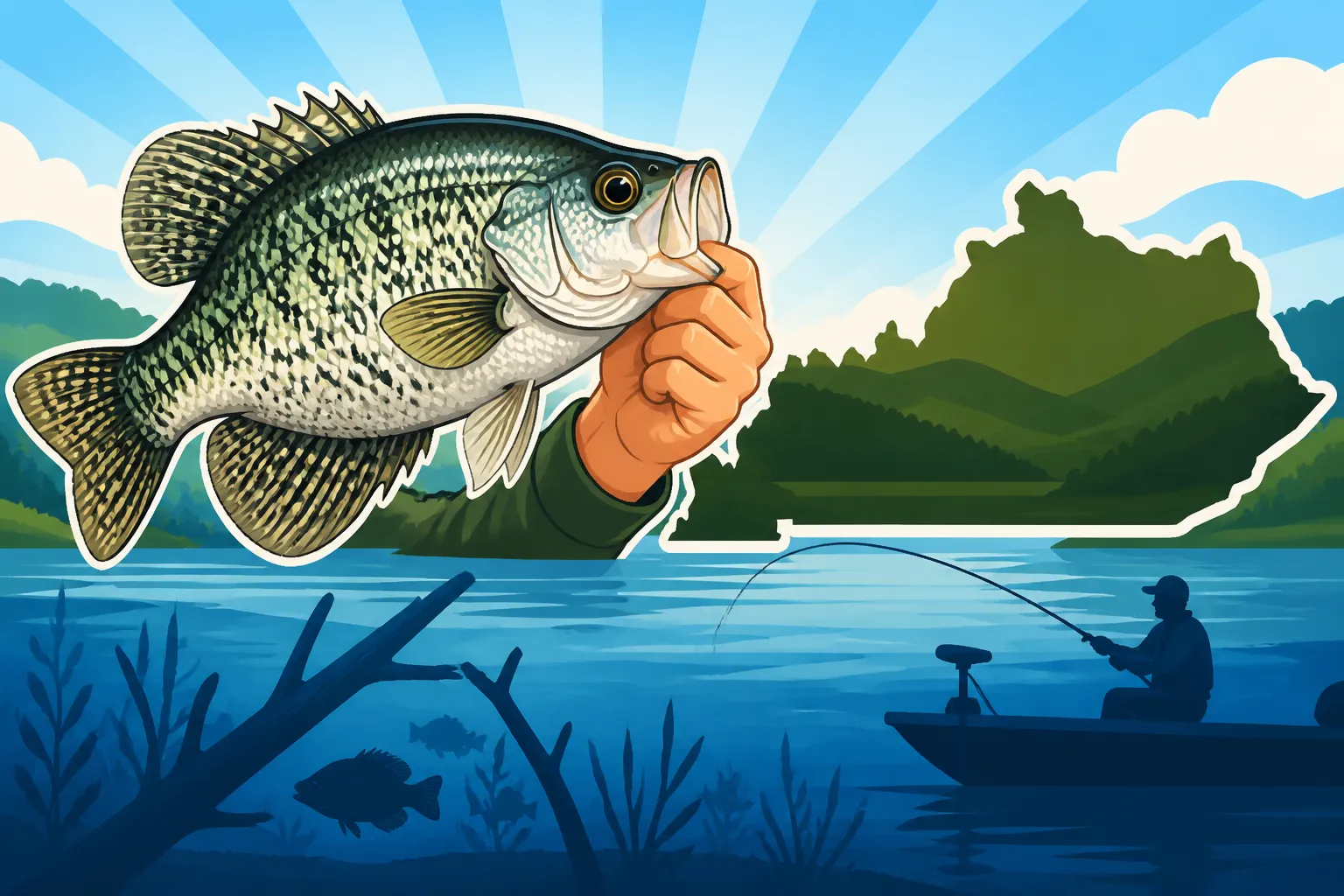
Before we dive into specific lakes, let's talk about the stars of the show: crappie. Kentucky waters are primarily home to two species: the black crappie and the white crappie. While they share many similarities, there are subtle differences that can sometimes influence where and how you target them.
Black crappie tend to prefer clearer water and more aquatic vegetation, often sporting irregular, speckled black markings all over their silvery bodies. Their dorsal fin usually has 7 or 8 spines. White crappie, on the other hand, are a bit more tolerant of turbid (murky) water and are commonly found in rivers and large reservoirs. They have distinct vertical bars along their sides, and their dorsal fin typically has 5 or 6 spines. Both grow to respectable sizes in Kentucky, with trophy-sized slabs being a real possibility on our larger lakes. Understanding these subtle distinctions can sometimes give you an edge, helping you predict which species you might encounter in a particular type of habitat. If you want to delve deeper, checking out Black Crappie Vs White Crappie: Key Differences can provide even more insights.
The Thrill of the Crappie Bite
For many, the crappie bite itself is a huge part of the attraction. It can range from a subtle tap that barely registers on your line to a surprisingly aggressive thud, especially during peak feeding times. There’s a constant challenge in detecting those light bites, setting the hook just right, and then enjoying the spirited fight these panfish put up. They may not be the biggest fish in the lake, but their determination on light tackle is a joy to experience.
Beyond the fight, crappie are renowned for being excellent eating. Their flaky, white meat is a favorite for frying, baking, or grilling, making them a top choice for anglers who like to take home a fresh dinner. This combination of an exciting fishing experience and a tasty reward ensures crappie will always hold a special place in the hearts of Kentucky anglers.
Kentucky Lake: The Gold Standard for Crappie
When you talk about crappie fishing in Kentucky, Kentucky Lake almost always comes up first. This massive reservoir, shared with Tennessee, is legendary for its crappie fishery. Its sprawling waters, abundant submerged timber, creek channels, and vast ledges create an ideal habitat for both black and white crappie to thrive. Anglers travel from all over the region specifically for the opportunity to fill a cooler with Kentucky Lake crappie.
Key Areas and Structure for Kentucky Lake Crappie
Kentucky Lake is enormous, covering over 160,000 acres, so knowing where to start is crucial. The lake's structure is its biggest draw for crappie. Look for flooded timber, brush piles, and stumps in the backs of bays and coves, particularly during the spring spawn. These shallow, protected areas warm up quickly, drawing crappie in to lay their eggs. As the weather heats up, crappie will retreat to deeper water, congregating on main lake ledges, submerged creek channels, and deep brush piles along the old riverbed.
Popular areas include Big Sandy, Blood River, and various bays and creek arms near New Johnsonville and Paris Landing (on the Tennessee side, but indicative of patterns on the Kentucky side). Many locals create and maintain brush piles, so a good fish finder is invaluable for locating these hidden honey holes. Don't be afraid to try different depths along ledges, especially those with sharp drops, as crappie will often suspend at specific depths. To learn more about specific spots, exploring resources like Best Crappie Spots on Kentucky Lake can give you a head start.
Seasonal Strategies for Success on Kentucky Lake
Crappie fishing on Kentucky Lake is productive year-round, but your tactics will need to shift with the seasons.
-
Spring (March-May): This is prime time for the crappie spawn. As water temperatures rise into the 50s and 60s Fahrenheit, crappie move shallow into bays, coves, and creek arms. They'll be concentrated around submerged brush, stumps, and even emergent vegetation in just a few feet of water. Small jigs, usually 1/16 to 1/8 ounce, tipped with a soft plastic grub or a minnow under a bobber, are deadly. Spider rigging with multiple poles out of the front of the boat, slowly trolling jigs and minnows, is also incredibly effective for covering water and locating active fish. For deeper insights into this crucial period, check out Kentucky Crappie Fishing: Spring Spawn Run Guide.
-
Summer (June-August): As temperatures soar, crappie move deeper. They'll relate to main lake ledges, creek channels, and deep brush piles, often suspending anywhere from 10 to 25 feet deep, sometimes even deeper. Vertical jigging directly over structure or slow trolling deeper diving crankbaits and jigs are popular methods. Night fishing under lights can also be incredibly productive, as baitfish are drawn to the light, bringing crappie with them.
-
Fall (September-November): The fall migration sees crappie moving back towards shallower waters as baitfish schools move into creek arms and bays. Look for them around baitfish schools, often suspending over humps, points, and channel swings. Trolling jigs or casting small crankbaits are good options.
-
Winter (December-February): Crappie will hold in deeper creek channels and main lake areas during winter, often congregating in large schools. They might be found around deep brush piles or suspended over channel bends. Slow vertical jigging with minnows or small spoons is the go-to technique, as fish are less active and need a slower presentation.
For anglers looking to explore Kentucky Lake, considering a guided trip through services like FishingBooker can provide invaluable local knowledge and get you on the fish quickly.
Lake Barkley: A Hidden Crappie Gem Next Door
Just across the Land Between the Lakes from Kentucky Lake lies Lake Barkley, another fantastic crappie fishery that often flies under the radar compared to its more famous sibling. While similar in many ways, Barkley has its own unique characteristics and can offer some truly exceptional crappie fishing, especially if you're looking to escape some of the crowds found on Kentucky Lake.
Prime Barkley Crappie Haunts
Lake Barkley shares much of the same riverbed characteristics as Kentucky Lake, with a clear river channel, numerous creek arms, and abundant timber. However, Barkley tends to have a bit more standing timber, especially in its upper reaches, which provides excellent cover for crappie. The Little River arm and various bays like Hurricane Creek, Donaldson Creek, and Eddy Creek are renowned for their crappie populations.
During the spring, focus your efforts in these creek arms and bays, targeting flooded willows, buckbrush, and old stumps in shallow water. As the fish transition to deeper water, follow them to the main lake ledges, bluff walls, and deep-water brush piles along the old Cumberland River channel. Many anglers use side imaging sonar to locate these submerged structures effectively. Finding schools of baitfish on your electronics is often a strong indicator of crappie nearby. While Lake Barkley's Best Sauger Fishing Spots in Kentucky might focus on a different species, the knowledge of the lake's structure and access points is often transferable.
Tailoring Your Approach to Lake Barkley
Fishing Lake Barkley requires similar adaptability to Kentucky Lake, but with a few nuances.
-
Early Spring (February-March): Crappie begin to stage in creek channels and along deeper breaks near spawning flats. Minnows are often king during this colder period. Slow trolling or vertical jigging in 10-20 feet of water can be very effective as fish begin to become more active but haven't fully committed to the shallows.
-
Peak Spring Spawn (April-May): Like Kentucky Lake, the spawn on Barkley is explosive. Crappie will be in extremely shallow water, often less than 5 feet deep, around any available cover. Casting small jigs and plastics, or a minnow under a float, into brush and timber will produce. The key is often finding undisturbed areas away from heavy boat traffic.
-
Summer and Fall: As on Kentucky Lake, crappie move to deeper ledges and creek channels in summer, and then back towards shallow to mid-depth structures in the fall as temperatures cool. Don't overlook the deep bluff banks, especially where there's submerged timber or rock ledges. These can hold crappie year-round. Trolling jigs and minnows at specific depths, or using spider rigs to cover wide areas, are excellent strategies.
Anglers on Lake Barkley often find success by experimenting with different jig colors. Chartreuse, white, and a combination of black and chartreuse are perennial favorites, but sometimes a subtle change to pink or blue can make all the difference.
Lake Cumberland: Deep Waters, Hidden Crappie Gems
Lake Cumberland is widely known for its incredible trout fishery and massive striped bass, but don't let its reputation fool you – it also harbors a healthy population of crappie, particularly black crappie. This deep, clear lake in south-central Kentucky presents a different kind of challenge and reward for crappie anglers. The tactics here often lean towards finesse and precision, making it a great lake for anglers who enjoy a more technical approach.
Finding Crappie in Lake Cumberland's Vastness
Lake Cumberland is one of the largest man-made lakes in the world, with over 50,000 acres and 1,255 miles of shoreline, much of it steep and rocky. Unlike the timber-filled flats of Kentucky Lake, crappie in Cumberland often relate to bluff walls, rocky points, and submerged standing timber on deeper ledges. They tend to suspend more in the open water over channel swings or in the mouths of large coves.
Look for crappie around significant changes in depth, such as where a flat transitions into a channel. The clear water means crappie can be spooky, so a stealthy approach is often best. Creek arms like Otter Creek, Indian Creek, and Wolf Creek can be productive, especially during the spring spawn. Also, pay attention to man-made structures like submerged fish attractors that the Kentucky Department of Fish and Wildlife Resources (KDFWR) might have placed. These are goldmines for crappie.
Adjusting Tactics for Deep-Water Crappie
Crappie fishing on Lake Cumberland often involves adjusting to the lake's depth and clarity.
-
Spring Spawn: Even in a deep lake, crappie will move shallow to spawn. They'll seek out protected coves and shallow flats that warm up, usually around brush and rock. The spawn here might be a bit later than in western Kentucky lakes due to cooler water temperatures. Look for them in 5-15 feet of water. Small tube jigs, soft plastics, or minnows under a slip bobber are effective.
-
Summer & Fall: This is where the deep-water tactics really shine. Crappie will suspend over deep channels or along bluff walls. Spider rigging with multiple poles, using heavier jigs (1/4 to 1/2 ounce) or crappie rigs with minnows, is a common approach. You'll often be fishing in 20-40 feet of water, or even deeper, so a good fish finder is essential for locating schools and determining their depth. Trolling small crankbaits that dive to crappie-holding depths can also be productive, particularly in open water areas where crappie are chasing baitfish.
-
Winter: Winter crappie on Lake Cumberland will be in very deep water, often 40-70 feet, suspended over the main river channel. They might be found near deep brush piles or along the face of bluffs. Vertical jigging small spoons or heavy jigs, or drop-shotting minnows, can entice a bite from these sluggish winter fish.
Remember that Lake Cumberland also has robust populations of other species, so be prepared for a surprise catch if you're not solely focused on crappie. If you plan to fish for trout while you're there, make sure you understand the Kentucky Trout Permit Guide.
Barren River Lake: Southern Kentucky's Crappie Hotspot
Barren River Lake, located near Bowling Green in southern Kentucky, is another fantastic destination for crappie anglers. While perhaps not as massive as Kentucky Lake, its diverse habitat, including standing timber, submerged brush, and rocky points, provides excellent conditions for crappie to thrive. It’s a popular spot for both local and visiting anglers seeking a consistent crappie bite.
Navigating Barren River Lake for Crappie
Barren River Lake boasts about 10,000 acres of water and over 200 miles of shoreline. The lake features both clearer main lake areas and more stained creek arms, offering varied fishing environments. During the spring, crappie are drawn to the shallow, protected coves and creek channels of Skaggs Creek, Peter Creek, and Beaver Creek. These areas provide the perfect blend of warmer water and woody cover for spawning.
As the seasons progress, look for crappie to move to deeper structures like main lake points, ledges, and submerged timber on channel bends. The lake's dam area can also hold crappie, particularly in cooler months, where deeper water provides a stable environment. Utilizing your electronics to find brush piles and baitfish schools will be key to consistent success.
Special Regulations and Tips for Barren River Lake
Barren River Lake has a specific regulation that sets it apart from some other Kentucky lakes regarding crappie.
| Lake | Black Crappie Size Limit | White Crappie Size Limit | Daily Creel Limit (Black & White Combined) |
|---|---|---|---|
| Kentucky Lake | No Minimum Size | No Minimum Size | 30 Fish |
| Lake Barkley | No Minimum Size | No Minimum Size | 30 Fish |
| Lake Cumberland | No Minimum Size | No Minimum Size | 30 Fish |
| Barren River Lake | 10-inch Minimum Size | 10-inch Minimum Size | 20 Fish |
| Taylorsville Lake | No Minimum Size | No Minimum Size | 30 Fish |
| Green River Lake | No Minimum Size | No Minimum Size | 30 Fish |
Note: Always double-check current regulations with the Kentucky Department of Fish and Wildlife Resources before heading out, as rules can change.
As you can see from the table, Barren River Lake has a 10-inch minimum size limit for both black and white crappie, and a daily creel limit of 20 fish. This is a crucial detail to remember! Anglers often get frustrated when they catch smaller fish, but this regulation is in place to help grow a healthier, larger crappie population. This stricter limit means that while you might catch fewer fish, the ones you do keep tend to be of a more desirable size. Understanding Barren River Lake Crappie Size Limit in Kentucky is vital before your trip.
Tips for Barren River Lake:
- Patience with the Size Limit: Don't get discouraged if you catch a lot of smaller crappie. Keep moving, adjust your depth, and try different presentations until you find the larger ones that meet the minimum size.
- Focus on Timber: Barren River Lake has abundant standing and submerged timber, especially in its creek arms. These areas are crappie magnets, so focus your efforts around these structures.
- Target the Spawn Transition: During the early spring, crappie will stage on the edges of the main channels before moving to the shallower spawning flats. Targeting these transition zones with minnows or slow-trolled jigs can be very productive.
- Deep Water in Summer: In the heat of summer, crappie will often move to deeper areas, suspending over channel bends or relating to brush piles in 15-30 feet of water.
For those new to the area, a local guide found on platforms like FishingBooker can offer specific insights into current patterns and help navigate these unique regulations effectively.
Taylorsville Lake: Convenient Crappie Action Near Louisville
For anglers in and around the Louisville and central Kentucky area, Taylorsville Lake is an absolute lifesaver. It offers fantastic crappie fishing without the long drive to the western or southern Kentucky giants. This lake is known for its abundant standing timber and relatively stained water, which provides excellent crappie habitat and often makes fish less spooky than in clearer lakes.
Best Spots and Depths on Taylorsville Lake
Taylorsville Lake spans over 3,000 acres and is characterized by miles of flooded standing timber, particularly in the upper reaches of the lake. This timber is a primary magnet for crappie year-round. The main lake channel, Salt River arm, and numerous embayments are all productive.
- Standing Timber: This is the undisputed crappie sanctuary on Taylorsville. Crappie will use the timber for cover, shade, and ambush points for baitfish. During the spawn, they'll move into the shallower timber in the backs of creeks. In summer and winter, they'll often suspend within the deeper timber stands along channel edges.
- Channel Swings and Ledges: The old Salt River channel carves through the lake, creating crucial depth changes. Crappie will relate to these channel swings and ledges, particularly where brush piles or timber are present.
- Bridge Pilings: The pilings of the bridges crossing the lake can also hold crappie, especially in cooler months, providing vertical structure and current breaks.
The stained water can often make crappie more aggressive, and they might be found at shallower depths even in bright conditions compared to clearer lakes.
Maximizing Your Trip to Taylorsville Lake
Taylorsville Lake fishing patterns for crappie are fairly consistent, allowing anglers to develop reliable strategies.
- Spring Fling: When water temperatures hit the mid-50s, crappie move into the shallower timber in the major creek arms. Focus on the densest timber stands in 4-10 feet of water. Jigs (chartreuse, white, black/chartreuse) and minnows are the top baits, often fished under a slip bobber or by dipping jigs directly into openings in the timber.
- Summer Timber: Don't abandon the timber in summer! Crappie will simply move deeper within it, often suspending in the shade of the canopy. Spider rigging or slow trolling jigs and minnows through the deeper timber lanes can be very effective. A good trolling motor with GPS Spot-Lock can be invaluable for holding position while picking apart a productive timber stand.
- Fall Movement: As water cools, crappie will become more active, moving around the edges of the timber and relating to baitfish schools that push into the creeks. Trolling small crankbaits or casting jigs and retrieving them slowly around timber edges can trigger bites.
- Winter Staging: Crappie will congregate in large schools in the deeper timber stands and along the main river channel during winter. Vertical jigging small minnows or spoons, keeping your presentation slow and precise, is key.
Taylorsville Lake also offers excellent bank fishing opportunities in designated areas, making it accessible even without a boat. Just remember to bring plenty of jigs and minnows!
Green River Lake: Consistent Crappie Opportunities
Green River Lake, located near Campbellsville in central Kentucky, is another excellent and often overlooked crappie destination. It’s a beautiful lake known for its clear water, abundant submerged timber, and healthy populations of various game fish, including crappie. Green River Lake offers consistent crappie fishing throughout the year, with particular hotspots during the spring and fall migrations.
Productive Green River Lake Crappie Locations
Green River Lake covers over 8,200 acres and offers diverse habitats, from shallow, timber-filled coves to deeper main lake points and rock bluffs. Crappie here thrive among the extensive standing timber and submerged brush piles.
- Upper Lake & River Arms: The upper reaches of the Green River arm and various creeks like Robinson Creek are highly productive, especially in spring. These areas have more shallow flats, flooded timber, and smaller coves that warm up quickly and attract spawning crappie.
- Main Lake Points and Ledges: As crappie transition from spawning, they will migrate to deeper main lake points, ledges, and channel swings. Look for areas with significant timber or man-made fish attractors.
- Brush Piles: Like most crappie lakes, strategically placed brush piles are key. Many local anglers and the KDFWR actively maintain these attractors, providing vital cover. A good sonar unit will help you locate these.
The clearer water of Green River Lake might necessitate lighter lines and more natural bait presentations, especially on bright, sunny days.
Seasonal Patterns and Best Baits for Green River Lake
Crappie fishing on Green River Lake follows typical seasonal patterns but with an emphasis on finesse due to the clearer water.
-
Spring Spawn (April-May): Crappie push into shallow water (3-12 feet) in the backs of coves and creek arms. Target flooded timber, brush, and stump fields. Small jigs (1/32 to 1/16 ounce) in natural colors like clear glitter, smoke, or light greens, often tipped with a tiny crappie minnow, are very effective. Fishing minnows under a slip bobber is also a popular and successful method. The fish can be very concentrated during this time.
-
Summer Stratification: In summer, crappie will seek deeper, cooler water, often suspending over the old river channel or relating to deep timber and brush piles. They might be anywhere from 15 to 35 feet deep. Spider rigging with multiple poles, using longer rods to spread lines, and presenting jigs or minnows at various depths until you find the school, is a common technique. Slow trolling small crankbaits can also cover water efficiently.
-
Fall Turnover & Migration: As water temperatures cool and the lake undergoes turnover, crappie become more active. They'll move shallower, following baitfish into creek arms and staging on main lake points. This is a great time for casting small jigs and grubs or slow trolling. The fish are often aggressive as they feed up for winter.
-
Winter Concentration: Crappie will school up tightly in the deepest parts of the main lake channel or in deep creek channels during winter. Look for them around significant submerged timber or brush piles in 25-50 feet of water. Vertical jigging small minnows, tiny spoons, or heavier 1/8 to 1/4 ounce jigs directly over the schools is the best approach for these lethargic fish.
Remember that a current Kentucky Fishing License Guide is required for fishing on Green River Lake, as with any public waters in the state.
Essential Crappie Fishing Gear and Techniques for Kentucky Waters
Having the right gear and understanding effective techniques can significantly boost your crappie fishing success across all of Kentucky's diverse lakes. While specific presentations vary by lake and season, some fundamentals remain constant.
Top Rigs and Baits for Kentucky Crappie
Crappie are not overly picky, but certain presentations consistently out-produce others.
- Jigs: Small jigs, ranging from 1/32 to 1/8 ounce, are probably the most versatile crappie bait. They can be fished under a bobber, cast and retrieved, or vertically jigged. Soft plastic bodies like tube jigs, paddle tails, or curly-tail grubs are common choices. Popular colors include chartreuse, white, pink, black/chartreuse, and various shad patterns. Don't be afraid to experiment with different colors and sizes until you find what the fish prefer on a given day.
- Minnows: Live minnows are a classic crappie killer. They can be fished on a bare hook, under a bobber, or as a trailer on a jig. They're especially effective when fish are lethargic in cold water or during post-front conditions. A small #4 or #6 hook is usually sufficient.
- Crappie Rigs: These are typically pre-tied rigs with two hooks, allowing you to present two baits (jigs, minnows, or a combination) at different depths simultaneously. They are excellent for spider rigging or vertical jigging in deeper water.
- Crankbaits: Small, shallow-diving crankbaits can be very effective, especially when trolling to cover large areas or when crappie are actively chasing baitfish. Look for those in crappie-sized profiles (1-3 inches).
- Line: Light line is crucial for crappie fishing. 4 to 6-pound test monofilament or fluorocarbon is standard. Some anglers prefer braided line for its sensitivity, often with a fluorocarbon leader in clearer water. Check out Best Rods and Reels for Kentucky Crappie Fishing for more on setting up your tackle.
Adapting to Different Fishing Conditions
Crappie fishing is all about adapting. What works one day might not work the next, due to factors like weather, water temperature, and pressure.
- Water Temperature: This is perhaps the most critical factor. As discussed, water temperature dictates crappie movement, particularly during the spawn. Knowing What Water Temperature Triggers the Crappie Spawn in Kentucky can tell you exactly when to target the shallow waters.
- Water Clarity: In clear water (like Lake Cumberland or parts of Green River Lake), use lighter line, smaller baits, and more natural colors. Fish might also be deeper or require a more subtle approach. In stained or murky water (like Taylorsville Lake or the upper reaches of Kentucky Lake), brighter colors like chartreuse and orange often stand out better, and crappie might be more aggressive and shallower.
- Weather Fronts: Cold fronts can shut down the bite, making crappie lethargic and sending them deeper. Slow down your presentation, downsize your baits, and focus on vertical jigging. Overcast days and stable weather are generally excellent for crappie fishing.
- Structure vs. Open Water: Always prioritize structure (timber, brush piles, ledges). When crappie aren't directly on it, they are often suspending nearby. In vast open water, look for baitfish schools on your electronics, as crappie will follow their food source. Many helpful articles on Crappie Fishing Around Brush Piles can further refine your strategy.
- Time of Day: While crappie can be caught all day, dawn and dusk often provide peak feeding windows, especially in warmer months. Night fishing under lights can also be highly productive.
Remember to always consult the current Kentucky Fishing Regulations Explained for any lake-specific rules on bag and size limits before you head out. These details are frequently updated and are crucial for a legal and enjoyable trip.
Disclaimer
Fishing conditions and regulations in Kentucky can change rapidly. While this guide provides comprehensive information based on current knowledge, always verify the latest rules and conditions with the Kentucky Department of Fish and Wildlife Resources (KDFWR) before planning and undertaking any fishing trip. Safety should always be your top priority on the water.