What Wardens Check When They Stop an Angler?
There’s nothing quite like a peaceful day out on the water in Kentucky, rod in hand, soaking up the sunshine. But let’s be honest, that sudden flash of an official boat or the sight of a game warden approaching can send a little jolt of anxiety through even the most law-abiding angler. It's totally normal to feel a bit nervous, wondering if you've accidentally overlooked a regulation. This guide is here to take the mystery out of those encounters, so you’ll know exactly what to expect and how to ensure your interaction is as smooth and stress-free as possible.
The Initial Approach: What to Expect When a Warden Stops You
You’re out there, enjoying the tranquil beauty of Lake Cumberland or the steady flow of the Ohio River, and then you spot them – a boat from the Kentucky Department of Fish and Wildlife Resources (KDFWR), or maybe a truck pulling up to your bankside spot. It’s a common occurrence, and knowing what to expect can make all the difference in turning a potentially stressful moment into a simple, routine check.
Common Reasons for a Stop and How Wardens Identify Themselves
Most of the time, a stop by a game warden (officially known as a conservation officer in Kentucky) is just a routine check. They’re simply doing their job to ensure everyone on the water is playing by the rules and that Kentucky’s precious natural resources are being protected. Think of it less as an accusation and more as a standard verification process. They might be checking every single boat or angler they see, or perhaps they’re focusing on a particular area where they’ve had reports of specific issues.
Sometimes, though, an officer might approach you because they’ve observed something specific. Maybe your boat lights aren’t on as dusk settles, or perhaps they saw you keep a fish that looked undersized from a distance. Whatever the reason, conservation officers typically approach in clearly marked vehicles or boats, often with flashing blue lights, and will identify themselves with their badge and official identification. They're there to enforce the law, but they're also often avid outdoors people themselves and can be a valuable source of information. It’s natural to feel a little surprised, or even a bit nervous, when you see them heading your way, but remember, a calm and cooperative attitude goes a long way.
Your Rights and Responsibilities During a Warden Encounter
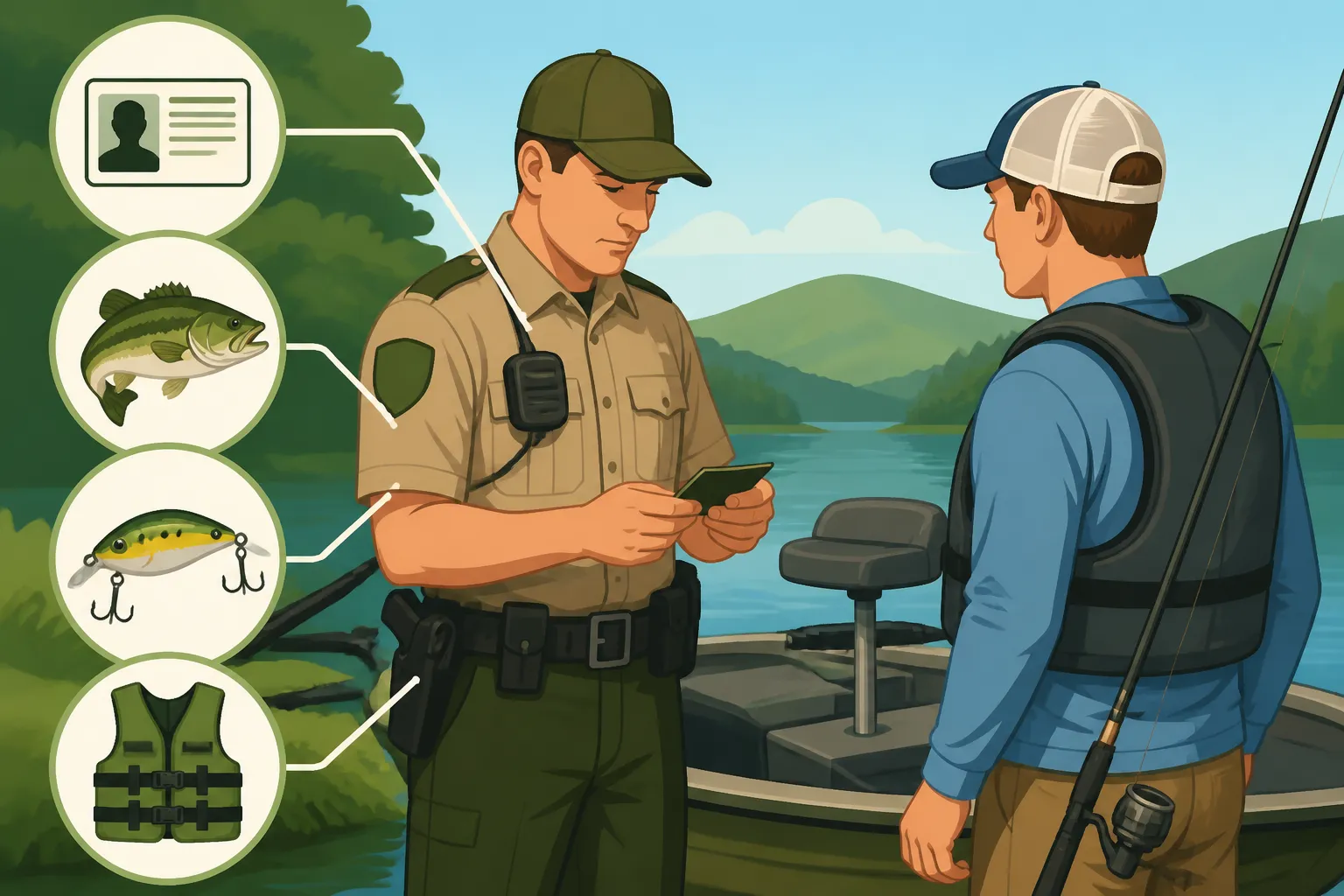
Navigating an interaction with a conservation officer involves understanding both your rights as an angler and your responsibilities. In Kentucky, game wardens have broad authority to stop and inspect individuals engaged in fishing, hunting, and boating activities without needing a warrant. This authority is crucial for them to effectively enforce regulations designed to protect wildlife and ensure public safety. They can ask to see your license, inspect your catch, and check your safety equipment.
Your primary responsibility is to cooperate. This means promptly stopping your vessel or ceasing fishing activity when requested, providing your identification and fishing license when asked, and truthfully answering questions related to your fishing activity. Keep your hands visible, avoid sudden movements, and maintain a respectful tone. While you have the right to remain silent regarding self-incriminating statements, basic identification and presenting your license are generally required. Refusing to cooperate or attempting to obstruct an officer can lead to further legal trouble. Remember, these officers are out there protecting the resource that we all love, and being prepared and polite makes their job, and your experience, much easier.
The Core Checks: What Documents and Gear Wardens Look For
When a Kentucky conservation officer stops you, their primary goal is to ensure you're compliant with state regulations. This involves checking a few key things, from your official documents to what’s in your cooler and the safety gear on your boat. Being prepared with these essentials will make the interaction quick and painless.
Essential Documents: Fishing License and Permits
This is, without a doubt, the first thing any game warden will ask for. Think of your Kentucky Fishing License as your passport to the state's waters. It’s absolutely paramount. You need a valid license to fish in public waters if you are 16 years of age or older, unless it's during the Free Fishing Weekend. Make sure you have it readily accessible. Many anglers keep a digital copy on their phone, which is generally accepted in Kentucky, but it's always a good idea to have a printed backup, just in case your phone battery dies or you lose signal. If you're wondering about the specifics, our detailed Kentucky Fishing License Guide breaks down everything you need to know about purchasing and carrying your license.
Beyond the basic fishing license, wardens will also check for any specialized permits you might need, depending on what you’re fishing for and where. For example, if you’re targeting trout in designated trout waters like the Cumberland River below Lake Cumberland, you'll need a Kentucky Trout Permit Guide in addition to your statewide fishing license. For our senior anglers, there are specific Kentucky Senior Fishing License Options that may apply. It's really easy to forget a small detail like this, but those permits are just as important as your main license. If you've ever found yourself asking, "Do Kids Need a Fishing License in Kentucky?" or are concerned about "Penalties for Fishing Without a License in Kentucky, " it's crucial to be informed before you cast a line.
Bag Limits, Size Restrictions, and Species Identification
Once your documents are verified, the warden will likely want to check your catch. This is where knowing the regulations for what you've reeled in becomes critical. Kentucky has specific Statewide Bag and Size Limits by Fish Species to ensure sustainable fishing and healthy fish populations. These limits dictate not only how many fish of a certain species you can keep in a day but also the minimum or maximum size they must be.
It’s not just about the statewide rules, either. Many lakes and rivers in Kentucky have site-specific regulations that can differ from the general statewide limits. For instance, you might find that the bass size limit on Lake Barkley is different from the rest of the state, as detailed in our guide on "Lake Barkley Bass Size Limit Exception in Kentucky." The same goes for crappie, with places like Barren River Lake having a unique "Barren River Lake Crappie Size Limit in Kentucky." Wardens are highly familiar with these nuances and will verify that your catch complies with both statewide and any specific local regulations. It's on you, the angler, to know these rules before you go out. This is a common point of confusion, and our article, "Why Kentucky Fishing Limits Vary From Lake to Lake, " offers a great explanation. Having a tape measure handy and a clear understanding of fish identification can save you a lot of grief.
Here’s a quick glance at some common species and their statewide limits, keeping in mind that local exceptions always apply:
| Fish Species | Statewide Daily Limit | Statewide Size Limit | Common Lake Exceptions |
|---|---|---|---|
| Largemouth Bass | 6 | 12 inches | Lake Barkley: 15-18 inch slot (no harvest) |
| Smallmouth Bass | 6 | 12 inches | Dale Hollow Lake: 16-21 inch slot (no harvest) |
| Crappie | 20 | No minimum | Barren River Lake: 10-inch minimum |
| Channel Catfish | 15 | No minimum | (Combined with Blue/Flathead up to 15 fish, only 1 > 25") |
| Blue Catfish | 15 | No minimum | (Combined with Channel/Flathead up to 15 fish, only 1 > 25") |
| Flathead Catfish | 5 | No minimum | (Combined with Channel/Blue up to 15 fish, only 1 > 25") |
| Rainbow Trout | 8 | No minimum | Tailwaters and specific streams may have unique rules |
Note: Always double-check current regulations from the KDFWR before fishing, as rules can change.
Equipment and Boat Safety Regulations
It’s easy to get caught up in fishing-specific rules, but conservation officers are also highly trained in enforcing general boating safety regulations. Whether you're fishing from a sleek bass boat on Kentucky Lake or a kayak on a quiet river, your vessel and its occupants must comply with safety standards. The most commonly checked item? Life jackets.
Kentucky law is very clear about personal flotation devices (PFDs). For example, children under 12 years of age must wear a life jacket when underway in a boat. But beyond that, every single person on board, regardless of age, must have a readily accessible, Coast Guard-approved life jacket that fits them properly. This is covered in depth in our guide on "Life Jacket Rules for Boats in Kentucky." For those with motorized boats, wardens will also look for other essential safety gear, such as a fire extinguisher, a sound-producing device (like a horn or whistle), and proper navigation lights, especially if you're out during low light conditions or at night. If you’re in a larger vessel, they might even check for flares or visual distress signals.
And don't forget your boat's registration! Just like a car, your boat needs to be properly registered with the state. Wardens will check for your current registration decals and documentation. If you're new to boating in Kentucky or need a refresher, our article on "Kentucky Boat Registration Requirements Explained" provides all the details. For items like Coast Guard-approved life jackets, visual distress signals, or boat safety kits, you can often find a wide selection on Amazon, making it convenient to ensure you're fully equipped before your next outing.
Common Scenarios and How to Handle Them Smoothly
Even with the best intentions, things can sometimes go awry. Maybe you rushed out the door and forgot something vital, or perhaps you genuinely misidentified a fish. It happens to the best of us. Knowing how to handle these situations gracefully can make a big difference in the outcome.
When You Forget Your License or Have an Expired One
This is probably one of the most common oversights, and it can be incredibly frustrating when you're stopped. You've got your gear, your bait, your favorite hat, but suddenly you realize your fishing license is back on the kitchen counter or, worse, expired last month. It's a real forehead-slapper moment, and wardens see it all the time.
While a warden might issue a warning for a minor, honest mistake, more often than not, fishing without a valid license, or with an expired one, can result in a citation and a fine. The exact "Penalties for Fishing Without a License in Kentucky" can vary, but it's rarely a pleasant experience. The best way to avoid this scenario is to get into the habit of checking your license expiration date and setting a reminder for renewal. Thankfully, it's pretty easy to renew your Kentucky fishing license online these days, which our guide on "Renewing a Kentucky Fishing License Online Before It Expires" walks you through. A quick check before you head out, or keeping a digital copy on your phone, can prevent a lot of headaches and keep your wallet heavier.
Misidentification or Exceeding Limits Accidentally
Kentucky's waters are home to a diverse array of fish, and some species can look remarkably similar, especially to a less experienced eye. It's easy to accidentally misidentify a spotted bass for a largemouth, or to misjudge the size of a crappie, only to find out later it's undersized for the specific lake you're on. Similarly, in the heat of a hot bite, you might inadvertently keep one too many fish, exceeding the daily bag limit.
Wardens understand that genuine mistakes can happen. However, ignorance of the law is not a valid excuse. If you find yourself in this situation, the best approach is honesty and immediate cooperation. Don't try to hide fish or argue. Politely explain what happened, and be prepared for the consequences, which could range from a warning to a citation and fine, depending on the severity and the officer's discretion. The KDFWR website is an invaluable resource for fish identification and current regulations. Before heading to a new spot, always make a point of "Checking Current Regulations Before a Fishing Trip" to avoid these honest but costly errors.
Maintaining a Positive and Respectful Interaction
Beyond all the specific checks, the overall demeanor of your interaction with a conservation officer is incredibly important. A positive and respectful attitude on your part can often lead to a more understanding and efficient encounter, even if a minor infraction has occurred.
When an officer signals you to stop, do so promptly and safely. If you’re in a boat, turn off your motor. If you’re bank fishing, put down your rod. Keep your hands visible, perhaps on the steering wheel or on the gunwale of the boat. Listen carefully to their instructions and questions. Answer truthfully and directly, without offering unnecessary information or becoming defensive. Avoid arguing or engaging in confrontational behavior, as this rarely helps and can escalate the situation. Remember, these officers are out there doing a tough job, often dealing with difficult individuals. By being calm, courteous, and cooperative, you're not only making their job easier but also representing the vast majority of responsible anglers who respect the rules and the resource.
Why These Checks Matter: The Bigger Picture of Conservation
Sometimes, when you're caught up in the moment of getting checked by a game warden, it's easy to feel annoyed or inconvenienced. But it's really important to step back and look at the bigger picture. These checks aren't just about catching rule-breakers; they're a vital part of a much larger effort to protect what we all love about fishing in Kentucky.
Protecting Kentucky's Aquatic Resources for Future Generations
Every time a game warden checks a license or measures a fish, they're contributing to the health and sustainability of Kentucky's aquatic ecosystems. Think about it: the money from fishing licenses goes directly back into conservation efforts. This includes things like stocking programs that ensure there are plenty of fish for everyone, habitat restoration projects that clean up rivers and lakes, and scientific research that helps us understand fish populations better. Without these funds, and without the enforcement that ensures people abide by bag and size limits, our lakes and rivers would quickly become overfished, and the quality of the fishing would decline dramatically.
These rules aren't arbitrary; they are based on scientific data designed to keep populations healthy. If everyone just kept as many fish as they wanted, regardless of size or species, the delicate balance of our fisheries would be destroyed in no time. By enforcing these regulations, wardens are essentially acting as stewards, ensuring that your grandkids will have just as good, if not better, fishing opportunities than you do today. It's about preserving the legacy of Kentucky fishing.
Ensuring Fair Play and Safety for All Anglers
Beyond conservation, game warden checks are also about ensuring a level playing field for everyone. When someone disregards bag limits or uses illegal methods, they're not just harming the fish population; they're essentially stealing from every other angler who follows the rules. Enforcement helps deter poaching and other illegal activities that can give an unfair advantage, making sure that the resource is shared equitably among all legal participants.
And let's not forget safety. The regulations around boat registration, proper lighting, and especially life jacket requirements are there for a reason: to prevent accidents and save lives. A warden checking your boat's safety gear isn't trying to spoil your fun; they're trying to make sure you and your loved ones come home safely at the end of the day. Boating accidents, unfortunately, do happen, and having the right equipment and knowledge can be the difference between a minor incident and a tragedy. By enforcing these rules, wardens contribute to a safer environment for everyone who enjoys Kentucky's beautiful waterways, from casual weekend anglers to serious tournament competitors.
Disclaimer
The information provided in this guide is for general informational purposes only and does not constitute legal advice. While we strive to provide accurate and up-to-date information, fishing regulations in Kentucky can change. It is always the angler's responsibility to consult the official Kentucky Department of Fish and Wildlife Resources (KDFWR) website or current regulation guide for the most accurate and up-to-date rules and laws before engaging in any fishing or boating activities.