Lake Barkley Bass Size Limit Exception in Kentucky
Navigating fishing regulations in Kentucky can sometimes feel like trying to untangle a snarled fishing line – confusing, frustrating, and if you're not careful, it can lead to a big headache. Many anglers assume a "statewide" rule means exactly that, applying everywhere. But when you head to a magnificent body of water like Lake Barkley, you quickly discover that not all bass limits are created equal. This guide will meticulously break down the specific bass size limit exception on Lake Barkley, explaining not just what it is, but why it exists and what it means for your next fishing adventure.
Understanding Kentucky's Statewide Bass Regulations
Before we dive into the unique rules of Lake Barkley, it’s essential to understand the baseline – what Kentucky typically expects from anglers when it comes to bass. The Kentucky Department of Fish and Wildlife Resources (KDFWR) works hard to manage fisheries across the Commonwealth, aiming for healthy fish populations and excellent fishing opportunities for everyone.
General Largemouth and Smallmouth Bass Rules
For most of Kentucky's vast array of lakes, rivers, and streams, the rules for popular black bass species like largemouth and smallmouth are fairly consistent. Generally, you're looking at a minimum size limit designed to protect younger fish and allow them to grow to a reproductive age before being harvested. This ensures future generations of bass and a sustainable fishery. For instance, many waters adhere to a 12-inch minimum length. This means any largemouth or smallmouth bass you catch must be at least 12 inches long from the tip of its snout to the end of its tail, with the tail compressed, before you can legally keep it. Any fish shorter than that needs to be promptly and safely released back into the water. It’s a common rule, and one that most seasoned Kentucky anglers are very familiar with, but it's important to remember that it's not universal.
The purpose behind these statewide rules is clear: conservation. By letting smaller fish mature, they have the chance to spawn, contributing to the overall population. It’s a delicate balance between providing anglers with harvest opportunities and protecting the long-term health of the fish. These general guidelines are the foundation upon which specific lake exceptions are built, making those exceptions stand out even more.
Daily Creel Limits Across the State
In addition to size limits, Kentucky also enforces daily creel limits, which dictate how many fish of a particular species you can keep in a single day. For most bass fishing across Kentucky, the daily creel limit for black bass (largemouth, smallmouth, and spotted bass combined) is usually set at six fish. This limit helps prevent overharvesting, ensuring that there are enough fish for everyone to enjoy and for the ecosystem to thrive. You can learn more about these general rules in our comprehensive guide on Kentucky Statewide Bass Size and Daily Limit Rules.
Imagine you're out on a typical Kentucky lake, say Taylorsville Lake, and you've had an incredible day, reeling in one nice bass after another. Once you've caught and kept six fish that meet the minimum size requirement, you must stop retaining bass for the day, even if you’re still catching them. Any additional bass caught would need to be released immediately. These limits are in place to ensure that the resource is shared fairly among all anglers and that the bass population doesn't dwindle due to excessive harvest.
How Statewide Rules Are Established
The KDFWR doesn't just pull these rules out of thin air. A significant amount of scientific research, data collection, and public input goes into establishing and modifying fishing regulations. Biologists regularly conduct surveys, netting, and electrofishing to assess fish populations, growth rates, and overall health within specific bodies of water. They analyze factors like angler pressure, habitat quality, and the success of past management strategies.
For example, if data shows that bass in a particular lake are growing very slowly and not reaching reproductive size quickly, biologists might recommend a higher minimum size limit to give them more time to mature. Conversely, if a lake becomes overpopulated with smaller, stunted bass, they might suggest removing a size limit entirely for a period to encourage harvest and thin out the population. It's a dynamic process, continuously adapting to the ever-changing conditions of Kentucky's waterways and the needs of its fish populations and anglers.
The Specifics of Lake Barkley's Bass Size Limit
Now, let's talk about Lake Barkley. This incredible reservoir, stretching across both Kentucky and Tennessee, is a gem for anglers, but it comes with its own set of rules, particularly for bass. If you're planning a trip to this popular destination, understanding these specific regulations is absolutely critical.
The 15-Inch Minimum Length Rule
Unlike many other Kentucky lakes where a 12-inch minimum applies, Lake Barkley has a stricter requirement for largemouth and smallmouth bass. Here, any bass you intend to keep must measure at least 15 inches in length. This is a significant difference, and it's one of the most common reasons anglers can find themselves in hot water if they're not paying close attention. This unique rule is often referred to as the Lake Barkley's 15-Inch Bass Size Limit Explained in local angling circles.
Picture this: You’ve just landed what feels like a solid bass, perhaps around 13 or 14 inches. On most other Kentucky lakes, that would be a keeper, a nice addition to the cooler. But on Lake Barkley, that fish is too short. You must release it. Failing to do so, even unintentionally, can lead to fines and other penalties. This stricter limit means you have to be extra vigilant with your measuring tape (which you can easily find on Amazon, by the way, along with handy pocket-sized scales for quick checks) and ensure every fish meets the mark before it goes into the livewell.
Daily Bag Limit on Lake Barkley
While the size limit for bass on Lake Barkley is more stringent, the daily creel limit generally aligns with the statewide standard. Anglers are permitted to keep a total of six black bass (largemouth, smallmouth, and spotted bass combined) per day. This six-fish limit applies regardless of the species mix, as long as each individual fish meets the 15-inch minimum length.
So, you could, for example, keep three largemouth bass and three smallmouth bass, or six largemouth bass, as long as every one of them is at least 15 inches long. This means that while you might be catching more bass throughout the day, the number you can actually take home might be lower than on other lakes due to that higher size threshold. It forces anglers to target and appreciate larger, more mature fish, contributing to the overall quality of the fishery on Lake Barkley.
How to Measure Your Catch Correctly
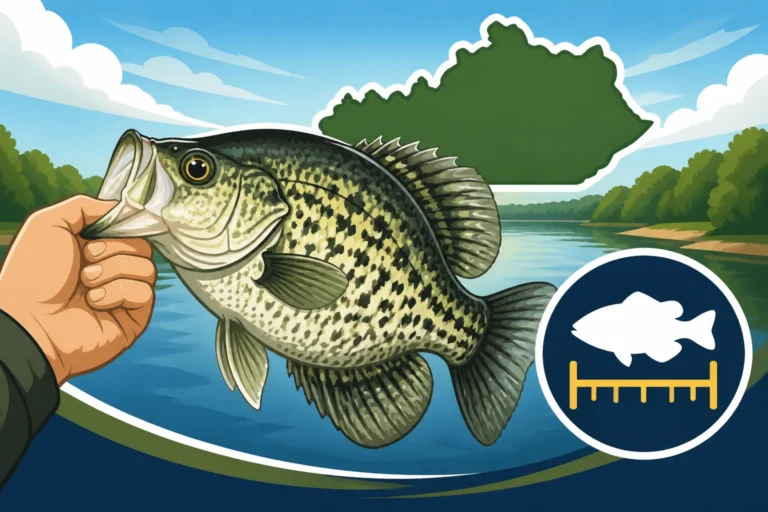
Accurately measuring your fish is paramount, especially when specific size limits are in play. The KDFWR specifies that fish must be measured from the tip of the snout to the end of the tail, with the tail compressed. This isn't just a suggestion; it's a precise method to ensure consistency and avoid disputes.
To measure correctly, lay the fish flat on a measuring board or a flat surface with a ruler. Gently push the snout against the stop of the measuring device. Then, gently squeeze the tail fins together (compress the tail) to get the maximum length, reading the measurement at the very end of the longest tail lobe. Don't eyeball it, and don't try to measure a wiggling fish by holding it up in the air! A proper measuring board is an invaluable tool for any angler, and you can find a variety of reliable, easy-to-read options on Amazon, often with durable, waterproof construction perfect for boat or bank. Always have one readily accessible on your boat or in your tackle box, along with a pair of pliers and a hook remover, so you can quickly and accurately check your catch and release undersized fish with minimal stress.
Why Lake Barkley Has a Different Bass Limit
It's natural to wonder why Lake Barkley, a Kentucky lake, has different regulations from many other waters in the state. This isn't an arbitrary decision but a carefully considered strategy based on ecological factors, historical context, and cooperative management.
Unique Fishery Management Goals
The KDFWR and its Tennessee counterpart (TWRA) collaboratively manage Lake Barkley because it’s a border lake. Both states share an interest in maintaining a healthy and robust fishery. The 15-inch minimum size limit for bass on Lake Barkley is a prime example of a regulation implemented with specific management goals in mind. Generally, such a slot limit or higher minimum size is designed to:
- Protect a strong year-class of fish: If biologists identify a particularly successful spawn, a higher minimum length allows more of those fish to grow to a larger, more desirable size for anglers, and ensures they have ample opportunity to spawn at least once or twice.
- Enhance trophy potential: By requiring fish to reach a larger size before harvest, more bass survive to become truly large, creating a reputation for the lake as a destination for bigger bass. This is particularly relevant for lakes that are known for their bass fishing, drawing anglers from all over.
- Prevent overharvest of specific size classes: Sometimes, too many medium-sized bass are being caught, potentially impacting the balance of the fishery. A higher minimum can help reduce pressure on these crucial size classes.
These goals contribute to Lake Barkley’s reputation as a premier fishing destination. You can find more information about this in articles like Why Lake Barkley Has a Stricter Bass Limit Than the Rest of Kentucky.
Impact of Border Waters with Tennessee
Lake Barkley is a unique body of water because it spans the border between Kentucky and Tennessee. This means that fisheries management is a cooperative effort between the Kentucky Department of Fish and Wildlife Resources (KDFWR) and the Tennessee Wildlife Resources Agency (TWRA). For shared waters like Lake Barkley, both states often agree on reciprocal fishing license rules and harmonized regulations to avoid confusion for anglers who might fish both sides of the state line. This spirit of cooperation is highlighted when considering Tennessee-Kentucky Fishing License Reciprocity Rules.
The 15-inch bass size limit on Lake Barkley is a regulation that has been jointly established and agreed upon by both Kentucky and Tennessee. This ensures that an angler fishing on the Kentucky side of the lake faces the same rules as an angler on the Tennessee side, eliminating the confusion and potential for violations that would arise if different states had different size limits on the same body of water. This harmonization is crucial for effective management and a seamless fishing experience across state lines.
Scientific Data and Population Dynamics
The decision to implement a 15-inch minimum size limit on Lake Barkley is firmly rooted in scientific data and an understanding of the lake's specific population dynamics. Fisheries biologists regularly conduct extensive surveys on Lake Barkley to monitor the health, growth rates, and reproductive success of its bass populations. This data helps them determine if the current regulations are achieving their intended goals.
For example, if surveys reveal that bass in Lake Barkley grow quickly and reach 15 inches at an optimal age for reproduction, then the 15-inch minimum helps ensure that most bass have at least one or two spawning cycles before they are eligible for harvest. This contributes significantly to the lake's ability to sustain a robust bass population. The unique environmental factors of Lake Barkley, such as its nutrient levels, forage base (like shad and bluegill), and habitat structure, all play a role in how its bass populations thrive, influencing the management strategies and specific regulations like the 15-inch minimum length.
Practical Implications for Anglers on Lake Barkley
Understanding the "why" behind Lake Barkley's bass regulations is one thing; putting it into practice on the water is another. These specific rules have tangible implications for how you approach your fishing trip, from the gear you choose to how you avoid legal trouble.
Gear and Technique Adjustments
The 15-inch minimum for bass on Lake Barkley might influence your gear choices and fishing techniques, especially if you're accustomed to fishing waters with a smaller limit. While you don't necessarily need entirely different rods and reels, you might find yourself focusing more on presentations that attract larger, more aggressive bass, rather than just any bass that bites.
This could mean opting for slightly larger lures, like bigger crankbaits, jigs, or soft plastics, which often appeal more to bigger fish. It might also encourage you to explore areas known for holding bigger bass, such as deeper structure, creek channels, or dense cover. Furthermore, because you'll likely be releasing a higher percentage of your catch, especially if you're targeting numbers, having appropriate fish-handling tools is crucial. Consider using a good pair of dehooking tools and a landing net with knotless mesh to minimize stress and injury to fish you plan to release. On Amazon, you can find a wide range of these tools designed specifically for catch-and-release, making the process smoother and safer for the fish.
Tournament Fishing Considerations
Lake Barkley is a popular venue for bass tournaments, and the 15-inch size limit is an absolutely critical rule for competitive anglers. In tournaments, every legal fish counts, and knowing the minimum size is not just about compliance but also about strategy. Anglers competing in Lake Barkley tournaments must ensure every bass they bring to the weigh-in meets the 15-inch threshold. Any fish found to be undersized during the weigh-in will often result in a penalty, such as a significant weight deduction, or even disqualification, depending on the tournament rules.
This strict size limit means that tournament anglers must be meticulous with their measurements throughout the day. Many competitive anglers will have multiple measuring devices on their boat, and some even mark their livewells at the 15-inch line for quick checks. The pressure of a tournament, combined with the excitement of a bite, can sometimes lead to mistakes, which is why constant vigilance is key. When fishing Lake Barkley, competitive anglers should also be aware of Tournament Angler License Rules and Requirements to ensure they are fully compliant with all state and tournament-specific regulations.
Avoiding Penalties for Non-Compliance
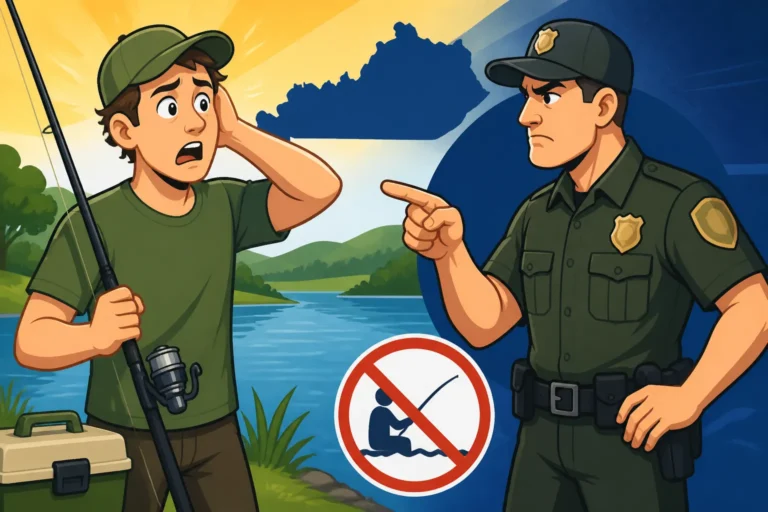
The Kentucky Department of Fish and Wildlife Resources takes its regulations seriously, and game wardens are frequently patrolling Lake Barkley, just like any other major waterway. Being caught with undersized bass or exceeding the daily creel limit can lead to significant penalties. These can range from monetary fines to potential loss of fishing privileges, and even confiscation of gear in severe or repeat offenses. You can learn more about the consequences in our guide on Penalties for Fishing Without a License in Kentucky, though even licensed anglers can face similar issues for regulation violations.
The best way to avoid these penalties is simple: know the rules and follow them. Always have a current copy of the Kentucky Fishing & Boating Guide with you, either physically or digitally on your phone. Measure every fish you intend to keep, and if there's any doubt, release it. When a game warden approaches for a routine check, be courteous, cooperative, and have your Kentucky Fishing License Guide and any harvested fish readily available for inspection. They are there to enforce the rules and protect the resource, and your cooperation makes their job, and your day, much smoother.
Checking Regulations Before You Go
Fishing regulations are not static; they can change periodically based on fisheries management needs. Therefore, relying on old information or assumptions can lead you astray. It’s always best practice to verify the current rules before every trip, especially to a lake with specific exceptions like Lake Barkley.
Official Kentucky Department of Fish and Wildlife Resources KDFWR Sources
The most reliable and up-to-date source for all Kentucky fishing regulations is the Kentucky Department of Fish and Wildlife Resources (KDFWR). They publish an annual Fishing & Boating Guide, which is available both in print at license vendors and online on their official website. This guide is your bible for all things fishing regulations in the state, including specific lake exceptions.
Make it a habit to check the KDFWR website or download the latest digital guide before you head out. The KDFWR website often provides real-time updates and advisories that might not be in the printed guide if changes occurred mid-year. This is especially true for regulations that are lake-specific or species-specific, like the bass limit on Lake Barkley. Always ensure you are looking at the current license year's guide, as rules can shift from one year to the next. You can often find a section dedicated to Kentucky Fishing Regulations Explained, which breaks down all the nuances.
On-the-Water Checks by Game Wardens
It’s not uncommon to encounter a Kentucky Fish and Wildlife Resources game warden while you’re out on the water. These officers are dedicated to conserving Kentucky’s natural resources and ensuring that all anglers and boaters are complying with state laws. A routine check typically involves verifying your valid How to Get a Fishing License in Kentucky, checking that your boat registration is current, and inspecting your catch to ensure it adheres to all size and creel limits.
When a warden signals you to stop, always do so promptly and safely. Have your identification, fishing license, and any harvested fish accessible. Be polite and cooperative. They are performing an important public service, and your cooperation helps the process go smoothly. They'll confirm your fish are legal, including that 15-inch minimum on Lake Barkley bass. These checks are a vital part of protecting the resource, and they serve as a reminder to always be prepared and compliant.
The Importance of Site-Specific Regulations
While statewide regulations provide a baseline, it cannot be stressed enough how vital it is to understand and adhere to site-specific regulations. Many of Kentucky's lakes and rivers have unique rules tailored to their individual fisheries, habitat conditions, or management objectives. What applies to Kentucky Lake or Lake Cumberland might not apply to Lake Barkley, and vice-versa.
A prime example is the crappie size limit on Barren River Lake, which is another exception to a statewide rule, as detailed in Barren River Lake Crappie Size Limit in Kentucky. This highlights that assuming uniform rules across all bodies of water in Kentucky is a recipe for potential fines and legal trouble. Always consult the KDFWR fishing guide and look for the specific section pertaining to the lake or river you plan to fish. This due diligence ensures you're fishing legally and contributing to the responsible management of Kentucky's fantastic fishing opportunities.
Common Misconceptions and FAQs
Even experienced anglers can get tripped up by the specific nuances of fishing regulations. Let's tackle some common questions and clear up a few misconceptions about Lake Barkley's bass size limit.
"It's Just a Recommendation, Right?"
Absolutely not. This is one of the most dangerous misconceptions an angler can have. Size limits and creel limits, including the 15-inch minimum for bass on Lake Barkley, are legal requirements, not suggestions or recommendations. Violating these rules carries consequences, just like any other law.
Thinking that "it's just a guideline" or that you "won't get caught" is a risky mindset. Game wardens are well-trained and dedicated, and they know the local regulations inside and out. The rules are in place for the health of the fishery and the enjoyment of all anglers. Disregarding them not only puts you at risk of fines but also undermines the conservation efforts that make Kentucky fishing so great. Treat every regulation, especially those clearly stated for specific lakes, as a binding law because that's exactly what it is.
Distinguishing Bass Species on Lake Barkley
Lake Barkley is home to largemouth, smallmouth, and spotted bass, all of which fall under the "black bass" category with the combined six-fish daily limit. However, properly identifying them is still important, even if the 15-inch minimum applies to all of them. Largemouth are typically recognized by a jaw that extends past the eye and a deep notch in their dorsal fin. Smallmouth have a jaw that doesn't extend past the eye, and vertical bars or blotches on their sides. Spotted bass often have a smaller mouth than a largemouth, a patch of teeth on their tongue, and distinct rows of spots on their lower belly.
While all three species are subject to the 15-inch minimum on Lake Barkley, knowing which species you're catching can inform your fishing strategy. For example, smallmouth often prefer deeper, rockier habitats, while largemouth tend to hang around submerged cover like grass beds or fallen timber. Being able to distinguish them helps you understand the patterns and preferences of the fish you're targeting. For a detailed breakdown, you might find our guide on How to Identify a Largemouth Bass Vs a Smallmouth Bass helpful.
What If You Accidentally Catch an Undersized Bass?
It's going to happen. You cast your line, you get a bite, and after a fun fight, you reel in a beautiful bass that just doesn't quite make the 15-inch mark. The key here is immediate and careful release. If a fish doesn't meet the size limit, it must be returned to the water as quickly and gently as possible.
Minimize handling time, keep the fish in the water as much as possible while removing the hook, and avoid touching its gills or eyes. If the fish is deeply hooked, it’s often best to cut the line as close to the hook as possible rather than trying to remove the hook, especially if it’s a small, non-stainless hook that will eventually rust away. Having the right tools, like a good pair of long-nose pliers or a hook remover (easily purchased on Amazon), makes this process much easier and reduces stress on the fish, increasing its chances of survival. Your goal is to send that fish back healthy so it can grow larger and fight another day.
Comparing Bass Regulations: Statewide vs. Lake Barkley
To truly underscore the distinction, let's put the general statewide bass regulations side-by-side with those specifically for Lake Barkley. This table provides a quick, visual summary of the key differences.
| Regulation Aspect | Kentucky Statewide (Most Waters) | Lake Barkley Specifics |
|---|---|---|
| Minimum Size Limit | 12 inches for Largemouth/Smallmouth | 15 inches for Largemouth/Smallmouth |
| Daily Creel Limit | 6 black bass (combined) | 6 black bass (combined) |
| Primary Goal | Sustainable harvest, population health | Enhance trophy potential, cross-state consistency |
| Authority | KDFWR | KDFWR & TWRA (Cooperative Management) |
As you can see, the most significant difference lies in that minimum size limit. This difference is not a small detail; it fundamentally changes what is considered a legal keeper on Lake Barkley. Always remember this distinction to ensure your fishing trip is enjoyable and compliant.
Disclaimer
The information provided in this guide is intended for general informational purposes only and does not constitute legal advice. Fishing regulations are subject to change, and while we strive for accuracy, it is the sole responsibility of the individual angler to consult the most current Kentucky Department of Fish and Wildlife Resources (KDFWR) official regulations before engaging in any fishing activities. Always obtain the necessary licenses and permits and adhere to all local, state, and federal laws.