Kentucky Fishing License Covers All Species, but Limits Still Apply
It’s a common moment for many Kentucky anglers: you’ve got your fishing license in hand, you’re standing by the water, and you think, "Okay, I'm legal, I can catch anything that bites!" While it's true that your standard Kentucky fishing license generally covers the taking of most common fish species in public waters, thinking that there are no further rules to mind can lead to a rude awakening. This comprehensive guide will help clear up the nuances, ensuring you understand that while your license opens the door to a wide variety of fish, specific limits and regulations are absolutely crucial to follow for a smooth and legal fishing trip.
Understanding the "All Species" Aspect of Your License
When you purchase a Kentucky fishing license, whether it's an annual resident license or a short-term nonresident option, you're essentially buying the right to participate in the sport within the Commonwealth's public waters. This license is a foundational document that permits you to pursue and catch fish, but it’s not a free pass to unlimited harvesting or ignoring the rules that protect our fisheries.
What Your Basic Kentucky Fishing License Truly Entails
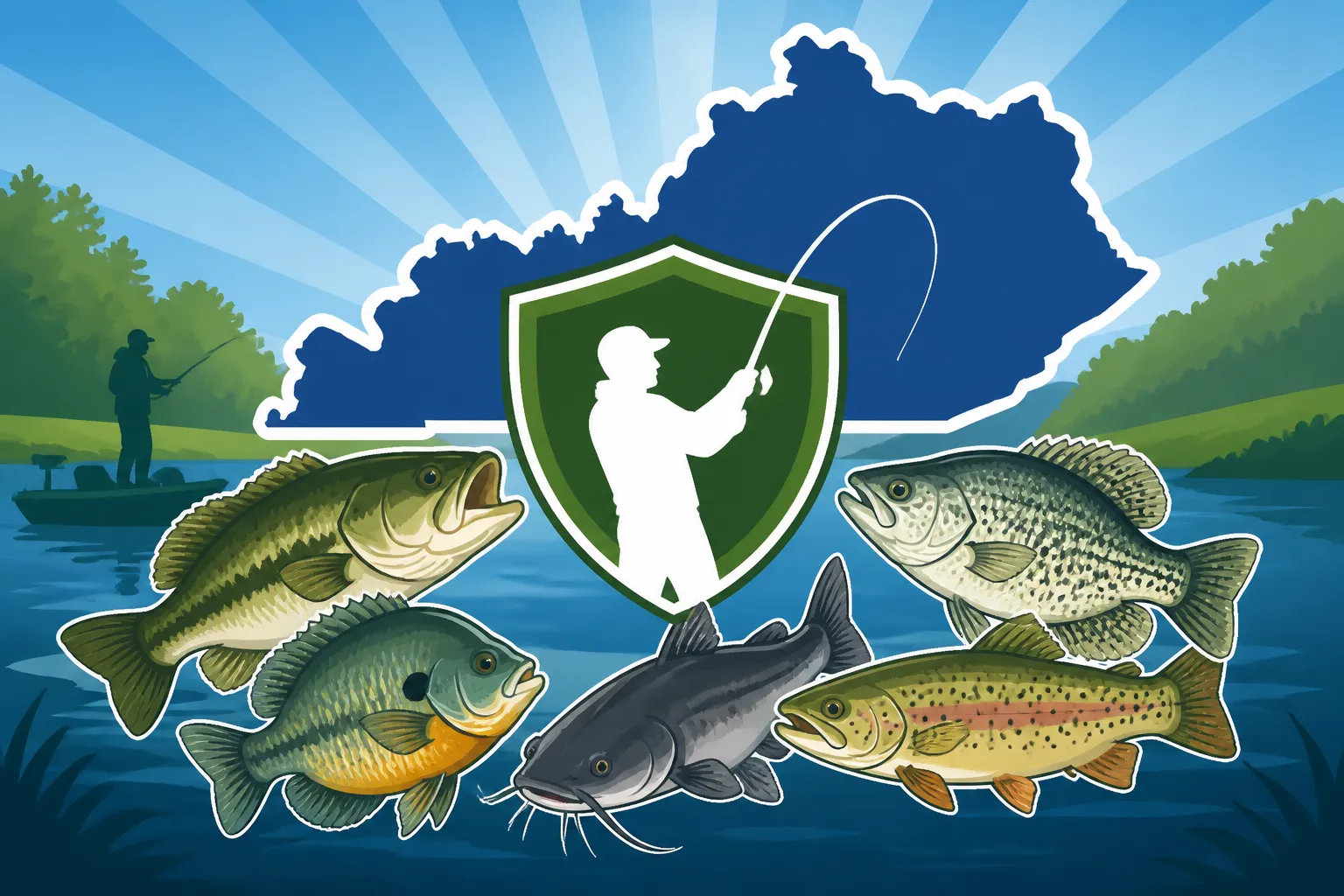
A standard Kentucky fishing license allows you to fish for most of the popular game fish and panfish found across the state. We're talking about the big three: bass (largemouth, smallmouth, spotted), crappie (black and white), and catfish (channel, blue, flathead). Beyond these, it also covers sunfish like bluegill and redear, white bass, striped bass, and even more unique catches like freshwater drum or gar. Essentially, for the vast majority of angling situations in Kentucky, your general fishing license is the primary permit you'll need. It's designed to be a broad authorization, simplifying the process so you don't need a separate license for every single species you might encounter during a regular day on the lake or river. This makes things much more convenient than a system requiring individual permits for each fish, allowing you to react to what's biting without worrying about an additional purchase. For a deeper dive into what you need, check out our guide on how to get a fishing license in Kentucky.
However, the "all species" phrase can be a bit misleading if you don't delve into the specifics. It means you don't need a separate type of license for bass versus crappie, but it certainly doesn't mean there are no limits or rules regarding how many of each species you can keep, or what size they need to be. These are critical details that differentiate responsible angling from potential violations. The Kentucky Department of Fish and Wildlife Resources (KDFWR) manages these regulations carefully to ensure sustainable fish populations for everyone, from seasoned veterans to those just learning how to rig a jig for crappie fishing.
Why You Might Still Need a Trout Permit
Now, here's where the "all species" idea hits a bit of a snag for some folks, and it's a common point of confusion. While your basic fishing license covers a huge array of fish, there's a notable exception: trout. If you plan to fish for trout, whether it's in a stocked stream, one of our beautiful tailwaters, or even Lake Cumberland where they thrive, you'll need to purchase a special Kentucky Trout Permit Guide in addition to your standard fishing license.
This isn't just a sneaky way for the state to make more money; there’s a real reason behind it. Trout fisheries, especially those that rely heavily on stocking programs, are expensive to maintain. The funds generated by the sale of trout permits go directly back into these programs, covering the costs of raising and releasing trout, managing water quality, and maintaining access to these specialized fishing areas. So, while your standard license is broad, trout are considered a special case dueifying their own dedicated funding mechanism. It’s definitely worth the extra few dollars if you're targeting these beautiful cold-water fish, and you can usually add it on when you're buying your main license online or from a local vendor. You can even learn how to add a trout permit to your Kentucky fishing license. Just imagine hooking a feisty rainbow trout in the Cumberland River – that small extra fee feels pretty insignificant then!
Deciphering Daily Bag and Size Limits
This is where the rubber meets the road, folks. Your license is your permission slip to fish, but the bag and size limits are the rules of the game. Ignoring these can turn a fantastic day on the water into a costly and frustrating encounter with a game warden. These regulations are designed to protect fish populations from overharvesting, ensuring there are plenty of fish for future generations and that quality fishing experiences continue.
The Statewide Rules You Can't Ignore
Every single fish species that you might target in Kentucky has a set of statewide rules regarding how many you can keep (the "bag limit") and often, how big they need to be (the "size limit"). These are the baseline rules, the ones that apply unless a specific body of water has an exception. For instance, the general rule for largemouth bass across most of Kentucky is a 12-inch minimum size limit and a daily creel limit of 6 fish. For crappie, it’s a generous 20-fish daily limit with no statewide size minimum, making them a popular target for anglers looking to fill a cooler. Catfish have their own unique rules, often allowing 15 fish combined, but with only one blue or channel catfish over 25 inches. These are just a few examples, and these numbers can and do change over time based on fisheries management data.
It's super important to remember these are daily limits. That means it’s the maximum number of fish you can possess from that species at any given time while on the water, or even in transit from the water. It’s not a cumulative weekly limit or anything like that. If you've got five bass in your livewell, and the limit is six, you can only keep one more that day. Exceeding these limits is a violation, plain and simple, and the penalties for fishing without a license in Kentucky can be steep, ranging from fines to even confiscation of gear. To really get into the nitty-gritty, you'll want to review the Kentucky Fishing Regulations Explained document, which is updated annually. It’s your fishing bible, honestly.
Here's a quick look at some general statewide limits for popular species to give you an idea. Always consult the official KDFWR guide for the most current information!
| Species | Statewide Daily Limit | Statewide Size Limit | Notes |
|---|---|---|---|
| Largemouth Bass | 6 | 12 inches | Aggregate with Smallmouth & Spotted Bass |
| Smallmouth Bass | 6 | 12 inches | Aggregate with Largemouth & Spotted Bass |
| Spotted Bass | 6 | 12 inches | Aggregate with Largemouth & Smallmouth Bass |
| Crappie | 20 | None | Aggregate with Black & White Crappie |
| Channel Catfish | 15 | Only 1 over 25 inches (Blue & Channel combined) | Aggregate with Blue Catfish |
| Blue Catfish | 15 | Only 1 over 25 inches (Blue & Channel combined) | Aggregate with Channel Catfish |
| Flathead Catfish | 5 | 18 inches | |
| Rainbow Trout | 8 | None, unless specified for certain waters | |
| Sauger | 10 | 14 inches | Aggregate with Walleye |
| Walleye | 6 | 15 inches | Aggregate with Sauger |
| White Bass | 30 | None | |
| Striped Bass | 5 | 15 inches |
Remember, this table is a general overview. Specific exceptions, especially for lakes, are extremely common!
Lake-Specific Exceptions to Standard Limits
This is perhaps the most crucial point to understand about Kentucky fishing regulations. While statewide limits provide a baseline, many popular fishing destinations in Kentucky have their own, often more restrictive, site-specific rules. Why? Because different lakes and rivers have different biological capacities and management goals. For example, a lake that is being intensively managed to produce trophy bass might have a higher minimum size limit or a slot limit (where you can only keep fish between certain sizes) to protect the breeding stock.
Consider Lake Barkley, a fantastic fishery that shares border waters with Tennessee. While the statewide bass limit is typically 12 inches, Lake Barkley has a 15-inch minimum size limit for largemouth bass. If you’re used to fishing other Kentucky lakes, mistakenly keeping a 14-inch bass on Lake Barkley could lead to a citation. Similarly, while crappie generally have no statewide size limit, Barren River Lake has a 10-inch minimum size limit for crappie, a rule put in place to help grow larger slab crappie in that particular body of water.
These exceptions are not arbitrary; they are the result of careful scientific study and management by KDFWR biologists who monitor fish populations and angler harvest rates. They're designed to maintain or improve the quality of fishing in that specific body of water. This means that before you head out to any new lake or even one you haven't visited in a while, it's absolutely vital to check the current regulations for that specific location. Thinking that your Kentucky fishing license covers all species, but limits still apply for general rules is a good start, but failing to check the hyper-local variations is a common mistake that new and even experienced anglers make. To avoid any issues, always refer to the specific rules for the lake you plan to fish, which are clearly laid out in the annual KDFWR fishing guide.
The Importance of Checking Local Regulations
I can't stress this enough: always, always, always check the current regulations for the specific body of water you intend to fish. It's easy to assume things stay the same year after year, but fisheries management is dynamic. Population trends, environmental factors, and even angler pressure can lead to changes in limits.
How to Stay Compliant and Avoid Penalties
Staying compliant starts with awareness. Before every significant fishing trip, especially to a new or unfamiliar body of water, take a few minutes to review the current regulations. The Kentucky Department of Fish and Wildlife Resources (KDFWR) is your best friend here. They publish an annual Fishing & Boating Guide, which is absolutely free and available both online and at most license vendors, bait shops, and even places like Walmart or sporting goods stores. This guide clearly outlines all statewide and site-specific regulations. You can also find downloadable PDFs of the guide on the KDFWR website.
Beyond the guide, KDFWR often posts signage at public boat ramps and access points, particularly if there are unique or recent regulation changes for that specific lake or river. Take a moment to read these signs. They’re there to help you stay legal and informed. Carrying a copy of the regulations (either physical or digital on your phone) is also a smart move, so you can quickly reference it if you have any questions while on the water. Imagine a game warden asking to see your fish, and you can instantly show them that your Kentucky crappie daily limit rules are indeed being followed, even for that unique exception on Barren River Lake.
What happens if you're caught violating a regulation? As mentioned before, the consequences can range from a warning to significant fines and potential loss of your fishing privileges. A game warden doing a game warden enforcement and license checks while fishing isn't just checking for your license; they're also checking your catch to ensure it complies with all size and bag limits. Ignorance of the law is generally not considered a valid excuse, so taking the time to educate yourself is truly an investment in hassle-free fishing.
Essential Resources for Up-to-Date Information
In today's digital age, getting current fishing information is easier than ever. The official KDFWR website (fw.ky.gov) should be your primary resource. You can find their comprehensive Kentucky Fishing License Guide there, along with direct links to the current Fishing & Boating Guide in PDF format. This is the absolute authority on all regulations.
Beyond the official state resources, local bait and tackle shops are goldmines of information. The folks who run these shops and their regular customers are often on the water daily and can provide insights into recent changes or even common misunderstandings about specific local rules. If you're heading to a new area, a quick call or visit to a local bait shop can be incredibly helpful. Online fishing forums and social media groups dedicated to Kentucky fishing can also be useful, but always cross-reference any information you find there with the official KDFWR resources, as rumors and outdated information can circulate. Even popular outdoor retailers like those found on Amazon might have local guides or books, but always confirm against the official KDFWR rules. Remember that while your Kentucky fishing license requirements for kids might be simple, the specific rules for what they can keep still apply.
Common Misconceptions and Clarifications
It’s easy to get tangled up in the details, and honestly, even seasoned anglers can sometimes misinterpret or overlook certain aspects of fishing regulations. Let’s clear up a couple of common misunderstandings.
License vs. Regulation: A Crucial Distinction
One of the biggest misconceptions we see is confusing the fishing license itself with the regulations that govern fishing. Think of it this way: your driver's license gives you permission to operate a vehicle, but it doesn't mean you can ignore speed limits, traffic lights, or parking restrictions. Similarly, your Kentucky fishing license costs and types grant you the privilege to fish, but it does not exempt you from the rules about what you can catch, how many, or how big.
The license is the prerequisite; the regulations are the operational guidelines. They work hand-in-hand to manage the state's natural resources effectively. Without a license, you're illegally fishing, regardless of whether you follow bag limits. But even with a valid license, if you violate a bag or size limit, you're still breaking the law. This distinction is vital for understanding responsible angling in Kentucky. It's why Kentucky game wardens routinely perform license checks on the water not just for your valid license, but also to inspect your catch. They're ensuring you adhere to both components of legal fishing.
How Your License Supports Conservation
It’s easy to view purchasing a fishing license as just another fee, but it's much more than that. Every dollar spent on a Kentucky fishing license directly supports the state's fisheries management and conservation efforts. These funds are crucial for a wide range of activities that benefit all anglers, whether you bought your license online or at a rural gas station on your way to the lake.
These funds help pay for vital research into fish populations, allowing biologists to determine healthy stocking levels, set appropriate bag and size limits (like the detailed Kentucky Statewide Bass Size and Daily Limit Rules), and monitor the overall health of our aquatic ecosystems. They also fund fish hatcheries that stock millions of fish annually, including trout, bass, and catfish, ensuring robust populations for recreational angling. Beyond that, license fees support habitat restoration projects, access development (like boat ramps and fishing piers), and educational programs that teach responsible angling practices. So, when you buy your license, you're not just getting permission to fish; you're actively contributing to the health and future of Kentucky's incredible fishing opportunities. Even if you pick up a rod and reel combo and some lures from Amazon, that license is the real investment in the future of the sport.
Disclaimer
Please be aware that fishing regulations, including license requirements, bag limits, and size restrictions, can change. While this guide aims to provide accurate and comprehensive information, it is not a substitute for the official Kentucky Department of Fish and Wildlife Resources (KDFWR) annual Fishing & Boating Guide. Always consult the most current KDFWR regulations directly before engaging in any fishing activities to ensure full compliance.