Game Warden Enforcement and License Checks While Fishing
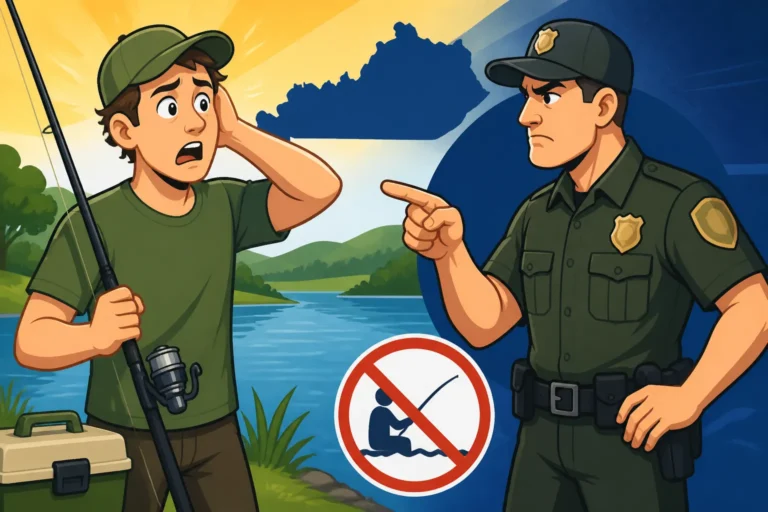
It's a moment many of us have felt a slight knot in our stomachs about: you’re out on the water, enjoying the peace and quiet of a perfect Kentucky fishing day, and then you see a boat approaching with official markings, or a vehicle pulling up to your bankside spot. Suddenly, that relaxed feeling shifts to a mild anxiety about a game warden license check. It's completely normal to feel a bit of apprehension, but understanding what to expect and what your responsibilities are can turn a potentially stressful encounter into a smooth, straightforward interaction. This guide is here to walk you through everything you need to know about game warden enforcement and fishing license checks in the Commonwealth, so you can focus on catching fish, not worrying about a citation.
Understanding the Role of Kentucky Game Wardens
Kentucky's conservation officers, often simply called "game wardens" by anglers, play an absolutely crucial role in maintaining the health and sustainability of our natural resources. They're not just there to catch people breaking rules; their mission is far broader and more vital to the future of fishing in our beautiful state. It's easy to see them as just enforcers, but they are educators, protectors, and critical partners in conservation.
More Than Just "Checking Licenses"
While checking licenses is a primary and visible duty, a game warden's job description goes far beyond just that. These dedicated men and women are highly trained law enforcement officers with full arrest powers, just like any other police officer. They enforce all laws, not just those pertaining to fish and wildlife. On any given day, a Kentucky game warden might be investigating poaching, responding to boating accidents, assisting in search and rescue operations, educating school groups about conservation, or even testifying in court.
Think about it: they cover vast areas, from the sprawling waters of Kentucky Lake to the winding streams in Appalachia, and everything in between. They're often out in remote areas, relying on their expertise and experience to navigate challenging terrain and situations. When you encounter a warden, remember they're usually juggling many responsibilities, and a license check is just one small part of their extensive duties aimed at preserving the outdoor heritage we all cherish. They are an integral part of ensuring that fish populations remain healthy, habitats are protected, and everyone gets a fair shot at enjoying Kentucky's amazing fishing opportunities.
Protecting Kentucky's Natural Resources
The core of a game warden's work revolves around resource protection. This isn't just about fish; it extends to wildlife, habitats, and ensuring the environmental integrity of our lakes, rivers, and streams. They are on the front lines against pollution, habitat destruction, and illegal wildlife trade. Every time they enforce a regulation, whether it's about proper fishing limits or safe boating practices, they are directly contributing to the long-term health of Kentucky's ecosystems.
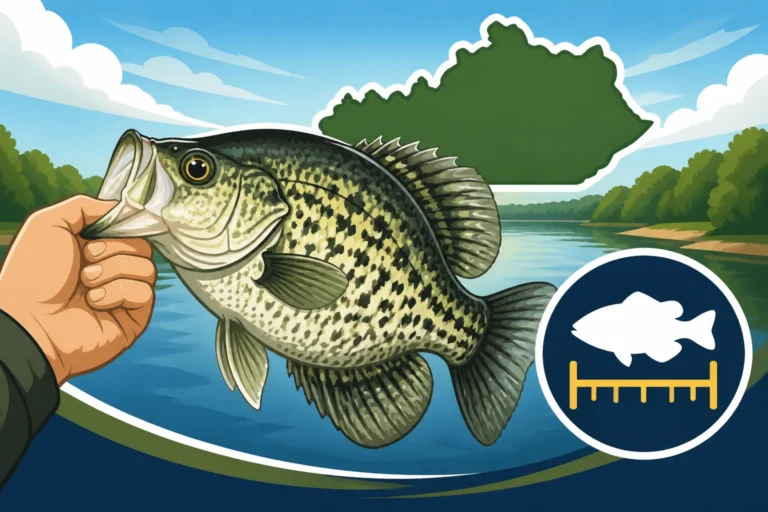
For instance, enforcing length and creel limits on species like bass or crappie isn't just about preventing overfishing by one individual; it's about protecting spawning populations and ensuring future generations of fish. When they check for a Kentucky Trout Permit Guide, they're verifying that anglers are supporting the specific programs that stock and maintain our cold-water fisheries. They might be looking for evidence of aquatic invasive species being introduced, ensuring that boaters are properly cleaning their vessels before moving from one body of water to another. Their vigilance helps prevent catastrophic ecological damage that could decimate our fisheries. They are truly stewards of the wild, working tirelessly to ensure that our cherished outdoor spaces remain vibrant and accessible for everyone.
What Triggers a License Check on the Water or Bank?
It’s natural to wonder, "Why me?" when a game warden pulls up for a check. Is it random? Did someone report me? The truth is, there are several reasons why a game warden might initiate an interaction with an angler, most of which have nothing to do with you personally. Understanding these common triggers can help alleviate any undue stress and remind you that it’s usually just part of their routine.
Random Checks and Routine Patrols
The vast majority of license checks are simply part of a warden's routine patrol. They are out on the water or patrolling shorelines specifically to observe angler activity, ensure compliance, and be a visible presence. Think of it like a police car patrolling a neighborhood – they’re not necessarily looking for trouble, but they are there to deter it and respond if needed. These random checks are essential for effective enforcement and deterring violations across the board.
A warden might stop to check your license and creel simply because you're the next angler they encounter on their route, or because your boat is in an area known for good fishing activity, making it a logical spot to check. They could be doing a concentrated effort in a specific region, perhaps during a popular fishing season or on a busy weekend. For example, during the spring crappie spawn when many anglers are on the water, wardens will be highly visible. They don't need a specific reason or probable cause to approach you on public waters or access points and ask to see your license and check your catch. It's simply part of their job to ensure that everyone is playing by the rules, keeping things fair for all anglers and helping to protect the resource. Having your Kentucky Fishing License Guide readily available makes these routine checks quick and painless.
Observation of Suspicious Activity
While many checks are random, sometimes a warden may approach an angler because they've observed something that raises a flag. This isn't about accusation, but about investigation. It could be something as simple as seeing an angler quickly stash a stringer when the warden's boat approaches, or noticing someone leaving an area with an unusually large cooler that seems out of place for the duration of their trip.
"Suspicious activity" can cover a wide range of things. It might be:
- Rapid packing up: If you suddenly stop fishing and start packing your gear at a frantic pace as the warden's boat gets closer.
- Unusual boat movements: Repeatedly circling an area, especially near private property, or making quick, erratic turns.
- Leaving a known "hot spot" with haste: If a warden knows a certain area is productive and sees someone leaving it immediately upon their approach.
- Apparent attempt to conceal: Any action that looks like an angler is trying to hide fish, fishing gear, or another item.
- Violations of other laws: Even if it’s not fishing-related, if a warden observes something like littering, or signs of intoxication, they have a right to investigate further.
It's important to remember that these observations are often part of a warden's experience and training. They spend countless hours on the water and develop a keen eye for what looks "normal" versus what might indicate a regulation infraction. The best way to avoid falling under this category is to always adhere to all regulations, act openly, and be prepared for a check at any time. If you know you're doing everything by the book, there's nothing to worry about.
Your Rights and Responsibilities During a Stop
When a game warden initiates a stop, it’s helpful to understand what to do and what you're legally obligated to provide. Being cooperative and prepared can make the encounter brief and positive, allowing you to get back to fishing with minimal interruption. Remember, wardens are public servants, and mutual respect goes a long way.
What to Do When Approached by a Warden
The first and most important rule is to remain calm and cooperative. Panicking or acting belligerent will only complicate the situation and potentially escalate it unnecessarily. When a game warden approaches your boat or calls to you from the bank, stop what you are doing, turn off your engine if you’re in a boat, and make it clear you acknowledge their presence.
Here's a good approach:
- Stop all activity: Cease fishing, pull in your lines, and secure your rod. If you're operating a boat, stop the vessel in a safe manner, turn off the engine, and put it in neutral or deploy your anchor.
- Keep your hands visible: This is standard law enforcement advice and helps the officer feel safe.
- Greet them respectfully: A simple "Good morning/afternoon, officer" is perfectly fine.
- Listen to their instructions: They will usually tell you why they've approached you and what they need from you. Follow their directions clearly and promptly.
- Be honest and straightforward: If they ask a question, answer truthfully. Trying to obfuscate or mislead will likely create more problems than it solves.
Remember, wardens are trained professionals. They can often tell when someone is being evasive. A straightforward, honest approach is always the best policy. If you genuinely don't understand a question or instruction, politely ask for clarification. Don't be afraid to speak up if something isn't clear, but do so respectfully.
Required Documents to Present
When a game warden conducts a check, they are primarily looking for proof of your legal right to fish and adherence to regulations. This means having your essential documents readily accessible. In Kentucky, every angler aged 16 and older needs a valid fishing license, and in some cases, additional permits like a trout permit.
You will almost certainly be asked to present:
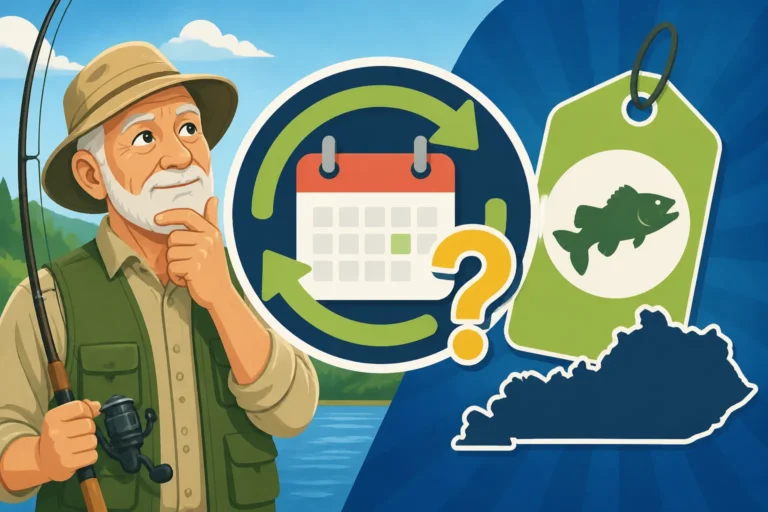
- Your Kentucky Fishing License: This is non-negotiable for anyone aged 16 or older. It needs to be current for the Kentucky Fishing License Year and Renewal Dates. You can either have a physical copy (printed out) or a digital copy displayed on your smartphone. Many anglers prefer to keep their digital license on their phone, perhaps in a waterproof pouch you might find on Amazon, for easy access. Remember, relying solely on your phone means ensuring it's charged and functional.
- Your Trout Permit (if applicable): If you're fishing in designated trout waters or keeping trout, you'll need this in addition to your regular license. For details, check out the Kentucky Trout Permit Guide.
- Photo Identification: A valid government-issued photo ID (driver's license, state ID) is often requested to verify your identity and match it to your fishing license.
It's a good idea to keep these documents in a waterproof wallet or container that's easy to retrieve. Fumbling around for several minutes while a warden waits can be a bit awkward. If you're fishing from a boat, make sure these are somewhere easily reachable from your fishing position. If you're a nonresident, you'll need to show your specific Kentucky Nonresident Fishing License Guide license. Wardens also frequently check that any fish you've caught comply with the Statewide Bag and Size Limits by Fish Species. They may ask to inspect your cooler, livewell, or stringer to count and measure your catch.
Understanding What Wardens Can Ask and Inspect
Game wardens in Kentucky have broad authority to enforce fishing and boating laws. This means they can ask specific questions and inspect certain items to ensure compliance. Knowing the scope of their authority can help you navigate the interaction smoothly.
During a stop, a warden can typically:
- Ask for your name, address, and date of birth to verify your identity.
- Request to see your valid Kentucky fishing license and any required permits.
- Ask about your fishing activity: Where you’ve been fishing, what you’re targeting, how long you’ve been out.
- Inspect your fishing equipment: This could include checking your rods, reels, and tackle to ensure they comply with regulations (e.g., legal methods of take).
- Inspect your catch: They will ask to see any fish you have in your possession, whether it's in a livewell, cooler, or on a stringer. They will measure fish and count them to ensure you are within the legal Kentucky Fishing Regulations Explained size and creel limits.
- Inspect your vessel: If you are in a boat, they can check for required safety equipment such as life jackets, fire extinguishers, navigation lights, and sounding devices. For specifics, you might want to review the Life Jacket Rules for Boats in Kentucky.
- Ask about your boating activities: If you are operating a boat, they may ask about your speed, any wake you are producing, or if you have a Kentucky Boat Safety Certificate Requirements if applicable to your age.
It's important to remember that these inspections are not arbitrary harassment but are a necessary part of their duty to enforce conservation laws. If you have nothing to hide, these checks are usually quick and professional. Refusal to comply with a lawful request can lead to further investigation, detention, or even charges, so it's always in your best interest to be cooperative.
Common Violations and Their Consequences
Ignorance of the law is rarely an acceptable excuse when it comes to violations. While minor infractions might sometimes result in a warning, many common violations carry significant penalties, including hefty fines, confiscation of gear, and even license revocation. Knowing the rules isn't just about avoiding a ticket; it's about being a responsible angler and contributing to healthy fisheries.
Fishing Without a Valid License or Permit
This is arguably the most common and easily preventable violation. If you are 16 years of age or older and are caught fishing in Kentucky waters without a current, valid fishing license, you are breaking the law. This also includes not having an additional permit, such as the trout permit, when fishing in areas where it's required.
The consequences for fishing without a license can be pretty steep. You could face:
- Significant Fines: A first offense can easily run into hundreds of dollars. For instance, the Penalties for Fishing Without a License in Kentucky can be quite substantial, often starting around $50 to $200, plus court costs. These aren't cheap "oops" fees; they're designed to deter repeat offenses and ensure compliance.
- Confiscation of Gear: In some cases, your fishing gear, including rods, reels, and even your boat, could be confiscated, especially for repeat offenses or egregious violations.
- Loss of Fishing Privileges: You might lose your right to fish for a period, or even permanently, depending on the severity and history of violations.
- Criminal Record: While often a misdemeanor, it still creates a criminal record, which can have other ripple effects on your life.
The cost of a fishing license, even a nonresident one, is a small fraction of what a fine would be. For example, a Kentucky Resident Annual Fishing License Costs $24.31 and a Kentucky Nonresident Annual Fishing License Costs $58.14. When you consider the price of gas, bait, and tackle for a fishing trip, the license cost is a minor expense, but an essential one. Don't risk it! It's simply not worth the hassle or the financial hit.
Exceeding Bag or Size Limits
These regulations are put in place by the Kentucky Department of Fish and Wildlife Resources (KDFWR) to manage fish populations and prevent overharvesting. Exceeding the daily creel limit (how many fish you can keep) or keeping fish that are under or over a specific length (size limit) are serious violations. These limits can vary significantly by species and even by specific body of water, making it crucial to always check the most current regulations for where you are fishing. For instance, the Kentucky Statewide Bass Limit: 12 Inches, 6 Fish a Day is a general rule, but some lakes have exceptions, like Lake Barkley's 15-Inch Bass Size Limit Explained.
Consequences for exceeding limits can include:
- Fines: Penalties for over-the-limit or out-of-slot fish are often assessed per fish over the limit or out of the legal slot. This means if you have multiple illegal fish, your fine can quickly skyrocket.
- Confiscation of Fish: Any illegally possessed fish will be confiscated by the warden.
- Confiscation of Gear: Similar to license violations, your gear could be seized.
- License Suspension: Repeated or severe violations could lead to the suspension of your fishing privileges.
It's vital to know the specific rules for the body of water you're fishing. Before heading out, take a few minutes to review the KDFWR's regulations digest or their website. There's an entire section dedicated to Statewide Bag and Size Limits by Fish Species and it’s always being updated. A small, waterproof copy of the regulations in your tackle box or a quick check on your phone before you even cast a line can save you a lot of grief.
Other Regulations to Be Aware Of
Beyond licenses and limits, Kentucky has a host of other fishing regulations designed to ensure fair chase, protect ecosystems, and promote safety. Being aware of these rules is part of being a responsible and ethical angler.
Some other common regulations that could lead to an enforcement action include:
- Illegal Methods of Take: Using prohibited fishing methods, such as snagging fish outside of designated seasons, using illegal nets or traps, or employing explosives or chemicals, are extremely serious offenses with severe penalties.
- Boating Violations: If you're fishing from a boat, wardens will also enforce boating safety laws. This includes having enough personal flotation devices (PFDs) for everyone on board, proper navigation lights, a fire extinguisher, and not operating under the influence. Check out the Kentucky Boat Registration Requirements Explained to ensure your vessel is compliant.
- Littering: Leaving trash behind on the bank or in the water is not only disrespectful to other anglers and the environment but also a punishable offense.
- Trespassing: Fishing on private property without permission can lead to charges, even if you have a valid fishing license. Make sure you understand the difference between License-Required Waters Versus Private Ponds.
- Leaving Fish to Waste: Intentionally wasting fish is often prohibited. If you catch fish you intend to keep, you must make a reasonable effort to ensure they are properly cared for and consumed.
The KDFWR website is an invaluable resource for staying up-to-date on all regulations. Many anglers keep a small printed copy of the latest fishing and boating guide in their tackle box or boat, and you can also find comprehensive guides and regulation books on Amazon that cover specific topics like Kentucky Crappie Daily Limit Rules or Kentucky Catfish Daily Limit and Trophy Fish Rule. A little bit of homework before your trip can prevent a very unpleasant surprise from a game warden.
How Technology Aids Enforcement and Compliance
In an increasingly digital world, technology plays a significant role in both game warden enforcement and making it easier for anglers to comply with regulations. From digital licenses to online reporting, these advancements are streamlining processes and enhancing conservation efforts across Kentucky.
Digital Licenses and Online Systems
Gone are the days when you absolutely had to carry a crumpled paper license in your wallet. Kentucky, like many states, has embraced digital solutions to make acquiring and carrying your fishing license more convenient. You can now purchase and store your license on your smartphone, tablet, or other mobile device. This is a game-changer for many anglers.
The KDFWR's online licensing system allows you to:
- Purchase new licenses and permits: You can easily buy your Kentucky Resident Annual Fishing License Cost or a Kentucky Trout Permit Cost and Requirements from your computer or phone at any time, day or night.
- Renew existing licenses: The system alerts you when your license is about to expire, and you can quickly renew your Kentucky Fishing License Year and Renewal Dates online. This feature helps prevent accidentally fishing with an expired license.
- Print replacement copies: If you prefer a physical copy or lose your original, you can simply log in and print another.
- Display your license digitally: When a warden asks to see your license, you can pull it up on your smartphone. Just make sure your phone is charged!
While digital licenses offer immense convenience, it's worth considering a few things. First, always have your phone charged. Second, ensure you know how to quickly access your license even if you're in an area with spotty cell service; screenshots or downloaded PDFs can be lifesavers. Third, having a physical backup or at least being able to access your license number if your phone fails is a good idea. Many anglers choose to print a copy and store it safely in their tackle box, just in case. The article on Digital vs Printed Kentucky Fishing License on the Water has some great tips on managing both.
Social Media and Community Reporting
Technology isn't just for licenses; it's also a powerful tool for community engagement and enforcement. Social media platforms and online reporting systems have become valuable resources for both the KDFWR and the angling public.
- Public Awareness and Education: The KDFWR uses its social media channels (Facebook, X, etc.) to share important updates, regulation changes, fishing reports, and educational content. This helps anglers stay informed about everything from Kentucky Free Fishing Weekend Guide dates to new fish stockings.
- Reporting Violations: If you witness a suspected violation, you no longer have to find a payphone or hope a warden happens to be nearby. Many states, including Kentucky, have online reporting forms or dedicated hotlines. You can anonymously report poaching, over-the-limit fishing, or other illegal activities. This empowers the community to be extra eyes and ears for conservation officers, especially in remote areas.
- Intelligence Gathering for Wardens: While wardens rely heavily on their patrols, social media can sometimes provide them with valuable intelligence. Anglers who post photos of their catches, especially if they are over the limit or out of season, can inadvertently provide evidence of violations. Wardens monitor these platforms, and while it's fantastic to share your success, always ensure your photos only display legal catches.
This intersection of technology, community, and enforcement means a more informed public and a more efficient system for protecting Kentucky's fisheries. It's a testament to how modern tools can support age-old conservation goals.
Ensuring a Smooth Encounter: Preparation is Key
The best way to handle any interaction with a game warden is to be prepared. A little bit of foresight before you even leave the house can save you a lot of stress, time, and potential fines, allowing you to focus on the joy of fishing. Think of it as part of your pre-trip checklist, just like packing your tackle box and checking the weather.
Pre-Trip Checklist for Anglers
Before you ever cast a line, a quick run-through of essential items and information can make all the difference. This preparedness ensures that if a warden stops you, the encounter will be swift and pleasant.
Here’s a checklist to consider before every fishing trip:
- Valid License & Permits: Double-check that your Kentucky fishing license is current. If you're targeting trout, make sure your How to Add a Trout Permit to Your Kentucky Fishing License is also valid. Have it printed or easily accessible on your phone.
- Photo ID: Keep your driver’s license or state ID with your fishing license.
- Current Regulations: Know the specific regulations for the body of water you'll be fishing, especially bag and size limits for your target species. These are often site-specific. The KDFWR publishes a detailed guide that's worth keeping in your gear bag, or you can check the website for Checking Current Regulations Before a Fishing Trip.
- Safety Gear (if boating): Ensure your boat is equipped with all required safety gear: enough life jackets for everyone on board (especially kids under 12, who must wear them), a fire extinguisher, sounding devices, and navigation lights if you'll be out at dawn/dusk or night. The Kentucky Boating Safety Gear Checklist can help you out here.
- Measuring Device: Carry a ruler or tape measure to verify your catch meets legal size requirements.
- Cooler/Livewell Management: If you're keeping fish, ensure your cooler or livewell is organized, so fish can be easily counted and measured by a warden. Don't mix species if there are different limits, or put illegally sized fish underneath legal ones.
- Proper Disposal: Have a plan for disposing of trash, line scraps, and any unwanted bait properly.
By addressing these points before you even leave home, you're not just preparing for a warden check; you're also setting yourself up for a safer, more responsible, and ultimately more enjoyable fishing experience. Being prepared reduces stress and leaves more mental energy for actually catching fish.
Reporting Violations and Engaging with KDFWR
Being a responsible angler extends beyond simply following the rules yourself; it also involves being an active participant in conservation. This includes knowing how and when to report violations you might witness, and how to engage with the KDFWR.
If you observe someone breaking fishing or boating laws, you have a civic duty to report it. Poaching or excessive harvesting by a few individuals can have a significant negative impact on the overall health of a fishery that everyone else is trying to enjoy sustainably.
Here’s how you can report a violation:
- KDFWR Tip Line: The Kentucky Department of Fish and Wildlife Resources operates a confidential tip line. You can find this number on their website or in their annual fishing and hunting guide. Make sure to have as many details as possible: date, time, location, description of the individuals, boat registration numbers, vehicle descriptions, and the nature of the violation.
- Online Reporting: The KDFWR website often has an online form for reporting violations, which can be useful if you're not in an urgent situation or prefer written communication.
It's important to remember that you should never confront individuals you suspect are violating laws. That’s the job of trained law enforcement. Your role is to observe, gather information, and report it safely and discreetly.
Furthermore, consider engaging with the KDFWR beyond just enforcement. They often solicit public input on regulation changes, host educational events, and rely on volunteers for various projects. By staying informed and participating in these initiatives, you contribute to the ongoing management and improvement of Kentucky’s incredible fishing resources. You can find many KDFWR publications, as well as fishing books and guides, on Amazon, helping you deepen your knowledge of Kentucky fishing.
Summary of Kentucky Fishing Regulations and Enforcement
| Regulation Area | Key Requirement | Enforcement Focus | Potential Consequence (Examples) |
|---|---|---|---|
| Fishing License | Valid annual or short-term license for anglers 16+ years old. | Proof of purchase, identity verification. | Fines ($50-$200+), license suspension, gear confiscation. |
| Trout Permit | Required for trout fishing in designated waters/for keeping trout. | Proof of purchase. | Fines (often similar to license violation), fish confiscation. |
| Bag & Size Limits | Adherence to species-specific daily creel & length limits (variable by waterbody). | Counting and measuring fish in livewells/coolers. | Fines (per fish), fish confiscation, license suspension. |
| Method of Take | Use only legal fishing methods (e.g., no illegal nets, snagging out of season). | Inspection of fishing gear, observation of angler activity. | Heavy fines, felony charges, equipment seizure, jail time. |
| Boating Safety | PFDs, fire extinguisher, navigation lights, sounding device; no BUI; valid registration. | Visual inspection of vessel, safety equipment check, operator behavior. | Fines, BUI charges, boat impoundment, license suspension. |
| Trespassing | Obtain permission for private property access. | Observation of access points, landowner reports. | Fines, potential arrest, civil charges. |
| Littering/Pollution | Proper disposal of trash, no fuel/chemical discharge. | Observation, witness reports. | Fines, cleanup costs. |
Disclaimer
The information provided in this guide is for general informational purposes only and does not constitute legal advice. Fishing and boating regulations in Kentucky can change, and it is the sole responsibility of each individual angler to be aware of and comply with all current laws and regulations set forth by the Kentucky Department of Fish and Wildlife Resources (KDFWR). Always consult the official KDFWR fishing and boating guide or their website for the most up-to-date and accurate information before engaging in any fishing or boating activities.